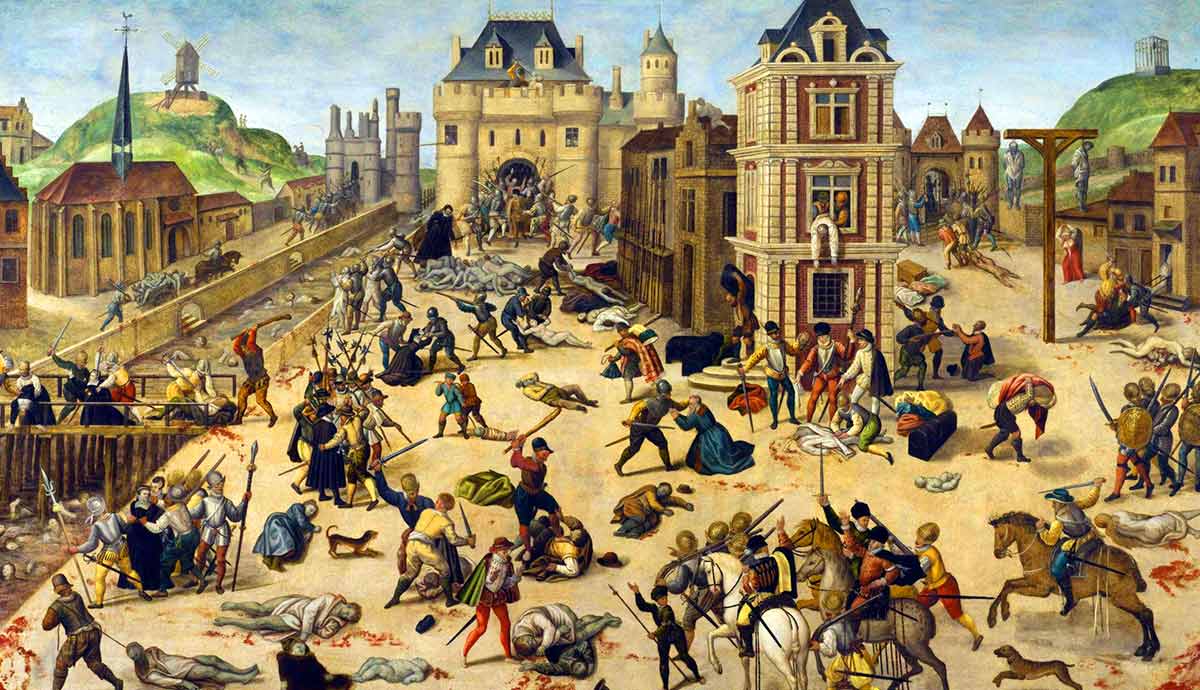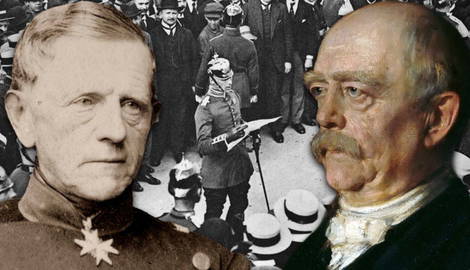

World War I was not simply caused by the assassination of Austrian Archduke Franz Ferdinand. International hostilities had developed in Europe for decades following the German Wars of Unification. In a campaign lasting from 1864 to 1871, the Kingdom of Prussia under Otto von Bismarck embarked on a campaign of military expansion at the expense of three rivals. The result was the creation of the German Empire in 1871. What came afterwards was imperial ambition and rivalry that divided Europe into a web of alliances until war finally erupted in 1914.
The German Confederation and Prelude to Unification
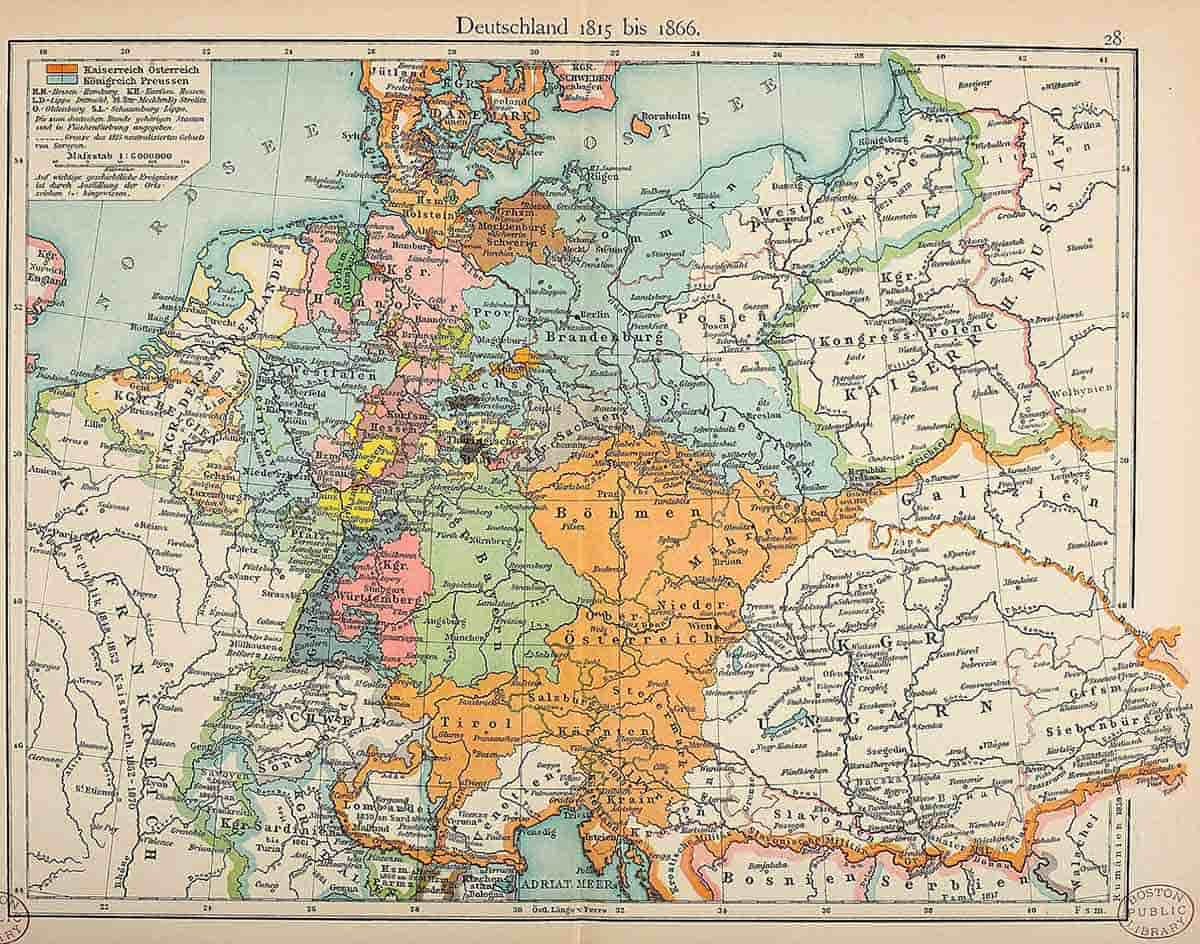
After Napoleon’s defeat in 1815, the Congress of Vienna created the German Confederation to replace the Holy Roman Empire that Napoleon dissolved years before. Prussia hoped to acquire new German territory and reassert its influence over the Confederation. However, as permanent chair of the Confederations’s federal body, the Austrian Empire had greater hegemony, blocking Prussia from acquiring territory and refusing to recognize the kingdom as an equal power.
In 1848, Europe witnessed a wave of liberal revolutions throughout the continent. While the 1848 Revolution failed to overthrow the German monarchs and unify Germany as a single state, the prospect of German unification remained alive. The main question was whether Germany would unify under Austria or Prussia.
Bismarck and Moltke
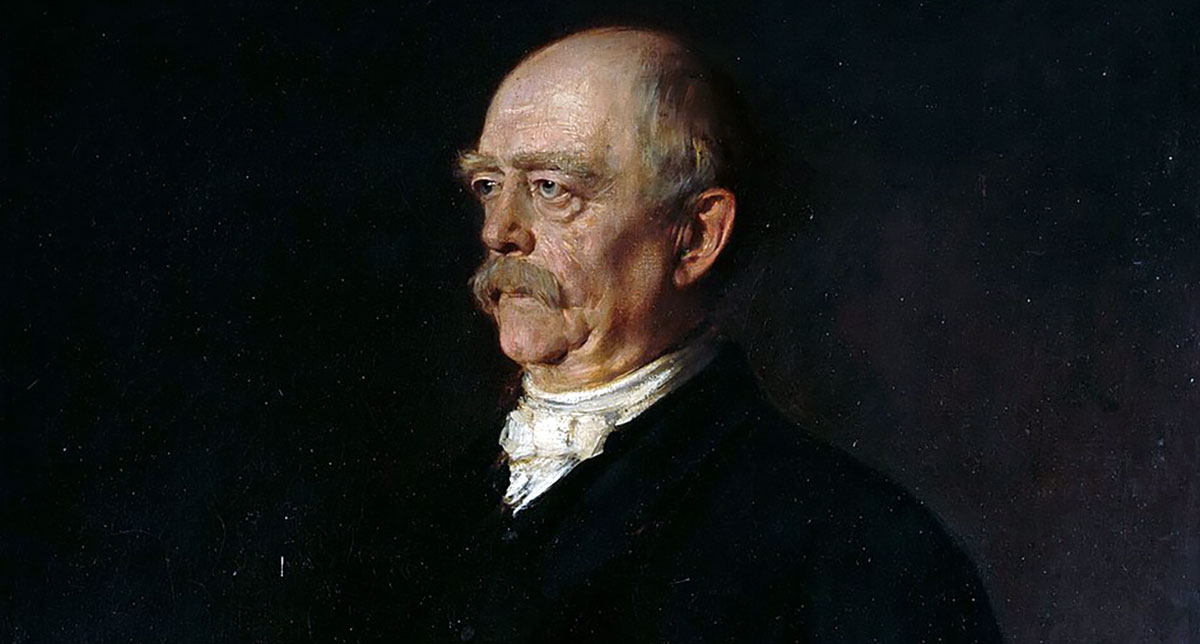
By the 1860s, the Prussian government came under the direction of Minister-President Otto von Bismarck, serving King Wilhelm I. A devoted monarchist, he had no love for romantic liberalism and nationalism. Bismarck was an early practitioner of realpolitik and aimed to extend Prussia’s power over the German Confederation. To that end, he sought support from both conservative monarchs and liberal nationalists. The latter group became one of Bismarck’s most powerful means to mobilize public opinion and, eventually, the military.
After he became Minister President in 1862, Bismarck called upon German unification to strengthen Prussia in his famous speech to parliament: “Germany is not looking to Prussia’s liberalism, but to its power… it is not by speeches and majority resolutions that the great questions of the time are decided… but by iron and blood.”
To realize his objectives, Bismarck relied on support from the Prussian Chief of the General Staff, Field Marshal Helmuth von Moltke the Elder, to modernize the Prussian army. They brought Prussia’s railway and telegraph systems under their control and expanded the army from 300,000 into 1.2 million men. Lastly, Moltke reformed operational doctrine by forming smaller separate armies, emphasizing speed to achieve a decisive battle of annihilation.
Prussia Disrupts the Balance of Power in the Second Schleswig War
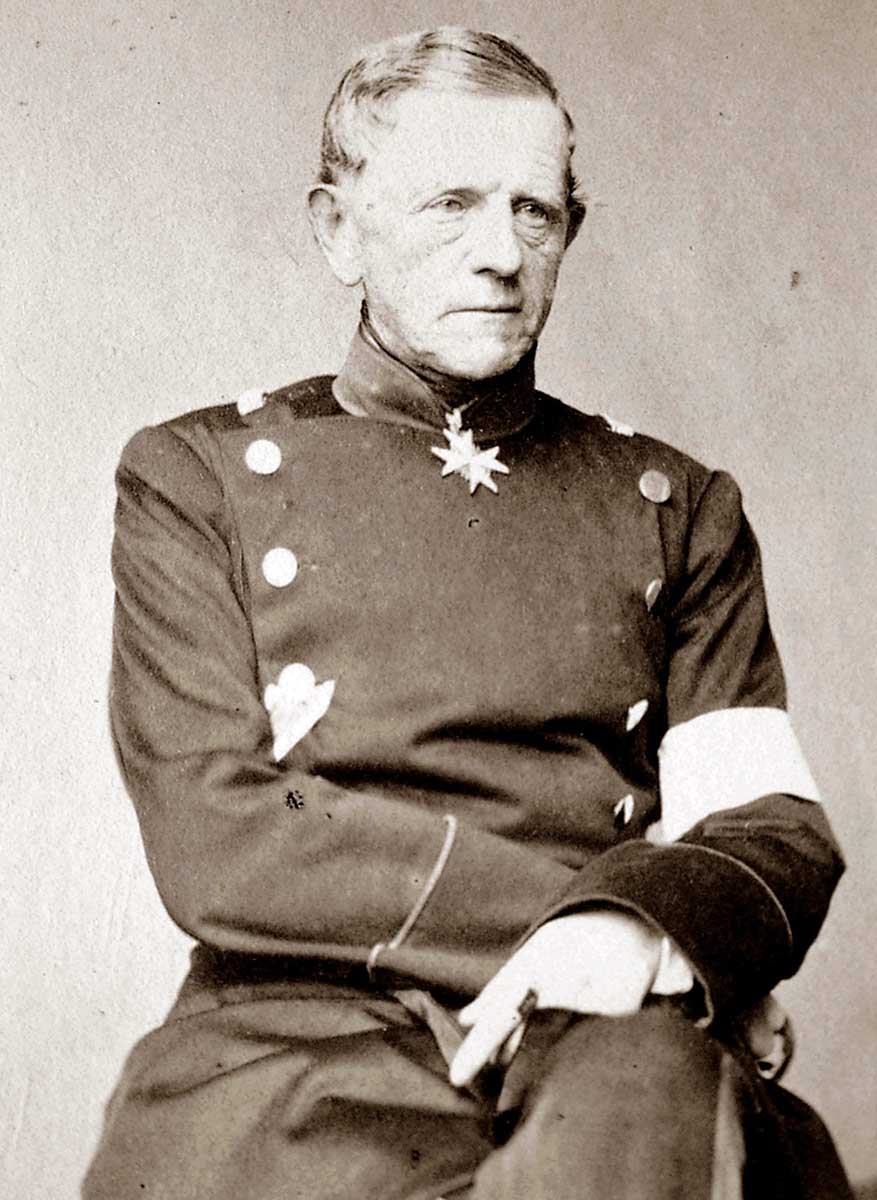
The Second Schleswig War of 1864 was the first of the three German unification wars. The conflict originated over contested claims of the duchies of Schleswig and Holstein, which were ruled by the Danish king but separate from the kingdom of Denmark. While Danes had successfully defended their claim in the First Schleswig War (1848–52), nationalist tensions reemerged in 1863. To Bismarck and Moltke, the war was an opportunity to annex Schleswig-Holstein. For the moment, Bismarck allied with Austria against Denmark to avoid fighting both and, potentially, the other European powers.
The war started with Austro-Prussian armies invading Holstein on February 1, 1864, pushing the Danes north into Schleswig. The Danes were severely underequipped and succumbed to defeat at the Battle of Dybbøl in April. Denmark surrendered on August 1. The six-month long war was more costly for Prussia than Austria. Moltke did not have many opportunities to experiment with his reforms and suffered heavy casualties while Austrian forces enjoyed decisive victories.
Despite the heavy losses, the war significantly strengthened Prussia. The nationalist movement gained greater confidence in the prospect of uniting Germany under the Prussian sword. 70,000 liberals and conservatives signed a petition to annex Schleswig-Holstein. Austria gained Holstein while Prussia annexed Schleswig. Prussian aggression was met with outrage among the press and the public in Britain, where Princess Alexandra of Denmark had married the Prince of Wales.
How the Seven Weeks War Marginalized Austria and Empowered Berlin
The Gastein Convention that divided Schleswig-Holstein was Bismarck’s plan to delay war until he can make Austria look like the instigators. The threat of liberal nationalists in Austrian Holstein was enough for him. He manufactured grievances to claim to King Wilhelm that Austria violated the Convention. Simultaneously, he maintained to the Confederation in Frankfurt that Prussia was a progressive supporter of German unification, unlike Austria’s monarch. Once again, Bismarck mobilized nationalism to rally Prussians for war.
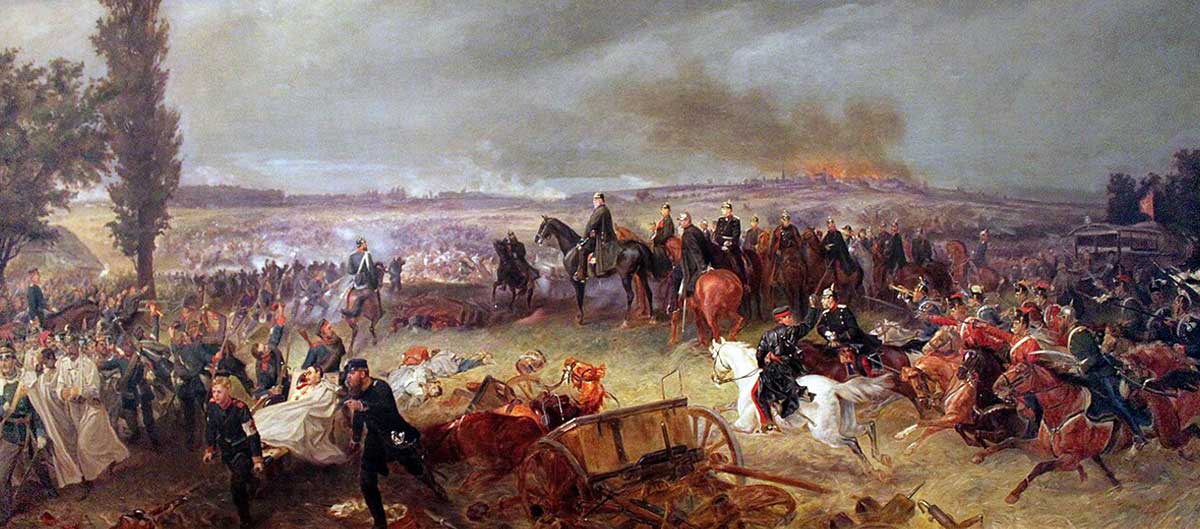
The Austro-Prussian War allowed Moltke to test his reforms and command philosophies. He divided the Prussian Army into four smaller armies targeting Bohemia and Austria’s ally Hanover. Marching separately with greater speed and maneuverability, they would converge to surround and annihilate the Austrian Army.
The Prussian offensive commenced on June 15, with one army quickly overwhelming Hanover and three invading Bohemia. By July, the Prussian armies in Bohemia converged against the Austrian North Army in the fields of Königgrätz. On the 3rd, they struck the Austrian front and flanks, almost enveloping them before they escaped. With his main army destroyed within seven weeks, Austrian Emperor Franz Joseph I agreed to the Armistice of Nikolsburg on July 26.
While Moltke and the other generals hoped to occupy Vienna, Bismarck feared that the continuation of the war would instigate a broader conflict and forced Austria to make peace. The German Confederation was dissolved and replaced with the North German Confederation under Prussian leadership.
How the Humiliation of France Created a Permanent Geopolitical Wound
In the aftermath of Austria’s defeat, Emperor Napoleon III of France was concerned that France would be Prussia’s next target and placed his army on high alert. According to Bismarck, in “the event of war with France, the barrier of the River Main will be broken and the whole of Germany will be drawn into the struggle” (Clark, p. 547).
The immediate cause of the Franco-Prussian War was over Spain. In 1869, Spain offered its vacant throne to a member of the Prussian royal family. France was outraged at the prospect of a Prussian prince over the Pyrenees and threatened war. From his estate in Bad Ems, Wilhelm attempted to refuse Napoleon’s demands in a cordial telegram, but Bismarck leaked an edited version of the telegram that was more insulting. Falling for Bismarck’s manipulation, France declared war on July 19, 1870.
Apart from Austria, all of the German states rallied behind Prussia. Bavarian units led the invasion on August 4, leading other armies at multiple battles on their march to Paris. On September 1 and 2, Moltke and Crown Prince Friedrich Wilhelm’s army surrounded Napoleon’s army at Sedan. In a demonstration of Moltke’s battle of annihilation, German artillery battered the French and Napoleon was taken prisoner. By December, Moltke laid siege to Paris. After a month of starvation and bombardment, the new government surrendered.
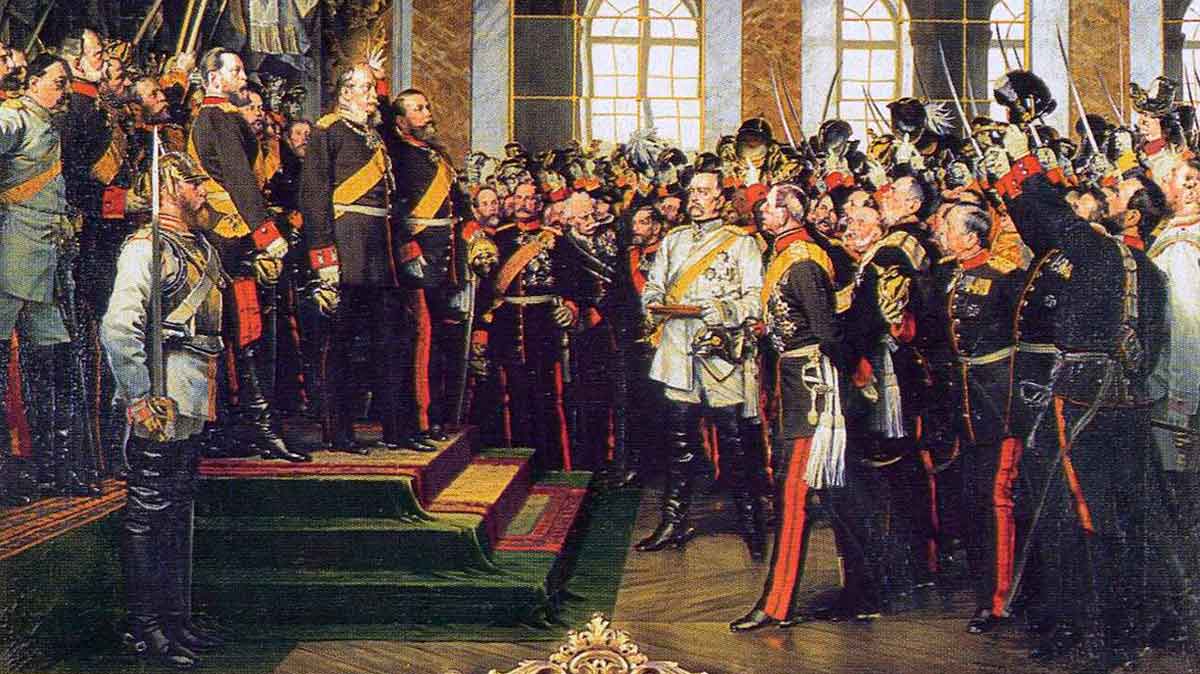
Germans cheered over their victory in a wave of nationalist solidarity. The southern German kingdoms soon joined the northern states, reforming the North German Confederation into the German Empire. On January 18, 1871, Bismarck, Moltke, princes, and dignitaries gathered in military attire at the Hall of Mirrors at the Palace of Versailles and anointed Wilhelm as German Kaiser or Emperor.
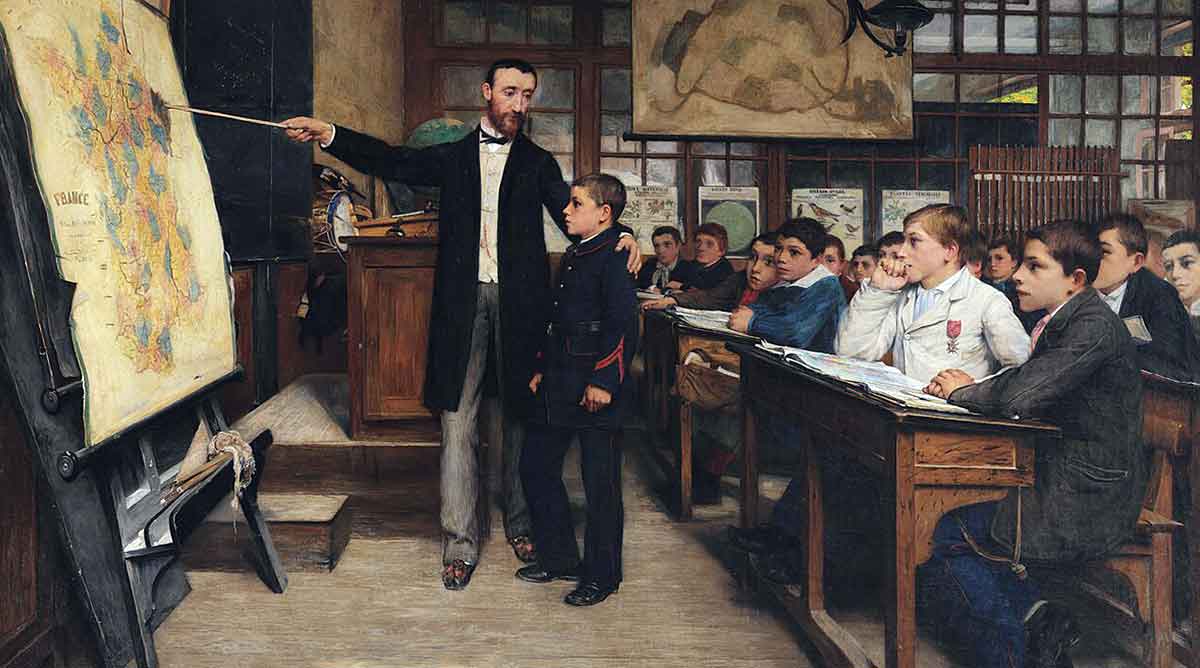
The Franco-Prussian War imposed harsh terms on the new French Third Republic. In the Treaty of Frankfurt, France was to pay 5 billion francs and cede Alsace-Lorraine to Germany. Nearly 400,000 people formally opted to retain their French citizenship, but only about 130,000 actually emigrated to France to escape German rule. France also became geographically vulnerable. Losing Alsace-Lorraine, its fortresses, and the Vosges Mountains pushed French defenses further west, whereas Germany gained a strong buffer between them.
The French government and public eventually recovered its economy and military, still bitter towards the country that humiliated them. The desire for revenge defined the two countries’ relationship during the years leading to World War I, shaping decisions of everything from foreign policy to public education. As novelist Victor Hugo proclaimed in a speech, “France will have only one thought: to collect, to rest in the dreadful reverie of despair… to bring up his children, to nourish with holy anger… we will see it, with a bound, recapture Lorraine, recapture Alsace!”
Colonial Expansion
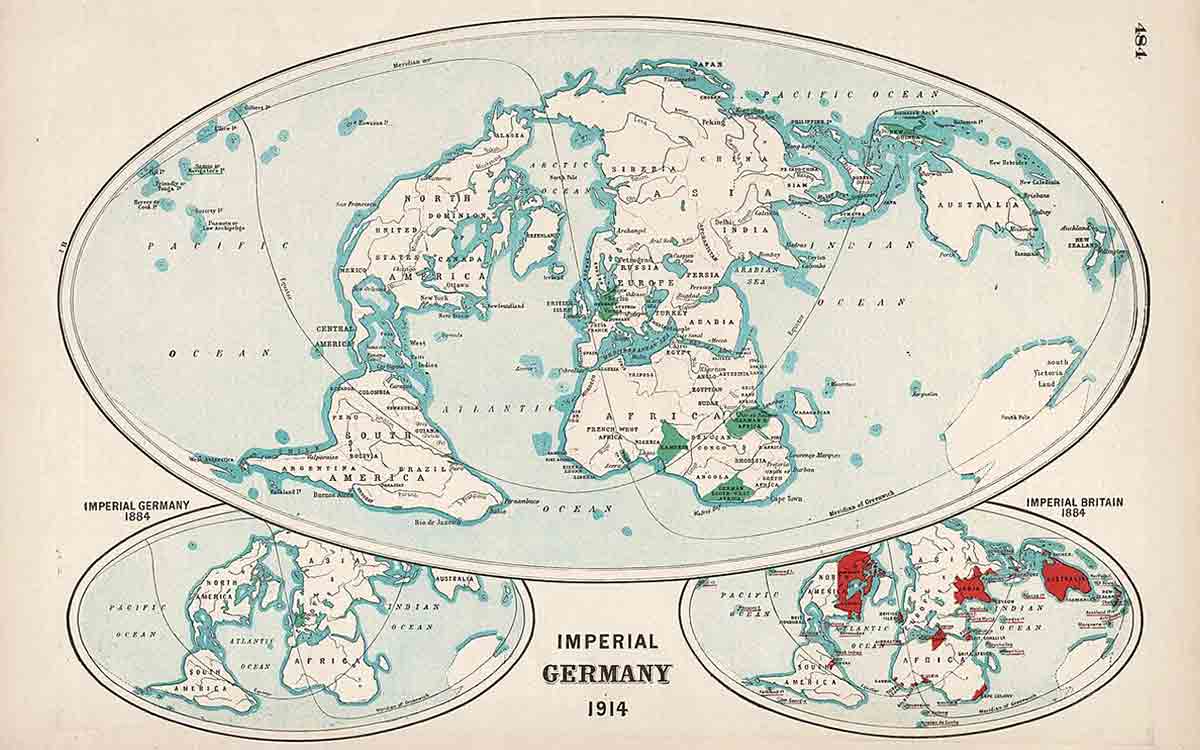
Unification gave the German people confidence in their military abilities and ideologies. However, they remained socially and politically divided within the empire. Conservative, liberal, Catholics, and socialist factions feuded in the Reichstag. After Wilhelm I and his son Frederick III died within three months in 1888, Wilhelm II became Germany’s third Kaiser. Wilhelm amplified Germany’s militarist and nationalist pride. He believed he could unite his people by striving for Weltmacht: global expansion.
Militarist and historian Friedrich von Bernhardi reflected the German mindset at the time: “We must secure German nationality and spirit throughout the globe that high esteem which is due them… and hitherto been withheld from them” (Tuchman, p. 7). As Foreign Secretary Bernhard von Bülow expressed to the Reichstag, Germany would have a “place in the sun” and rival Britain and France as a colonial empire in Africa and Asia (Hoyer, p. 155). The ever-prideful Kaiser provoked a diplomatic crisis in Morocco in 1905, challenging British and French dominion in North Africa. Wilhelm primarily antagonized Britain by expanding his navy, instigating an arms race, and threatening Britain’s Mediterranean interests by seeking closer relations with the Ottoman Empire.
Constructing the Secret Alliances That Trapped Europe in 1914
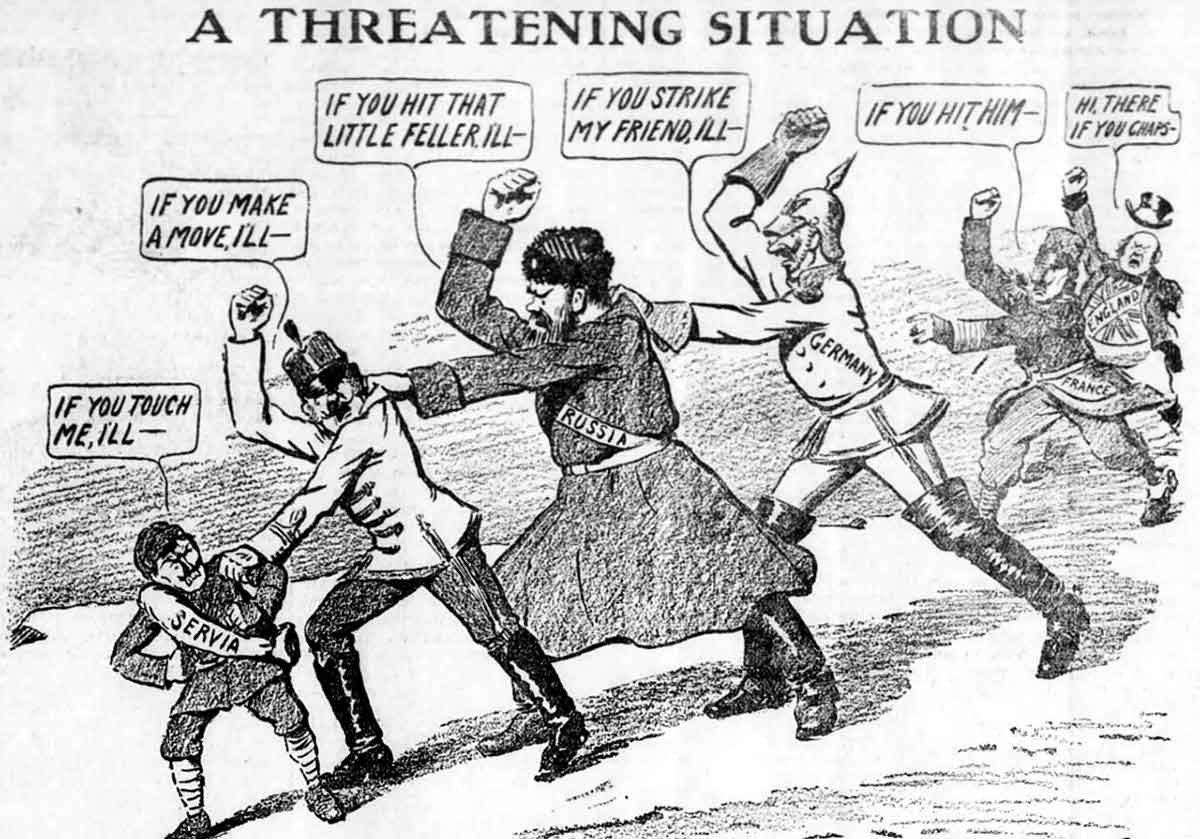
Bismarck knew France would never forgive Germany for its loss of Alsace-Lorraine. Paranoid about another war, he formed the Alliance of the Three Emperors with Austria-Hungary and Russia. France felt threatened and launched a rearmament program in 1873. Two years later, Bismarck responded with a series of articles threatening a pre-emptive war and blocking exports. Both countries remained locked in a cold war as they forged alliances against each other.
The relationship between the three empires was fragile since Russia’s interests clashed with Germany in the Baltic and Austria-Hungary in the Balkans. Ever fearful of France and with Russian friendship in question, Bismarck welcomed Italy, forming the Triple Alliance with Austria-Hungary in 1882. Bismarck eventually reconciled with Russia via the 1887 Reinsurance Treaty.
Russia and Austria-Hungary still feuded over the Balkans. The fragile alliance broke after Wilhelm II forced Bismarck to resign as Chancellor in 1890. His successor, Leo von Caprivi, had to choose between Russia and Austria-Hungary. He allowed the Reinsurance Treaty to expire and reaffirmed Germany’s commitment to Austria-Hungary. Humiliated over Germany’s betrayal, Tsar Alexander III agreed to an alliance with France in 1892 which was ratified by his son Nicholas II in 1894. After France reconciled with Britain in 1904, the Russo-British Entente of 1907 created the Triple Entente. Germany’s fear of a two-front war became more apparent.
How Bismarckian Militarism Standardized the Deadly Machinery of Rapid Mobilization
Prussia’s 1866 and 1871 victories influenced its enemies’ militaries as well as its own. Following its defeat in the Franco-Prussian War, France copied Prussia’s conscription system, expanding its reserve forces and increasing enlistment terms to three years. Second, generals like Joseph Joffre and Ferdinand Foch planned offensives in the east to reoccupy Alsace-Lorraine.
The German military hoped to replicate Bismarck and Moltke’s gloriously decisive victories in the next war. Moltke’s successors—Field Marshal Alfred von Schlieffen and his nephew, Moltke the Younger—believed that such a victory depended on a pre-emptive offensive and striking first. During his tenure from 1891 to 1906, Schlieffen drafted a plan reminiscent of Moltke’s strategy of rapid mobilization and annihilation. Multiple armies would invade France through neutral Belgium. Then, like 1866 and 1870, the German armies would converge and envelop the French. After forcing the French out of the war, the Germans could then turn towards Russia.
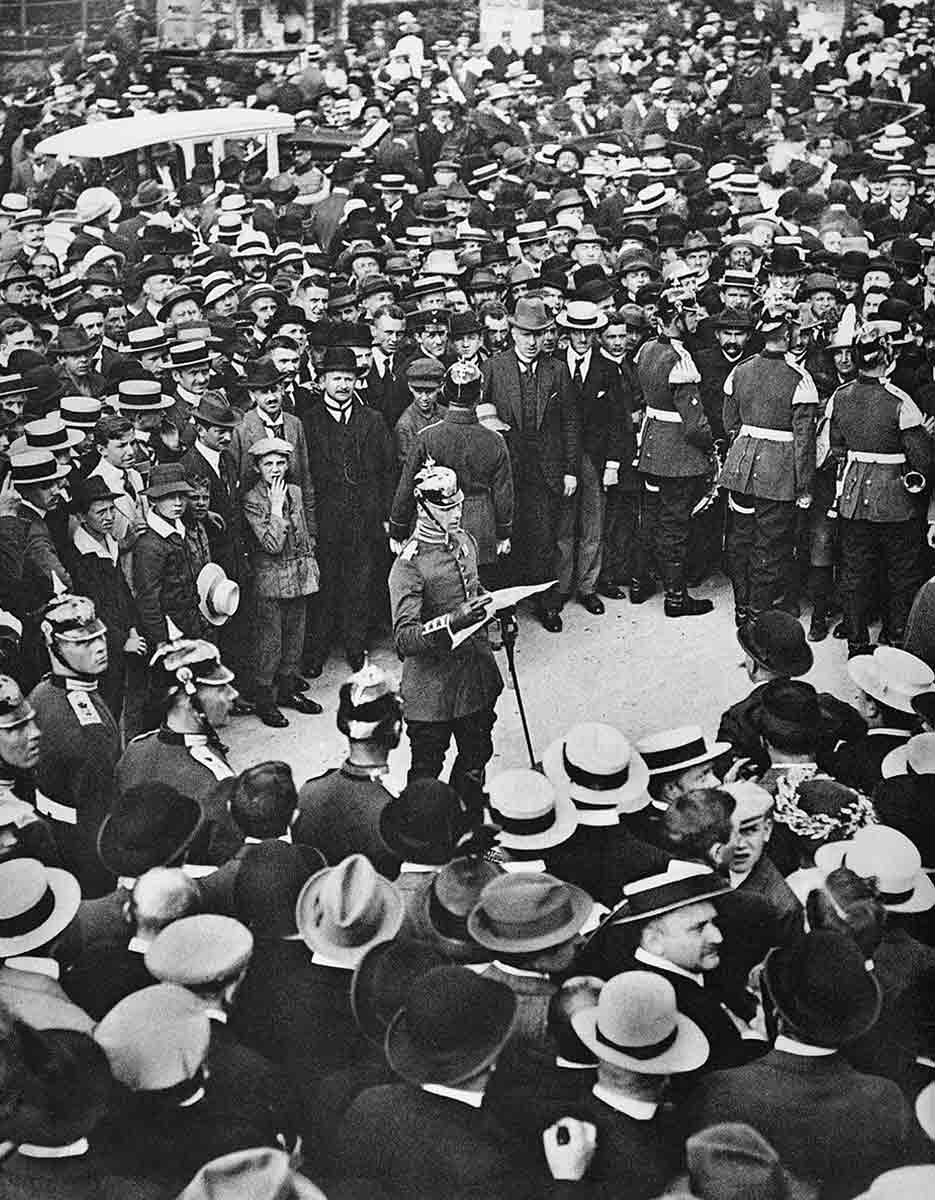
Following the July Crisis of 1914, Germany declared war on Russia and mobilized to invade France. Britain also declared war after Germany invaded Belgium. While Wilhelm wanted to limit the war to Russia, Moltke the Younger hoped to outdo his famous uncle in a second French war.
As the war engulfed the whole of Europe, the German government appealed to the German national spirit, portraying Germany as victims of Franco-Russian aggression. Within twelve days, the army expanded from 800,000 to 3.5 million soldiers, many seeking to emulate the glory of their forefathers during the unification wars. On the day Germany declared war on Russia, Wilhelm addressed the crowd: “Should there be battle, all political parties will cease to exist… today we are all German brothers and only German brothers” (Hoyer, p. 195). The result was four years of trench warfare, a broken economy, a fallen monarchy, and a demoralized society.
References:
- Clark, C. (2006). Iron Kingdom: The Rise and Downfall of Prussia, 1600-1947. Harvard University Press.
- Hoyer, K. (2021). Blood and Iron: The Rise and Fall of the German Empire. Pegasus Books.
- Tuchman, B. (1962). The Guns of August. The Macmillan Company.