
Arte Povera emerged in the 1960s in major Italian cities. Translated as poor art, it ditched expensive traditional materials in favor of earth, stones, scraps of everyday objects, and fragments of everyday existence. The movement did not last long but set a longstanding trend of dismantling the hierarchy of arts and materials. Read on to get familiar with the most important artists of the Arte Povera movement.
1. Michelangelo Pistoletto: The Legend of the Arte Povera Movement
The movement of Arte Povera was born in the 1960s in Italy as a reaction to the social and cultural crisis in the country. Artists ditched traditional oil, paint, and marble in favor of everyday materials, both natural and manmade. Instead of glorifying unattainable beauty or creating expensive art for high-status consumers, Arte Povera artists highlighted poverty and the universality of their methods. Partially, the emergence of Arte Povera was the alternative to the egocentric and commercialized abstract expressionism and the consumerist glamor of Pop Art. Arte Povera challenged not only the viewers but also the spaces in which it was presented. Filled with rags, stones, live horses, or metal scraps, the white walls of art galleries lost their intimidating power.
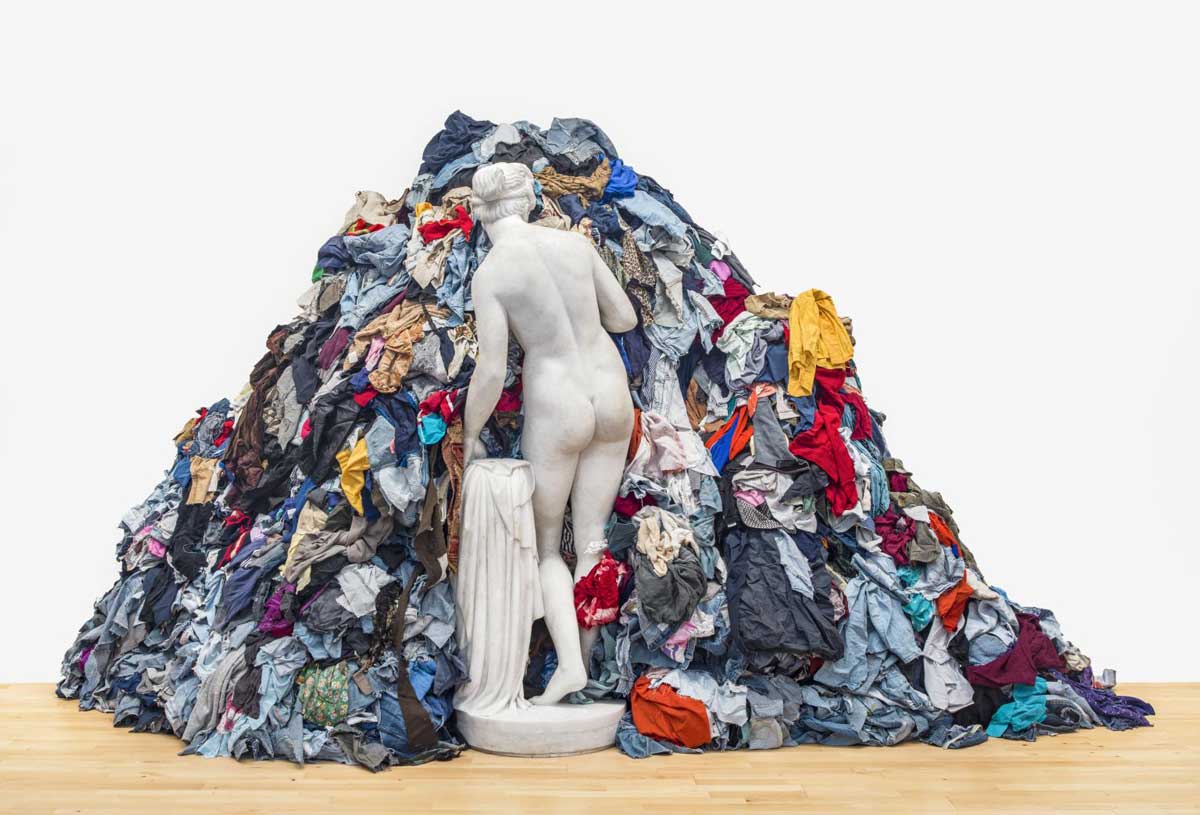
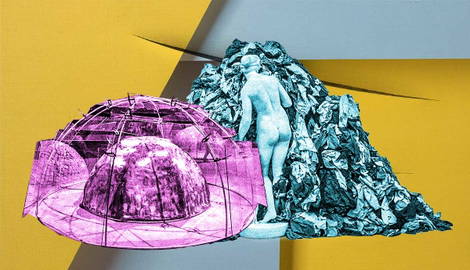
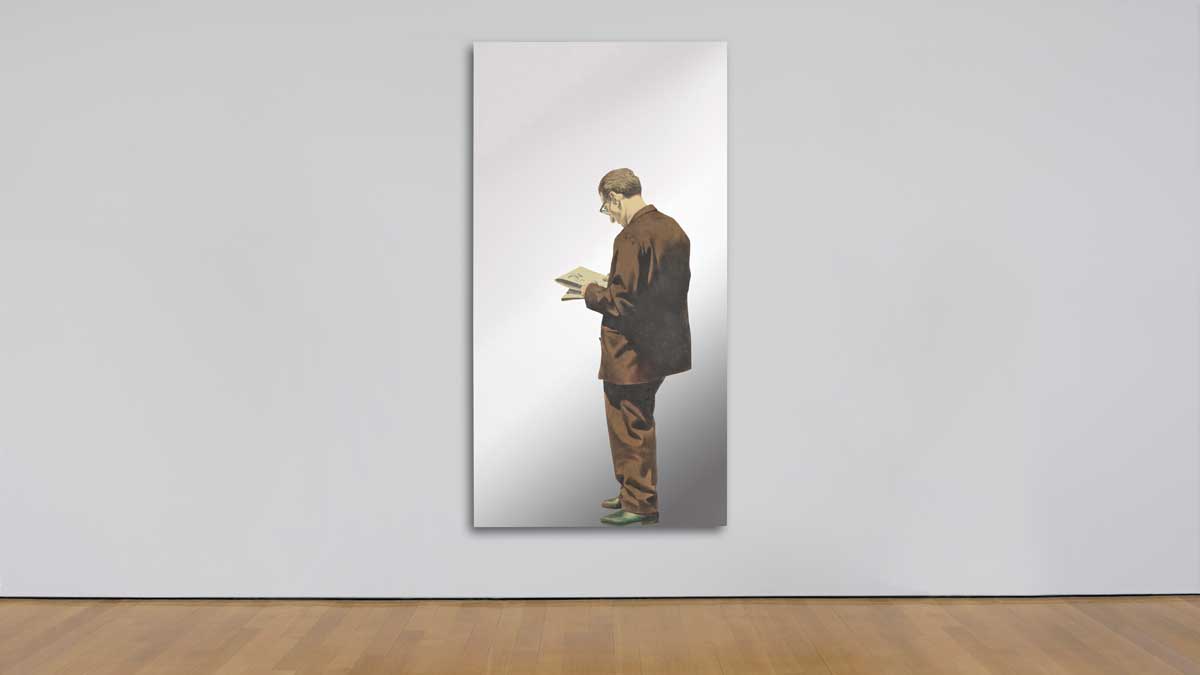
Michelangelo Pistoletto was the most important and influential representative of the movement. His father owned an art restoration shop in Turin, and the future artist received his first training and practice there. Before turning to Arte Povera, he was a photorealist who printed images on mirrors and polished steel plates—the reflection of the viewers became part of these works, incorporating visitors’ silhouettes into Pistoletto’s narratives. His most famous work, however, is called Venus of the Rags. It features a marble sculpture of the Roman goddess facing a pile of cheap modern clothes and rags.
2. Marisa Merz
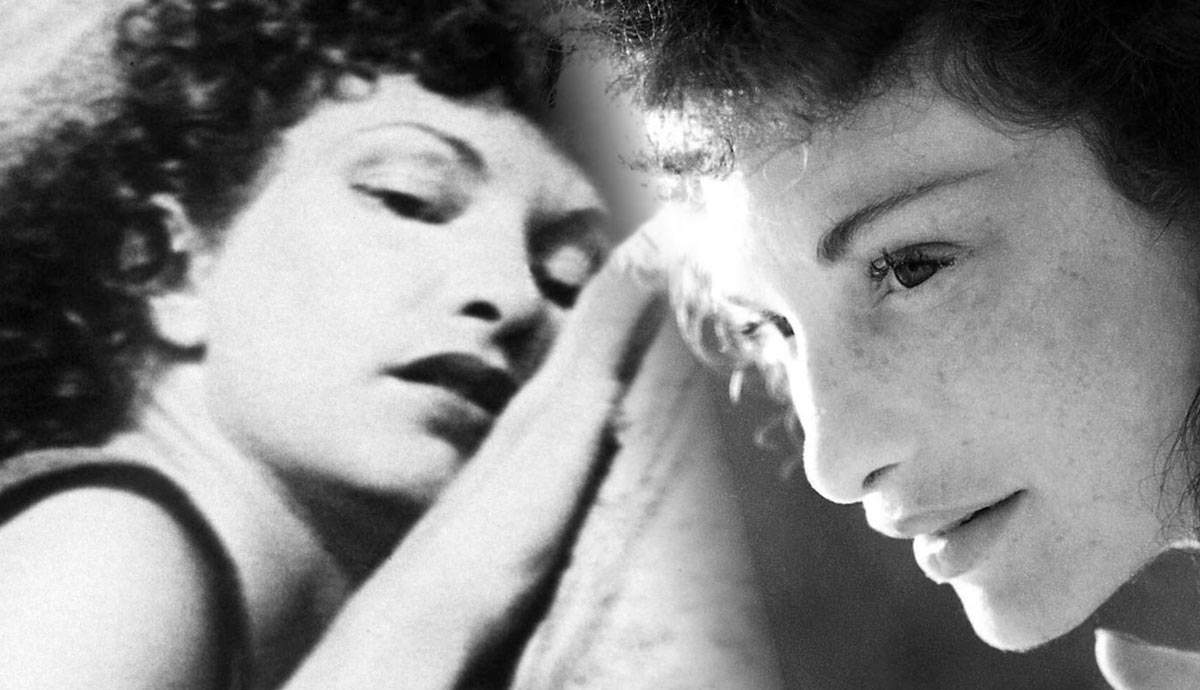
Marisa Merz was the only woman closely associated with the Arte Povera movement. Born in Turin, she was a ballet dancer and a model for the famous Italian painter of Magical Realism Felice Casorati. Little is known about her early life, but most Arte Povera experts agree that she started creating art after marrying another hero of the movement, Mario Merz.
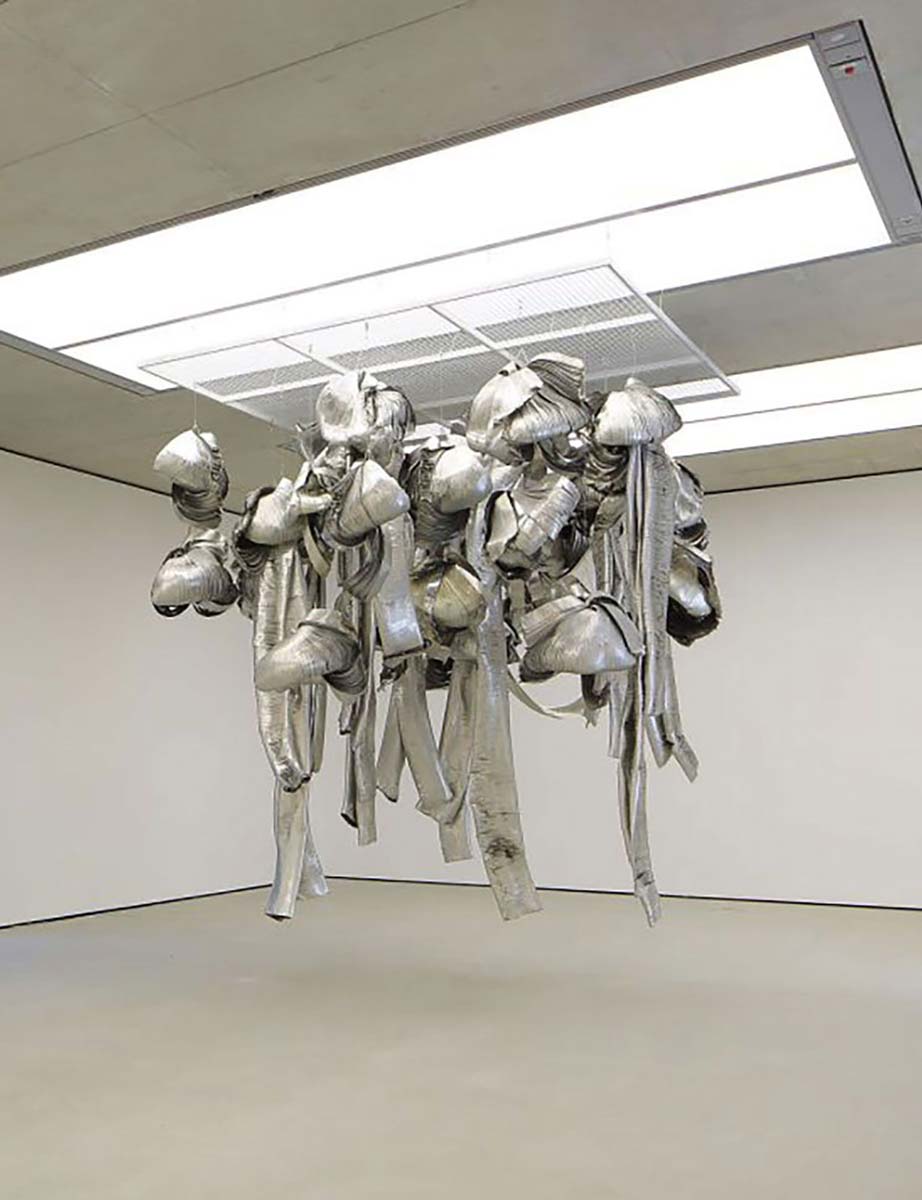
As an artist, Marisa Merz created hanging sculptures from aluminum foil. Her daughter Beatrice, who now manages a foundation dedicated to preserving the art and archives of her parents, remembered being scared of them as a child. Marisa assembled her work in the kitchen, so the finished structures still retain traces of cigarette smoke and cooking oil. These installations often explored the concepts of home and intimacy through biomorphic forms filling the space.
3. Mario Merz
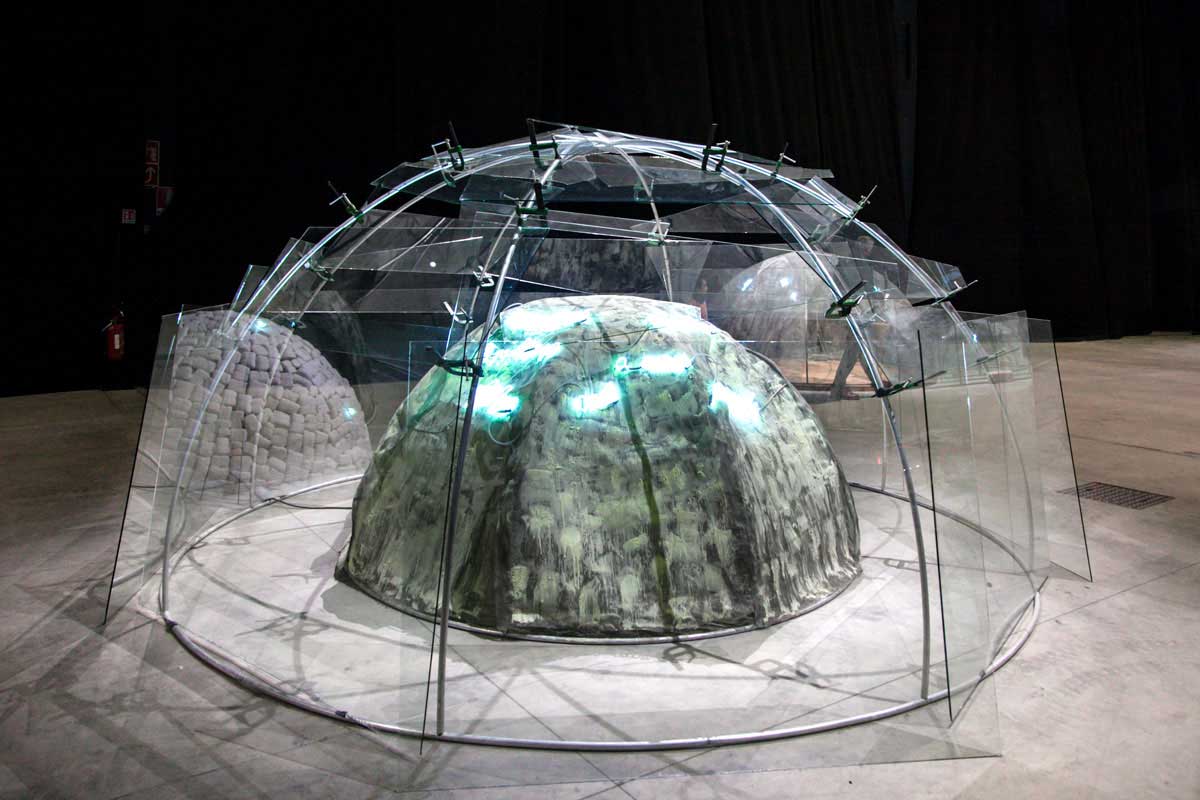
Mario Merz, Marisa Merz’s husband, was known for his sculptures imitating igloos—semi-sphere houses built in northern parts of Canada and Greenland. For Merz, the igloo was a symbol of human resilience and adaptability, the manifestation of one’s determination to survive within the world and make a home out of the most hostile places.
Mario Merz certainly knew a lot about hostility: as a member of an anti-fascist group, he was imprisoned by Mussolini’s militia in 1945. While in jail, Merz, who never had any serious artistic training, started to draw for the first time, using any surfaces and mediums he could find. Apart from constructing igloos from natural materials, Merz worked with neon tubes, metal, and plastic. His installations were both lightweight and stable and transformed museum rooms into comfortable spaces that communicated through universal symbols of comfort and shelter. He often borrowed titles for his works from works of poetry he liked, particularly from Ezra Pound’s writings.
4. Lucio Fontana
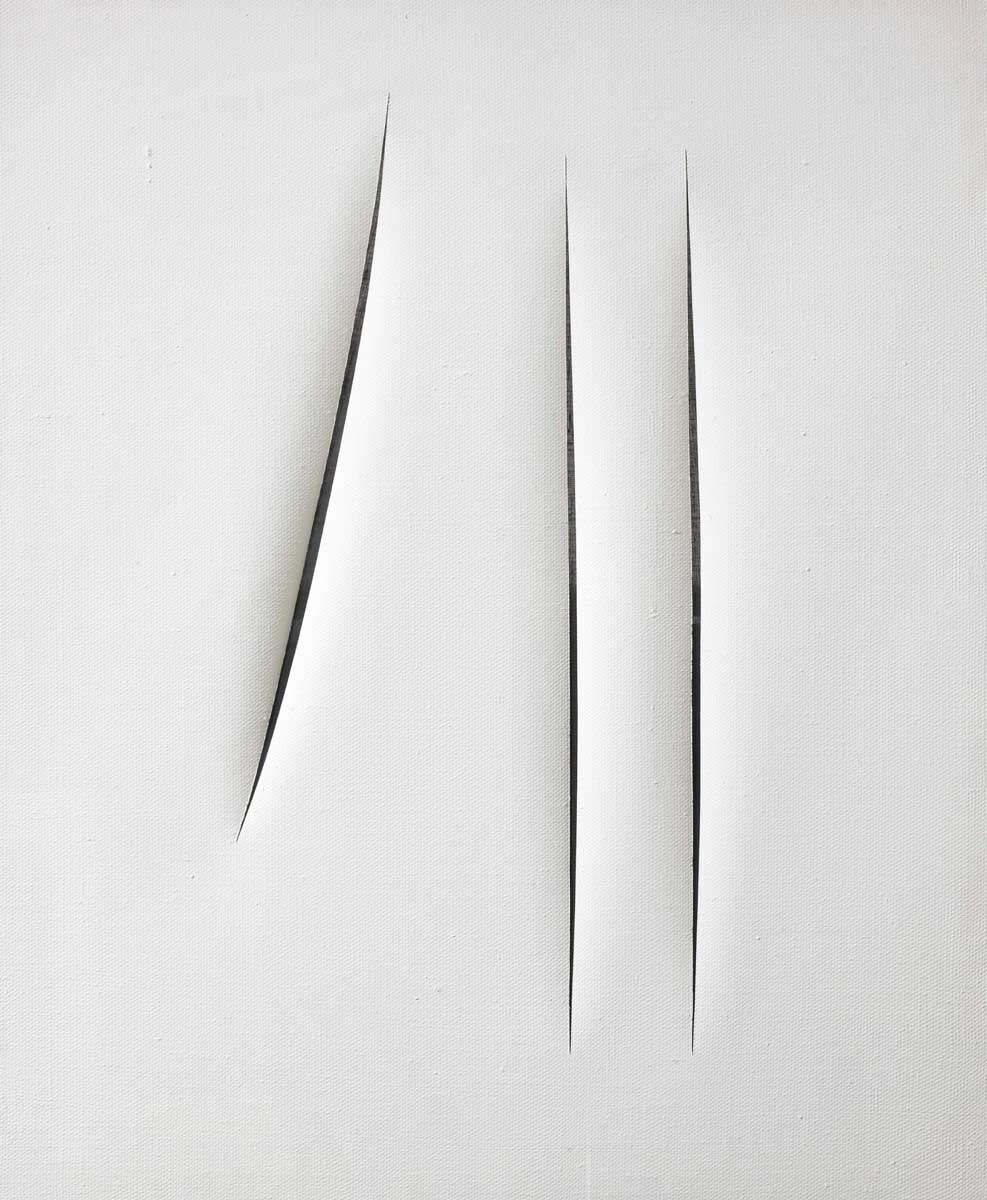
Although Lucio Fontana started his career much earlier than the rest of the Arte Povera artists, he is still often listed among the most influential artists of the movement. He was also the founder of the Spatialism art movement, which called for dismantling traditional barriers between painting, sculpture, and music. According to Fontana, tactile, sound, visual, and spatial effects had to work simultaneously to create a new type of art.
Regarding the Arte Povera movement, Lucio Fontana is often remembered as the artist who attacked the traditional relationship of the artist with their base medium—namely, the canvas. Instead of painting on it, he left long and decisive cuts that exposed the canvas’ structure and gave it a sculptural quality.
5. Jannis Kounellis
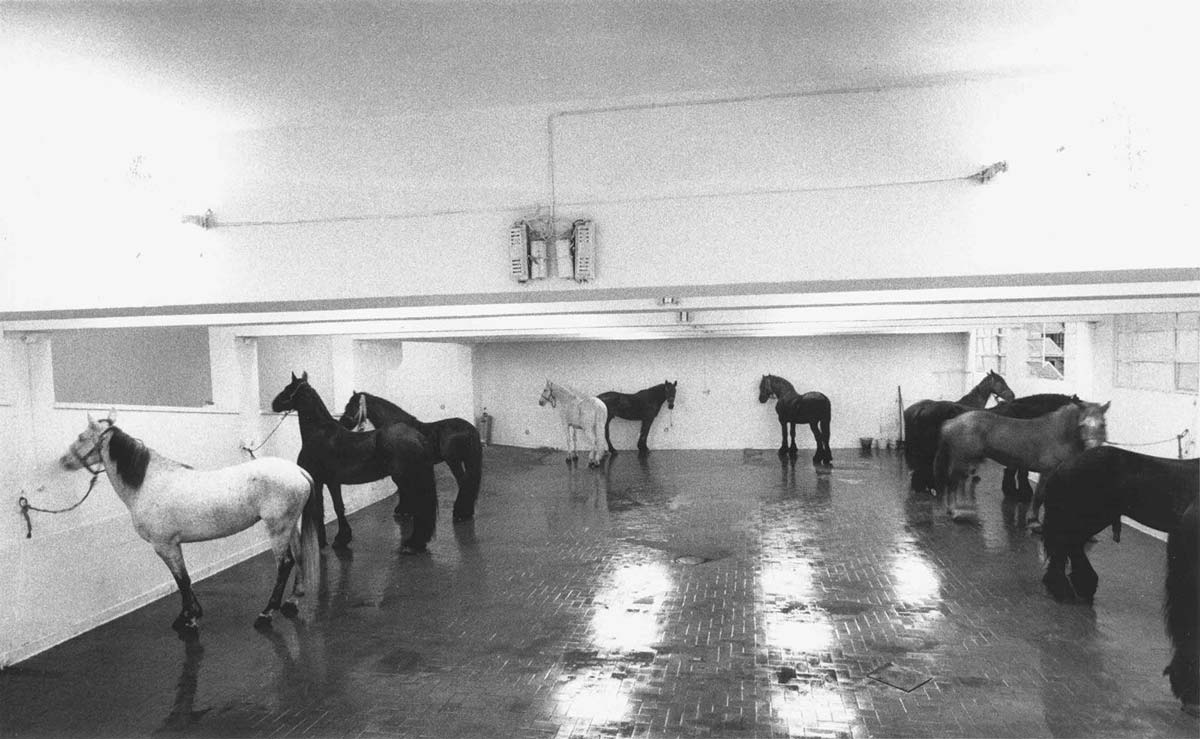
The Greek Italian Jannis Kounellis started to experiment with materials even before the movement of Arte Povera came into existence. From the early 1960s, he used real street signs and advertisements for sculptures, painted on newspapers to demonstrate his political involvement, and experimented with performance art. By the end of the decade, he moved from urban materials to natural ones, relying on wood, wool, and stone. He also expanded his art to olfactory effects, using the smell of coffee and grappa as expressive mediums.
A particularly important trait of Kounellis’ art was his use of live animals. He positioned cages with birds next to his painting and once brought 12 horses to a prestigious art gallery. Shocking and absurd, these works marked the intervention of the real natural world into the space of artifice, deeply commercialized and full of meaningless social constructs.
6. Gilberto Zorio
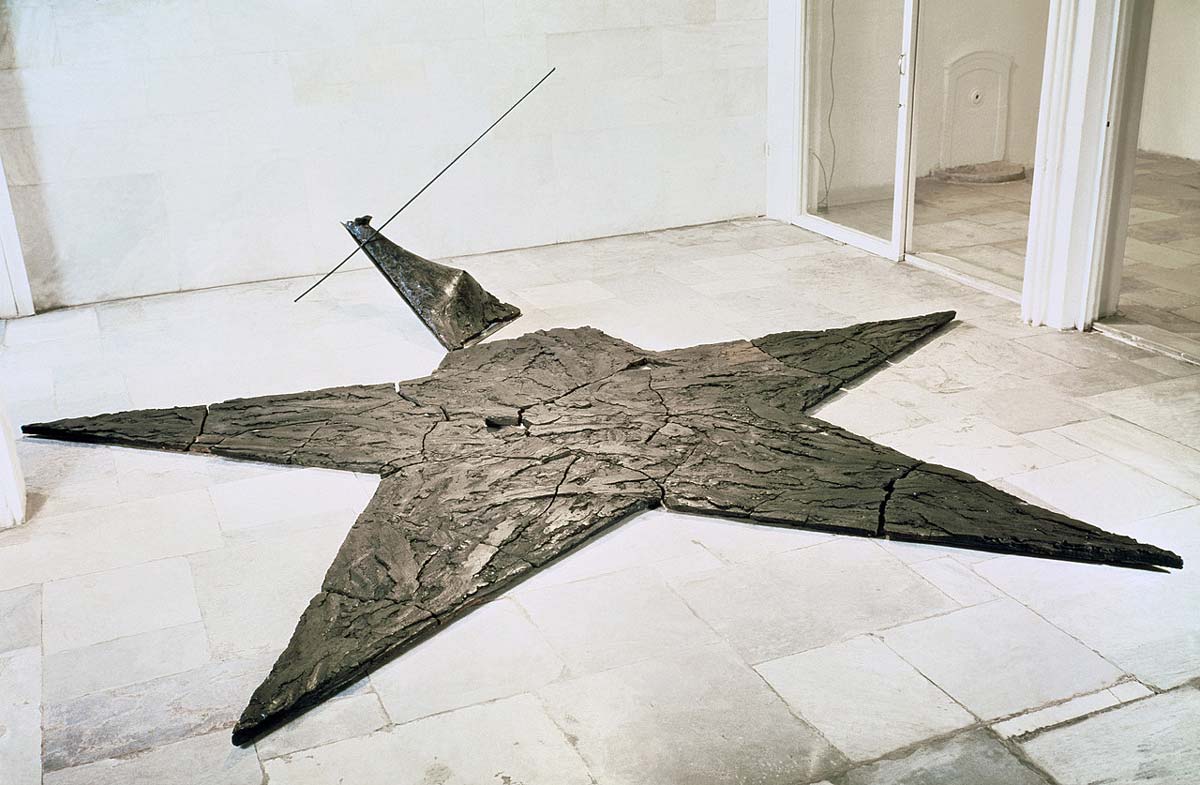
Gilberto Zorio started his artistic career as a painter and then moved towards sculpture and installation. Zorio was fascinated with alchemy and transformation and thus often used chemical processes in his art. The chemical reactions made his works ever-changing and impermanent. Each time a visitor gets a chance to see them, they experience these works at least slightly differently.
He also developed his own iconographic system of recurring motifs, which included alchemical symbols, a javelin, a canoe, and stars. Impermanence and transformation frequently captured the minds of Arte Povera artists. Their use of discarded or organic materials made them hard to preserve. Many works require constant maintenance and care, and some are from the start created to decay over time.
7. Giovanni Anselmo
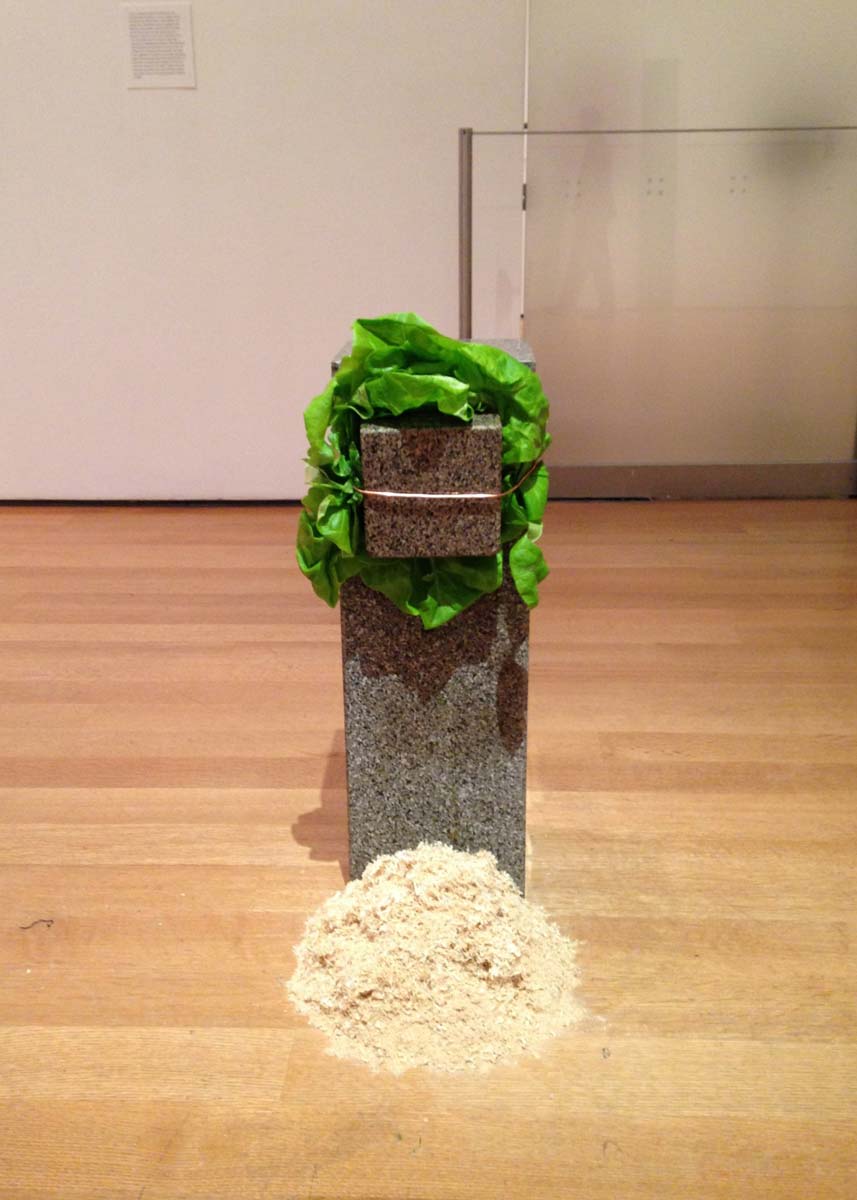
Giovanni Anselmo was one of the founding members of the Arte Povera movement. Anselmo focused on exploring intangible forces and concepts like energy, force, eternity, or invisibility through simple and familiar materials. The use of physically and contextually contrasting materials (like plant leaves and stone or concrete and wood) helped him study the natural laws of gravity and magnetism and establish complex relationships between materials. Often, his works have a predetermined expiration date, with their destruction conceived by the artist from the start.
8. Alighiero Boetti
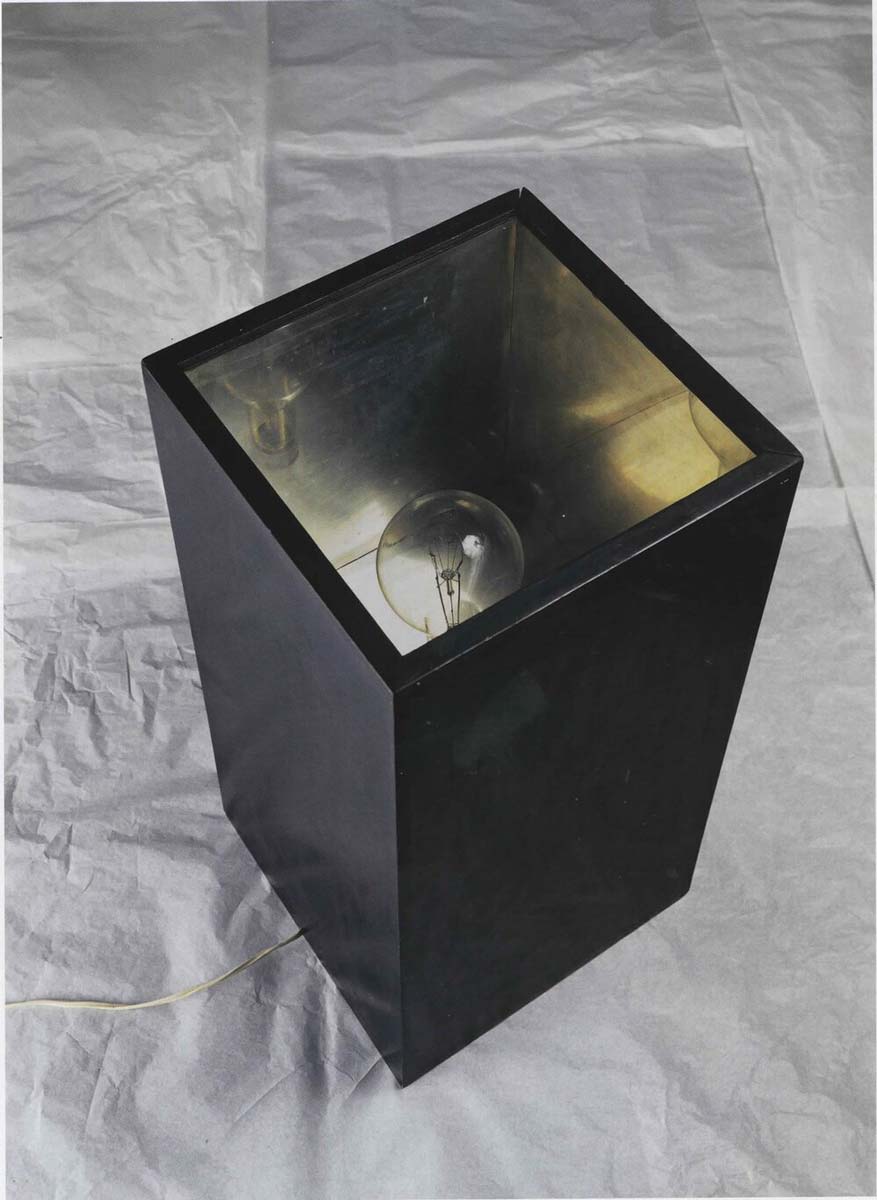
Alighiero Boetti was a Turin-born artist who quit business school to become an artist. Boetti’s main artistic concern was exploring the idea of chance. He often created works that relied entirely on chance, its rules, and its limitations. His sculpture Yearly Lamp consisted of a box with a lamp that switched on each year for just 11 seconds. It was impossible to predetermine the time and date of the lamp’s next activation, which made the viewers’ experiences more tense and captivating.
In 1969, Boetti sent 26 letters to famous artists, art critics, collectors, and dealers. However, he did not use their real addresses; instead, he made up random ones. After each undelivered letter came back, he sealed it into another envelope and sent it to another address. After several iterations, Boetti documented the journey of each envelope and collected it into a dossier.
9. Piero Manzoni: The Precursor of Arte Povera
Piero Manzoni died in 1963 from a heart attack at the age of just 29. He did not live long enough to witness the coinage of the term Arte Povera in 1967 or to participate in collective exhibitions of artists who were similar to him. Still, he is considered an important figure in the movement. Manzoni’s bitter irony and unconventional use of materials such as rabbit fur, bread, and porcelain became emblematic of the era that came soon after his death.
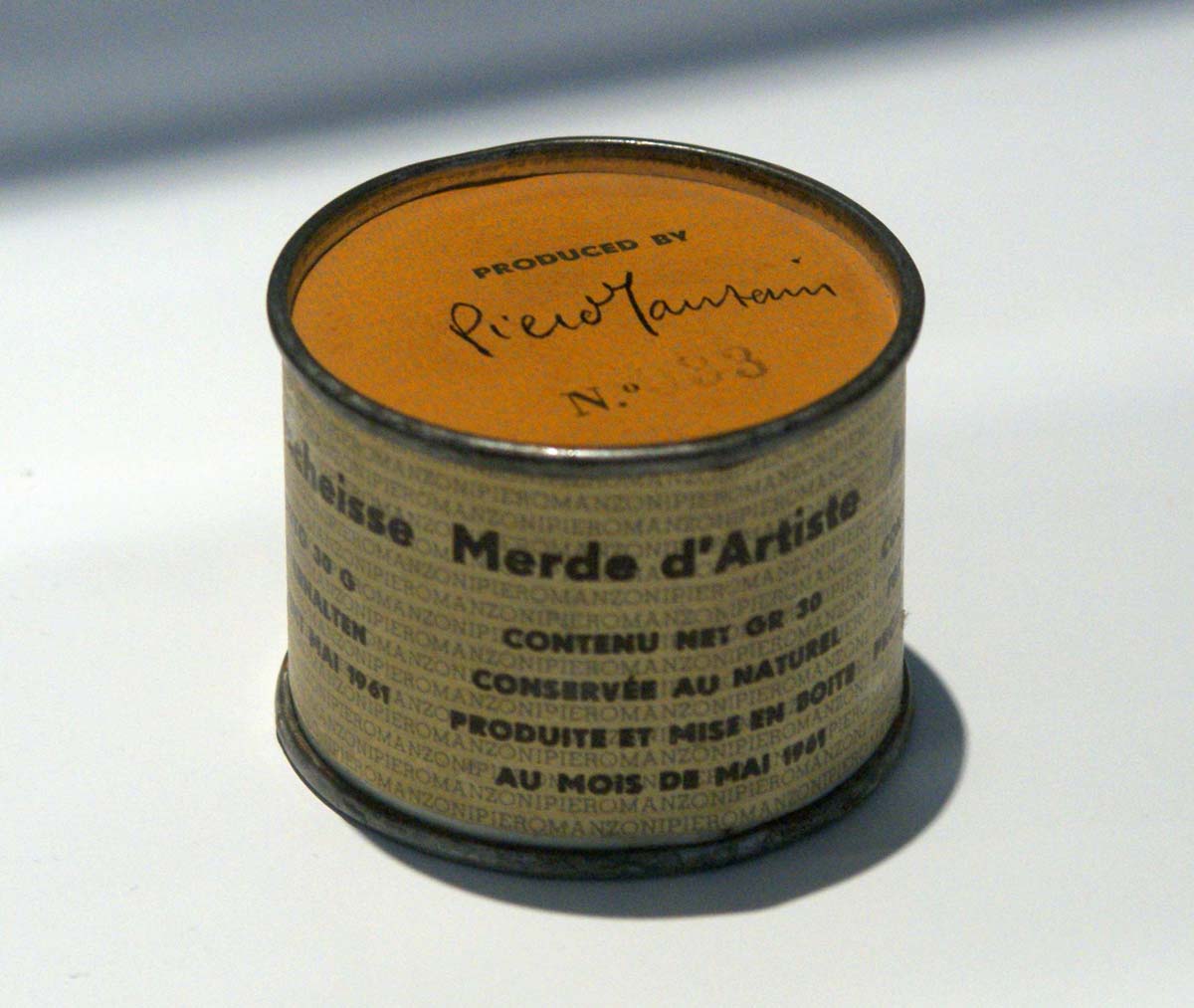
A particular preoccupation of Manzoni was the figure of an artist and their expression. In 1960, he presented a series of inflated balloons fixated on wooden planks with signs Artist’s Breath. This presentation mocked both the art market running out of things to capitalize on, the cult status of famous artists, and the impermanence of something revered and respected. In the following year, he exhibited 90 sealed cans with captions Artist’s Shit. The contents of these cans, however, remain unknown.