
Maya Deren’s films incorporate choreography and hallucinatory cinematography to challenge perceptions and transform the visual experience into a surrealist dance between dreams and reality. Her work merges the spoken and unspoken in filmic fashion, solidifying her place in arthouse cinema history. While Meshes of the Afternoon may be her best-known film, Deren had a more profound effect on experimental cinema than a single title might suggest. As a trailblazer in the 1940s and 1950s cinematic milieu of the United States, Deren’s work inspired many experimental female filmmakers.
Maya Deren’s Origins
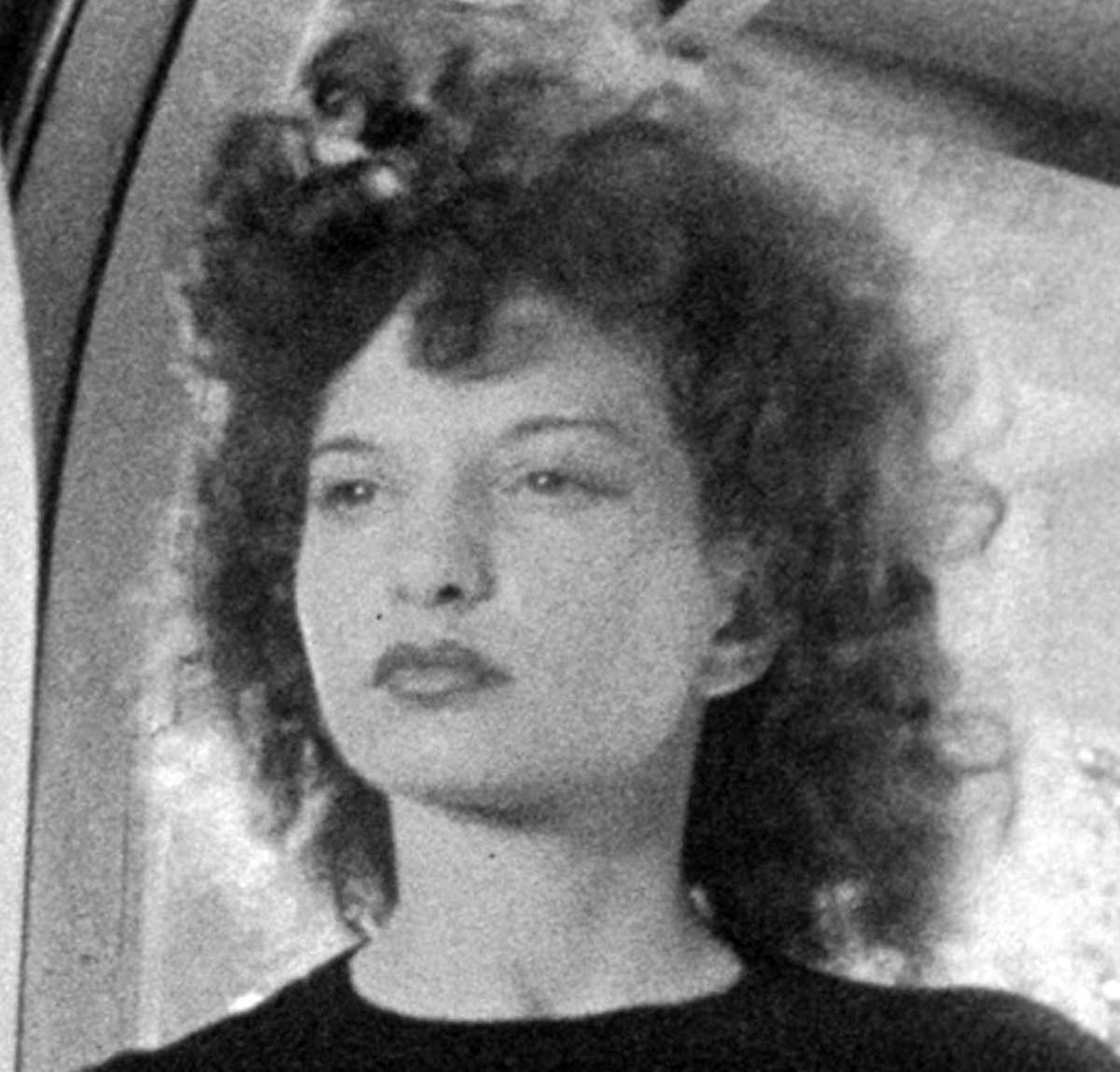
Born Eleanora Derenowsky in Kyiv, Ukraine, in 1917 to Jewish parents, the filmmaker and her family fled the country due to fears surrounding anti-semitism. After immigrating to the United States, the family changed their last name to Deren to avoid any further anti-semitic sentiments. Deren spent her adolescence between Europe and the United States before deciding to study journalism and political science at Syracuse University in 1933. She would later move to New York City in 1935 with her first husband, social activist Gregory Bardacke, and complete her Bachelor’s at New York University. In 1939, Deren would get a Master’s in English Literature from Smith College, writing her thesis on symbolism in English and French poetry.
Beginnings in Filmmaking
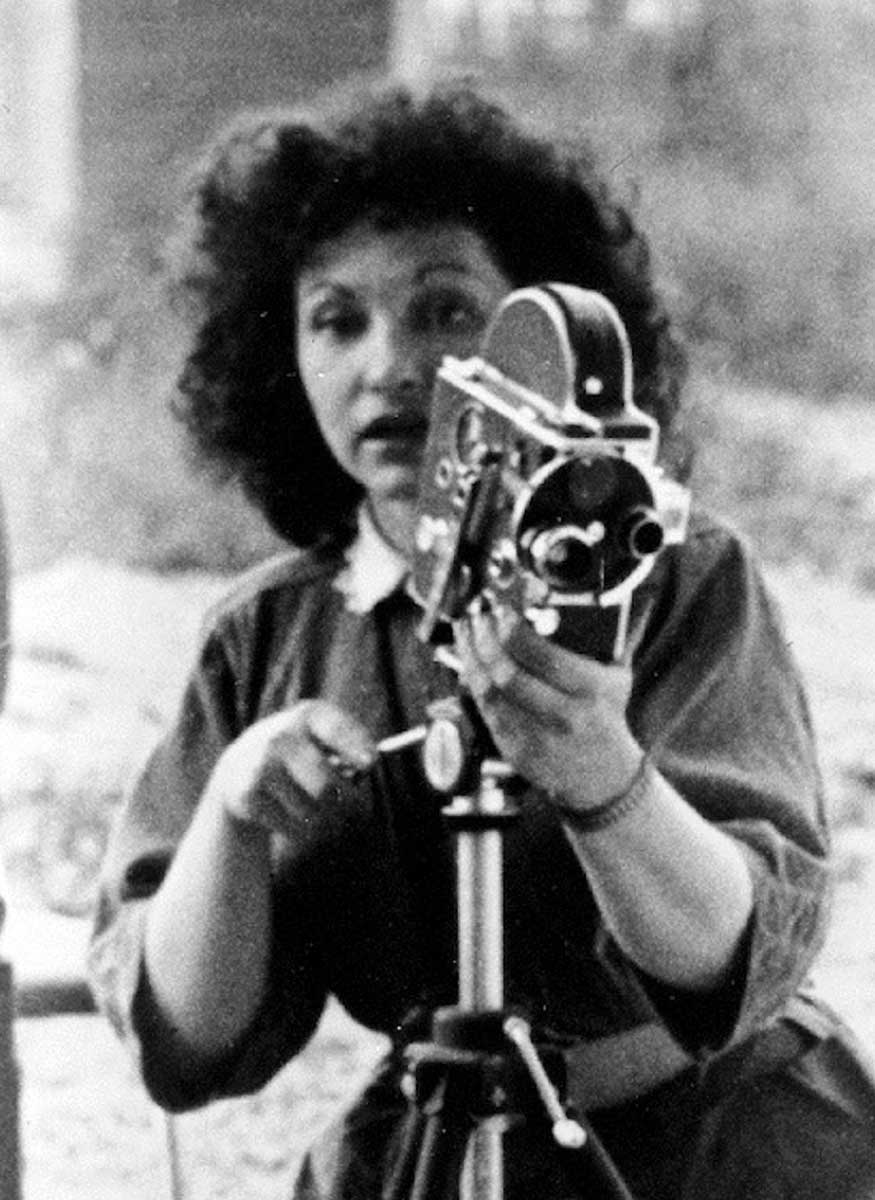
The breadth and scope of her studies would set the foundation for a soon-to-be filmmaker who would bring global perspectives to art-house cinema, a realm where she would make her debut with her artistic name, Maya. While living in New York and completing her studies, Deren worked as an editorial assistant and freelance photographer. Her passion for storytelling and visual imagery motivated her to seek out new subjects to explore and document.
In time, the filmmaker was introduced to Katherine Dunham, a prominent figure in the American modern dance community and a Caribbean culture and dance anthropologist. Deren began traveling as Dunham’s assistant, documenting and studying the mythology and ritualistic attributes of dance. While in Hollywood, she would meet her second husband, seasoned filmmaker Alexander Hammid, who welcomed her into the burgeoning avant-garde film movement of the era.
Altering Reality Through Experimental Cinematography
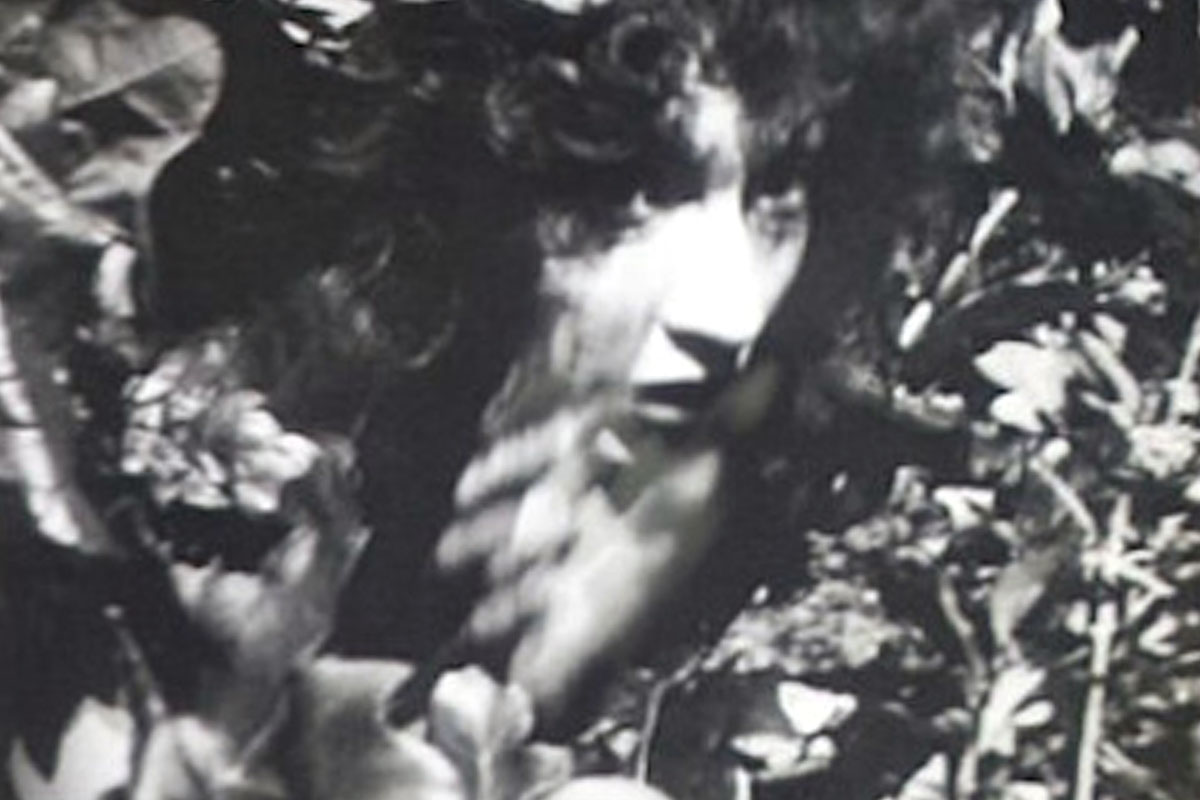
In 1943, Maya Deren purchased a 16-mm Bolex camera using money she inherited from her father’s passing. Fully immersed in the film scene on the fringes of Hollywood, she began piecing together ideas and working together with Hammid on what would be her first film Meshes of the Afternoon (1943). The joining together of their talents, Deren with her poetic temperament and Hammid with his technical camera abilities, paved the way for their new and imaginative approach to cinema. In Meshes, this unique approach to cinematography is seen in frames that oscillate between mirroring and distorting the action of the film, shifting perspectives, and bending time in the on-screen world. Her novel and avant-garde approach to editing remains a common theme in her films, regardless of their focus. Deren’s spatial disruption and defiance of time would inspire many filmmakers to play with time and space for years to come.
Exploration of the Psyche and Freudian Images
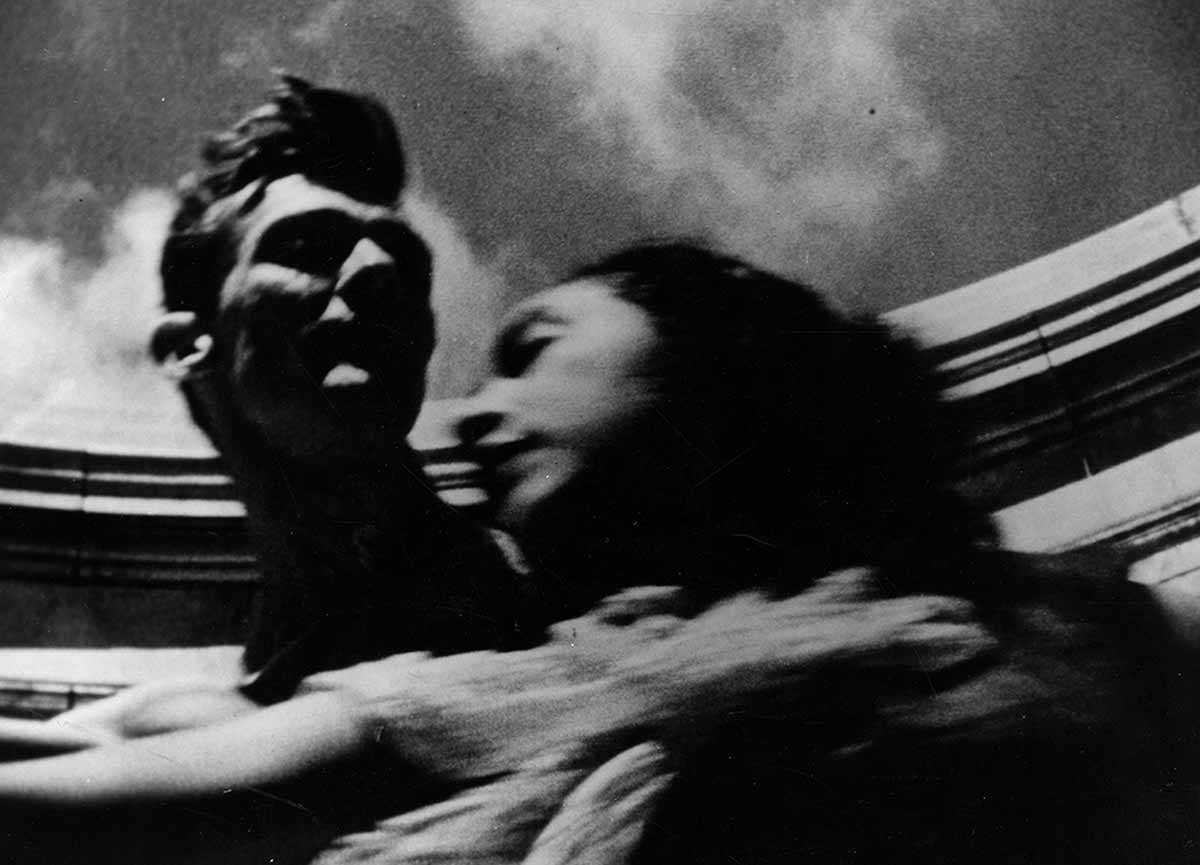
Within Deren’s cinematic world, dreams are a playground for delving into and examining unconscious feelings, fears, and repulsion. Freudian images abound, especially in Meshes, where a knife attack from Hammid is a clear allusion to the psychological death Freud often connected to sex and the phallus. Through her introspection about celluloid suicide, which also appears in this film, Deren broaches the subject of identity, alluding to protofeminist ideas surrounding women’s role in society and domesticity. Nonetheless, sex is not always tied to death, whether real or imagined. In Ritual Transfigured in Time (1945), Deren delves further into the human psyche with the help of dancers Rita Christiani and Frank Westbrook, as well as writer Anaïs Nin. Through the use of Greek mythology, slow camera movements, and dance, the filmmaker scrutinizes the almost primitive nature of courting rituals and how they relate to female sexuality.
Examining Social Rituals via Cinematic Sequences
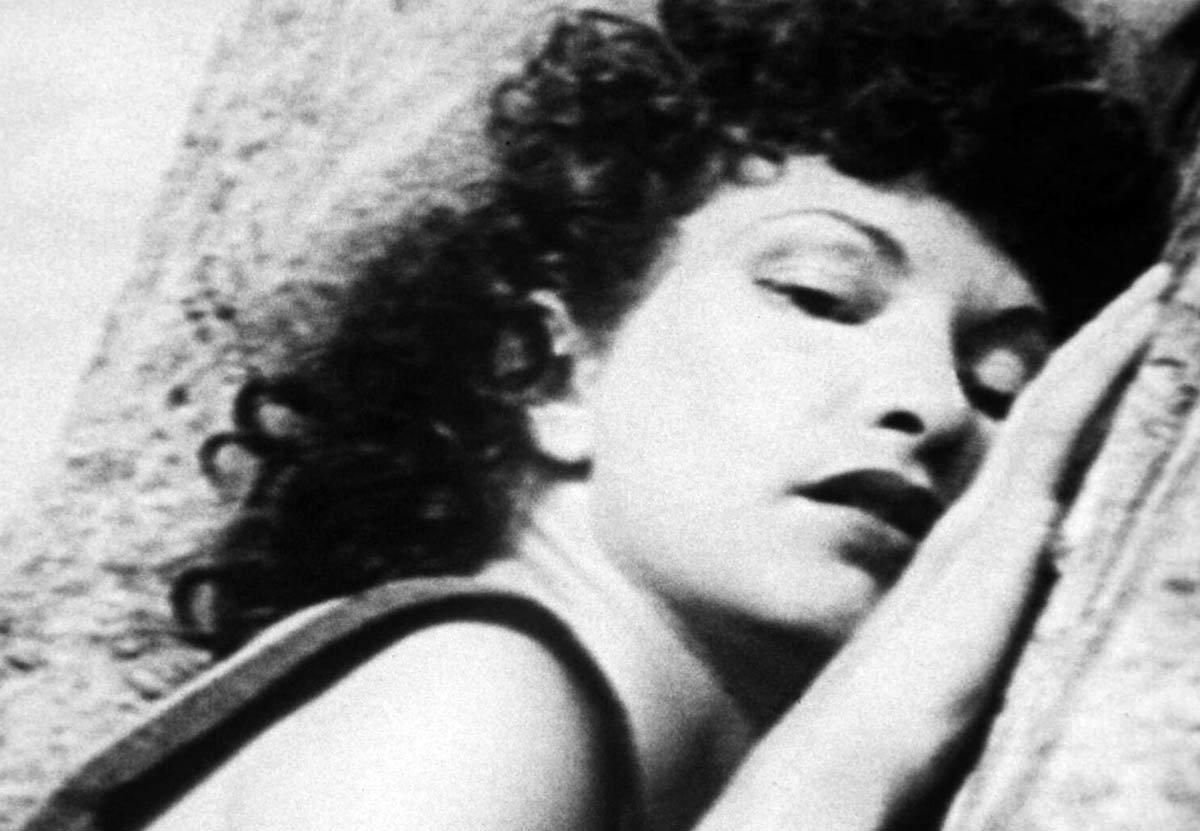
It was not only her willingness to submerge viewers in the depths of the mind that made Deren’s films so groundbreaking, but also her propensity to spark conversations around social rituals. In At Land (1944), the filmmaker assays pressures to follow social cues in order to gain acceptance. The film takes place by the seaside, providing a rhythmic backdrop to the interplay between the seen and the unseen in the external world. As the protagonist of the film, Deren takes on the persona of a wild, mermaidlike figure who happens upon a dinner party at the seashore and is rejected by the partygoers because of her uncivilized disposition. Deren’s work is often divided into two sections, her early and late films. Most of her later work is ethnographic and documents Haitian vodun rituals. Still, the filmmaker’s modernist flair and interest rituals remain constant in her later films.
Dance and Poetry’s Influence on Deren’s Films
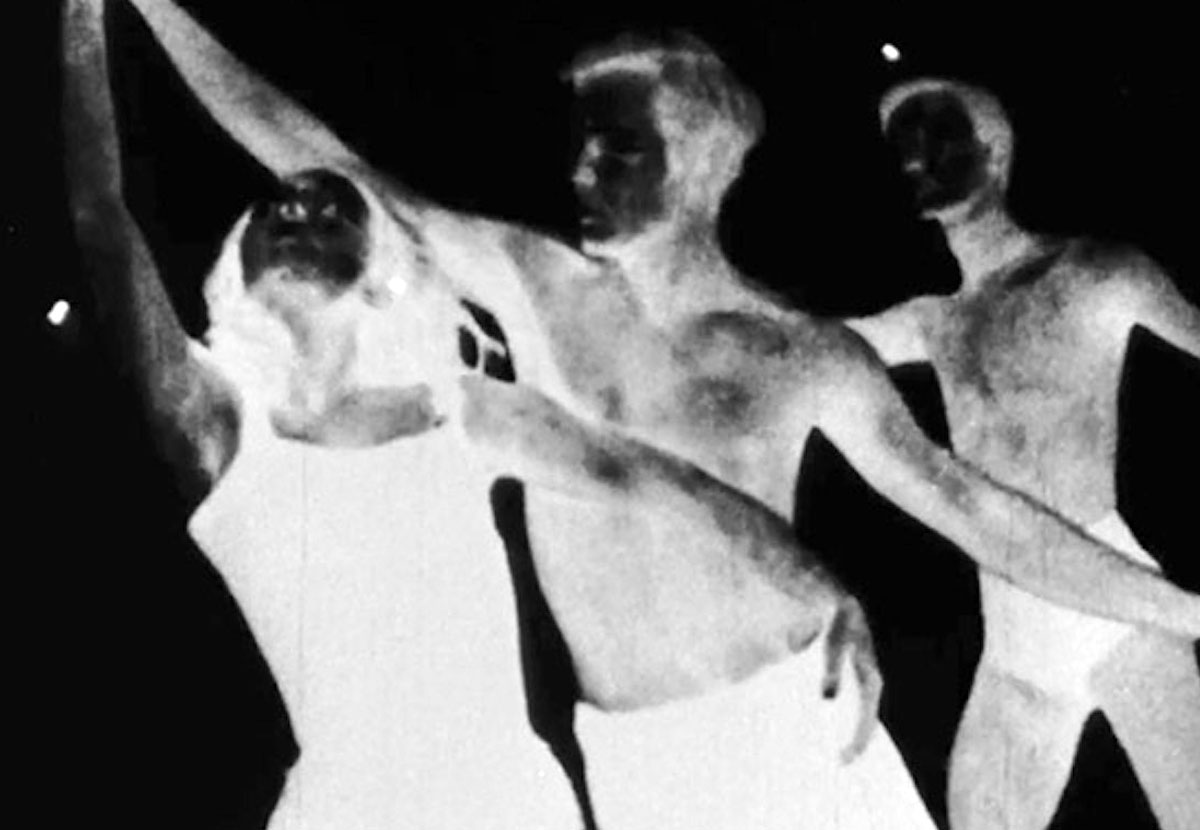
If there is one element that is present in all of her films, it is rhythm. Many attribute Deren’s unique cadences to her background in poetry and literature as well as her passion for dance, which lend an almost trancelike and hypnotizing quality to her films’ montage. Through the lens of dance and stanza-like structure shaping her films like poems, Deren reimagined the cinematic experience of the time. Furthermore, the references to Surrealism in the filmmaker’s oeuvre are undeniable. The combination of movement and a desire to subvert the conventional as well as redefine structure is evidenced in almost all of her early films. Deren herself detailed how film at its core provides an ideal parallel for poetry through its montage in the Poetry and Film symposium in New York City in 1953. However, her skillful marriage of the visual and the literary remains a hallmark of her filmmaking.
The Inescapable Element of Performance
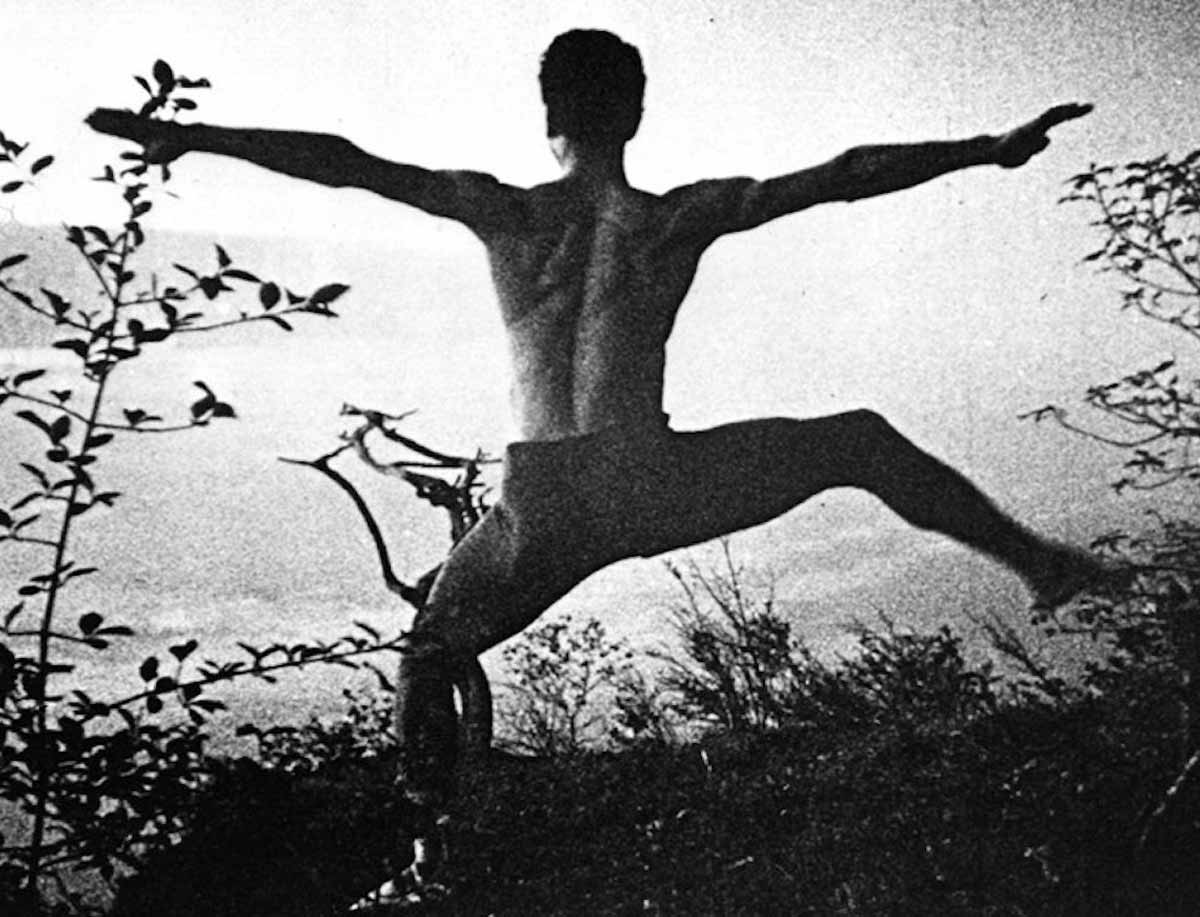
Nearly all of Maya Deren’s films feature performance to some degree, be it through dance or some other type of choreography. Naturally, the film’s montage and editing also pay homage to performance and the filmmaker’s obsession with movement. Often the main performer in her early films, the filmmaker physically embodies the intrinsic power of performance and idolizes it.
In A Study in Choreography for the Camera (1945), the camera itself plays the role of a performer during the opening scene, starting the film off by rotating 360 degrees to capture choreographer Talley Beatty’s movements. Dropping the viewer directly into the ritualistic essence of dance, The Very Eye of Night (1958), in collaboration with the Metropolitan Opera Ballet School, is another example in which the filmmaker’s passion for movement, dance, and choreography is on full display.
Avant-Garde Documentarist
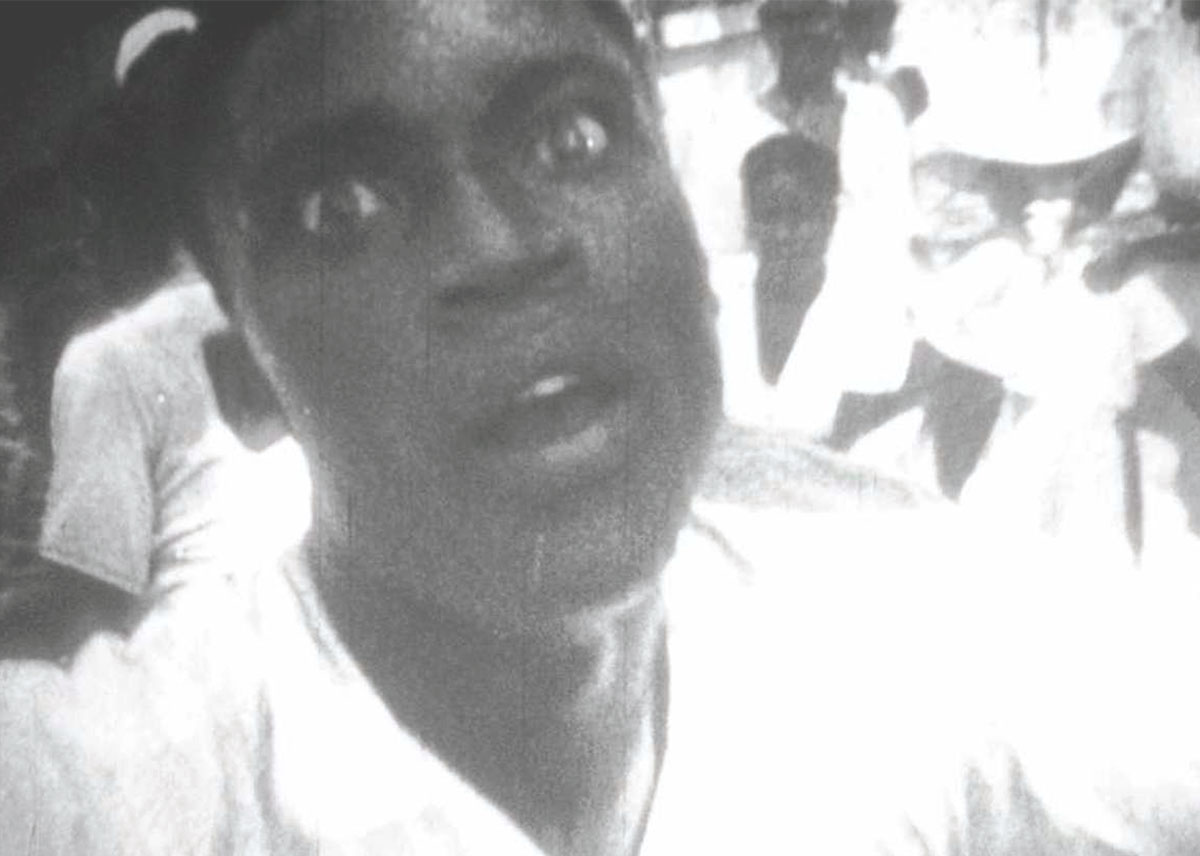
In 1947, Deren won the Grand Prix Internationale at the Cannes Film Festival as well as a Guggenheim Foundation Fellowship to research the Haitian ritual of vodun. Although her early films are usually heralded as experimental, and the later works are seen as merely ethnographic, Deren’s approach to documentary filmmaking was also quite avant-garde. The filmmaker made her objections to the traditional style of producing documentaries, claiming that it was unimaginative and lacked art. Instead, she took the same wistful approach to documentary as she had with her first films. During her visits between 1947 and 1954, Deren shot more than 18,000 feet of footage, which later produced Divine Horsemen: The Living Gods of Haiti and Meringues and Folk Ballads of Haiti. These films were edited together posthumously by her third husband, composer Teiji Ito, and his new wife.
Film Theorist and Educator
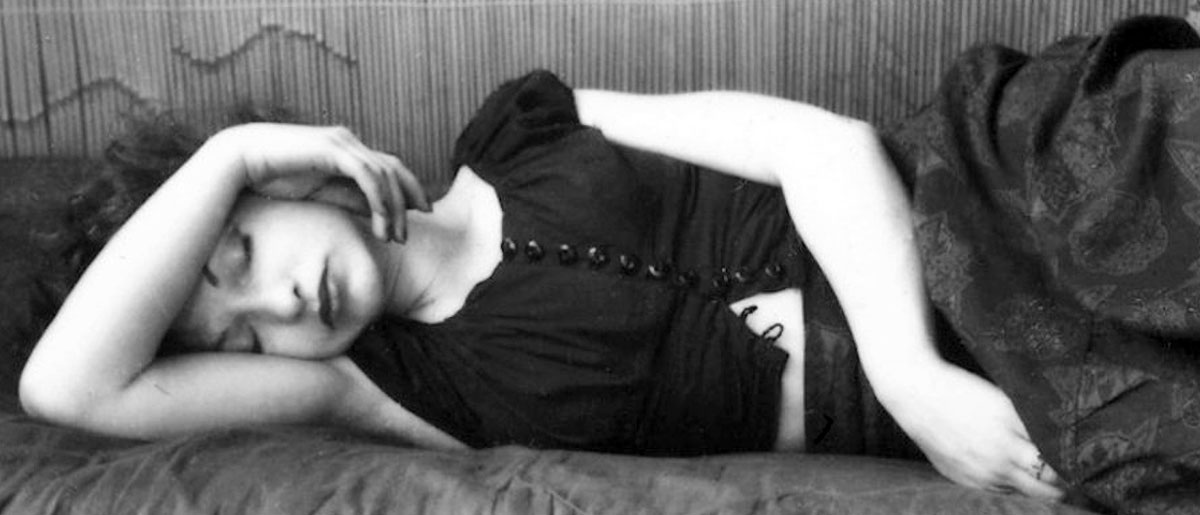
Outside of the editing room, the filmmaker also regularly wrote and delivered lectures across the United States to discuss her writings on film theory and screen her films. Deren was a prolific writer, publishing various essays, including An Anagram of Ideas on Art, Form and Film, and many others that would be included in collections. Through her written works, the filmmaker encouraged others to further develop their films, not simply through more equipment or personnel but through a deepening of context and meaning. As a result, she challenged conventional approaches to cinema not only through her visual but written works as well. She dissected cinema on screen and in print, examining her work and the art form as a whole.
Maya Deren’s Legacy
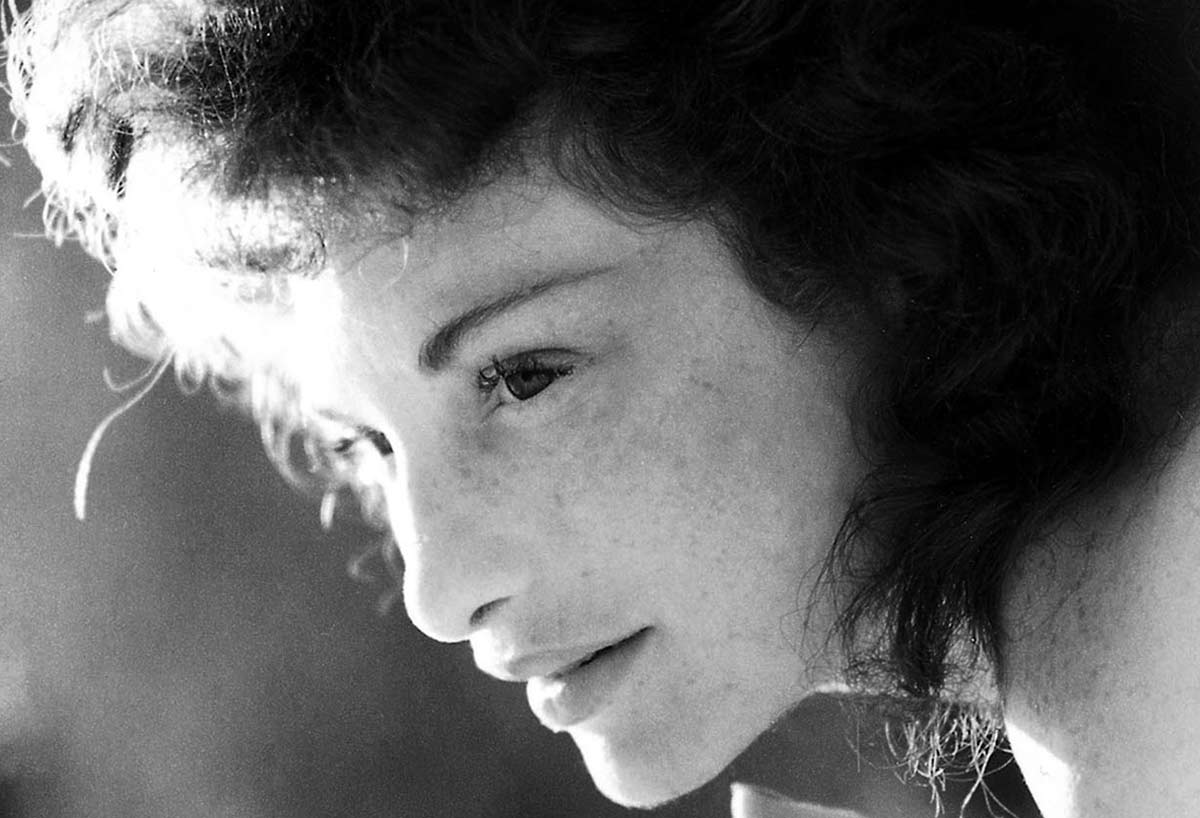
Long after she stopped making films, Deren would be remembered for her fearless approach to cinema, going so far as to even distribute her own films. The filmmaker was also a founding member of the Creative Film Foundation in the 1950s, an organization that sought to reward filmmakers and offer support to experimental filmmakers following in her footsteps. Deren’s approach to filmmaking would inspire Amos Vogel to found Cinema 16, a film society in New York City that supported experimental film. Together, Cinema 16 and the Creative Film Foundation would present awards to independent filmmakers between 1951 and 1961. Today, Deren is regarded as an important figure in the New American Cinema. Her influence can still be felt by filmgoers and future filmmakers alike, with notable references to her work appearing in films like Lost Highway (1997) by David Lynch alongside countless others.