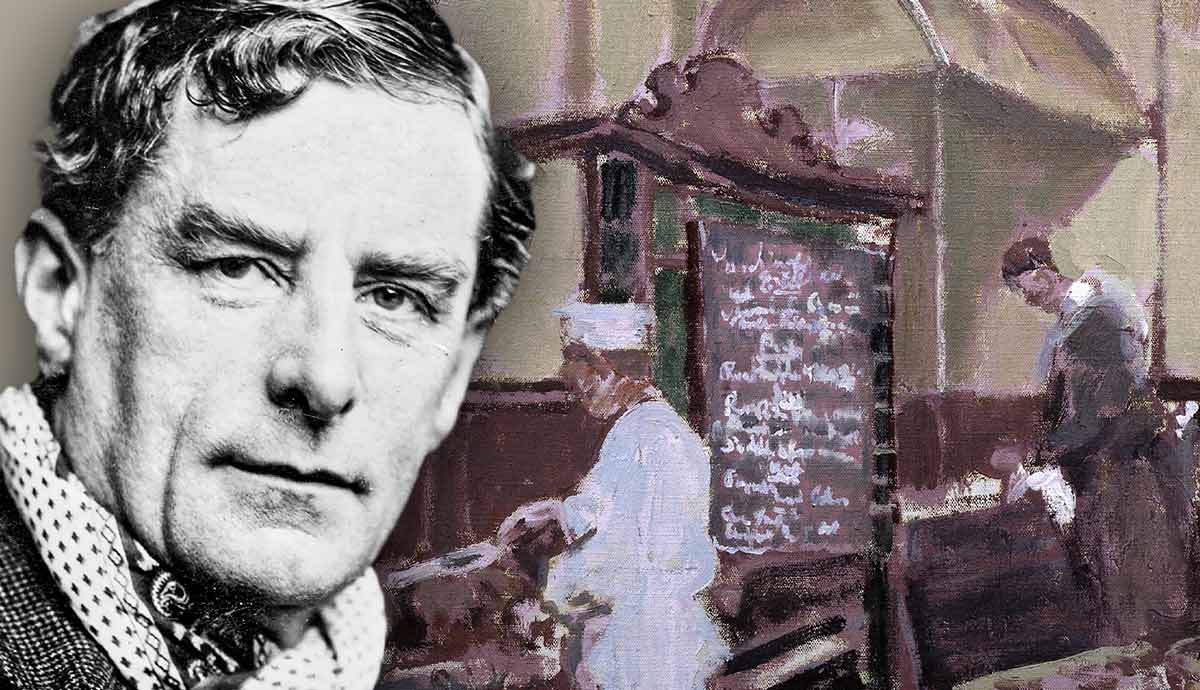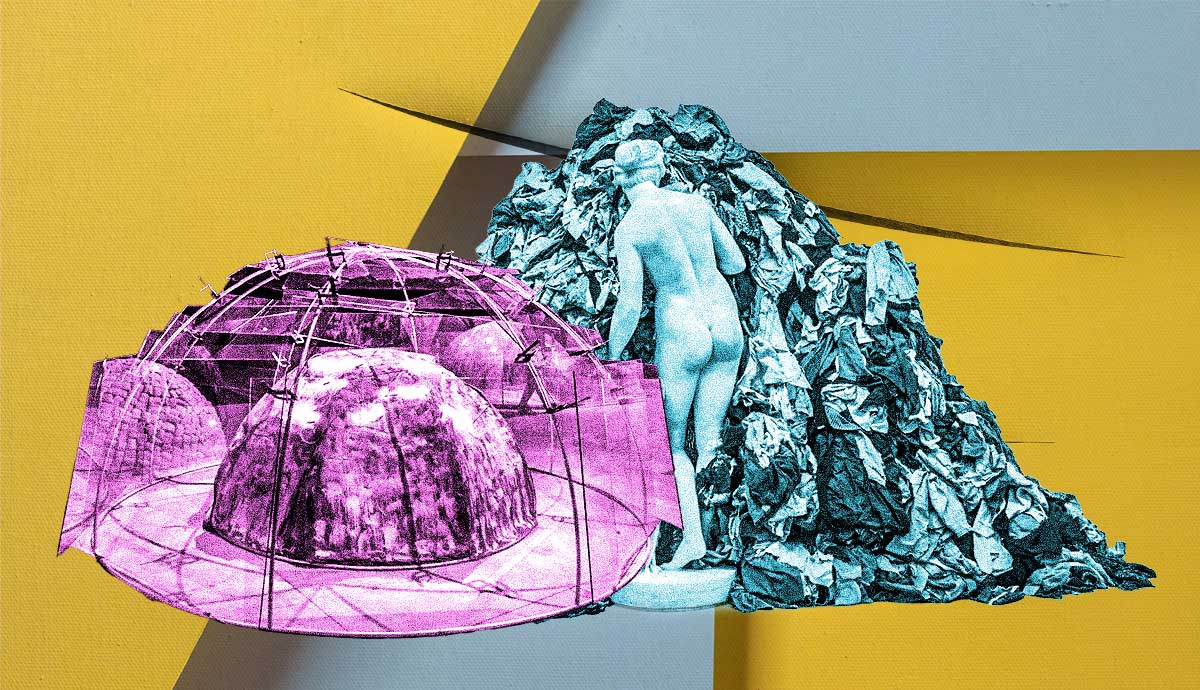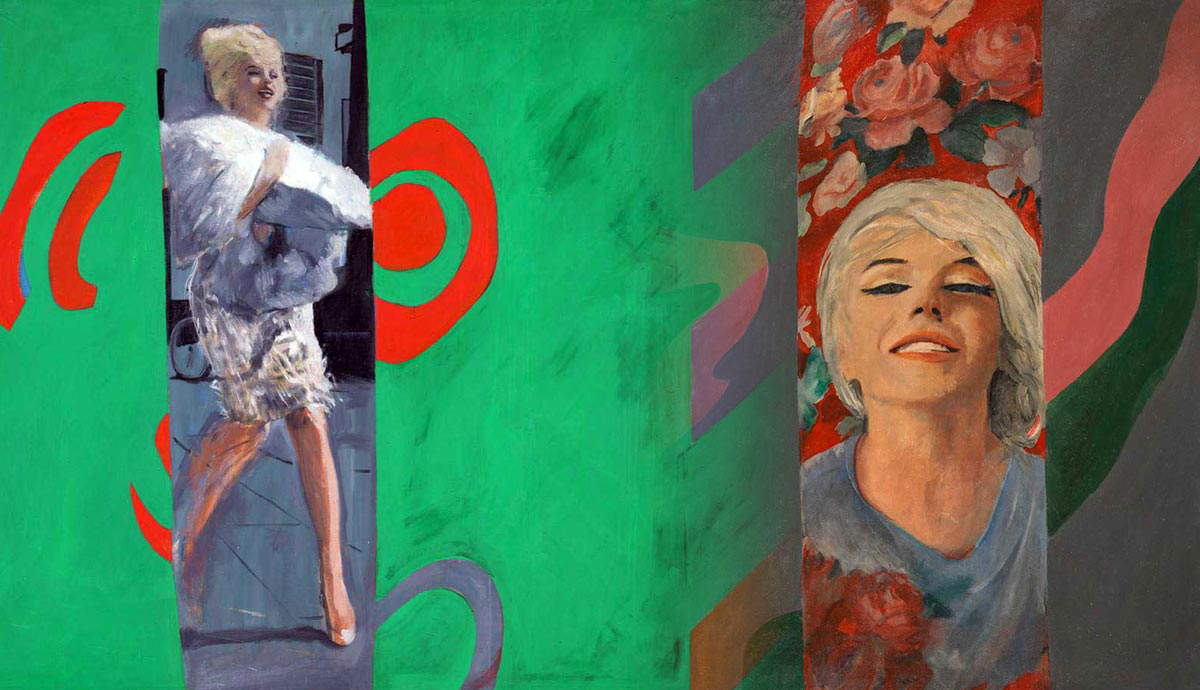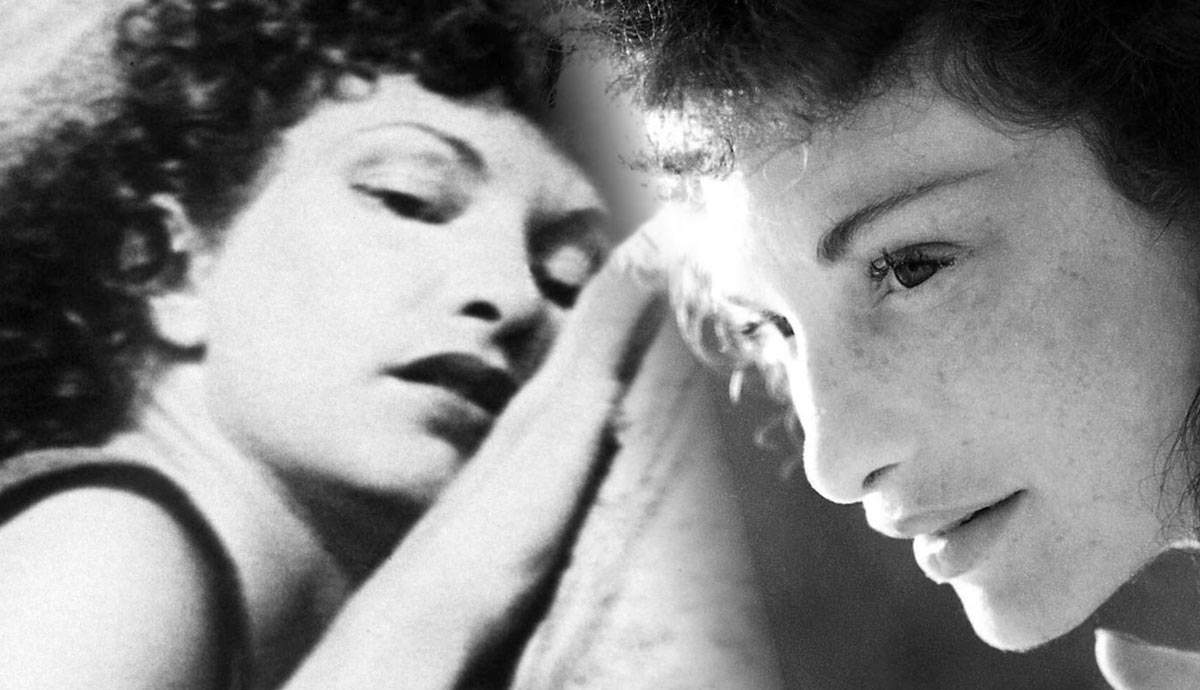

The greatest of artists often had complicated relationships with each other. Some could not overcome class differences, while others had unresolvable political disagreements and personal tensions. Still, most of these artists appreciated each other’s unique talents and relentless efforts. These rivalries would often further fuel their artistic experiments and groundbreaking innovations. Read on to learn more about five fascinating stories of artistic rivalry.
1. Diego Rivera vs. David Siqueiros
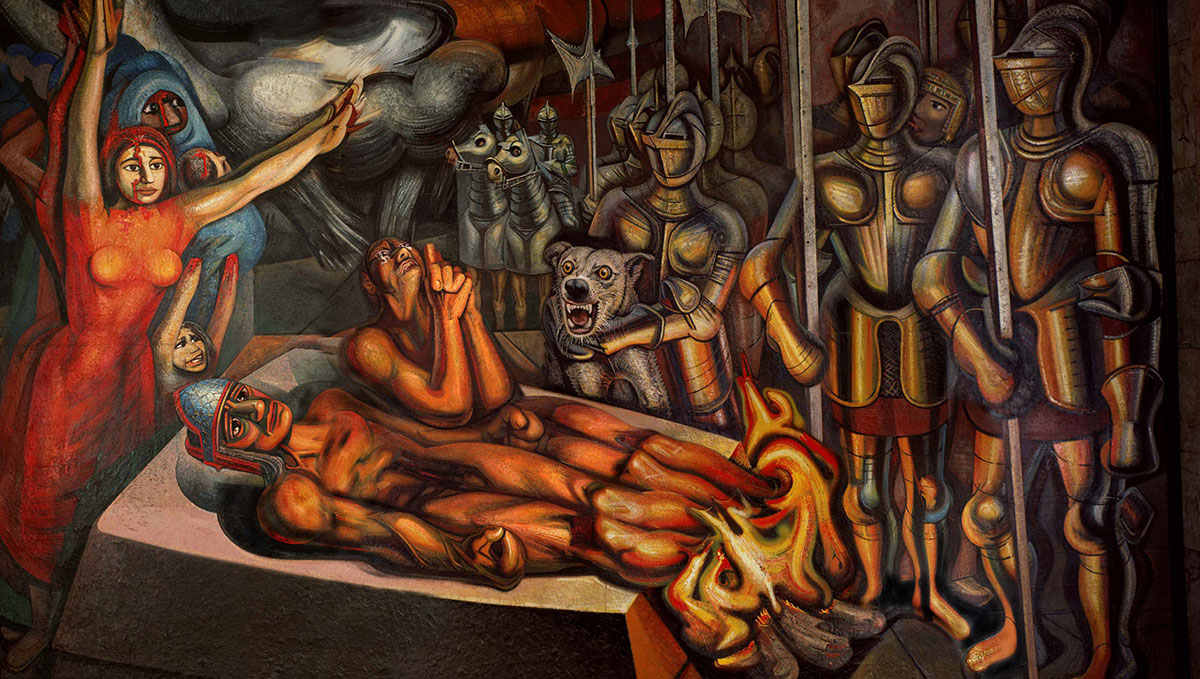
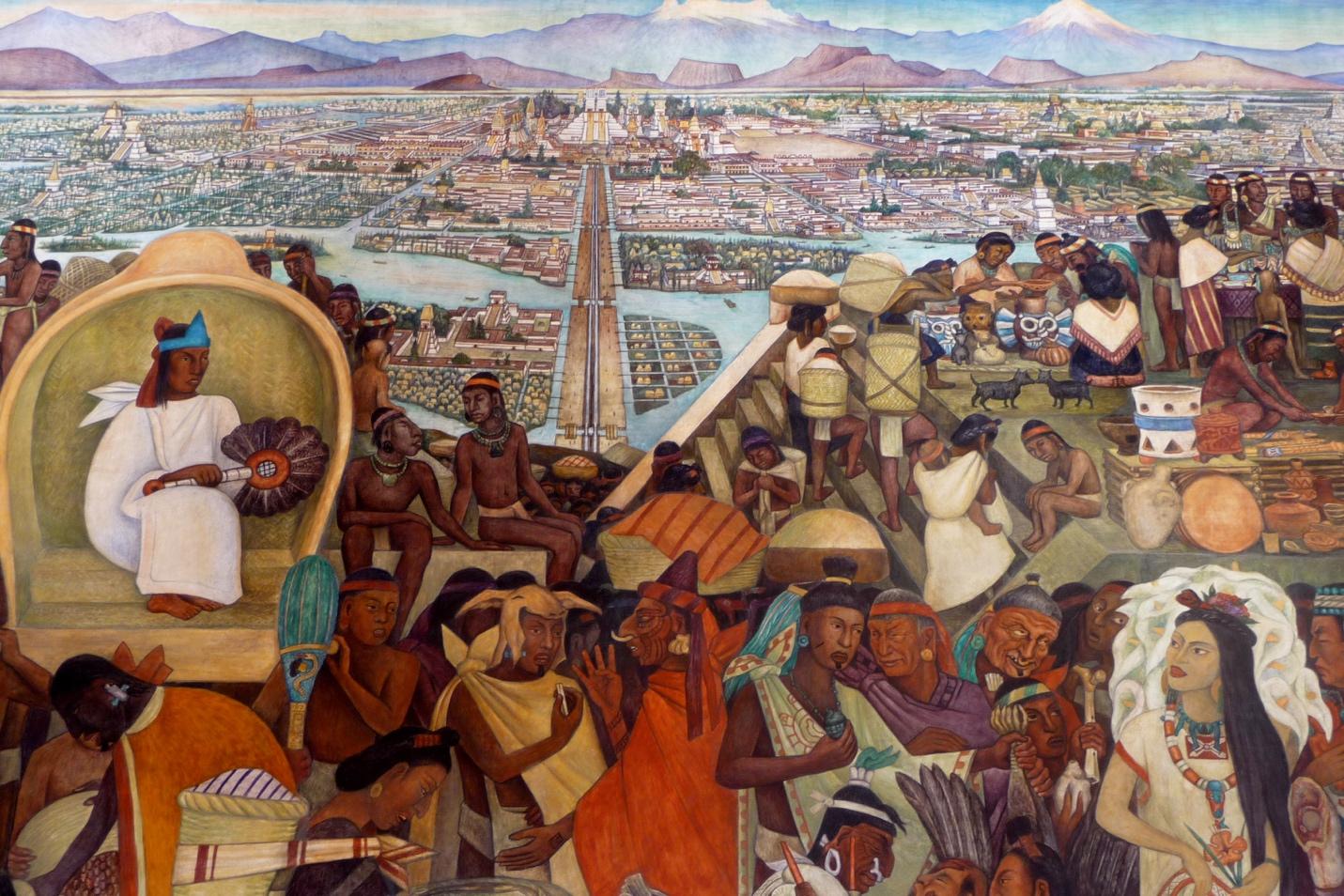
Diego Rivera and David Siqueiros were the two leading figures of the Mexican Muralism movement. It originated soon after the Mexican Revolution as a form of building a new national identity that would revive native artistic traditions and manage the collective trauma of colonization. Murals were the perfect form of class-free art that would cement the divided and confused nation with shockingly low literacy rates. Diego Rivera spent enough time studying and socializing among Western artists in Paris and thus demonstrated more European influences. Siqueiros, on the contrary, was much more rooted in the indigenous Mexican art. His works were also much more violent and dark, presenting the horrors of the colonial past rather than hopeful glimpses into the future.
Although all Mexican Muralists were generally left-wing, their political disagreements were so intense and sometimes even violent. Although the two artists initially became friends, the decisive end of their relationship happened in the late 1930s. David Siqueiros was a staunch supporter of Joseph Stalin, while Rivera sided with Leon Trotsky, whom he helped settle in Mexico. In May 1940, a group of Soviet agents led by Siqueiros broke into Trotsky’s house and opened fire. Trotsky was unharmed, yet his grandson received a minor bullet wound. Although the attack was unsuccessful, Trotsky was murdered in August of the same year by another agent of Stalin’s.
2. Vladimir Tatlin vs. Kazimir Malevich
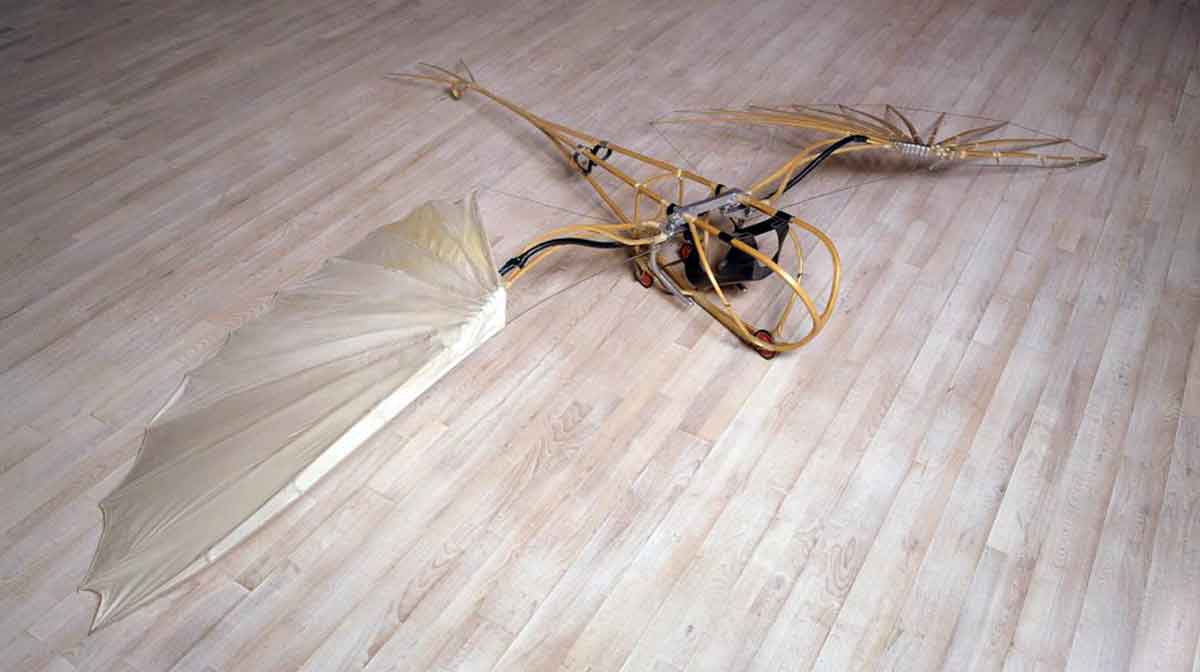
Both Vladimir Tatlin and Kazimir Malevich were outstanding artists who were at the forefront of the most progressive art forms that emerged in the years when the Russian Empire transformed into the Soviet Union. The two artists were deeply interested in each other yet had a list of fundamental artistic disagreements. Tatlin, the pioneer of Constructivism and a talented architect with Leonardo-esque ambitions of building a flying machine, insisted that an artwork’s form had to be based on its function. Malevich, who was deeply immersed in theories of line and color, mostly dwelled upon the spiritual component of art. According to one story, Tatlin once kicked the chair out from under Malevich, offering him to try and sit on pure geometry and color with no material basis.
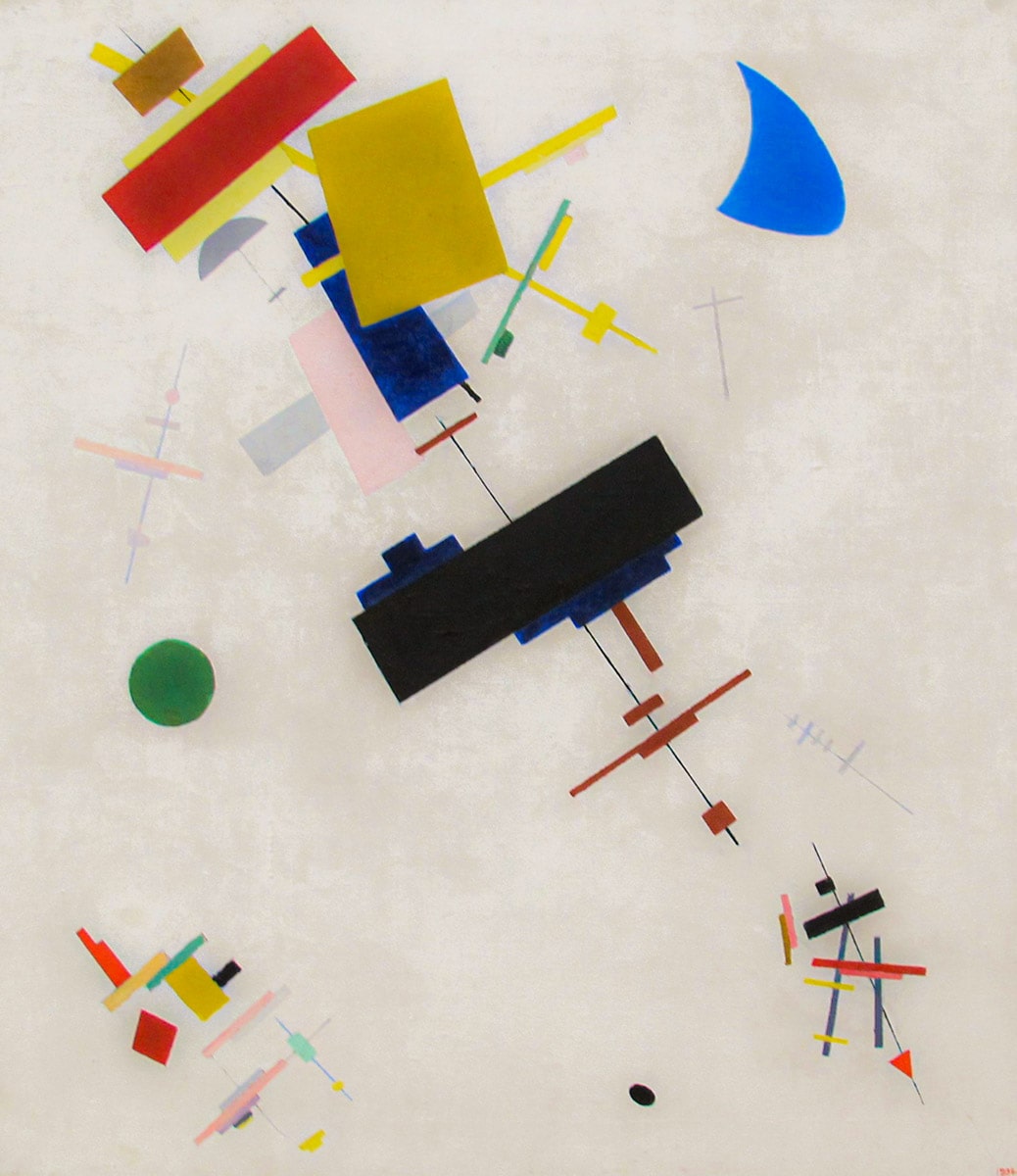
Like most artists of the early Soviet avant-garde, Tatllin and Malevich were rather close, yet the sense of rivalry was omnipresent and often absurd. Allegedly, Tatlin once jumped into a pond fully clothed to avoid being photographed next to Malevich. They had similar inspirations: both were inspired by Orthodox icons and simultaneously came up with the idea of hanging their works in rooms’ corners, in the spaces usually reserved for home altars. Friends of both artists noted that towards the 1930s, Tatlin became strangely suspicious, if not paranoid, boarding up the windows of his studio so that Malevich would not see his work.
3. Gainsborough vs. Reynolds
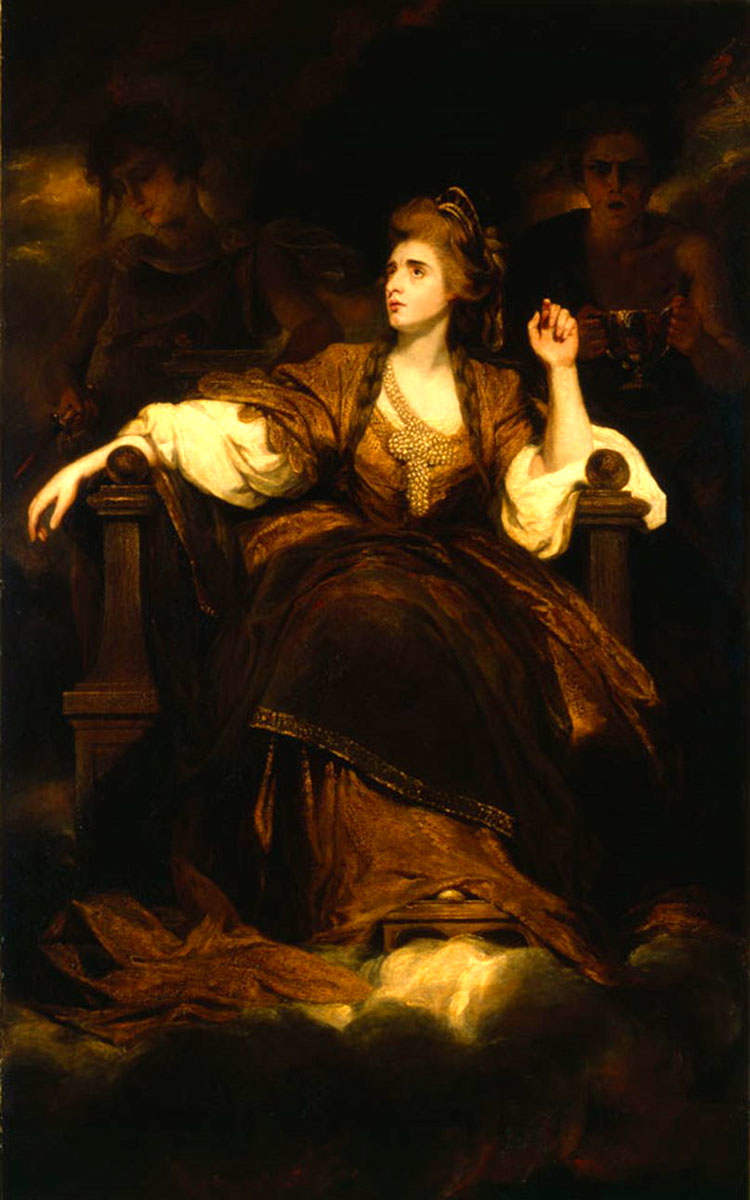
Joshua Reynolds and Thomas Gainsborough were the two greatest masters of portraiture who worked side by side in Georgian-era England. Their family backgrounds were radically different, their temperaments opposite, and their approaches to art almost mutually exclusive. Joshua Reynolds’ family were clergymen who adjusted to the higher classes. From an early age, he studied languages and classical literature and was familiar with the rules of the privileged classes.
Gainsborough was born into a family of weavers and had a hard time getting used to the social rituals of his wealthy clients. While Reynolds, polite and courteous, turned portrait painting into a customer experience corresponding to the model’s status, Gainsborough was too immersed in painting. He did not have assistants and thus created much less work than his rival.
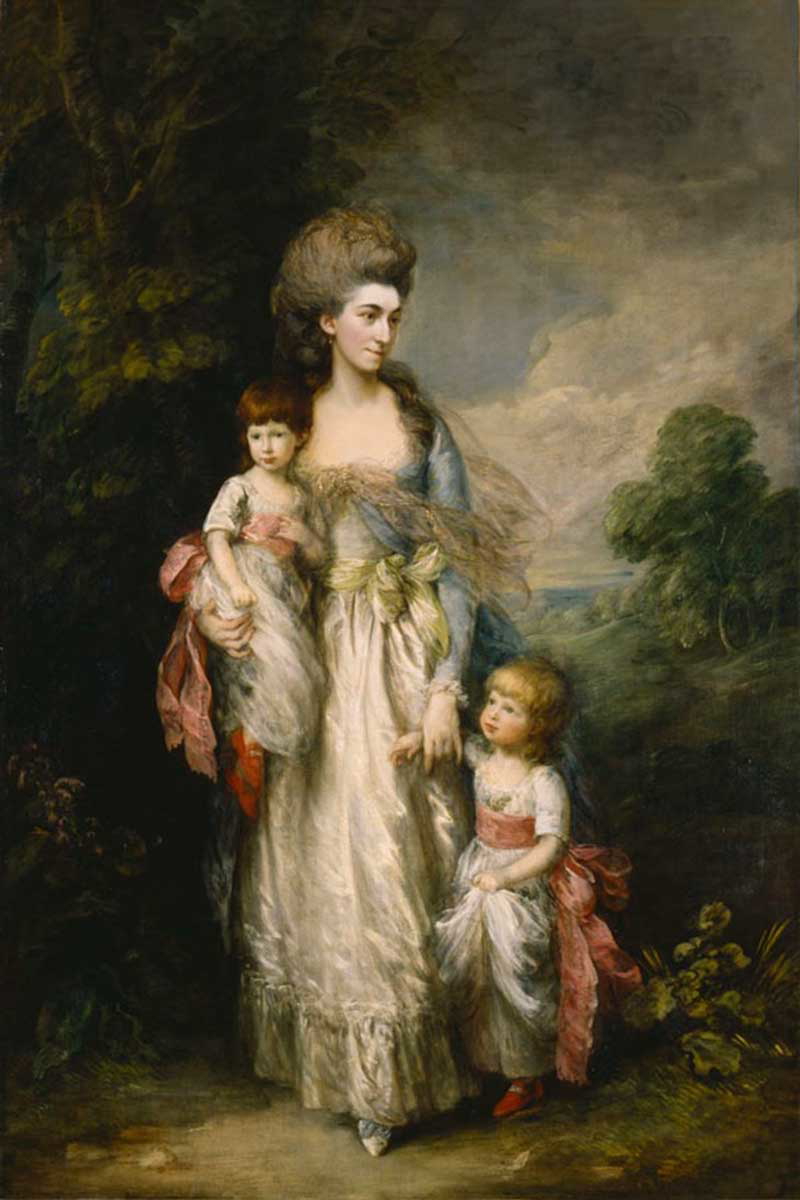
In terms of artistic style and reception, both artists were immensely popular yet had radically different styles. Reynolds was a court painter at heart who created portraits that complimented his models and reflected their social status. Gainsborough had an attitude that would be more popular amongst the artists of the modern era: he was more focused on reflecting the non-physical qualities of character and temperament. In technique, many of his works were surprisingly close to those of the Impressionists, who would emerge a century later.
Over the course of their careers, both artists bickered on the tribunes of the Royal Academy of Art. Each artist criticized the other’s work but never missed a chance to see it. However, all these conflicts were resolved in 1788. Thomas Gainsborough was dying of cancer, and only days before his death, he found the courage to send a letter to Reynolds, confessing his lifelong admiration of his work and asking for a final meeting.
4. John Constable vs. J.M.W. Turner
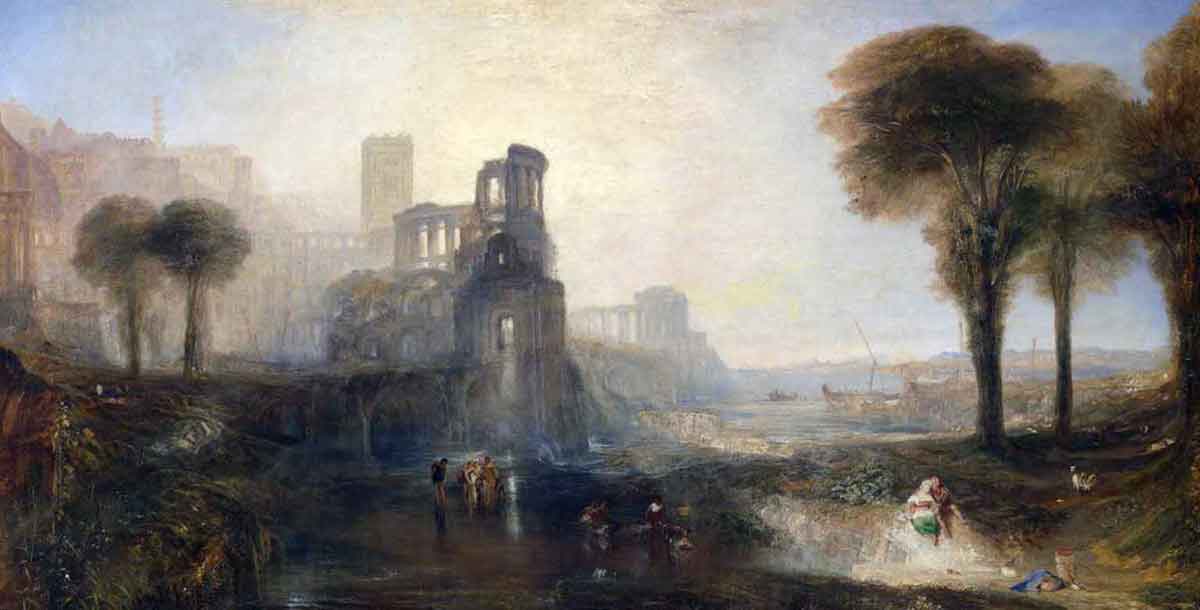
Joseph Mallord William Turner and John Constable were both among the greatest British painters of all time. Both worked in the Romantic tradition and preferred landscapes above other forms of art. However, their rivalry was long-standing and legendary. Their mutual dislike started in 1931 when Constable was in charge of hanging the works for the summer exhibition of the Royal Academy artists. Initially, he intended to place Turner’s work (including Caligula’s Palace and Bridge) in the main room of the exposition, but at the last minute, he swapped it for his own work without warning Turner. The artist became furious as he felt utterly humiliated.
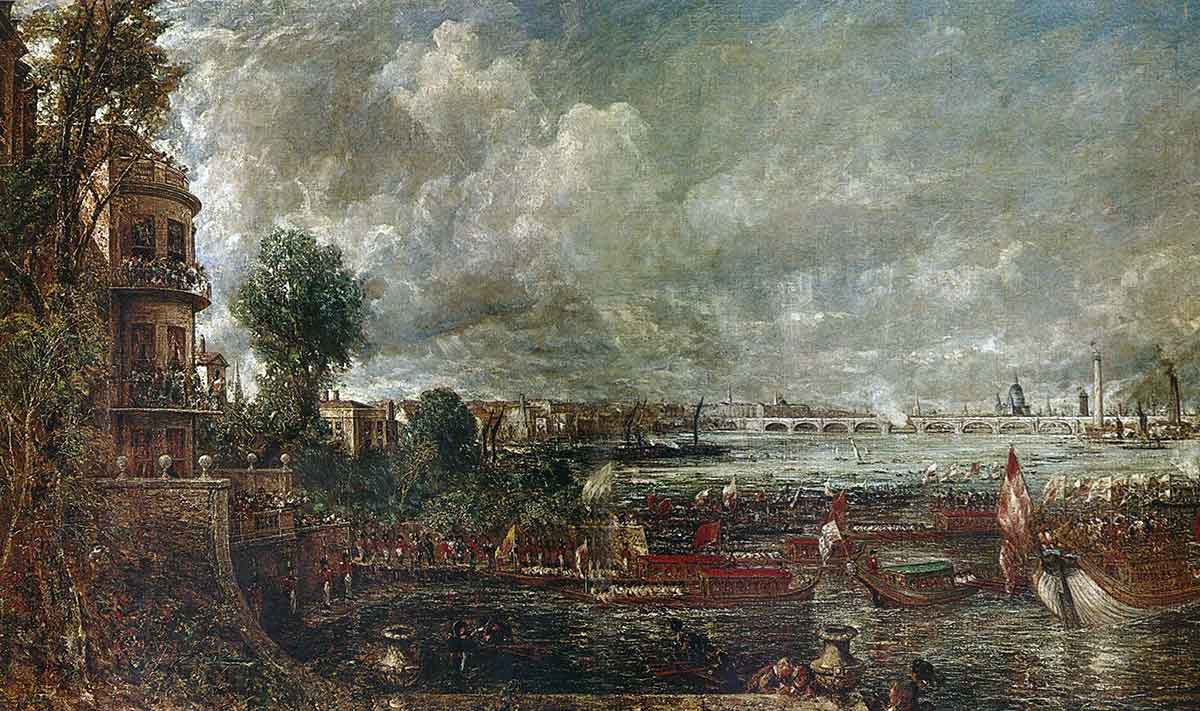
Turner took his revenge the following year. During the next exhibition, their works once again were presented next to each other. John Constable presented the monumental The Opening of Waterloo Bridge, which he spent almost a decade working on. Turner also brought seascape, which was still unfinished by the time he mounted it on the wall. Looking at the unfinished blue-gray canvas, he suddenly stopped and slapped a stroke of red paint over the greenish sea waves. Then, he silently left the room, leaving Constable astonished. The contrasting color accent gave life to the entire work, turning it into a captivating masterpiece. Even more offensive to John Constable was the effortless boldness of the act that contrasted his decade-long efforts.
5. Jackson Pollock vs. Willem de Kooning
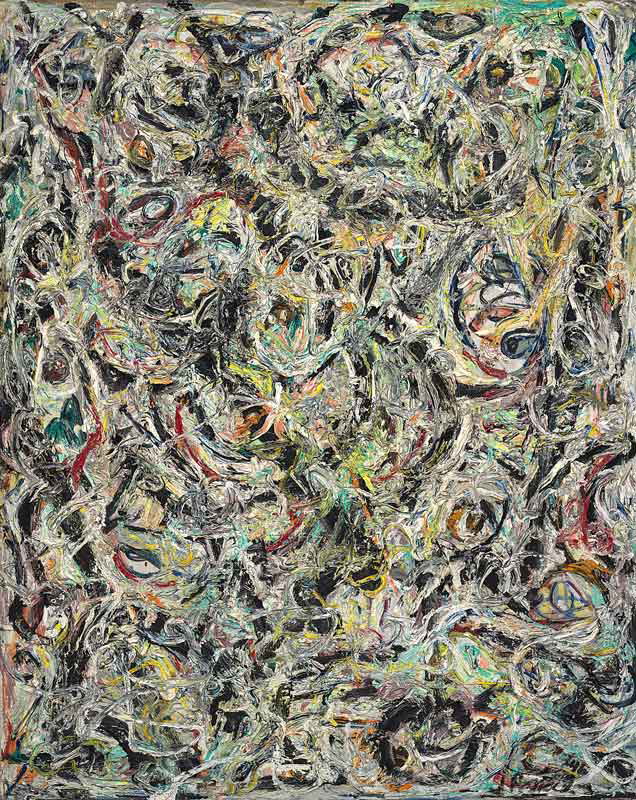
The two great masters of Abstract Expressionist painting had notoriously difficult personalities. They exhibited in the same galleries, frequented the same bars, and had common friends. Both had a difficult childhood that led them to art and severe issues with alcohol. Pollock recognized the artistic skill of his rival yet prided himself on one characteristic no one could take away: unlike de Kooning, who was a Dutch immigrant, Pollock was a true American who embodied the national spirit.
Some promoters of Abstract Expressionism exploited the movement’s Americanness, especially those affiliated with institutions like MoMA. Still, Willem de Kooning had a certain social advantage: he was well-liked, well-socialized, and able to hold his liquor, unlike Pollock, who was known for harassing women and initiating drunken fights.
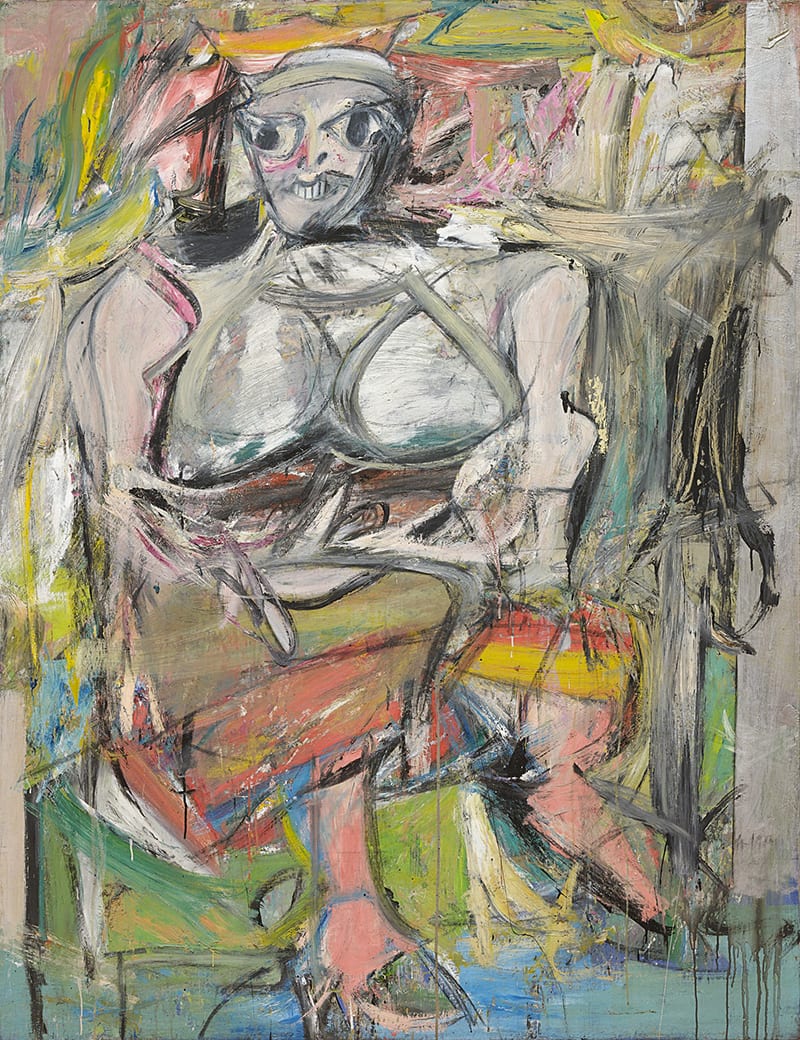
Jackson Pollock’s rise to fame happened quite swiftly with the help of art collectors like Peggy Guggenheim and Betty Parsons. Willem de Kooning’s career progressed much slower and under the great influence of Pollock. By the 1950s, de Kooning had developed his distinct signature style and had finally started to get praise. Pollock, on the contrary, descended deeper into alcoholism and depression and created noticeably weaker work. At the opening of a major exhibition of de Kooning’s work, Pollock, drunk and sulking, yelled at him that he betrayed art. Perhaps Pollock meant that de Kooning never fully departed from figurative art, unlike Pollock himself, who operated in the domain of pure abstraction.
After Pollock died in 1956, de Kooning was left alone as the movement’s leading figure. Still, he became strangely obsessed with the figure of his dead rival, settling near the place he was buried and even starting a relationship with Ruth Kligman, Pollock’s mistress and the sole survivor of the tragic car crash that claimed the artist’s life.