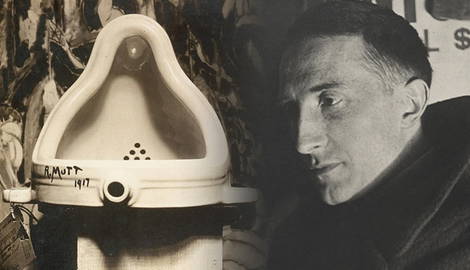

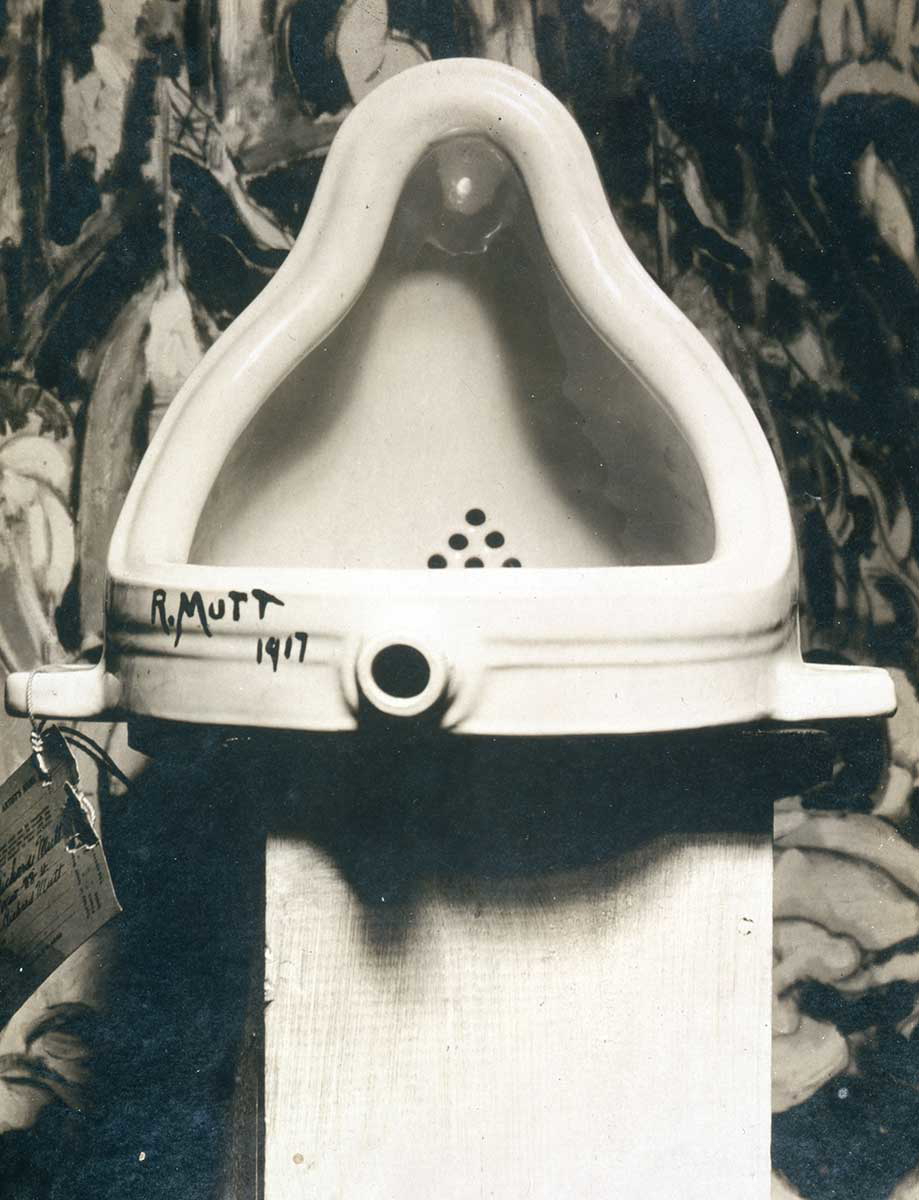
In 1917, Dada artist Marcel Duchamp presented an overturned urinal as a work of art, transforming our expectations of art and culture once and for all. Fountain was a provocative act aimed to test the intellectual and aesthetic limits of Duchamp’s fellow artists. For the first time in history, an artist did not physically create the piece but selected it and elevated it to the status of high art with little to no physical manipulation. Read on to learn more about Marcel Duchamp’s Fountain and its influence on Conceptual art.
The Origins of Marcel Duchamp’s “Fountain”
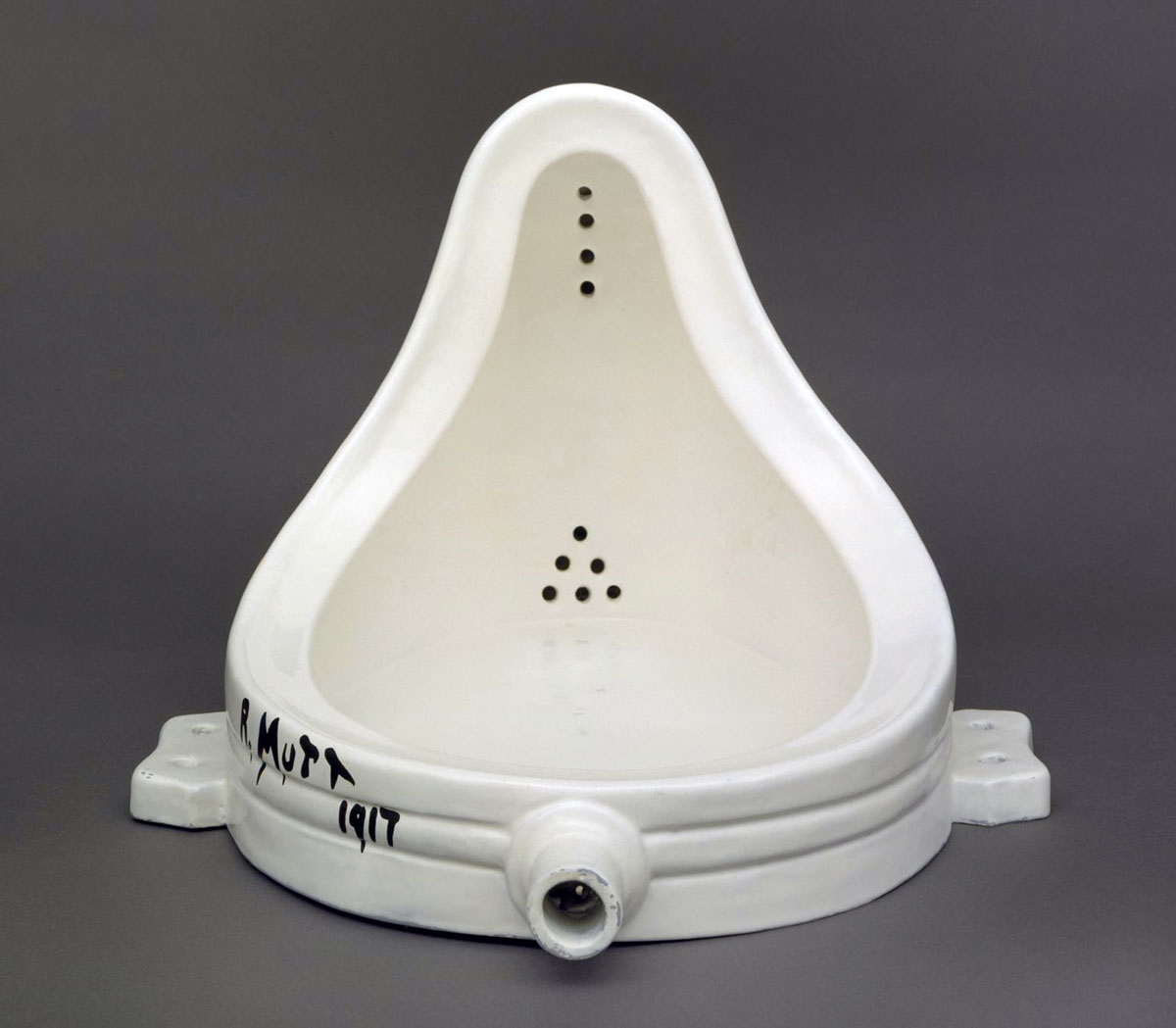
Marcel Duchamp’s readymade sculpture Fountain is considered one of the most influential and famous works of modern art. In 1917, he presented an overturned urinal as a work of art and revolutionized the art world. Categorizing or labeling the Fountain remains difficult, even after more than a century and the significant development of contemporary art’s conceptual framework.
Art historians are not even entirely sure if Duchamp was its author, as he sometimes referred to his female friend, who sent him the object. The degree of artistic involvement, authorship, and even attribution to a certain movement remains vague. Perhaps, due to the mobility of Fountain’s interpretations, it somehow remains relevant, still sparkling debate among the public. The proponents of avant-garde see the piece as the first true act of contemporary art, while conservatives brand it as the beginning of the end of art and the act that destroyed true art once and for all.
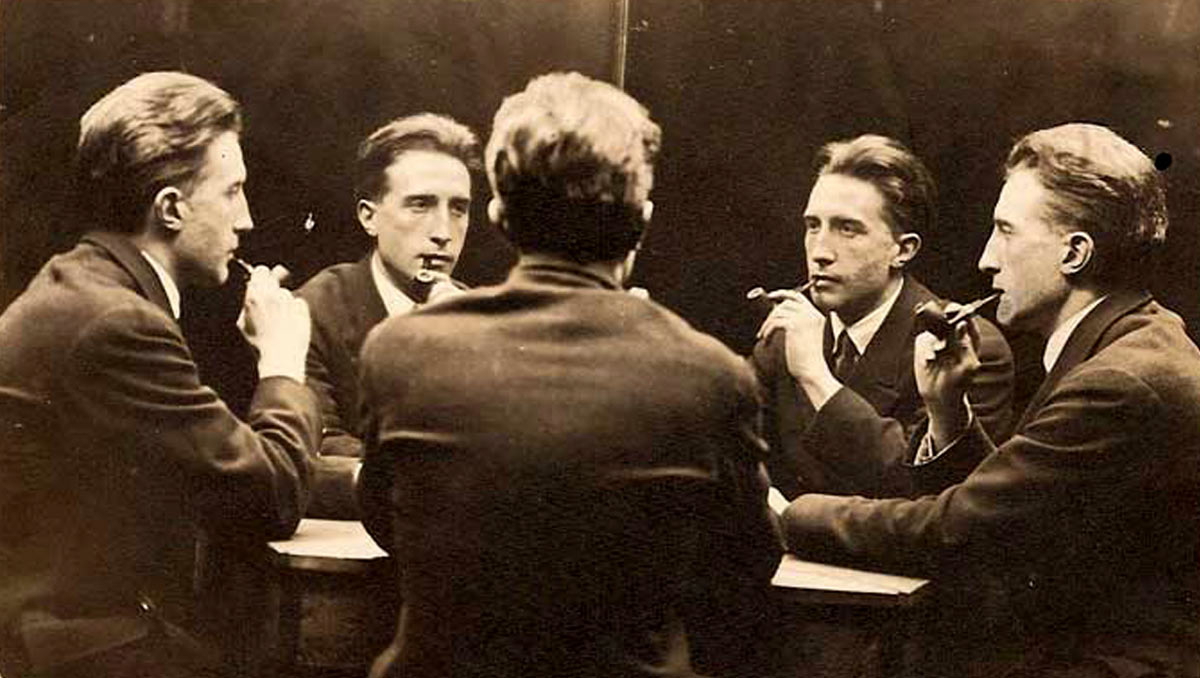
In 1917, Marcel Duchamp was a relatively young Dada artist well-known among his colleagues. Although he was born in France, he settled in New York two years before the emergence of Fountain. Deeply integrated into the local artistic scene, he took part in building and maintaining the creative community. Along with Man Ray, Walter Arensberg, and other artists and collectors, he founded the Society of Independent Artists. Duchamp submitted Fountain anonymously to the first exhibition of the Society. His friend paid the Society fee to make sure the piece would be exhibited.
Duchamp sat silently in the committee and observed the reaction of his colleagues. Although, according to the rules of the Society, they could not reject the work, they nonetheless radically objected to it and chose to hide it from the public view. Protesting the decision, Duchamp quit the Society. The event launched a major controversy within the art world both in the US and in Europe.
Essentially, Fountain was a simple, cheap urinal purchased in a random store. Duchamp overturned it and signed it with the pseudonym R. Mutt. He did not do anything else to the object except for simply categorizing it as a work of art. Shortly after the Society of Independent Artists exhibition, the urinal was lost. The original work was never found, and Duchamp created sixteen other versions of the work, which today belong to major private collections and museums.
Attacks on “The Fountain”
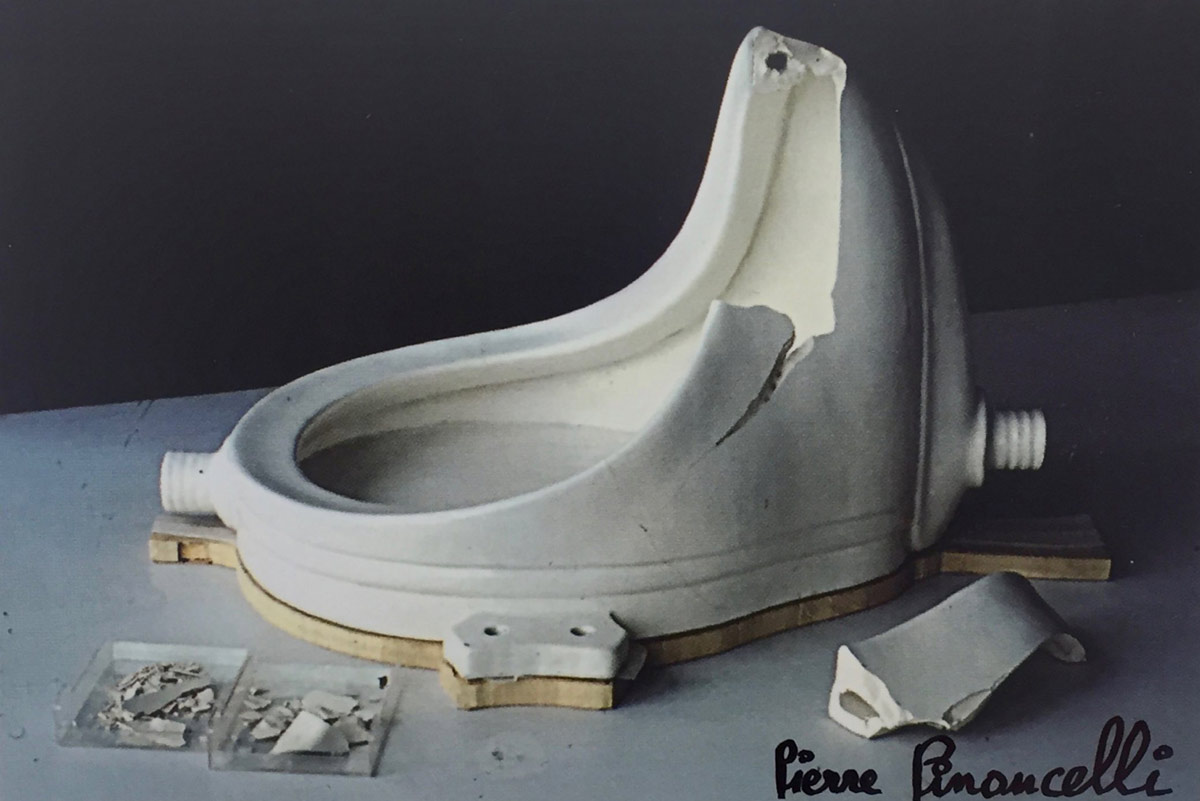
Fountain provoked an intense reaction from the public right at the moment of its presentation and remarkably retained his power to shock and anger for decades. Although the original was lost, its numerous copies still did not fail to evoke a response. Over a century has passed since its creation, and Fountain has been attacked and vandalized many times.
In 1993, a retired seed merchant turned performance artist Pierre Pinoncelli attacked a copy of Fountain in a museum in Nîmes. Thirteen years later, he repeated the same act at Centre Pompidou in Paris. Both times, Pinoncelli was fined, and both times, he insisted that he did not damage the piece but only increased its value. Pinoncelli claimed he met Duchamp in the 1960s and received instructions to destroy the piece if it ever lost its provocative value.
On numerous occasions, museum visitors urinated into the piece, often claiming the act was their artistic performance. Many vandals appealed to the Dada philosophy of nonsense and provocation, announcing themselves as the creative heirs of Duchamp.
Was Marcel Duchamp Really the Author of Fountain?
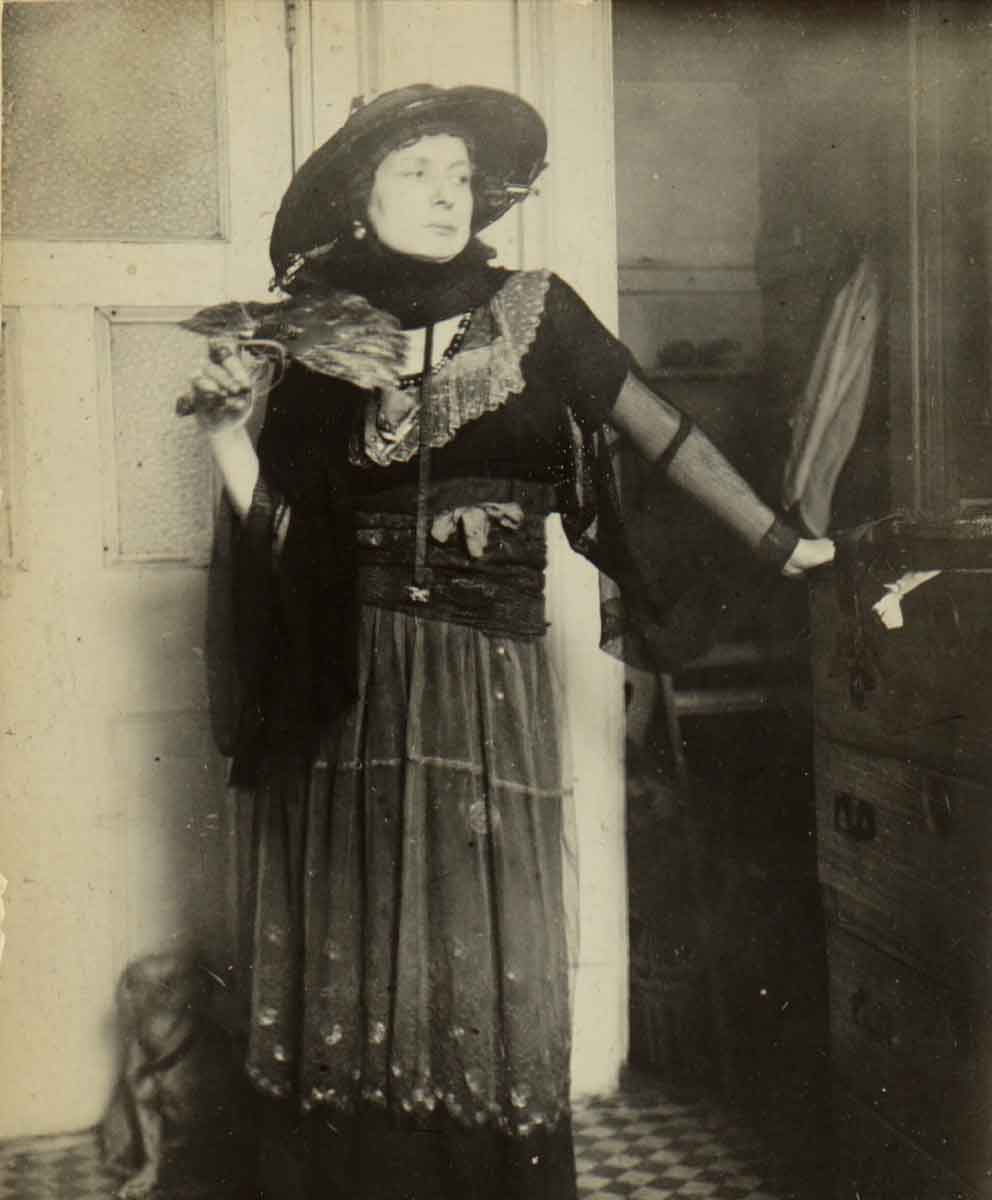
Many critics agree that the issue of authorship is too complex to be solved easily in this case. In one of his letters, Duchamp mentioned that he did not buy the urinal himself but received it from his female friend, whose name was not mentioned. Some suspect it was artist Louise Norton who defended the work in the press or, most likely, the scandalous Dada performer Baroness Elsa von Freytag-Loringhoven.
Freytag-Loringhoven had a life worthy of a Hollywood biopic. She was a cabaret dancer with a string of short-lived marriages, including one to a destitute baron, from whom she received her title. After yet another divorce that left her broke and alone, she worked in a cigarette factory (and was severely beaten by a colleague for her never-ending drama in a workspace) and posed nude for artists. She was a known eccentric with an unconventional fashion taste (she dyed her scalp green and wore tomato cans as jewelry) and a fan of crude humor that often shocked her contemporaries. The Baroness was a living embodiment of Dada but nonetheless was largely ignored by art historians and journalists writing about the movement.
The Baroness was a close friend of Duchamp. In a way, the two presented each other’s missing part: a cold and reserved man playing chess was balanced by a vulgar woman adorning herself with the contents of a trash can. Ultimately, Duchamp’s demeanor and style made him the icon of modern art, and Elsa was abandoned and forgotten.
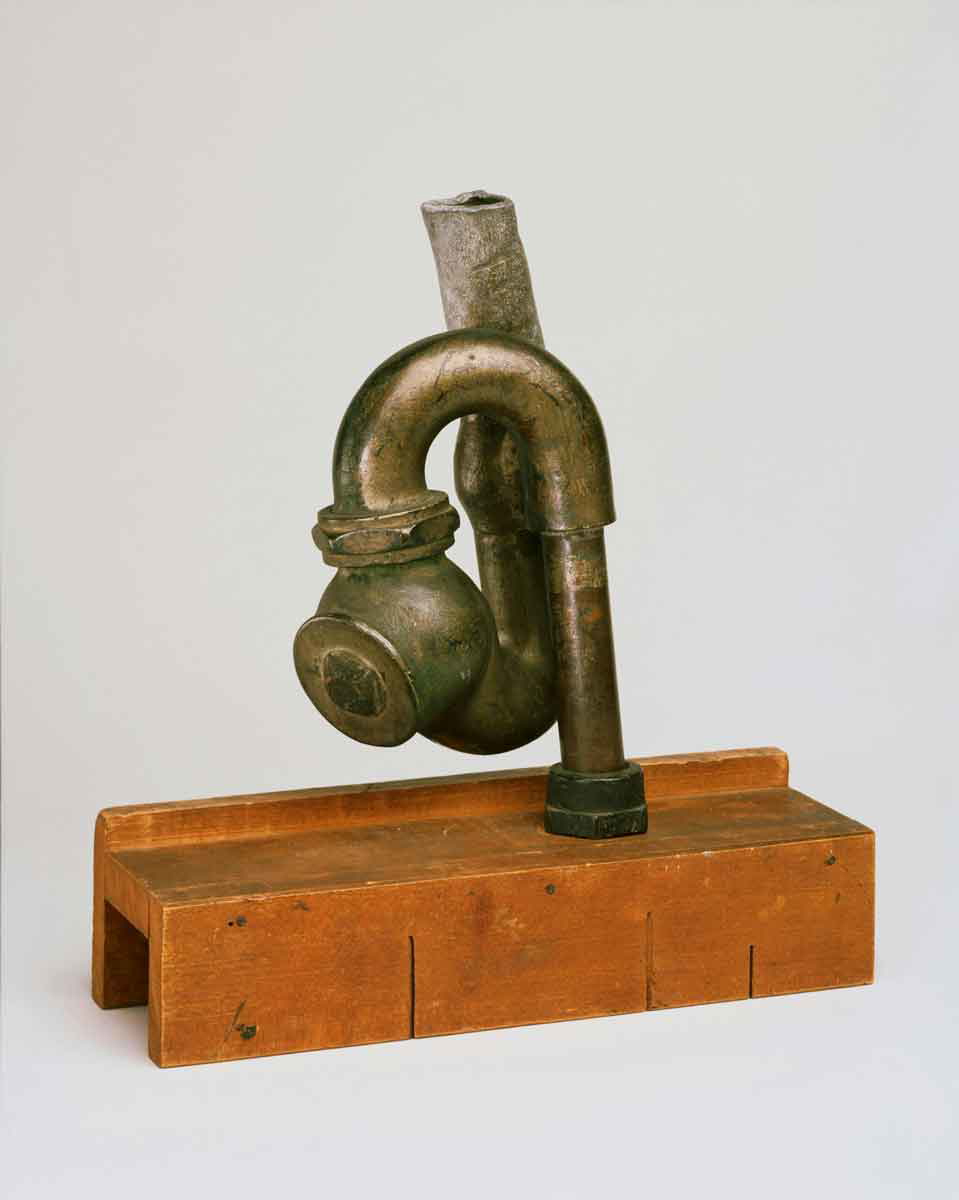
Very few physical works by Elsa von Freytag-Loringhoven survived, but one of them bore a surprising resemblance to the famous piece by Duchamp. The Baroness’ sculpture God was a readymade that consisted of an overturned plumbing trap. The iconoclastic gesture of the Baroness was strangely similar to that of Duchamp’s, likely due to the fact that Elsa either inspired or directly performed it. When faced with direct questions about the work’s authorship, Freytag-Loringhoven remained vague and preferred to talk about her unique creative union with Duchamp.
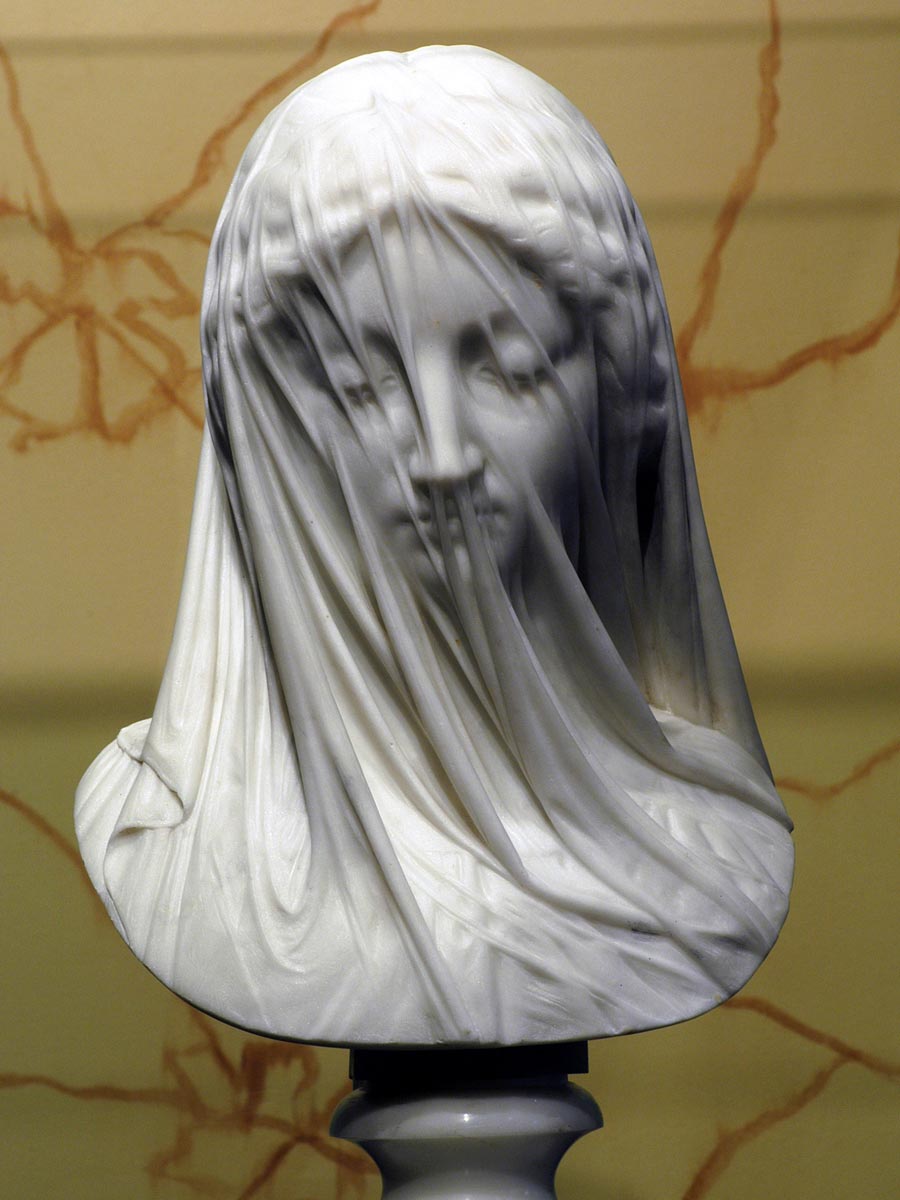
Another important and frequently forgotten collaborator of Duchamp was Alfred Stieglitz, the famous photographer, gallery owner, and promoter of the arts. Stieglitz partially contributed to the great success and infamy of Duchamp’s piece. In 1917, Stieglitz photographed Fountain in his studio. The composition, angle, and light made a mundane object surprisingly beautiful, with Duchamp’s friends comparing it either to a sculpture of Buddha or the famous Veiled Virgin—a marble sculpture of the Virgin Mary wearing a veil created by Italian sculptor Giovanni Strazza.
Is Marcel Duchamp’s “Fountain” Considered Conceptual Art?
Many art historians label Fountain as the first artistic object directly fitting the category of Conceptual art. Conceptualism became evident in the art scene more than half a century after the revelation of Fountain and clearly prioritized the artist’s choice of an object over the intricacy of the artistic work. In an anonymous essay defending the piece, an author stated that Duchamp made a random urinal a piece of art by choosing it and elevated it to the position of a masterpiece simply by creating additional context. Duchamp’s innovation lay in questioning how we perceive a work of art, artistic input, and creative intention.
Just like conceptual art of the contemporary age, Marcel Duchamp’s Fountain was a challenge not only for the audience but also for museum conservators. If Duchamp’s work were to be damaged, museum staff would be expected to repair the damage or conserve it as part of the work’s lifespan. At the same time, Duchamp made it clear that the urinal itself was simply an instrument that could easily be replaced. He even left instructions stating that the exhibited versions of Fountain were supposed to be the cheapest and the simplest urinals available at the time and place of the show. Similarly, contemporary conceptual art does not bother itself with the uniqueness of form, preferring the uniqueness of meaning. The physical incarnation of the idea for Duchamp was infinitely less valuable than the idea itself.
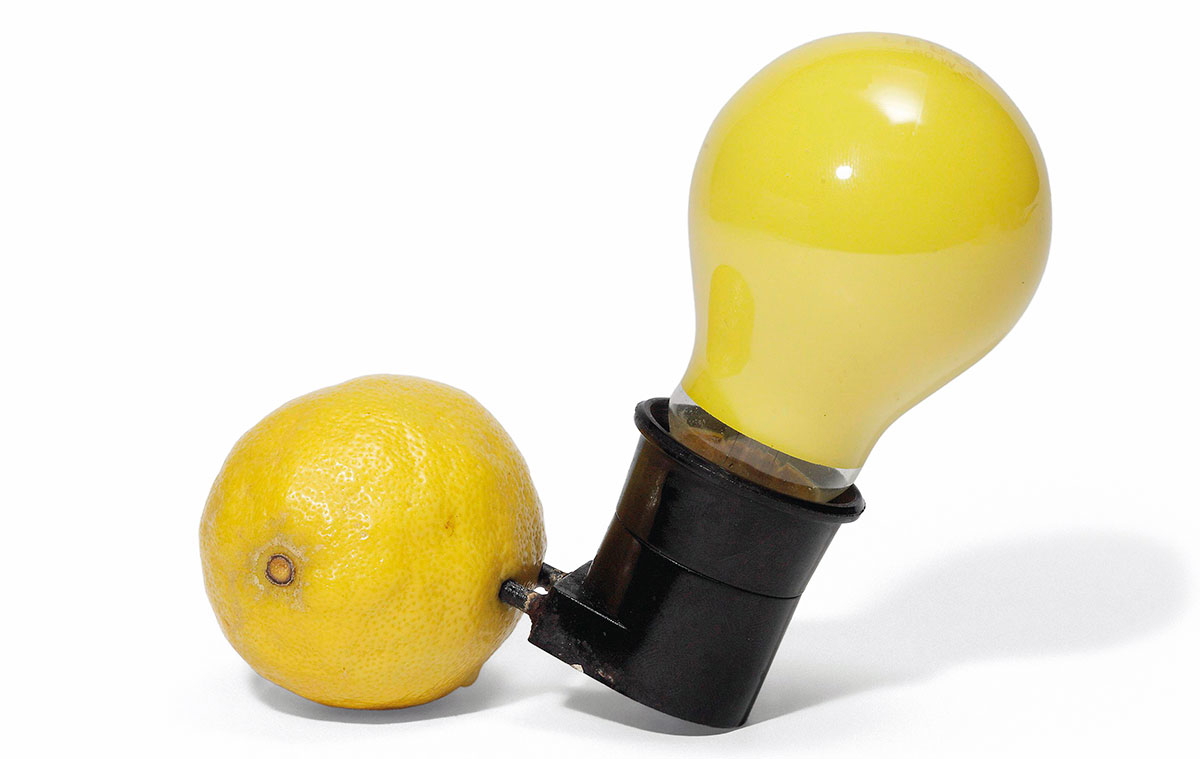
Similarly, works by conceptual artists often rely not on the physical presence of materials transformed by the artist’s hand but rather on the idea they desire to express. Frequently, institutions replace worn-out elements of the work or reassemble it entirely if needed. The most famous examples of such an approach were Joseph Beuys’ sculpture Capri Battery, constructed from a real lemon and a light bulb, and the scandalous Comedian by Maurizio Cattelan. Cattelan’s banana or Beuys’ lemon lose nothing of their value or meaning when replaced. More traditional forms of art, however, would be effectively destroyed by the removal of a paint layer or a sculpted fragment.