
Mexican artists have created some of the world’s most renowned works of art. From surrealist paintings to politically charged murals, their work helped shape modern art. Names such as Diego Rivera and Remedios Varo hold center stage in international exhibits. Frida Kahlo became a cultural icon who brought her paintings and self-portraits to the masses. These influential artists pushed social, political, and creative boundaries to become legends. Below are 10 famous Mexican artists who achieved greatness.
1. Mexican Artist Frida Kahlo
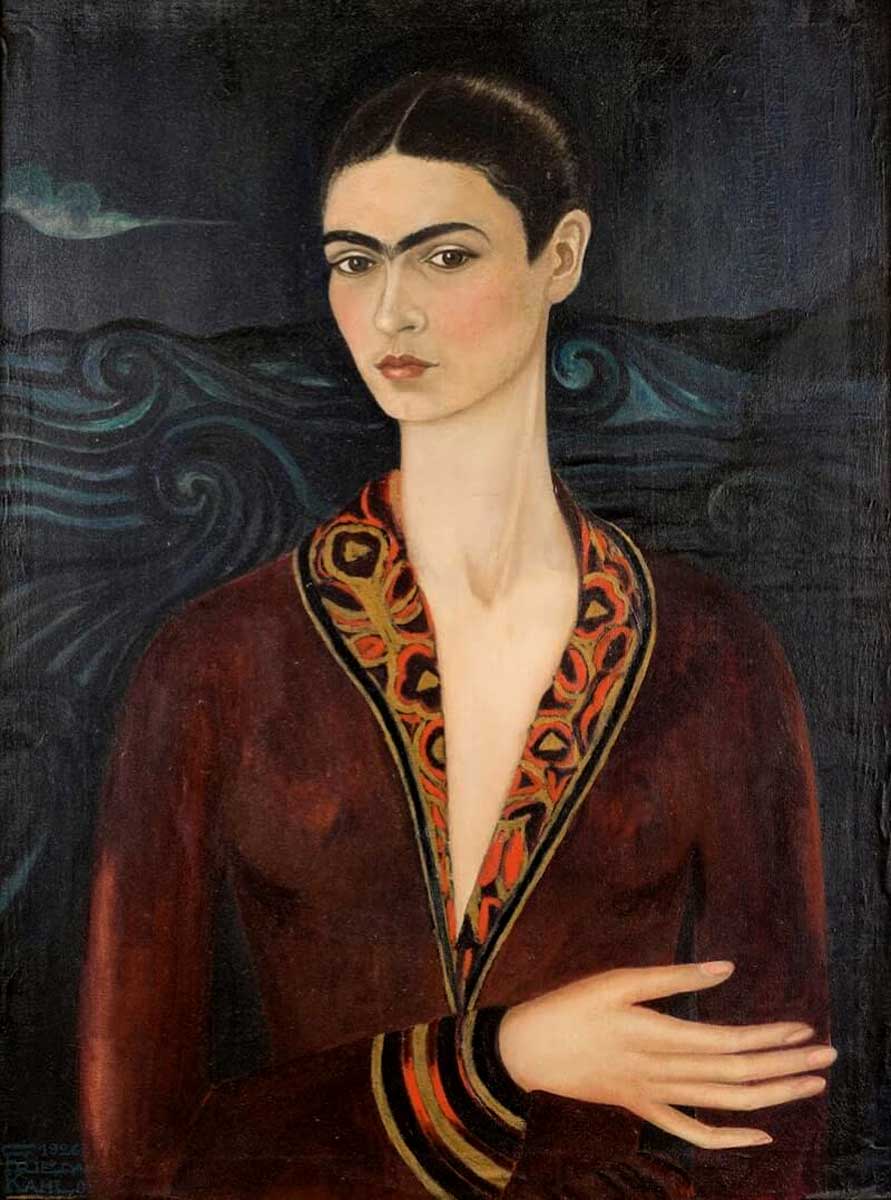
Few artists are as internationally recognized as Frida Kahlo. She was a painter, fashion icon, and revolutionary figure. Her most famous paintings inspired artists around the globe and changed the art world forever. She frequently bent gender norms and challenged the political elite worldwide through her Marxist beliefs. Pieces such as the Two Fridas also challenged ideas concerning her own identity. Kahlo’s work often explored mortality, drawing on Mexican traditions of honoring the dead. In 1925 she suffered from a horrendous bus crash which almost killed her. In pieces such as Without Hope, she takes the viewer into her experiences with pain, grief, and the process of dying. For art fans worldwide, her biographical and critical style cemented her as one of the greatest artists in history.
2. Diego Rivera
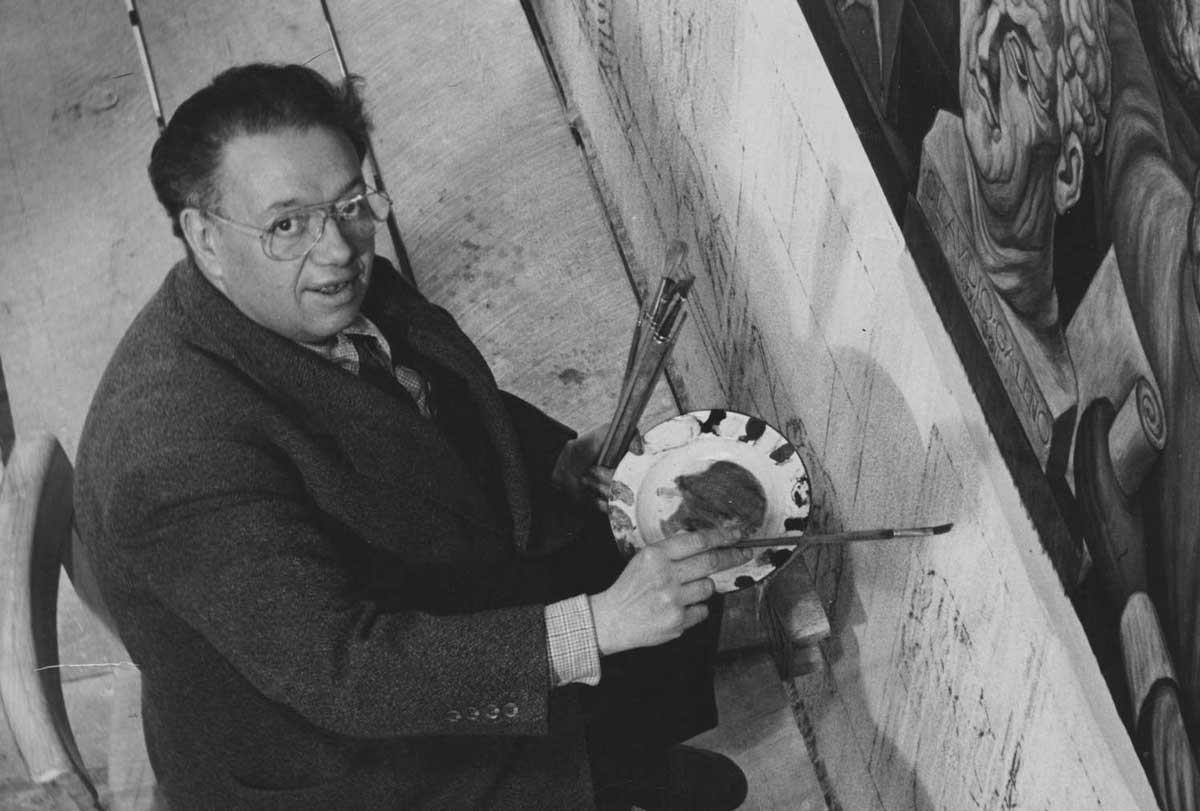
Diego Rivera was one of Mexico’s most renowned muralists whose influence spread across the world. His murals were overtly political and flowing with social criticisms and critiques of global leadership. He famously married Frida Kahlo in 1929, and the couple traveled and worked together to create some of Mexico’s most famous paintings and murals. His most famous pieces include the Epopeya del pueblo Mexicano. It’s located in the National Palace of Mexico City and covers almost 3,000 square feet of wall space.
His work often drew upon history, war, and Marxism. In pieces such as In the Arsenal, Rivera portrays political figures such as Leon Trotsky, his wife Frida Kahlo, and the Cuban revolutionary Julio Antonio Mella. Today, Rivera’s work is shown in museums and galleries around the world. You can find his most famous murals in Mexico City’s National Palace, the Detroit Institute of Arts, and the Palacio de Bellas Artes in Mexico City.
3. David Alfaro Siqueiro
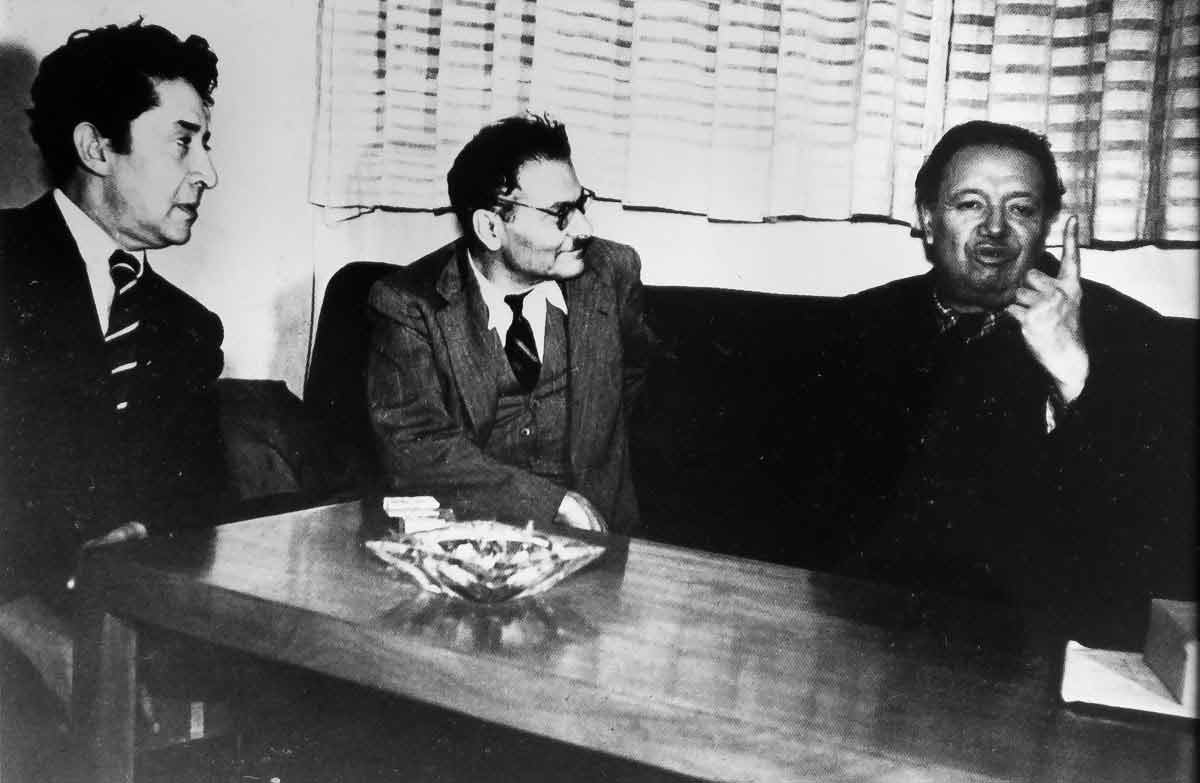
David Alfaro Siqueros was an influential figure in Mexican art who inspired the world’s greatest abstract painters, such as Jackson Pollock. Through his murals, he depicted vivid scenes full of social inequality, despair, and revolution. Siqueros is considered one of the founders of the modern Mexican art movement, along with Diego Rivera and José Clemente Orozco. His work often reflects his Marxist ideology and his experiences in the Spanish Civil War. Through Cubism and Surrealism, he depicted his experiences and the industrializing world of the early and mid-20th century.
In Buenos Aires’ MOMA, you can see paintings made by Siqueiros, including the famous Zapata. His murals cover the walls of several government buildings in Mexico City. At the Palacio de Bellas Artes, you can admire his influential mural, A New Democracy.
4. José Clemente Orozco
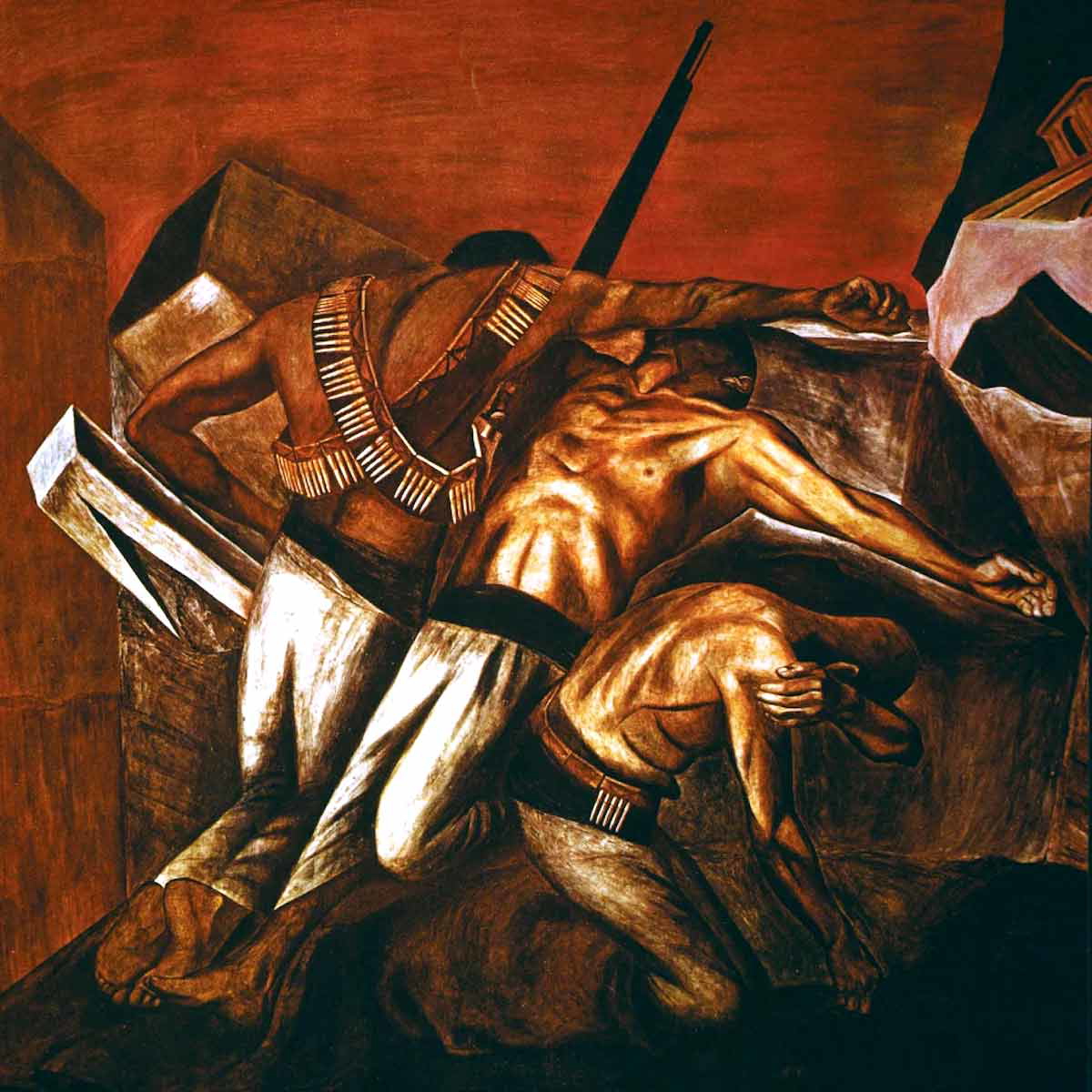
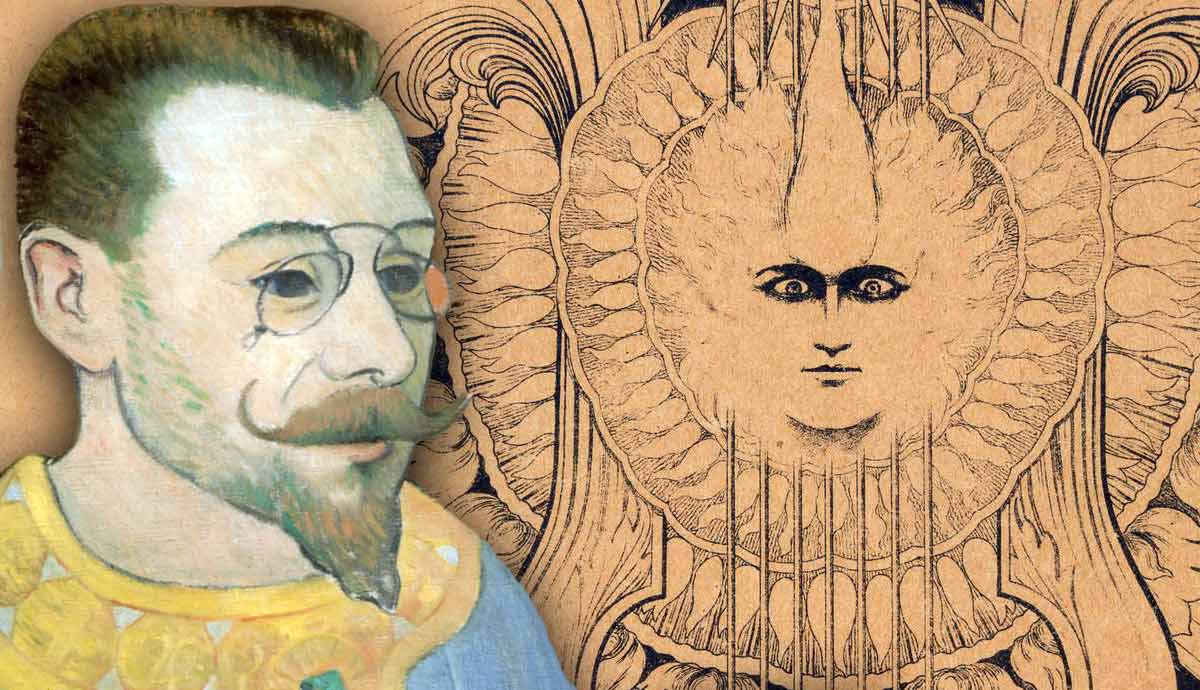
José Clemente Orozco, along with Diego Rivera and David Alfaro Siqueros, is one of the founders of the modern Mexican art movement. His murals and paintings inspired generations of international artists through his surrealist depictions of war, social change, and metaphysical landscapes. Orozco started painting under his mentor Gerardo Murillo (Doctor Atl), who inspired him to reject European artistic traditions in favor of Mexican styles. As Orozco developed as an artist, he gravitated toward murals. He moved to the US, where he painted famous works such as The Coming of Quetzalcoatl and The Return of Quetzalcoatl and Prometheus.
When he returned to Mexico City, he painted Catharsis in the Palace of Fine Arts in Mexico City. His final murals in Guadalajara and Mexico City cover government buildings. Today, you can see his work throughout Mexico, Europe, and the USA.
5. Gunther Gerzso
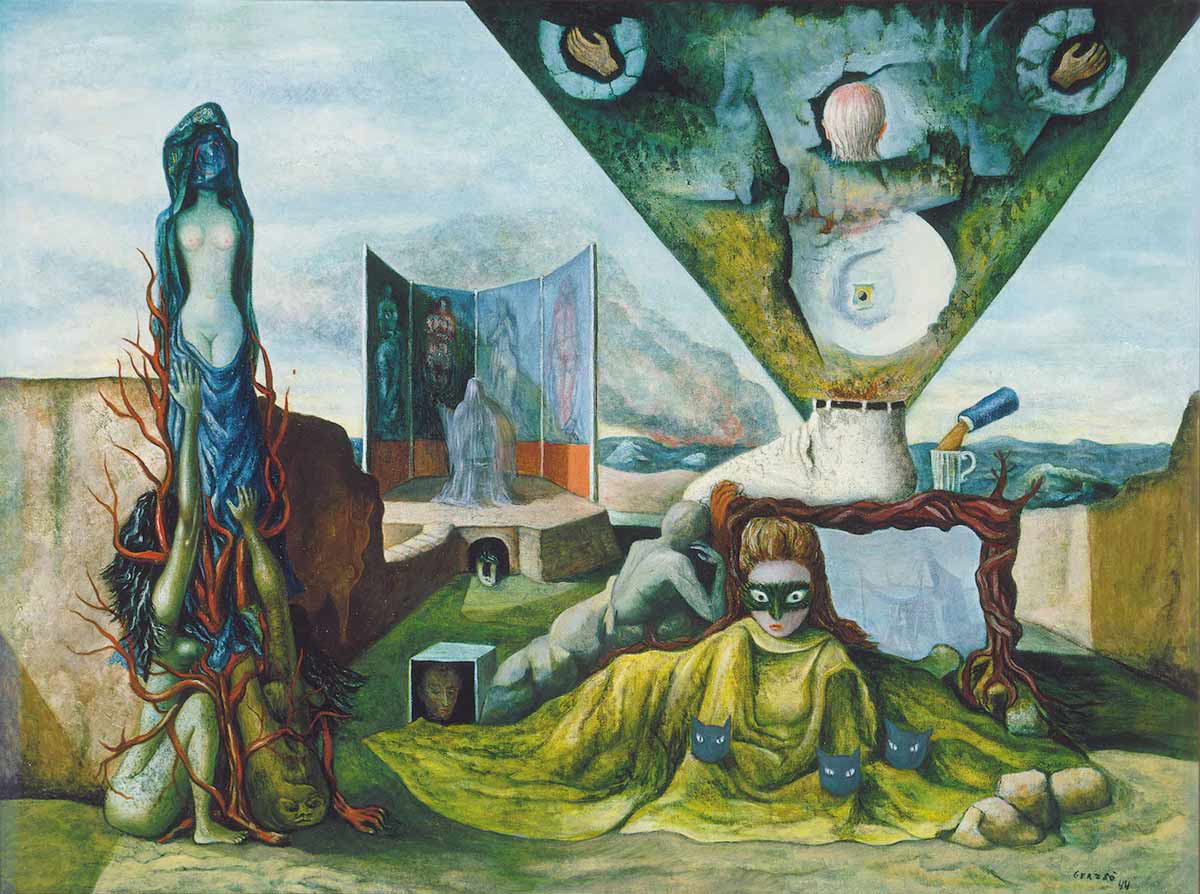
Gunther Gerzso was one of Mexico’s most celebrated Surrealist painters. Born in Mexico City in 1915, he moved to Europe as a child and developed his artistic talent before World War II. Upon returning to North America in the 1930s, Gerzso worked between the US and Mexico. In the 1940s, Gerzso developed his artistic style by absorbing pre-Columbian Mexican art. This style led to Gerzso’s signature Surrealism, a mixture of architectural shapes and dream-like landscapes. His most famous works include the 1950 Towards the Unknown and the 1947 Estela. Towards the mid-20th century, Gerzso became one of Mexico’s most renowned painters, spreading the country’s surrealist movement throughout the globe.
6. Rufino Tamayo
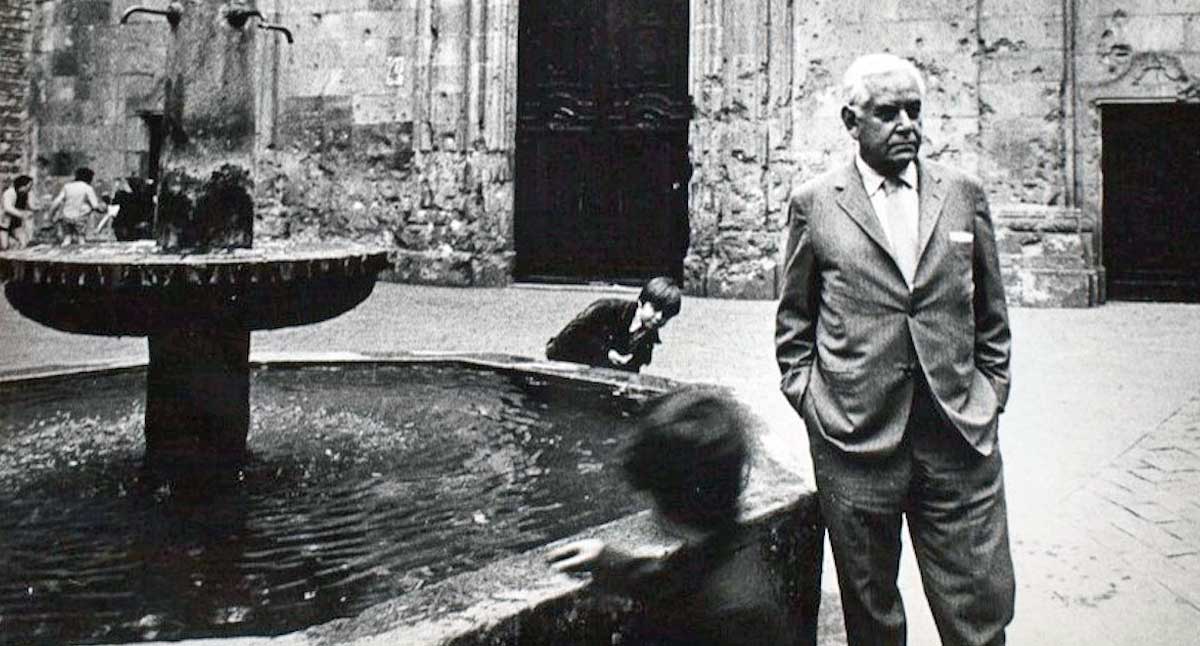
Rufino Tamayo was an influential painter from Oaxaca, Mexico, who fused Mexican folk art with modern painting styles. In 1921, he graduated from the School of Fine Arts in Mexico City. He then relocated to New York City to work as an artist. While abroad, he developed his work around Surrealism and Cubism. He painted themes of daily life in his home country and shied away from paintings concerning politics and the Mexican Revolution. Instead, his work captured everyday life and the mundane.
His semiabstract and vividly colored Women of Tehuantepec catapulted him to stardom in 1939. His mural Birth of Nationality and Mexico Today is displayed at the National Palace of Fine Arts in Mexico City. His 1958 work Prometheus Bringing Fire to Man became a sensation honored by UNESCO.
7. José Guadalupe Posada
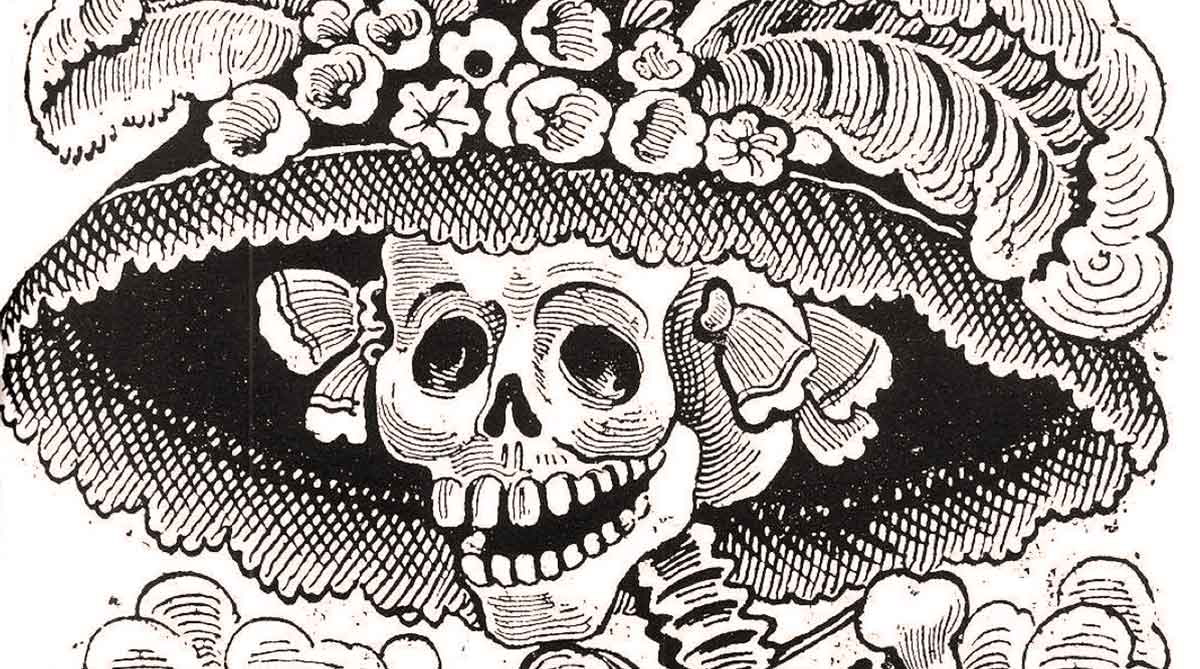
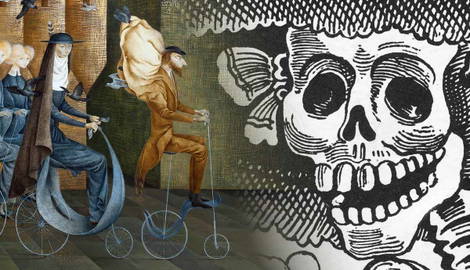
José Guadalupe Posada is one of the world’s most influential graphic artists. He is credited with bringing the aesthetics of the Day of the Dead festival to the world through his prints. He worked with newspapers and print publications, bringing his characters into the mainstream. Posada’s famous La Calavera prints symbolized the background of the Mexican Revolution and the country during the early 20th century. His satyrical La Catrada character remains his most famous work. The first depiction of the Day of the Dead-inspired skeleton figure was in the 1912 Calaveras de la Cucaracha. The image is still considered a national symbol for the holiday and is recreated in pop culture around the world.
The artist died in poverty, unknown to the world, in 1913. He created tens of thousands of designs, which were studied by art superstars such as Diego Rivera and Frida Kahlo. To this day, his designs are featured in famous murals, such as Diego Rivera’s Sunday Afternoon in Alameda Park.
8. Nahui Olin (Carmen Mondragón)
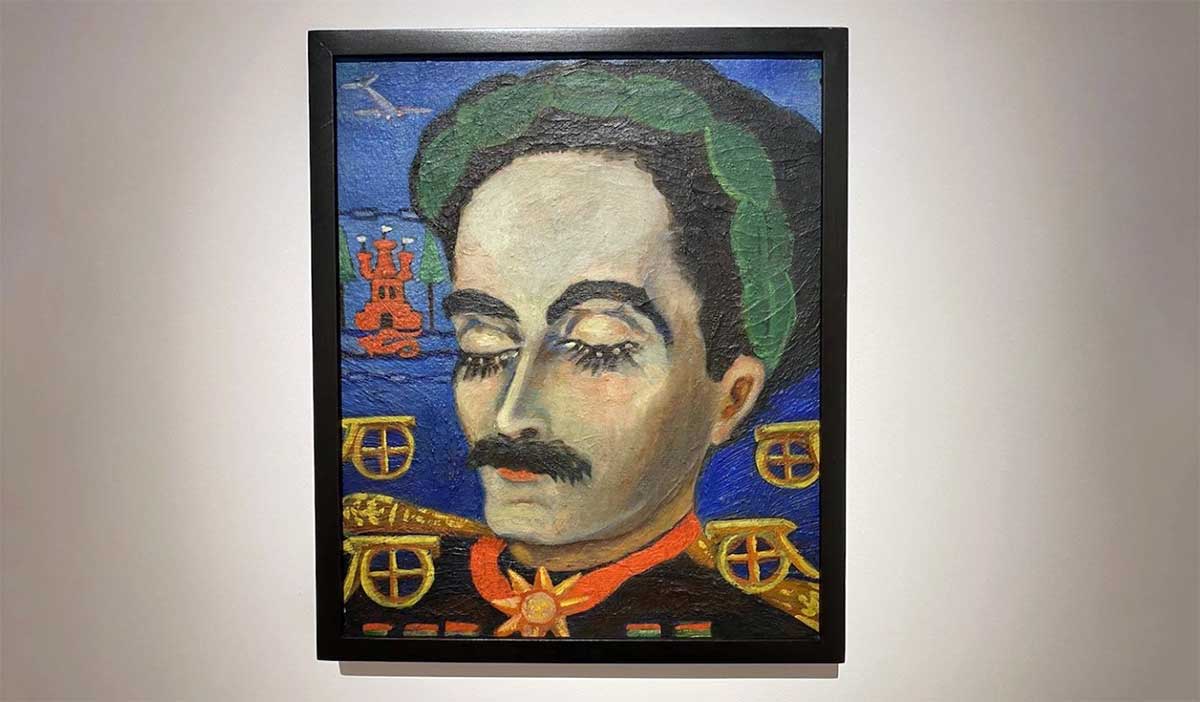
Carmen Mondragón, also known as Nahui Olin, was one of Mexico’s most influential painters and poets. In her twenties, she moved to Paris and became part of the city’s circle of artists, which included Henri Matisse and Pablo Picasso. In 1913, she married artist Manuel Rodríguez Lozano, and they returned to Mexico City together.
In 1922, Mondragón changed her name to Nahui Olin—a Nahuatl phrase describing renewal. She started painting pulquerias, bullfights, and abstract political scenes. Her self-portraits and intimate portrayals of everyday life in Mexico City attracted collectors. She is now regarded as one of the country’s top Surrealist painters. Her work is displayed in museums around the world, including Buenos Aires’ MALBA and the National Museum of Mexican Art.
9. Gabriel Orozco
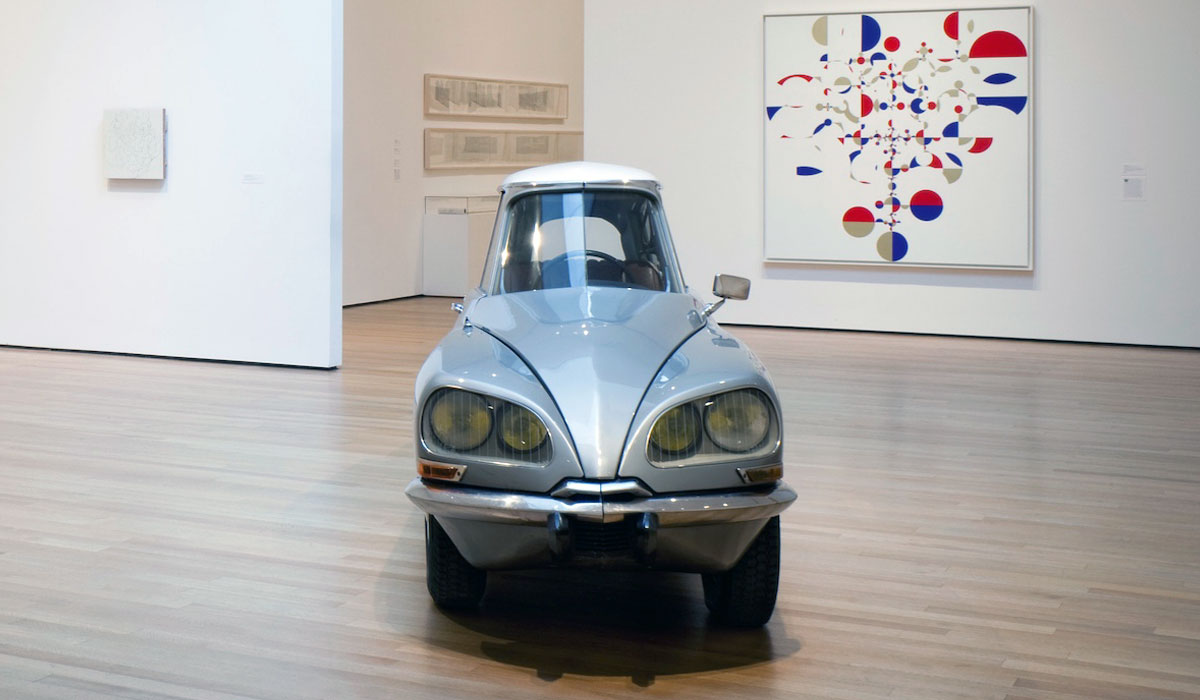
Gabriel Orozco is one of Mexico’s top artists. Orozco’s work is free and boundary-pushing. He uses sculpture, painting, and installations to create visual treats that push our understanding of society, reality, and ourselves. Orozco takes common household items, refuse, and machinery to create vivid and interactive pieces. His work is also spontaneous. Airplane boarding passes have even become his famous canvases. Some of his most renowned work includes La DS. This sculpture consists of a Citroën car cut and welded into two-thirds of its original width. His permanent work Orozco Garden is now displayed at the South London Gallery.
10. Spanish-Mexican Artist Remedios Varo
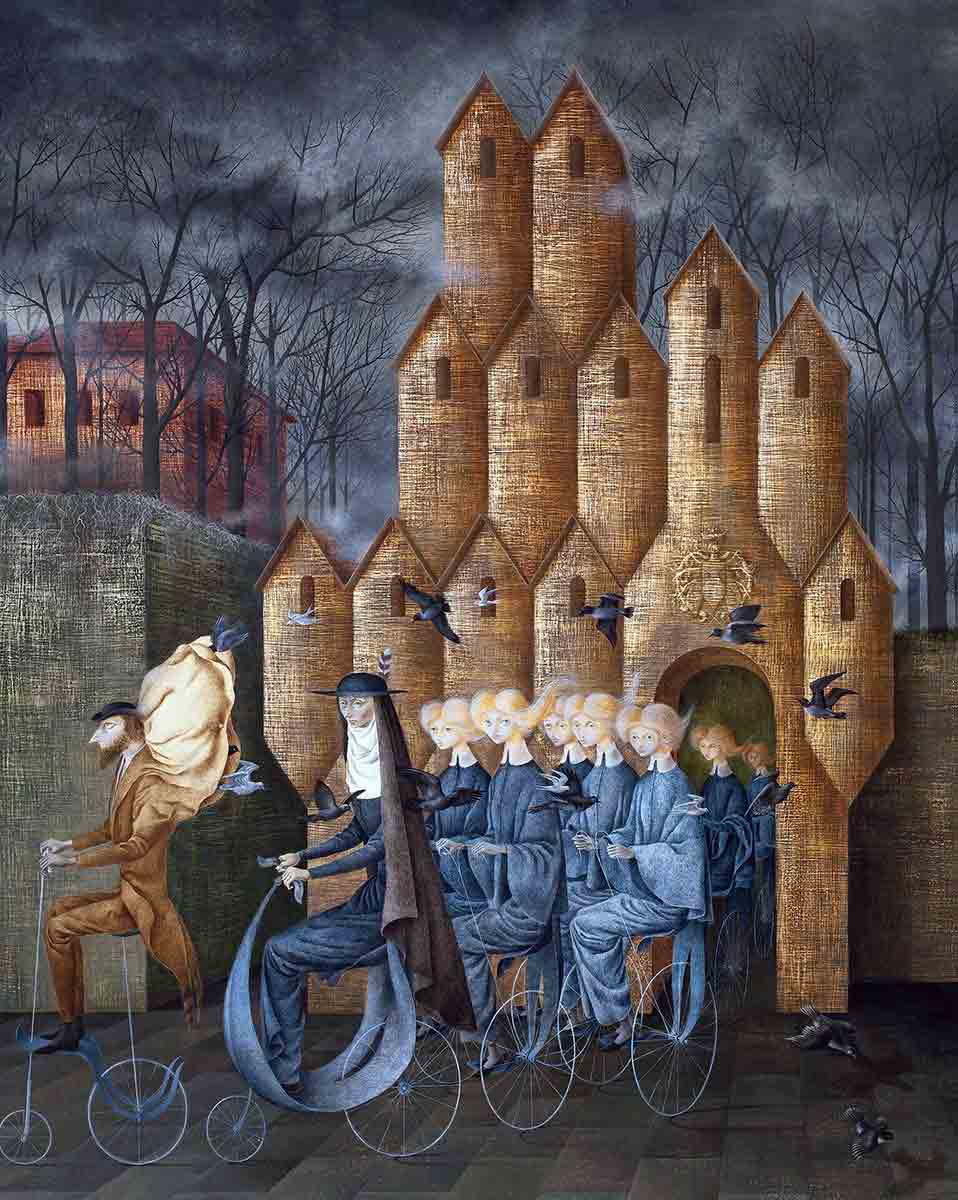
Remedios Varo was one of Mexico’s most prominent Surrealists. Her work blended surrealist elements and dream-like scenes with inward-looking self-portraiture. She incorporated animals, instruments, and indoor spaces to create dream-like scenes that stood out amongst other Surrealist painters.
Born in Spain, Varo moved to Mexico City in 1941 to flee war-ravaged Europe. In Mexico City, she created her most celebrated work until she died in 1963. Mexico became her home and inspiration. Many of her most celebrated paintings are self-portraits, such as the 1956 Roulotte. Remedios Varo’s self-portraits are some of the best-known paintings from Mexico.