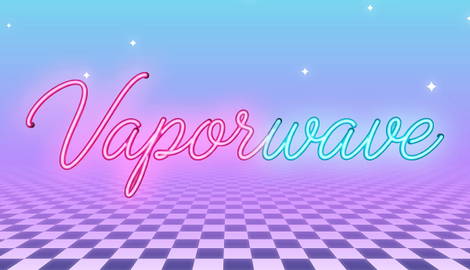

Pastel and neon colors, VHS tracking glitches, clip art, and Windows 95 backgrounds may seem like an odd combination of features for an art movement. Yet they all function as nostalgic references to, and critiques of, 1990s culture, presented through the vaporwave aesthetic, which emerged more than a decade after the century ended.
The Influences and Origins of the Vaporwave Aesthetic
Vaporwave began as a music microgenre in the 2010s, drawing on a variety of elements such as blended, slowed-down dance music from the 80s and 90s, elevator music, R&B, lounge, easy listening, video game samples, and clips from 90s television advertising. Along with the music, a visual aesthetic blossomed into a fully-fledged art movement. It drew heavily on 90s computer visuals, with their typical use of selective color, clip art, and repeated themes from the era, as well as the era’s dominant abstract geometric designs.
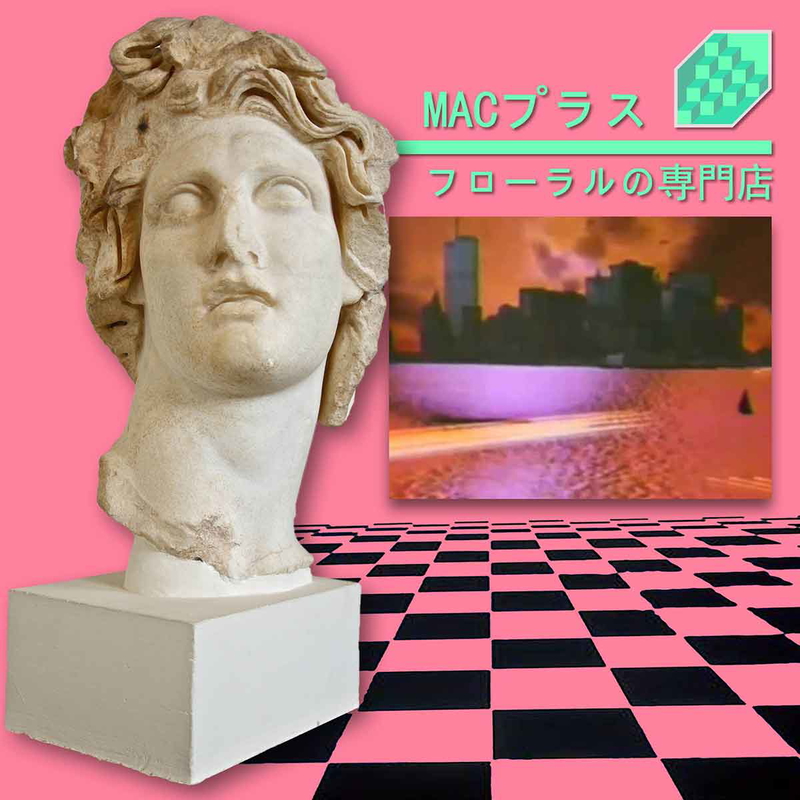
Seminal vaporwave music artists include Daniel Lopatin (as Chuck Person), James Ferraro, and Ramona Xavier / Vektroid (as Macintosh Plus), the latter of whom set an aesthetic standard for the visuals with the cover of her album Floral Shoppe (2011), featuring a bust of Helios, a pink background with cyan writing, and a low-res picture of a pre-2001 New York skyline.
From there, the aesthetic was promulgated via the internet, being shared on platforms like Tumblr and Reddit as a legion of artists created their own additions to the genre.
Deconstructing the Visual Staples of Retro Tech
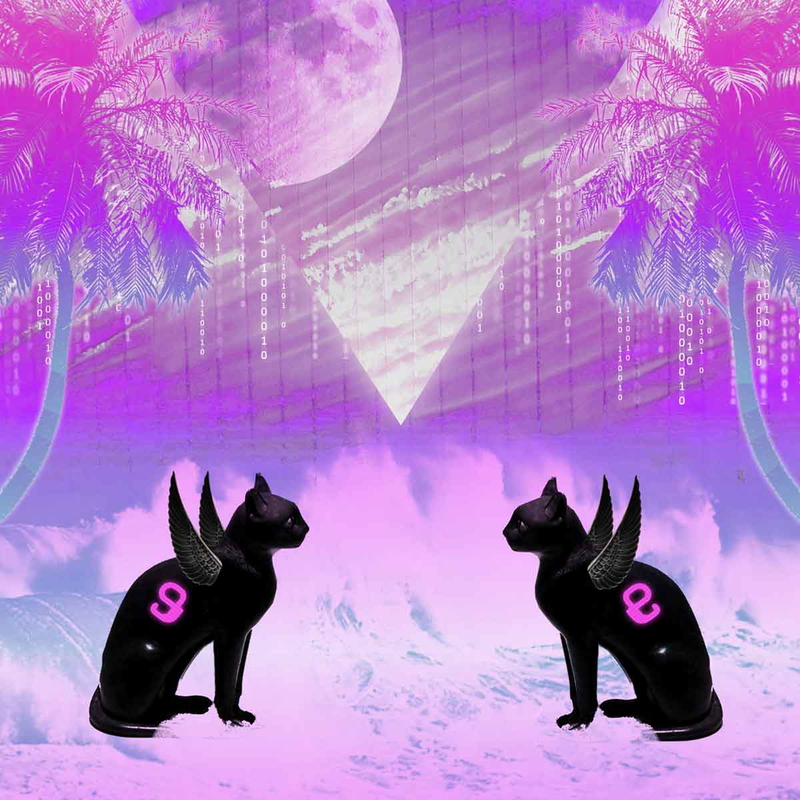
Vaporwave art relies heavily on a limited set of visual categories and colors. They are drawn from the most easily recognizable digital artifacts of the 1990s, such as clip art, stock art, vector graphics, early 3D renders, and other early web imagery, alongside corporate design and advertising styles that were popular at the time.
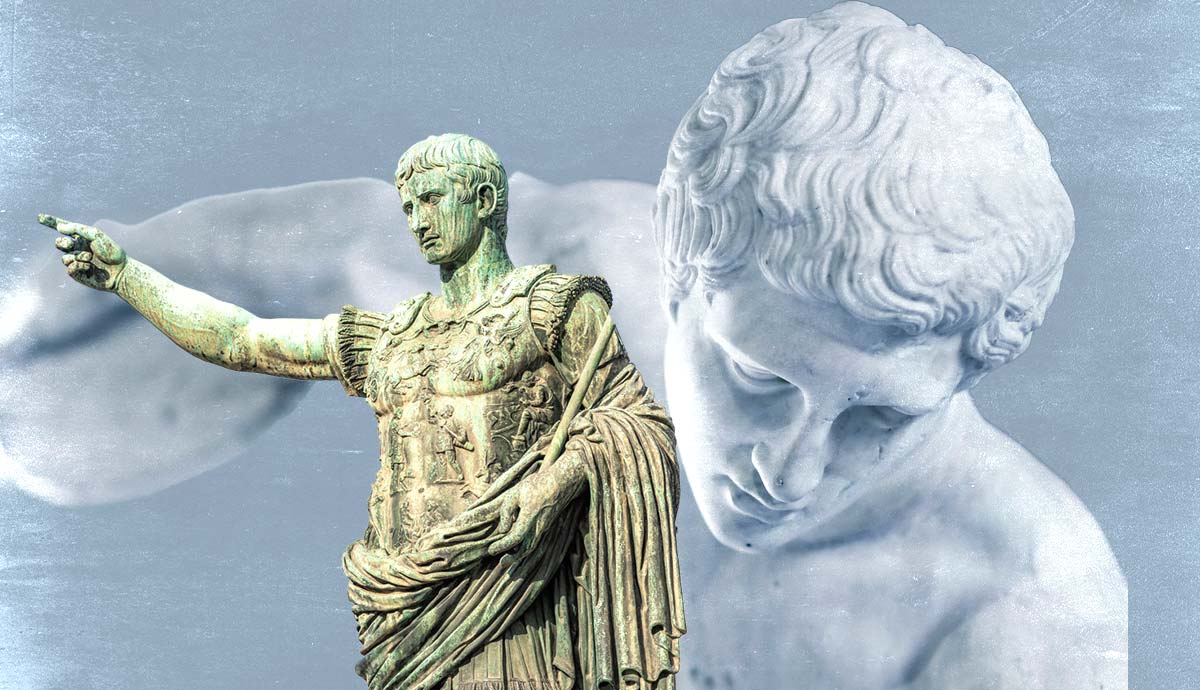
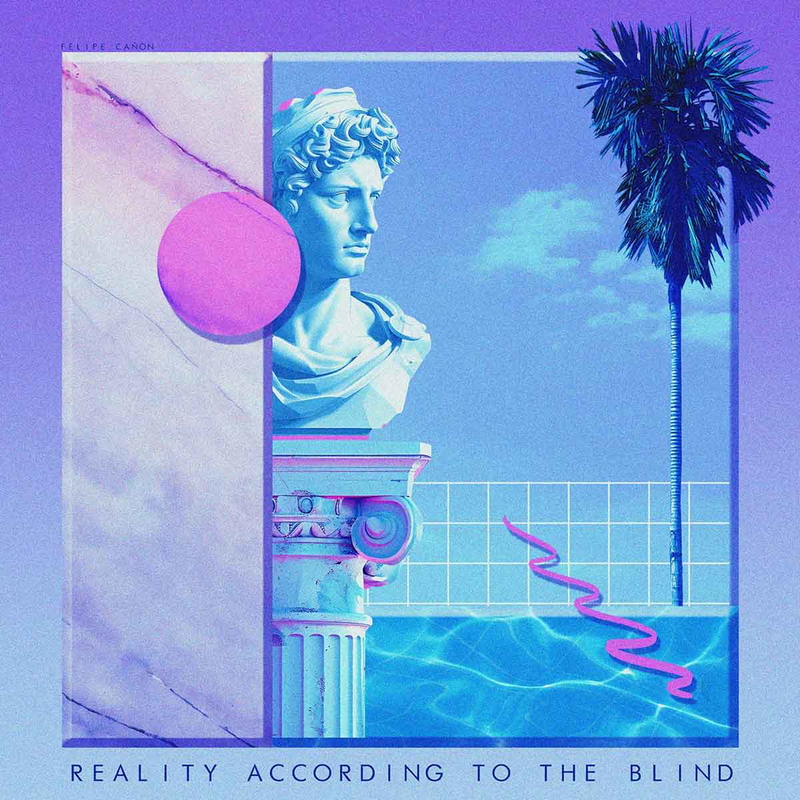
Busts of ancient Greek and Roman statues are a popular motif, not because they represent the classical era, but because they were common iconography used in digital media during the 90s.
Reflecting the same dynamic, palm trees, dolphins, swimming pools, sunsets, checkerboard patterns, Japanese writing, awkward typography, basic shapes, clouds, rainbows, and pot plants are very common in the visual vocabulary, among a host of other things that evoke ideas of consumerism, obsolete technology, and corporate interiors.
Hauntology and the Critique of Late Capitalism
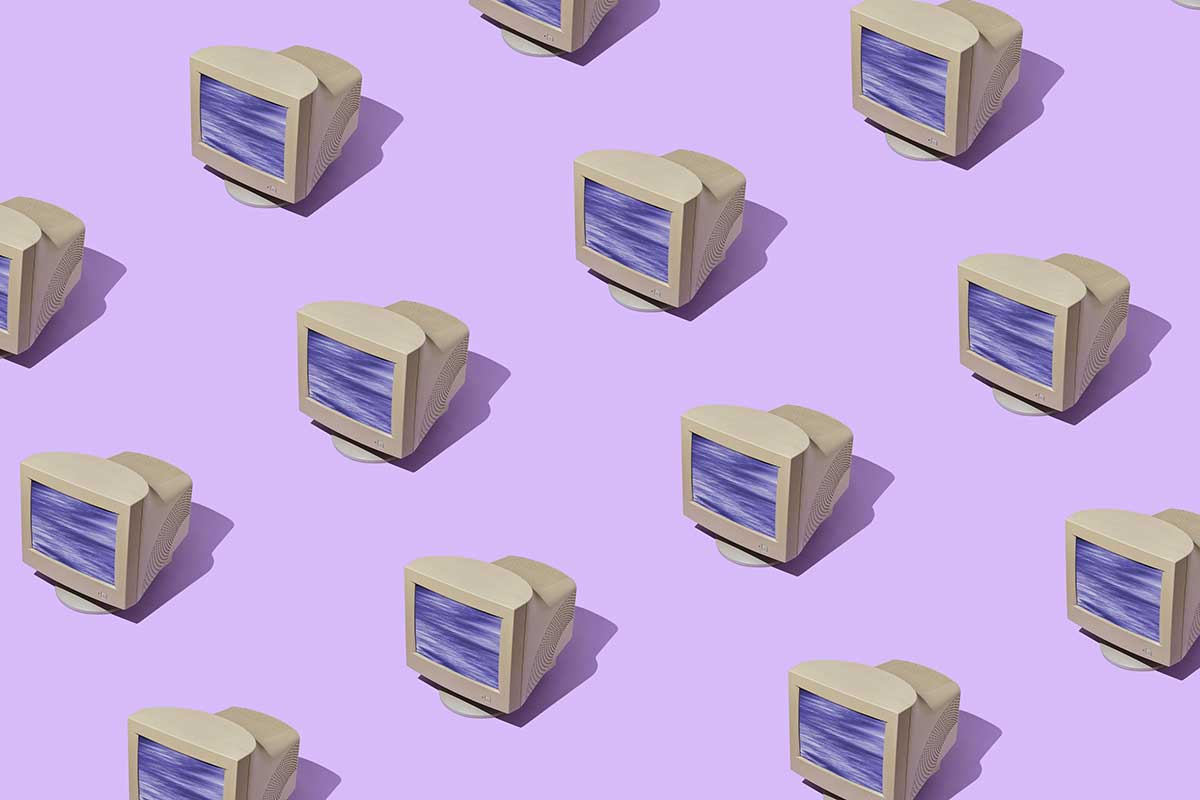
Defunct consumer technology is the anchor of this genre, serving as a mode of hauntology—the idea that the present is haunted by a past that promised a future which never materialized. While the technology seemed cutting-edge then, it is little more than junk now. Just as the technology of today will be obsolete and laughable by the standards of tomorrow.
Here, hauntology offers lost futures rather than warm remembrance, yet for those who remember the era it references, nostalgia can be a byproduct of the attempt at satirical critique.
It has been noted, meanwhile, that the satirical critique is also a commentary on late-stage capitalism, and in this, the movement can also be considered a form of “punk”, turning corporate consumer culture against itself.
How Internet Subculture Earned Its Place in Fine Art
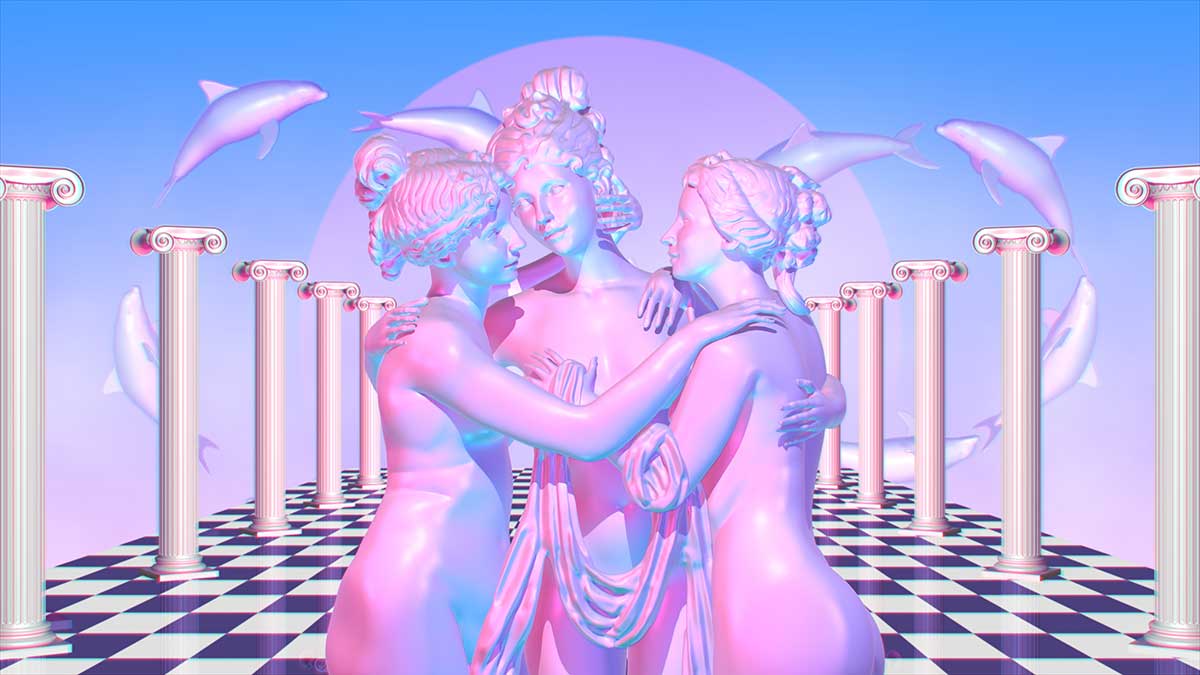
Far more than decorative compositions, the imagery of vaporwave is meaningful and draws on specific themes to communicate messages in a way that is comparable to fine art. And it doesn’t operate in a vacuum. It is a significant component of internet art culture that crosses over and influences other art styles/movements, generating and evolving themes across a wide spectrum.
Elements of vaporwave appear in neighboring visual art genres like synthwave, liminal space, webcore, dreamcore, seapunk, and cyberpunk, and it has also spawned subgenres such as mallsoft, which recreates the soundscapes and empty architecture of shopping malls from the 80s and 90s.
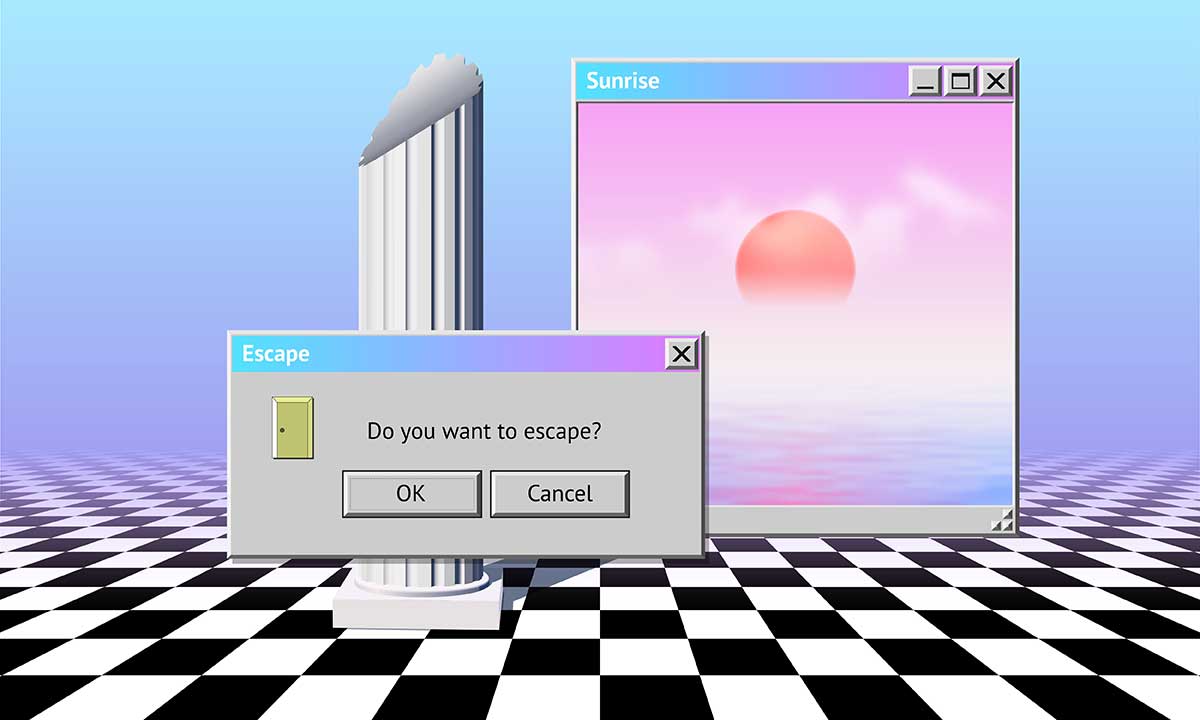
Vaporwave is a response to the digital online environment—a landscape that adapts and evolves quickly. Such a landscape will produce more, generating movements and aesthetics that stretch our understanding of the environment in which they were born.