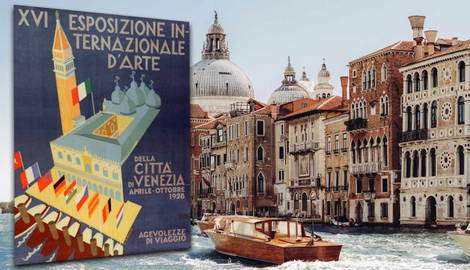

The Venice Biennale was founded in 1895 by Riccardo Selvatico, then Mayor of Venice, to promote Italian national art and attract an international audience to Venice. In its long history of 130 years, the Venice Biennale has become a private foundation and has changed in dialogue with the world historical circumstances involving six different arts: visual arts, architecture, cinema, music, dance, theater. Concentrating on the International Art Exhibition, let’s take a look at its history and significance.
First and Foremost: What Is the Venice Biennale?
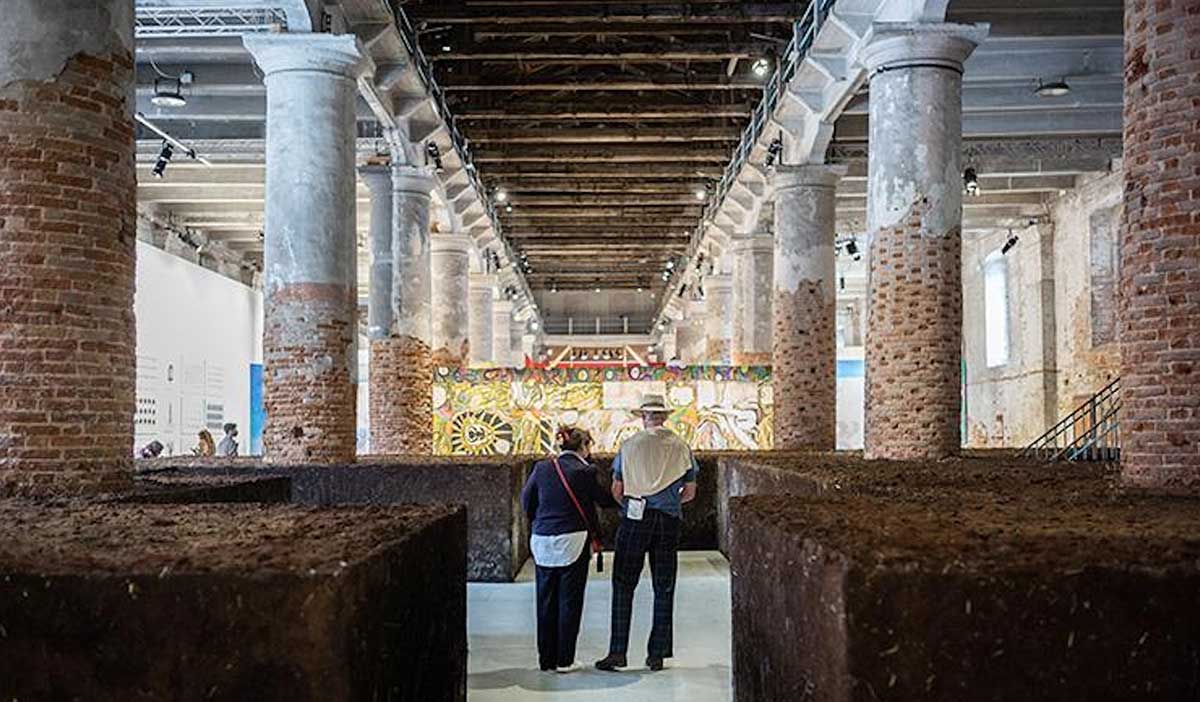
Biennale literally means “every two years” and is an art event dedicated to contemporary art, architecture (since 1980), cinema (the world’s first film festival, established in 1932), music (since 1930), theater (since 1934), and dance (since 1999). Furthermore, the festival was an opportunity to revitalize disused urban areas, first under the patronage of the Venice municipality, then under the Fascist State (1930), and finally as a private foundation (1998). Over time, the Venice Biennale has allowed locals and visitors to gain an overview on global contemporary art practices, provoke intellectual reflections, create the context for their encounter with diverse works by international artists, promote diplomatic relations through cultural exchange, as well as urban revitalization of public and private buildings, and cultural tourism.
How does the whole organism work? The theme of each edition of the International Art Exhibition is chosen by a rotating artistic director, who establishes the main research framework relevant to contemporary society and responds to global issues. This narrative characterizes the exhibition venues around Venice’s churches, former warehouses, and palaces. The theme is interpreted by the curators and selected artists of the stylistically diverse national pavilions, which are spread throughout the Giardini and the Arsenal, mirroring the culture, perspective, and creativity of each nation. The Art Biennale takes place every two years, alternating with the Architecture Biennale, whereas the Film Festival occurs annually.
A Deep Dive Into the Venice Biennale’s History
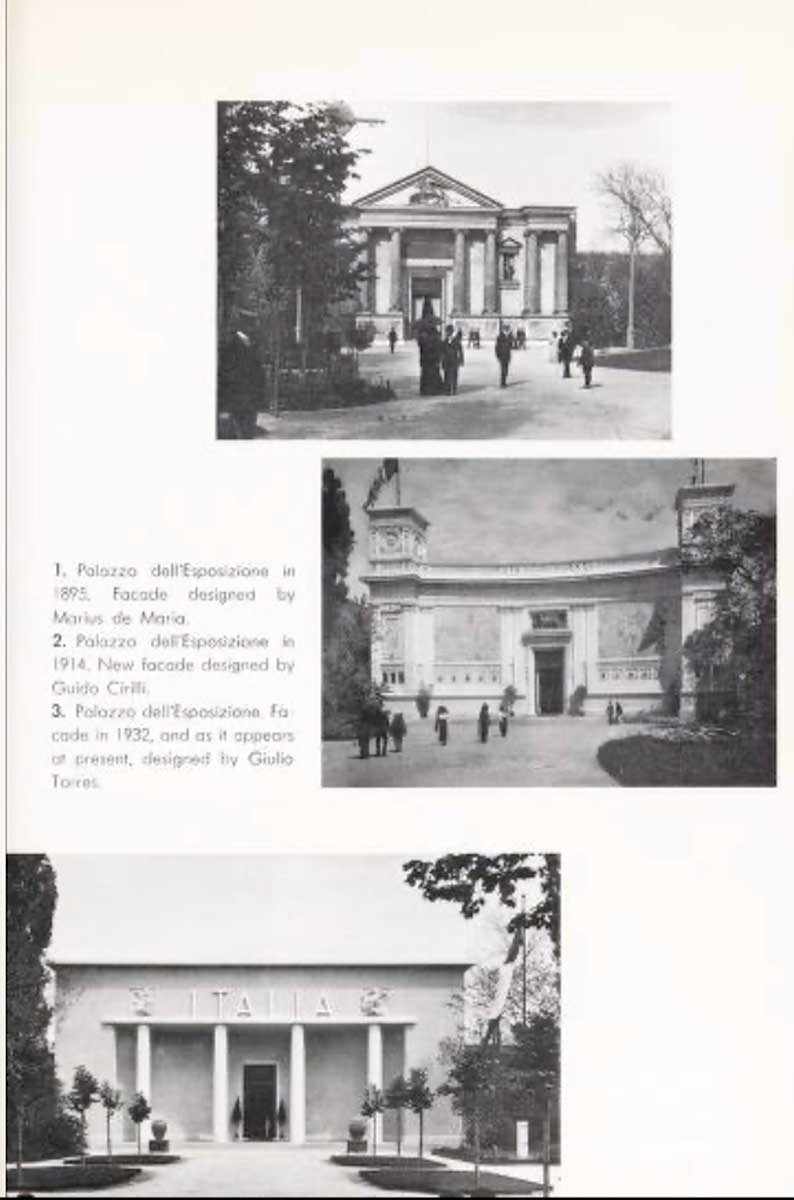
The Venice Biennale was born on April 30, 1895 as a cultural association with the support of the Mayor of Venice, Riccardo Selvatico, who, with the administrative decree of April 19, 1893, proposed the creation of a national biennial artistic exhibition to celebrate the anniversary of the marriage of the King of Italy, Umberto, to Margherita of Savoy. The palace of the first exhibition was inaugurated in the public gardens, the Giardini of Castello, with a ceremony attended by the royals of Italy and a great turnout of 200,000 visitors. The prizes went to Giovanni Segantini with the artwork Ritorno al paese natio and Francesco Paolo Michetti (La figlia di Jorio). Every Italian region had its own space and representatives.
Three commissions, composed of Venetian artists, were established: one to prepare the exhibition program, another for publicity, and the last for press relations. All were coordinated by Secretary General Antonio Fradeletto, who was responsible for selecting the artists, organizing the exhibitions, and overseeing the foreign pavilions.
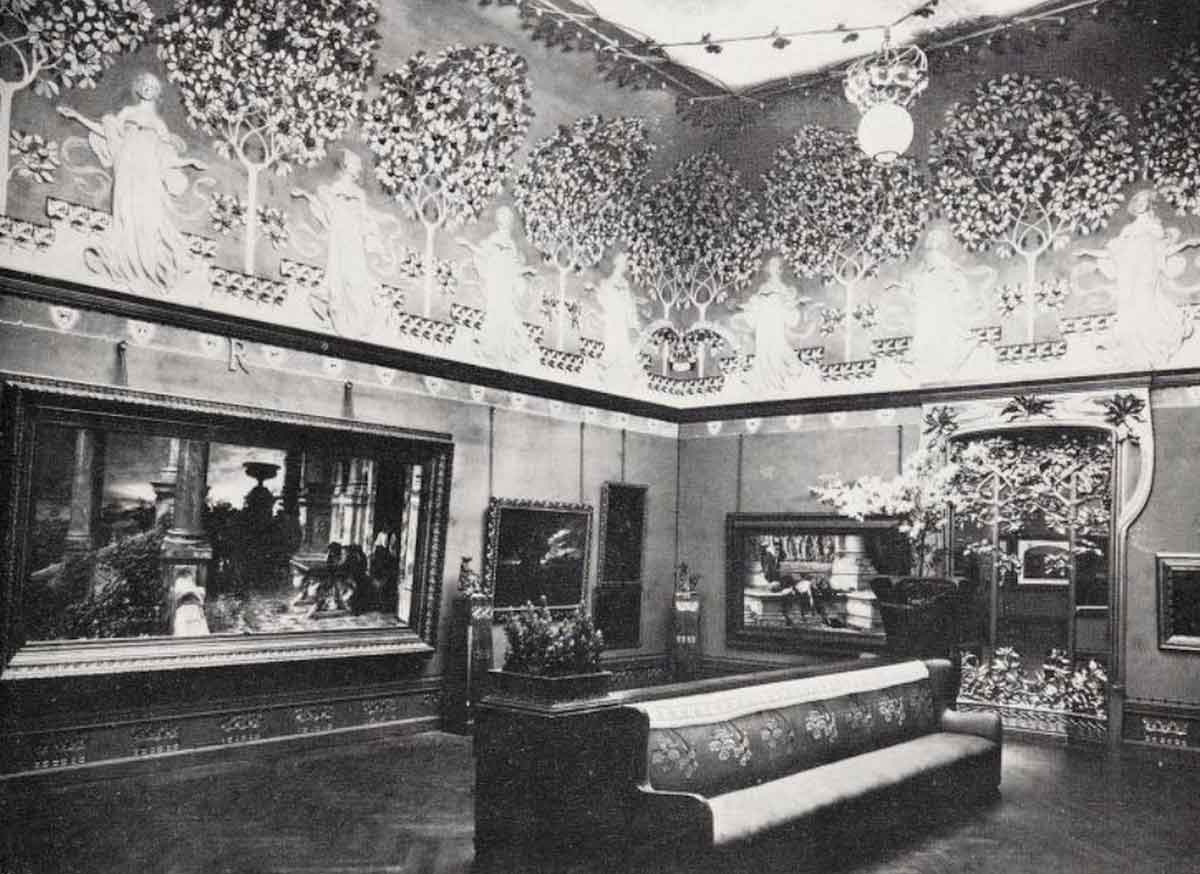
In 1897, the new mayor of Venice, Filippo Grimani, presided over the Biennale. Together with the Galleria d’Arte Moderna in Venice, the jury decided to retain the prizes in the form of acquisitions, to be awarded to national and local museums. The prize for Criticism, which went to the art writers Primo Levi, Ugo Ojetti, and Vittorio Pica, was also established.
It was not until the fourth Biennale in 1901 that the French painters of the 1830s, Jean-Baptiste-Camille Corot and Jean-François Millet, were given a place alongside Auguste Rodin’s sculptures at the exhibition. The fifth Biennale, in 1903, expanded to include the decorative arts with rooms devoted to interior design and the Salon des Refusés, created in response to the strike against the selection decision that excluded 823 of 963 works.
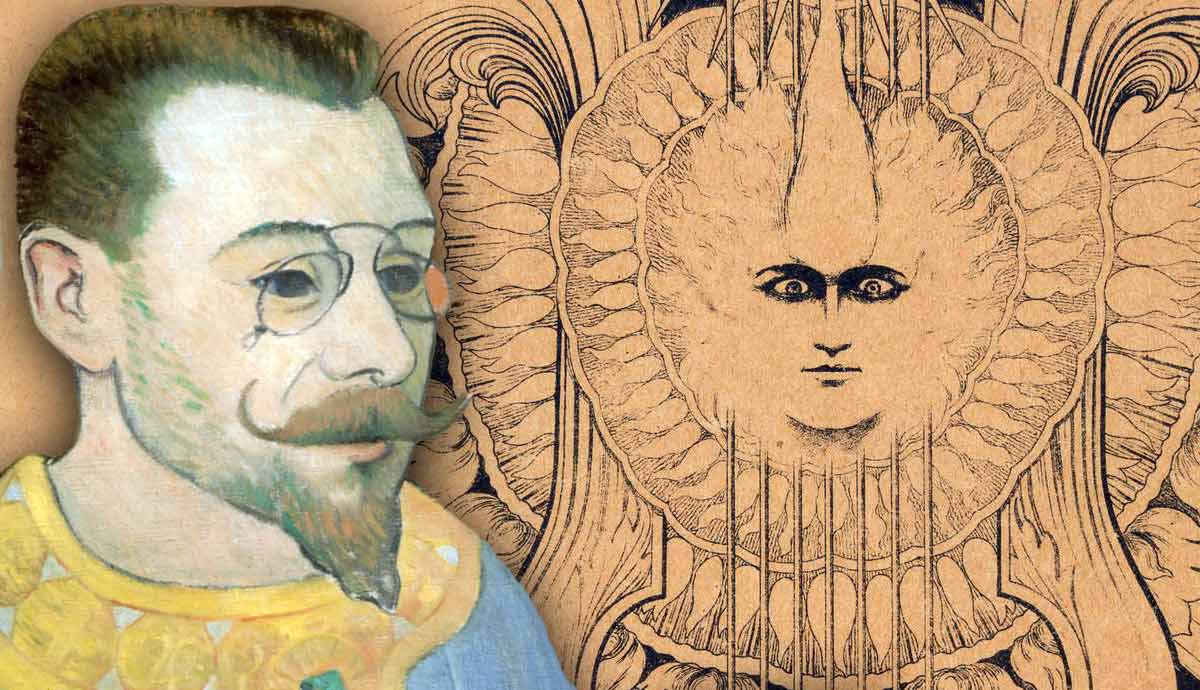
Nevertheless, American art, especially that of John Singer Sargent, received early attention. In 1907, Sergej Diaghilev introduced Russian realism and symbolism to the Biennale, bringing Ilya Repin and Leo Bakst. The exhibition began welcoming foreign pavilions, particularly those of Belgium, Great Britain, Germany, Hungary, France, and Sweden, as well as the Netherlands. Afterwards, the United States built a Palladian-style pavilion, which was initially managed by the Grand Central Art Galleries in New York (1930), then by the Museum of Modern Art (1954), and finally by the Guggenheim Foundation (1986). Today, the total number of pavilions in the Giardini is thirty.
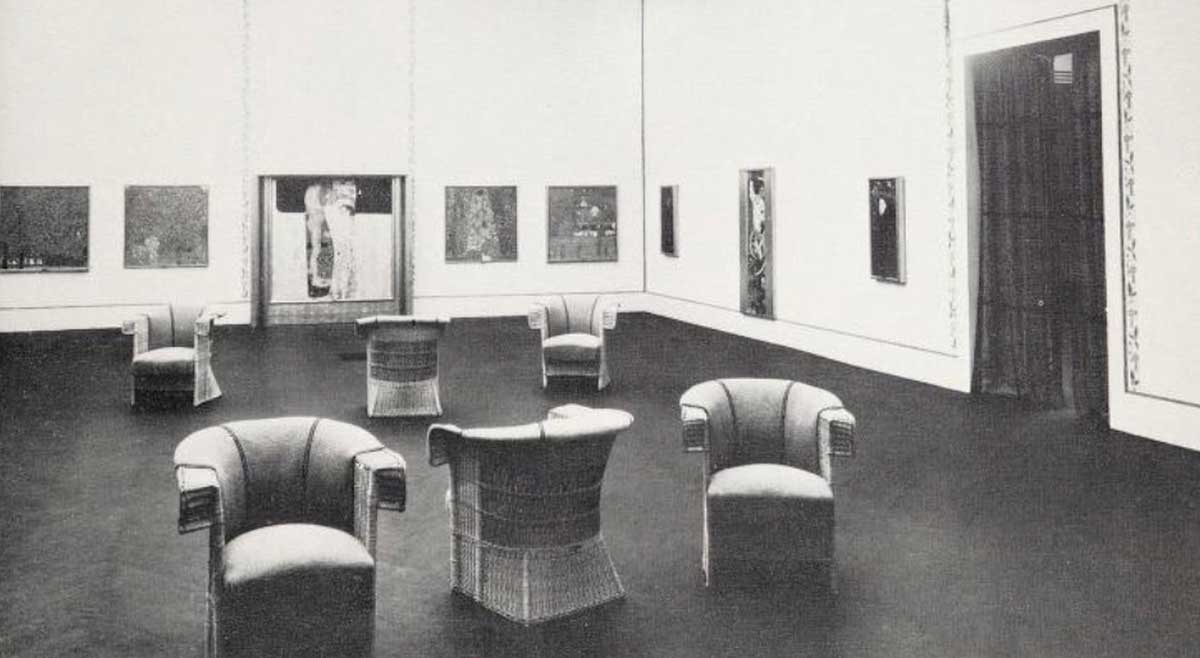
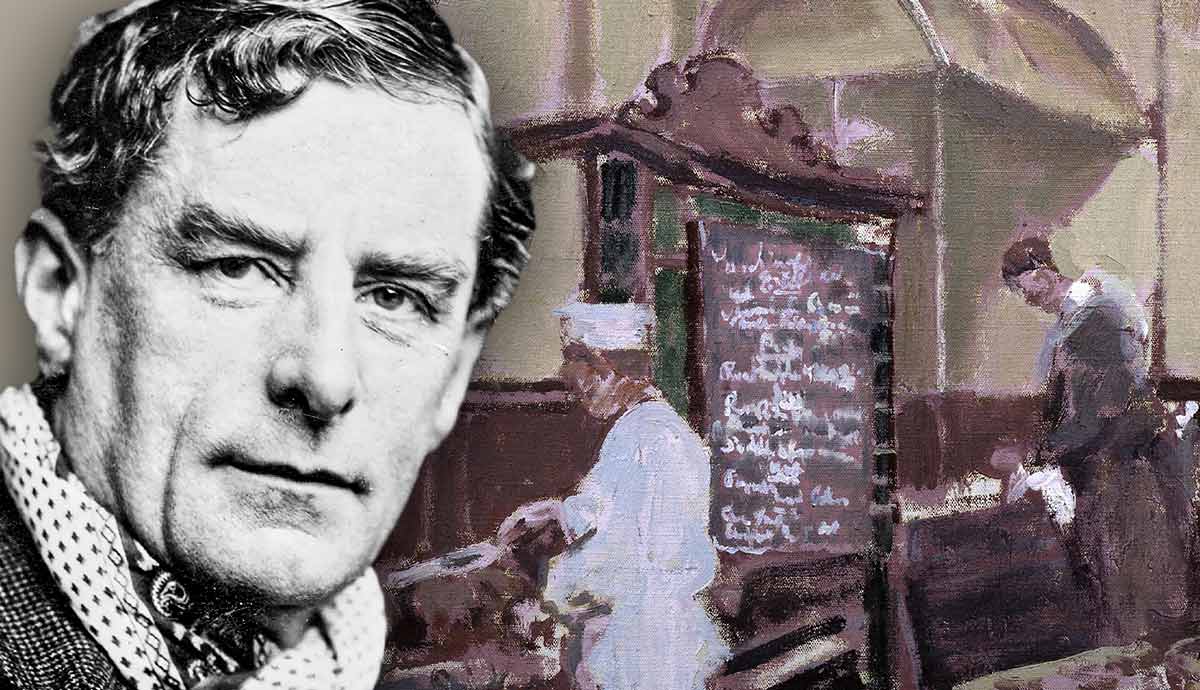
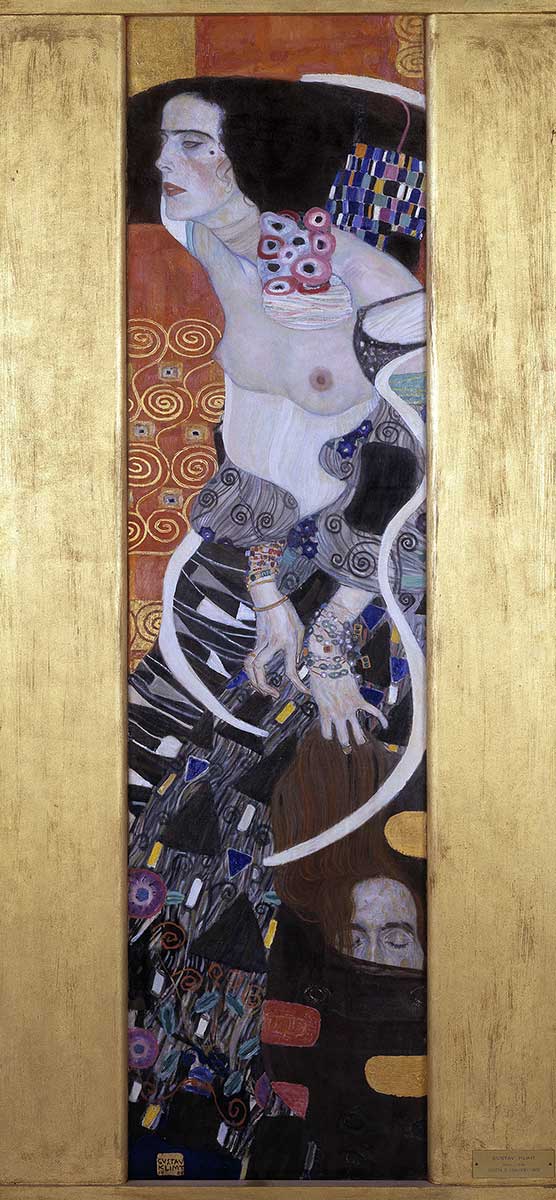
In 1910, when the Biennale was scheduled to avoid overlapping with the Rome Art Exhibition to celebrate the 50th anniversary of Italian unification, the international presence was highlighted with rooms dedicated to Gustav Klimt and Auguste Renoir, as well as retrospectives of Gustave Courbet and Adolphe Joseph Thomas Monticelli. In 1914, there was a shift towards Expressionism, marked by an exhibition dedicated to James Ensor. The Italian institution looked up to the Austrian and German Secessions, so Klimt’s Judith II (1909) was exhibited at the ninth Biennale (1910) and acquired by Ca’ Pesaro, while Italian artists gathered in unitarian collectives that exhibited their works in private rooms.
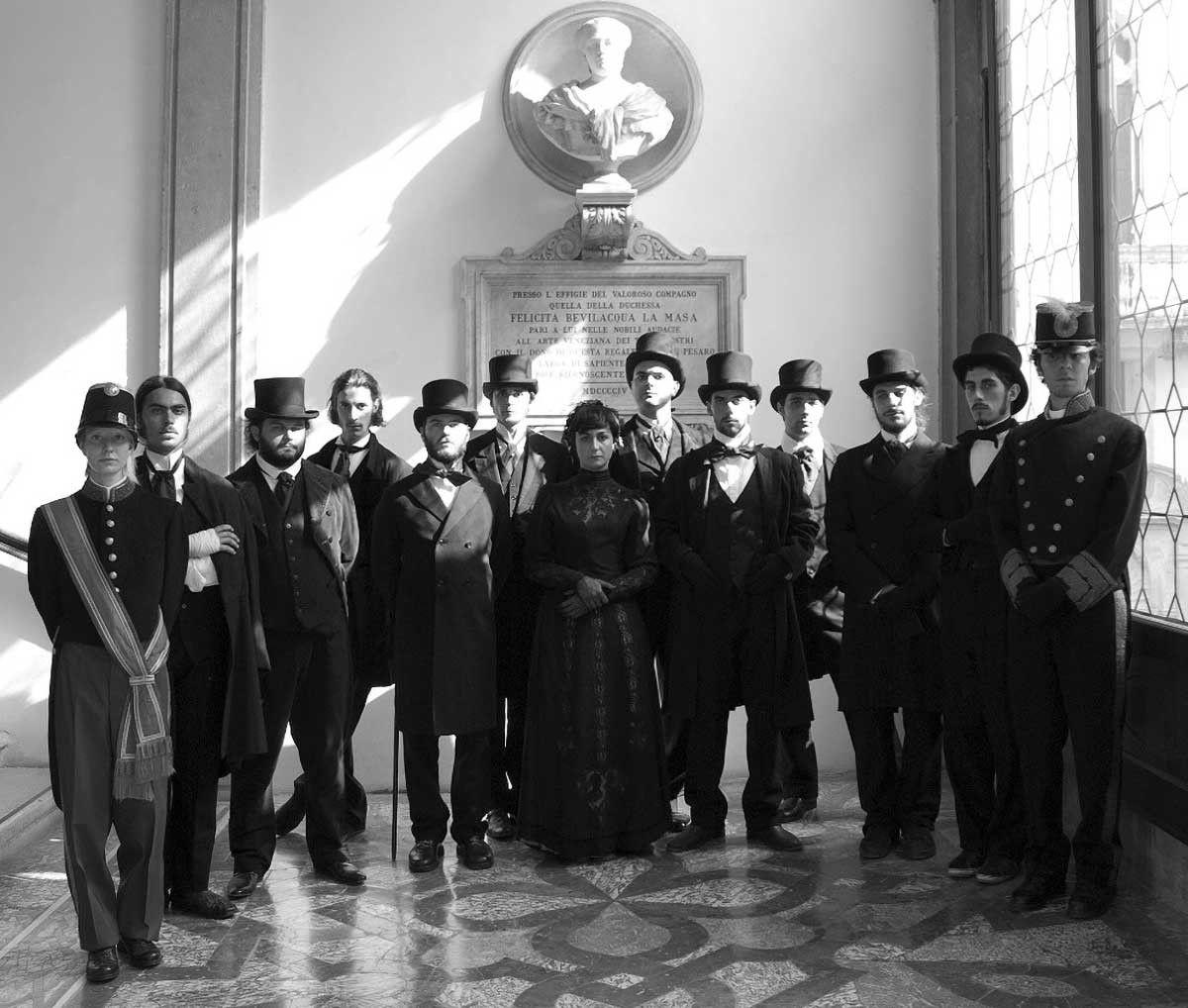
Nineteenth-century Italian art dominated the first Biennales, both in the regional rooms and in the retrospectives dedicated to Antonio Fontanesi, Giovanni Fattori, Telemaco Signorini, and Tranquillo Cremona, together with international Symbolist art (the 1907 exhibition The Art of the Dream). It was not until the 1910s that the contemporary Medardo Rosso had a place at the Biennale. Starting in 1908, a strong reaction of the young artists of Ca’ Pesaro, coordinated by the art critic Nino Barbantini, took place against this domination and was supported by the Duchess Felicita Bevilacqua La Masa. Then, from 1914 to 1920, the exhibition was interrupted by World War I.
After World War I
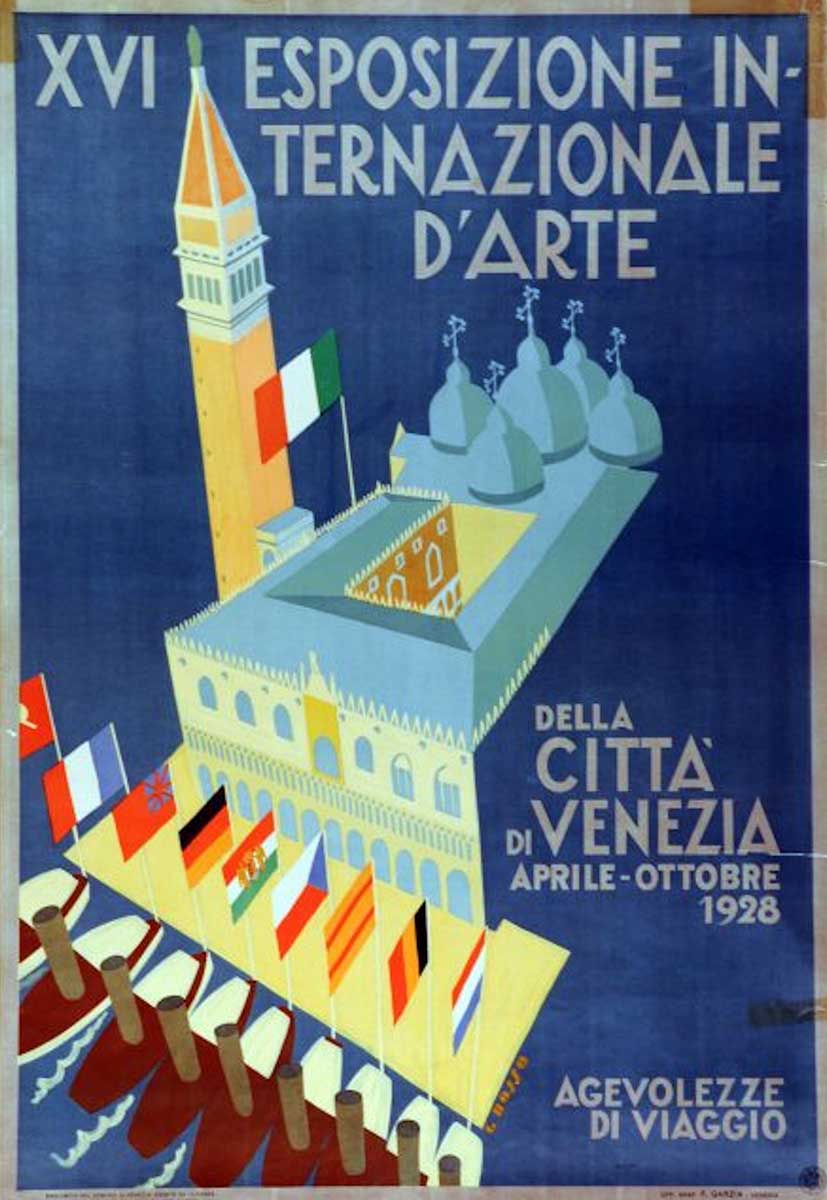
Following World War I, the Biennale, under the direction of Secretary-General Vittorio Pica, became more receptive to new artistic trends. In 1920, for example, the curator of the French pavilion was Paul Signac, who exhibited works by himself, as well as those of Paul Cézanne, Georges Seurat, Odilon Redon, Henri Matisse, and Pierre Bonnard. Meanwhile, the Netherlands proposed a retrospective on Vincent Van Gogh, and Switzerland presented Ferdinand Hodler. In 1922, Pica organized the first retrospective on Amedeo Modigliani. At the same time, in 1928, the first archive of the Biennale was established (known as the Istituto Storico d’Arte Contemporanea), and the same year’s exhibition introduced the Paris School with works by Roger Bissière, Marc Chagall, Max Ernst, and Ossip Zadkine.
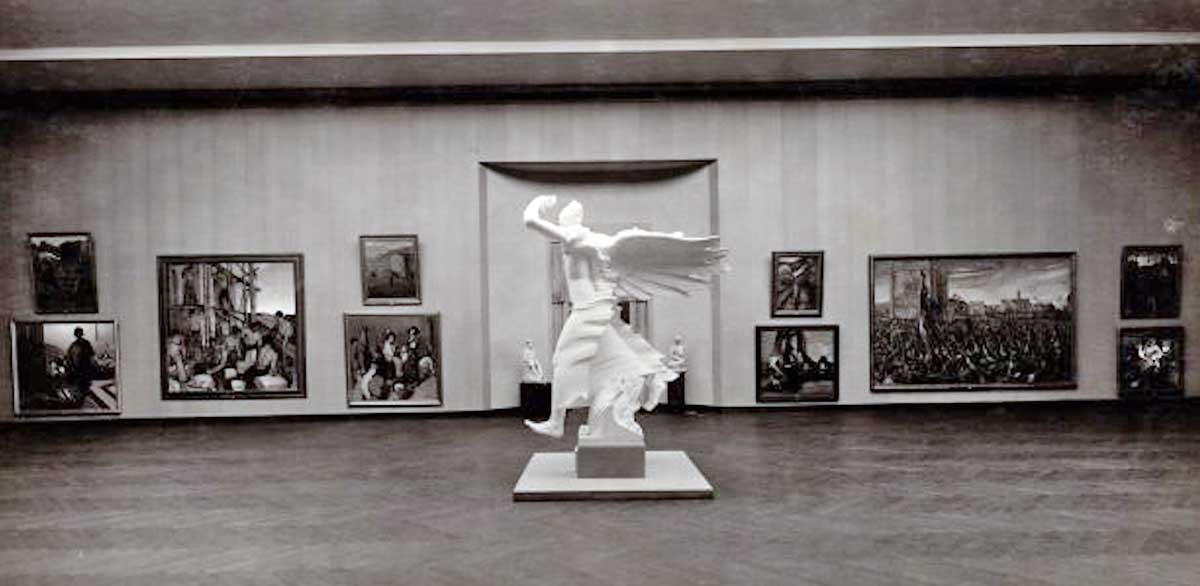
In the visual arts, interest in the émigrés in Paris was reaffirmed in the 1930 exhibition Appels d’Italie, curated by Mario Tozzi, which featured a comparison of Italian artists living in Paris. In 1930, the Biennale became an Autonomous Agency (Ente Autonomo) under the control of the Fascist State, rather than the Venice Municipality. In the same year, when Giuseppe Volpi became the (Fascist) president of the Venice Biennale, and until the mid-1970s, the institution began to organize exhibitions of Italian art abroad or to take care of the national participation in international events arranged in New York, Germany, Paris, Vienna Budapest, Amsterdam, Sidney, Bucarest, Athens, and Tallinn, as well as in India, Switzerland, Egypt, and Brazil.
After World War II
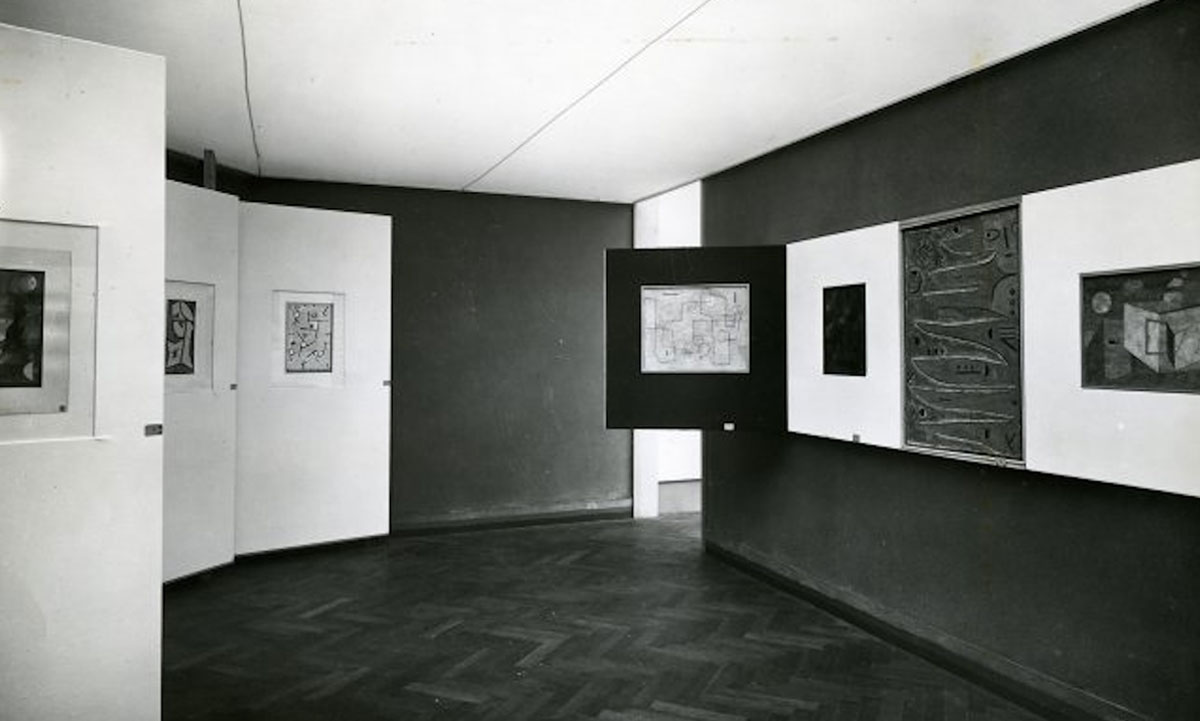
After World War II, the central pavilion hosted a retrospective of Paul Klee and other German artists considered “degenerate” by the Nazis, alongside French Impressionists (Claude Monet, Alfred Sisley, Cézanne, Degas, Paul Gauguin, and Van Gogh), proposed by the influential art critic Roberto Longhi. France presented works by Aristide Maillol, Georges Braque, and Marc Chagall, while Austria came with Egon Schiele, the sculptor Fritz Wotruba and Oskar Kokoschka. Great Britain presented works by Turner and Henry Moore. Belgium focused on James Ensor and Constant Permeke. Italy showcased works by Arturo Martini, Gino Rossi, Massimo Campigli, Filippo De Pisis, and Mino Maccari.
In 1948, avant-garde artists were revisited, including those associated with Italian Metaphysics and Il Fronte Nuovo delle Arti (from which the Realism movement and the Gruppo degli Otto emerged). The participation of foreign pavilions offered an almost comprehensive overview of all the avant-gardes, with the notable exception of Dada.
The Secretary General Rodolfo Pallucchini, responsible for the first five Biennales after the war (1948-1956), aimed to build a bridge between the public and contemporary art, organizing a retrospective of Picasso curated by Renato Guttuso and the exhibition of the Peggy Guggenheim Collection, curated by Giulio Carlo Argan. At the same time, the harmonic but “eccentric” interior designs were arranged by the Venetian architect and designer Carlo Scarpa.
The 1950 edition included exhibitions on the Fauves, Cubism, Futurism, the Blue Rider, the Mexican muralists José Clemente Orozco, Diego Rivera, David Alfaro Siqueiros, and Rufino Tamayo. In 1952, Pallucchini organized a comparative exhibition between Italian Divisionism and French Pointillism, while Henri de Toulouse-Lautrec’s prints were shown in the so-called Napoleonic rooms.
The USA at the Biennale
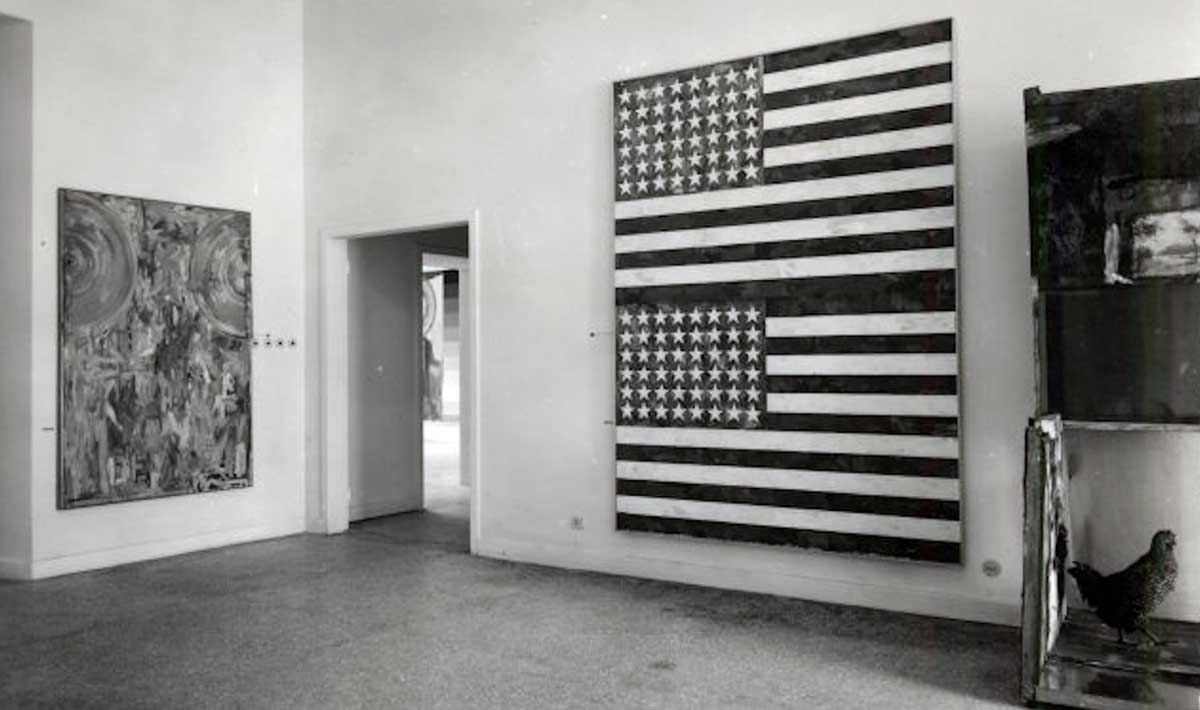
Following Palluchini, Secretary General Gian Alberto Dell’Acqua (1958-1968) paid particular attention to contemporary art. After that, the Sculpture Prize was awarded to Alexander Calder in 1952 and Lynn Chadwick in 1956. The American Pavilion presented Jackson Pollock’s Action Painting which shocked Italian and European artists. The 1960s Venice Biennale began with strong polemics over the number of artists invited and the excessive power given to art critics, who had the power to establish trends and styles. Criticism led to the affirmation of “informal art” in 1960, with awards given to Jean Fautrier, Hans Hartung, and Emilio Vedova.
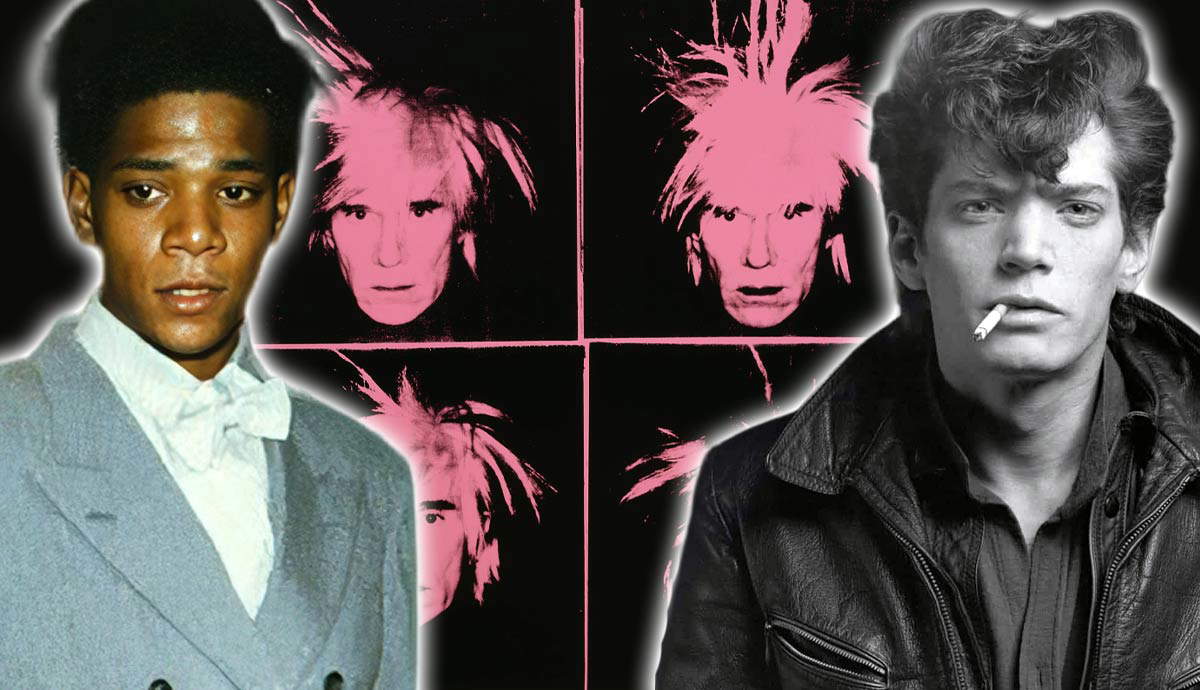
In 1964, the arrival of American Pop Art—represented by artists such as Jasper Johns, Jim Dine, and Claes Oldenburg—and the awarding of prizes to Robert Rauschenberg shifted the geographical focus of the art world from Europe to the United States. An exhibition on Pop Art was organized by Leo Castelli and Ileana Sonnabend at the American Consulate.
Sixties and Seventies
Optical, kinetic, and programmed art were the protagonists of the 1966 Biennale, with installations by Julio Le Parc and Raphael Soto. Italian art was represented by Lucio Fontana’s cuts and Alberto Viani’s plaster casts, accompanied by retrospectives on Umberto Boccioni and Giorgio Morandi.
The widespread strikes of 1968 had an impact on the Biennale, where some artists covered or turned over their works in protest. The Central Pavilion hosted the exhibition Lines of Research, featuring works by Malevich, Duchamp, Calder, Rauschenberg, and Arshile Gorky. Awards were given to Nicolas Schöffer and Bridget Riley as foreign artists, and to Gianni Colombo and Pino Pascali as Italian artists. After 1970, artworks exhibited at the Biennale were no longer available for sale through the sales office, marking a shift in the event’s format from an art fair to a more temporal exhibition.
The new statute of the Biennale was approved by the Italian Parliament in 1973, and in 1974, 18 members of the board were elected from all political sectors to work towards decentralization, interdisciplinarity, and the overcoming of seasonal planning with the opening of additional venues in Giudecca, Dorsoduro, and other spaces for happenings, debates, and shows.
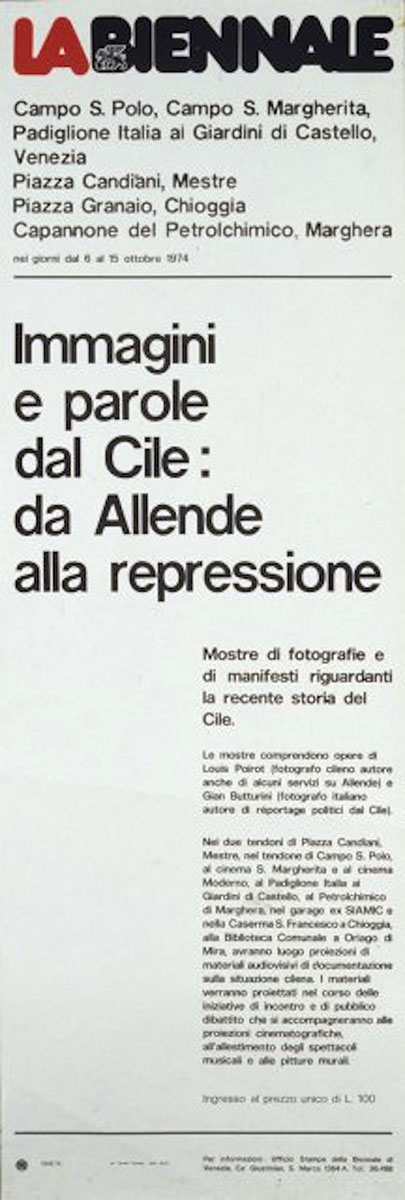
The 1974 edition of the Biennale was a particularly special one. That year, President Carlo Ripa di Meana dedicated the entire event to Chile, organizing poster exhibitions, theater performances, and concerts as a form of cultural protest against the dictatorship of Augusto Pinochet. Artists such as Sebastián Matta and Emilio Vedova filled the city with murals demanding freedom for the Chilean people.
In 1975, permanent activities were introduced across various venues, including exhibitions and theatrical performances, while in 1976 the Biennale returned to the Giardini with the theme of Environmental Art. Wladimiro Dorigo inaugurated the new location of the Historical Archive of Contemporary Arts (ASAC) at the Ca’ Corner della Regina Palace on the Grand Canal, where the exhibition Eighty Years of Biennale Displays was organized in 1977. That year also marked the Biennale of Dissent, with the exhibition The New Soviet Art: A Non-Official Perspective.
In 1978, the Biennale focused on environmental themes, inspired by Kandinsky’s quote: “Great Abstraction, Great Realism.” The Central Pavilion was curated by Achille Bonito Oliva and featured six sections of paintings by artists such as Wassily Kandinsky, Mondrian, Giorgio de Chirico, Umberto Boccioni, Rauschenberg, Braque, Marcel Duchamp, and Picasso. Theater and architecture directors connected the Biennale to the Venice Carnival and the spaces of the Arsenale.
Eighties
Based on the 1938 system, and following an interruption between 1968 and 1986, the 1986 edition established the current system of three awards, which are assigned by an international jury: a Golden Lion for the best national participation; a Golden Lion for the best individual participant in the main exhibition; and a Silver Lion for the most promising young participant. Additionally, a special mention is made for a participating nation, and the artistic director presents the Golden Lion for Lifetime Achievement.
The 1980 Biennale featured exhibitions dedicated to Balthus, held at the Scuola Grande di San Giovanni Evangelista and Ca’ Pesaro. Achille Bonito Oliva, together with “superstar” contemporary art curator Harald Szeemann, conceived Aperto ’80 at the Magazzini del Sale in Dorsoduro—a space for emerging artists, particularly those of the Transavanguardia movement (Sandro Chia, Francesco Clemente, Enzo Cucchi, Nicola De Maria, Mimmo Paladino). In 1983, Enchanted Mountains showcased paintings by film director Michelangelo Antonioni.
Nineties

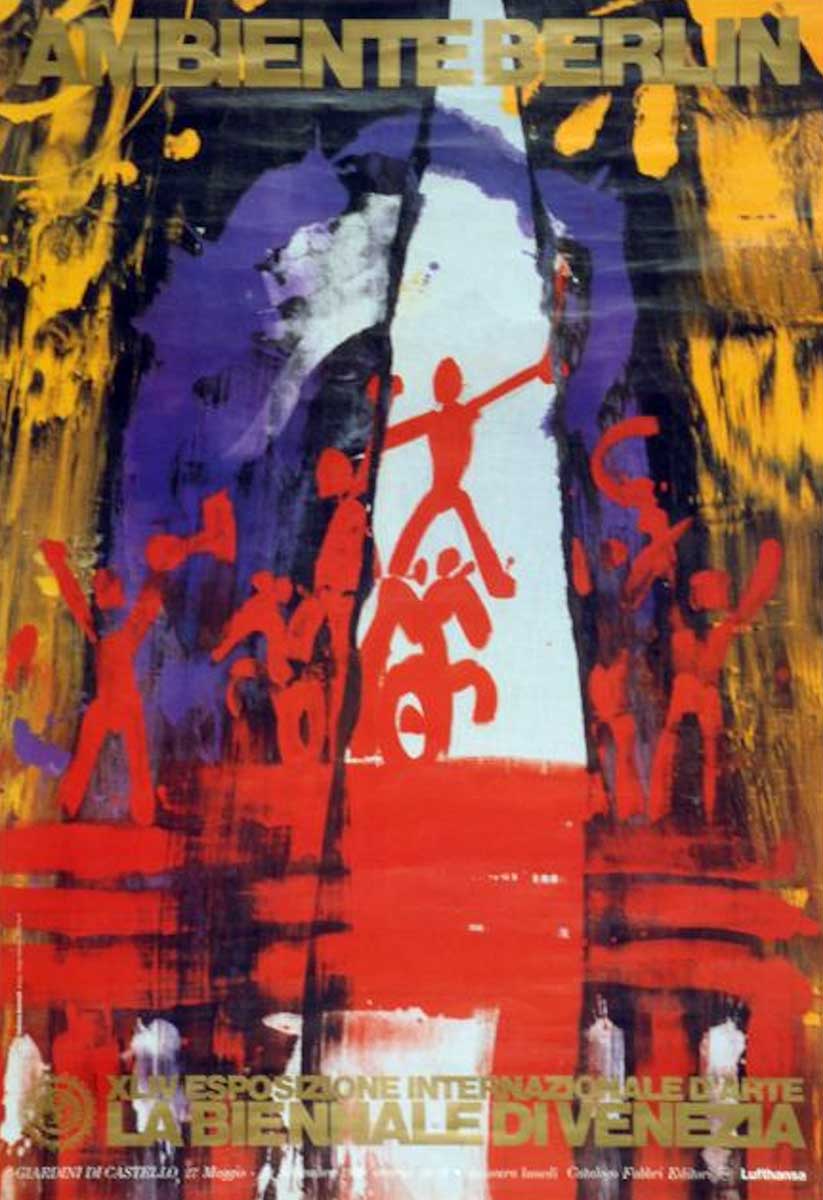
In response to the fall of the Berlin Wall in 1989, the 1990 Dimensione Futuro exhibition dedicated its central space, Ambiente Berlin, to artists who had worked in Berlin over recent decades. Achille Bonito Oliva organized a special exhibition, Ubi Fluxus ibi Motus, in the Giudecca, while Robert Rauschenberg exhibited his work in the Soviet Pavilion. The thematic structure was broken by Giovanni Caradente in the 1990 edition, which was divided into sections.
The “Aperto” section was controversial, with church representatives protesting against the AIDS-themed work of the American group Grand Fury and environmentalists exhibiting live ants. The dissection of a cow carcass in plexiglass by the English artist Damien Hirst caused a health scare. Jeff Koons portrayed himself and his wife, Ilona Staller, in a life-size polychrome sculpture, while the Golden Lion for sculpture went to the photographs of industrial archaeology by the German artists Bernd and Hilla Becher, and the Premio Duemila to the Indian-born British sculptor Anish Kapoor.
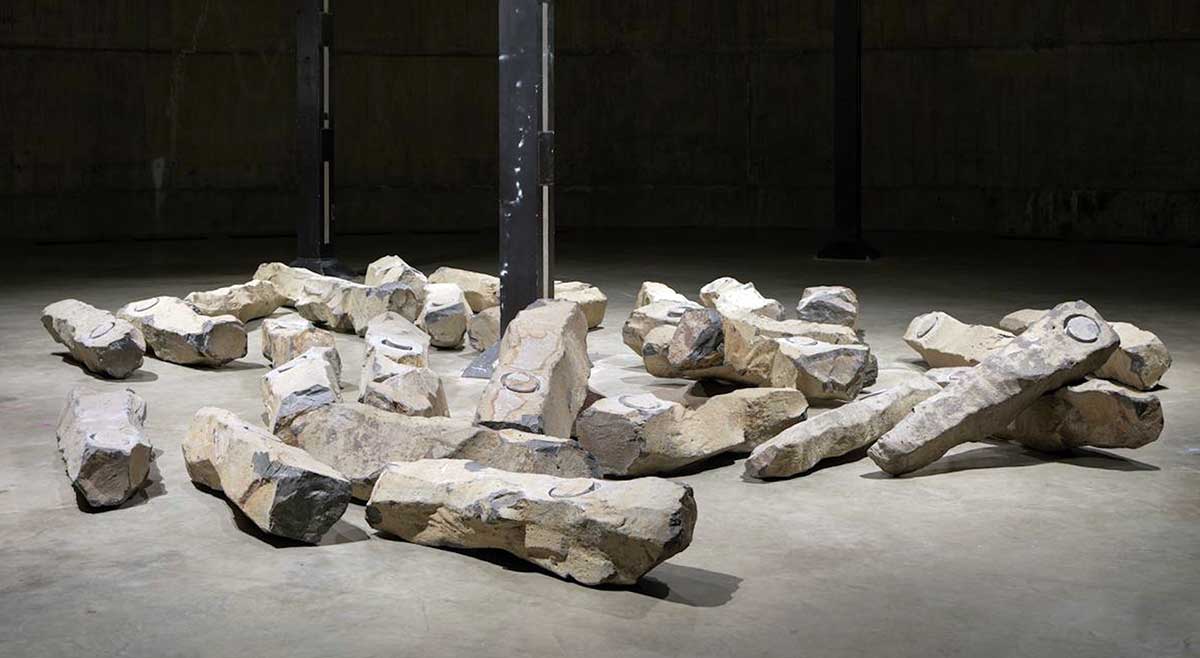
The 1993 Biennial Cardinal Points of Art, curated by Achille Bonito Oliva, was an international, interdisciplinary overview featuring 45 participants and tributes to Francis Bacon, John Cage, and Peter Greenaway. It was divided into 15 exhibitions to celebrate the 100th anniversary of the Biennale. The Country Prize was awarded to Hans Haacke, who made visitors walk on the rubble of Germany, similar to the Russian Pavilion by Ilja Kabakov. In 1995, the first non-Italian director, Jean Clair, organized an exhibition about the human face and body called Identity and Otherness at Palazzo Grassi, a tribute to the masters of the 20th century. The 1997 exhibition “Future, Present, Past,” curated by Germano Celant, brought together generations of artists from 58 countries and awarded the Golden Lions to Marina Abramović and Gerhard Richter.
In 1998, the Biennale was transformed into a private foundation (Società di Cultura La Biennale di Venezia) by decree of the Italian Council of Ministers, comprising six sectors of activity along with its archive and library, under the presidency of Paolo Baratta. Harald Szeemann directed the Biennales of 1999 (dAPERTutto) and 2001 (Platea dell’Umanità), during which key buildings of the Venice Arsenal—such as the Artiglierie, Gaggiandre, and Tese Sansoviniane—were extensively renovated for exhibition purposes.
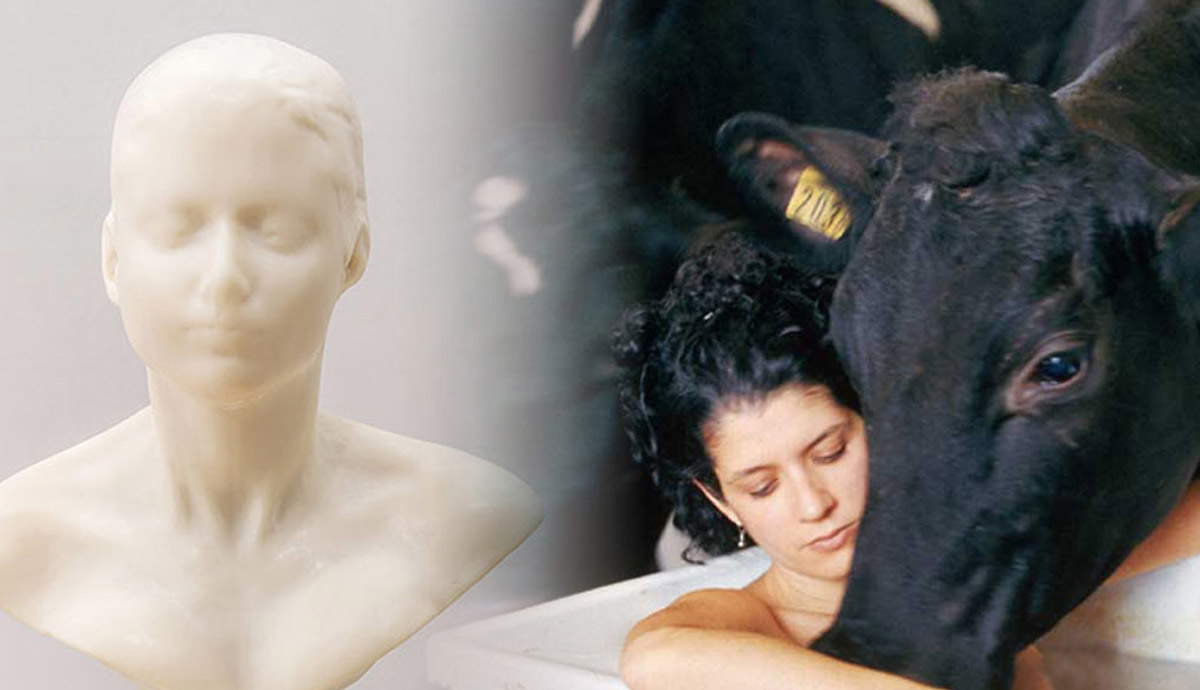
The central exhibition extended beyond the Padiglione Italia in the Giardini, as Szeemann aimed to eliminate any hierarchical distinction between established and emerging artists. In 2001, he envisioned the Biennale as a platform to offer a vision of humanity through the art on display. On this occasion, Joseph Beuys’s The End of the 20th Century symbolized the concept of freedom and was presented alongside works by Cy Twombly (re-actualized myths), Richard Serra (monumentality), Niele Toroni (painting as trace), and Ron Mueck (the human figure).
Latest Trends at the Venice Biennale
The organization of the Venice Biennale evolved in response to historical events. For example, the ninth edition was moved to 1910 to avoid overlapping with the 50th anniversary of Italian unification in Rome in 1911. After the 1990 Biennale, there was a three-year pause, and it was organized again in 1995 for its 100th anniversary. Due to the 2021 COVID-19 pandemic, the biennale was postponed to 2022 (The Milk of Dreams).
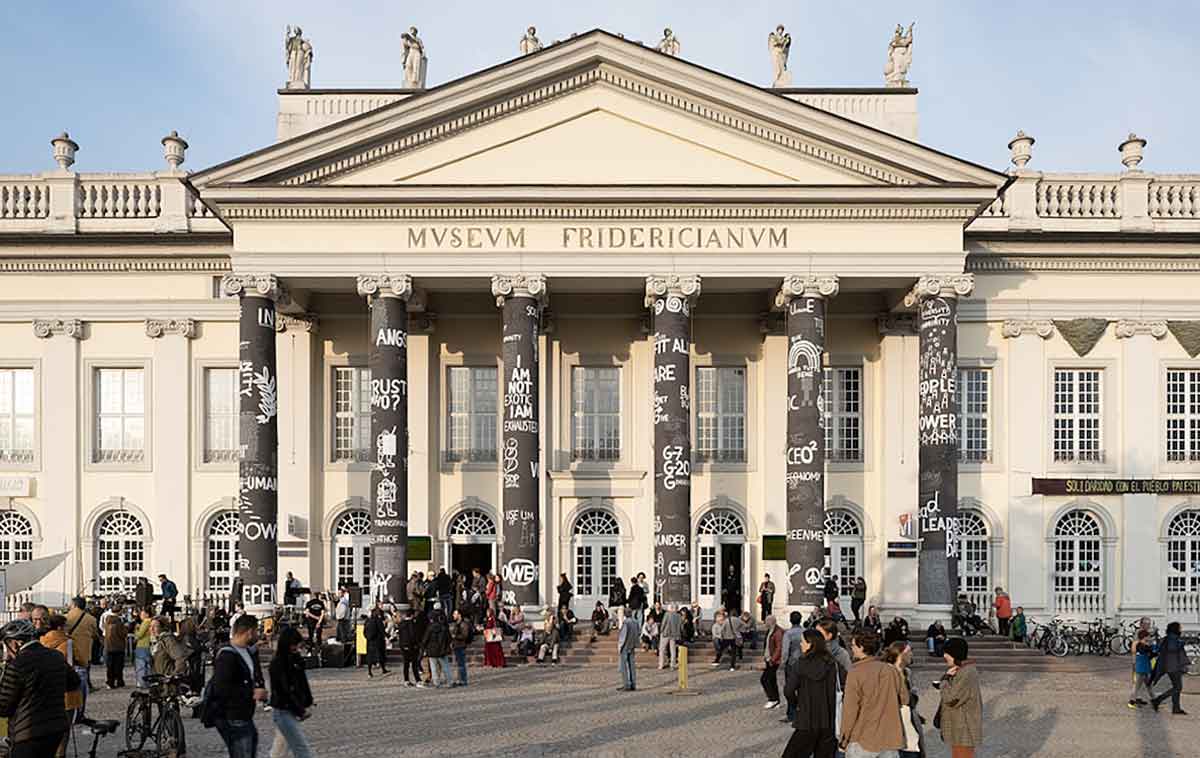
Even today, the Venice Biennale—often referred to as the “Olympics of the art world”—attracts more than 450,000 visitors over the six months of the event. The 2024 edition, titled “Foreigners Everywhere” and curated by Brazilian Adriano Pedrosa, drew 700,000 visitors and featured 331 artists, while the 2022 edition, which presented 213 artists, recorded 800,000 visitors. The Biennale’s model has historically inspired or provoked reactions from other international biennials, beginning with the post-war German Documenta, founded in 1955 in Kassel by Arnold Bode.
From the perspective of contemporary artists, however, the Biennale remains the pinnacle of their careers and a symbol of official recognition. It becomes an opportunity to network with other key figures in the art world, as well as with their audience. It also provides a platform for critical voices to engage in ongoing dialogue with our contemporary political reality.
Similarly to art fairs, however, attention tends to focus on its spectacular character, which fuels the tourist industry and an international art style, and struggles to find distinctive themes and new artists. Other controversies highlight the Western male dominance in the choice of curators, who generally favor well-known artists over local ones. In fact, just three Biennales were curated by women.
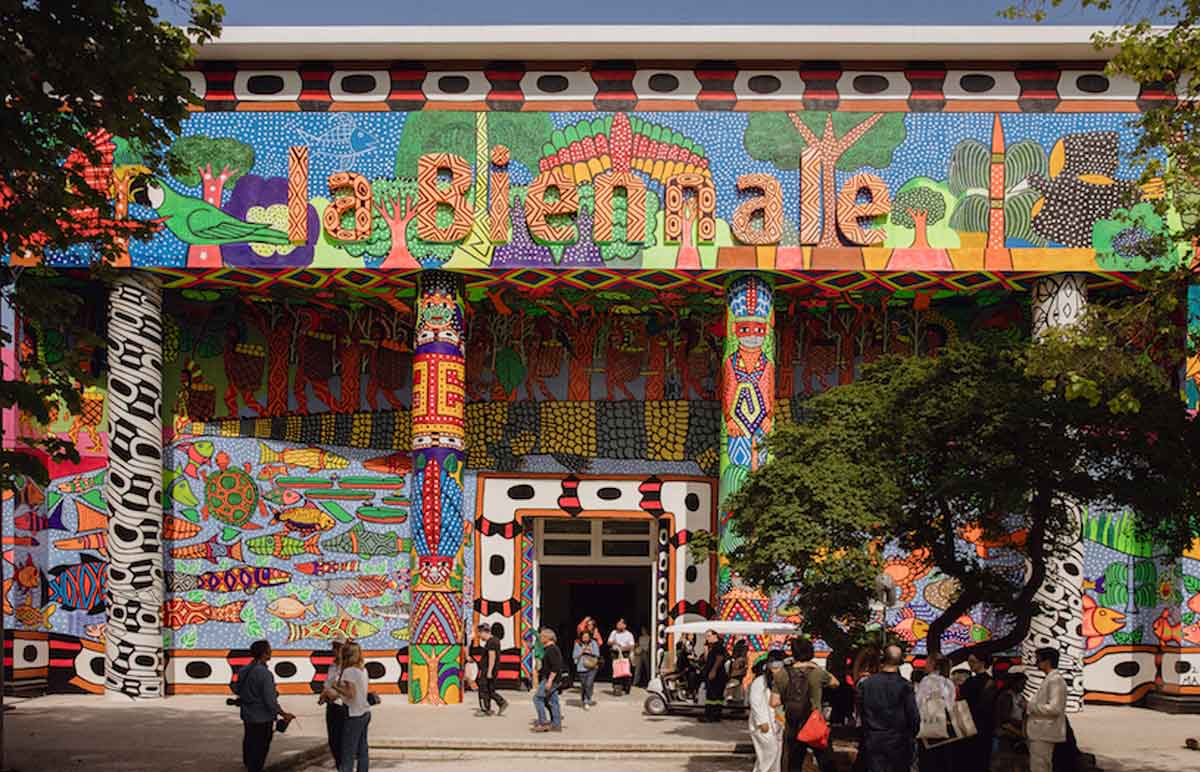
As we enter the new millennium, certain trends and recurring themes become increasingly evident in the curatorial choices of the Venice Biennale, reflecting broader shifts in the global geopolitical landscape and shaping some of the most innovative and ambitious displays of contemporary art. Themes of decolonization and decarbonization are particularly prominent, especially the latter in the Architecture Biennale, where sustainability is a key concern, both in curatorial concepts and exhibition practices. Looking ahead to the 2026 International Art Exhibition, the 2024 Biennale offered a strong example: the Central Pavilion focused on outsider, queer, folk, and Indigenous artists. The façade was painted by Brazil’s Indigenous Huni Kuin artists, and the New Zealand collective Mataaho presented an installation in the pavilion’s opening room.
Examining the proposed activities, it is evident that the Venice Biennale is striving to make contemporary art more inclusive and accessible to diverse social groups. It has been particularly successful in engaging young people and those from disadvantaged backgrounds. All considered, the exhibition remains one of the most powerful official mediums through which many contemporary artists gain recognition and a perfect platform for global exchange.