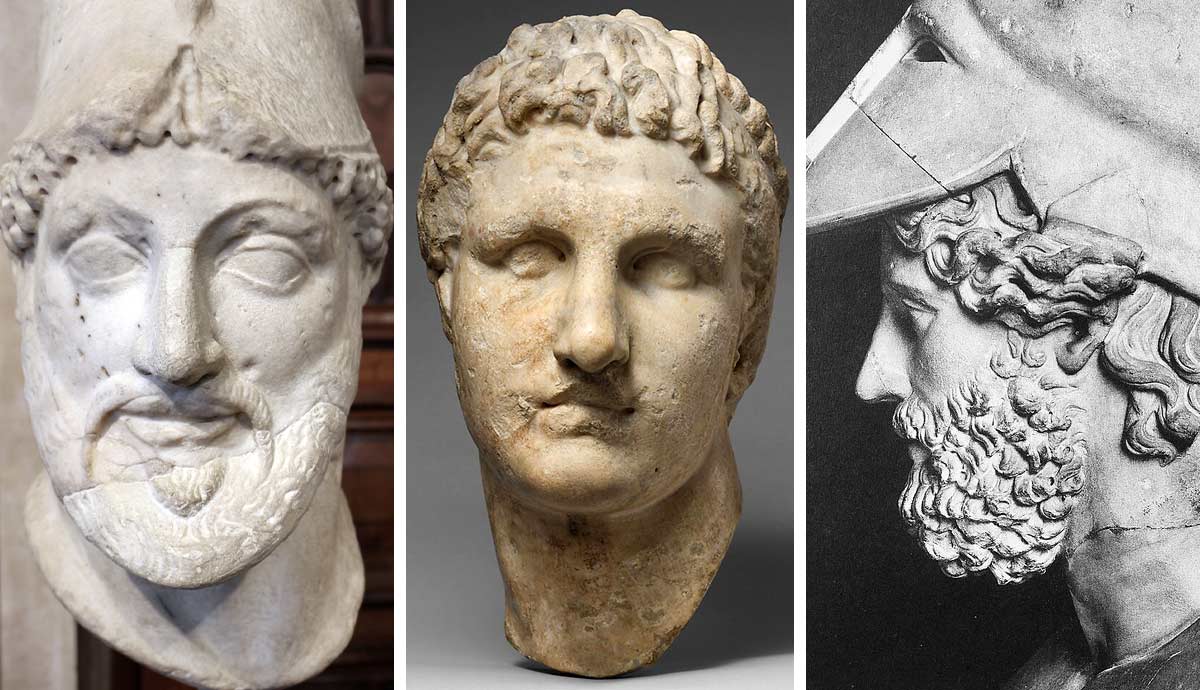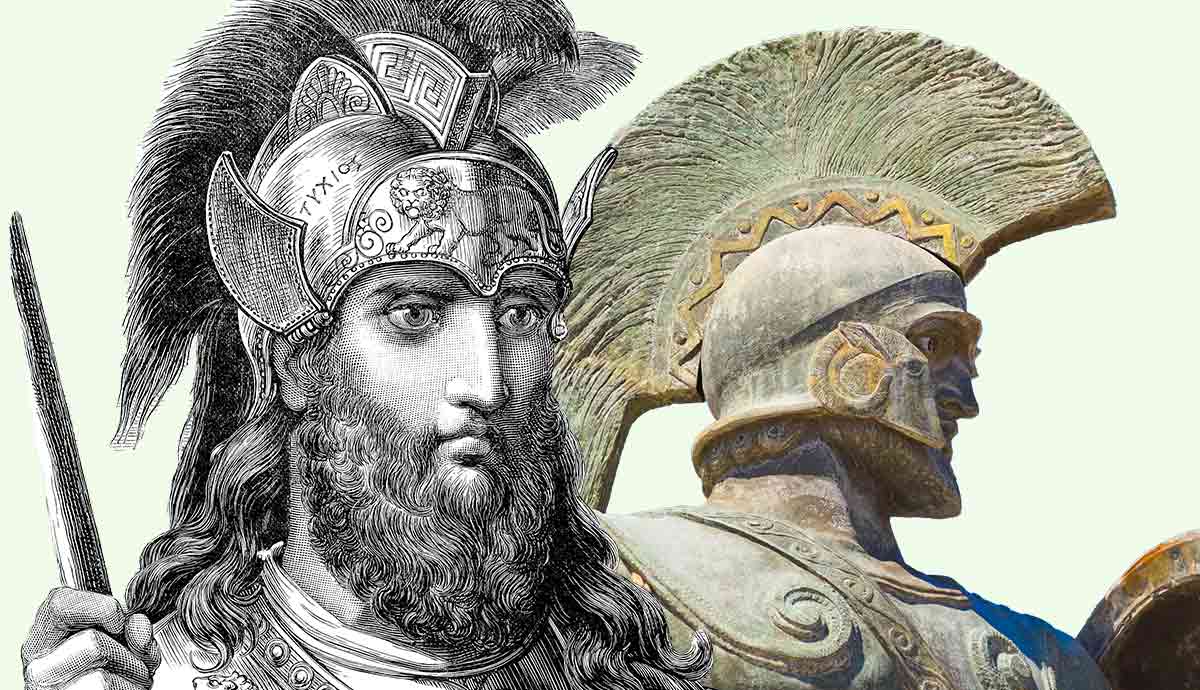

Ancient history is awash with myth and legend. The most famous encounters are subject to exaggeration and fanciful embellishment, making the truth elusive. The Battle of Thermopylae is one such grand example, told and retold by countless generations, each with its own vision of what actually occurred in that narrow pass between the coast and the cliffs along the Malian Gulf.
But while the actual battle is one aspect, what was said before, during, and after the engagement is another.
Where do the famous quotes come from, and were they real?
We Shall Fight in the Shade
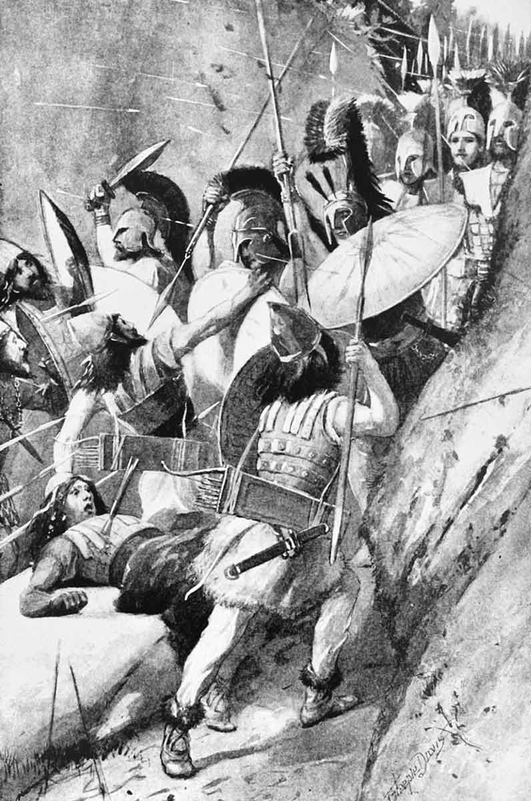
One of the most famous quotes from the battle, “We shall fight in the shade,” was uttered by Dienekes, whom Herodotus described as being the bravest of all the Spartans. His words were in response to the claim that the Persian host was so great that when they released their arrows, they would blot out the sun.
Herodotus is the primary source for this quote, and, indeed, the entire Battle of Thermopylae, contained in Book VII of his Histories. It was written 40 to 50 years after the battle and is the closest source to the time of the actual battle.
While Herodotus’ accuracy around the Greco-Persian Wars has often been vindicated by archaeology, there is no way of knowing whether he was actually correct on this claim. Centuries later, Plutarch accused Herodotus of being the “Father of Lies,” and attributed the famous line to Leonidas.
True or not, the famous line is embedded in popular culture, being repeated in books and on film. “Fight in the Shade” is also the motto of the XX Armored Division of Greece.
Come and Take Them
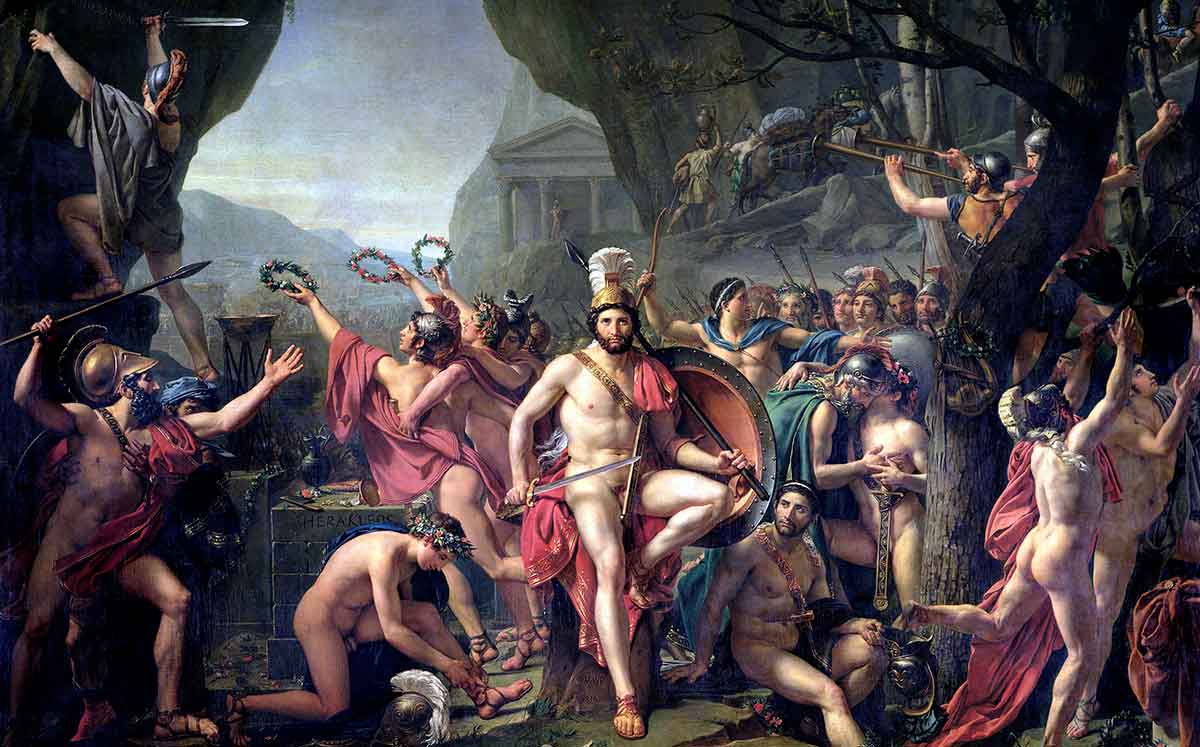
The famous phrase, “Come and take them,” or “Molon labe” in Greek, was supposedly issued by King Leonidas in response to a demand from Xerxes for the Spartans to hand over their weapons. This particular episode is absent in Herodotus’ account and is found in Plutarch’s Sayings of Spartans (also known as Apophthegmata Laconica), written around the late 1st century to early 2nd century AD. And instead of the quote being shouted back at the Persians, the exchange is written.
Before this, however, an account was written by Diodorus Siculus from the 1st century BC, and his version of Leonidas’ response is much longer.
“If we should be allies of the king [Xerxes] we should be more useful if we kept our arms, and if we should have to wage war against him, we should fight the better for our freedom if we kept them; and as for the lands which he promises to give, the Greeks have learned from their fathers to gain lands, not by cowardice, but by valor.”
With Your Shield or on It
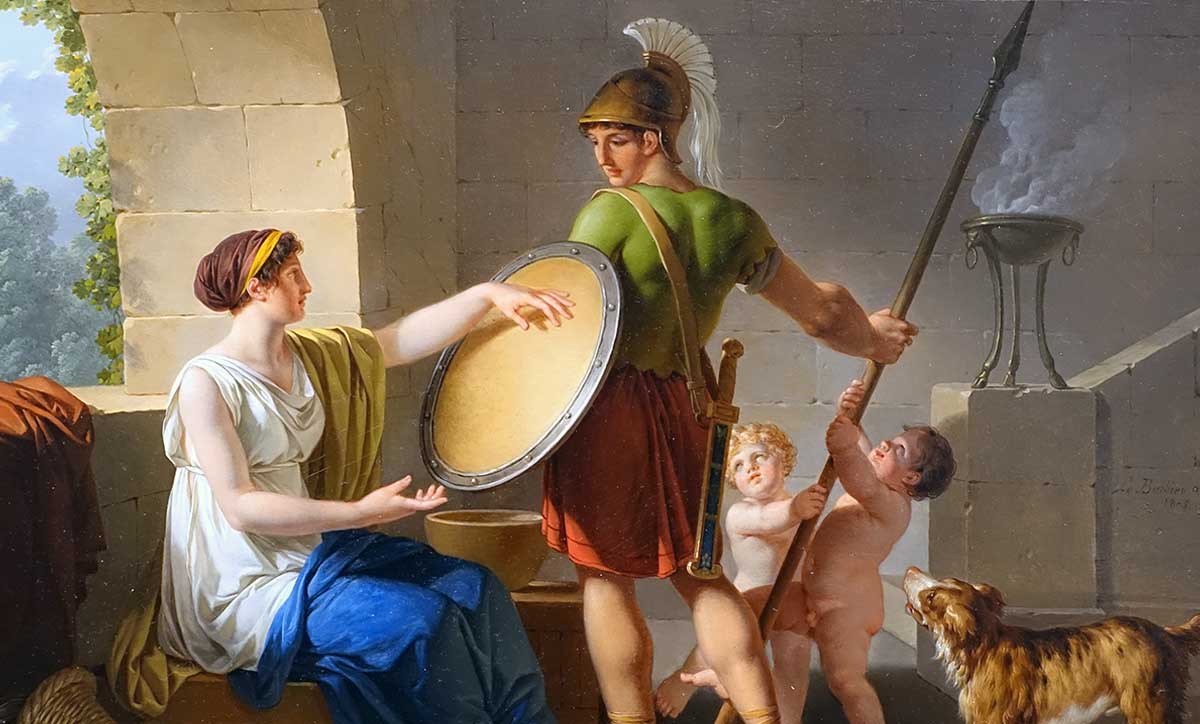
In ancient Greece, the shield was a vital part of the soldier’s equipment. The idea of abandoning it or abandoning one’s position was shameful across the entire Greek world. The belief is that Spartans had the particular saying, “return with your shield or on it,” with “on it” referring to being carried as a corpse or dead on the battlefield at one’s post.
Herodotus, again, makes no mention of this. It is reported by Plutarch and comes from his Sayings of Spartan Women (Lacaenarum Apophthegmata). It is said by an unnamed woman to an unnamed soldier when she hands him his shield.
In the 1931 translation, translator Frank Cole Babbitt left an interesting note, claiming that Aristotle attributed the saying to Gorgo, Leonidas’ wife, as quoted by Stobaeus, and that it was spoken of as a regular Spartan custom.
Tonight We Dine in Hades
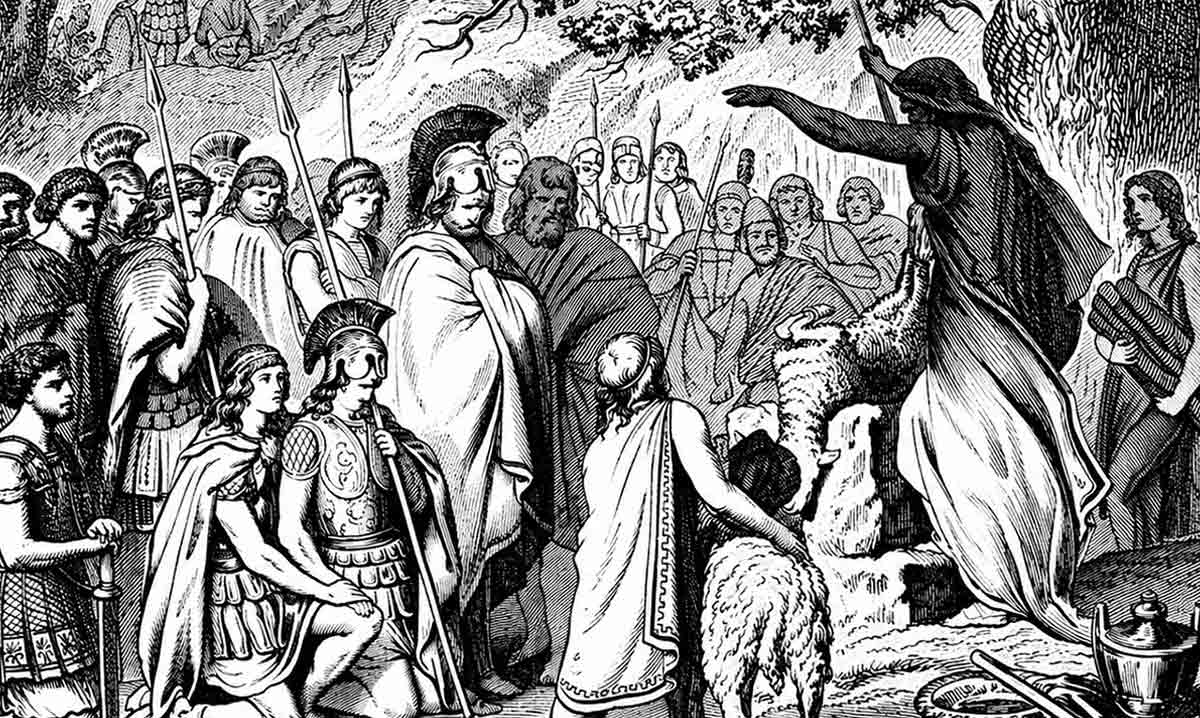
The famous quote surrounding the idea of dining in or with Hades can be traced to Diodorus in his Library of History. The specific passage reads:
“And Leonidas, welcoming the eagerness of his soldiers, ordered them to prepare their breakfast quickly, since they would dine in Hades…”
Plutarch’s version comes later, but here, he cites his source as Aristides of Miletus, who lived around the 2nd century BC. Aristides’ texts are lost to history, but Plutarch preserved the quote as:
“Take your lunch now, o three hundred, as people who will dine in Hades.”
Go Tell the Spartans Stranger Passing By
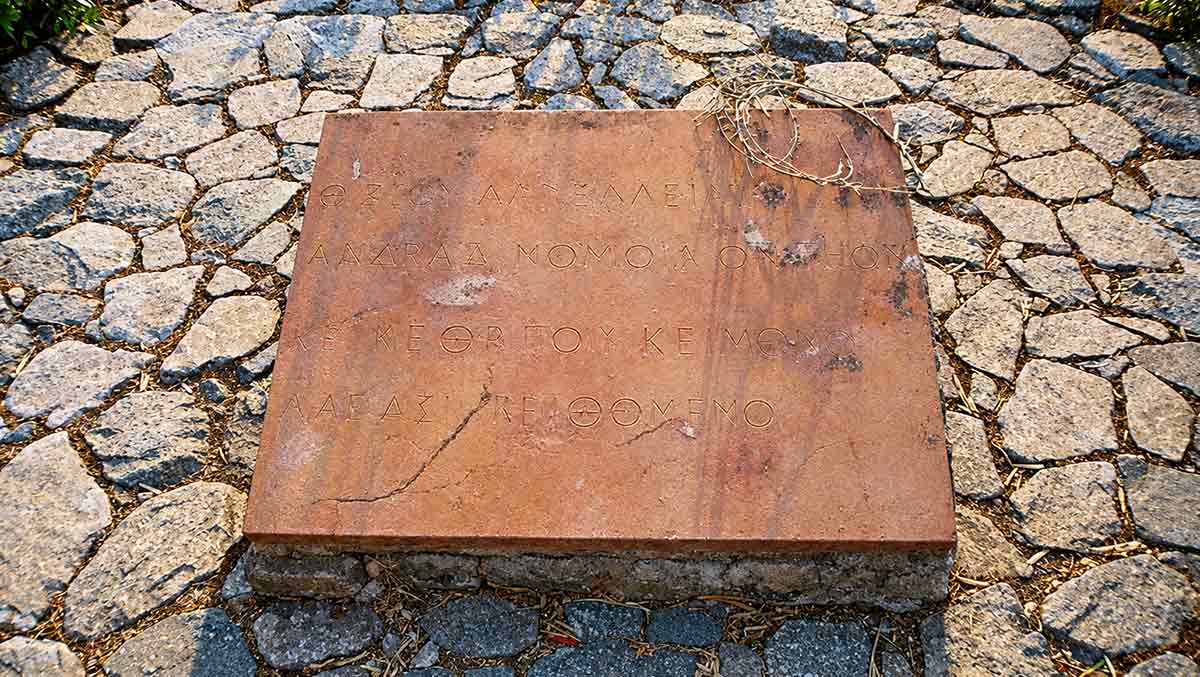
Carved onto the monument at the battle site are the words:
“Go tell the Spartans, stranger passing by, that here, obedient to their laws, we lie.”
Herodotus wrote of it, and an epitaph bearing the words, or similar words, was erected within a few decades of the battle. The exact date is unknown.
The words are traditionally associated with the poet Simonides, but Herodotus does not confirm this. Herodotus writes of another epitaph by Simonides, and it is assumed that he wrote one for the Spartans as well.
The original stone is gone, and the one now bearing these words, as reported by Herodotus, was erected in 1955.