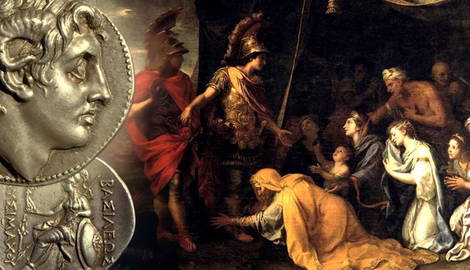

Many accounts of the life of Alexander the Great suggest that his deeds led him and others to believe he was a god. But is that an accurate picture? Alexander, like many Greek rulers, thought he had divine ancestors and deserved extraordinary recognition for his achievements. But did he consider himself a living god or believe he deserved cultic worship? This mystery is difficult to unravel because all our surviving sources date to the Roman Imperial period, when it was common for the Roman emperor to receive god-like veneration. These authors may have considered it obvious that Alexander was treated like a god.
The Seeds of Divinity: Olympias and Achilles

Many scholars suggest that Alexander believed in his own divinity from a young age, principally fueled by stories told by his mother, Olympias. According to Plutarch, on her wedding night, Olympias dreamed that a thunderbolt fell upon her womb, exploded into flames, and extinguished, suggesting that she was impregnated by Zeus, the principal god of the Greek pantheon (Alexander 2.3).
The biographer also says that Alexander’s father, Philip II, dreamed that he put a sacred seal on Olympias’ womb (2.4). Later, he spied on Olympias lying with a serpent, so he sent a man to consult the Oracle at Delphi. The oracle bade Philip pay reverence to Ammon (the Egyptian equivalent of Zeus) and said that he would lose his eye for spying on his wife (3.1). Philip lost his eye at the siege of Methone in 355/4 BC.
While these stories of a divine conception seem compelling, they were probably invented in hindsight. There is no evidence these stories were widespread in Alexander’s lifetime. Plus, Olympias was unlikely to risk her position at the Macedonian court with any hint of infidelity. Plutarch recounts an anecdote that, after Alexander started to claim that he was the son of Zeus-Ammon (see below), Olympias complained that he was making her the rival of Zeus’ jealous wife Hera (3.4).
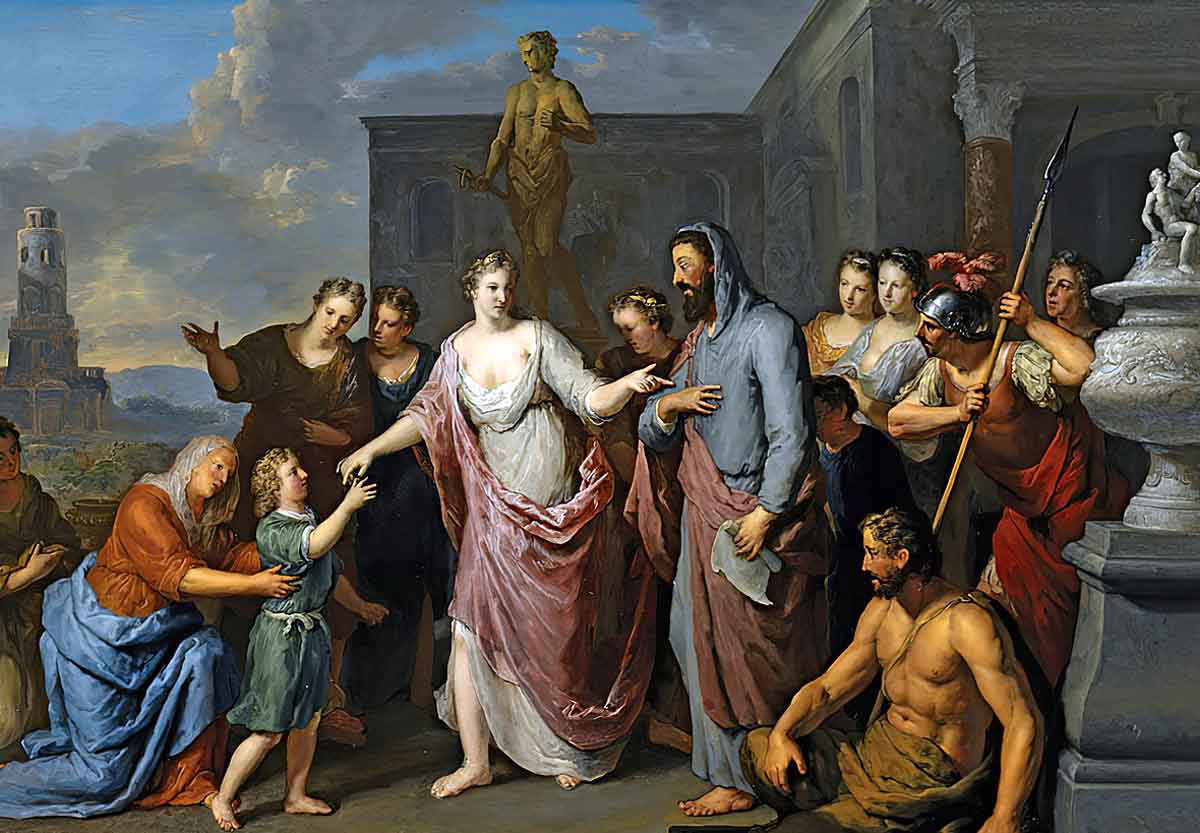
Alexander still had reason to believe he was born with a bit of divine spark. Olympias was from the Molossian House of Epirus, which claimed descent from the great hero Achilles through his son Neoptolemos, and therefore the sea nymph Thetis. Meanwhile, Philip was a member of the Argead House of Macedon, which claimed descent from Heracles, and therefore Zeus. It was commonly accepted across Greece that many royal households were descended from the gods.
Olympias may have encouraged Alexander’s pride in his divine and heroic descent, which manifested in his well-known fascination with Achilles (Plutarch 5.4). For example, she chose his first tutor, Lysimachus, who called Alexander Achilles and himself Phoenix, after Achilles’ tutor (5.5).
Regal Precedents: Philip II & Other Greek Kings

Alexander probably believed that great deeds could earn him immortality, potentially among the gods like Heracles and the twins Castor and Pollux, or at least in the history books like Achilles. He carried a copy of Homer’s Iliad everywhere he went as a “how-to-hero” guide. He also probably believed that great kings deserved exceptional honors that approached those of the gods, something he would have learned from observing his father.
The Greeks were known to honor their most important men with honors that approached or imitated those of the gods, including cultic statues and even ritual sacrifices. This does not mean that they thought these men were literally gods, but rather that the benefactions they bestowed were so great that they deserved god-like recognition. Lysander reportedly received divine cult in Ionia, while the tyrant Clearchus of Heraclea was worshiped in Pontus.
While rare, this idea was part of the collective Greek consciousness in the 4th century BC. Aristotle, who was also one of Alexander’s tutors, once said that a true king could reasonably be considered a god among men (Politics 3.13). In a surviving letter, the Athenian rhetorician Isocrates wrote to Philip II, saying that after he conquered Persia, he would have nothing left to do but become a god (Epistles 3.5).
While Alexander and his father had a strained relationship (Plutarch 9.1), he admired and imitated him. Philip was the first Greek to name a city after himself, something Alexander did wherever he traveled. More than honorific, this characterized Philip and Alexander as the legendary founders, or even tutelary deities, of these cities.

Writing in the 3rd century AD, Clement of Alexandria claimed that after the Battle of Chaeronea, the Athenians voted to honor Philip as a god of Heracles’ bloodline, worshiping him in the Cynosarges, a gymnasium dedicated to Heracles and his family (Protrepticus 4.47-8). This story is doubted, as surely Demosthenes would have denounced it in his criticisms of Philip. But similar stories exist from elsewhere in Greece. Philip reportedly received sacrifices at Amphipolis, and devotions were made to Zeus Philippios at Eresos.
While these were offerings to appease a conquering king, Philip may also have cultivated his own divinity. After Chaeronea, he reportedly commissioned a memorial Philippeion that was to act as a temple of Zeus and contained chryselephantine statues, usually reserved for the gods, of himself, Olympias, Alexander, his mother Eurydice, and his father Amyntas (Pausanias 5.20.9-10). Similarly, in 336 BC, at the wedding celebration of his daughter Cleopatra, Philip reportedly entered the theater with a procession of statues of the 12 Olympian gods and a statue of himself as a 13th god (Diodorus Siculus 16.92.5; Justin 9.6.1).
Philip planned an invasion of Persia as retribution for the Persian invasion of Greece, and he probably thought, and told his son, that it would earn him unprecedented honors. Alexander adopted this quest for himself. While in Persia, he also imitated the great heroes of legend. He visited Troy and made sacrifices to Priam, asking him not to vent his anger on the race of Neoptolemus (Arrian, Anabasis of Alexander 1.11.8), and crowned the tomb of Achilles (1.12.1). His trip to Siwa was also in imitation of Heracles (Strabo, Geography 17.1.43).
The Propaganda Campaign: The Oasis of Siwa
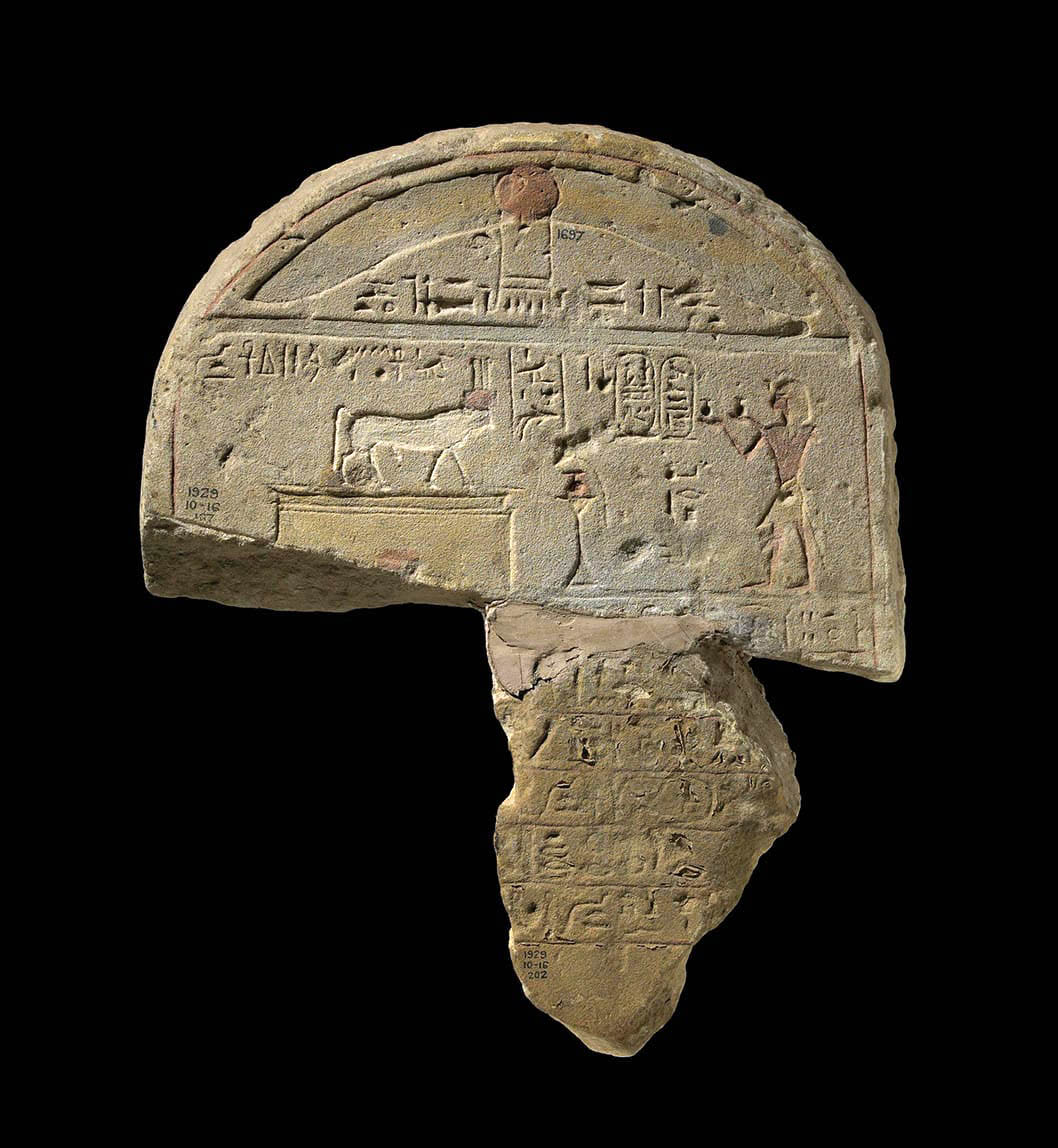
Famously, in 331 BC, after his conquest of Egypt, Alexander decided to go out of his way and spend a significant amount of time on a pilgrimage to the oracle at Siwa in the Libyan desert. All the sources mention this, in varying detail, highlighting its significance (Arrian 3.3-4; Plutarch 26.2-27.6; Curtius Rufus 4.7.1-32; Diodorus Siculus 17.49-51).
Some suggest that he received divine help along the way, with crows leading his party out of the desert to the oasis, and rain falling to aid them. Some sources say he was hailed as “son” by the oracle’s priest of Ammon. Alexander then asked about the murder of his father and the success of his campaign. The priest corrected him, saying that his father was Ammon, and therefore immortal.
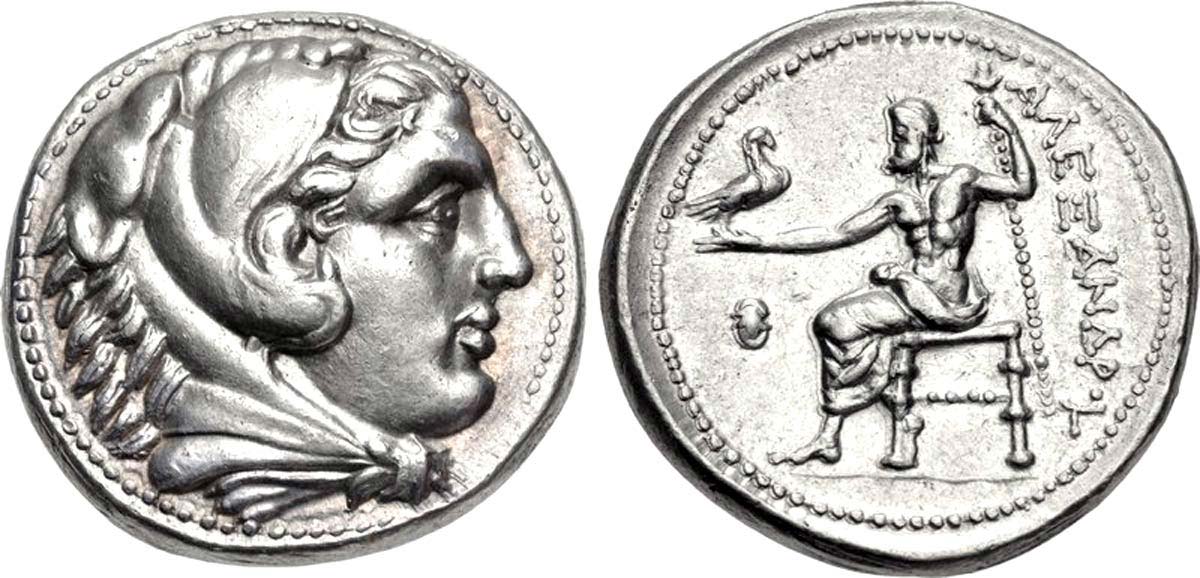
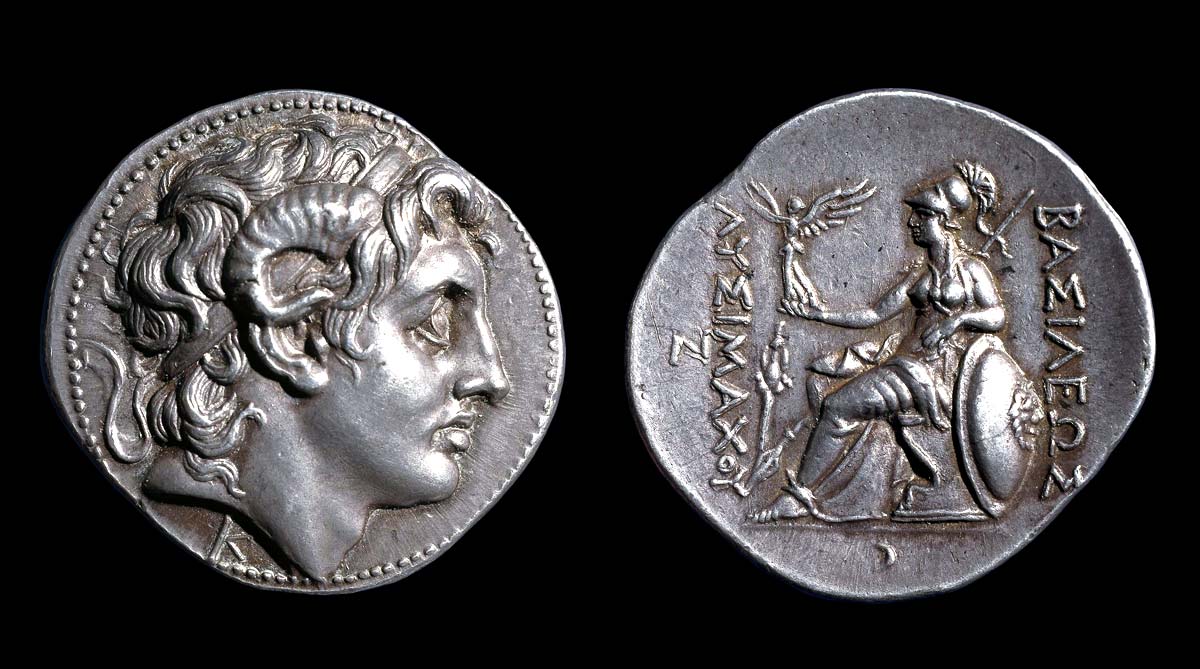
The cynical Justin suggests that Alexander sent men ahead to bribe the priest for this performance, but the consensus is that the oracle informed Alexander that he was the son of Zeus-Ammon. It is also undeniable that afterwards, Alexander incorporated Ammon into his personal propaganda. He reportedly wore Ammon’s traditional robes to parties (Athenaeus, Deipnosophists 537), and posthumously, coins depicting him with Ammon horns were issued by Lysimachus. He also depicted himself as Heracles, an ancestor and another son of Zeus.
The sources also record a negative reaction from Alexander’s Macedonian contingent. But the problem wasn’t that he was claiming descent from a god, but rather that he was denying his father, Philip II. Many of the men in Alexander’s entourage had previously served Philip and knew that he had paved the way for his son’s greatness.
In one famous episode, a Macedonian general named Cleitus the Black openly mocked Alexander’s claims and shouted that his achievements depended on Philip and the Macedonian veterans. Extremely drunk, Alexander seized a spear and killed Cleitus on the spot, an act he regretted when his head cleared (Arrian 4.8-9; Plutarch 50-52).
A Clash of Cultures: The Controversy of Proskynesis
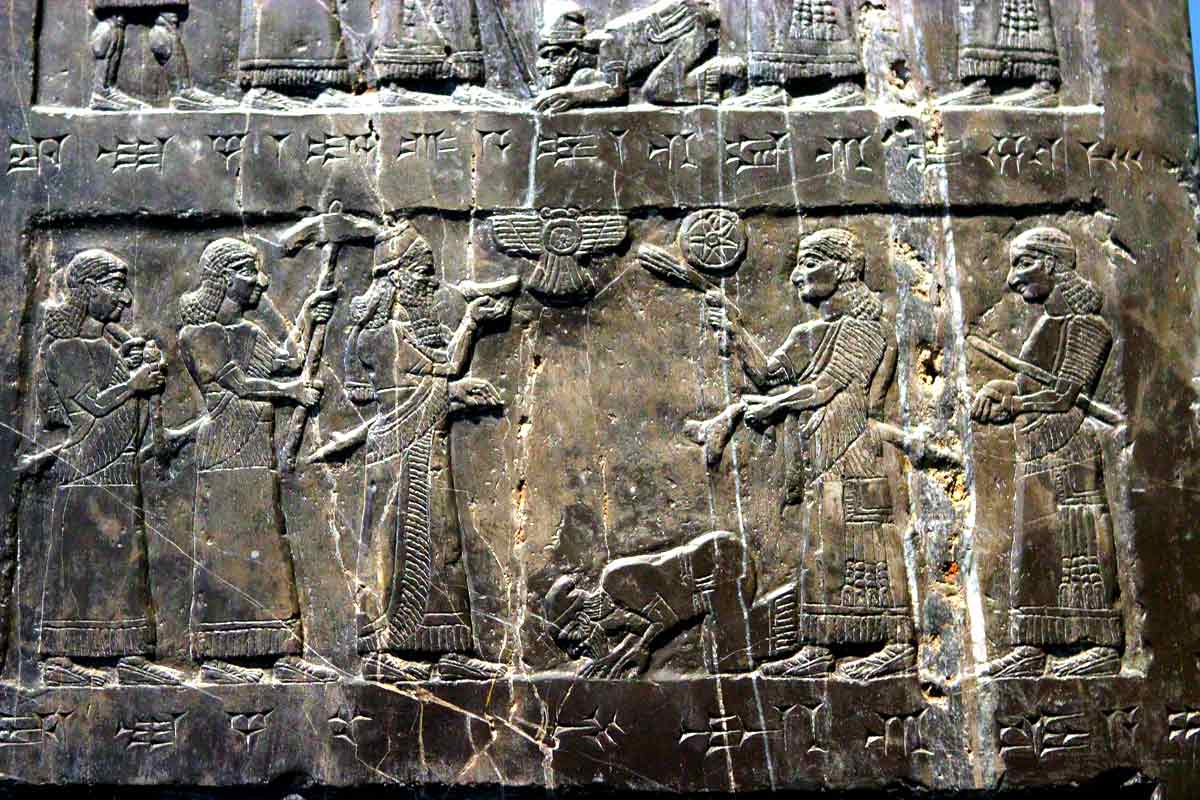
Many scholars have also claimed that Alexander demanded that people perform proskynesis to reinforce the idea of his divinity. Proskynesis was a kind of deep bow that could involve prostrating yourself on the ground if the person before you was sufficiently high in rank. In the Greek world, free men would only perform proskynesis to the gods. But in the Persian world, it was common for inferiors to perform proskynesis to their superiors, especially their king.
When Alexander conquered the Persian Empire, he became the new King of Kings. It would have been natural for the Persians to have offered him proskynesis. Alexander, despite knowing the different connotations it had in the Greek world, seemingly wanted the members of his Macedonian and Greek retinue to adopt the practice.
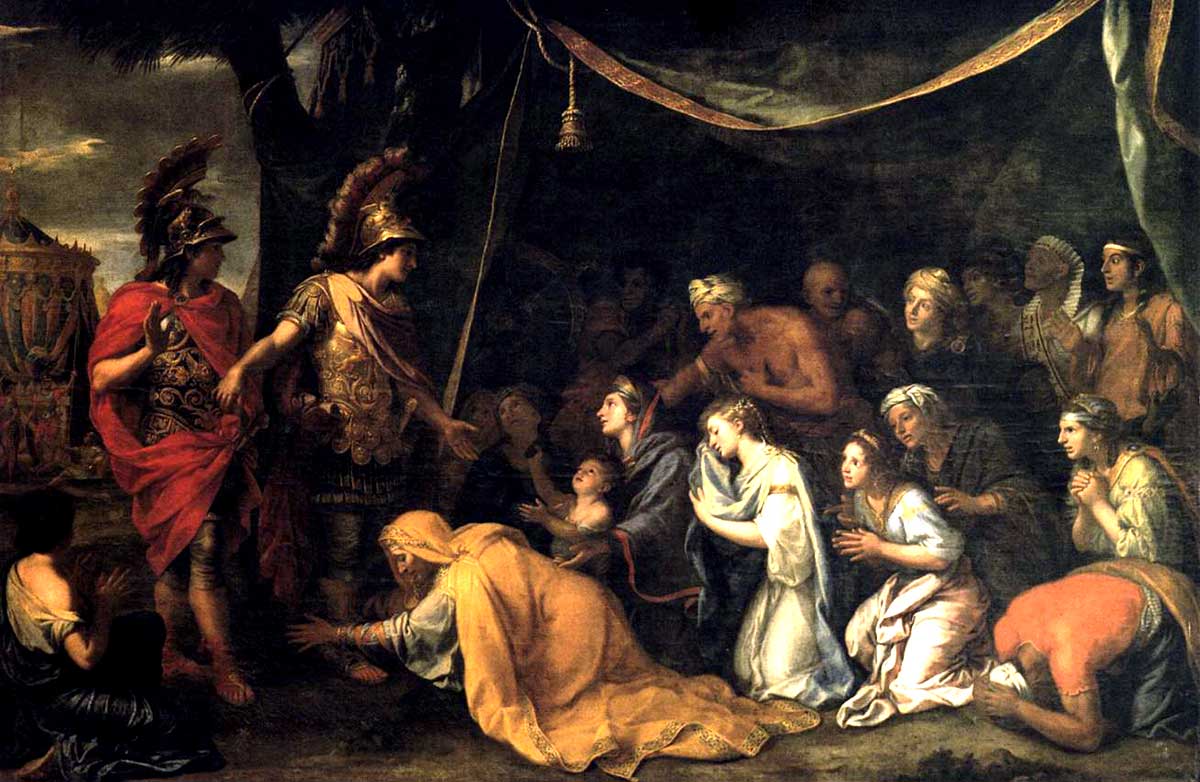
Arrian reports two incidents during which Alexander tried to introduce proskynesis. First, in spring 327 BC, he had a large banquet. A Greek courtier named Anaxarchus began eulogizing Alexander’s achievements and said that his divinity should be recognized through proskynesis. Alexander’s campaign historian Callisthenes publicly called the proposal excessive, and it was abandoned (Arrian 4.10.5-12.5).
At a smaller feast, Alexander sent around a golden cup from which courtiers were meant to drink, then perform proskynesis and approach Alexander for a kiss. When it was Callisthenes’ turn, he drank but did not perform proskynesis. Alexander had not noticed, but when Callisthenes approached, Demetrius informed the king, and he was denied a kiss (Arrian 4.12.3-7). There are no records of further attempts to enforce proskynesis.
Alexander’s attempts were probably less about divinity and more about unifying his Persian and Greek courts. Having conquered the vast Persian Empire, Alexander knew he could not hold it with his Macedonian and Greek troops. He would need to win the loyalty of the Persians as their rightful king and have them hold it themselves.
To this end, he took many steps to integrate Persians into his court and have them accept him as their leader. This included avenging the death of their former king Darius III, allowing conquered governors to continue ruling, including Persian troops in his army, wearing Persian dress, and arranging marriages between Persians and Macedonians. He wanted to receive proskynesis from his Persian subjects, as it was how they recognized their kings, but he did not want this to create a divide between his Macedonian and Persian subjects.
A Living God: Worship of Alexander During His Lifetime
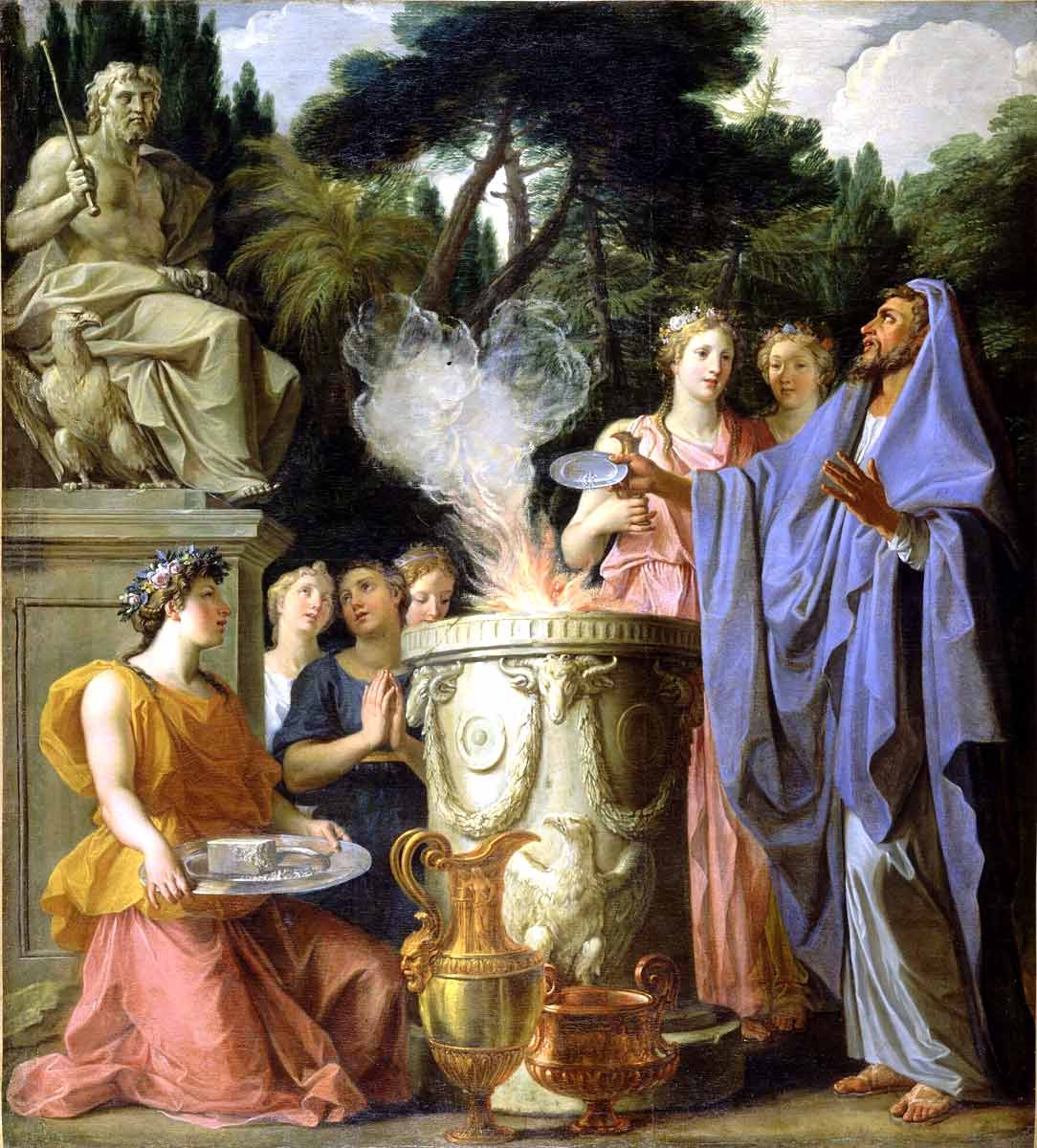
So far, the evidence suggests that Alexander considered himself descended from the gods and strived to be a great hero, rivalling Heracles, Achilles, and his father Philip. There were probably also those who offered Alexander divine-like honors, as they had offered Philip before him. But did Alexander pursue cult during his lifetime? Maybe.
In 324 BC, Alexander allegedly sent letters to Corinth that included two decrees. The first was the Decree of Exiles ordering that all exiles be allowed to return to the Greek city-states, and the second was a decree demanding divine honors.
The first decree is verified but controversial, as it violated the independence of the Greek cities and showed Alexander operating in the autocratic style of a Persian king. The second decree would also be highly unusual, as it was usually grateful communities that offered cult, not benefactors who demanded it. Athenaeus actually suggests that it was Demades, an Athenian, rather than Alexander who proposed the decree (6.251b).

The second decree is mentioned by the Roman Aelian, writing in the 3rd century AD (Aelian, Varia Historia 2.19). It is seemingly confirmed by Arrian, who says that delegations from Greece met Alexander wearing ceremonial wreaths and “solemnly approached Alexander and placed golden chaplets on his head, as if their coming were a ritual to honor a god” (7.13).
While the evidence is thin, there are several reasons to believe that worship of Alexander was a point of debate around this time. A contemporary Athenian logographer, Dinarchus, comments that it was debated in Athens (Demosthenes 1.94; Hyperides, Demosthenes 31). Aelian records similar debates in Sparta (5.12).
Overall, the best that can be said is that there was talk of Alexander deserving divine-like honors in the 320s BC. However, it is unclear whether cultic worship was proposed by grateful (or sycophantic) communities, and what role Alexander may have played in encouraging them.
The Apotheosis of Alexander
Arrian reports a story, which he himself doubts, that during his final illness, Alexander tried to drag himself out of his sickbed and disappear into the Euphrates river to make it appear that he had disappeared and joined the gods (7.27). If he considered such a thing, it shows that Alexander was highly concerned with his posthumous legacy, something we already know from the fact that he traveled with a personal propaganda team of writers and artists.
Once Alexander died at the tender age of just 32, the question of his cult was much less problematic, as it was common practice to worship divine ancestors. Moreover, the successors who governed their territories by right of conquest – Alexander’s conquests rather than their own – now had very good reasons to promote his veneration.
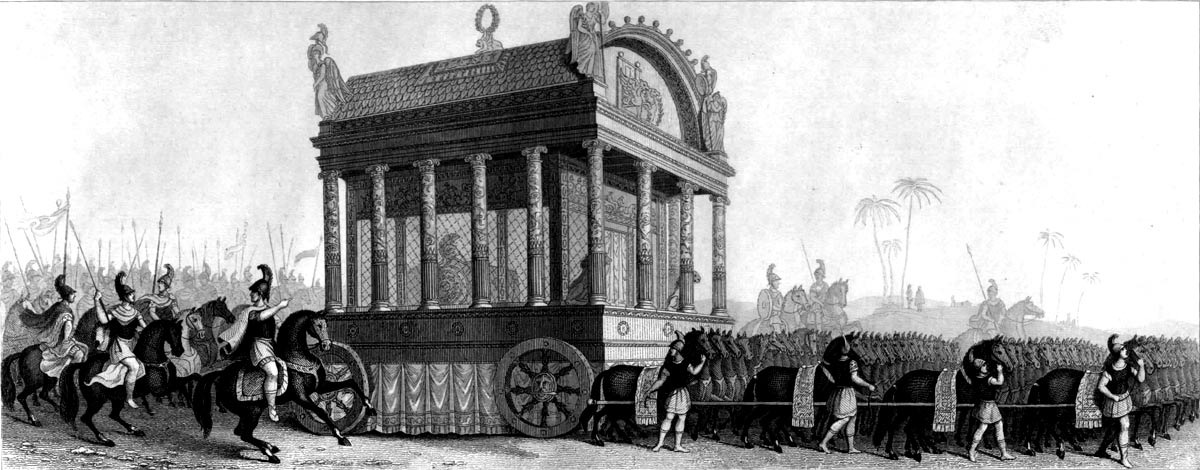
The most obvious example is in Egypt. Ptolemy portrayed himself as Alexander’s closest friend, and maybe even his illegitimate half-brother, and his legitimate successor in Egypt. This is why he hijacked Alexander’s body when it was sent from Babylon to Macedon and took it to Egypt, as a relic to help consolidate his position.
Rather than cremating Alexander’s body, as was the Greek practice, it was placed in a tomb in Memphis alongside the bodies of the old pharaohs. A high priest of Alexander was appointed, which became the most important in Egypt, as indicated by the fact that the regnal years were named for the incumbent. The very first priest was Ptolemy’s brother Menelaos.
Ptolemy II moved Alexander’s body from Memphis to the new capital of Alexandria to a specially built tomb. He also had his parents deified as savior gods and worshiped in Alexander’s tomb alongside him. Ptolemy IV created a much larger and more majestic temple and mausoleum for Alexander and had the remains of all the Ptolemies and their consorts moved there. This created a focal point for the worship of the Ptolemaic royal family within Alexander’s aura.
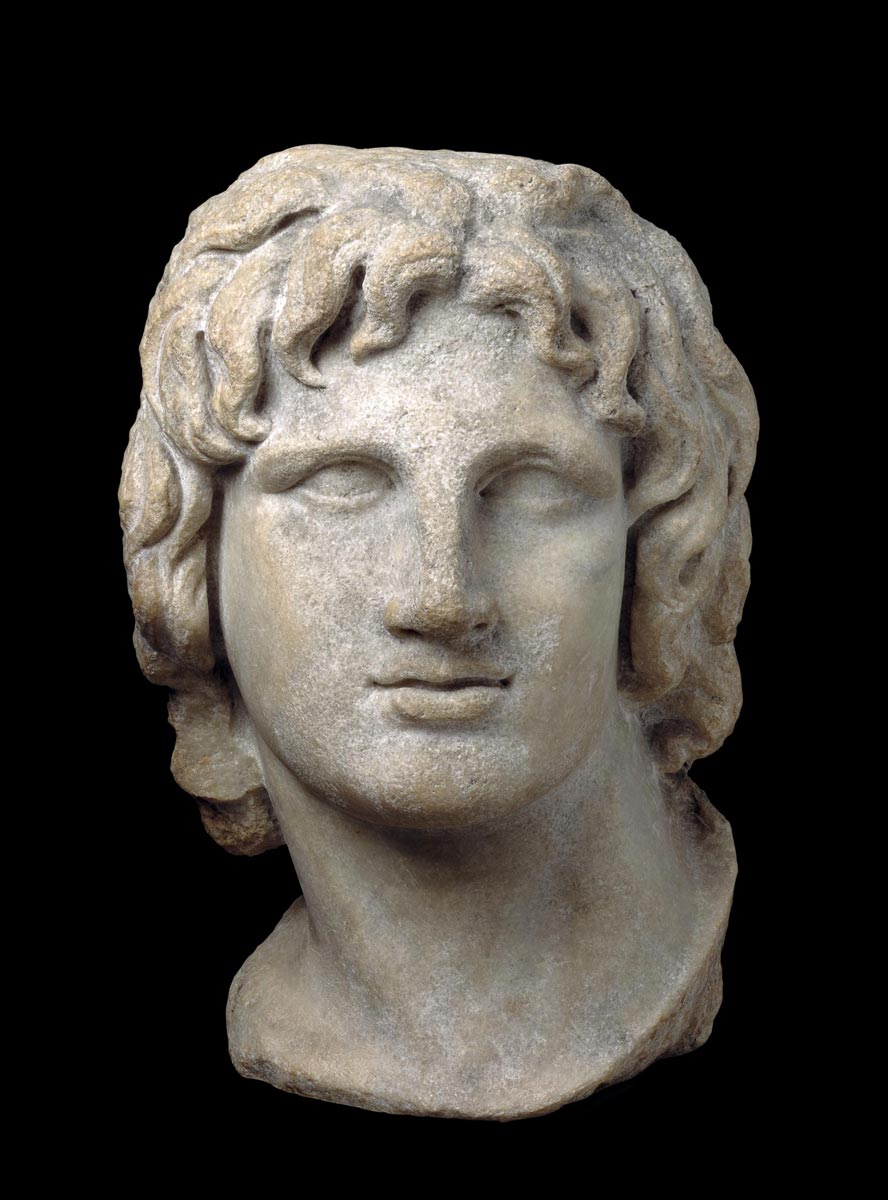
Alexander was now openly treated as divine throughout much of the Hellenistic world. In northern Greece and Thrace, Lysimachus minted coins showing Alexander with the horns of Ammon and a royal diadem. Even in proud Athens, there is evidence that a cult of Alexander was established on the Acropolis. An idealized marble head has been found that seems to depict the divinized Alexander.
Did Alexander Truly Consider Himself Divine?
The question of whether Alexander the Great was considered a god within his lifetime is complicated because the ancient Greeks did not draw the same lines between mortal and divine.
Many royal houses claimed descent from the gods, and Alexander’s was no different. Claims that he was the direct son of a god, Zeus-Ammon, were also not that outlandish. Zeus was the father of many of the great men of the heroic age. It was an archaic claim, but not one that would have seemed ridiculous in the Greek world.
Many men who achieved great deeds earned a place among the gods, undergoing apotheosis at Zeus’ hands, like Heracles, or receiving a different type of apotheosis in the collective memory of the Greek people, like Achilles. Great kings were also often celebrated as god-like, including Alexander’s own father. With that in mind, Alexander’s case pushed at the limits of the lines between mortal and divine but did not represent something new.

That said, while cities like Athens resisted divine honors for Philip and Alexander, mostly because of their loss of freedom at the hands of the Macedonian kings, just a few decades later, Athens granted divine honors to Antigonus and Demetrius, Alexander’s successors. Sources show that both men received sacrifices and libations at several cities in Greece. Alexander’s innovation opened the door for divine kingship and ruler cult to take root across the Hellenistic world.
This acted as a precedent for the Romans, who also opposed the deification of men, but grappled with that challenge when Julius Caesar, the man Plutarch compares Alexander to in his parallel lives, emerged as the pre-eminent power in the Roman world. He was granted divine recognition in Rome shortly before his death. This, and the Hellenistic precedent, influenced the Roman Imperial cult, which became ubiquitous throughout the Roman Empire.