
One of the most important events in the history of Christianity as a whole is assuredly the Edict of Milan. This edict, which was promulgated in 313 in the Roman Empire by Constantine and Licinius, profoundly marked the history of Christianity by legalizing the Christian religion. We cannot understand the edict fully without first understanding its historical context.
Context of the Edict
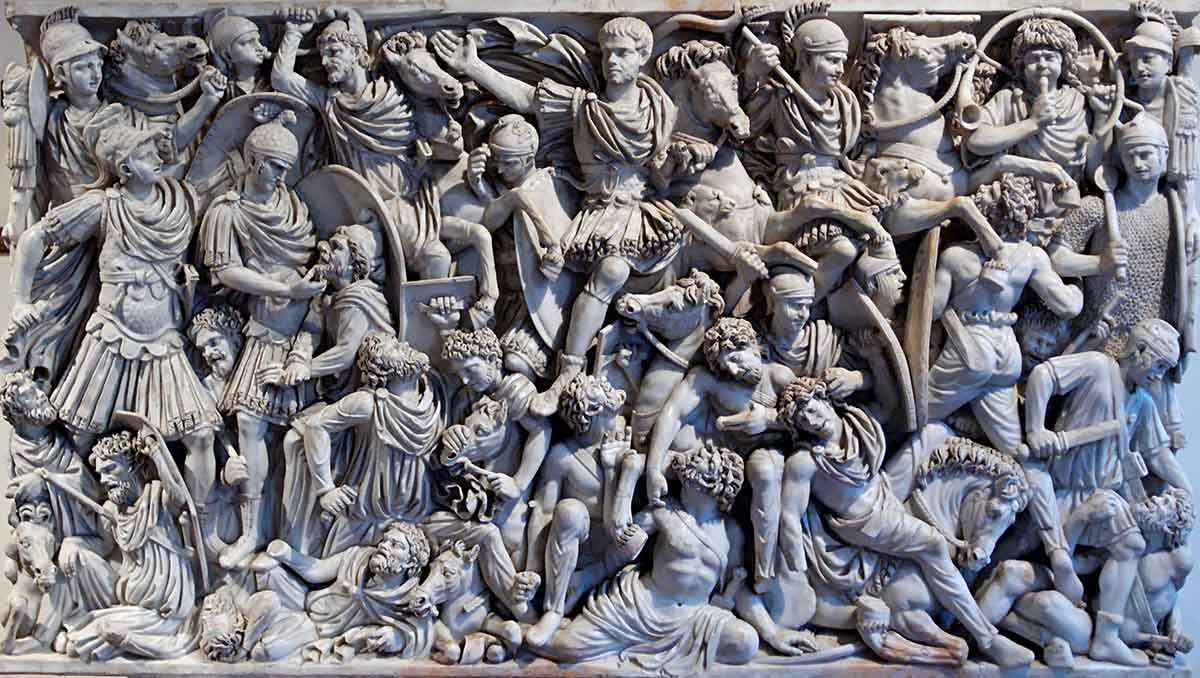
Before moving on, we need to know the historical context behind the edict. We have to go all the way back to Diocletian, who reigned from 284 to 305. He restored the Roman Empire after the famous “Crisis of the Third Century” by implementing the system of the tetrarchy. This system divided the Roman Empire into two territories (East and West), which were both governed by an Augustus and a Caesar, which supposedly assured a regular succession of power (which was the intention of Diocletian).
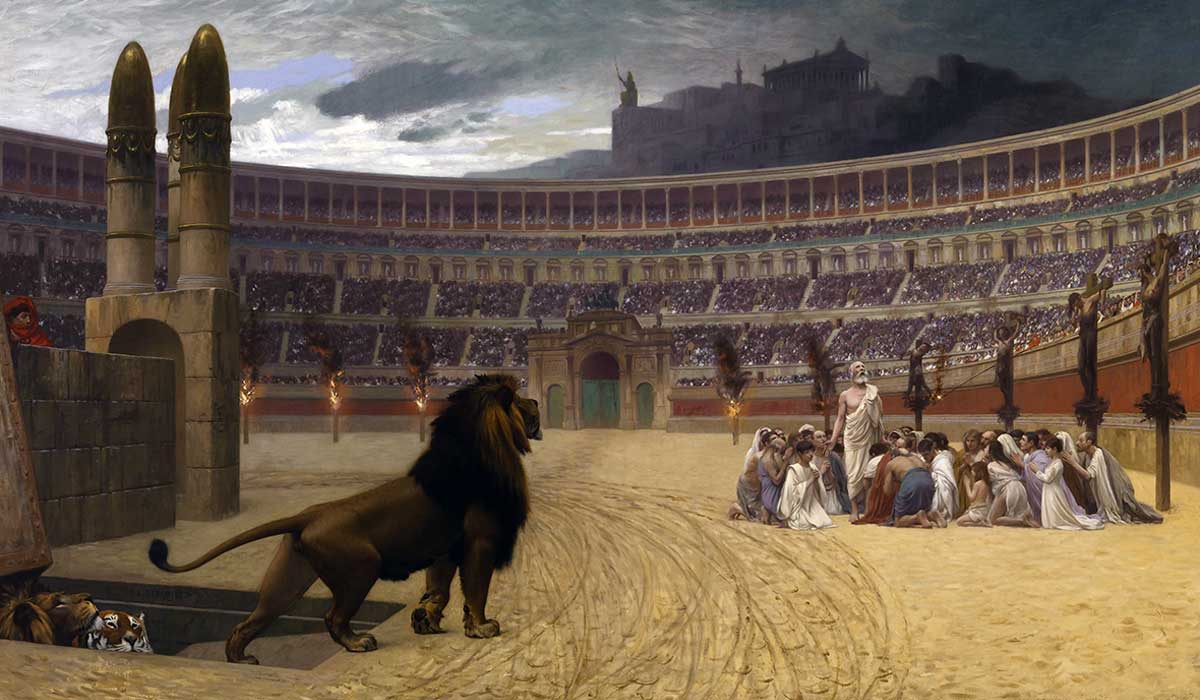
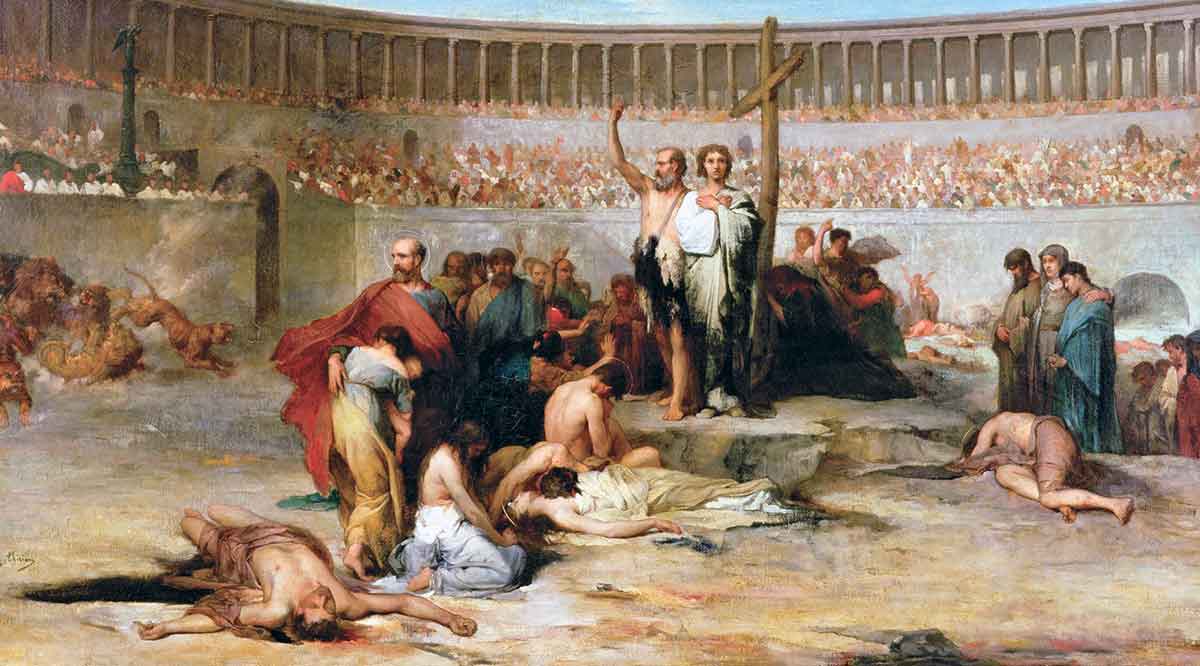
Roman emperors since the 3rd century had often bid for power and support by either favoring or persecuting Christians. Diocletian was no exception, and he started one of the biggest persecutions of Christians at the very beginning of the 4th century. Later on, Galerius, now Eastern Augustus, promulgated an edict of tolerance in 311 that put an end to the Christian persecutions started by Diocletian in 303.
When Galerius died, four contestants fought for the throne: for the Eastern portion, Maximinus Daza and Licinius, and for the Western part, Maxentius and Constantine.
Constantine’s Rise
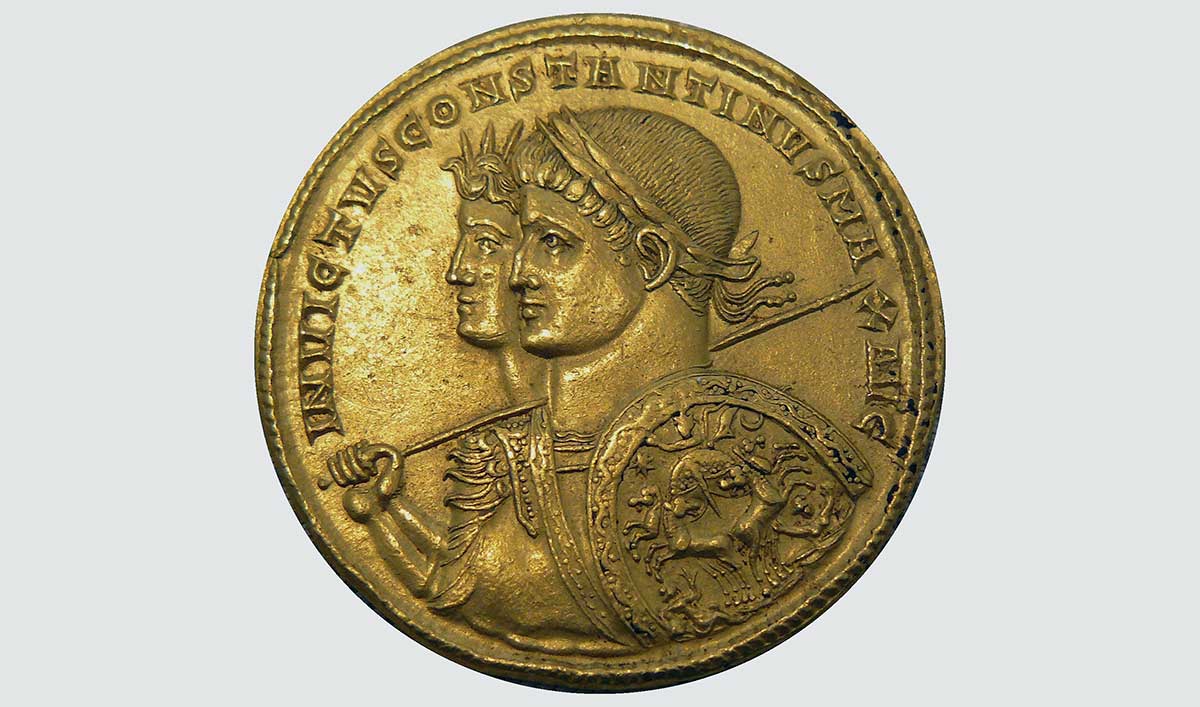
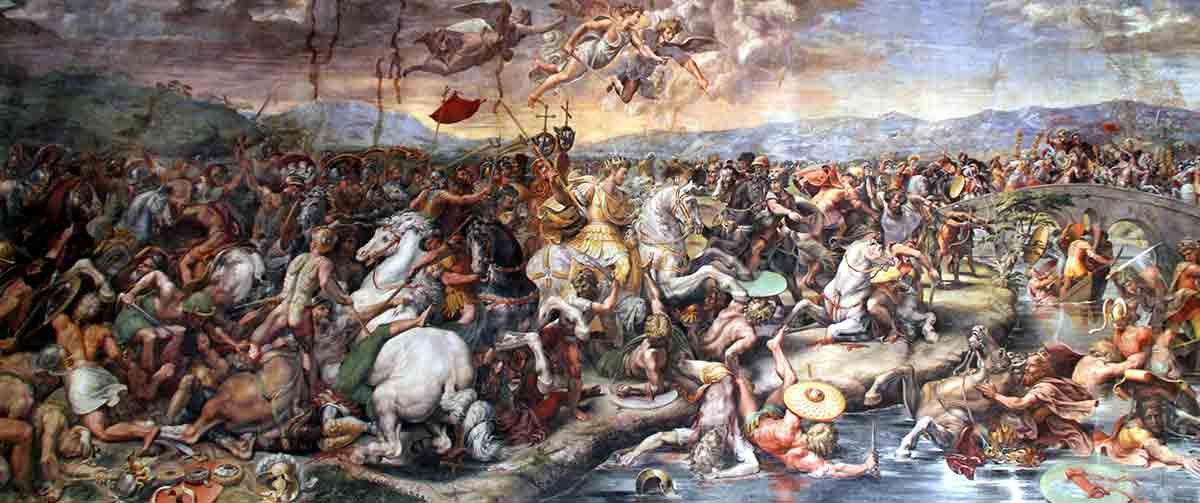
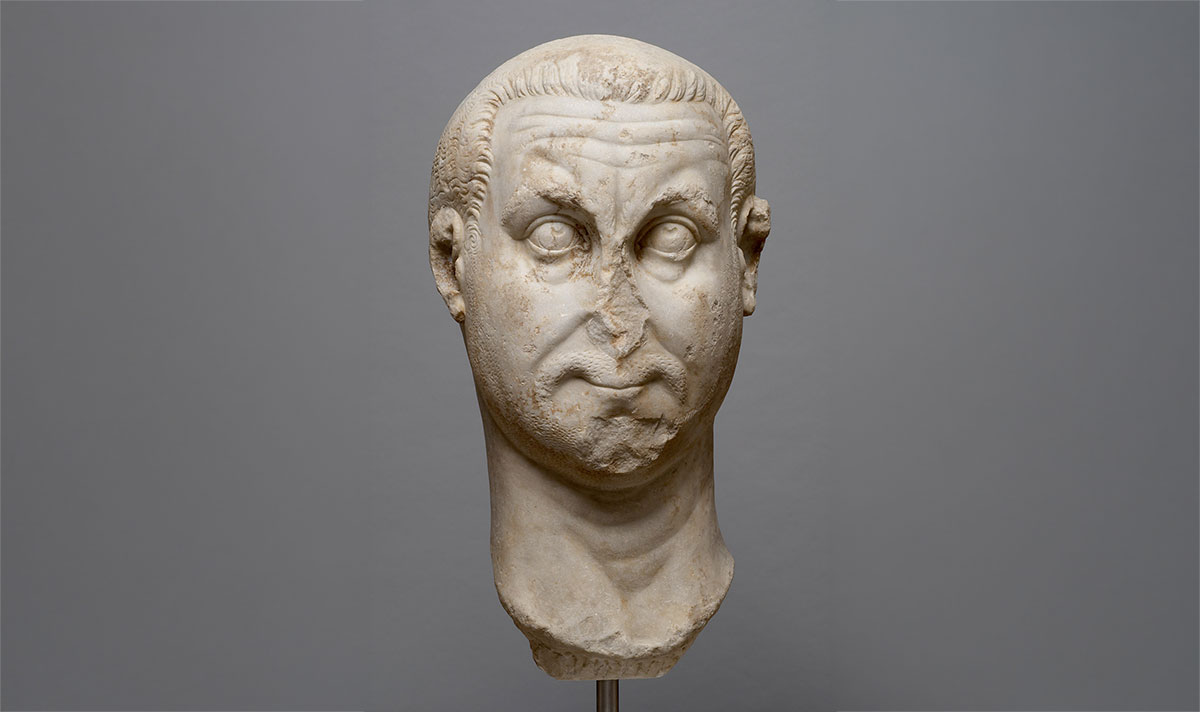
Constantine was born around 285 at Naissus (in modern-day Serbia). He was the son of Constantius, often called Constantius Chlorus, and his wife (or concubine, depending on the sources), Helena. Constantine was proclaimed Augustus by his troops when his father died in 306, and, when Galerius died, he fought in a civil war before beating his rival Maxentius at the Battle of the Milvian Bridge on October 28, 312, becoming sole ruler of the West.
In 313, Constantine and Licinius, soon-to-be the new Eastern Augustus, met at Milan for the marriage of Licinius to Constantine’s sister, which formalized the alliance between the two new Augusti. During this meeting, the two supposedly talked about the situation of the empire and Christianity. From these discussions came the Edict of Milan.
Later in the same year, Licinius beat Maximinus Daza, becoming the sole ruler of the East. Even later on, in the 320s, Constantine fought his ally and brother-in-law Licinius to become the sole ruler of the Roman Empire until his death in 337.
Was Constantine a Christian?
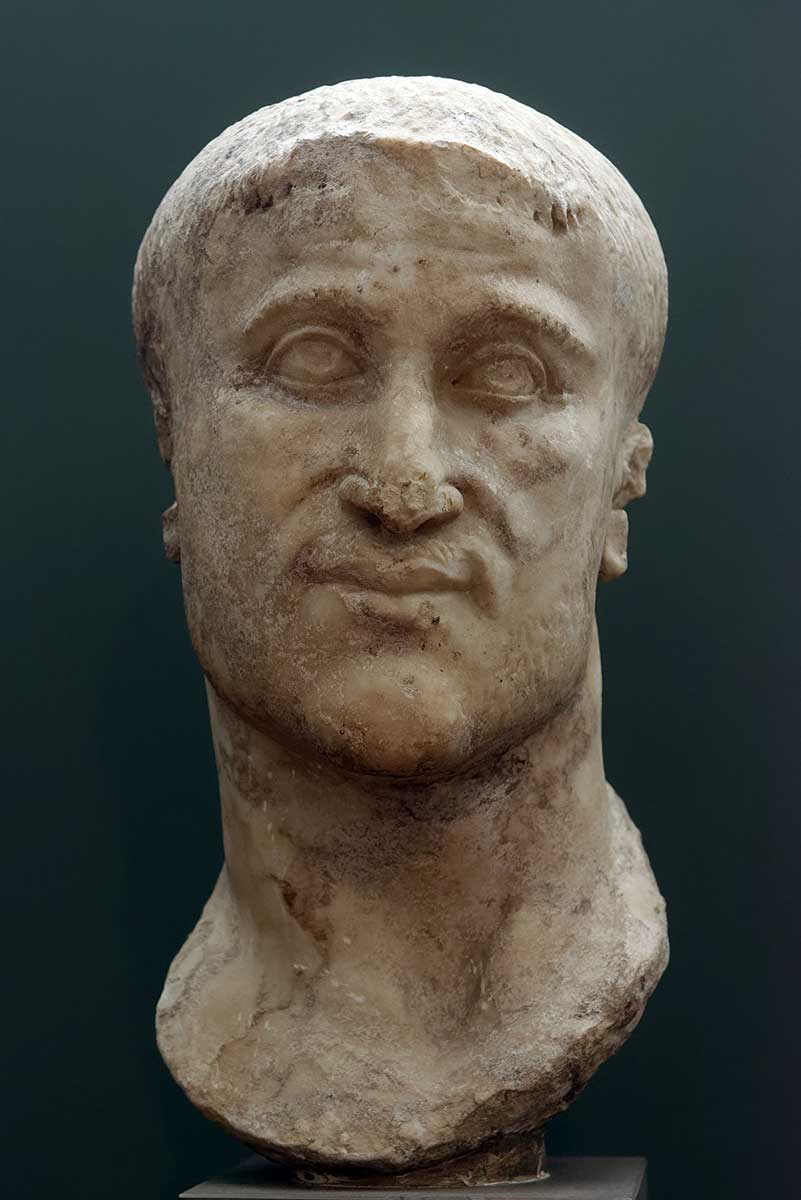
Constantine’s father supposedly believed in a faith similar to monotheism, which was popular at this time and was characterized by a supreme divinity, often called summus deus or summa divinitas. But he was not Christian; his wife (Theodora) may have been Christian or at least sympathetic to the Christian faith and cause, and some researchers say his “concubine” Helena later converted to Christianity and became a devout adherent.
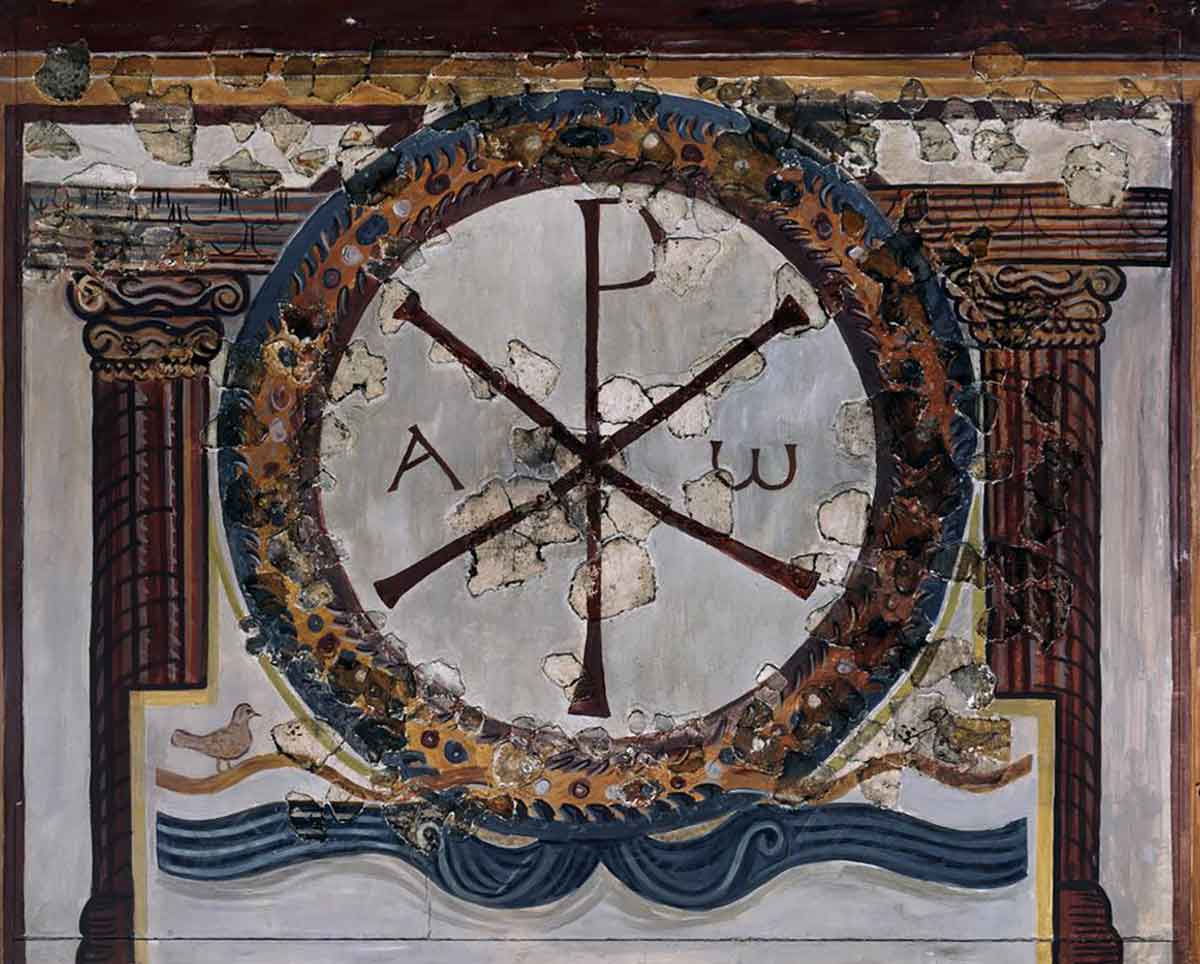
Brought up in this context, Constantine would’ve leaned more towards monotheism than polytheism, which could explain his decision to help, later in his career, to favor Christianity against all other traditional cults in Rome. According to certain writers, Constantine saw a Christian vision before the Battle of the Milvian Bridge, which would have pushed him towards Christianity; we know that he ordered the Christian chi-rho to be placed on all the shields of his troops—Christian or not.
Certain Christian writers see the victory at the Battle of the Milvian Bridge as divine intervention and represent Constantine as its instrument. We also know that Constantine was baptized on his deathbed, which was common during this time to reduce the risk of committing any sins before dying.
Who Was Lactantius? Our Primary Source
The history of the Edict of Milan was recorded by Lactantius. Lactantius was born in Africa around 260. He studied under Arnobius of Sicca, a famous orator, and was later a professor of rhetoric under Diocletian at Nicomedia, which is in modern-day Turkey. It is during this period that he met Constantine, who was sent to Nicomedia by his father.
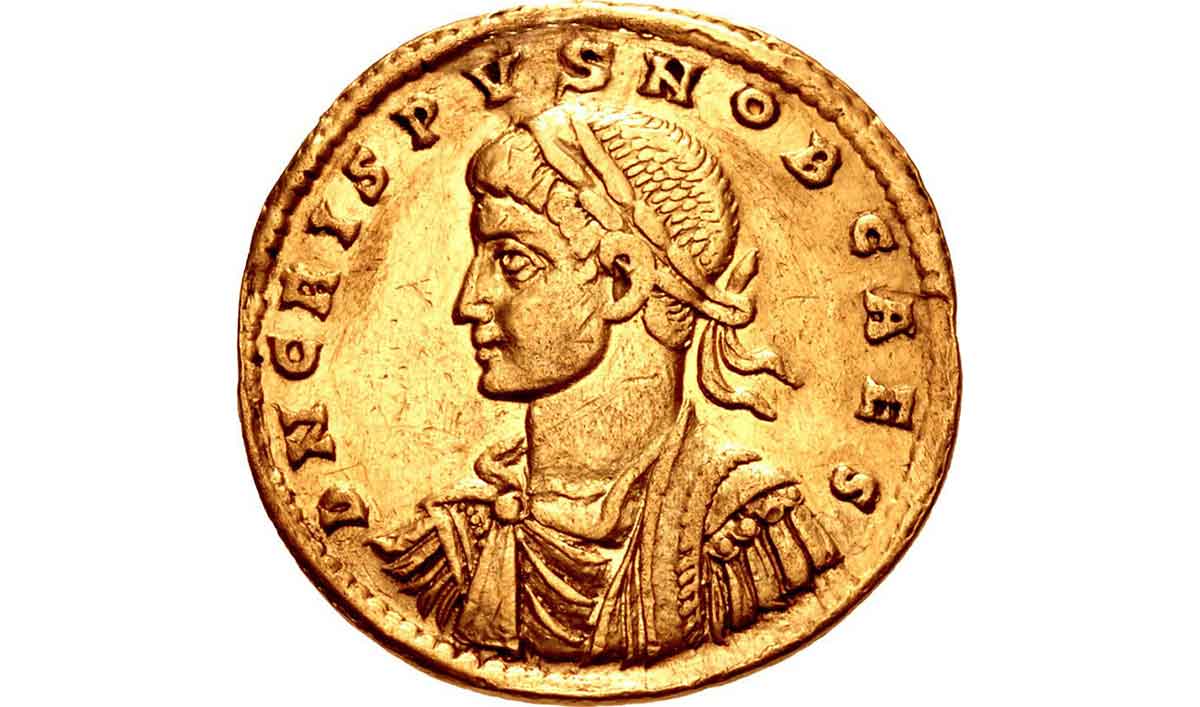
Lactantius had already converted to Christianity and had to leave his job during the first wave of persecutions under Diocletian in 304. Once the persecutions were over, he was invited by Constantine to settle in Trier in 317 to become the teacher of Constantine’s son Crispus, now Caesar. Lactantius saw Constantine as the ideal emperor because he associated traditional Roman values and society with the values of the Christian religion. He died in 325, and we have very little information about his death.
During his life, Lactantius wrote several works of grammar, philosophy, and geography, but most of them are sadly lost, with the exception of a poem about the legend of the Phoenix. We still have several of his theological works, in which he was greatly influenced by the orator Cicero.
Lactantius describes the Edict of Milan in his work De Mortibus Persecutorum and names its authors as Constantine and Licinius. The real mastermind of this whole edict would’ve been, according to some researchers, Constantine (and not Licinius).
The Goal of the Edict
The two letters on the edict that we still have (from Lactantius and Eusebius) are both addressed to provincial governors in the Eastern portion of the Roman Empire. Both emperors wanted to cease the persecutions of the Christians, which had still been going on in the Eastern provinces. An edict that proclaimed religious tolerance was not useful in the Western part of the Roman Empire because that portion had followed the instructions given by the emperor Galerius in 311.
In the Eastern provinces, before his defeat by Licinius, Maximinus Daza had refused to follow Galerius’s instructions and continued to persecute Christians. Licinius, by waging war against Maximinus, showed himself to be the protector of the Christians. There was then no proper edict, but only an understanding between both Roman emperors as to the settlement of the Christian question in light of Galerius’s edict in 311.
The ultimate goal of the Edict of Milan was to maintain peace, stability, and prosperity in the Roman Empire. For the emperors, this is done with piety towards the gods.
The Text Itself
Let’s now examine the text itself, recorded by Lactantius. The Edict of Milan does not innovate completely; it merely completes certain elements from older edicts, principally Galerius’s. The main idea contained within it is the concession of freedom of religion to everyone, including Christians. This was a tolerance edict, like Galerius’s in 311.
It did not just target Christians, but all the cults and religions in the Roman Empire. For the first time in its history, Christianity received the status of religio, and was therefore not just a superstition (superstitio).
The authors of the document specifically mention the names of some people, including the governor of Bithynia, the recipient of the letter. By addressing letters to governors technically still under the control of Maximinus Daza, Constantine and Licinius were asking them to only follow their new orders, based on religious tolerance.
The text also indicates that Christians would now be able to legally meet and have property, which was impossible under the persecutions of Diocletian. The edict therefore acknowledges for the first time the property of the Church. Constantine and Licinius also provided compensation to Christians and to those who would lose their property because of the edict, and acknowledged the full judicial status of Christians.
How Does It Differ From Galerius’s Edict?
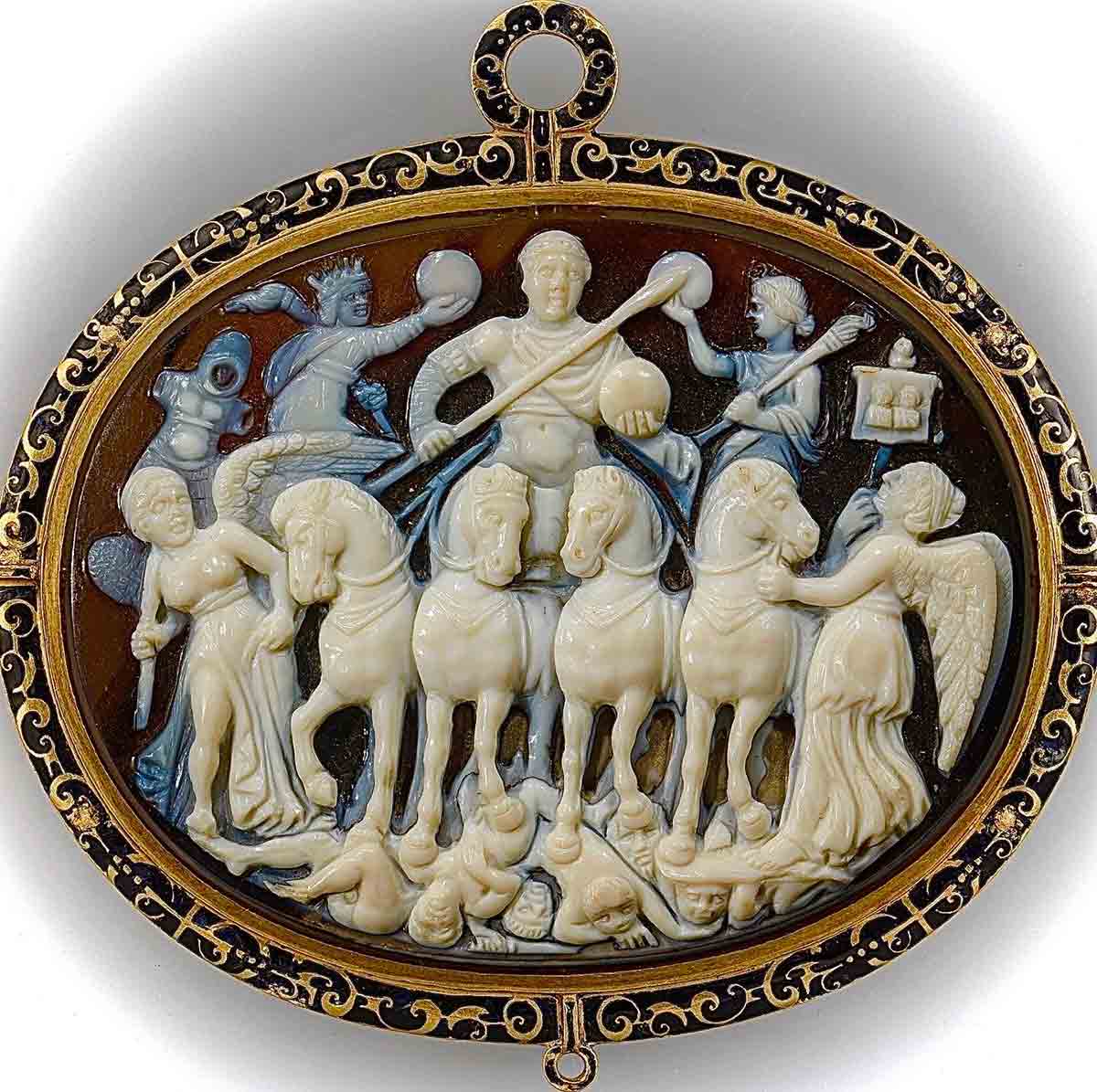
Contrary to Galerius’s edict, which was an admission of defeat because Christianity had not only survived but actually thrived during the persecutions, the Edict of Milan wanted to continue the divine favor that the emperors enjoyed, which is a clear allusion to the victory at the Battle of the Milvian Bridge. The letter mentions a supreme divinity (summa divinitas). For Constantine, this divinity may have been the Christian God, but for Licinius, it was still a pagan divinity.
Constantine and Licinius not only pay tribute to this supreme divinity, but also exclude all the other ones, that is, the traditional pagan cults.
Consequence of the Edict
As history shows us, the Edict of Milan was seen as the bare minimum for Constantine; he went on to favor Christianity throughout his reign. For Licinius, it was the most he would give; when war broke out between the two, Constantine championed the Christian cause and showed himself as a defender of that particular faith, whereas Licinius went back to persecution.
For recognizing its legal status, permitting the judicial establishment of the Church and the rights of Christians, and referencing a supreme divinity, the Edict of Milan is a very important event in the history of Christianity. Christianity went from being completely illegal and persecuted to free and favored.
Within several centuries, the situation was completely reversed—paganism was being persecuted instead. 17 centuries later, it is dizzying to wonder if the authors of this Edict had imagined the impact that their decisions would have not only on the history of Christianity, but on history as a whole.
Sources
- BASLEZ (M.-F.), Comment notre monde est devenu chrétien, Tours, Éditions CLD, 2008, 228 p.
- CAMELOT (P. T.), LACTANCE LUCIUS CAECILIUS FIRMIANUS dit (260 env.-env. 325). Encyclopedia Universalis. http://www.universalis-edu.com.acces.bibl.ulaval.ca/encyclopedie/lucius-caecilius-firmianus-lactance/.
- MARAVAL (P.), Le christianisme de Constantin à la conquête arabe (Coll. « Nouvelle Clio »), Paris, Presses universitaires de France, 1997, 460 p.
- MARAVAL (P.), « L’Édit de Milan entre tradition et renouveau », in Jean-Claude Haelewyck, dir., BABELAO 5, Louvain, Académie Belge pour l’Étude des Langues Anciennes et Orientales (ABELAO), 2016, p. 105-116.
- MARAVAL (P.), « Le devoir religieux des empereurs: de la tolérance à la répression », in Marie-Françoise Baslez, dir., Chrétiens persécuteurs : destructions, exclusions et violences religieuses au IVe siècle, Paris, Albin Michel, 2014, p. 37-54.
- MARAVAL (P.), « Troisième partie, chapitre II. Le christianisme dans son environnement politique et religieux », in Simon Claude Mimouni & Pierre Maraval, dir., Le christianisme des origines à Constantin (Coll. « Nouvelle Clio »), Paris, Presses universitaires de France, 2006, p. 333-361.
- PETIT (P.), CONSTANTIN LE GRAND (285 env.-337). Encyclopedia Universalis. http://www.universalis-edu.com.acces.bibl.ulaval.ca/encyclopedie/constantin-le-grand/.
- SIMON (M.) & BENOÎT (A.), Le judaïsme et le christianisme antique d’Antiochus Épiphane à Constantin (Coll. « Nouvelle Clio », 10), Paris, Presses universitaires de France, 1968, 360 p.
- SIMON (M.) & BENOÎT (A.), « Livre II, deuxième partie, chapitre IX. Le triomphe de l’Église », in Marcel Simon & André Benoit, dir., Le judaïsme et le christianisme antique. D’Antiochus Épiphane à Constantin (Coll. « Nouvelle Clio »), Paris, Presses universitaires de France, 1998, p. 189-195.