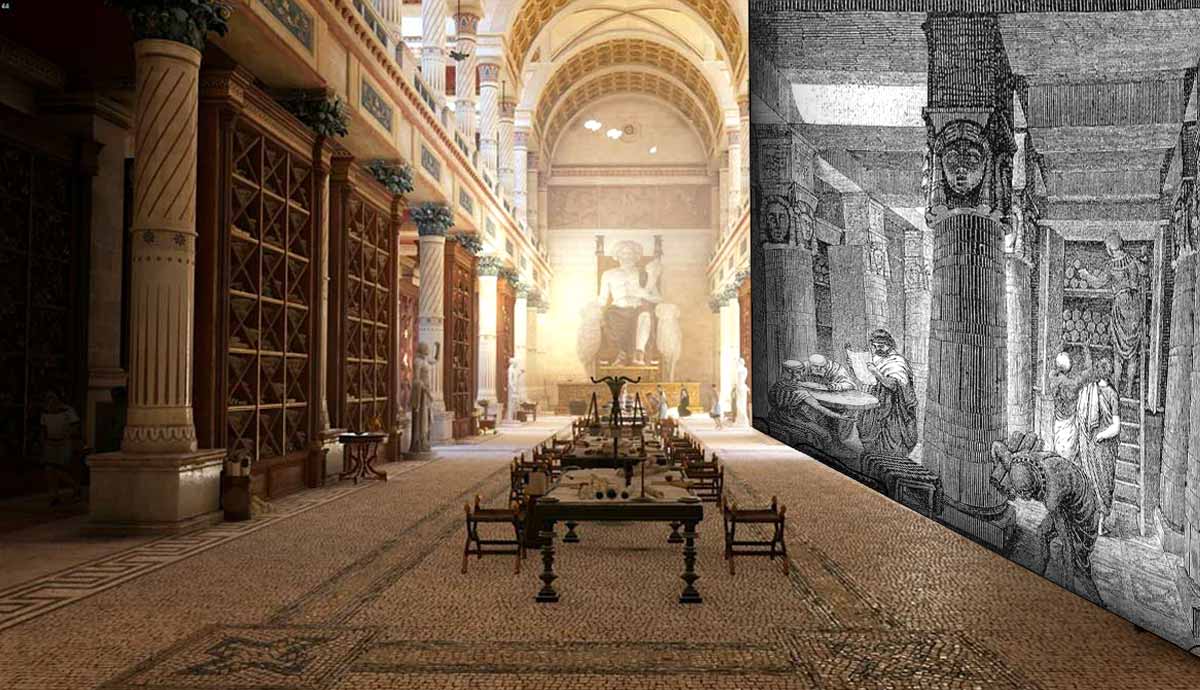

What do we think of when someone says “ancient Rome”? Gleaming marble structures stretching to the sky, muscular gladiators fighting to the death, or murdering emperors ruling the world from the Eternal City? Sadly, many of our perceptions of ancient Rome are false, created by Hollywood directors who prioritize entertainment over accuracy.
Numerous stereotypes and myths have been created which have severely damaged our understanding of the realities of the Roman world; separating these myths from historical evidence has become increasingly important.
Hollywood’s Distorted Vision of Rome
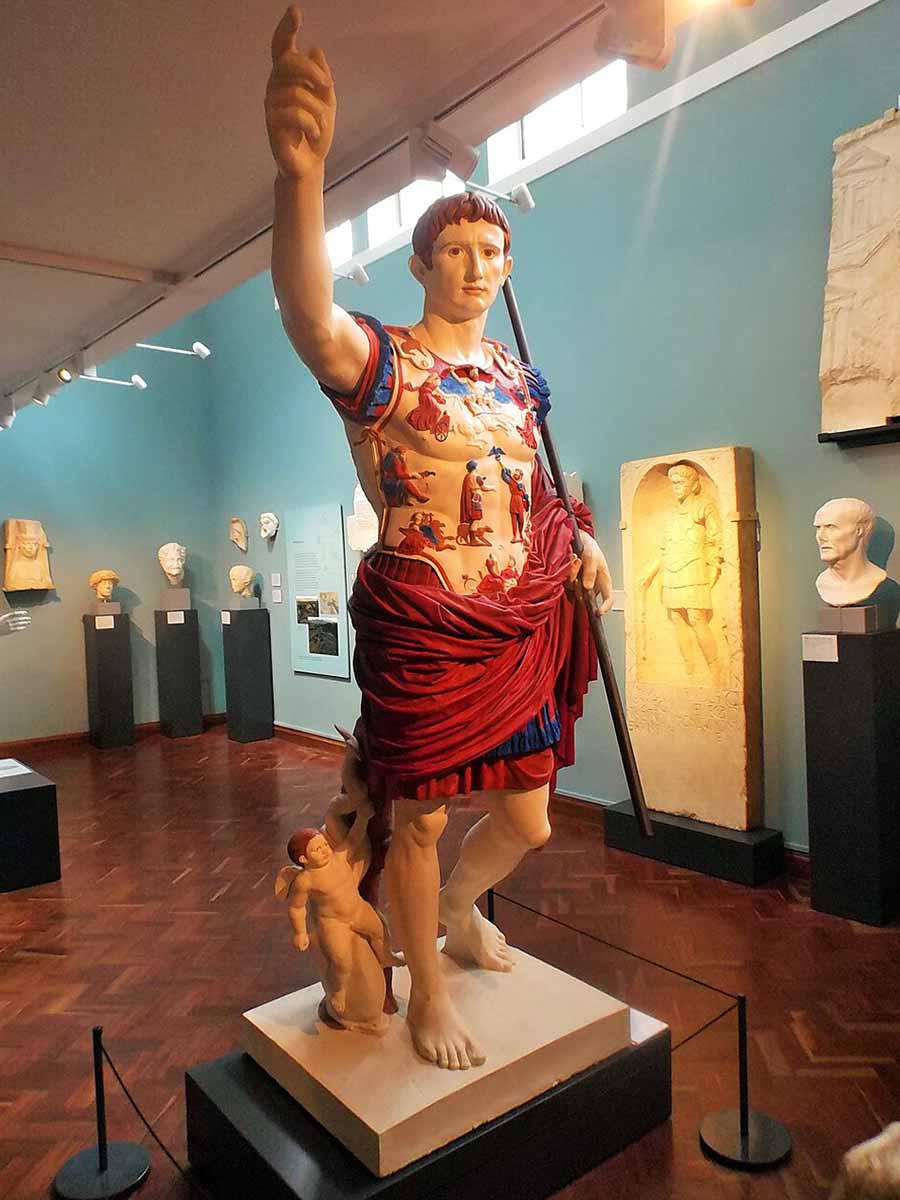
It makes sense for Hollywood to choose the most appealing aspect of a historical civilization to show on film. However, since the beginning of the film industry, this has caused numerous problems regarding the image the public has of ancient Rome. Sadly, many people believe the Hollywood depictions: that Rome was a world of constant gladiatorial combat and fantastical heroes fighting against mad and tyrannical emperors in a predominantly white civilization; however, Rome was anything but.
Instead of the glistening white marble streets that greet us on the silver screen, Rome was vibrant, colorful, dirty, crowded, and noisy. Streets were covered in graffiti, disease and poverty were common, and while stunning Roman villas existed, they were the exception for the very wealthy.
While on-screen depictions of ancient Rome are slowly becoming more informed and accurate, there are many classical stereotypes that constantly reinforce inaccuracies.
Gladiators
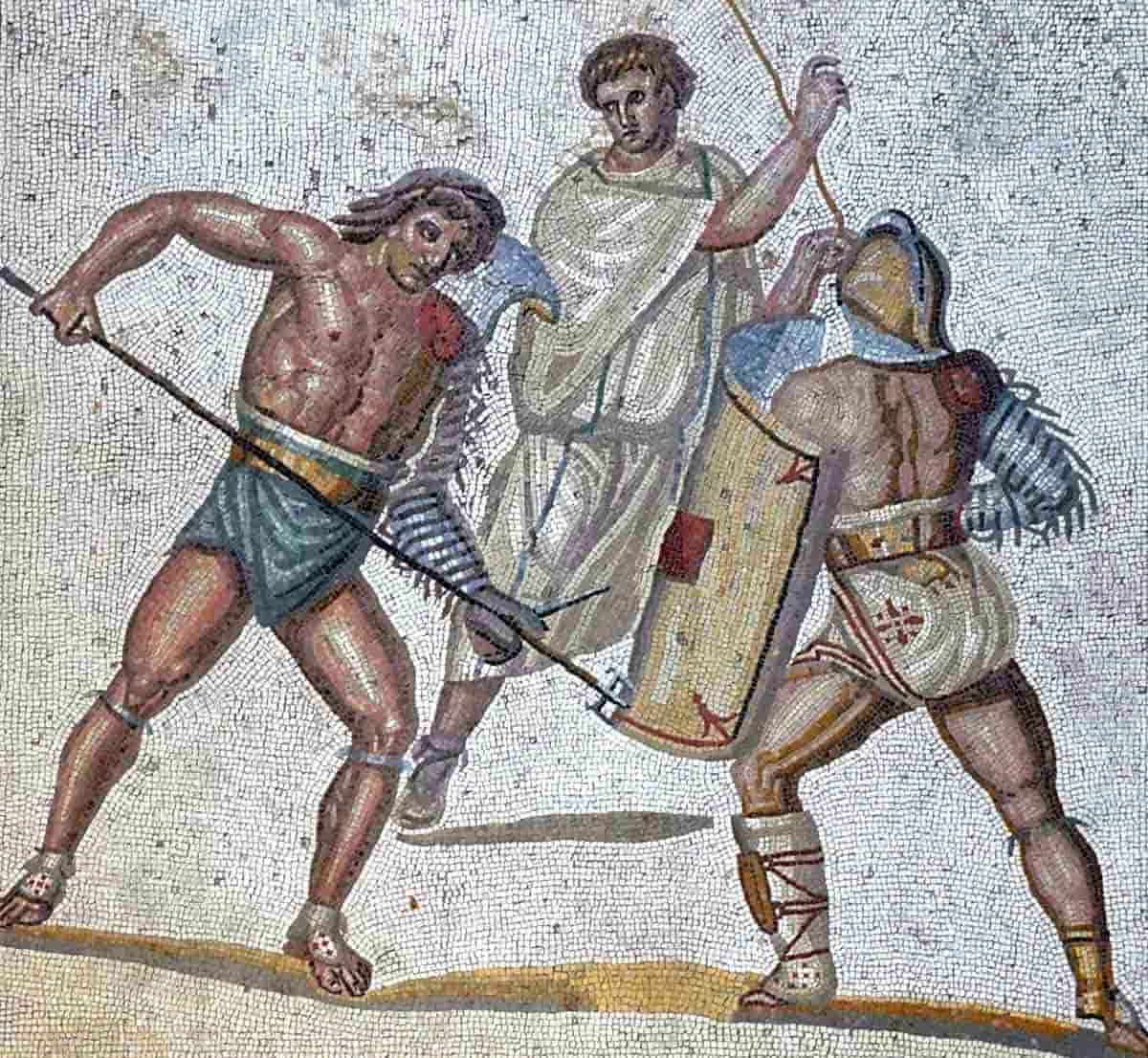
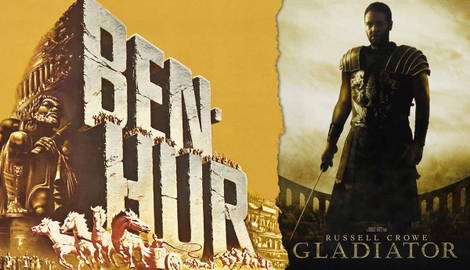
Gladiators from ancient Rome have often captured the public imagination. Nowhere is this more clearly seen than through the success experienced by Ridley Scott’s film Gladiator, released in 2000. This film is a masterpiece of filmmaking, from its phenomenal score to its star-studded cast, but it is not without its flaws.
Figures such as Spartacus have often had their stories retold several times on the silver screen, highlighting the demand to see these brave and determined warriors depicted. However, Gladiator, and other films like it have created false images of the real lives of gladiators in the ancient world.
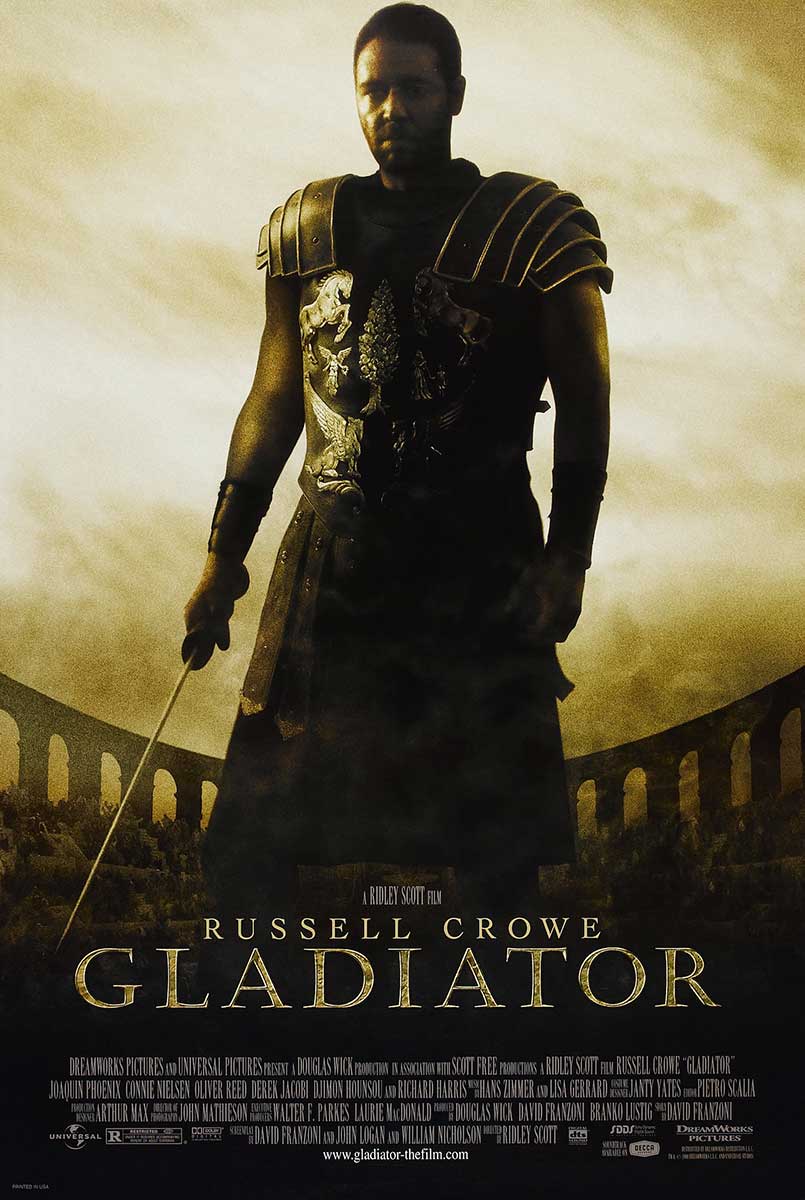
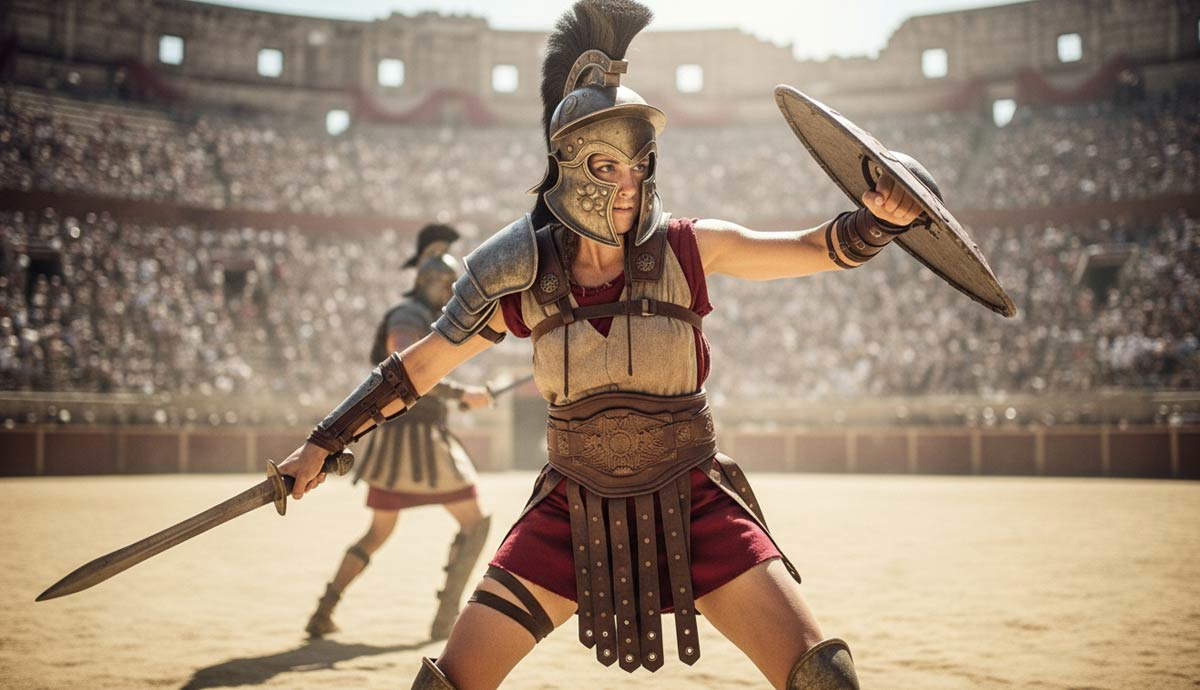
Firstly, gladiators did not fight every day, and in general, gladiatorial games were rare, special events. One common misconception is that all gladiators were slaves or prisoners forced to fight to the death. Instead, many gladiators were actually trained professionals. The demand from Roman audiences was not to see mass slaughter but rather to see a demonstration of fighting skills.
Because of this, gladiators often wore lots of protective armor and had shields and helmets to protect them. It was possible to live and survive a career as a gladiator through skill and determination—it was not the certain death sentence that some Hollywood adaptations would have you believe.
Strategy was highly important for a gladiator, so it was not all about who was the strongest or the fastest, but also who was the most tactical and intelligent. Furthermore, women could also be gladiators. While it was rarer, they were seen in several places during the 1st and 2nd centuries AD.
Slaves: Where Were They From?
As with most lower social classes in the ancient Roman world, we often lack written and archaeological evidence to tell us about the realities of their lives; the lives of Roman slaves are no different. This has given entertainment creators certain artistic liberties when it comes to the presentation of such figures. However, even though we know very little, most of Hollywood’s depictions deviate from the known facts and show an often sanitized, whitewashed or inaccurate picture of the lives of Roman slaves.
Film often simplifies the realities of Roman slaves to make their stories more dramatic or heartfelt. One of the largest issues seen in Hollywood depictions is that enslaved peoples appear as members of defeated Barbarian tribes, from only certain areas of the empire. However, slaves came from all over the Roman world and from varying social classes; they entered the empire as captives, prisoners of war, debtors, trafficked people, or even as the children of other slaves.
Because of this, various cultures, languages, and ethnicities could be seen among enslaved populations. People came from Persia, North Africa, Syria, Judea, Germania, Greece, and Gaul. Additionally, slaves were not only thrown into the arena as gladiators, but were tutors, household servants, prostitutes, bar servers, and played numerous other roles to keep the Roman society functioning.
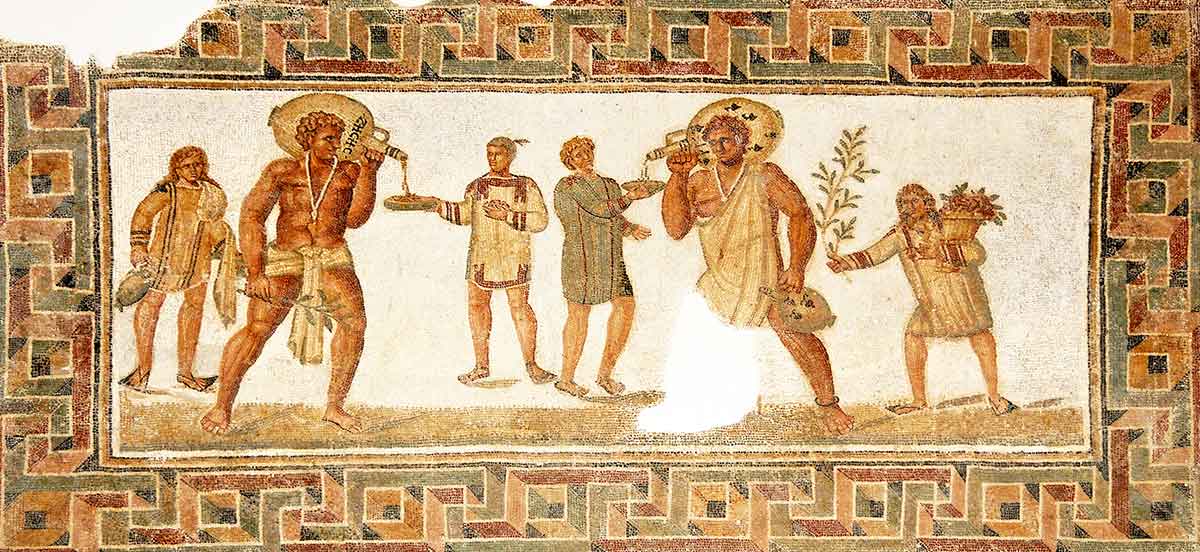
Because of the numerous roles that a slave could have, their living conditions, lifestyles, and even life spans varied greatly. Some worked on farms, in mines, in public buildings or workshops, as well as in private houses. Some were highly educated, brought in as tutors for the next generation of Romans, or used as secretaries or accountants. Without slaves, Roman society would not have functioned, as they played an essential role in every aspect of Roman daily life.
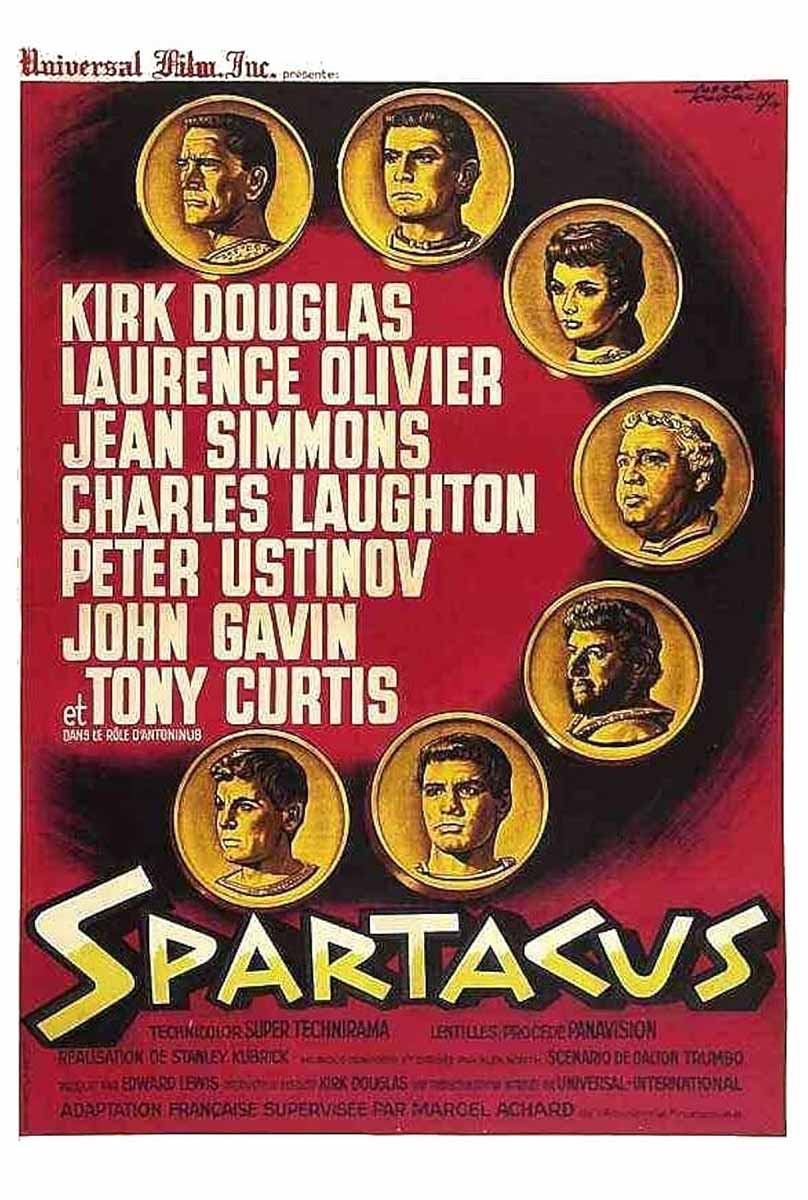
Hollywood tends to simplify this idea, which is specifically seen in the numerous film adaptations of Spartacus’s story, including the 1960 Kirk Douglas production. It does successfully show the brutality of slavery, but as this story is repeatedly told, many audiences link slavery to gladiators more than any other roles they carried out.
Slavery could be an extremely violent system, but some slaves were able to rise and could be freed by their owners, even going on to live successful lives. This is not to say that they were not treated as property by their owners and often had very limited control over their own lives, but slavery was not as black and white as most depictions would suggest.
The Mad Tyrannical Emperors
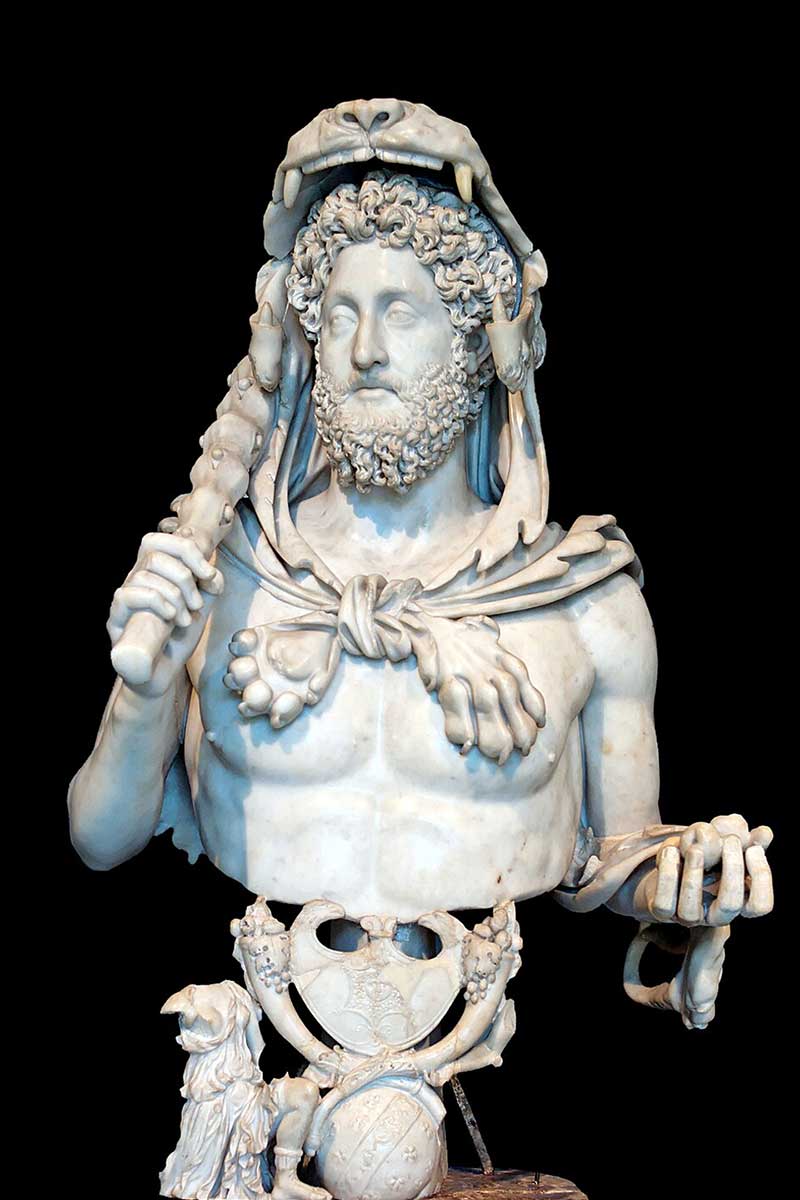
One aspect of the Roman Empire that regularly captures the public’s imagination are the mad and controversial rulers that ran it. Extreme, tyrannical leaders are fascinating topics of study, which make ideal topics for school lessons, fiction books, or even films. However, not all the Roman emperors were as bad as each other, and our sources on the Roman emperors are hardly the most reliable accounts.
Writers, including Suetonius, Tacitus, and Cassius Dio, were often from the elite classes and were often strongly influenced by their own life experiences, ideas of morality, and political opinions. Therefore, all of their accounts on Roman emperors have to be taken with a rather large pinch of salt. But sadly, the narratives about the mad Emperor Nero or the crazy Caligula were and are significantly more compelling than a stable and reliable leader. Because of this, Roman sources tended to emphasize negative stories of tyrannical leaders, often with a particular agenda in mind.
Hollywood has sadly taken many of these openly hostile accounts at face value as they make for excellent tales to tell on the big screen; these shocking stories tend to overlook the complicated nature of imperial rule and create the perception that all the Roman emperors were cruel and that nasty dictators were more dominant.
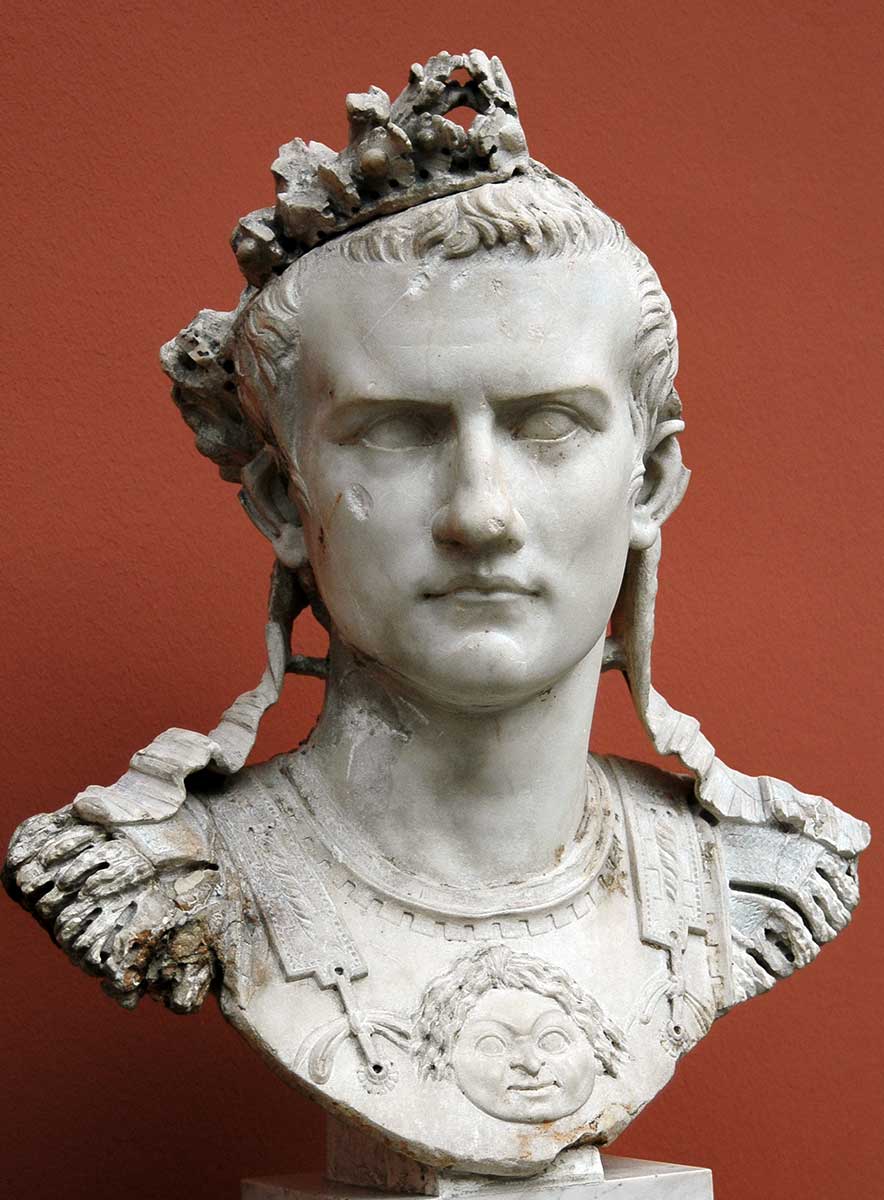
Alternatively, sometimes films focus on a different black-and-white theme: good vs bad emperor. This is especially seen in the film Gladiator, where Marcus Aurelius and Commodus are shown as the epitomes of good vs bad. A further issue can be underlined here; many Hollywood films often overlay Western ideals from the contemporary world onto the ancient worlds they are depicting, creating a further falsehood.
Rome was not simply a place of defending heroes protecting the empire from tyrannical villains; it was much more complex than that. Most emperors were neither entirely evil nor entirely virtuous. Morally questionable decisions were often what kept empires running and people in power.
Rome as a “White Civilization”
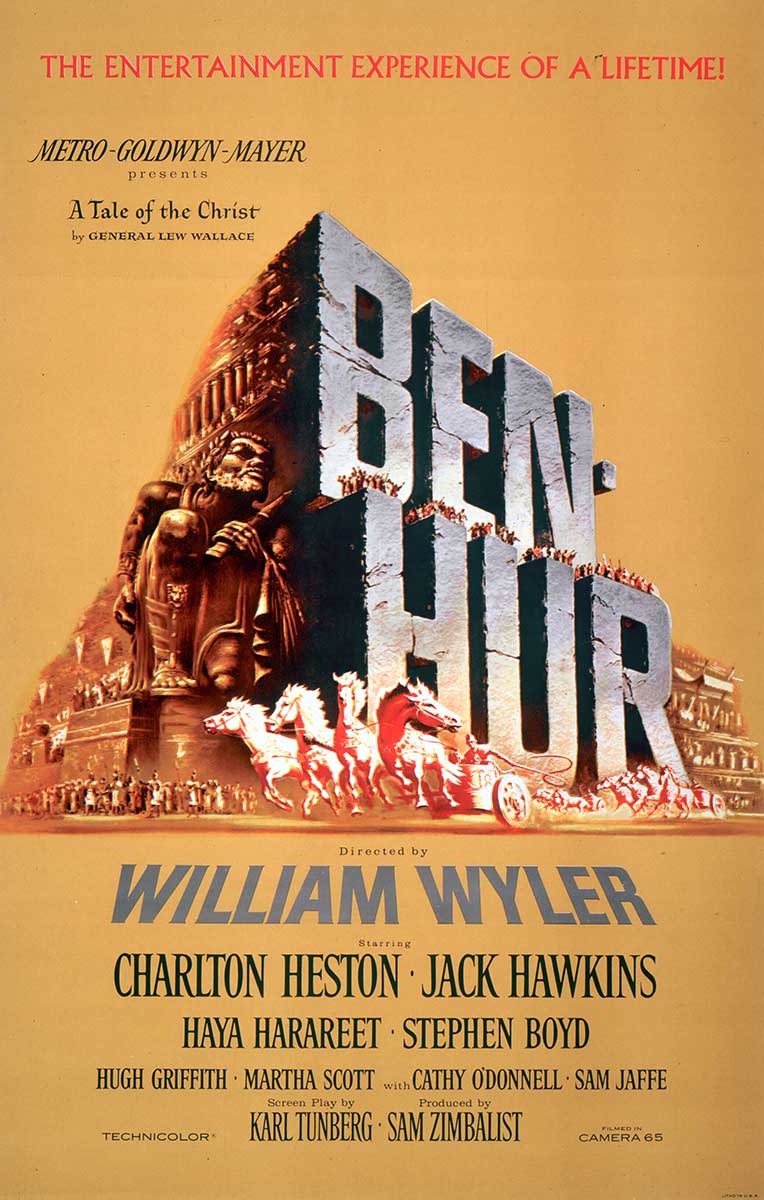
The multicultural aspect of the Roman world is often downplayed or completely overlooked in Hollywood depictions. Most cast white Anglo-Saxon actors to play Romans. In the 1959 film Ben-Hur, for example, Rome is presented as a largely white European empire.
But Rome’s population included people with varying appearances, various languages, and diverse cultural backgrounds. The Romans would have resembled the people found today in modern Spain, Italy, and Greece, but also those found in North Africa, such as Egypt or Nubia, as well as from Syria and the Levant, and northern Europe, such as Germany and France.
Thanks to military service, trade, administration and migration, people of various backgrounds would have been found in Roman towns and cities. Hollywood’s white-washed view of the empire overlooks the diversity they would have seen every day. This has also been politically harmful as people have used this white-washed false image of Rome to further their own racist ideals and propaganda. Challenging this myth is important to prevent those extolling these ideologies from using false narratives about Rome to further their own agendas.
The Role of Women
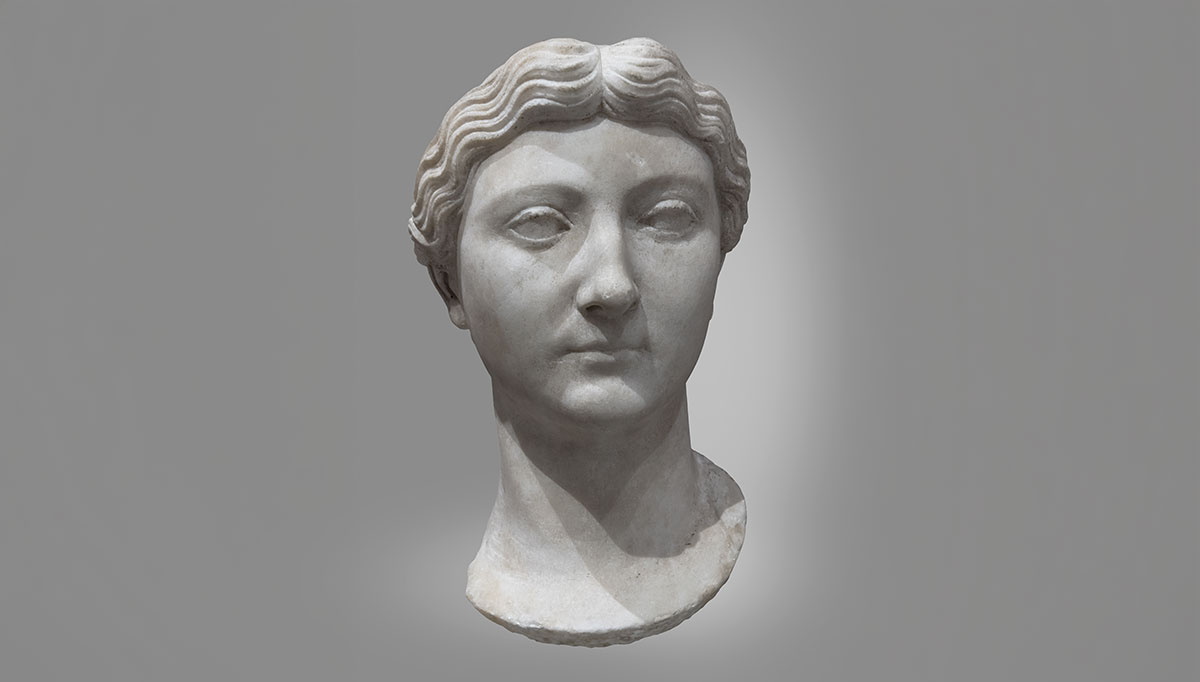
One of the largest groups that is misrepresented or underrepresented from the ancient world are women. Some of the biggest myths presented in Hollywood narratives include women having no agency of their own and being entirely dependent on the men in their lives.
While Roman society was indeed patriarchal, this assumption and depiction greatly overlook the realities for some Roman women. Roman society was definitely unequal, and they could not hold political positions, but some women were able to exercise considerable influence thanks to wealth, family connections, religious positions, business propositions, and patronage.
Often, elite women had informal power which could be very influential, demonstrating that women were not always passive or powerless. One of the best-known examples of a successful woman in the Roman world was a woman named Eumachia, a wealthy business owner who lived in Pompeii.
Thanks to her connections in the wool and textile trade, as well as her role as a public priestess, she had significant visibility and status within the city. Because of this, she was able to fund a large public building project, still seen today in Pompeii’s forum. Women were able to use money, religion, and public generosity to gain power and aid their families.
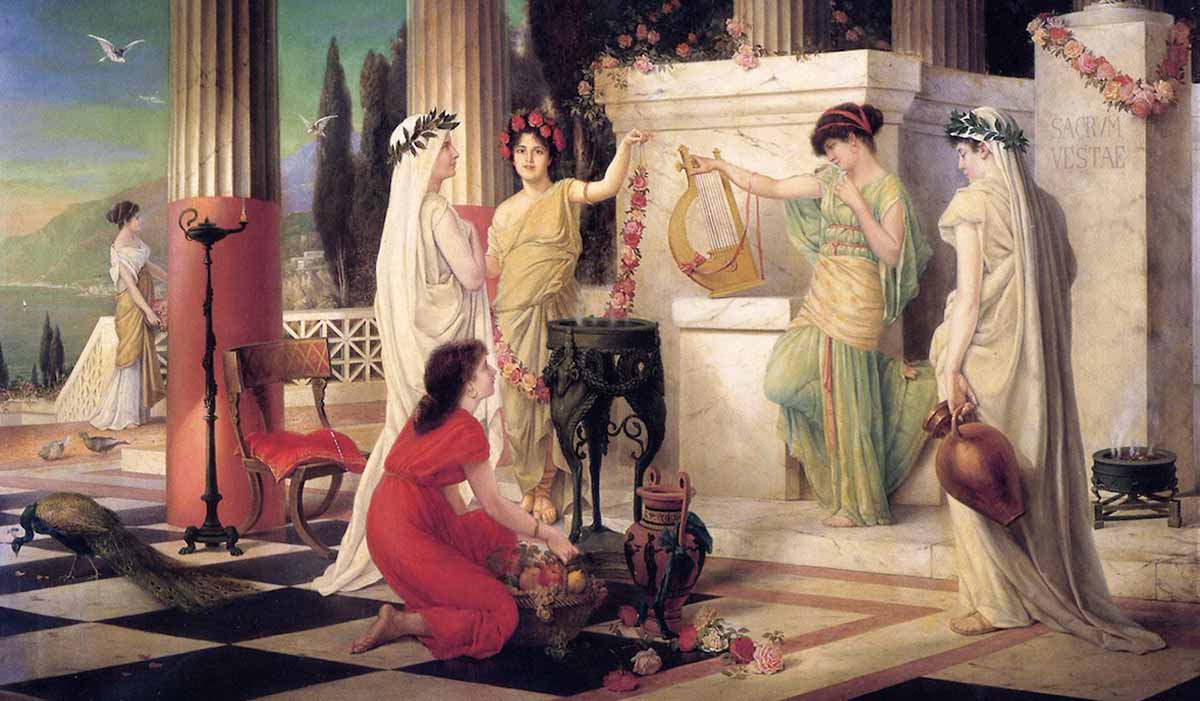
Perhaps one of the most famous women of the ancient Roman world was Livia, the wife of the first Emperor, Augustus. While she could hold no official political position, she acted as an advisor, helped to promote the image of the imperial family, protected the interests of her son Tiberius, and even managed property. She successfully created an image of the respectable Roman matron, which allowed her to act behind the scenes without upsetting traditional patriarchal society.
A further example can be seen in the Empress Agrippina the Younger. She was the wife of Claudius and mother of Nero, and she used her influence and power to ensure her son’s succession and even ruled during the early years of his reign.
Sadly, because a powerful woman was seen as a threat to the stability of Roman society, often these women were vilified by Roman authors. They were depicted as dangerous or manipulative, as men of the time were suspicious of female figures in authority. In general, women of the elite classes tended to have more freedom than those of lower classes. However, they often still worked and had a say in the running of workshops, farms, markets and households. Therefore, the Hollywood depiction of the wives as victims, romantic interests or background figures is an inaccurate and incomplete picture of the realities of the Roman world.
Sources
- Albu, Emily. ‘“Gladiator” at the Millennium’. Arethusa, vol. 41, no. 1, 2008, pp. 185–204.
- Allerfeldt, Kristofer. ‘Rome, Race, and the Republic: Progressive America and the Fall of the Roman Empire, 1890-1920’. The Journal of the Gilded Age and Progressive Era, vol. 7, no. 3, 2008, pp. 297–323.
- Bernard, Seth. ‘Slavery, Prosperity, and Inequality in Roman Pompeii’. Past & Present, Mar. 2025, p. gtaf006. Silverchair, https://doi.org/10.1093/pastj/gtaf006.
- Clark, Gillian. ‘Roman Women’. Greece & Rome, vol. 28, no. 2, 1981, pp. 193–212.
- Diamantopoulos, Ioannis, et al. ‘RECENT DEVELOPMENTS IN THE HISTORICAL RESEARCH OF ANCIENT SLAVERY’. The Classical Review, vol. 75, no. 2, Oct. 2025, pp. 297–302. Cambridge University Press, https://doi.org/10.1017/S0009840X25000393.
- Hays, Jeffrey. Multi-Ethnic Roman Empire: Immigration, Influences, Romanization | Early European History And Religion — Facts and Details. https://europe.factsanddetails.com/article/entry-1086.html. Accessed 13 June 2026.
- ‘How Rome Became the Sole Superpower in the Mediterranean’. History Hit, https://www.historyhit.com/how-rome-became-the-sole-superpower-in-the-mediterranean/. Accessed 13 June 2026.
- Illing, Sean. ‘Why the Alt-Right Loves Ancient Rome’. Vox, 6 Nov. 2019, https://www.vox.com/2019/11/6/20919221/alt-right-history-greece-rome-donna-zuckerberg.
- LoBrutto, Vincent. Ridley Scott: A Biography. University Press of Kentucky, 2019. JSTOR, https://doi.org/10.2307/j.ctvd7w7s1.
- Scheidel, Walter. ‘The Most Silent Women of Greece and Rome: Rural Labour and Women’s Life in the Ancient World (II)’. Greece & Rome, vol. 43, no. 1, 1996, pp. 1–10.
- Stevenson, Tom. ‘Women of Early Rome as “Exempla” in Livy, “Ab Urbe Condita”, Book 1’. The Classical World, vol. 104, no. 2, 2011, pp. 175–89.
- Westermann, William Linn. ‘Ancient Slavery’. Scientific American, vol. 180, no. 6, 1949, pp. 40–43.
- Winterling, Aloys, et al. Caligula: A Biography. 1st edn, University of California Press, 2011. JSTOR, https://www.jstor.org/stable/10.1525/j.ctt1pnbhf.