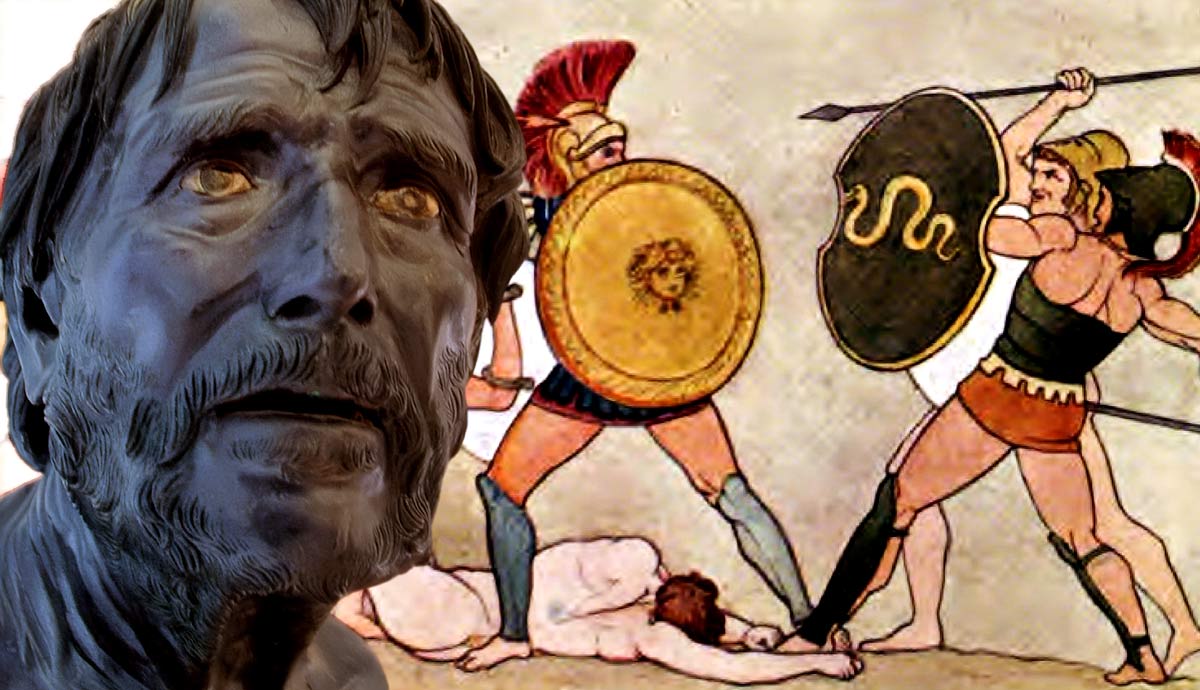

Modern stereotypes often dismiss Neanderthals as brutish carnivores with little to no subtlety and severely lacking in culture.
Surviving Pleistocene Eurasia, however, took more than brute force. Neanderthals were intelligent and used everything their surroundings could provide. Their diet supports the idea of a dynamic and adaptable people. Apart from hunting game, they ate grains, used medicinal plants, and even harvested marine life.
The Massive Caloric Requirements of Ice Age Hominins
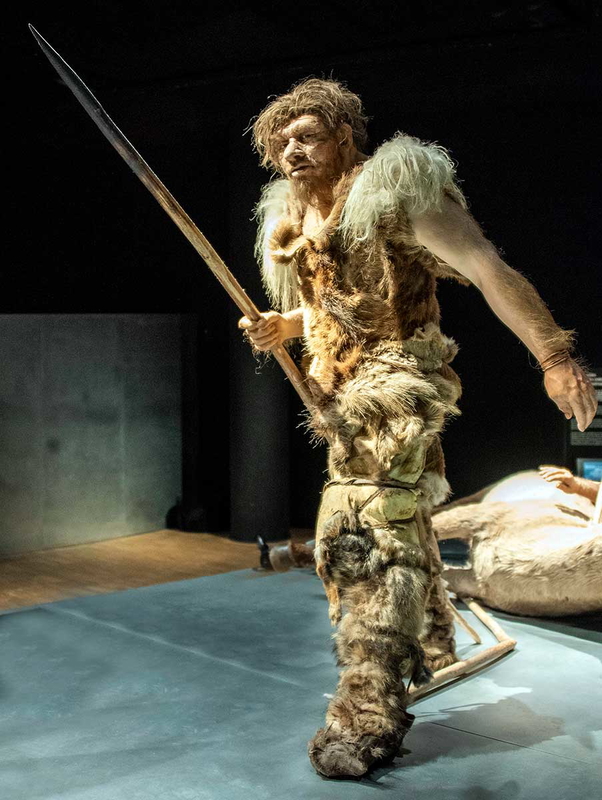
Surviving in Europe during the Ice Age required physical adaptations. Different lifestyles from their cousins in Africa required Neanderthals to have different body builds.
Neanderthals were stockier than Homo sapiens. Their builds helped them survive the cold and physically demanding lives, marked by confrontational hunting. With such active lifestyles, Neanderthals needed a much higher caloric intake than our Homo sapiens ancestors. Various studies have produced differing results on the exact numbers, and age, gender, and seasonal fluctuations all play a part.
A study by Hardy et al. suggests that Neanderthals required between 3,100 and 6,700 calories daily (across a broad spectrum). For comparison, that’s more than the caloric intake of professional rugby or football players with similar BMIs to Neanderthals.
Big Game Megafauna and Apex Predators
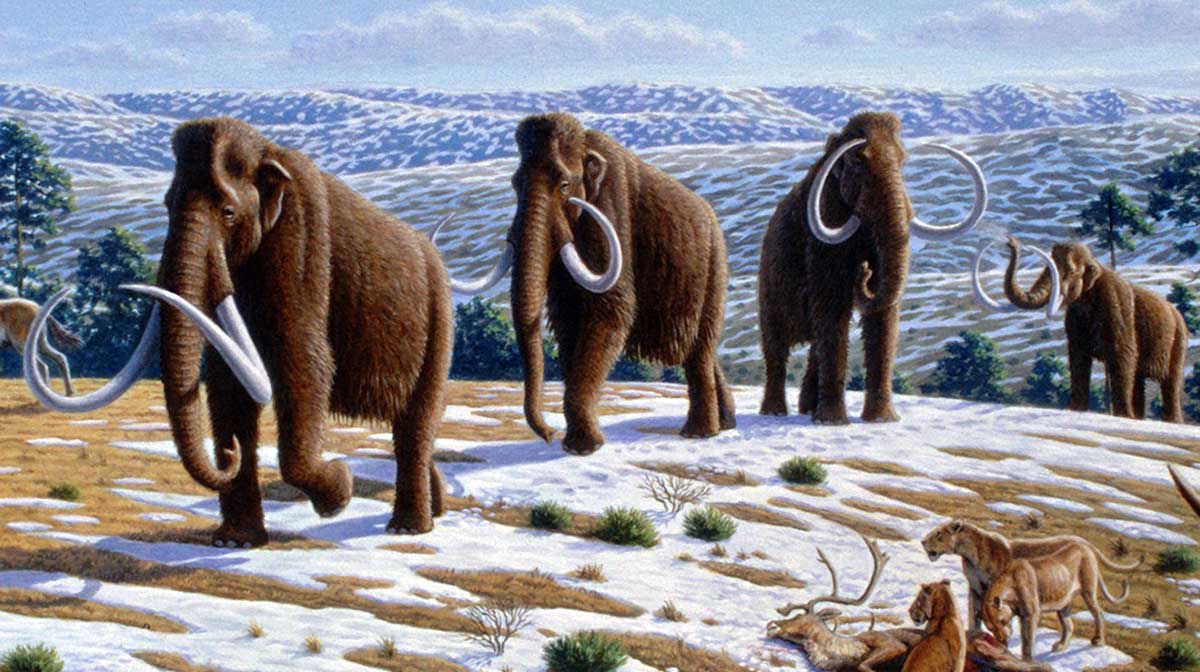
Feeding the stereotype is the fact that Neanderthals hunted various types of game in Ice Age Europe. Woolly mammoths and rhinos were on the menu, as were straight-tusked elephants, giant deer, aurochs and stags.
Neanderthals were remarkably tough humans, and no game was beyond their predatory gaze. Even apex predators like bears and lions were on the menu, proving that Neanderthals were apex predators in their own right.
Framing Neanderthals as meat-obsessed hunters, however, is a generalization that, in the modern view, is completely outdated. These were nuanced and complex people with equally nuanced and complex societies.
Wild Plants, Tubers, and Cooked Grains in the Prehistoric Diet
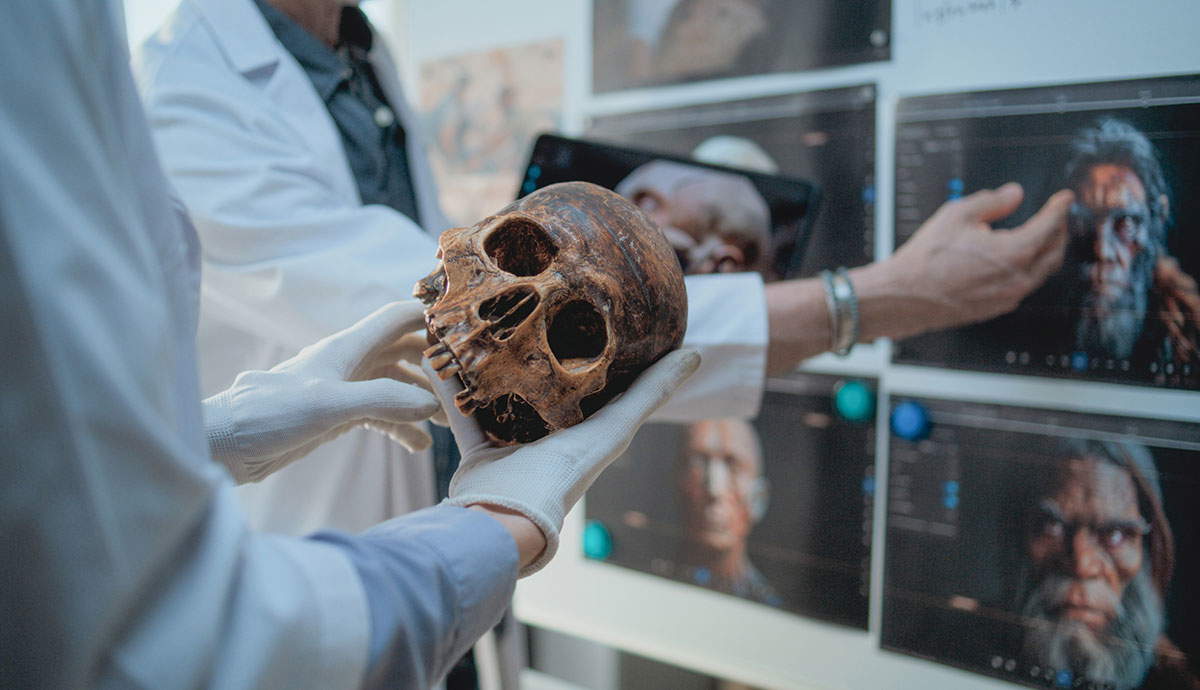
Neanderthals were certainly not obligate carnivores. Analysis of bones and teeth shows a varied diet. Like modern humans, different populations had different contexts. The environment offered different things, and some populations had far more meat-heavy diets than others. Evidence from Spy Cave in Belgium shows a population of Neanderthals living off wild sheep and woolly rhinos, while evidence from El Sidron Cave in Spain shows a diet of mushrooms, pine nuts, and moss. While plant species may have differed by region, they were common across the entire Neanderthal range and appeared in every diet, though only in small amounts in some cases.
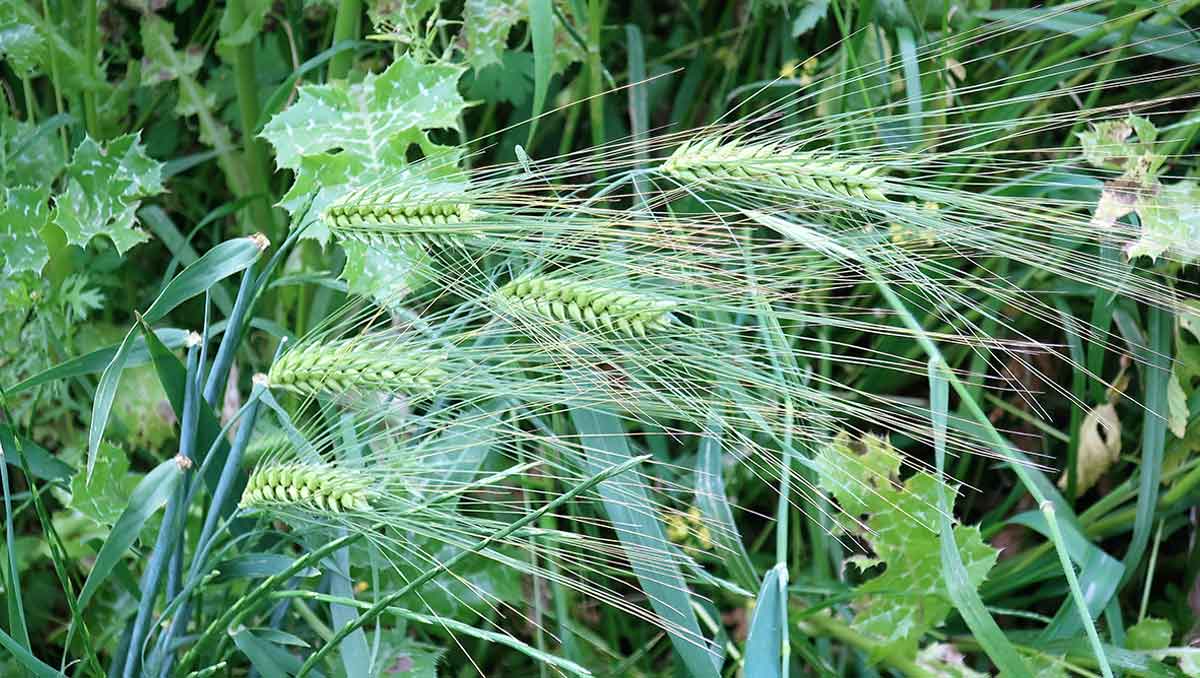
Preparing meals was a key feature. Neanderthals weren’t unsophisticated brutes shoving whatever food they could find into their mouths! Evidence shows they cooked their meals, and not just the meat, but their veggies as well. This included tubers, pulses, and processed grains, which they ground and cooked. Such preparation made the food far more digestible.
Medicinal Flora and Herbal Self-Treatment
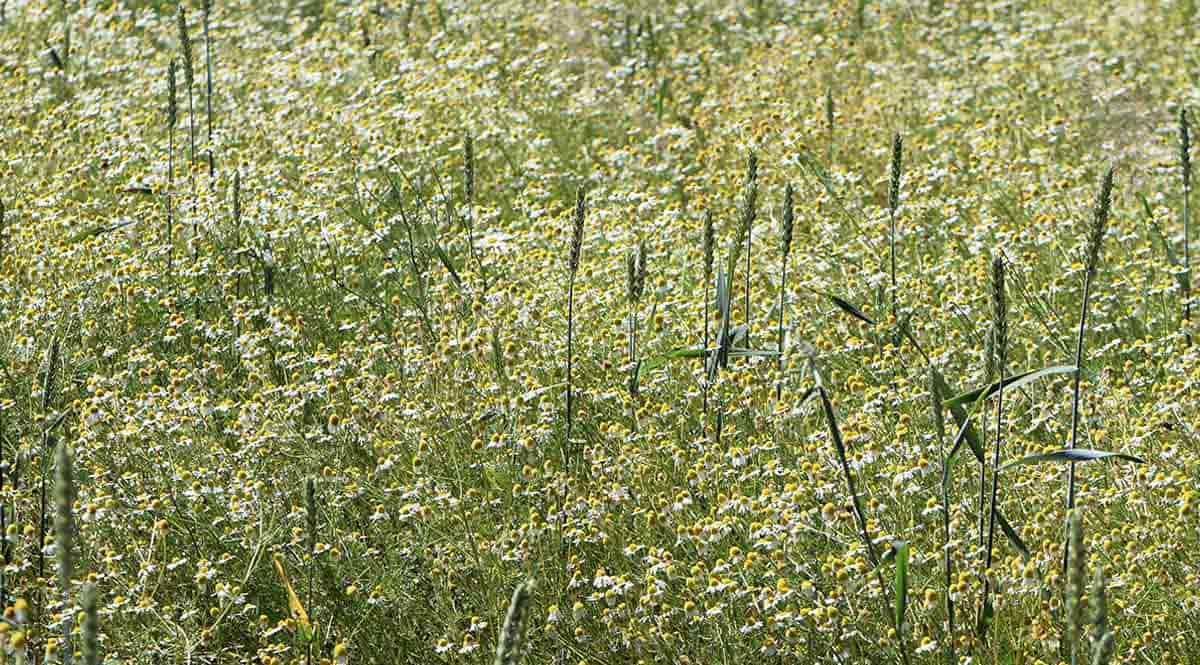
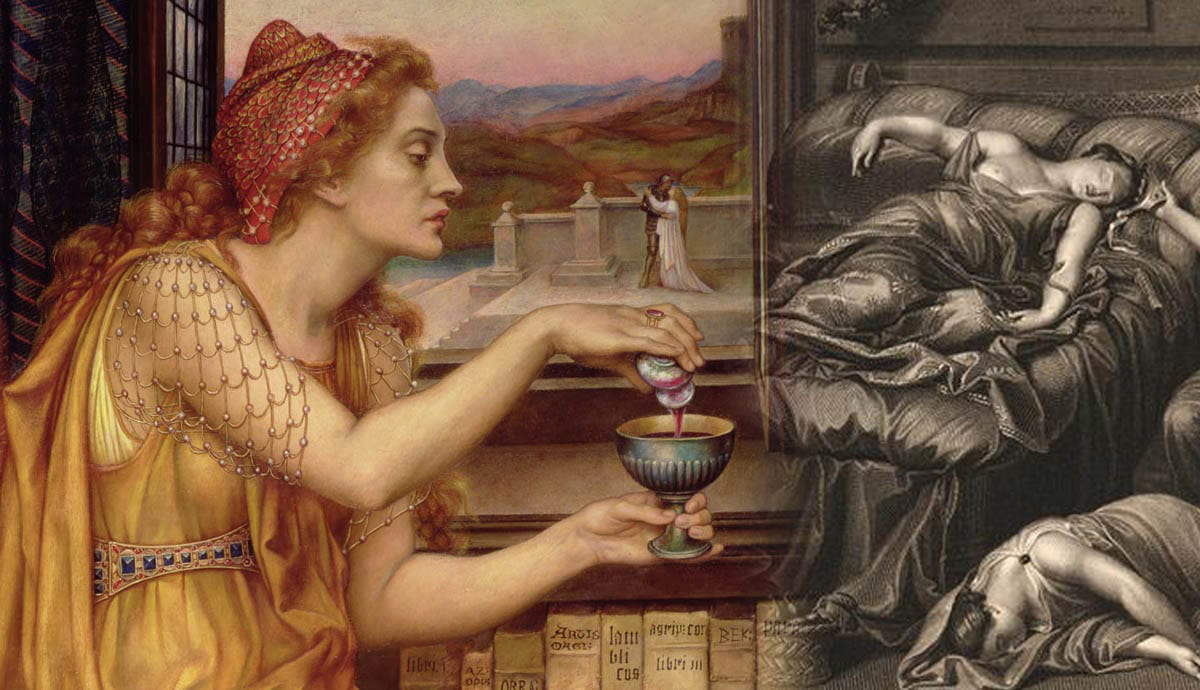
Plants didn’t just represent nutrition in the Neanderthal world. Like our Homo sapiens ancestors, they identified many plants as having medicinal uses. This is unsurprising given the hundreds of thousands of years Neanderthals had to interact with and discover their environment.
Evidence from El Sidron shows Neanderthals used chamomile and yarrow—bitter-tasting plants with little nutritional value. Chamomile is widely known as a calmative, while yarrow can be used to staunch bleeding and soothe the skin, especially from irritants like insect bites. Evidence from one Neanderthal individual also suggests the ingestion of Penicillium mold to control diarrhea from a chronic gastrointestinal pathogen, as well as the use of poplar bark to treat pain from a dental infection. The latter contains salicylic acid, an ingredient found in aspirin.
Although not proven beyond a doubt, this introduces the distinct possibility of pharmacology into Neanderthal culture, just the same as it exists in Homo sapiens culture.
Coastal Foraging and Regional Food Systems
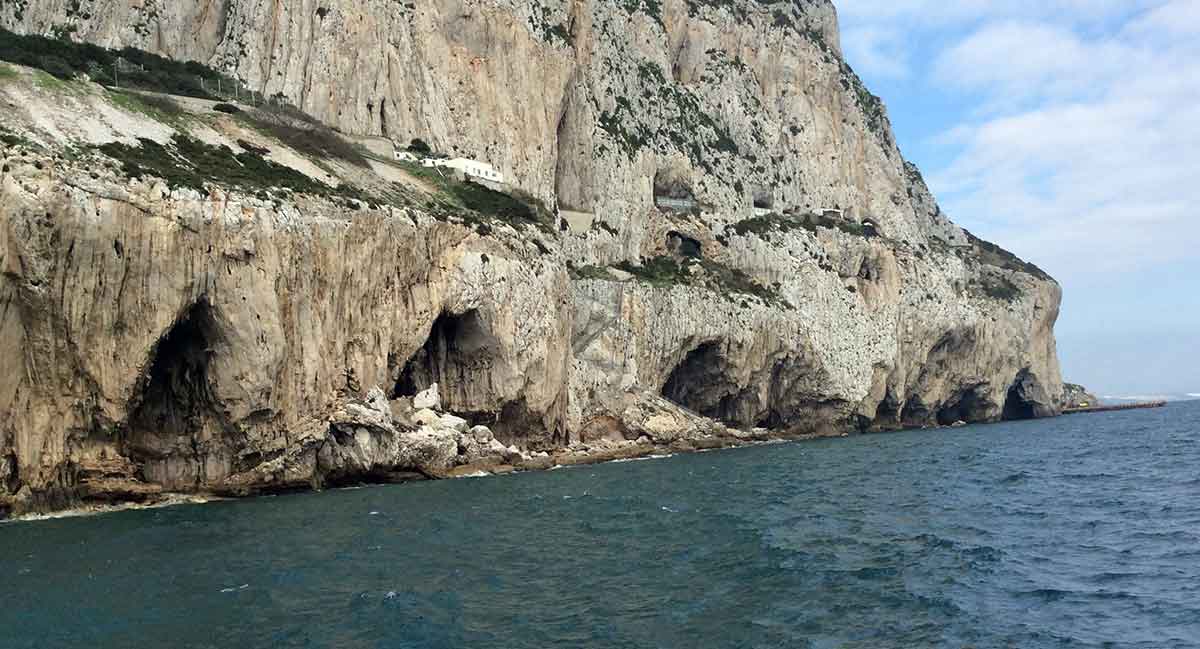
Neanderthals living on the coast also harvested food resources from the ocean. Evidence from Gibraltar clearly shows what these populations ate. Mollusks were easy to gather, but other animals such as fish, seals, and even dolphins made it into the Neanderthal diet.
Seals would have been hunted during the breeding season, while stranded dolphins became an easy target of unwanted culinary attention.
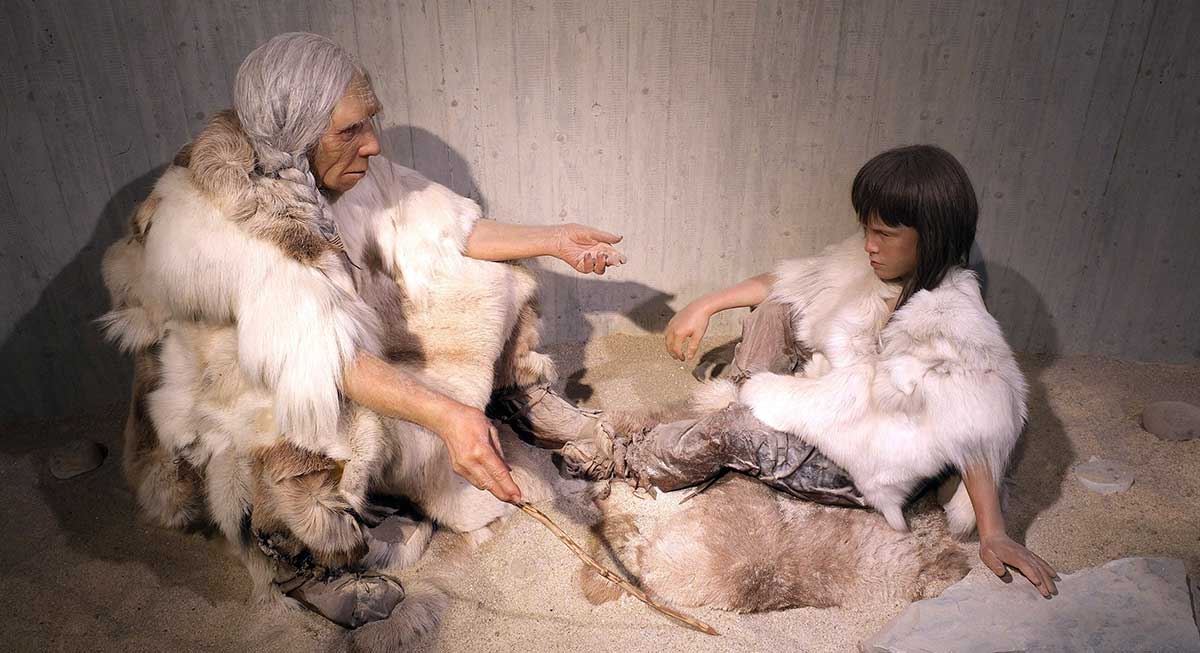
The Neanderthal diet was far from uniform, varying through regions and cultures. Like Homo sapiens, Neanderthals had the evolutionary blessing of adaptability, making them fearsome predators as well as opportunistic scavengers and foragers who could survive and thrive.