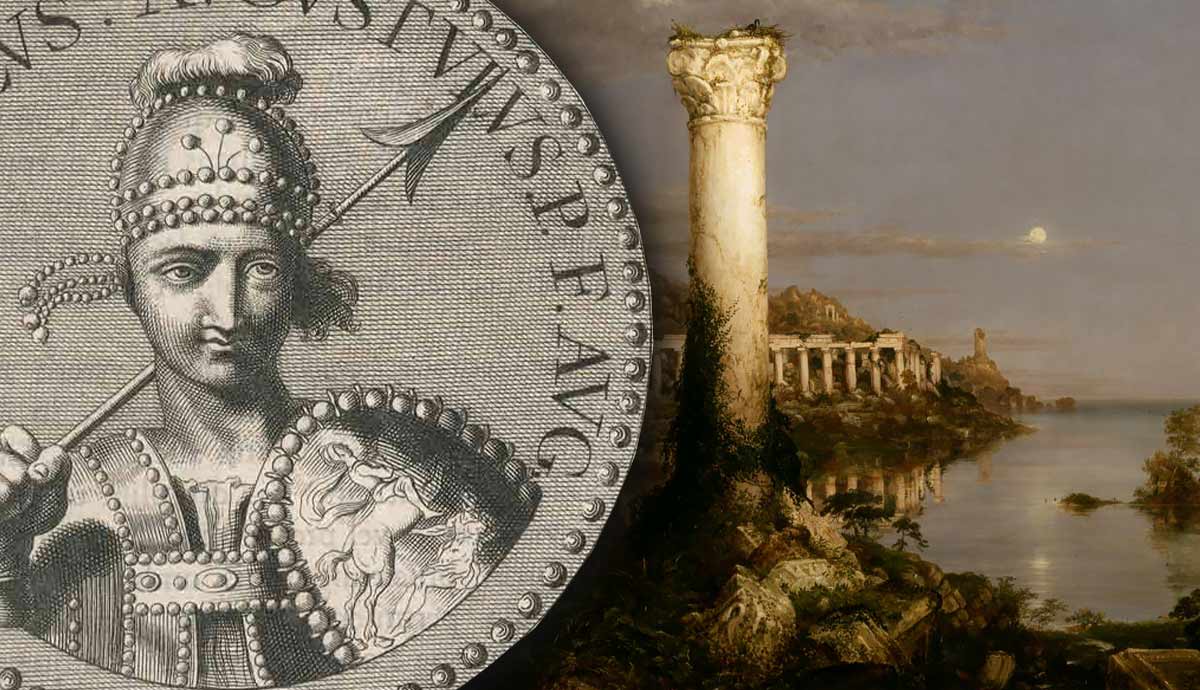

From the shining pinnacle of the Golden Age to the brutal Age of Iron, humanity did not progress but suffered a slow descent into an abyss of regressive decay where the flame of knowledge dimmed, and the echoes of greatness were silent.
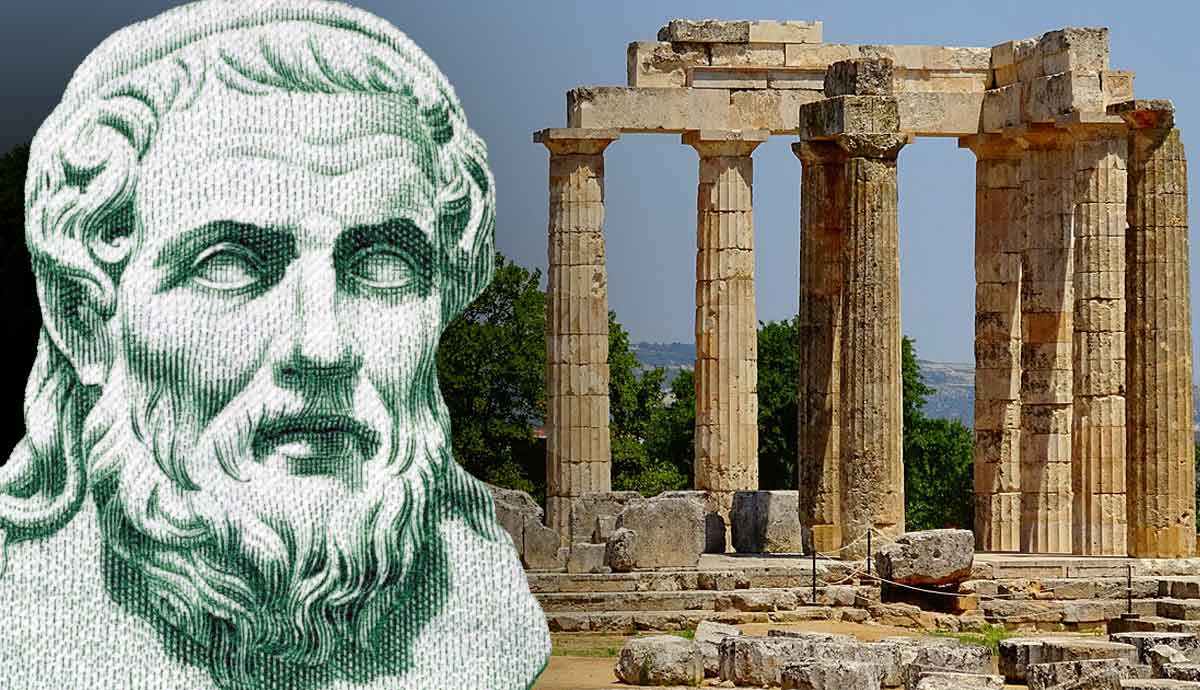
At least this was how Hesiod experienced the world. Generally thought to have lived sometime between 750 and 650 BC, this pillar of the Greek literary world brought valuable insight through his Works and Days, which stands as a seminal artifact in understanding ancient Greece in all its real and mythic eras.
Hesiod’s Five Ages of Man
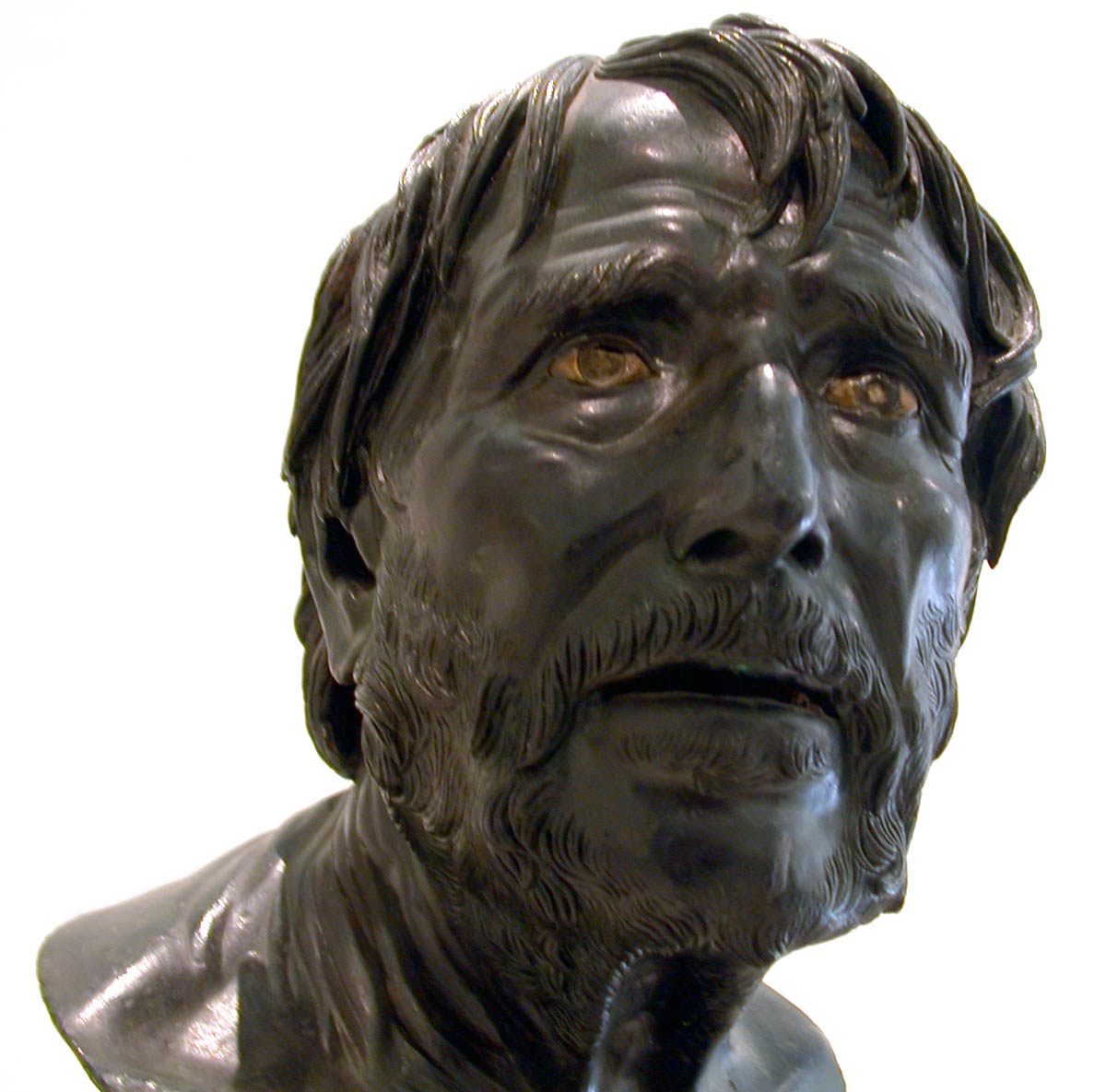
From Hesiod’s perspective, civilization was not progressing, but collapsing from a utopian past to a future of decay and strife. Hesiod’s cynicism can be explained by Greece’s history and what he likely knew of the past. His era was one of transition, following a dark age preceded by the late Bronze Age collapse.
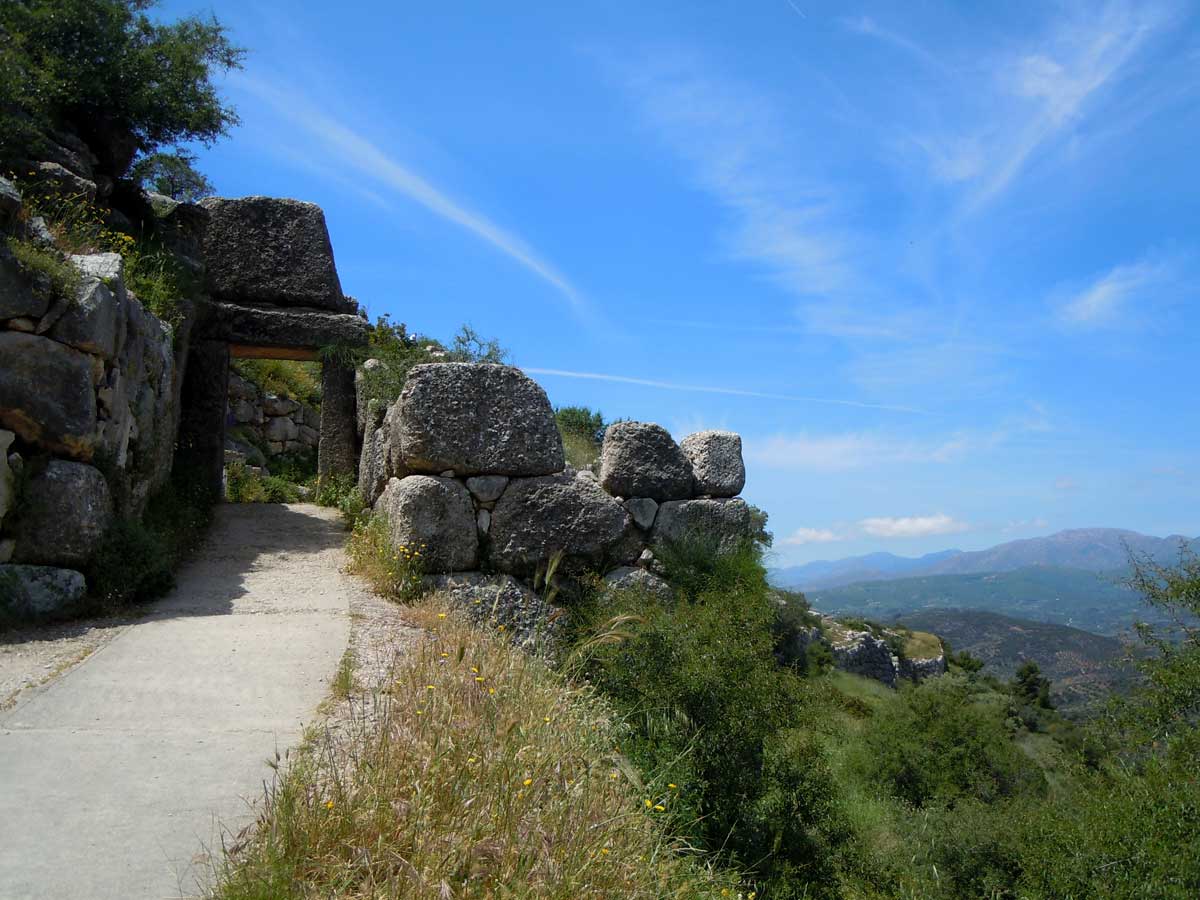
Before this was the Mycenaean Age, characterized by great palaces and epic stories of grandeur. It is easy to see why Hesiod viewed the world as devolving, as his connection to successful civilization was one of nostalgic tales. It was an era at the end of a long period of decline, and he would not live to see the Archaic Age birth the Classical Era of ancient Greece.
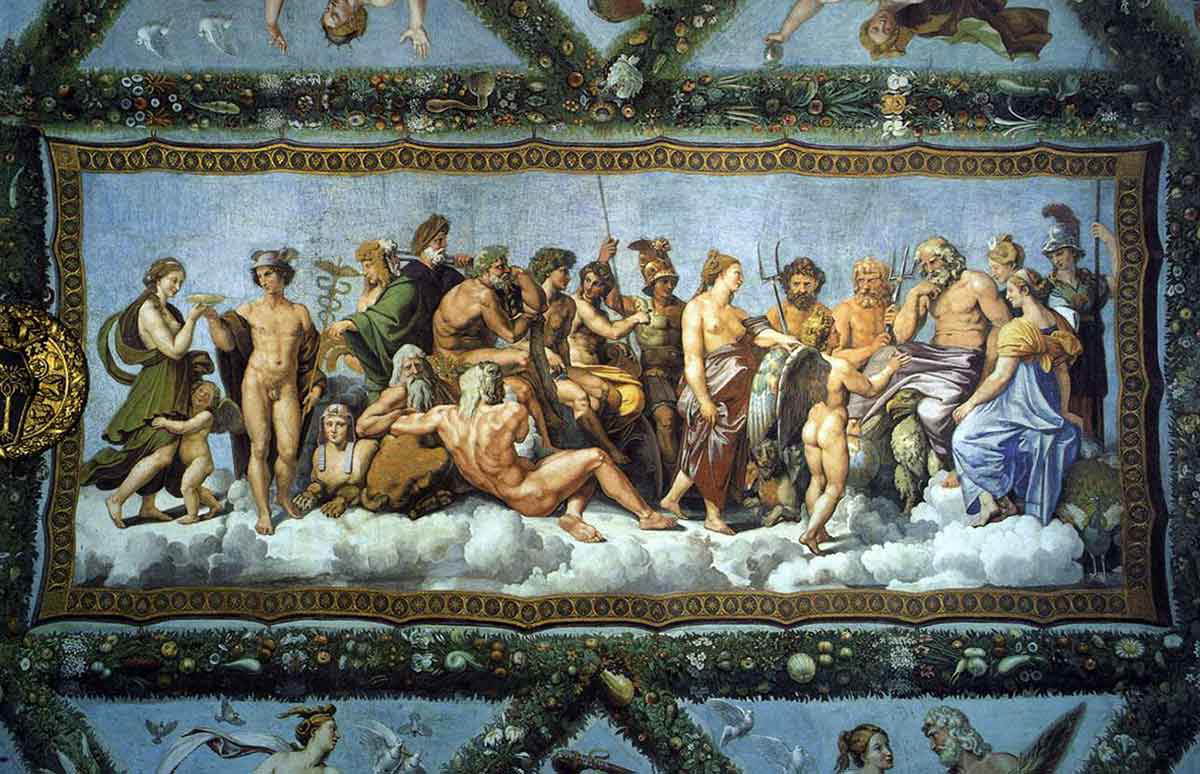
According to Hesiod, the first age was the Golden Age, which started when Cronus took power. During this time, there was peace and abundance, and humans lived for a long time and with a youthful appearance.
The Olympians’ overthrow of Cronus and the Titans signaled the beginning of the Silver Age, in which men lived for a hundred years as children under the control of their mothers. The short time they spent as adults was characterized by a life of strife until their death, when they became blessed spirits.
Following the Silver Age was the Bronze Age, which was an age of violence and war, followed by the Heroic Age, filled with heroes and demigods. Despite the heroism, this age was followed by the Age of Iron, a time of misery and suffering. It was an age of little honor, where cruel men ruled with lies and felt no shame in doing wrong to their fellow humans.
Toil and Suffering in the Age of Iron
“For now truly is a race of iron, and men never rest from labor and sorrow by day, and from perishing by night; and the gods shall lay sore trouble upon them.”
—Hesiod, Works and Days
Unlike the Golden Age, where people lived with abundance and without care, Hesiod’s era was full of hardship. This was viewed by Hesiod as the loss of effortless bios, translated as the “means of life.” It was, in his view, the result of divine punishment from Zeus, who withdrew the means of livelihood as revenge for Prometheus’ attempt to deceive Zeus in favor of humans in dividing up a feast. Zeus was tricked into selecting fat and bones while humans received the prized meat. Prometheus subsequently stole fire, which Zeus withheld in anger. Zeus punished men by creating women, the first of whom was Pandora, who released all evils upon mankind.
The archeological evidence certainly supports the fact that Hesiod lived in challenging times. The civilization of the Bronze Age had disappeared, along with the grandeur of the palaces and great cities that marked its cultural apex. Great cities (apart from Athens) were abandoned, and Greek people were forced to live simple lives of subsistence while society collapsed and populations declined. Writing disappeared, but the glories of the past were not forgotten. At least not by Hesiod.
The Absence of Aidos and Nemesis: Hesiod’s Warning of Moral Collapse
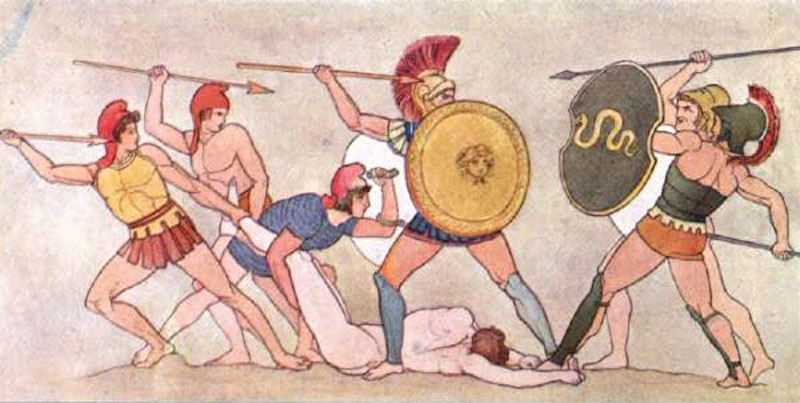
Hesiod did not believe that the Age of Iron would usher in any promising future for mankind. It was morally terminal and would be signified by the complete absence of justice. Human lives would be reduced to a fraction of what they were, and children would be born, already with grey hair, suggesting a degeneration of mankind so that even newborns show signs of old age. Familial and moral virtues would break down as respect and reverence were abandoned in favor of self-serving actions. Those who attempted good would not be rewarded or revered, and instead, those favors would be heaped on the wicked for their lies. Meanwhile, war and plunder would destroy communities as violence became the norm.
For Hesiod, this time is characterized by the absence of “Aidos,” the feeling of shame or reverence that restrains men from wrongdoing, and “Nemesis,” the righteous indignation of seeing injustice, especially the sight of the wicked living in prosperity. Anthropomorphized in Hesiod’s text, these “sweet forms in white robes will go from the wide-pathed earth and forsake mankind to join the company of the deathless gods.”
From a historical perspective, it is easy to see why Hesiod believed there was only degeneration of society. He had no examples of the subsequent rise of civilization after its collapse—a cycle that can be attested through modern analysis and the benefit of an extra 28 centuries of history to draw from. He did not live to see the recovery of Greece in the Classical Era, nor the glory of Rome, nor any of the collapses and golden ages that came after.
Nevertheless, his pessimism was not unique to him nor the age in which he lived.
Hesiod’s Dark Age and the Modern World

Hesiod’s way of thinking is not uncommon in human psychology. It is as widespread today as it has ever been and is labeled “declinism”—the tendency to view the past in a positive light and the future in a negative one.
It’s a natural human phenomenon based on the idea that we form our strongest memories from late adolescence and early adulthood, associating this time with the joy of youth and freedom. After this point, life feels like it is in decline, and that things are getting worse. Added to this is the human inclination to focus on negative aspects of life, including the news, which constantly bombards us in the modern age.
Hesiod’s key ideas are prevalent today, with perceptions of mistrust, shame, and the feeling that the wicked prosper while good people are punished. Meanwhile, politicians play on the idea that the past was better—a key example being the “Make America Great Again” slogan, a not-so-subtle nod to the idea that America lost its greatness.
Whether life is good or bad, the positives are often ignored. Harvard Professor Steven Pinker points to this dynamic, indicating that people focus on negative events and conclude that the world is getting more violent, contrary to empirical evidence that shows the complete opposite. Homicide rates in the United States, for example, have actually halved since the early 1990s. Considering how the news focuses on mass shootings and violent crime, it’s easy to understand why people would think otherwise.
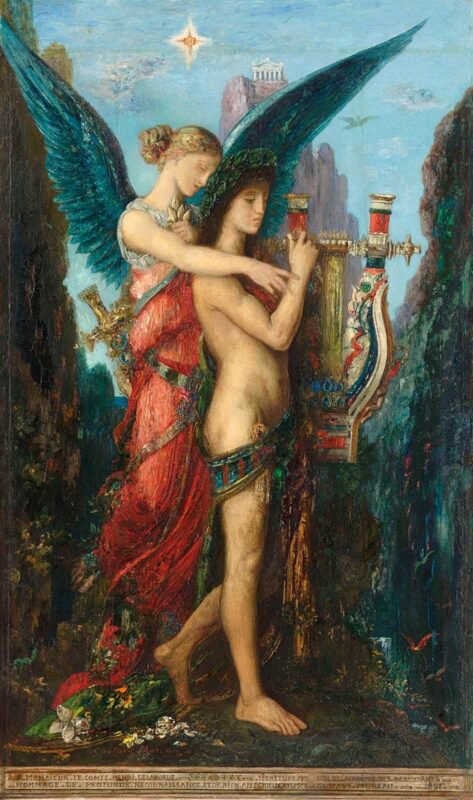
Despite the pessimism, in Works and Days, Hesiod pleads for humanity to return to justice. He still had hope that human beings could rise above the violent times. He died at the beginning of the Archaic Era, when Greece began a centuries-long shift to the Classical Era and entered a golden age. As such, his hope was justified.
And hope is a constant that still exists.