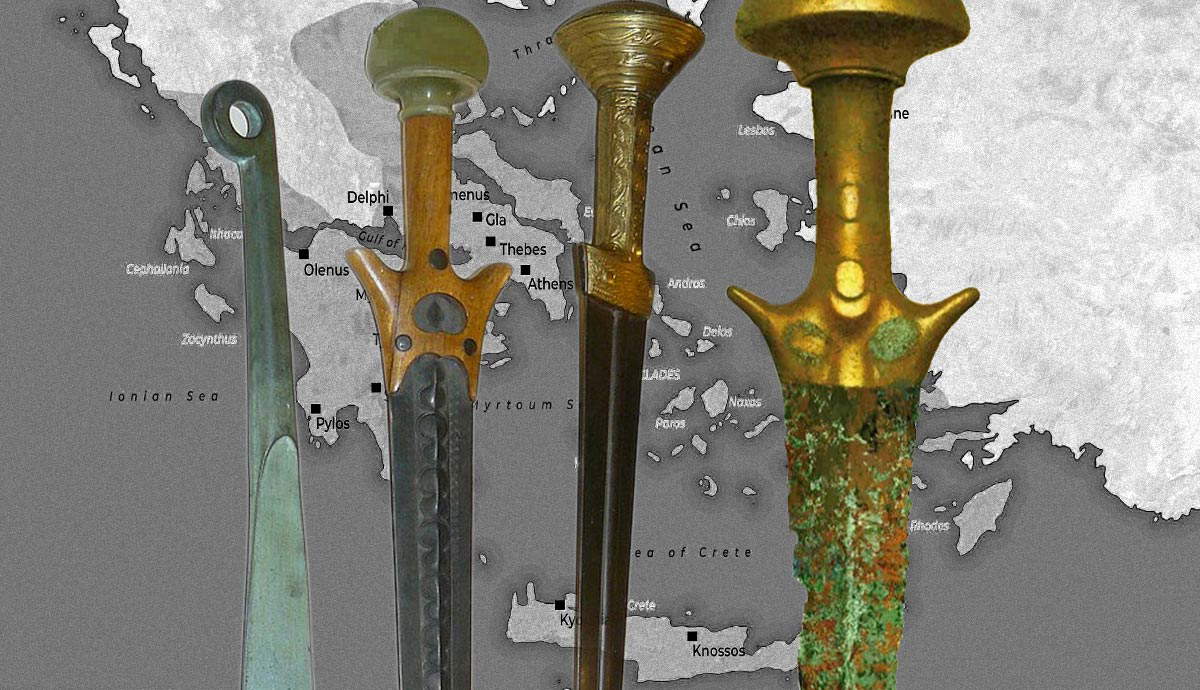

Homer’s Iliad is famous for its epic battles, bronze weapons, and fleets of wooden ships. But what did this warfare demand from the natural world?
In her book Epic of the Earth, Professor Edith Hall, a renowned classicist and author, examines the environmental history hidden in Homer’s poem, revealing what it can tell us about the relationship between war, humanity, and the landscape—from the Bronze Age to today.
I think erasure from literature is a very powerful analytical tool. What’s not in there? We never actually see a real foundry once in the Iliad—a poem that mentions bronze about a thousand times.
What Is Homer’s Iliad About?
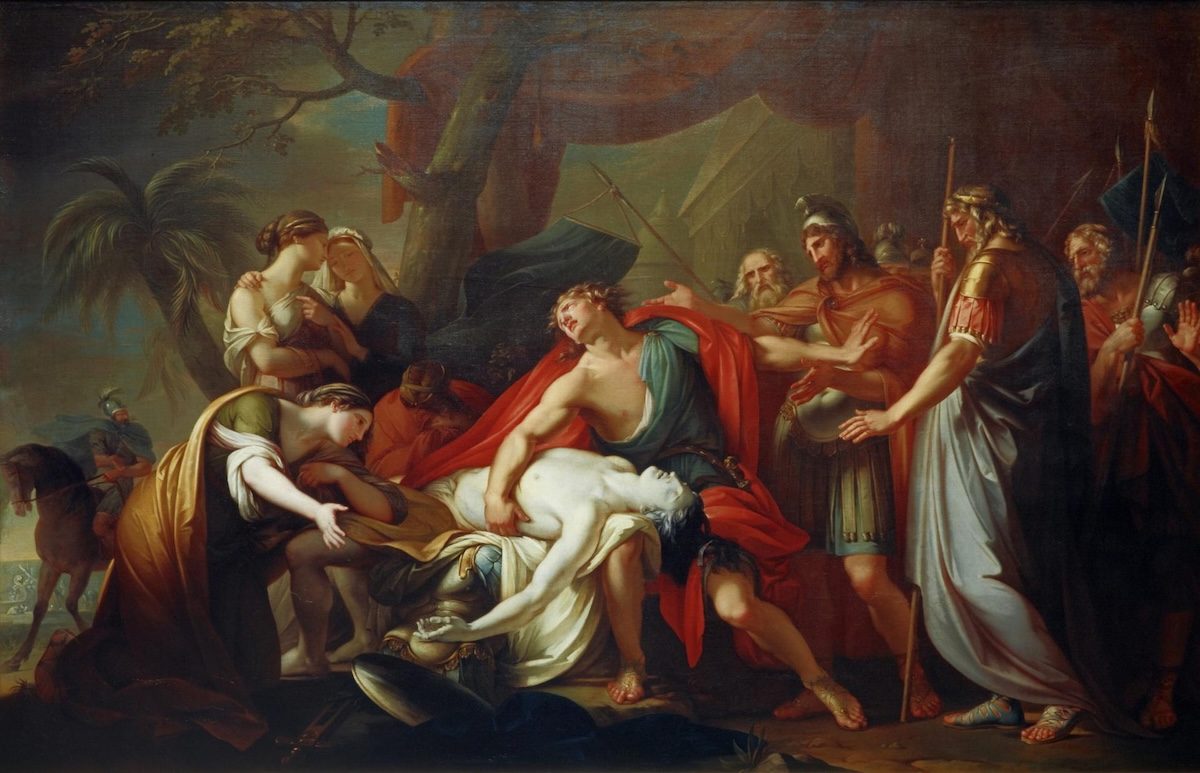
Traditionally attributed to the ancient Greek poet Homer, the Iliad was composed around the 8th century BCE, drawing on centuries of oral storytelling. Set during the legendary Trojan War, the epic explores the rage of the warrior Achilles and its devastating consequences during the conflict’s final weeks.
The Iliad has shaped how generations of readers understand war, honor, and human nature. It has also influenced how we imagine the Late Bronze Age, the period in which the Trojan War is set. But what can this familiar story reveal when we look beyond its heroes and battles?
How Epic of the Earth Connects Homer to the Climate Crisis
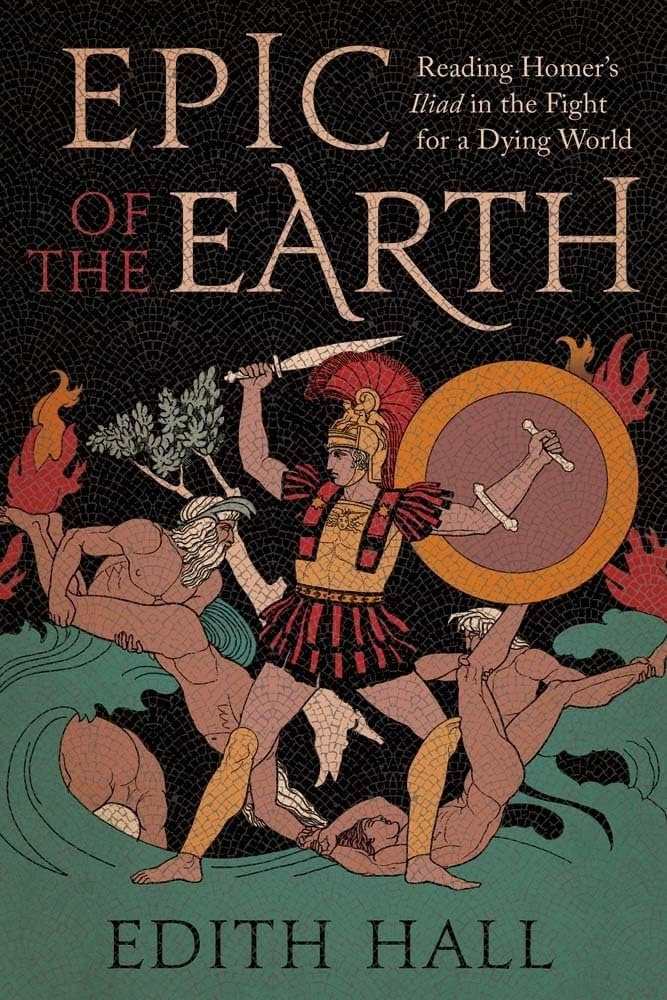
Epic of the Earth: Reading Homer’s “Iliad” in the Fight for a Dying World (2025), published by Yale University Press, offers an environmental reading of Homer’s epic. This approach, known as ecocriticism, examines how literature represents the natural world and humanity’s relationship with it.
Hall looks at the ecological realities behind the Iliad’s heroic spectacle, from the timber needed to build ships to the resources required to produce bronze weapons. She also considers how environmental exploitation connects to labor, social inequality, and imperial expansion. By bringing these often-overlooked dimensions to light, Hall shows how an ancient poem can offer a different perspective on humanity’s relationship with the natural world, including the environmental challenges we face today.
Exploring Edith Hall’s Latest Book, Medea: A Life
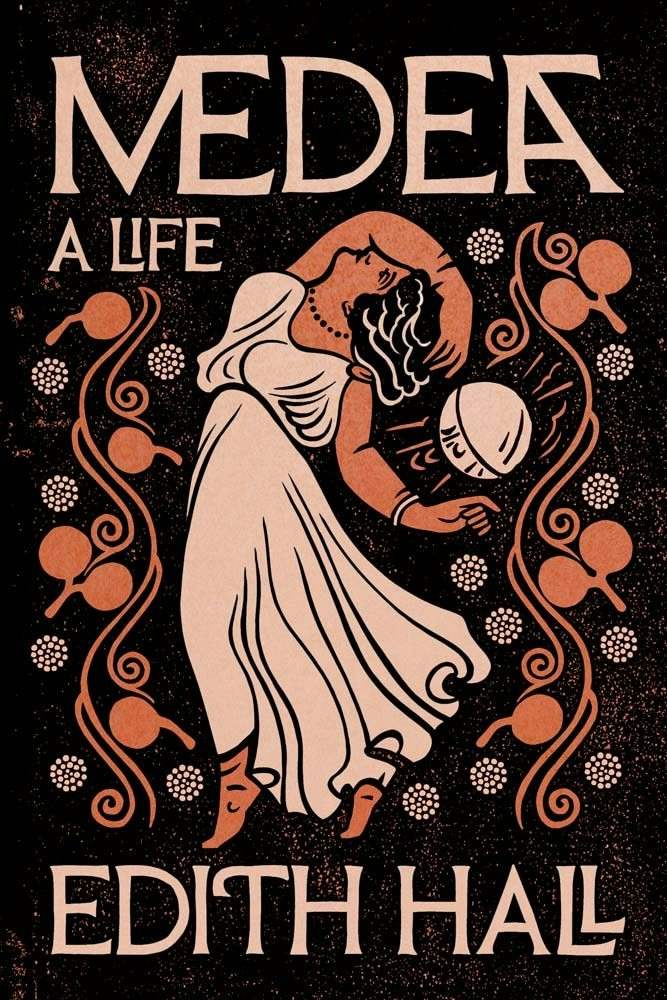
Hall’s exploration of Greek mythology continues in her latest book, Medea: A Life, which traces the mythological sorceress from her childhood in Colchis to her eventual exile to Athens. Drawing on ancient sources and historical context, Hall looks beyond Medea’s infamous murder of her children. She portrays a compelling, complex woman shaped by displacement, relationships, and life in a patriarchal world.
Published by Yale University Press, Medea: A Life is now available to purchase here.