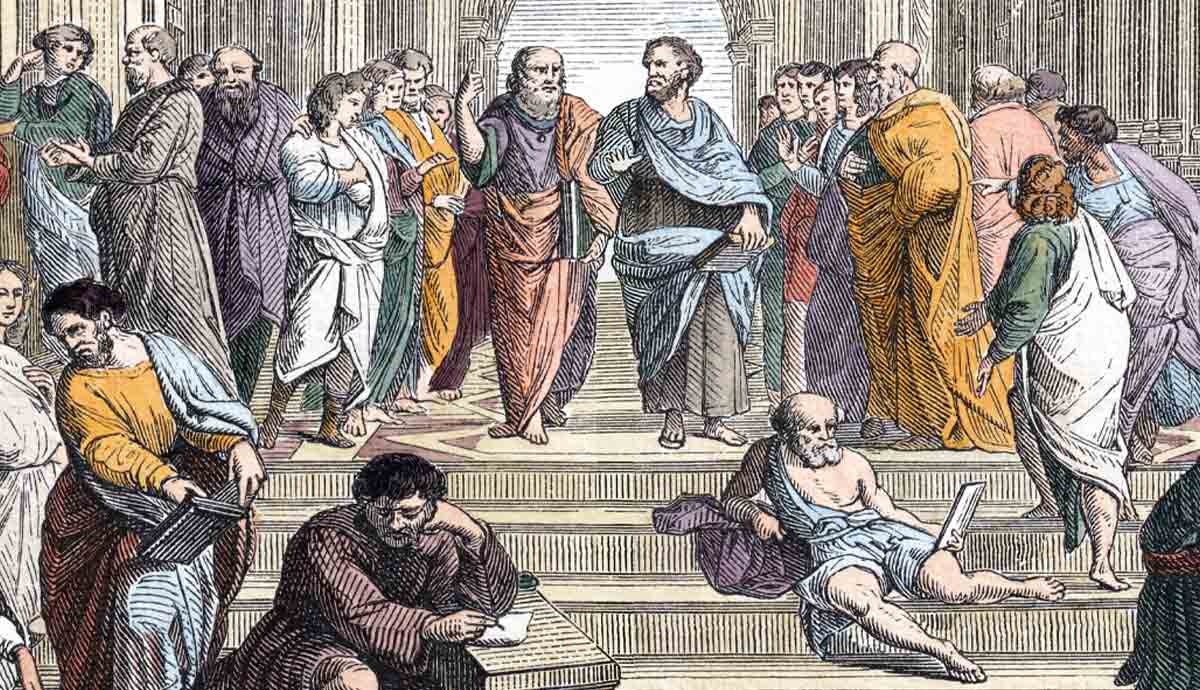

When people think of ancient philosophy, they often think of Stoicism: a philosophy of resilience, self-command, and living well. But another ancient tradition offered a different starting point: Skepticism, which asks us to question what we think we know. Rather than opposing each other, these two approaches may offer more when combined.
In this episode of TheCollector, philosopher and K.D. Irani Professor of Philosophy at the City College of New York, Dr. Massimo Pigliucci, explains how Skepticism can complement Stoicism, and what both traditions can teach us about living a meaningful life today. His latest book, How to Be a (Happy) Skeptic, turns to Cicero and the ancient Skeptical tradition for lessons on doubt, uncertainty, and living well.
I still think Stoicism is one of the most useful philosophies of life ever articulated, but things can always be improved. A little bit of Skepticism peppered on top of the main dish of Stoicism makes for a very good combination.
What Is the Difference Between Stoicism and Skepticism?
Stoicism emerged in Athens in the early 3rd century BC. It became one of the major schools of Hellenistic philosophy. Stoics believed that living well meant developing strong character and learning to respond wisely to the things we can control. The philosophy later influenced Roman thinkers such as Seneca, Epictetus, and Marcus Aurelius.
Skepticism developed around the same time, but took a different approach. Skeptics focused on how we form our beliefs and what we can truly know. They didn’t reject knowledge outright, but they questioned whether we could ever be completely certain that our beliefs were true.
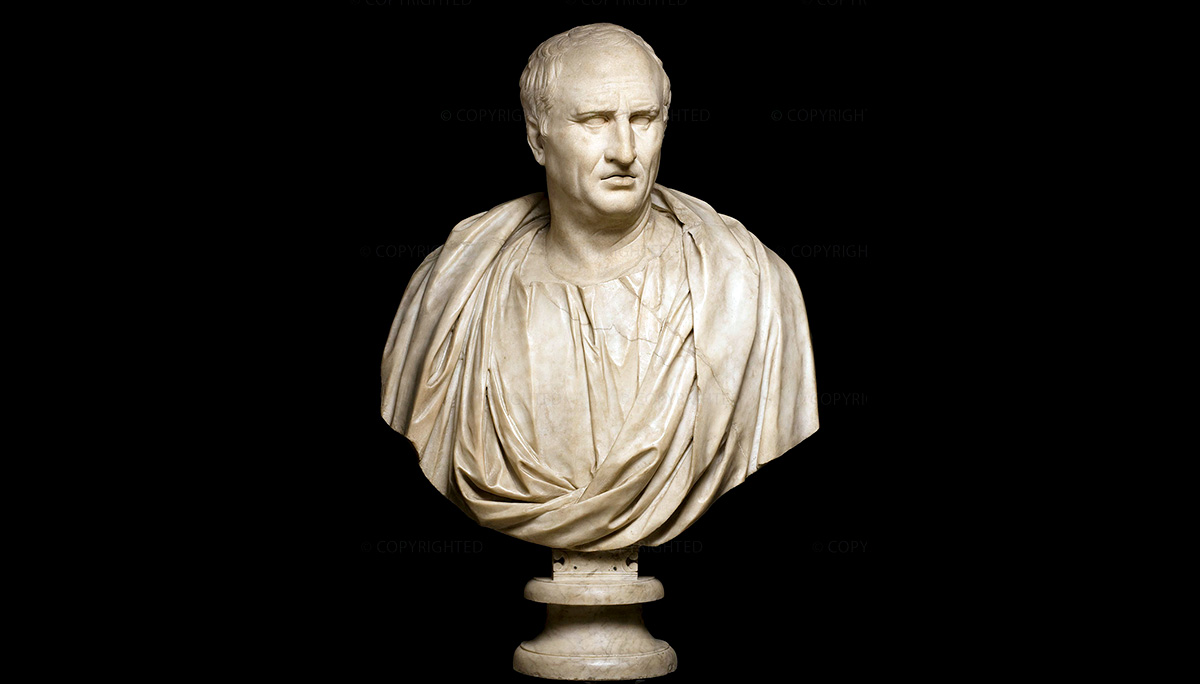
The Roman statesman Cicero offers an important connection between the two ancient Greek philosophies. Deeply influenced by Stoicism, he was also associated with Academic Skepticism in Rome and emphasized examining different philosophical positions. For Dr. Pigliucci, this combination provides a way to consider how doubt and practical philosophy might work together.
How to Be a (Happy) Skeptic by Massimo Pigliucci
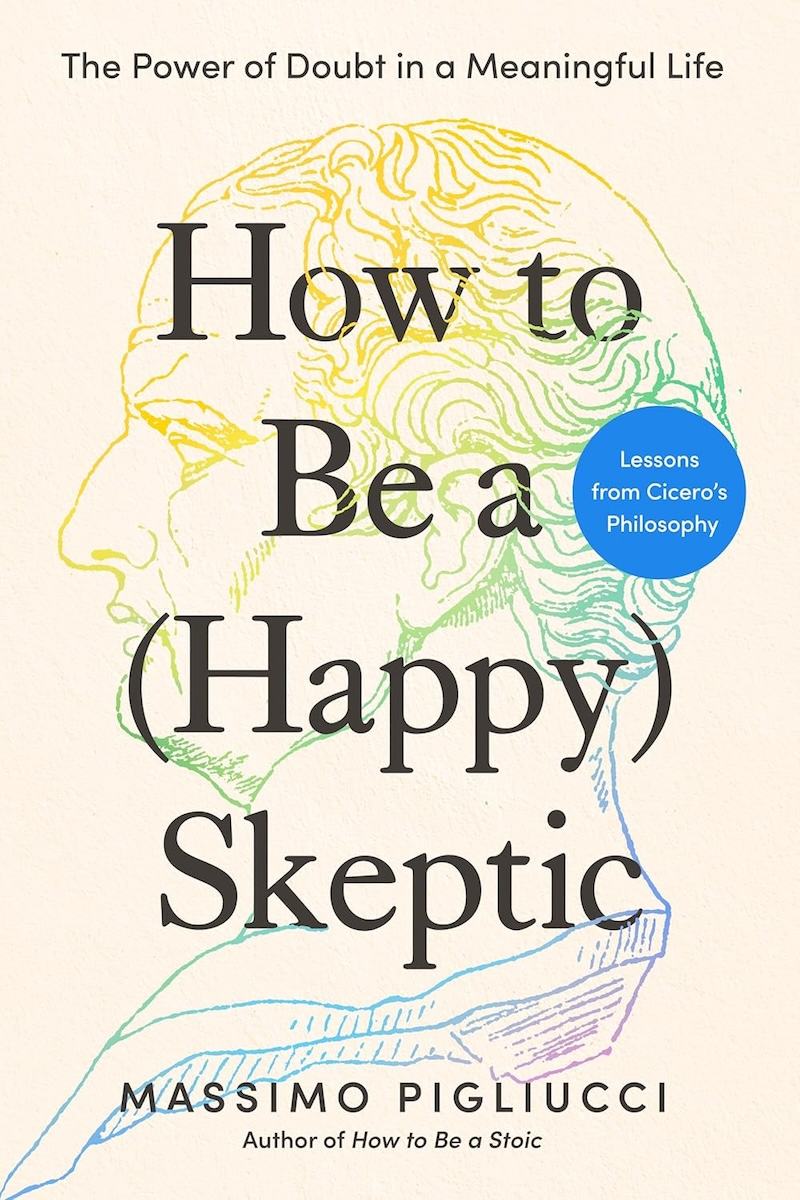
In How to Be a (Happy) Skeptic, Dr. Pigliucci turns to Cicero as a guide for applying ancient Skepticism to modern life. Drawing on Cicero’s biography and writings, he considers how doubt and intellectual humility can help us form our values, nurture friendships, participate in civic life, and face grief, pain, and death.
Here, doubt is not an end in itself, but a practice of curiosity and inquiry: questioning our assumptions while remaining open to better answers. For Dr. Pigliucci, Skepticism can complement Stoicism, reminding us that living well also requires examining what we believe.