
Before most Northern Renaissance paintings took shape on the panel, they began as drawings. Most were never meant to survive, but the rare drawings that remain from this period reveal how artists developed their ideas and collaborated inside the workshop.
In conversation with TheCollector, Dr. Olenka Horbatsch, Curator of Dutch, Flemish, and German Prints and Drawings before 1800 at the British Museum, explains how the museum’s Early Netherlandish drawings exhibition and accompanying research project are reshaping our understanding of Renaissance artistic practice. We also discussed how drawing became an art form in its own right, and what scientific analysis can reveal about these fragile works.
What artists from this period find worth drawing tells us a lot about their worlds, ideas, and sources of inspiration, but it’s not the finished result. Unlike a painting, it transports us into their world more readily.
How Northern Renaissance Drawings Transformed
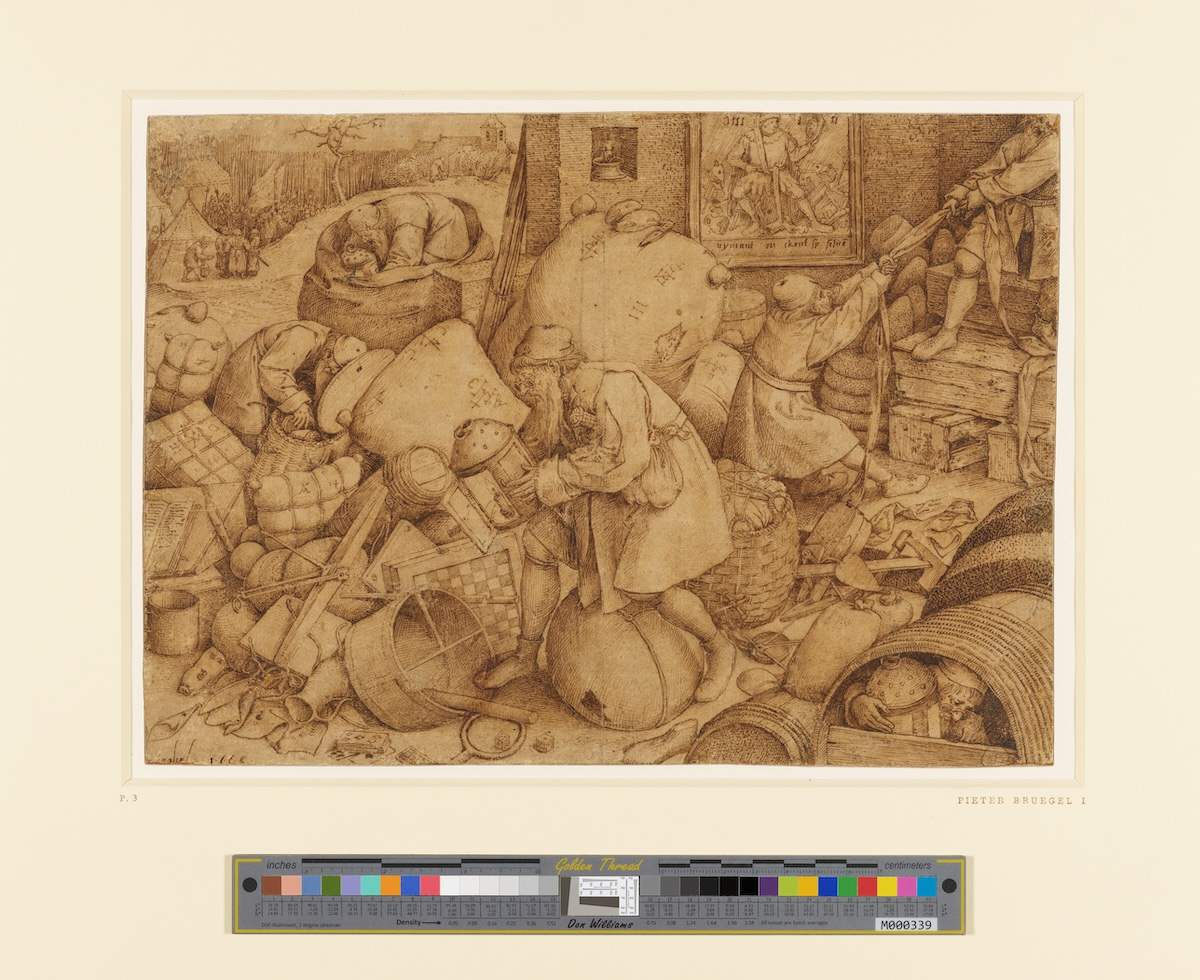
When most of us picture the Northern Renaissance, we imagine oil paintings rich with luminous color and meticulous detail. Masterpieces like Jan van Eyck’s Ghent Altarpiece or Pieter Bruegel the Elder’s Netherlandish Proverbs have come to define artistic achievement in the Low Countries during the 15th and 16th centuries—yet those paintings tell only part of the story.
Between about 1400 and 1600, drawing underwent its own remarkable transformation. What began as a practical workshop tool for training apprentices and developing ideas gradually became an art form valued in its own right. By the mid-16th century, artists were producing fully realized drawings intended to be collected, signed, and preserved.
Because these early drawings were functional objects, very few survived. Those that did offer an unusually intimate look into Renaissance workshops, revealing how artists experimented with materials, developed compositions, collaborated with assistants, and exchanged ideas across Europe. Rather than reinforcing the modern myth of the solitary artistic genius, they reveal a vibrant creative ecosystem that paintings alone don’t fully capture.
About Early Netherlandish drawings at the British Museum
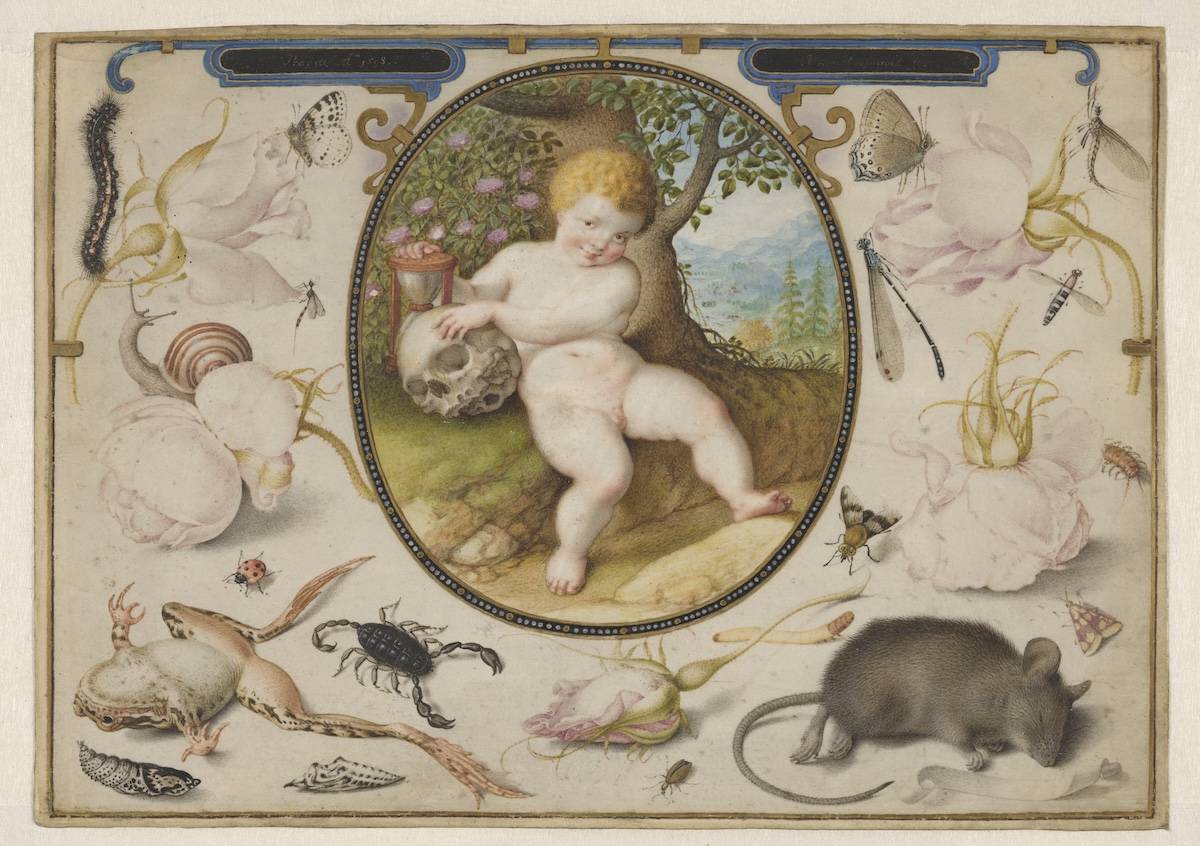
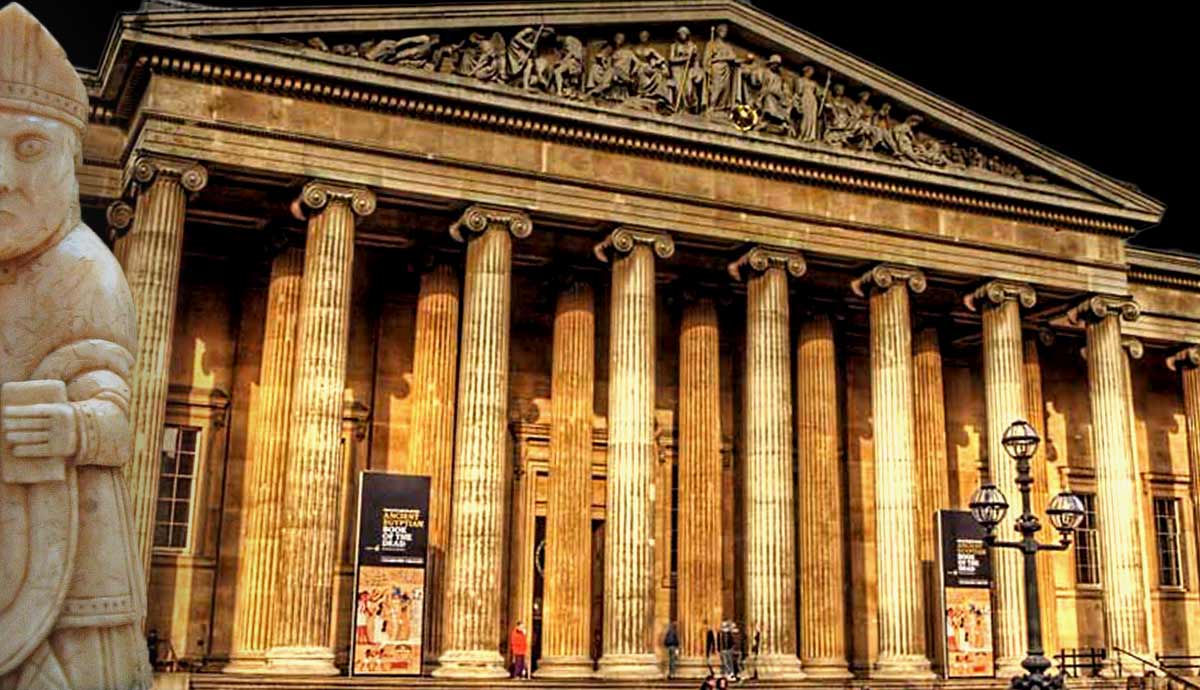
Now on view at the British Museum, Early Netherlandish drawings brings together around 120 rare works by artists including Rogier van der Weyden, Lucas van Leyden, Pieter Bruegel the Elder, and Hendrick Goltzius. The exhibition traces the changing role of drawing in the Low Countries between 1400 and 1600, bringing together works that reveal the ambitions, techniques, and experimentation of Northern Renaissance artists.
The exhibition is the result of a five-year research project that combined art history, conservation, and scientific analysis to uncover new insights into artists’ materials, workshop practices, and attribution. Among the discoveries are a reattribution to Bruegel and evidence of surprising materials used by Northern Renaissance artists.
Early Netherlandish drawings is on view at the British Museum in London through September 20. An illustrated catalog is also available via British Museum Press.