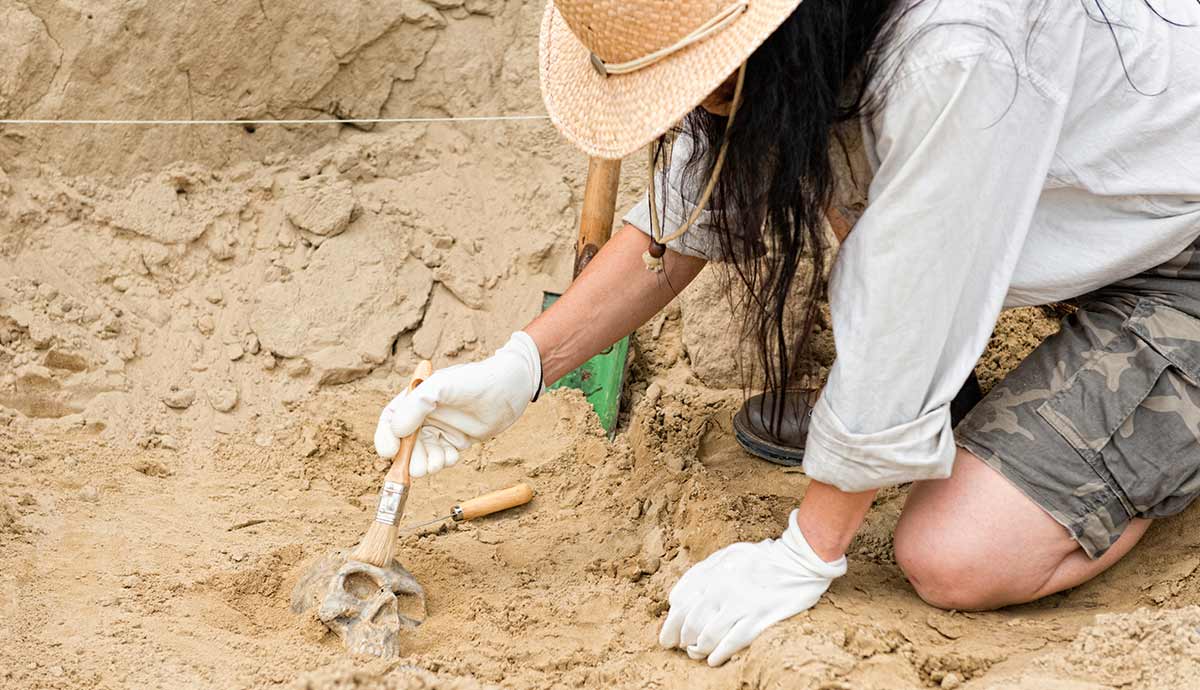

The Neolithic Age, the final stage of the Stone Age, is characterized by a shift from mobile, hunter-gatherer groups to settled farming communities. This is generally characterized as a cultural and technological revolution that put humanity on the pathway to modern civilization. This article explores six of the major changes that took place in the Neolithic Age that paved the way for modern life.
When Was the Neolithic Age?

Beginning in the Fertile Crescent of Southwest Asia, the start of the Neolithic Age occurred during the Holocene around 11,700 years ago.
The Neolithic Age was preceded by the Epipaleolithic period, which spanned from around 23,000 to 11,500 years ago. In the Levant, the final stages of this period are associated with the Natufian culture, which was characterized by an increase in sedentism, the emergence of new artistic and material culture, and intensified plant use. The Natufian culture had some of the last hunter-gatherer societies in southwest Asia before the transition to agriculture. The Natufians exploited the wild ancestors of the “founder crops” that would later be domesticated for agriculture.
The Neolithic Age was followed by the Chalcolithic period, a transitional period characterized by the emergence of copper metalworking, ceramics, and complex funerary practices. This was succeeded by the Bronze Age, when bronze began to replace stone for making tools and weapons.
There are many theories as to what drove the transition from hunting and gathering to agriculture, including global climate change, increased population densities, and reduced resources. Whatever the causes, these are the main changes seen in the Neolithic Age.
1. People Started Cultivating Crops

Small-scale, experimental cultivation of plants started at least 23,000 years ago, as evidenced by findings at a Stone Age site called Ohalo II. At this camp, hunter-gatherers used tools to harvest and process wild cereals, many of which were progenitors of crops that were later domesticated. The earliest known domesticated plants included wheat, barley, and pulses, all of which were then cultivated in the Fertile Crescent starting around 10,000 years ago.
Evidence indicates that farming emerged independently in several parts of the world. Rice was domesticated in the Yangtze River basin of China, taro in the New Guinea highlands, and potatoes in the Andes of South America.
Crops are considered domesticated as they adapt to human control and are grown in an environment manipulated by humans. A mutualistic process occurs in which both humans and plants adapt to one another. Traits such as color and taste were likely driven by conscious choice by humans, while characteristics like seed size and non-shattering would have occurred by unconscious selection. The emergence of agriculture brought about a new way of life.
Cultivating crops allowed communities to produce a surplus, which also needed to be stored. This enabled the population to increase, and also created new roles for individuals in the community. But there were also drawbacks. Agriculture required intensive manual labor, and the more restricted diet resulted in poorer nutrition. Populations started to show signs of issues such as dental disease and musculoskeletal disorders.
2. Animals Were Domesticated

Multiple livestock animals appear to have been domesticated independently in different regions of the world in the Neolithic Age, beginning in Southwest Asia. Here, sheep, goats, pigs, and cattle were domesticated around 10,000 years ago. China was also a center of domestication, including the domestication of pigs around 9,000 years ago in the Yellow River valley. Another major center was in the Andes in South America, where alpacas and llamas were first domesticated.
Pack animals such as donkeys, horses, and camels were domesticated for animal labor as humans developed trade routes some 6,000 years ago.
While farming gave rise to food surpluses that could be stored or traded, communities were vulnerable to any disruption to growing caused by issues such as droughts. Diets also changed, as people became reliant on their domesticated crops and animals, rather than seasonal and regional plants and animals.
Populations were able to grow beyond their previous capacity, and people became increasingly sedentary as they benefited from higher food production. But larger populations also brought challenges, for example, increased waste and sharing land with livestock led to new diseases.
3. Communities Became Sedentary

Sedentism can be broadly defined as the continuous occupation of settlements, for at least part of the year. There are several archaeological indicators of sedentism at a site. These include an increased number of burials, storage and processing facilities for food, commensal species like mice that benefit from living near humans, the presence of flora and fauna from different seasons, investment in denser dwellings, and buildings such as ceremonial structures and monuments.
Throughout history, anatomically modern humans have predominantly lived in small, mobile foraging groups. Sedentism emerged among the early Natufian in southwest Asia 15,000 years ago. The move to sedentism is linked to a warmer, wetter climate. The move towards a more sedentary lifestyle was not linear, and when the climate turned colder and drier, there is evidence of a return to more mobile living.
In southwest Asia, sedentism led to agriculture, but this was not always the case. In Japan, the sedentary Jōmon society relied heavily on wild plants, animals, and aquatic resources for over 10,000 years. In Japan, agriculture did not begin to spread until the introduction of wet rice farming from the Korean peninsula during the transition to the Yayoi period.
4. New Stone Tools Were Developed

The Neolithic Age saw an increase in the use of stone tools, also called lithics, which were used for everything from building and self-defense to harvesting and food processing. Tools were often made from flint and created using techniques like flint knapping, in which flakes were removed by striking the stone with another object.
Polished stone axes were vital tools during the Neolithic since they were used to fell trees to clear agricultural land, build settlements, butcher animals, and make other tools. Many axes have been found unused and polished, suggesting that they may also have served a ritual function. Grinding stones were also common, used to grind pulses, cereals, and other plant foods into edible substances. They were also used for processing minerals, medicines, and pigments.
In Europe, buried deposits of grinding stones in various stages of use, from new to worn-out, are also thought to have had ritual significance. Researchers have hypothesized that these burials symbolize life cycles of the Neolithic people and suggest the degree of wear was chosen to represent different periods in important cycles.
5. People Started Making Pottery
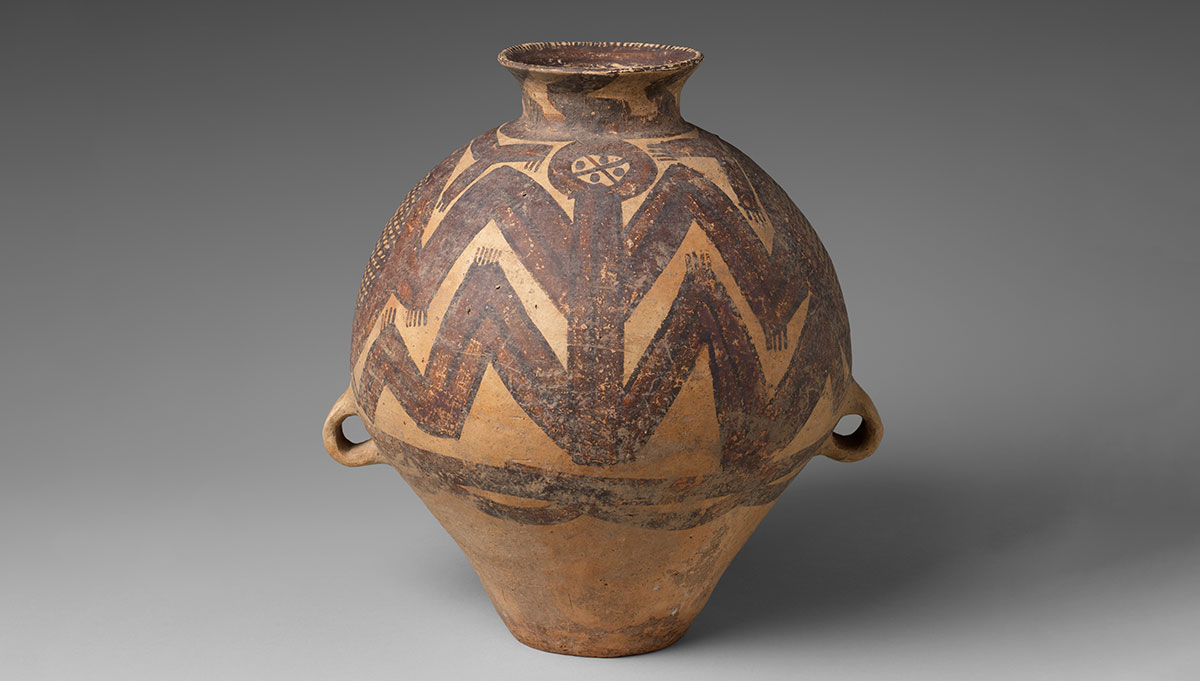
Pottery served many purposes during the Neolithic, but principally cooking and storing surplus food. In some regions, pottery is also believed to have had ritual uses, used during burials or ceremonies. Distinct styles of pottery emerged based on need and the materials available in the region.
The earliest evidence of pottery comes from East Asia as far back as 20,000 years ago, preceding the emergence of agriculture. By the Early Neolithic in China, ceramic vessels reflected different regional traditions. In Jiahu, analyses of globular jars revealed that the ceramics were used to ferment alcoholic beverages with fruit, honey, and rice. Yangshao, a significant Neolithic culture along the Yellow River basin, is known best for its painted pottery. Artisans used a coiling method to craft ceramic vessels that were fired in kilns and painted with animals, human figures, and geometric patterns with distinct red, black, and white pigments. Beyond advances in artistry, pottery demonstrates the developing capacity of humans to engage in symbolic expression.

While pottery preceded agriculture in some regions, it is more closely associated with sedentary farming communities in others. Early Neolithic farming communities in central Europe produced a distinctive pottery culture known as the Linearbandkeramik, or Linear Pottery. The name itself refers to the distinctive linear banded decoration seen on Linearbandkeramik pottery vessels, which were used for food preparation and storage.
In Africa, ceramics emerged during the African Humid Period when hunter-gatherer-fisher groups saw increased ecological productivity. Researchers hypothesize pottery to have emerged independently in the Central Sahara, Nile Valley, and West Africa, with the earliest evidence found in Mali at a site called Ounjougou.
6. Larger Communities Changed Social Structure
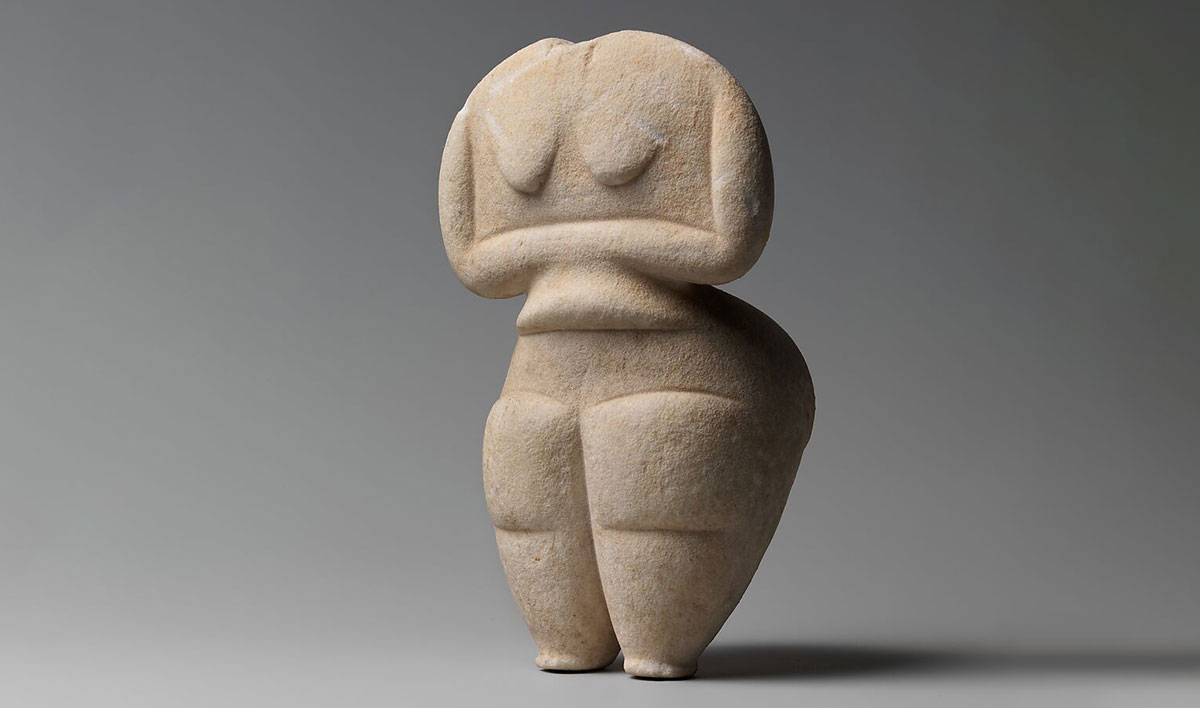
With the shift to a more sedentary lifestyle came the emergence of early village communities supporting hundreds of people. As the trend continued, so-called “megasites” emerged, where thousands of inhabitants occupied one settlement. This change represents a shift in human behavior, which resulted in new kinship practices and social organization.
Like hunter-gatherer communities, small sedentary communities faced the risk of inbreeding. Consequently, they maintained exogamous relationships with other groups to ensure a diverse pool for finding a mate. As megasites emerged, communities started to become more insular, as it was possible to find a partner within the settlement without the risk of inbreeding. There is still evidence of locals and non-locals mixing, but it laid the foundation for ideas such as nationality and citizenship.