
During the 19th century, European imperialists referred to Africa as “the dark continent,” confident that no complex civilizations had ever existed there. When colonial archaeologists found evidence to the contrary, they were dismissive of their finds. To this day, in the West, students of the ancient world have often never heard of the ancient African civilizations of Kush, Nok, and Aksum, although all three overlapped with the rise of Greco-Roman culture.
While many history enthusiasts tend to focus on the better-known North African Kingdoms of Egypt and Carthage, these three ancient powers were some of the world’s oldest and deserve much more attention.
1. The Powerful Kingdom of Kush in the Sudan
The Kush were ancient Egypt’s neighbors, and they would eventually place pharaohs of their own on the Egyptian throne. This powerful ancient kingdom is often referred to as “Nubia,” after the region of the Nile it once occupied. Many people still use the word “Nubia,” or “Nubian,” to describe all ancient African civilizations south of the Sahara, without differentiating between the various empires that rose and fell there.
The Kush civilization in particular was extremely important in the region, and it would have a long-lasting effect on the fate of ancient Egypt. Based in what is now Sudan, the kingdom of Kush emerged after the Egyptian conquests of the region, during Egypt’s New Kingdom Period (c. 1550 – 1070 BC).
Prior to the Egyptian conquests, Sudan was home to a thriving agrarian civilization at the city of Kerma (2500 – 1500 BC). Egypt had always had trouble with its southern neighbors, and it eventually took the opportunity to push south, conquering the region that stretches from Aswan in Southern Egypt to Khartoum.
When the Egyptian New Kingdom finally began to disintegrate in the 11th century BC, the powerful Kush civilization formed amid the chaos, breaking away from their Egyptian rulers.
By the time the Kush kingdom broke away from Egypt, the region of Nubia had been thoroughly Egyptianized, and the Kush inherited an interesting mash-up of local beliefs and Egyptian customs. Because of the cultural similarities between the Kush and the Egyptians, many early colonial historians failed to identify the Sudanese kingdom as an empire separate from Egypt, despite the fact that it existed as an independent entity from the 11th century BC until its collapse in the 4th century AD. Some even wrote that an unknown white civilization must have been responsible for the monumental architecture that they found there.
The new Kush kingdom, based around the capital city of Napata, became a thriving and wealthy empire in its own right, bolstered by Nile Valley trade. In recent years, digs at Napata have revealed a wealth of impressive palaces, tombs, and gigantic Egyptian-style statuary, part of a once vibrant metropolis.
Monumental temples to the God Amun are particularly common, and Napata itself was central to the cult of sun worship, an Egyptian fixation the Kush kept for themselves, long after they broke with Egypt. Contact with Egypt also gave the Kush a writing system, and they used a system based on hieroglyphics before developing their own form of hieroglyphics and cursive called Meroitic. This unusual language is one of the earliest written languages from sub-Saharan Africa, and tablets covered in the script are still being uncovered all the time.
In 2018, for example, one of the largest treasure troves of these texts ever discovered was found at Sedeinga in Sudan. While scholars are still struggling to translate this tricky ancient language, a huge amount of progress has been made in the last five years or so, and a wealth of information about Kush history is ready and waiting to be unveiled.
The Kingdom That Conquered Egypt
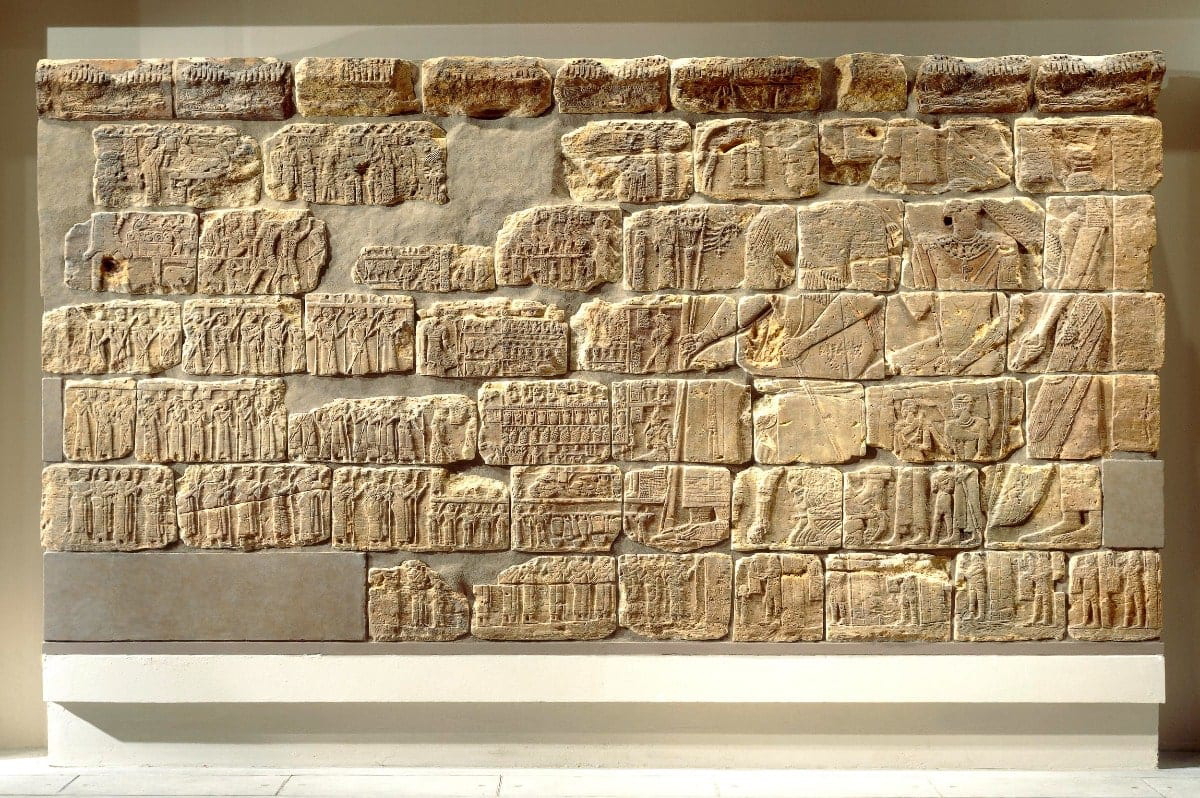
While Egypt dominated Nubia in the New Kingdom Period, the Kush struck back in the 8th century BC, determined to subjugate their old enemy. Taking advantage of a civil war between Upper and Lower Egypt, the Kushite King Kashta declared himself Egypt’s ruler, installing Egypt’s 25th Dynasty.
While Kashta died pretty much immediately, his son Piye marched into Egypt with an alarmingly large force and installed himself as pharaoh. Piye and his successors would rule over an enormous stretch of land which covered almost the entire length of the Nile, and they would continue to control Egypt for roughly a century.
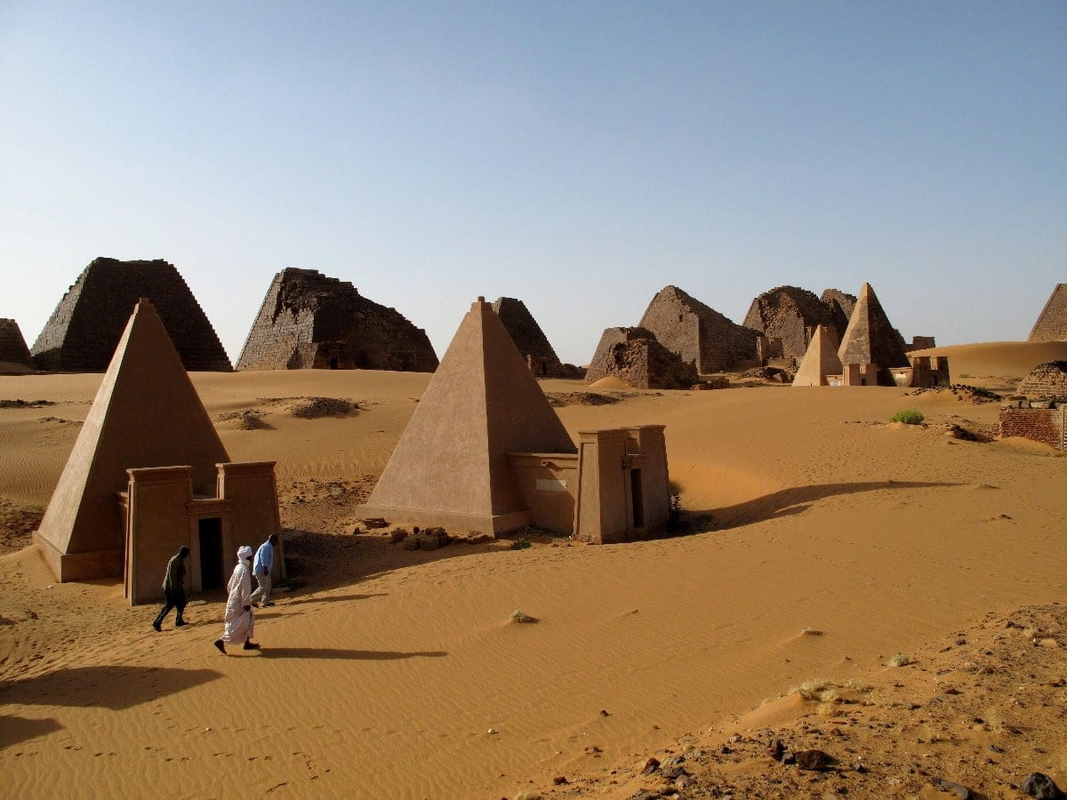
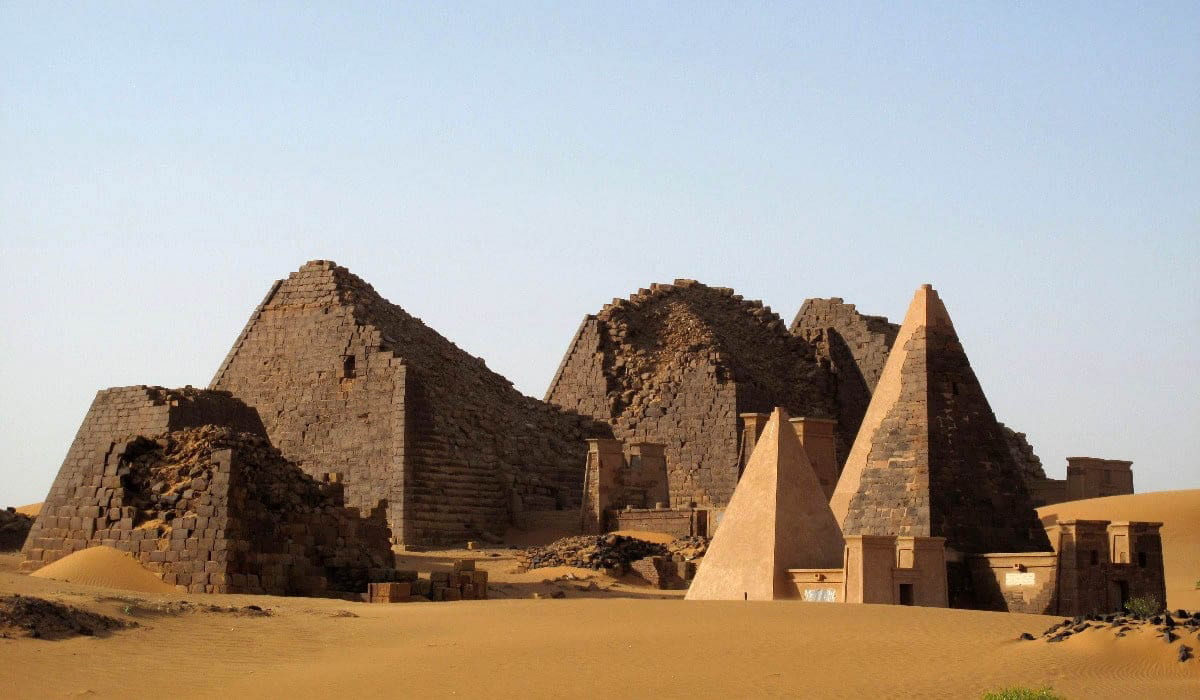
The Kush Pharaohs would embark on several huge construction projects throughout Egypt and the Sudan, and they would build pyramids with great gusto. Today there are actually more pyramids in Sudan than there are in Egypt, and while a great many of them were sadly blown up in the 19th century by an Italian explorer looking for treasure, hundreds of them are still standing.
The Kush pharaoh Taharqa would have an impressive and prosperous reign, and he even appears in the Hebrew Bible, using his army to support his Jewish allies against the warmongering Assyrians. Sadly, Taharqa’s military prowess was not enough to protect his Egyptian lands, which were taken from him by a massive Assyrian assault in the 660s BC.
The Kush Assault on the Roman Empire
During the 1st century BC, Egypt was absorbed into the Roman Empire, while the Kush retained their lands in the Sudan, possibly acting as a client state to Rome for a brief period. For much of their history, the Kush had a valuable iron trade with the Romans, and their late-period capital city of Meroë appears to have been filled with forges on an industrial scale. Recent excavation work around the city has uncovered an abundance of thick soot-encrusted sand, revealing the sheer extent of iron production in the area.
While the Kushites lived peacefully side-by-side with the Romans for many years, initially the Kush decided to test the strength of their new northern neighbors. According to our sources, the Kush were the aggressors in a conflict with Rome in the 1st century BC. The Greek writer Strabo records that the Kush invasion was led by a fearsome Candace, a Kush queen, who only had one eye.
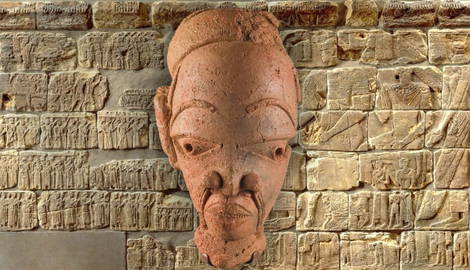
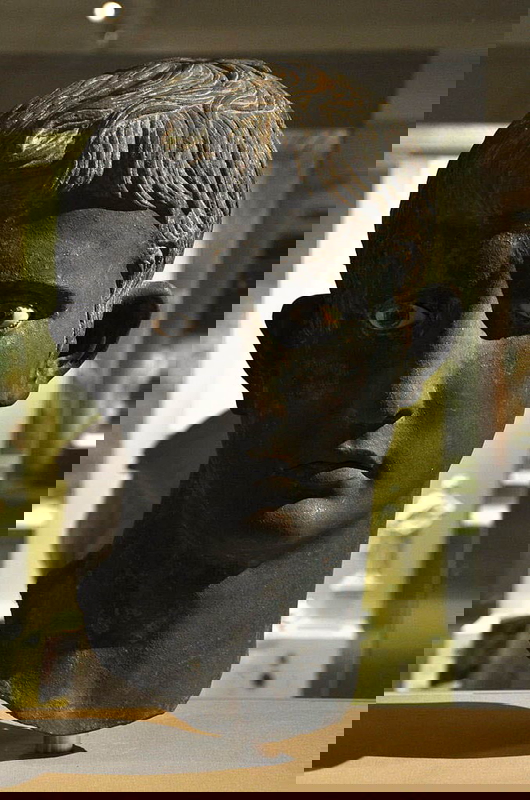
While they were ultimately unsuccessful, the Kush had some stunning early victories against the Romans, pushing north into Aswan, and decapitating statues of the Emperor Augustus as they went. One of these heads was recovered from the Sudan in the early 20th century, and is now on display in the British Museum.
Inevitably, the Romans pushed back, receiving a massive army of reinforcements and mounting a full-scale assault on Kush lands to prevent further hostilities. Forever after, the Romans would mostly avoid conflict with the Kush, who remained an untouchable menace on Rome’s borders, until they went into decline in the 4th century AD.
2. The Nok Civilization in Nigeria
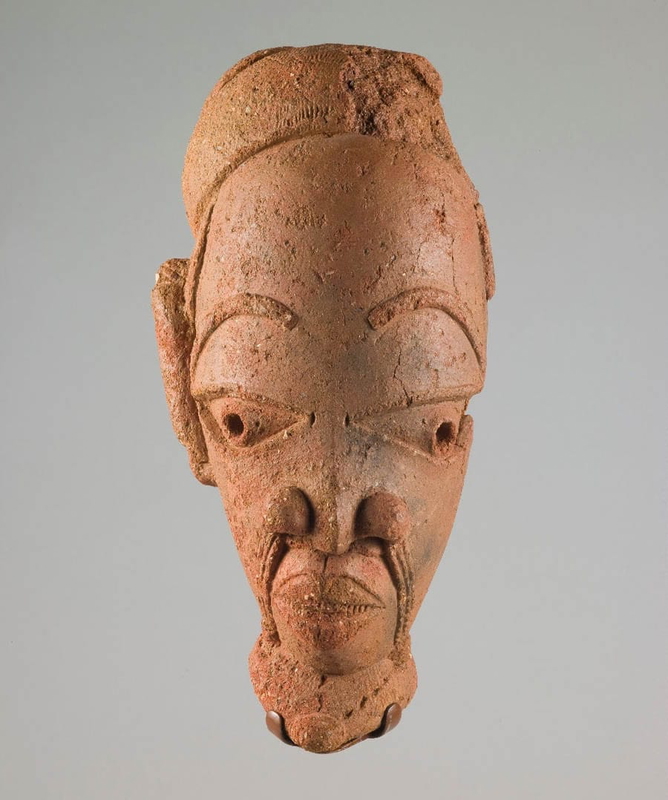
The Nok are the most mysterious of the ancient African civilizations on our list. Located in what is now central Nigeria, the first evidence for Nok culture was discovered by accident during a mining operation near the village of Nok in 1928. The Nok only caught the attention of mainstream archaeologists in the 1940s, after a treasure trove of further artifacts was uncovered.
Initially, all anybody knew about the Nok was that they were very ancient, and that they had produced a substantial amount of artwork in the form of elaborate terracotta heads. The dates for the existence of the Nok civilization are still constantly being revised, and, excitingly, getting older all the time. Some historians now estimate Nok culture may have developed as early as 1500 BC, which makes it one of the earliest ancient African civilizations in Sub-Saharan Africa.
The vast majority of the terracotta figures that have been found in Nigeria are dated to between 500 BC and AD 200, which appears to have been the period of the Nok’s civilizational height. Whoever the Nok were, they seem to have been highly influential in West Africa at this time, developing metal-smelting techniques which gave them iron tools much earlier than their neighbors.
Evidence for iron-smelting at Nok sites dates back to around 500 BC, which makes them the earliest in the region to make this important technological leap. They also, unusually, skipped a step in their development. Most ancient cultures typically went from stone to bronze before developing more useful iron tools, but surprisingly the Bronze Age simply passed the Nok by.
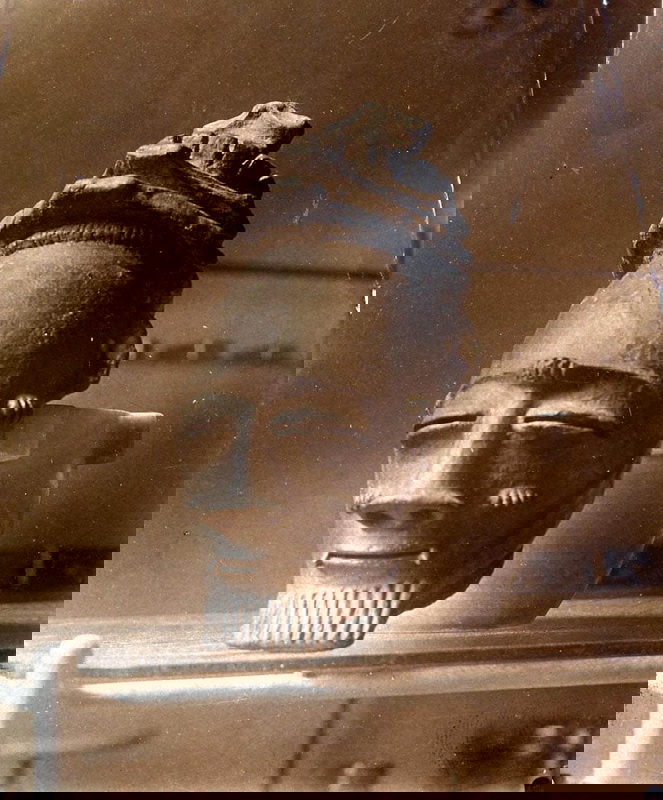
While we don’t know yet how the Nok culture was organized, Nok artifacts have been found spread over a massive area, stretching to over 50,000 square km (19-20,000 square miles), and many archaeologists now believe there may be a central Nok city somewhere, still waiting to be discovered. While we know little about them, they were evidently once one of the most important civilizations in ancient Africa, and their figurative art seems to have influenced many later Niger River cultures.
Unfortunately, Nok buildings themselves appear to have been made primarily from wood and mudbricks, and the climatic conditions in Nigeria’s more tropical regions are less than ideal for preserving ancient materials. However, as the use of advanced non-invasive archaeological surveys continues to grow, it is hoped a wealth of new Nok sites will one day present themselves.
What little we do know about Nok culture has ultimately come from studying the details on the emblematic clay statues that have shown up in their hundreds across Nigeria. Many of these statues depict musicians, playing a variety of ancient instruments, and many more depict everything from fearsome warriors to cowering prisoners and passionate lovers, giving us some idea about what life might have been like in this great ancient civilization.
3. The Cosmopolitan Trading Empire of Aksum
According to the Persian prophet Mani, the Empire of Aksum was once counted among the world’s great powers, along with Rome, China, and Persia. Like many ancient African civilizations, they have been largely forgotten by Western students of history, partially because they reached their absolute height when Western Europe plunged into the Dark Ages.
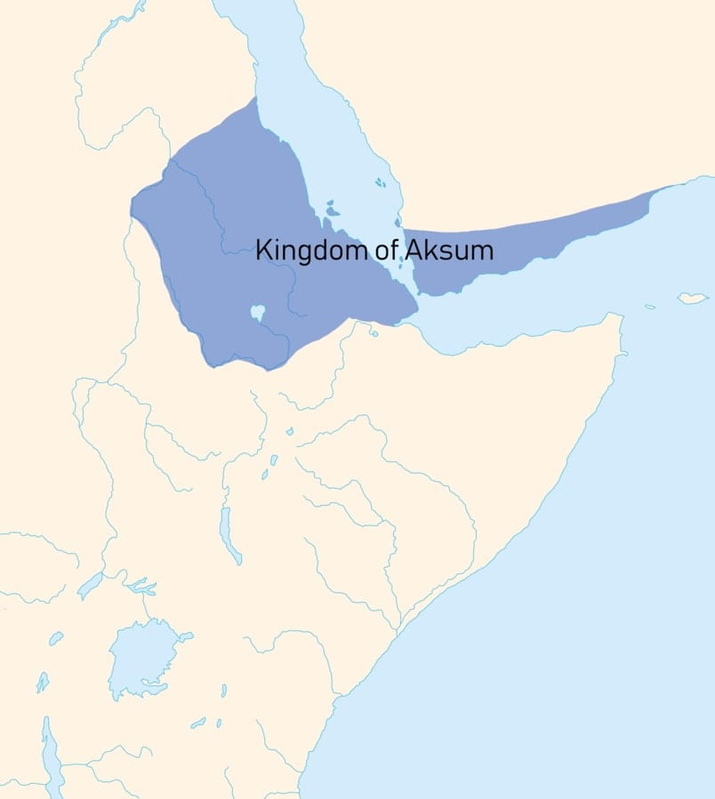
Centered around the city of Aksum (or Axum), in what is now Ethiopia, this empire was once one of the most formidable ancient African civilizations, and it would gradually envelop its neighbors in Eritrea, Djibouti, parts of Sudan, and Yemen in the Arabian Peninsula. While early pre-Christian Aksum is poorly understood, the city itself appears to have been an important power player in East Africa from around the 1st century BC. It soon expanded rapidly, undermining many neighboring powers, including the Sudanese Kush, in the 4th century AD.
Aksum’s early land grab was not a pointless act of aggression, but rather a calculated attempt to place itself at the center of three of the world’s most lucrative trade routes. These were: 1) the Nile trade route, which ferried goods from the African interior to the Mediterranean; 2) the Red Sea trade, which brought goods from the Middle East and Asia westward; and 3) the coastal route to India and the Far East, known as the maritime silk road.
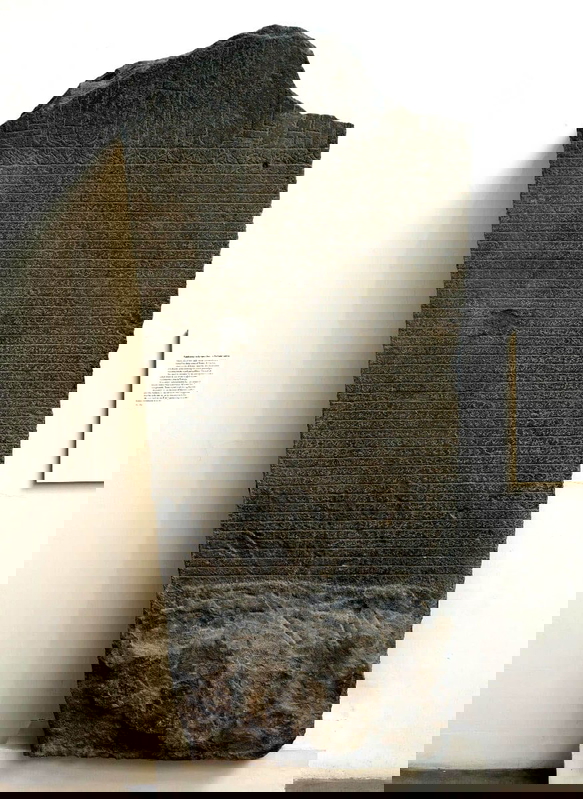
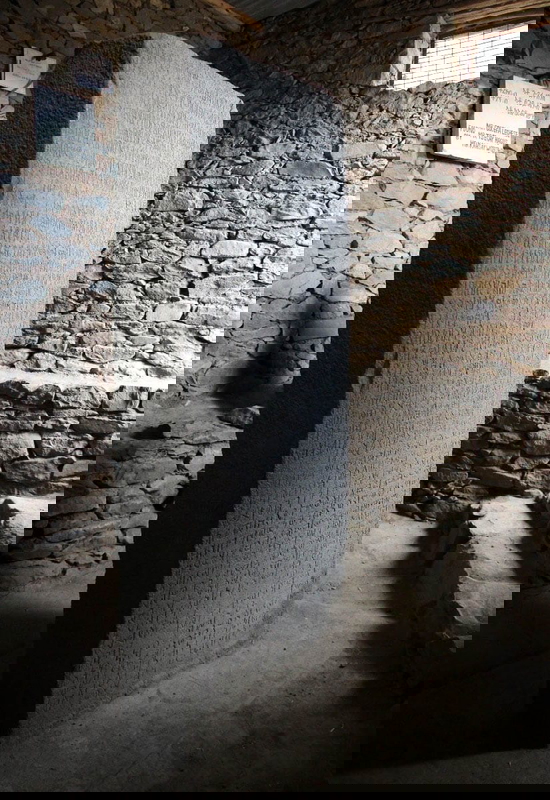
Aksum’s success at controlling trade by land and sea would make it exceedingly wealthy, and before long, Aksum’s prolific ports would attract starry-eyed visitors from many nations, creating a remarkably cosmopolitan empire. Even quite early in its history, Aksum was an important cultural crossroads, and one of the most famous artifacts from the region is the Ethiopian equivalent of the Rosetta Stone, a proclamation by King Ezana, written in three separate languages.
Aksum’s Overseas Expansion
By the 6th century AD, Aksum was at its height, having undertaken a daring overseas conquest. Aksum was a very early convert to Christianity, and during the early 500s, there are records of Aksum entering an important political and military alliance with the ambitious Byzantine Emperor Justinian I.
Justinian needed reliable Christian friends, and the Aksumites proved to be just that. The Byzantine historian Procopius records in his Persian Wars that the Aksumite King Kaleb went on a heroic rescue mission to save persecuted Christians living in the Arabian Peninsula. Whether this was the real reason for the war, we may never know, but Justinian at least saw Aksum’s expansion as first and foremost a great business opportunity. By allying with Aksum, the Byzantines could avoid trading with their enemies, the Sassanian Persians.
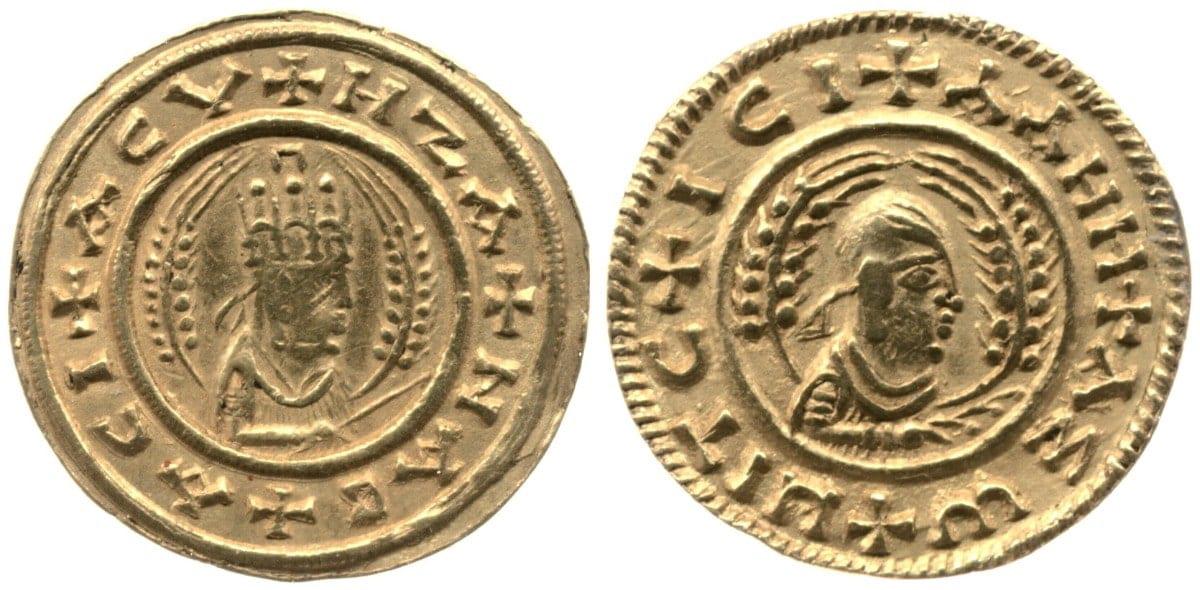
Aksum’s newly acquired vassal state helped to provide it with profitable Silk Road trade, and the Byzantines soon proposed a deal that allowed them to buy exotic luxuries from the Ethiopian kingdom. Aksum was soon on a high, bolstered by its new dominions. Many gold coins from this period are found scattered throughout the region, and we know that Aksum’s most important port, Adulis, became a buzzing hive of activity.
Sadly, Aksum’s glory days would be brief, as the Muslim conquests would soon throw it and many other ancient African civilizations into disarray. Although the circumstances are uncertain, the Aksumite Empire appears to have gone into material decline during the 7th and 8th centuries, before definitively losing its grip on power in Ethiopia in the 10th century.
The Enduring Legacy of Kush, Nok, and Aksum
Colonialism, difficult archaeological conditions, and general disinterest have hindered progress in our understanding of these powerful ancient kingdoms. While the ancient empires of North Africa are far better known, the civilizations of Nok, Kush, and Aksum are all crucially important to world history. Ultimately, there is still much to be discovered about these fascinating ancient cultures.