
Ironically, the Phoenicians, credited by most with the invention of the abjad alphabet and the spread thereof, left few written documents. The only documents about the mythology of the ancient Phoenician religion come to us via an ancient scholar, Philo of Byblos, some inscriptions, and the work of Eusebius of Caesarea.
Today, some view the Phoenicians and their religion as part of the Northwest Semitic Canaanites who emerged after the Bronze Age Collapse. In addition, several Phoenician gods overlap with those of ancient Canaan, Ugarit, and even Egypt.
From Sanchuniathon to Philo to Eusebius
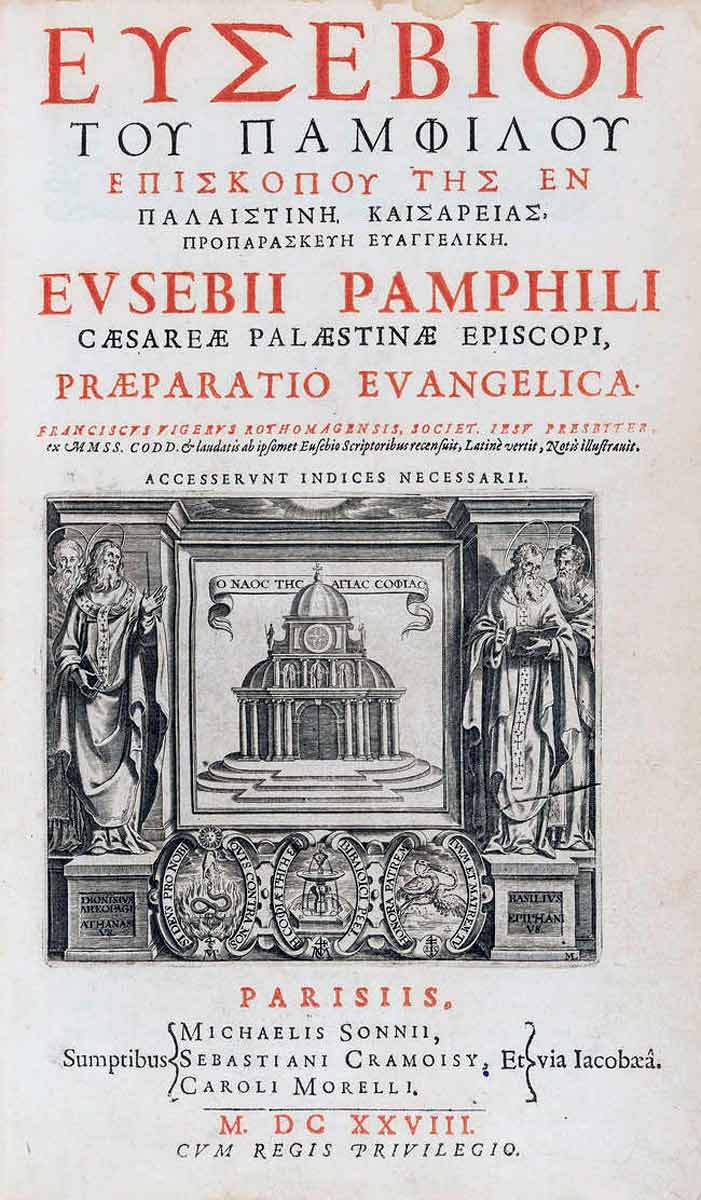
Philo claimed that he had translated three books on the subject of Phoenician religion, written by a Phoenician author named Sanchuniathon. His information included extant inscriptions from temples and statues.
Philo of Byblos was a respected ancient historian quoted by multiple independent ancient authors who preserved fragments, titles, and biographical details of his long-lost works. He translated Sanchuniathon’s work into Greek, and Eusebius quoted Philo’s work extensively in the 4th century AD for his book Praeparatio Evangelica.
How Did the Pantheon Operate Across City-States and Colonies?
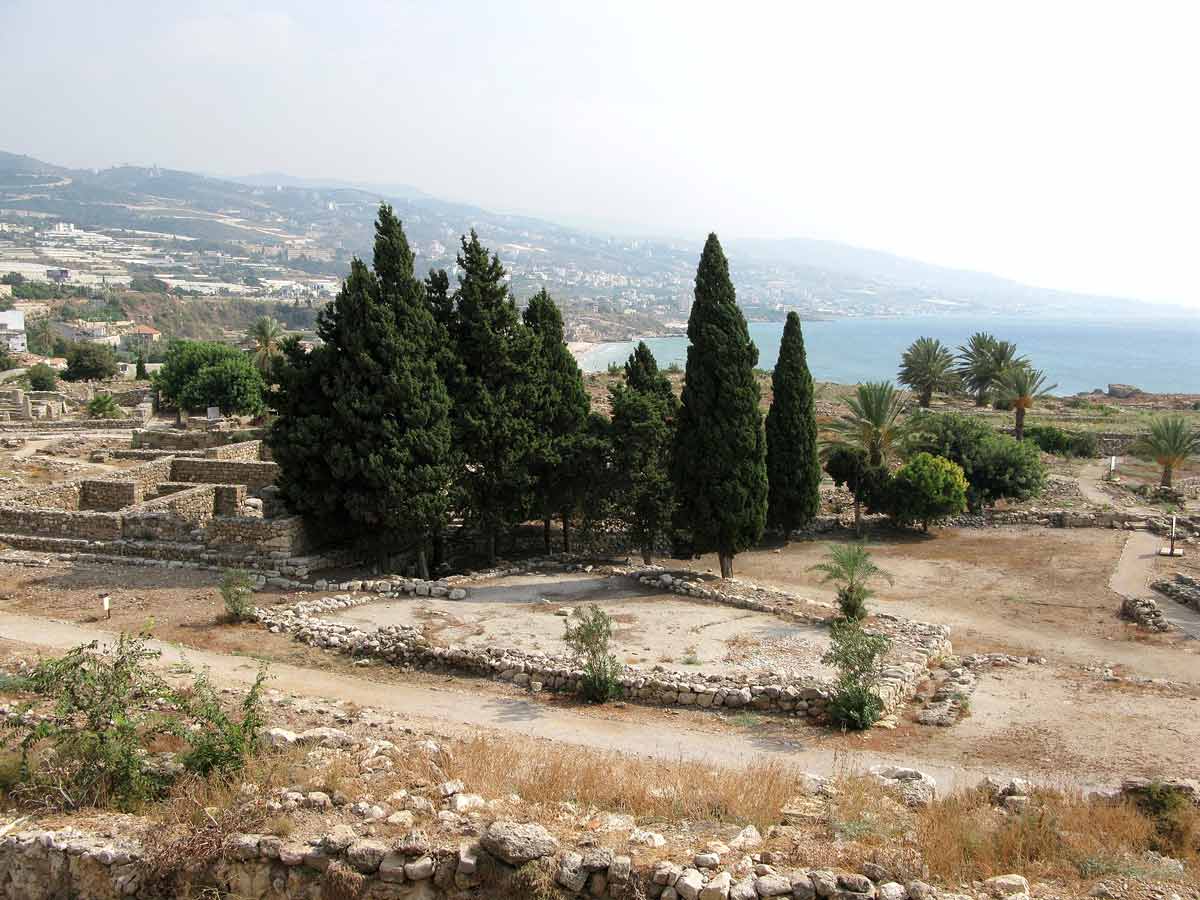
The Phoenicians did not create a centralized empire, although they are often seen as a maritime empire because of their vast spread across the Mediterranean and mastery of the sea. Therefore, “most powerful” did not necessarily mean the highest-ranking deity in the pantheon, as each city-state and colony had its own localized chief deity.
The god El was inherited from other ancient Semitic religions. He was the creator deity who was, in essence, the highest celestial deity, who may have presided over the Phoenician pantheon in the beginning, and later remained the head of the primordial cosmos.
The Phoenicians eventually ceased to focus on El and instead worshiped the god Baal. All the other gods were lesser than Baal, but they were also the high gods of states, colonies, and specific functions, including ceremonies at all-important ports and on the sea. Their cults anchored city-states and colonies, legitimized rulers, safeguarded trade, and reigned over daily life and commerce.
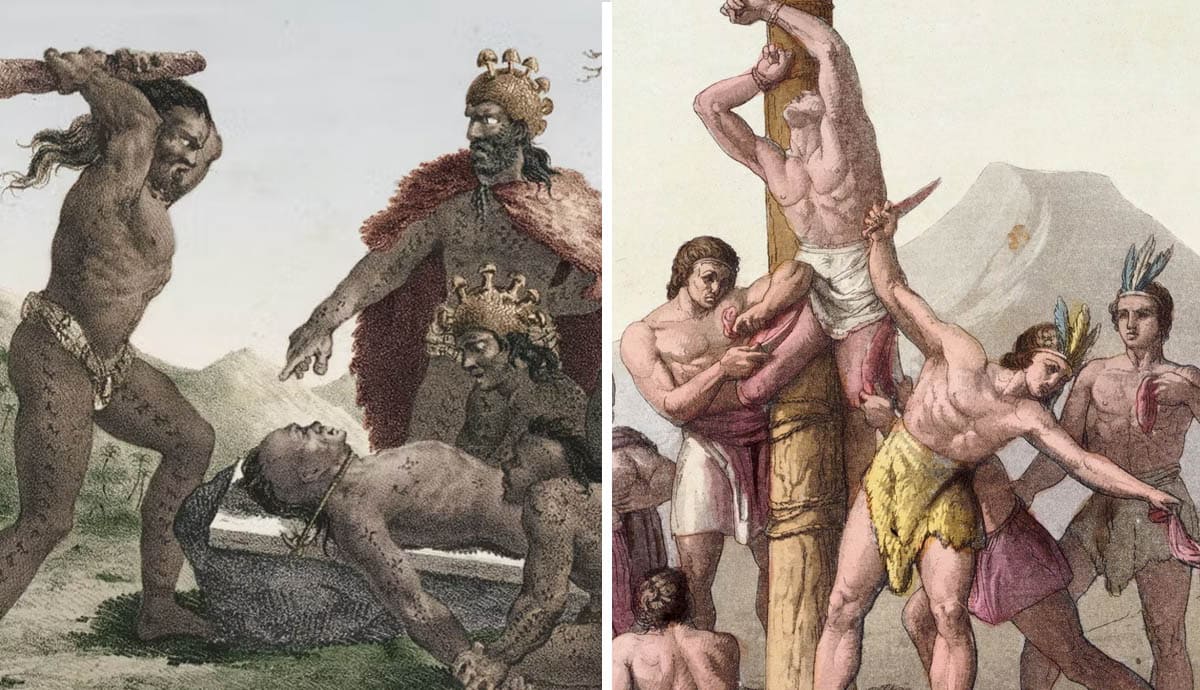
Their religious rituals, according to the enemies of the Phoenicians and Carthaginians, included the practice of human sacrifice. The most hideous of these was the burning of infants, especially in Carthage. Greek and Roman sources include accounts of infant sacrifice, with some referring to a statue of a god with sloping arms on which the victims were placed to roll down into a fire-pit. Once considered a myth, today, there is an increasingly large body of archaeological evidence to support these gruesome claims.
High Gods of Storm, Sea, Cities, Navigation, Culture, and More
1. Baal
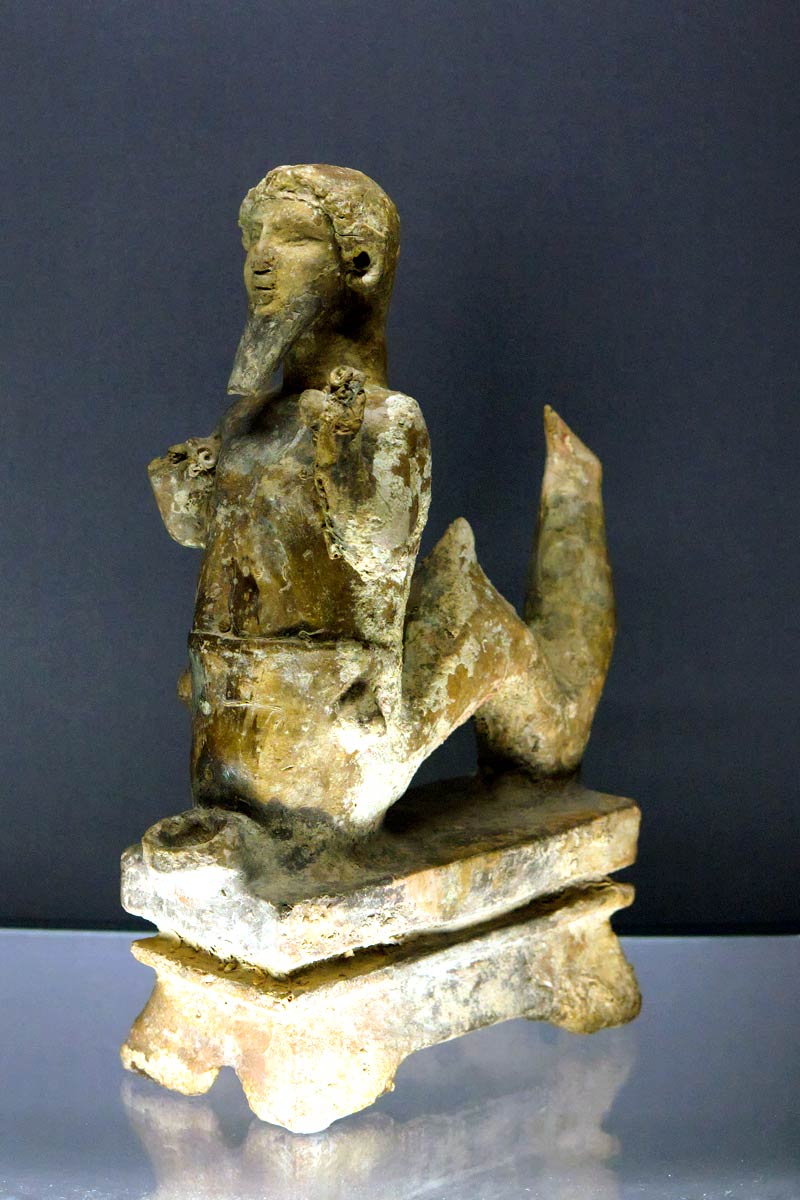
Baal was the chief civic deity of the Phoenicians and, inter alia, the supreme god of all the elements, like the wind, sea, storm, rain, and also of fertility in agriculture. He was the son of El, the celestial creator god. He was sometimes referred to simply as “the Lord.” His name was often coupled with the name of the chief deity of a city-state and Phoenician overseas colonies. It appears to have been used sometimes as a title, such as “Lord.” This led to Baal being part of the name of the chief deity of many significant places.
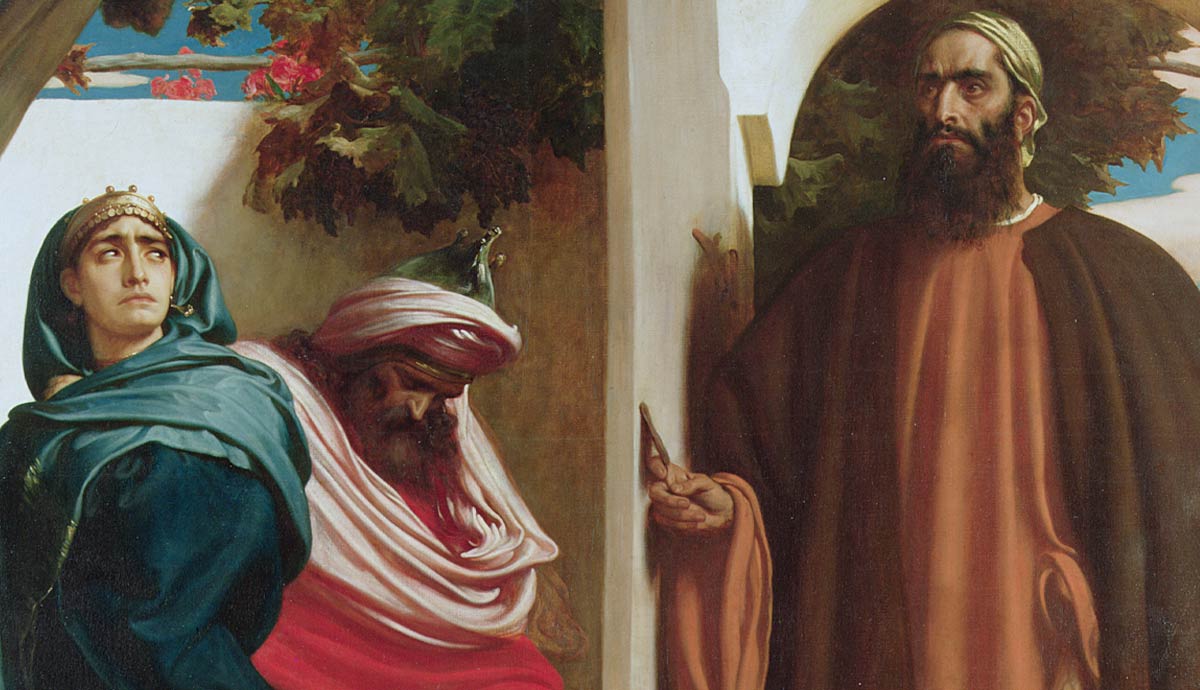
Baal of Phoenicia’s powerful grip on rulers, priests, and commoners alike is perfectly illustrated by the Biblical story of the cruel Queen Jezebel. This Phoenician princess was a zealous worshiper of Baal. After she married Israel’s King Ahab, she launched a frenzied campaign to convert the Israelites to Baal worship, torturing and killing Yahweh’s priests and all who remained faithful to Israel’s God (1 Kings 16 to 21, and 2 Kings 9).
2. Baal-Shamem
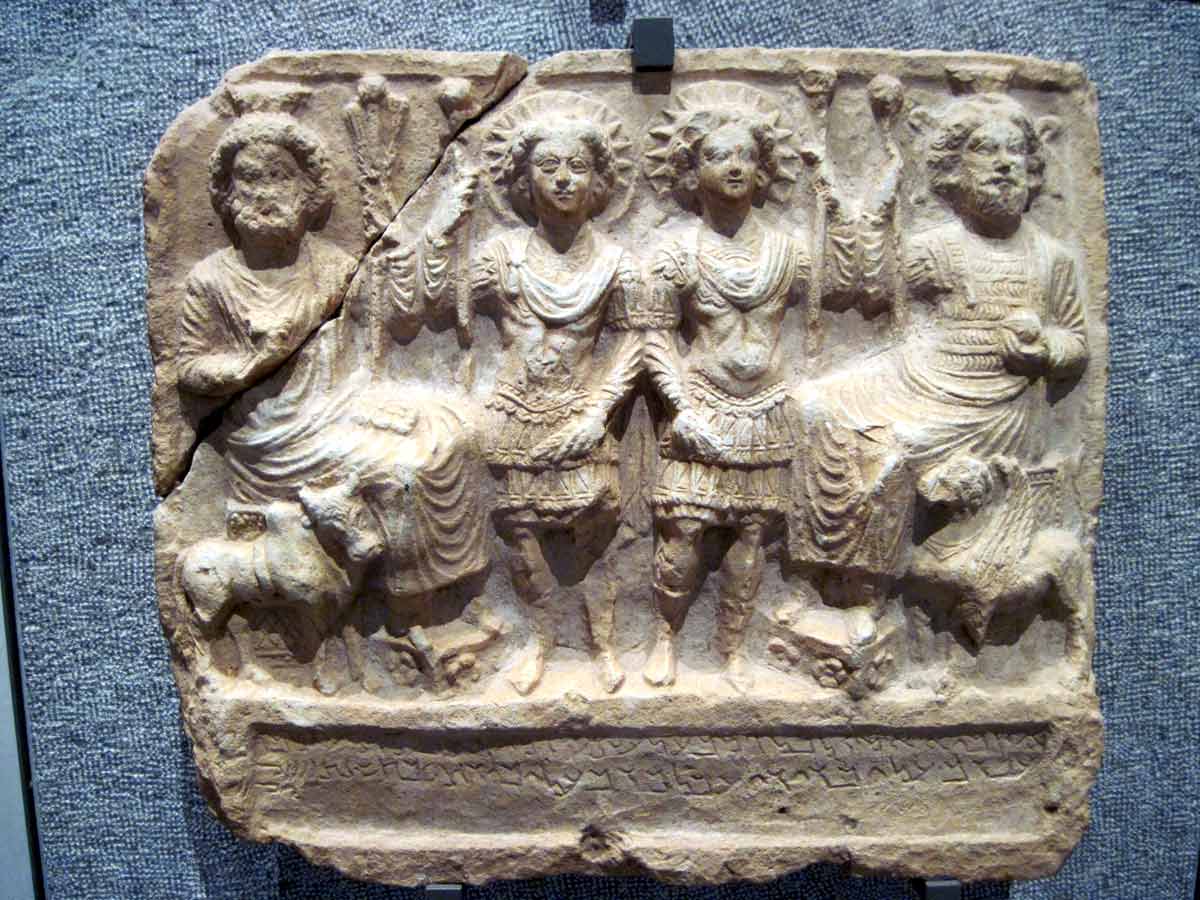
Baal-Shamem or Baalshamin, translated as “Lord of the Heavens,” took over in Phoenicia from the original storm god, Baal Hadad, of the second millennium. He was the supreme celestial god of the sky and heavens, lightning and storms, and cosmic authority. He was also the divine authority over treaties and oaths.
3. Baal-Hammon
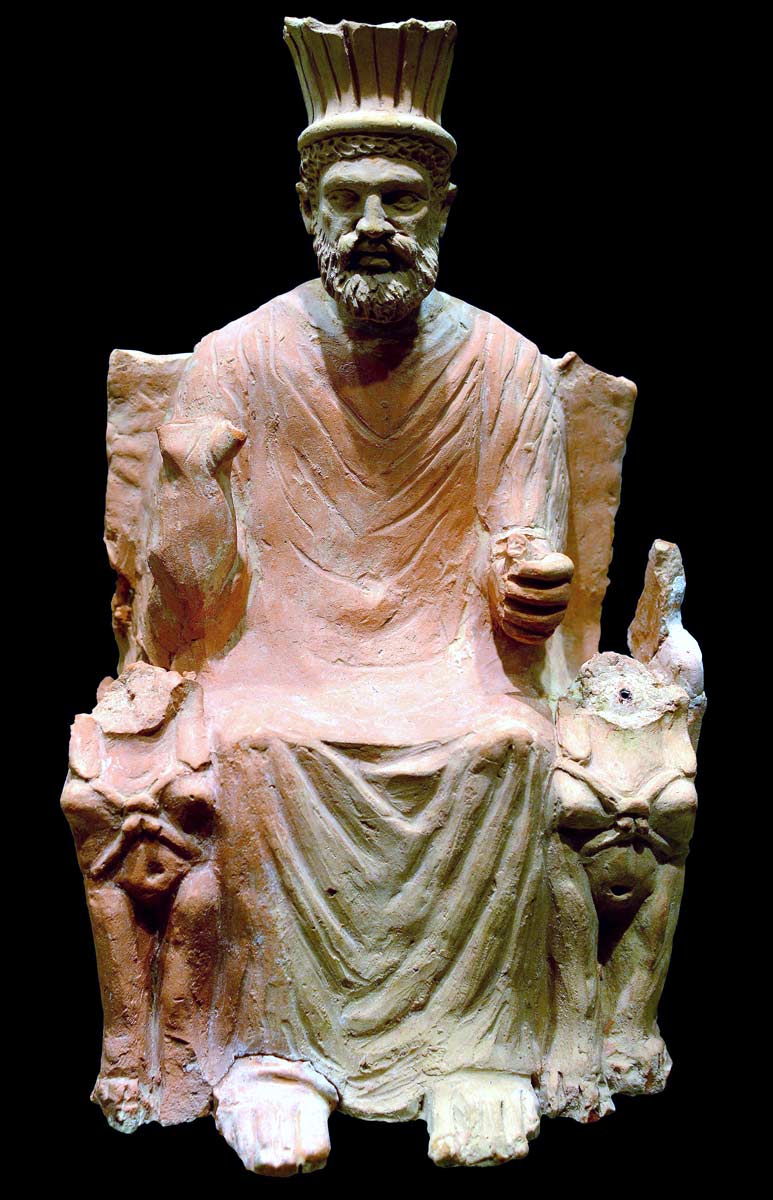
In Carthage, Baal-Hammon replaced Baal-Shamem as head of the pantheon, with the same supreme authority. He is depicted as a regal old man on a throne that was flanked by sphinxes. Baal Hammon, likely because Hammon can also mean incense altar, was known as “Lord of the Fragrant Altars.”
As the central deity of Carthage and thus of the Punic religion, he was known across the western Mediterranean. His authority also included time and the cosmic order.
4. Tanit
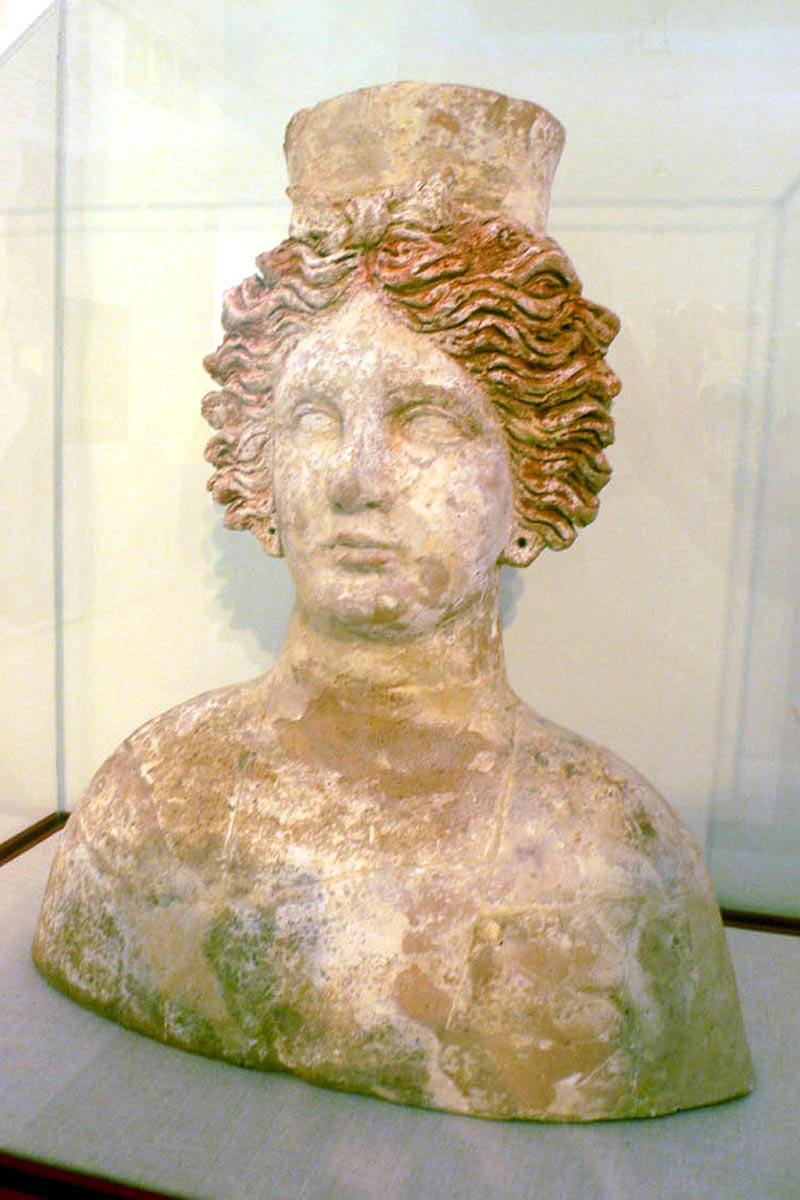
This goddess, with a complex personality and functions, was often paired with Baal Hammon. It appears from inscriptions that she rose above him to become the primary deity and patron of Carthage as “Tanit Pene Baal,” translated as “Tanit, Face of Baal,” sometime in the 5th century BC.
Tanit was thought to be a purely Carthaginian goddess until a plaque was discovered in Lebanon dedicating a temple to her and Astarte combined. Her symbol is ubiquitous across archaeological sites, especially at Carthage. She is associated with fertility, protection, and possibly some celestial aspects.
5. Baalat Gebal
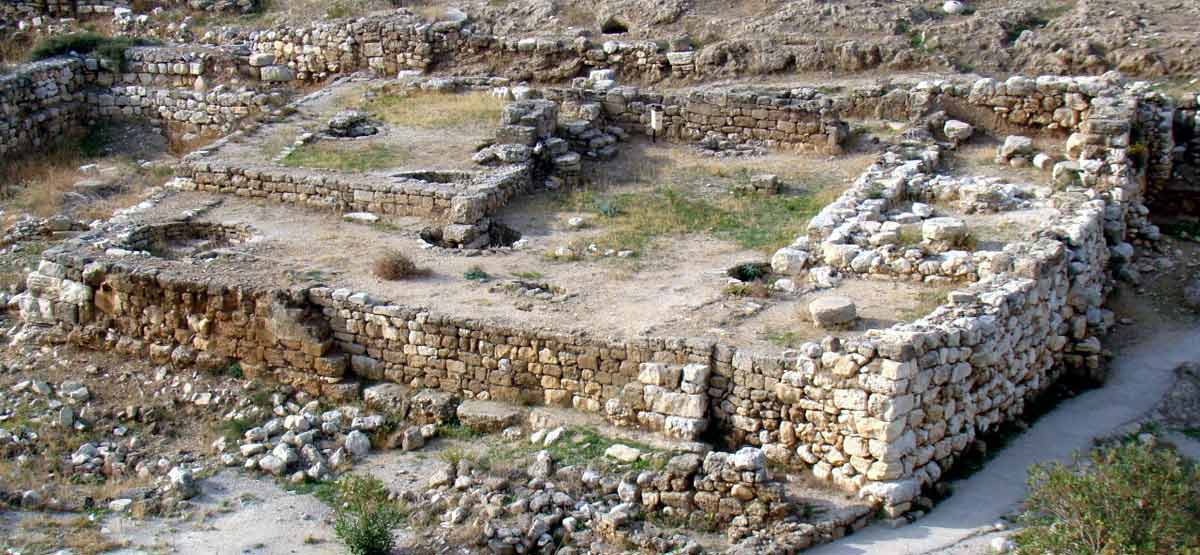
Sometimes syncretized with Astarte, Asherah, Isis, and Aphrodite, but to the Phoenicians, she was Baalat Gebal, “Our Lady of Gebal (Byblos).” She was a powerful and popular goddess as the patron goddess of Gebal (later changed to Byblos by the Greeks). She was the protector of the city, its kings, and royals. She is also associated with cults of love, fertility, beauty, and war.
As the principal goddess of Byblos, her cult center in the city was a popular pilgrimage site for Phoenicians and foreigners for over two millennia.
6. Melqart
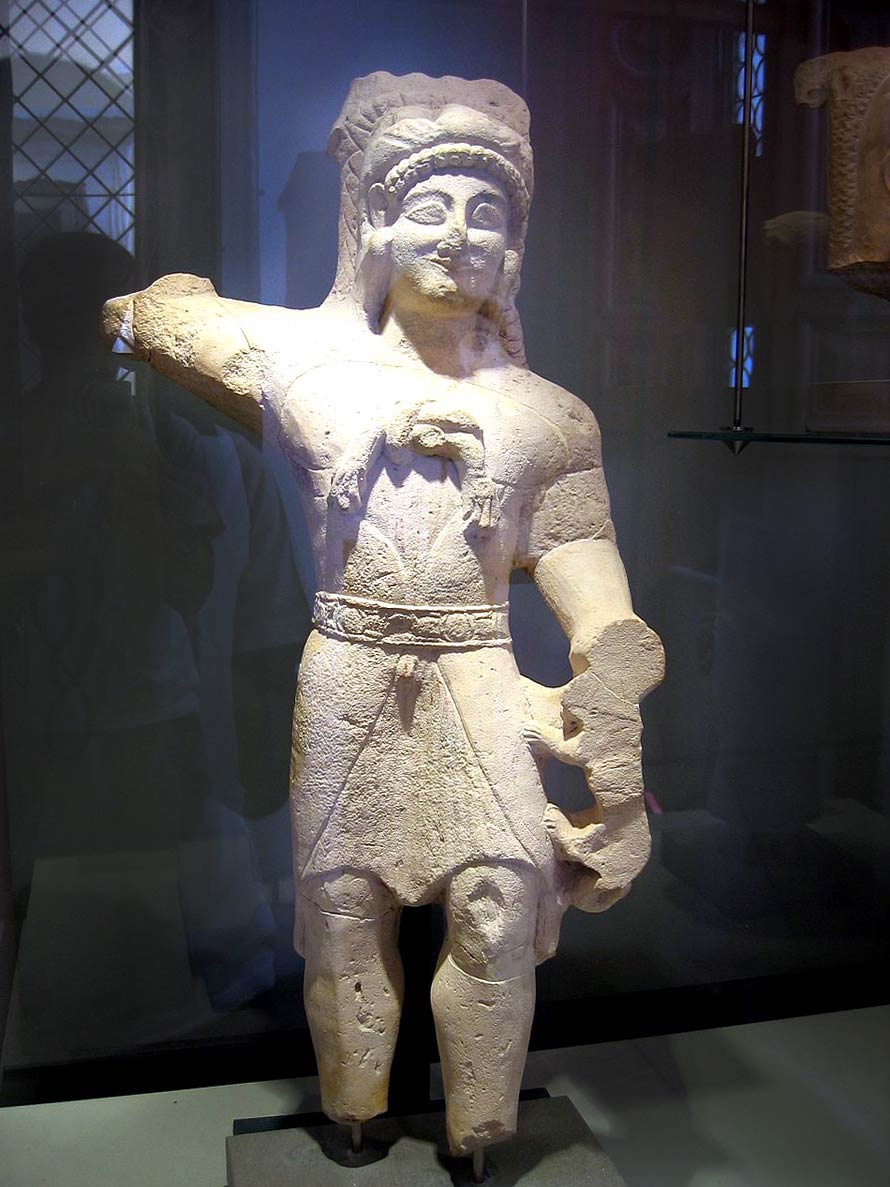
Melqart was the patron god of Tyre. He was the divine protector of the city whose very name meant “Lord of the City” or “King of the City.” Melqart was also the chief god of the colonies like Cadiz, founded by the Tyrians, and protector of the Tyrian seafaring merchants, and the guardian of navigation.
Melqart’s image was youthful, handsome, and strong, as illustrated by the fact that the Greeks and Romans named him Heracles (Hercules). Both Herodotus and Alexander the Great are said to have visited Melqart’s temple in Tyre, where Alexander made a votive offering.
7. Eshmun
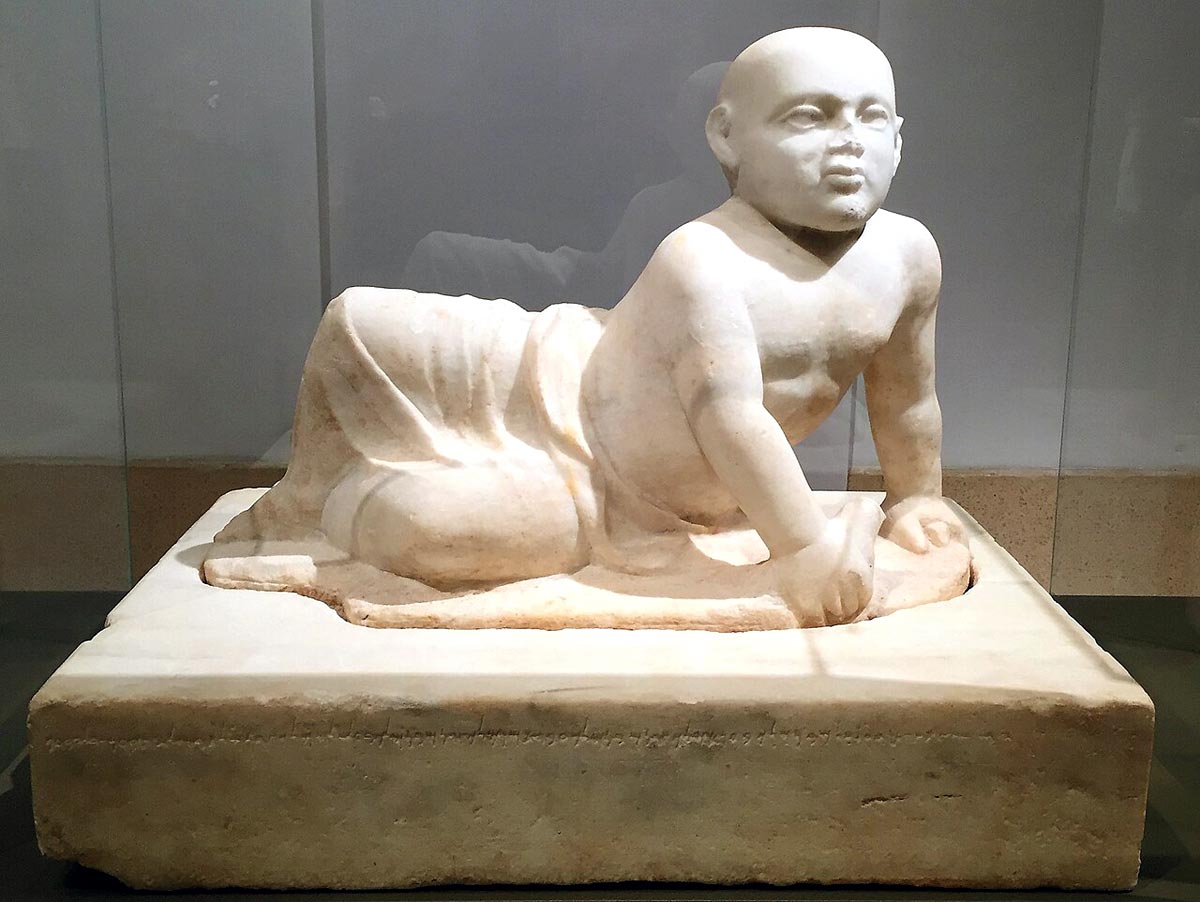
The healing god of the Phoenicians was Eshmun. He is sometimes associated specifically with Sidon but is usually described as the healing god of all the Phoenicians and the Punic world. He was perceived as a young and healthy deity representing renewal, health, and purification. He was widely worshipped and had numerous healing (cult?) centers, with massive ritual baths.
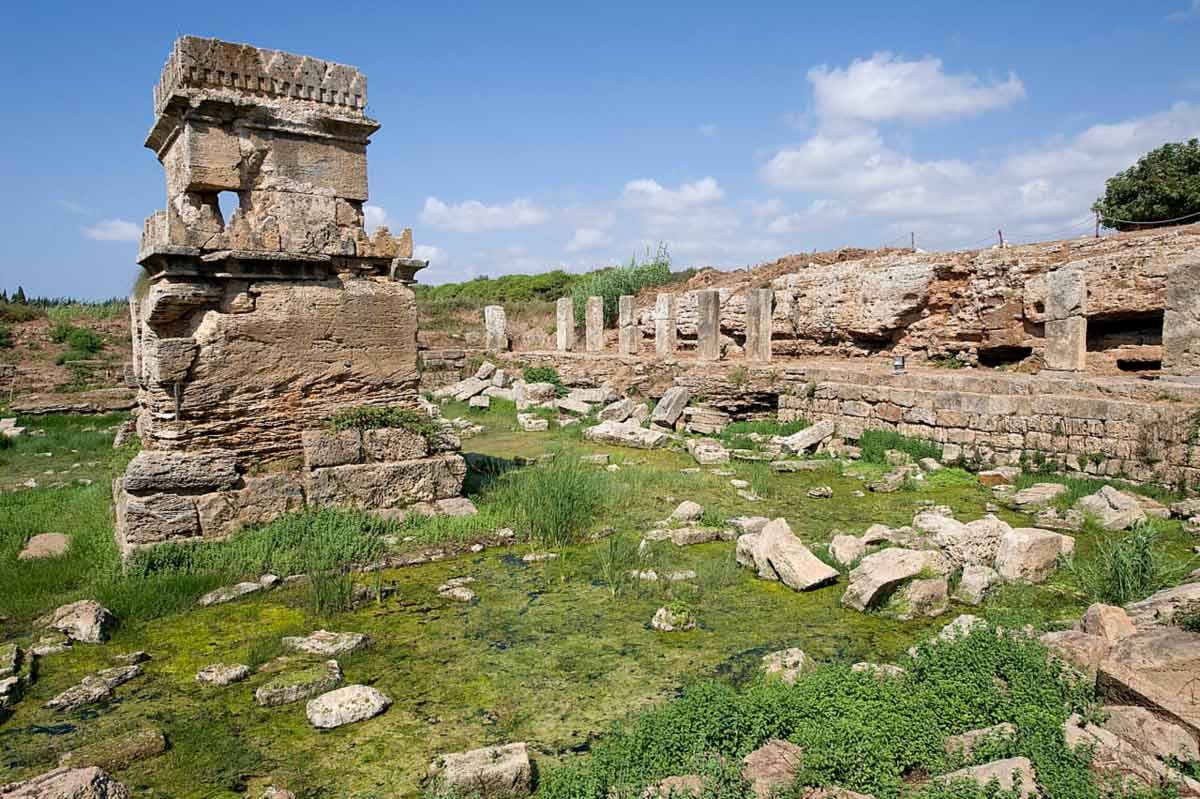
He had two main cult centers, a monumental temple at Amrit (a site shared with Melqart) and another temple located at Sidon. He also had centers in Beirut, Carthage, and Cyprus. He is associated with serpents for the shedding of old skin for new—a cycle of death/illness and rebirth. The Greeks associated him with Asclepios.
8. Resheph
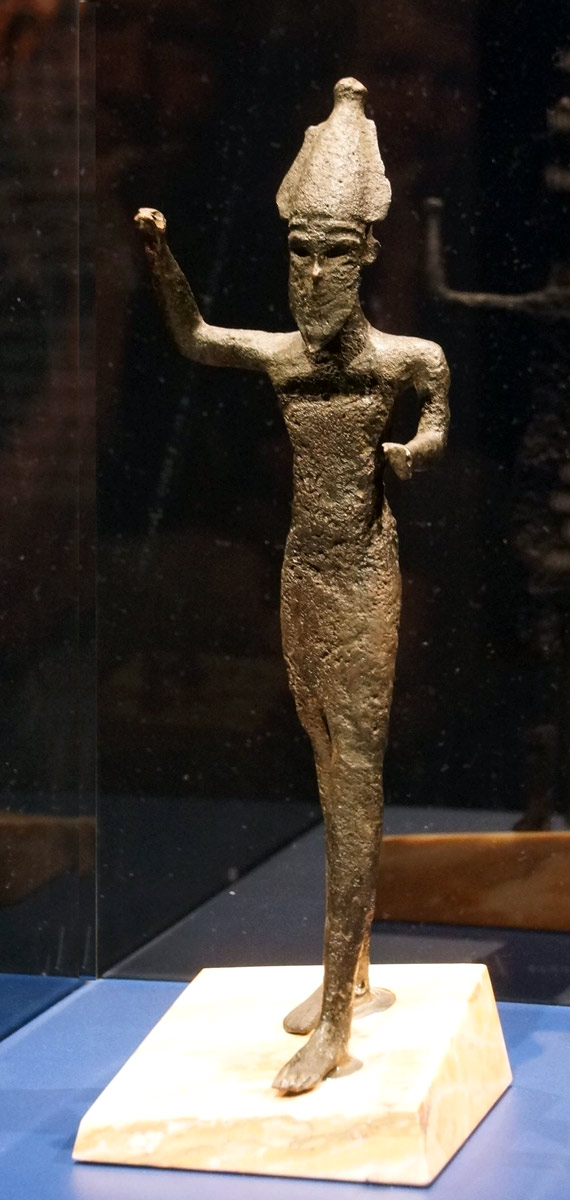
Depicted as a warrior with a bow and wearing a conical crown, Resheph was a god of war, pestilence, plague, and protective fire that could avert the spread of these diseases.
He was widely venerated across Phoenicia, Carthage, and other colonies, but did not have a specific cult center. His dual nature made him especially popular and respected among soldiers and travelers to ward off diseases in foreign lands.
9. Astarte
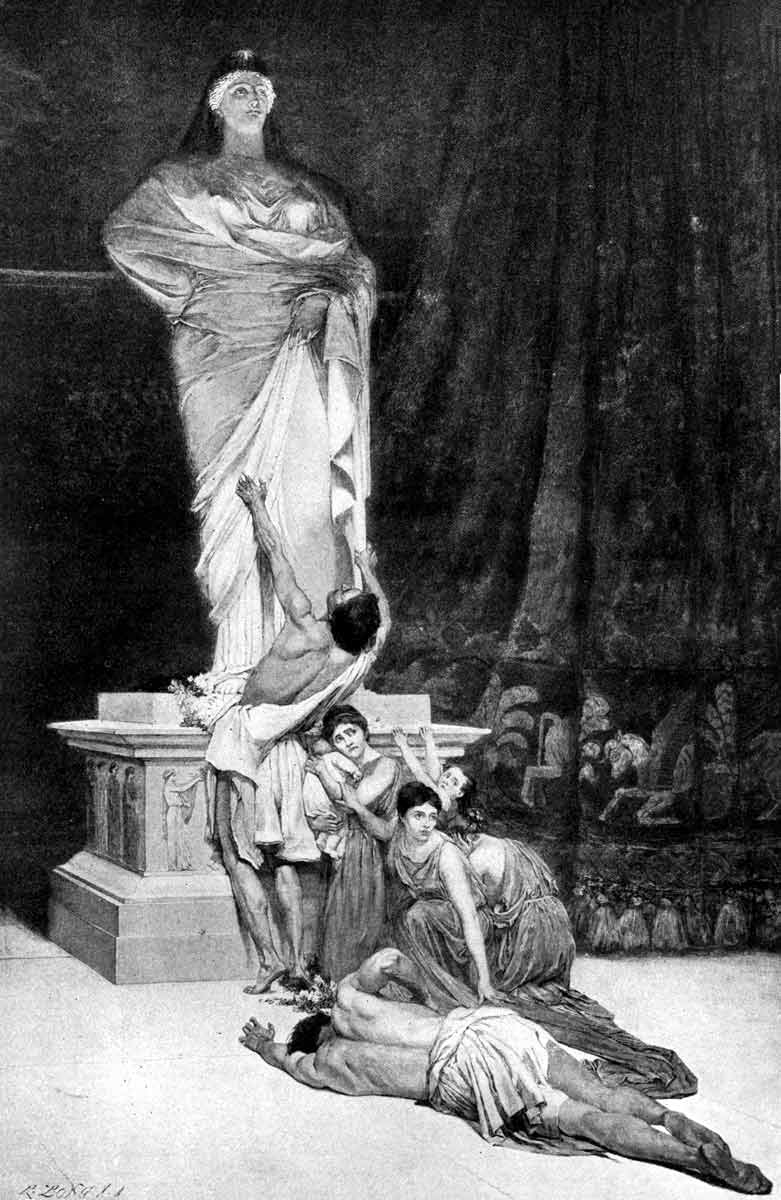
One of the most widely known Near Eastern deities, Astarte, under several similar names, was venerated across the Levant and the Mediterranean world. She was primarily the goddess of love, sensuality, beauty, fertility, and royal legitimacy. Astarte influenced passion in all its forms. Her major cult centers in Phoenicia were in Sidon, Tyre, and Byblos, from where it was spread by the seafaring Phoenicians across the Mediterranean.
Astarte (Aštart in Phoenicia) is described as one of the major deities of the Phoenician pantheon by Philo of Byblos, who stressed that she was not to be confused with Baalat Gebal. She was depicted as a tall, regal beauty who morphed into Aphrodite for the Greeks and Venus for the Romans.
10. Shadrapa
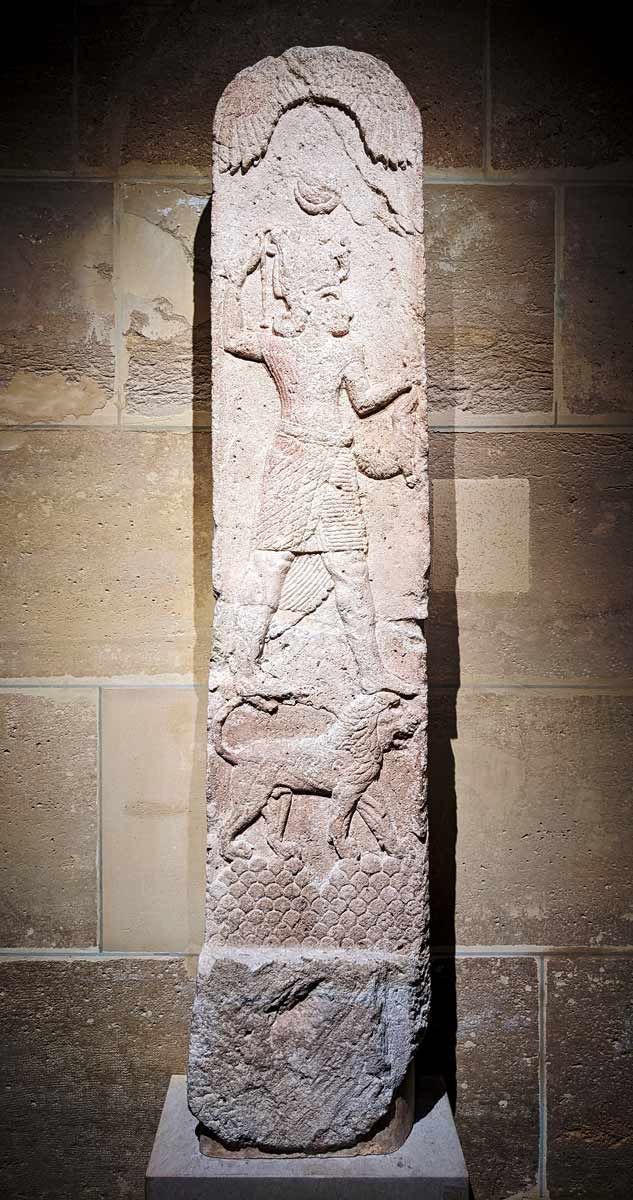
This benevolent Phoenician and Punic deity is rather poorly documented, but was described as an important god of healing and medicine in inscriptions from Phoenicia and Carthage in their later phases. Shadrapa is mentioned in temple inscriptions in Amrit, Phoenicia, and a bilingual inscription in Punic-North Africa with the Roman deity Liber-Dionysus, showing syncretism with Greco-Phoenician integration.
The Nature of the Phoenician Pantheon
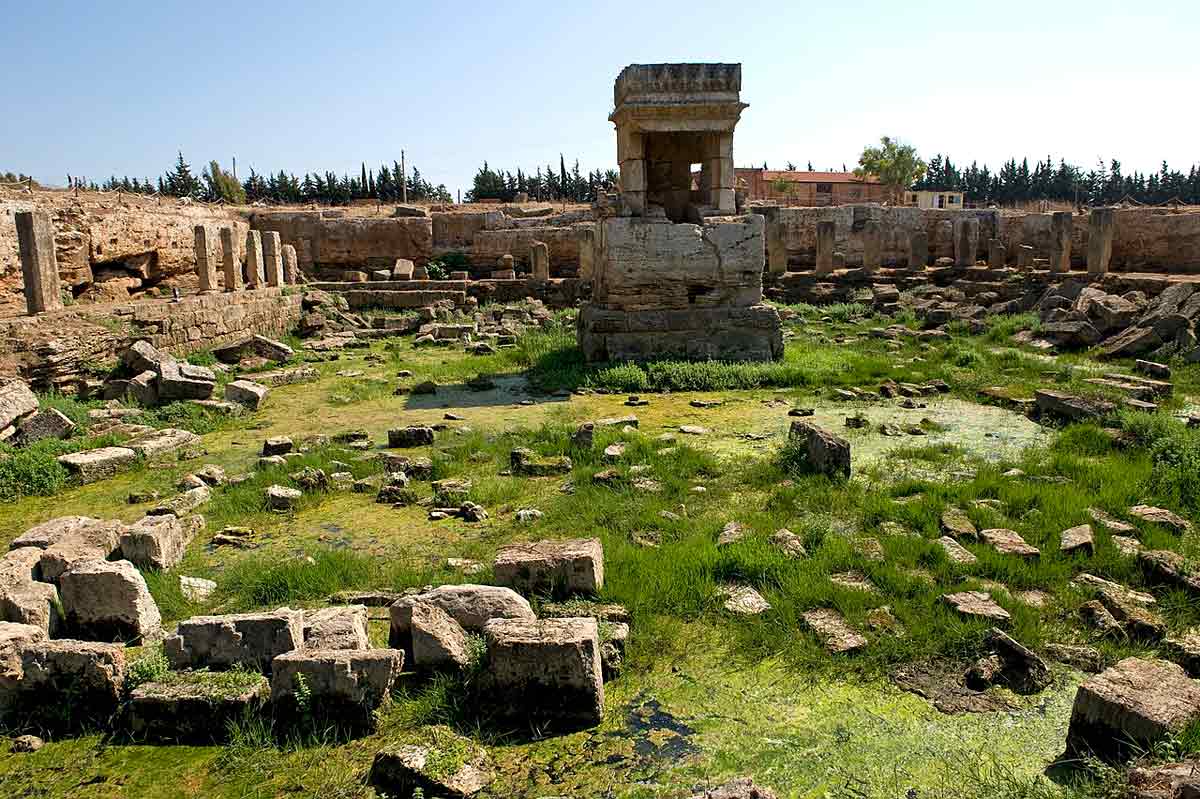
The pantheon of Phoenician deities included many other gods who are not included in this article. This list includes deities with cross-cultural legacies, such as Baal as storm god across much of the Levant from before and after the Phoenicians, Astarte/Aphrodite, Melqart/Heracles, and Eshmun/Asclepios in Phoenician and Greek mythology. Because of their adaptive nature, Phoenician deities easily syncretized with Egyptian, Greek, Cypriot, and other cults.
The Phoenicians, through their maritime culture, wide reach, and colonization, not only spread goods, ideas, and inventions, but also a rich field of imagination through their religion. Religion was employed as a tool of trade and diplomacy—acting as a cultural ambassador, building a spiritual bridge that was adopted and translated across the Mediterranean.
According to Aaron J. Brody’s study “Sail, Pray, Steer: Aspects of the Sacred Beliefs and Ritual Practices of Phoenician Seafarers” (2021), Phoenician deities traveled with the sailors, merchants, and diplomats who faced dangers like storms, reefs, and pirates during long voyages.
Distinct maritime rituals were developed at harbors and on board their ships. These included invoking deities with meteorological and celestial powers, sacrifices before leaving ports, and setting aside sacred spaces on board. They believed their ships carried divine spirits and treated their vessels with the appropriate respect, giving them the courage to venture beyond the sight of land.