Long before the Spanish Conquistadors began scouring Peru for the legendary riches of the Inca Empire, the Andes had been home to a number of civilizations. With magnificent cities and incredible artifacts, some of them pre-dated the Inca by millennia. None of these South American civilizations left behind a writing system detailing their history, so all we know is reconstructed from archaeology and the mythology of later cultures. Overshadowed by the Inca, here are just a few of the incredible cultures that rose and fell before the Spanish Conquistadors ever set foot in the Americas.
The Chavín and the Underground Temples of the Andes
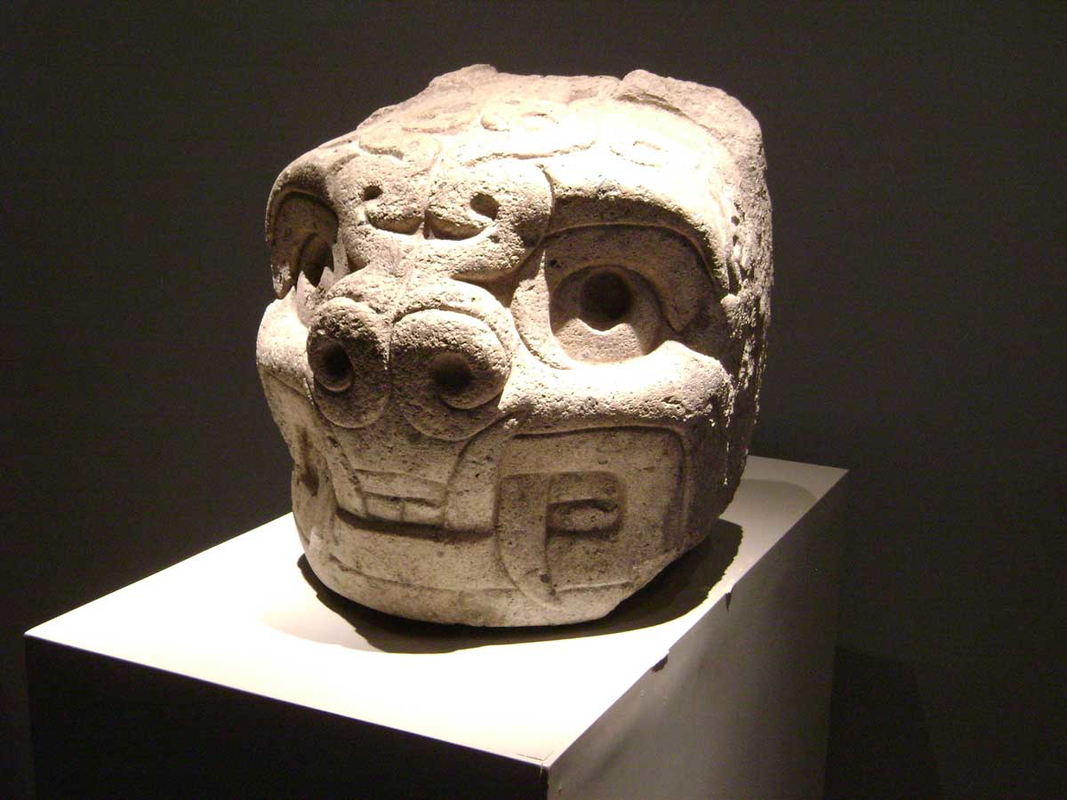
Located in modern-day Peru, the Chavín civilization rose to prominence around 1000 BC and was the first major unifying culture in the region. The civilization is named for the archaeological site Chavín de Huántar, which is thought to have been at the center of their cultural influence. Ultimately, however, what the builders of the site called themselves and the extent of their political organization is unknown. Some of the animals included in Chavín religious art are only found far away in the Amazonian lowlands, which has led to speculation that the Chavín people may have originated in the rainforest and moved to the Andes Mountains at a later date.
Adding to the mystery, there is no archaeological evidence of an army or any form of military conquest, nor of identifiable rulers or kings. It is believed that they had a polytheistic religion, with a central deity, Lanzón—so named by Peruvian Anthropologist Julio Tello because of its spear-like shape. However, no details of worship or religious practice have survived.
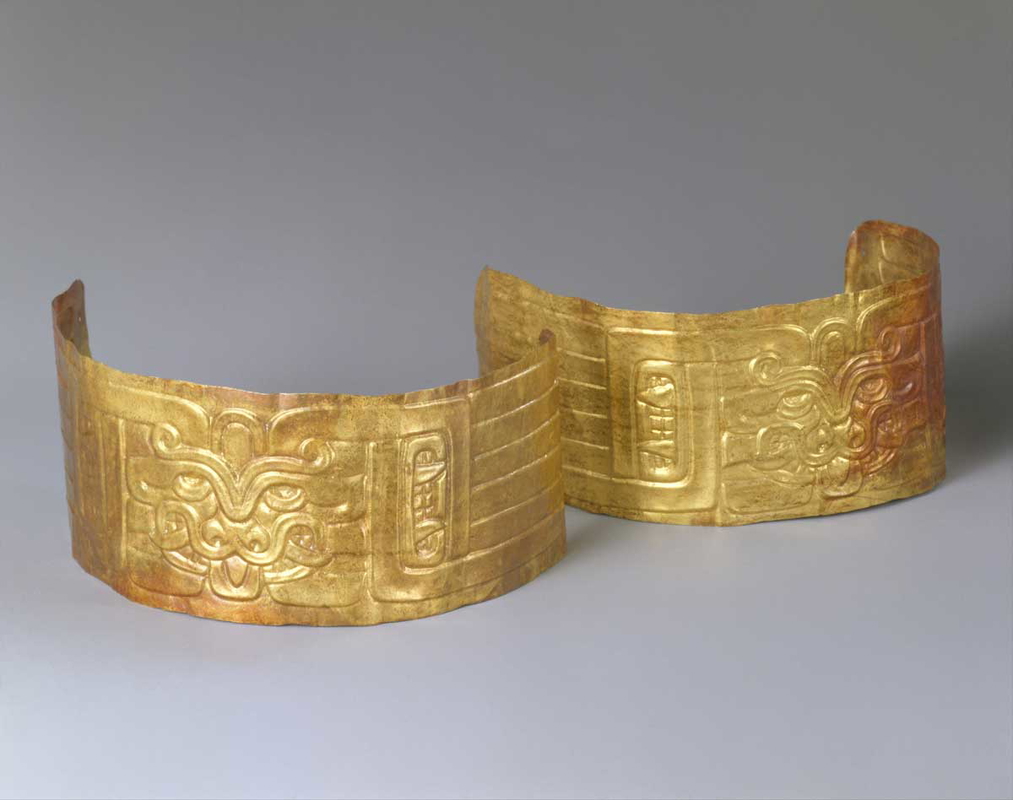
The Chavín culture was home to many skilled artists and craftspeople who created amazing works of art from pottery, textiles, stone, and precious metals. It is thought that trade in these items was key to the spread of their political and religious influence throughout the region, considering the distinct lack of military artifacts.
The Chavín were also skilled architects who built canals, monumental temples, and subterranean galleries that appear to have been designed with acoustic projection in mind. At Chavín de Huántar, temples were built with a complex underground system of tunnels and rooms that lacked any form of natural light, and whose purpose is still not fully understood. Even the materials used to build the temple were imported from other regions in the Andes. However, once again, both the logistics and any cultural significance behind this choice remain stubbornly ambiguous to modern understanding.
The Chavín civilization began to decline around 200 BC for unclear reasons; there are no signs of catastrophic events that could explain the abandonment of the Chavín settlements. What cannot be denied, however, is that their artistic influence dominated the region and went on to influence the South American civilizations that followed them.
The Nazca and the Desert Geoglyph Mysteries
The Nazca civilization (or Nasca) appeared on the southern coast of Peru around 200 BC. They are named for the sites first discovered in the Nazca Valley, where they are believed to have evolved from the earlier Paracas culture. They grew and thrived in an arid desert region that was prone to drought, earthquakes, and floods, but nonetheless persisted for over 500 years.
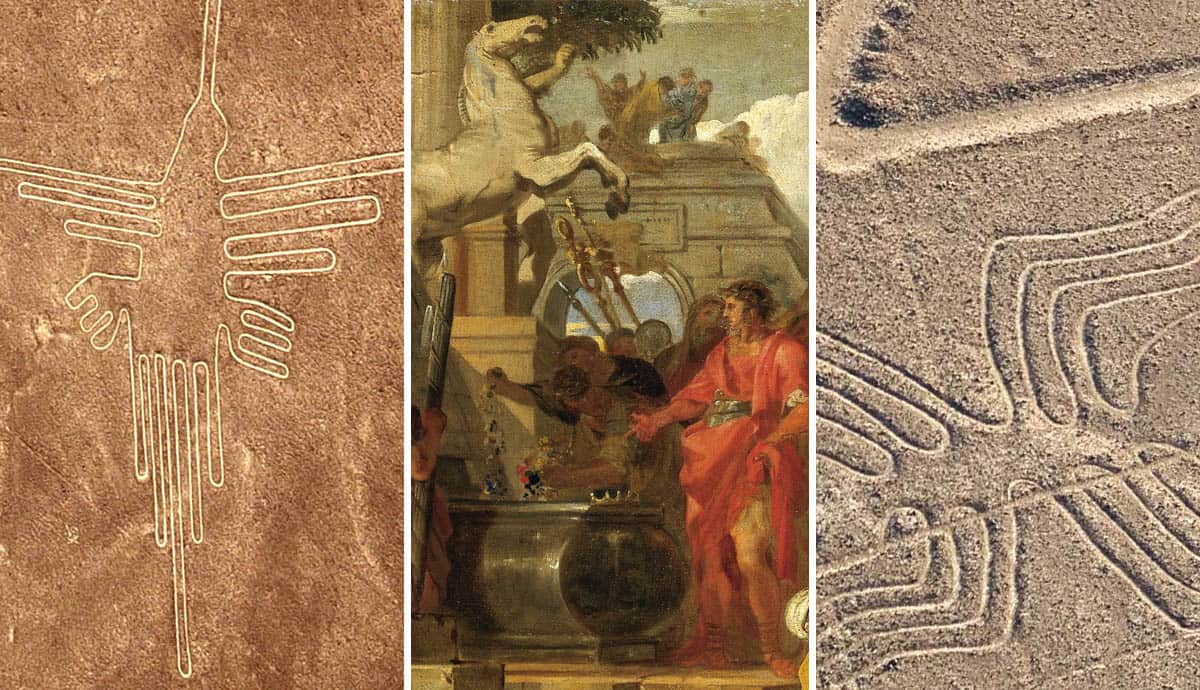
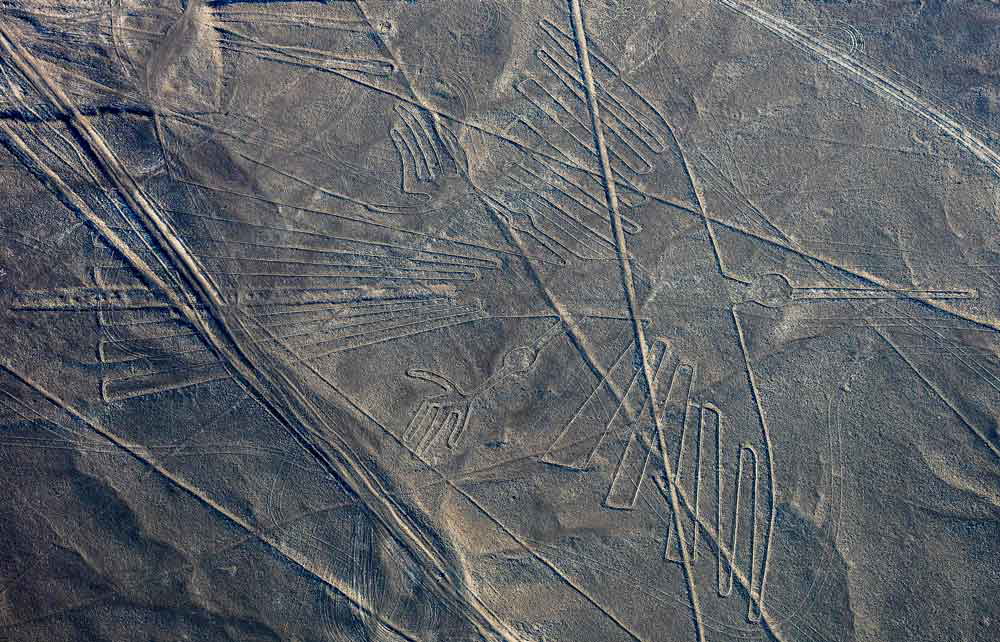
The Nazca are unique among ancient South American civilizations for the mark they left on their landscape: massive geoglyphs etched into the ground, known as the Nazca lines. Although their exact purpose remains unknown, it is now believed that they were ceremonial walkways that were related to the distribution and consumption of water—a resource that was central to their religious practice in such a hostile landscape.
Despite the conspiracy theories set forth by alien enthusiasts over the decades, the Nazca lines were created by a simple system of measurement using ropes of varying lengths and by people moving rocks and scraping away the surface layer of desert sand to make their design, and are clearly visible from the nearby hills and mountains that surround them.
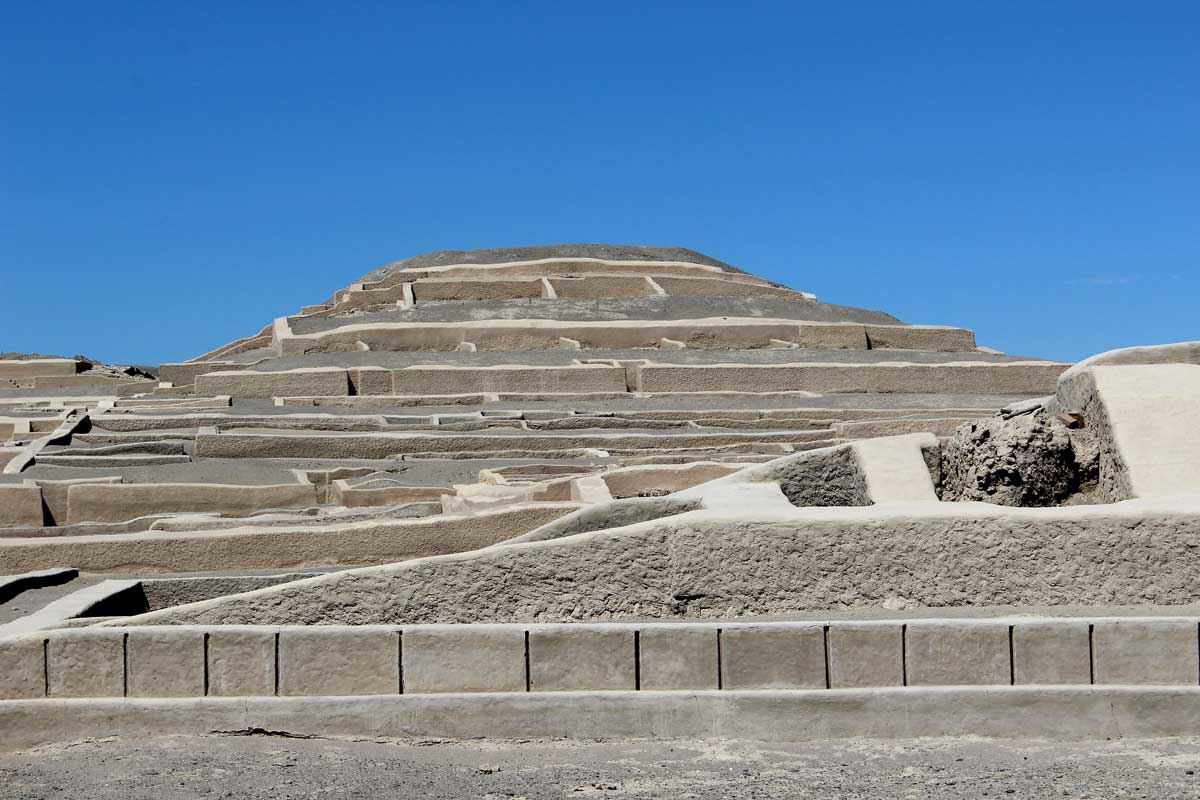
Nazca society is believed to have been made up of small chiefdoms with a central religious power located at Cahuachi, where water was managed with a complex system of cisterns and underground aqueducts. There is no evidence of residential districts at Cahuachi, so occupation is thought to have been short-term. However, there are a large number of burial mounds and graves with rich offerings that have been found at the site.
The Nazca practiced human sacrifice and a form of ancestor worship centered on the mummy-bundles of their dead forebears. Archaeologists have uncovered caches of so-called trophy heads—that is, a collection of decapitated skulls at ceremonial sites. Motifs of trophy heads are also often found on the brightly colored Nazca pottery and complex textiles that have been recovered from archaeological sites. Considering the hostile desert environment in which the Nazca lived, it is likely that these sacrifices were a way of trying to appease the natural forces or the spirit world and deities that surrounded them.
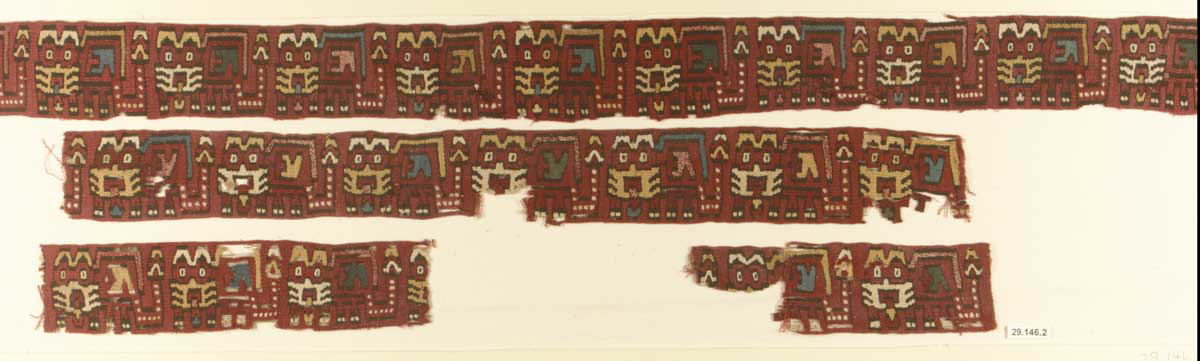
Ultimately, though, it was the environment that spelled the end for the Nazca civilization. Around the year 500 AD, an El Niño weather system formed and caused massive floods that destroyed much of the Nazca’s infrastructure and farmland. For a culture that held water in such ceremonial significance, it must have been a bitter pill, as that very same water destroyed a civilization that had taken centuries to build.
The Moche Warrior Priests and Clay Monuments
Named after a modern town that is thought to have been at the center of their sphere of influence, the Moche culture was a group of loosely unified chiefdoms that occupied 400 square miles of irrigated valleys along the Northern coast of Peru and flourished from approximately 100 – 800 AD. Contemporary with the Nazca, the Moche conquered surrounding territories and established themselves as a major power in ancient Peru.
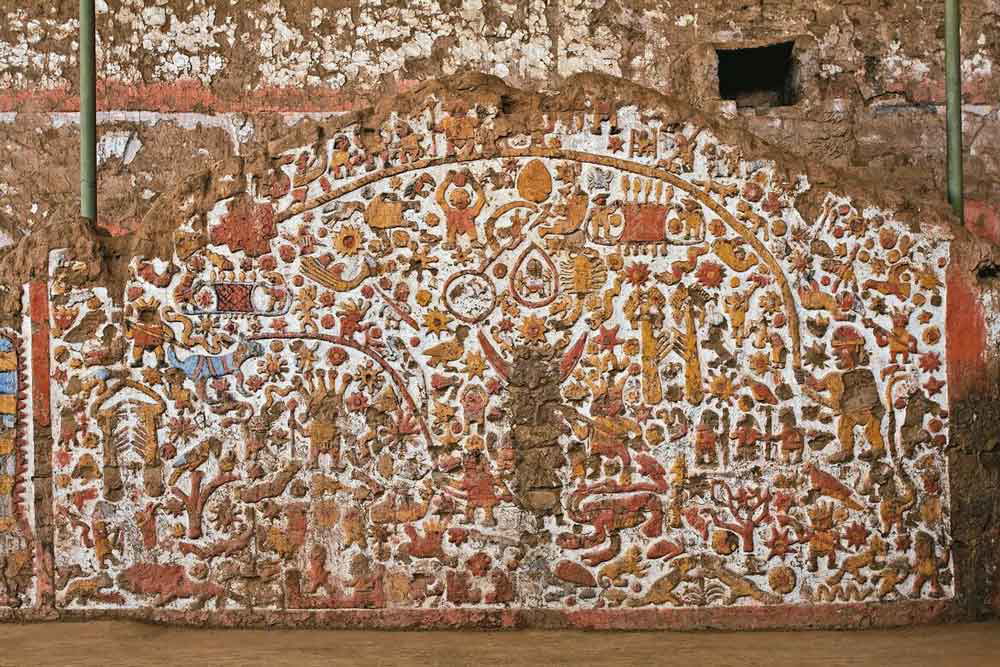
At the heart of the Moche civilization lay a vast city and temple complex, where the impressive Huaca de la Luna—the temple of the moon— was once at the center of worship. Archaeologists now know that it was not dedicated to the moon at all, but rather to the Moche god of the mountains, Aiapaec. Huaca de la Luna is lavishly decorated with colorful frescoes, from which much has been learned about the Moche people. Each chiefdom was likely led by warrior priests, who brought prisoners of war to the temple. These prisoners would then be sacrificed, and their blood collected in cups from which the priests would then drink.
The Moche were more than bloodthirsty warriors, however, for they were skilled architects and artisans as well. They used adobe—a type of mud brick—to build their temples, palaces, administrative buildings, and homes, some of which were then decorated with colorful frescoes. Huaca del Sol is thought to have reached a height of 100 feet before the Conquistadors, hunting for gold, diverted a nearby river to the base of the temple, destroying almost 70% of it in their quest for riches.
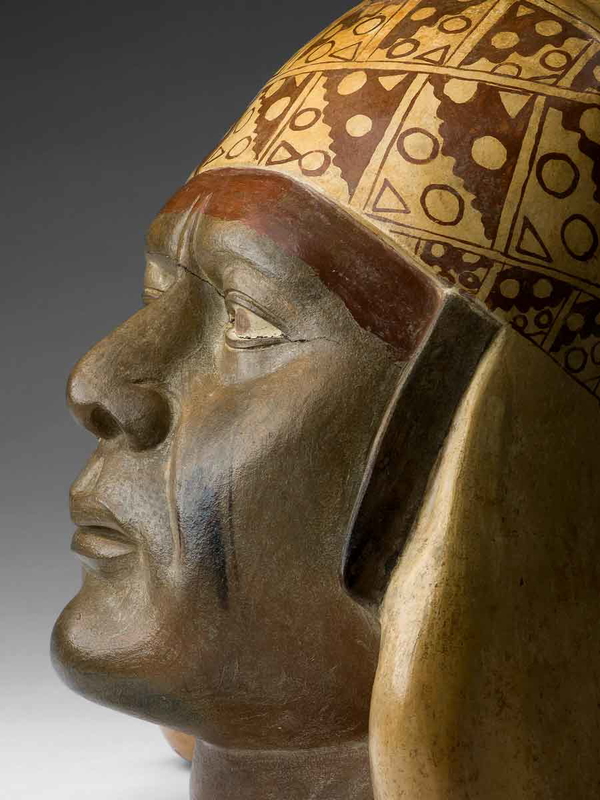
Thankfully, much of the incredible pottery made by the Moche has survived to the modern day, including sculptural pieces that are thought to depict real people and represent some of the most lifelike art found anywhere in the ancient Americas. They were also skilled metallurgists who pioneered a range of gilding and soldering techniques that were used to great effect on elaborate headdresses, body jewelry, and ceremonial objects.
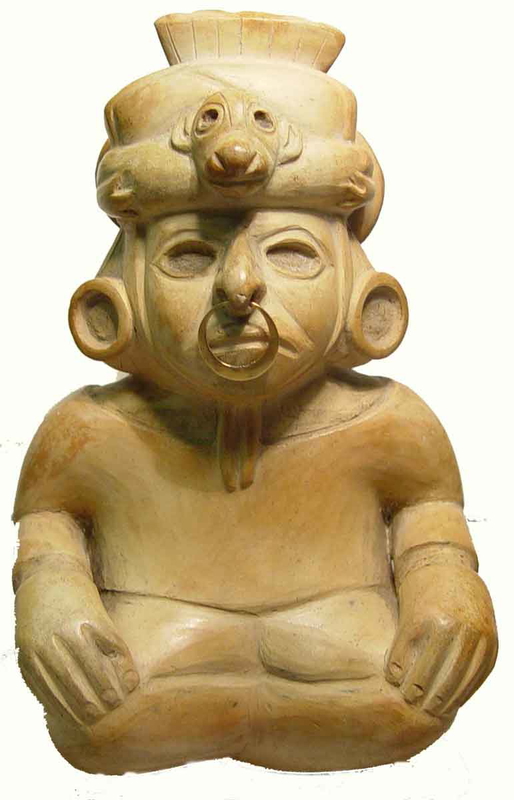
The fall of the Moche civilization took place over an extended period, likely starting with the same El Niño weather events that spelled the end of the Nazca. As resources became scarce, the different Moche chiefdoms turned on each other, until all former cultural ties were severed by war.
The Tiwanaku Empire and High Altitude Engineering
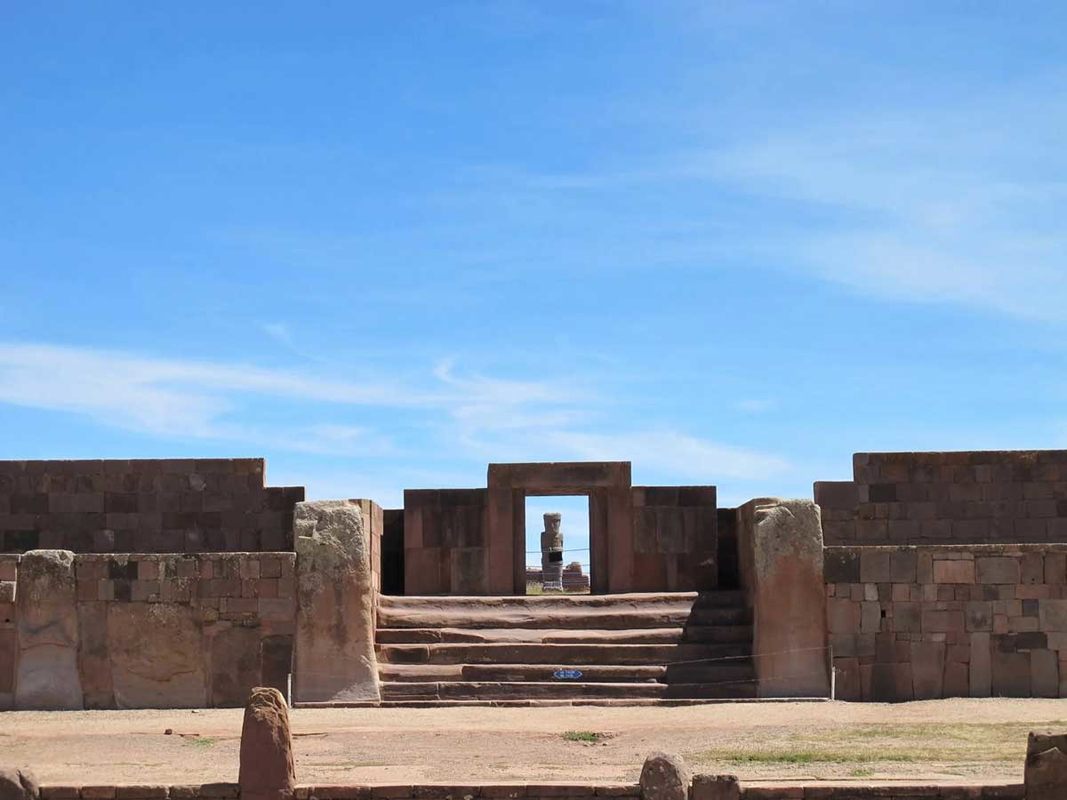
As the Nazca and Moche civilizations went into decline, far to the south, on the shores of Lake Titicaca, the Tiwanaku culture grew to prominence between 550 and 950 AD. Named for the capital city of Tiwanaku, which is thought to have been the center of the surrounding political and cultural landscape, the city was home to over 30,000 residents, while their influence stretched all the way from the Peruvian coast through northern Bolivia and down into the north of Chile.
The Tiwanaku Empire was home to sophisticated agricultural engineers, who transformed over 45,000 acres into a raised-bed irrigation system that produced surplus amounts of food for their people. Their architects and stonemasons were no less impressive. Tiwanaku featured large open spaces for ceremonial practice, decorated with fine monumental stonework held together with bronze clamps. Beautiful, carved reliefs decorated their sacred spaces, some of which have been identified as gods and deities of the Andes shared with more than one culture. Even the Inca were impressed with the stonework at Tiwanaku, and later imitated it in their own cities. In fact, the Tiwanaku empire became incorporated into Inca mythology, and they believed that their great Creator god had emerged from Lake Titicaca and made his home in the great city.
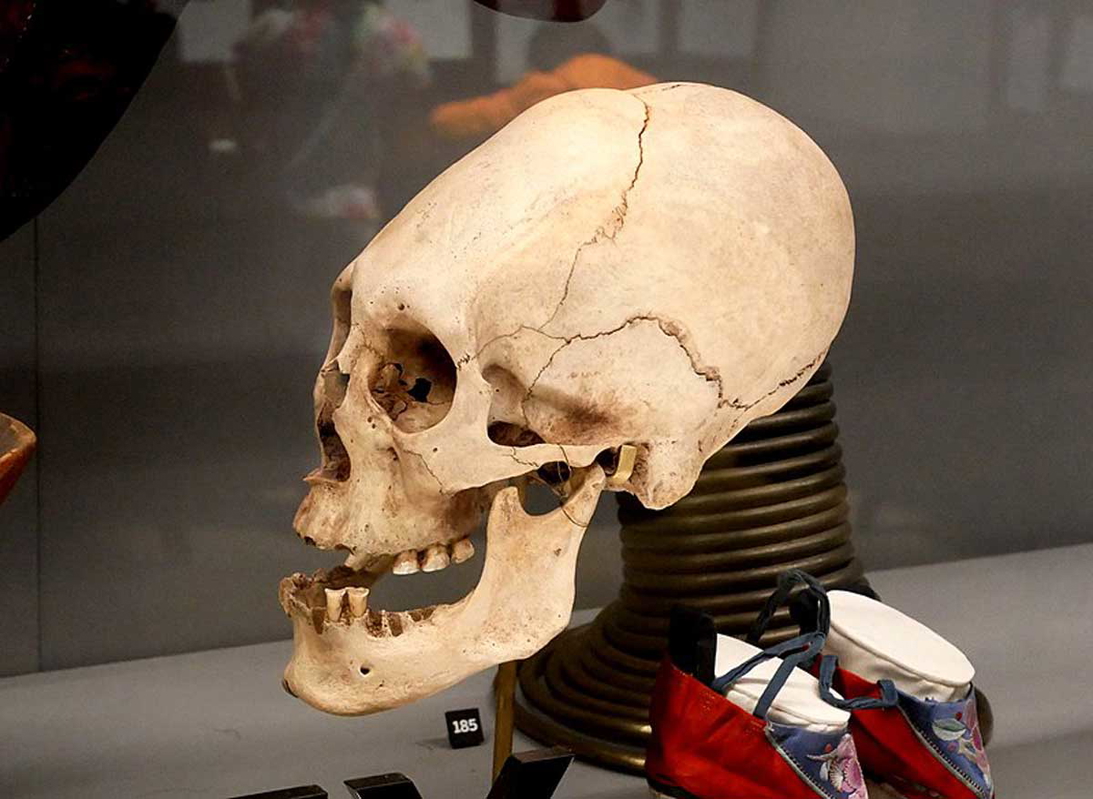
An interesting cultural trait of the Tiwanaku culture is the varying types of skull modification found across social classes within their empire. Outside of the main city, settlements tend to favor a particular style, while burials from the city itself show much more diversity in skull modification. Archaeologists have suggested that these different forms were somehow linked to regional or ethnic identity but did not seem to impact individual status in the city of Tiwanaku itself.
The collapse of the Tiwanaku civilization was slow and is thought to have been caused by prolonged periods of drought that led to the collapse of their farming systems around 1000 AD. Nonetheless, their influence continued on through the centuries, as the Inca in particular adopted many of their architectural and agricultural techniques as they grew their own empire.
The Wari Road Networks and Imperial Administration
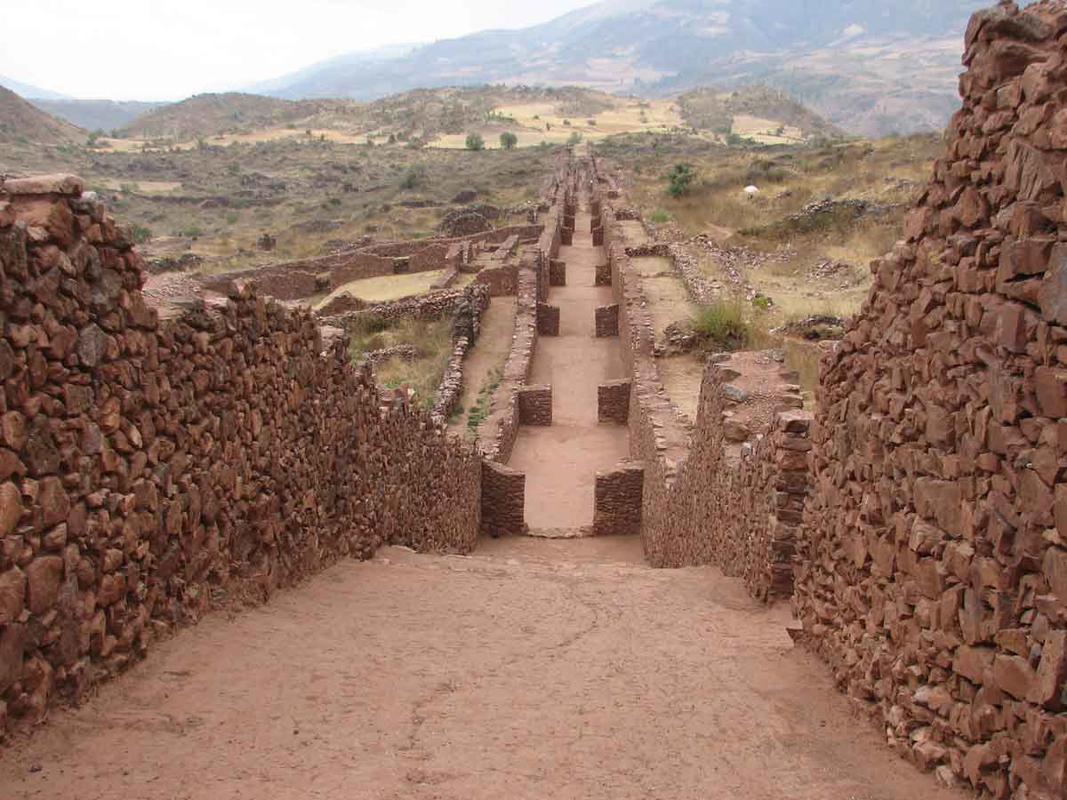
The Huari (or Wari) Culture flourished alongside the Tiwanaku from roughly 600 – 1000 AD, although the nature of their relationship is difficult to ascertain. Named for their capital at Huari, they controlled vast swathes of the Peruvian coast and highlands. They are considered to have been a military society with a distinct language and cultural identity that they imposed on the smaller cultures and civilizations that they conquered. It is possible that the Wari were the first truly centralized government in South America. Their elaborate system of tax collection led to the first major road network in the Andes, connecting the various regional cities to the Huari capital.
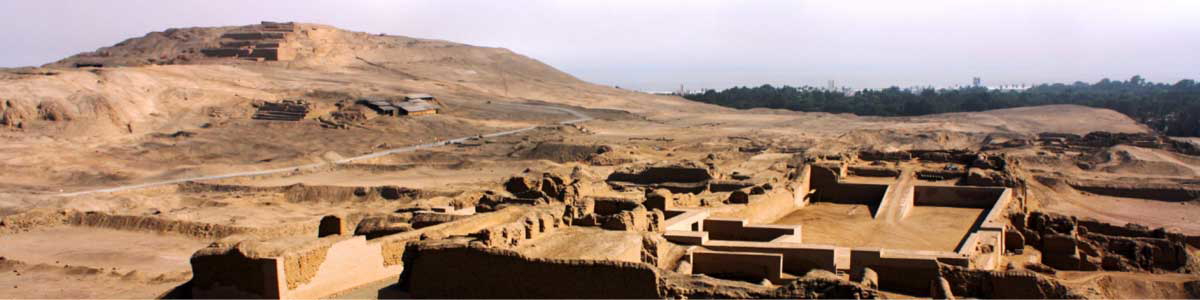
At their peak, the Huari empire and that of Tiwanaku ran within five miles of each other, although there is no archaeological evidence to date that implies there was ever a large-scale war between them. Rather, they seem to have co-existed in a cultural stand-off, perhaps because neither was prepared to fight so strong an enemy.
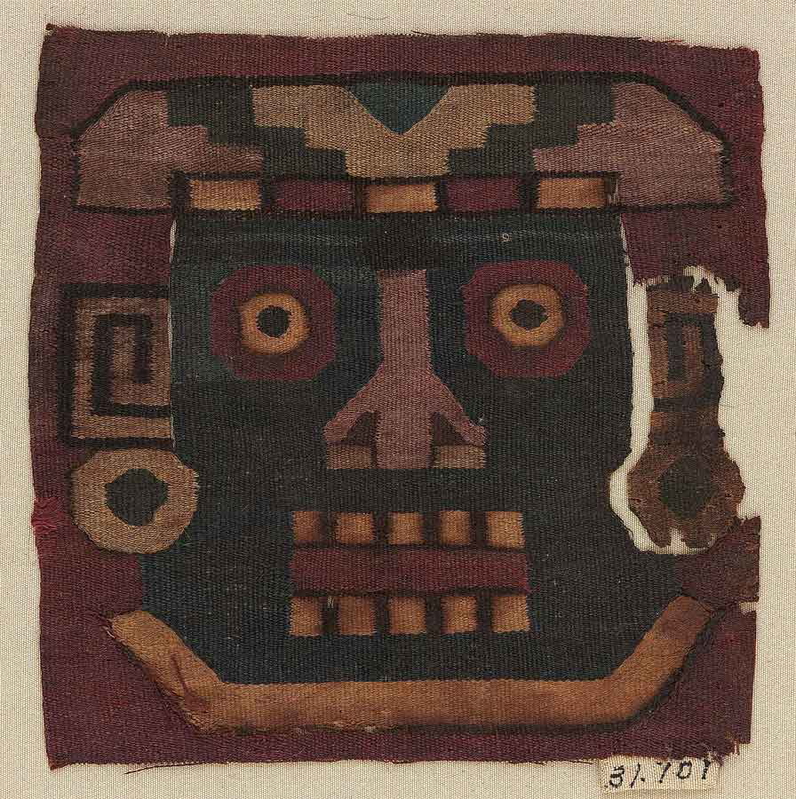
Thanks in part to their extensive empire and the resources it provided, the Huari were skilled artisans and craftspeople. They are most well-known, however, for a range of impressive textiles that expressed their worldview and illustrated their wealth and power. Their tapestry tunics in particular show colorful motifs and abstract patterns that seem almost modern in their design. Many examples have survived thanks to their use in funerary rituals, where the arid desert preserved them.
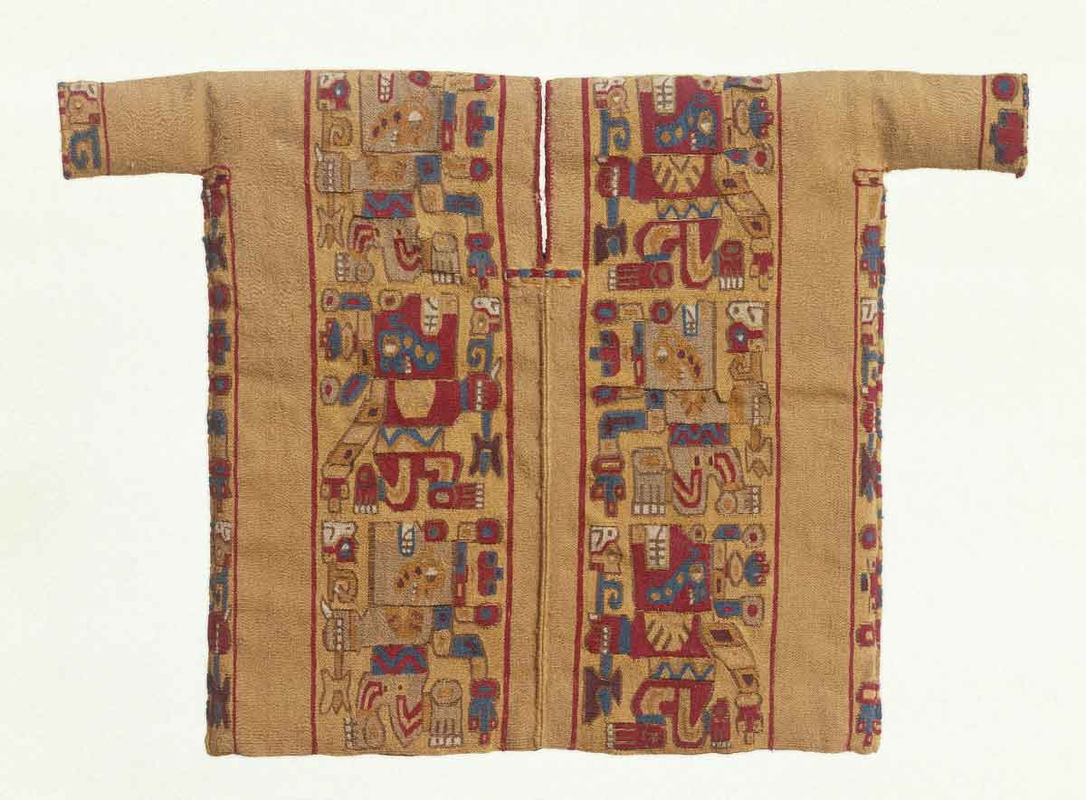
While the fall of the Huari was possibly begun by the same droughts that brought an end to the Tiwanaku, it is thought that their weakened military grip on their regional cities led to local uprisings and rebellions. Although their cultural influence continued in these smaller kingdoms, the Huari were never again a unified political force, and these smaller cultural groups were eventually conquered and absorbed into the Inca empire, where their influence can still be seen to this day.
Caral-Supe, Cradle of American Civilization
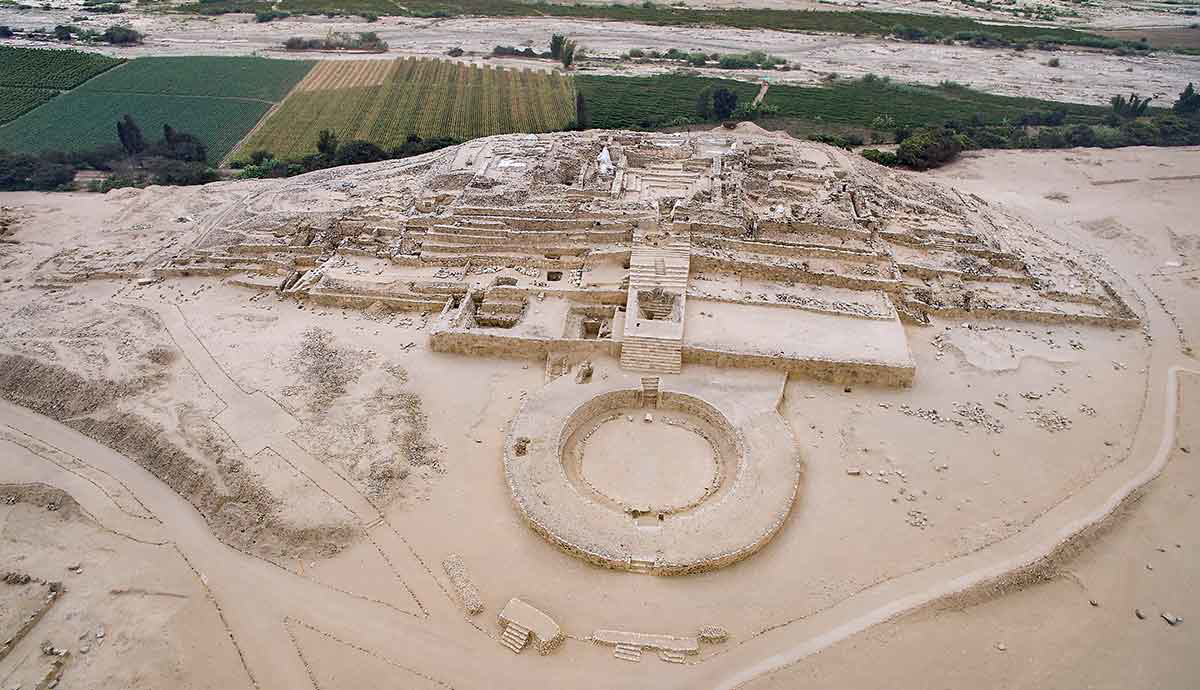
None of these early South American civilizations could have developed without Caral-Supe, the first civilization in the Americas, which developed in the 3rd millennium BC. One of six recognized “cradle” civilizations, places where humans independently developed complex social organizations, Caral-Supe may have relied primarily on maritime resources rather than agriculture. In decline by 1800 BC, Caral-Supe nevertheless had a lasting impact on the civilizations that followed.