
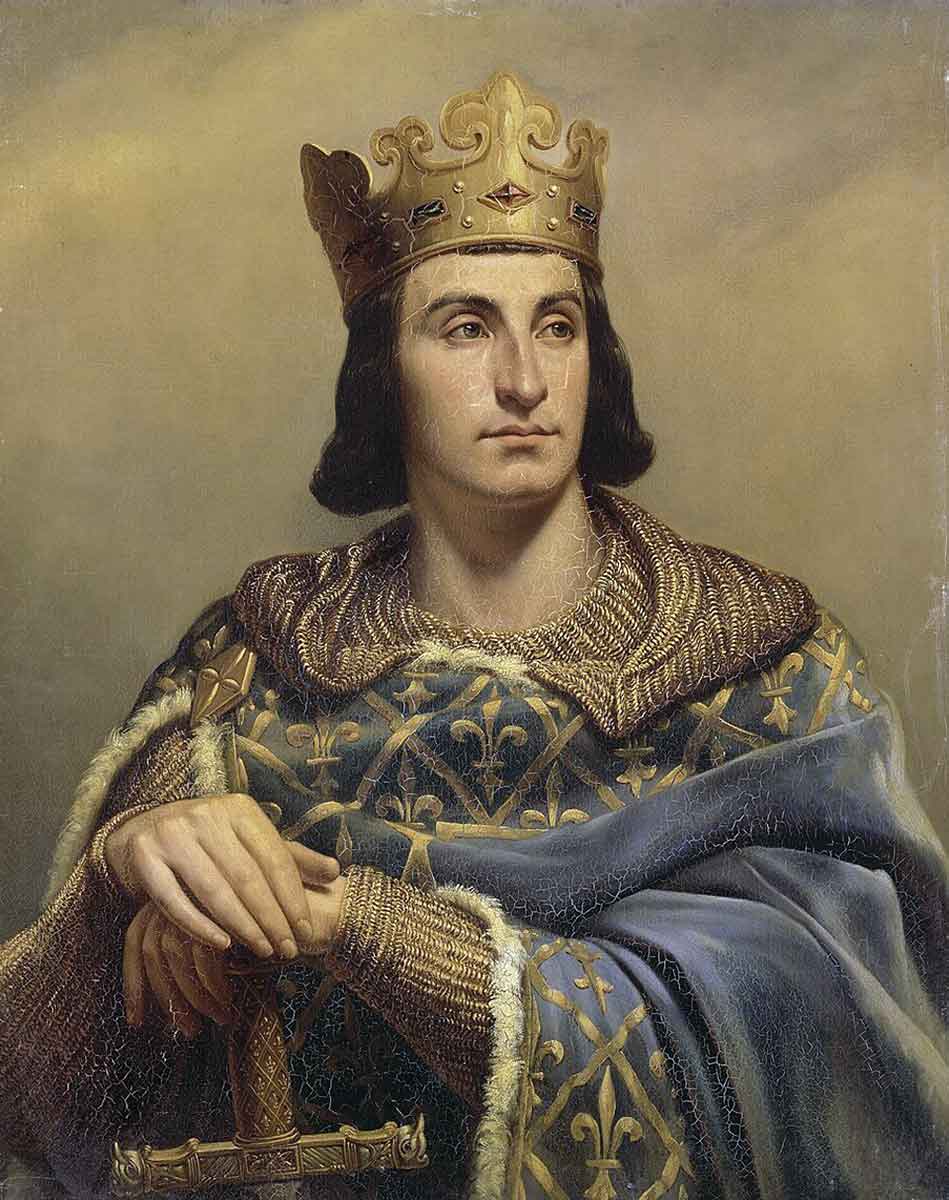
The Battle of Bouvines was fought on July 27, 1214, in what is now Northern France, close to the border with what is today Belgium. It is considered one of the most important battles in Medieval history, and one of the greatest military victories in French history. This is because by defeating the Anglo-German coalition, King Philip Augustus was able to secure his conquests from the English for the rest of his reign. It also resulted in King John of England being forced to seal the Magna Carta.
Philip Augustus and the Plantagenet Rivalry
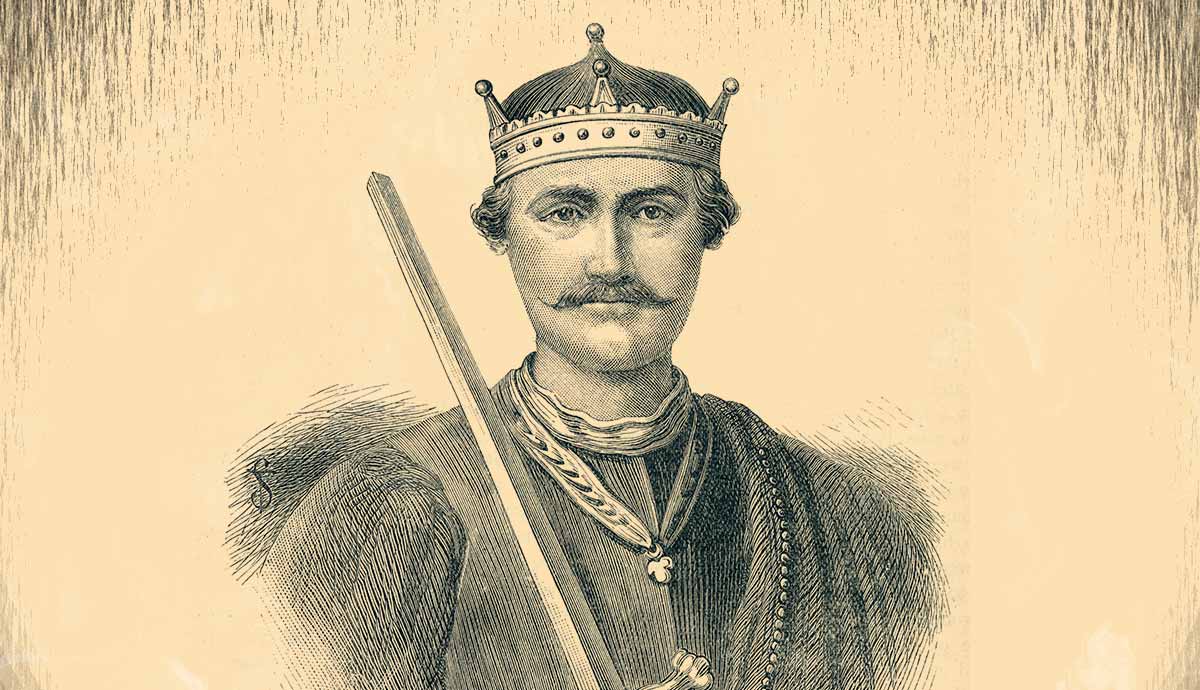
Ever since William the Conqueror, Duke of Normandy, invaded and conquered England and was crowned as its king, there had been an increasingly strained relationship between the Capetian Kings of France and the Norman and Plantagenet Kings of England.
The Dukes of Normandy had been mere vassals of the King of France. Now, although technically still vassals, not only were the Dukes of Normandy more powerful because of their conquest of England, but having a crown of their own made them the equals of their overlords, the kings of France.
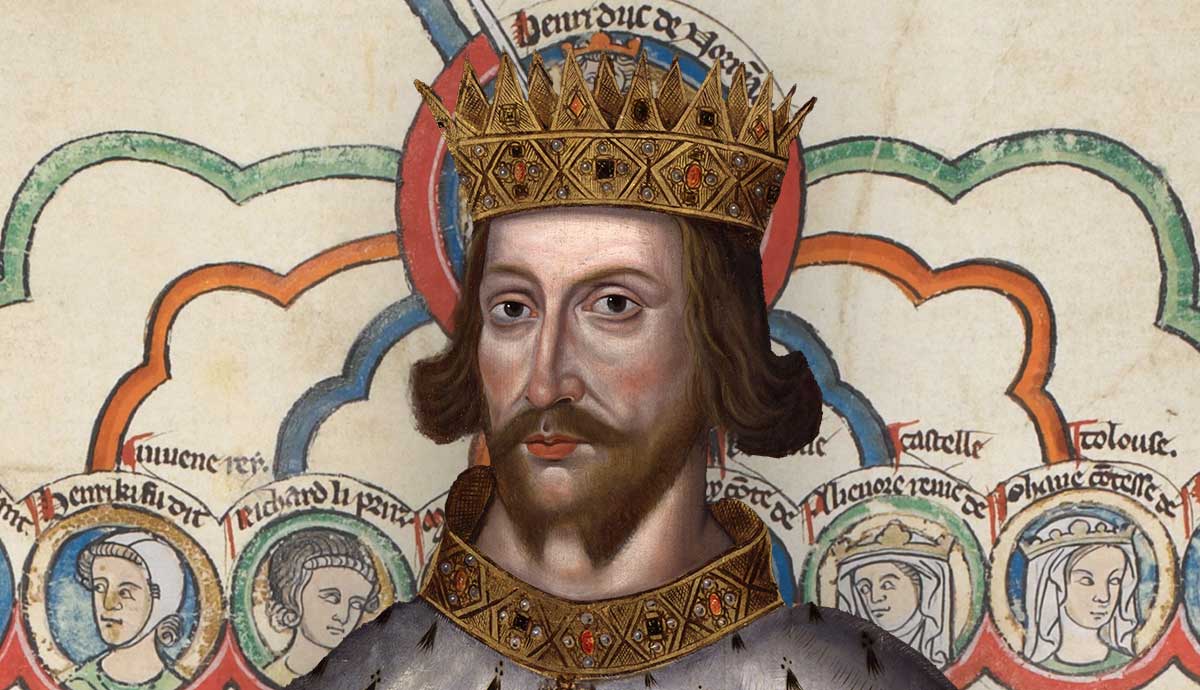
This strain worsened following the accession to the English throne of King Henry II in 1154. Both by marriage and inheritance, King Henry II was not only King of England, but far and away the most powerful figure in France.
The King of France, Louis VII, who was the contemporary of King Henry II, found the rise of this new Angevin Empire in France to be extremely concerning. He tried to contain and weaken King Henry II, but his efforts to do this bore little fruit. However, Philip Augustus, the son and heir of King Louis VII, who became sole King of France in 1180, had much more ambition and determination to make the Kingdom of France great by weakening the Plantagenets.
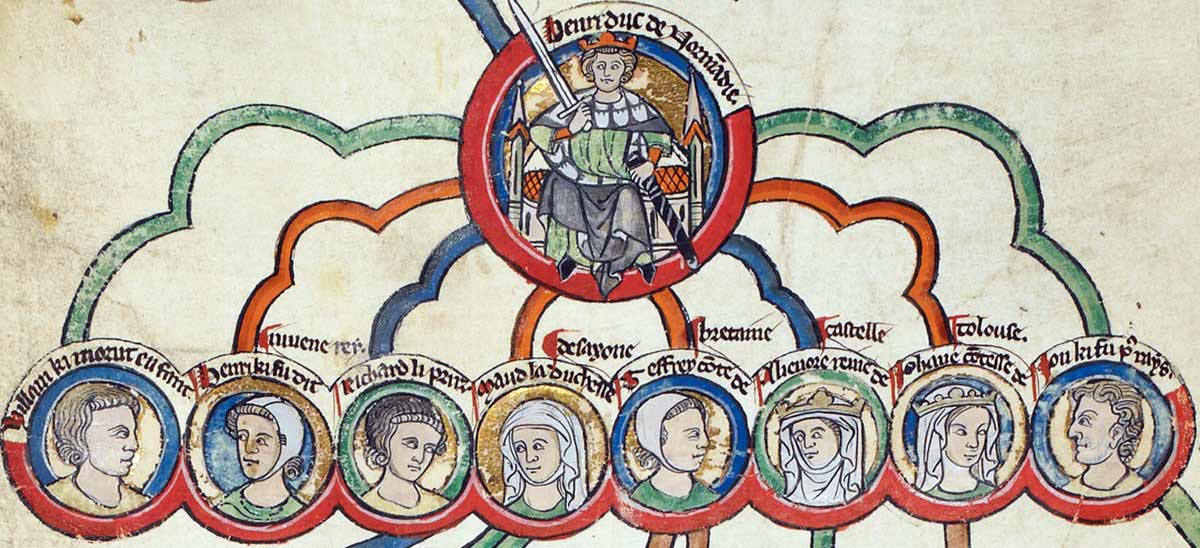
King Philip Augustus spent the first decade of his reign pitting King Henry II against his sons. These efforts culminated in 1189 when King Philip Augustus and his ally Richard the Lionheart, King Henry’s oldest surviving son and heir, defeated King Henry and forced concessions from him. Shortly after this, Richard the Lionheart became King of England, and then in 1190, King Philip Augustus and King Richard went on the Third Crusade together.
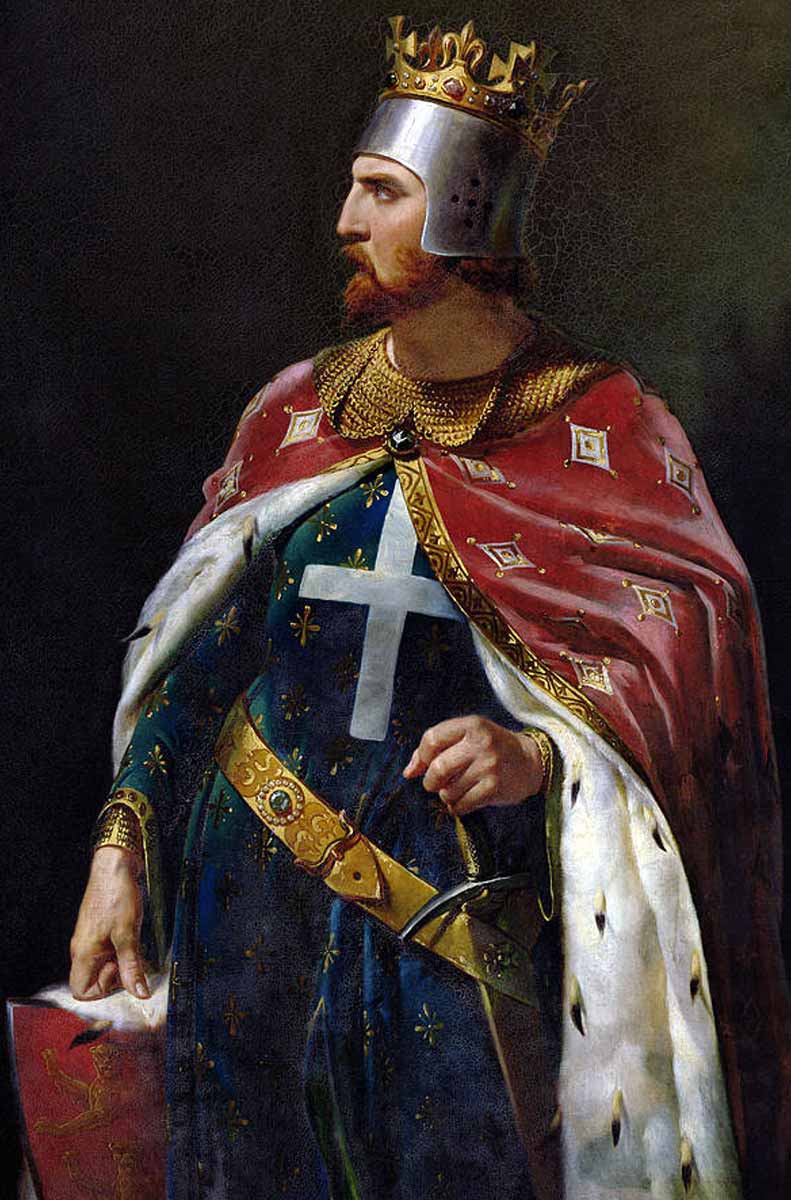
They soon quarreled and fell out with each other, and following the capture of Acre in 1191, King Philip Augustus decided to go home early. After King Richard the Lionheart was captured and held for ransom while he was returning home from the Crusade in 1192, King Philip made an alliance with Richard’s surviving brother, John Lackland, and King Philip proceeded to try to conquer Normandy. In 1194, King Richard arrived home and soon reconquered most of King Philip’s gains.
In the Spring of 1199, however, King Richard the Lionheart was killed while besieging the Castle of Chalus Chabrol near Limoges. King Richard had not sired a legitimate son, and so his younger brother John Lackland became King of England.
In 1202, King Philip Augustus and his court declared the lands which King John held in the Kingdom of France to be forfeit. This was because King John had refused to appear before the French Court when he had been summoned, over a disagreement with Hugh the Brown, Count of La Marche.
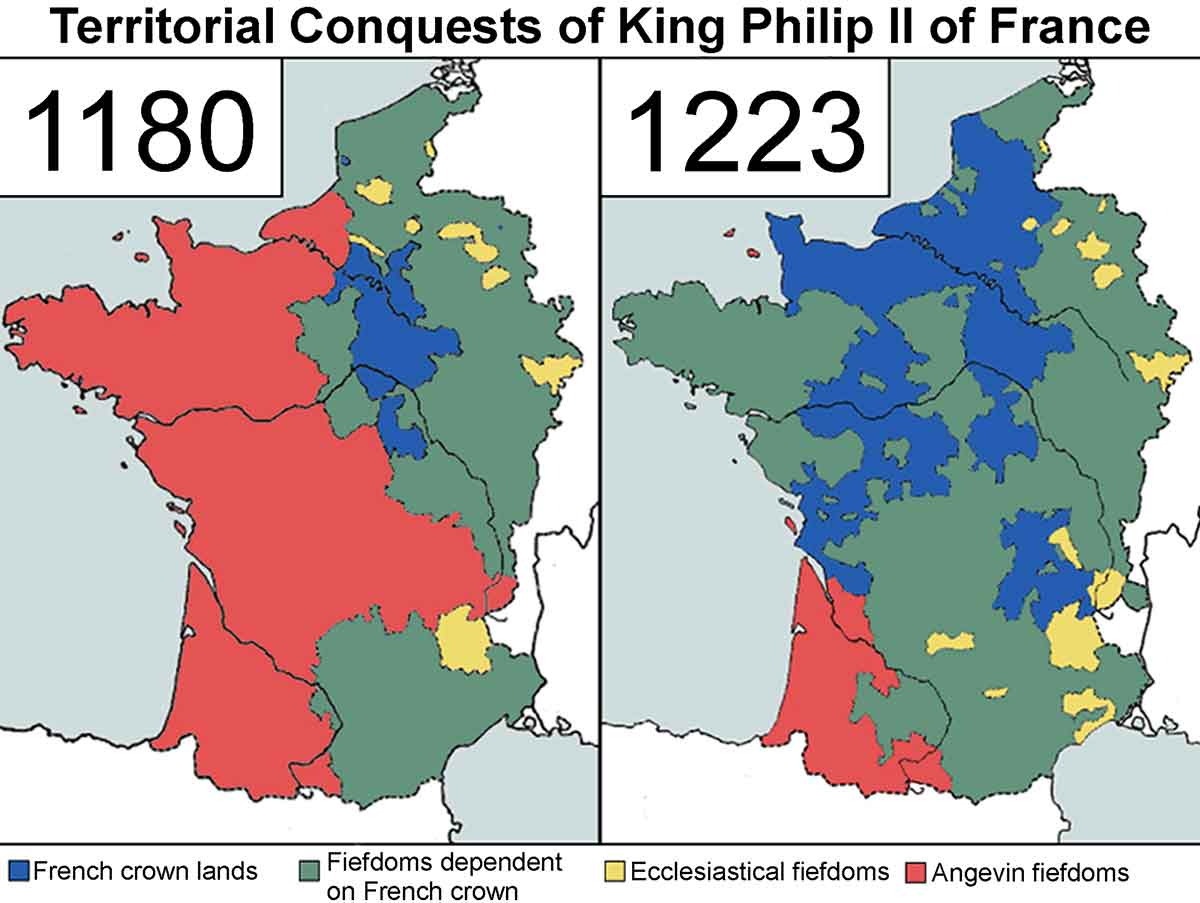
Following this decision by the French Court, King Philip Augustus proceeded to conquer the provinces of Normandy, Maine, Anjou, and Touraine from King John, conquests which quadrupled the domains of King Philip Augustus and instantly made him into the most powerful figure in France.
Building Toward Conflict
King Philip Augustus and King John made peace in 1206, but King John was determined to reconquer the lands which, in his view, had been unjustly confiscated from him. As a result, he soon began forming a new system of alliances with which to defeat King Philip Augustus.
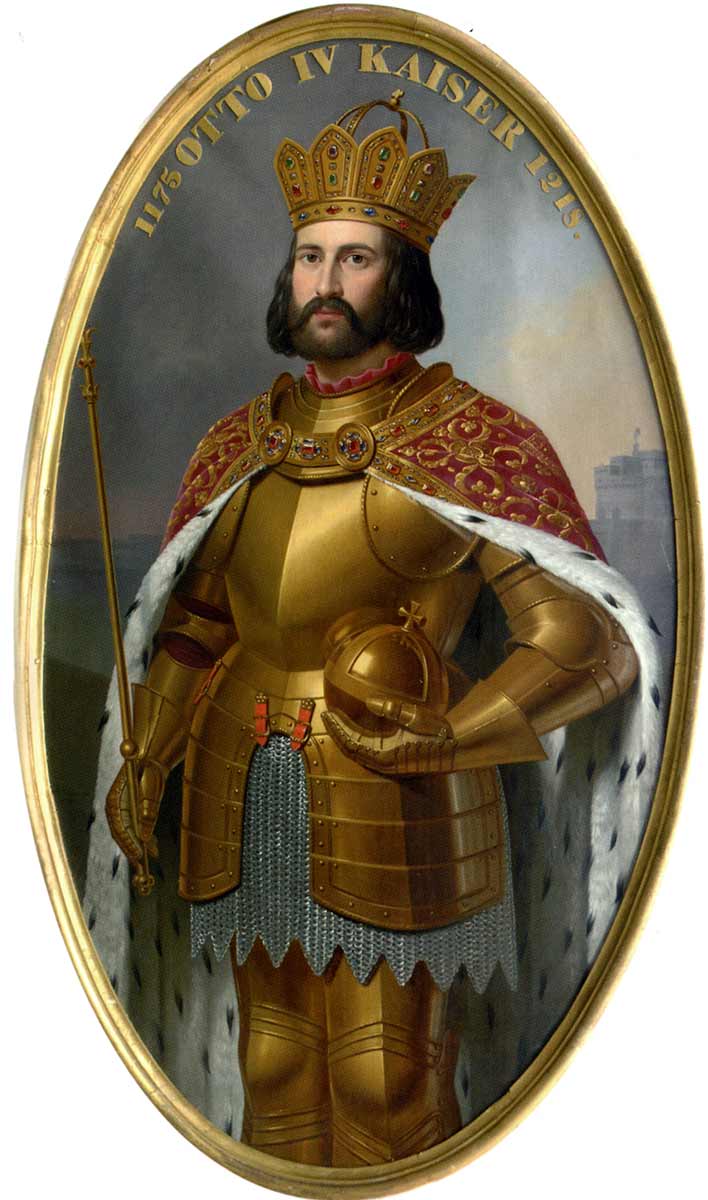
The most obvious and powerful of his new allies was his nephew, the new Holy Roman Emperor, Otto IV of Brunswick.
Another important member of this alliance was Ferrand, Count of Flanders. Although King Philip Augustus had himself arranged the marriage of Ferrand to Jeanne, the heiress of the County of Flanders, King Philip’s son Prince Louis had proceeded to seize the towns of Aire and Saint Omer from Count Ferrand. This event, and the English economic ties of his new Flemish subjects, caused Ferrand of Flanders to join the new coalition King John was building.
The final notable member of the coalition was Renaud Dammartin, Count of Boulogne. He was the son of a Castellan from the Ile de France, who grew up with Philip Augustus, but who had gone back and forth between supporting King Philip and supporting the Plantagenets.
Renaud fell out with the king again over a quarrel with King Philip’s cousins. This resulted in Renaud going back over to the side of King John, after which King Philip confiscated his fiefs.
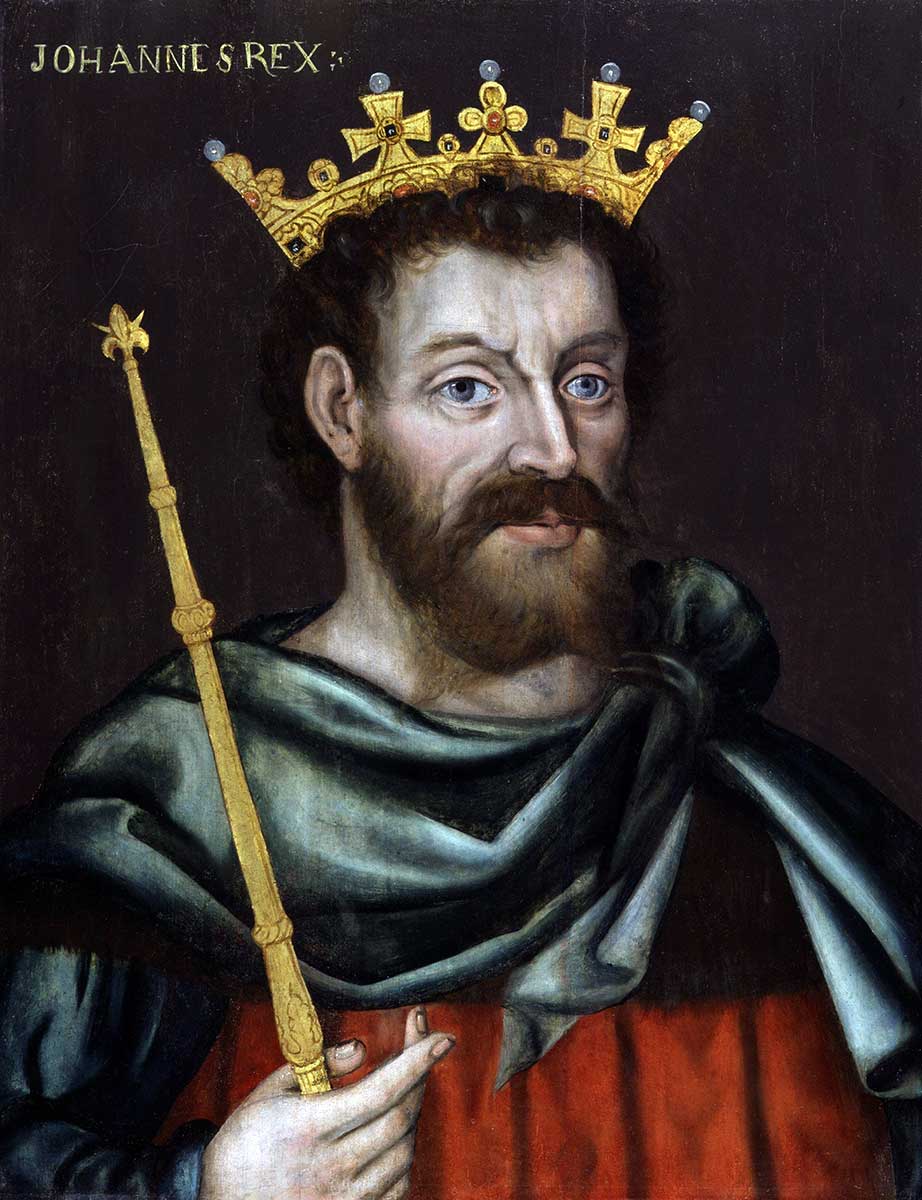
In 1214, King John began implementing his plan to invade the Kingdom of France and reconquer his lost inheritance. He took money and troops and landed at La Rochelle in February 1214. He planned to move north and reconquer his lost provinces.
Meanwhile, some English troops under John’s half-brother the Earl of Salisbury, as well as the troops of Ferrand of Flanders, Renaud of Boulogne, and Otto of Brunswick, massed in Flanders to attack King Philip from the Northeast.
The Campaign that would decide the fate of Philip Augustus and his strong new France, as well as of King John and his father’s empire, was about to begin.
The Battles of La Roche-aux-Moines and Bouvines
King John led his troops into the Loire Valley, where he began capturing towns and castles. Initially, King Philip Augustus and his son Prince Louis advanced into the Loire Valley with the French Army in order to stop King John’s advance. However, they soon learned that the Holy Roman Emperor Otto of Brunswick and their other allies were massing in the north in order to launch an attack on the Kingdom of France.
In order to face the double threat of King John in the South, and the Holy Roman Emperor and John’s other allies in the north, King Philip Augustus decided to split his forces, and leave his son and heir Prince Louis to deal with John in the Loire Valley, while he himself would head north with the other half of his forces in order to combat Otto of Brunswick and the rest of the alliance.
In July 1214, the conflict came to a head in both the North and the Loire Valley. In the Loire Valley, King John and his army laid siege to the Castle of La Roche-aux-Moines. Prince Louis and his army advanced to break the siege. However, many of the nobles from Western France refused to follow King John into battle against Prince Louis, and so, facing the imminent loss of much of his army, King John promptly fled, leaving his army scrambling in disarray.
Prince Louis decided to take advantage of this development to attack the disintegrating English army to destroy it as it crossed the Loire River. Prince Louis and his forces killed or captured much of the English army, and many other English soldiers drowned in the Loire River when the pontoon bridge they were crossing collapsed.
The threat to the Kingdom of France from King John in the Loire Valley was now neutralized, but meanwhile in the North, King Philip Augustus was finally about to face off against the forces of Otto of Brunswick and the rest of the coalition.
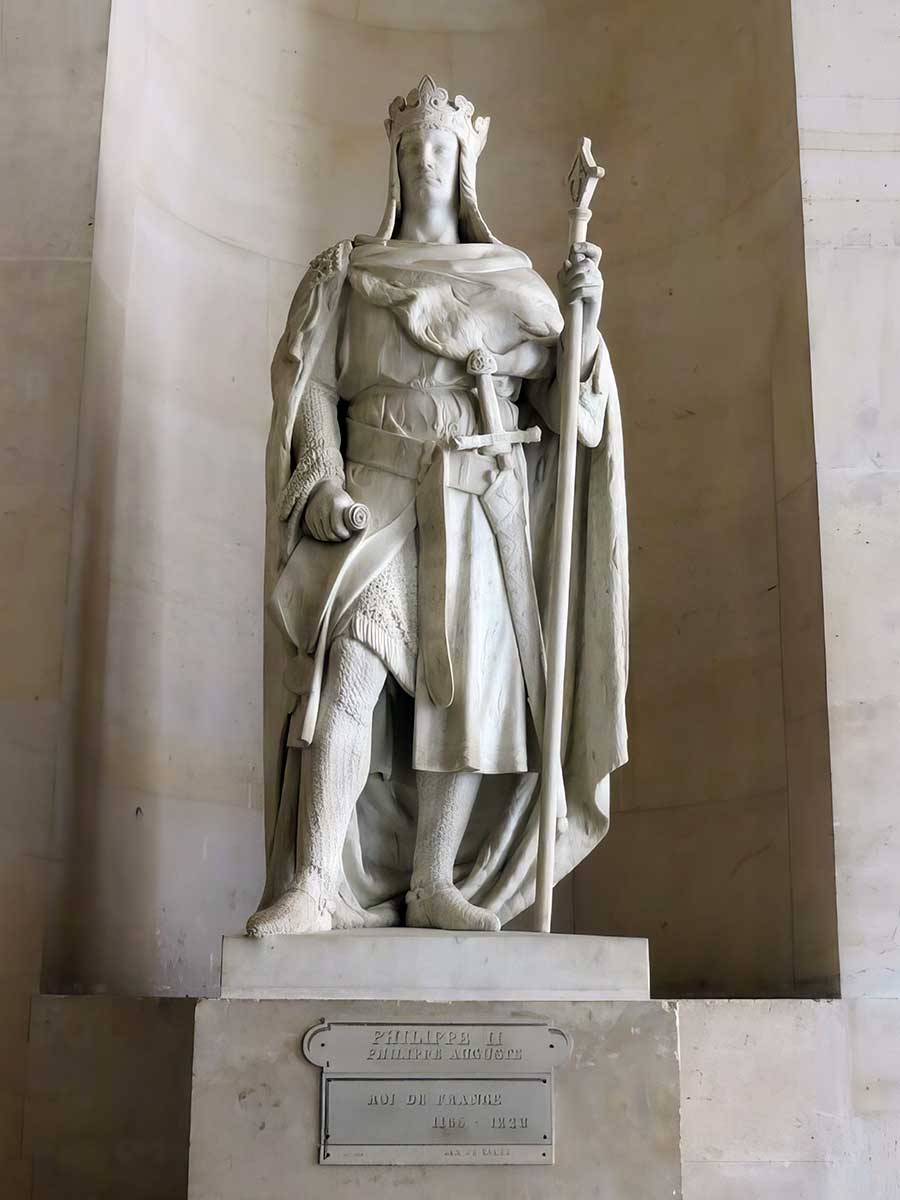
Philip Augustus had advanced into Flanders but soon fell back before the advance of Otto of Brunswick and the other coalition forces.
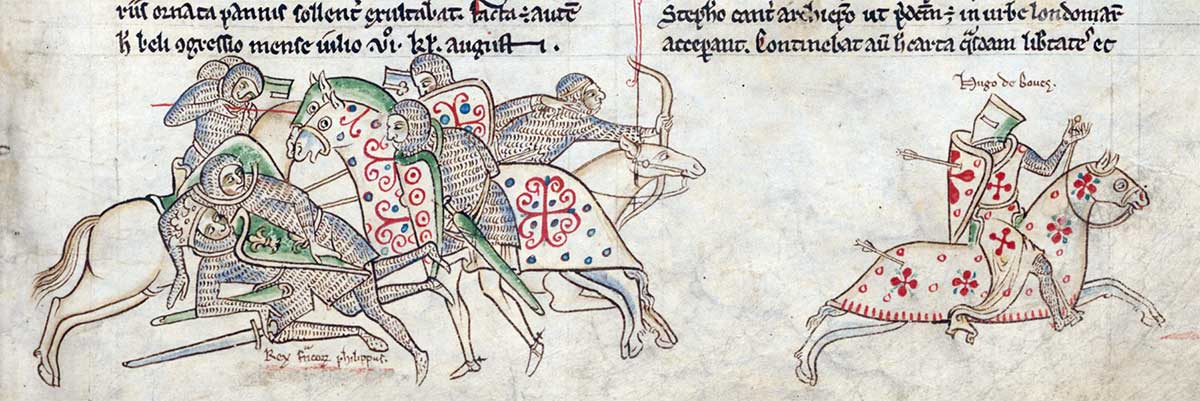
Philip Augustus had decided to lead his forces towards the town of Lille, where there was better ground for his cavalry. There was a bridge over the River Marcq near a village called Bouvines, which the French army crossed on Sunday, July 27, 1214. The rear guard, however, now began to come under attack by troops of Otto of Brunswick and the other allies. It soon became clear that they were drawn up in battle order and meant to fight a general engagement.
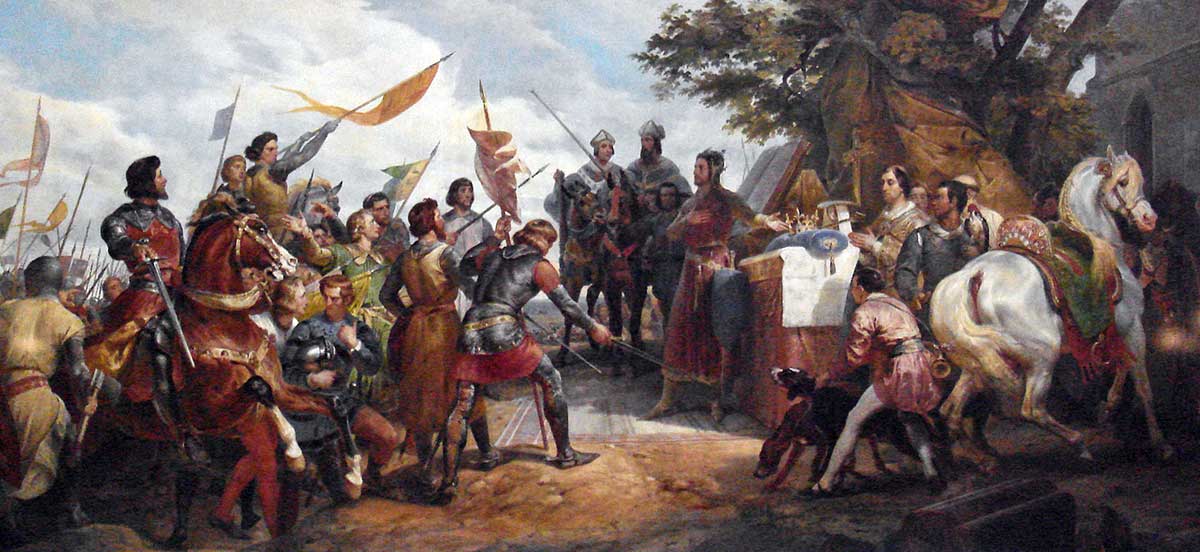
Brother Guerin, Bishop-elect of Senlis, the king’s keeper of the seal, and his most trusted advisor, rode over to King Philip and informed him that the enemy was in battle order and preparing to attack. King Philip donned his armor and helmet, went into a nearby chapel to say a prayer, ordered the infantry and the Oriflamme to cross back over the bridge to join the battle, and then exhorted his troops with a speech and blessed them.
King Philip’s army may have had 1,300 knights and 4,000-6,000 infantry, while the army of the coalition led by Otto of Brunswick probably had 1,300-1,500 knights and 7,500 infantry. So, King Philip’s army was slightly outnumbered by Otto of Brunswick and the coalition forces.
King Philip formed up his army, with his advisor Brother Guerin commanding the right flank, King Philip himself commanding the center, and Robert, Count of Dreux, and his brother Philip, Bishop of Beauvais, commanding the left flank. With King Philip were the royal banners, the Oriflamme and the Fleur De Lis.
As for the allied coalition army, Emperor Otto IV was in the center, with his banner of an eagle atop a dragon. Meanwhile, Renaud, Count of Boulogne, and William, Earl of Salisbury, held the right flank, while Ferrand, Count of Flanders, was on the left.
Brother Guerin opened the battle by sending mounted sergeants on the right flank to attack the Allied flank, which was commanded by Count Ferrand of Flanders. This opened a hard-fought battle, in which the rest of the French right flank, including the Duke of Burgundy, became involved. The Duke of Burgundy was unhorsed by Flemish infantry and had to be rescued by his knights. However, the French knights soon prevailed, and Ferrand, Count of Flanders, was captured.
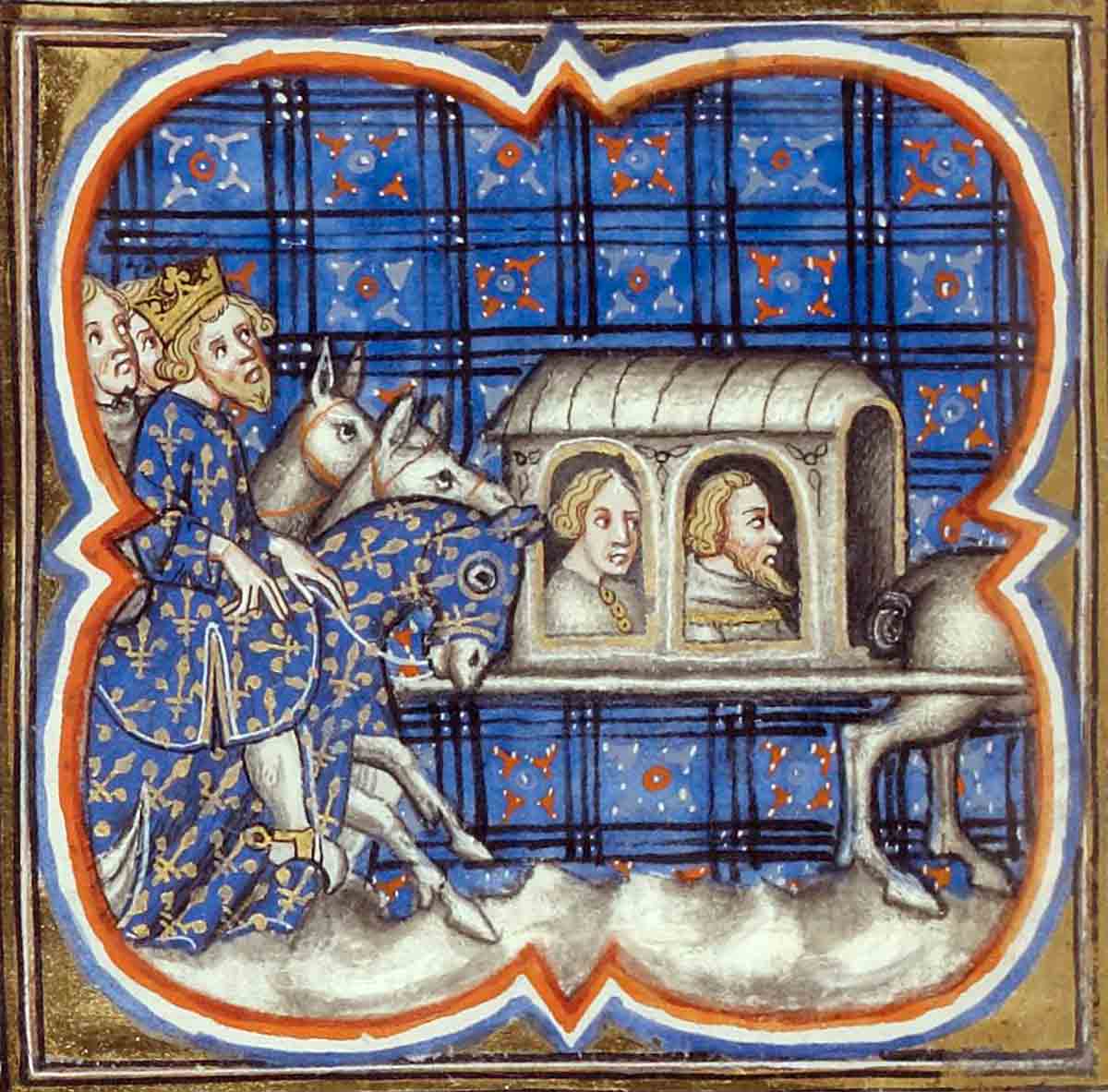
In the center, King Philip, his household troops, and the French infantry from the Communes faced Emperor Otto and his household knights and German infantry.
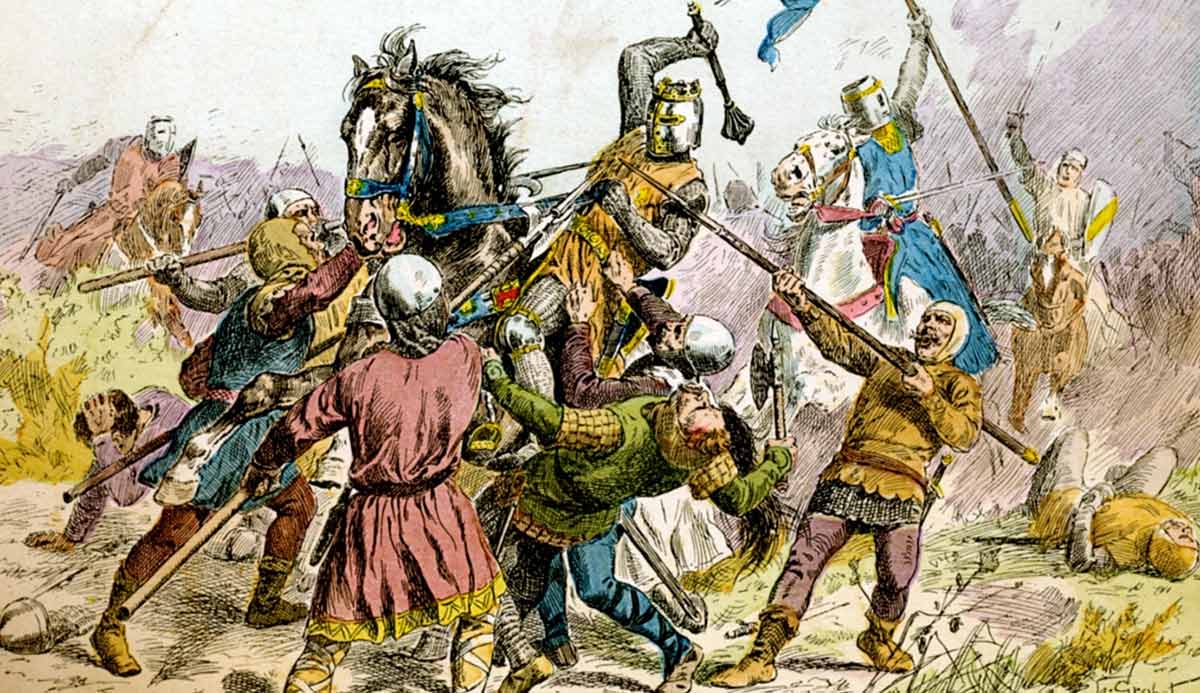
Emperor Otto ordered his troops to attack, and the French and German knights soon became engaged in battle, while the German infantry broke through their French counterparts and soon reached the King of France, whom they knocked off his horse.
The German infantry promptly began looking for a chink in his armor in which they could thrust their weapons, but some of the French king’s knights soon noticed the king’s predicament, and they rescued him and mounted him on a horse again.
The French knights soon beat off the Germans and launched their own counterattack. Now it was French knights who attempted to capture the German emperor, but he escaped. The emperor’s battle standard was captured and brought to King Philip.
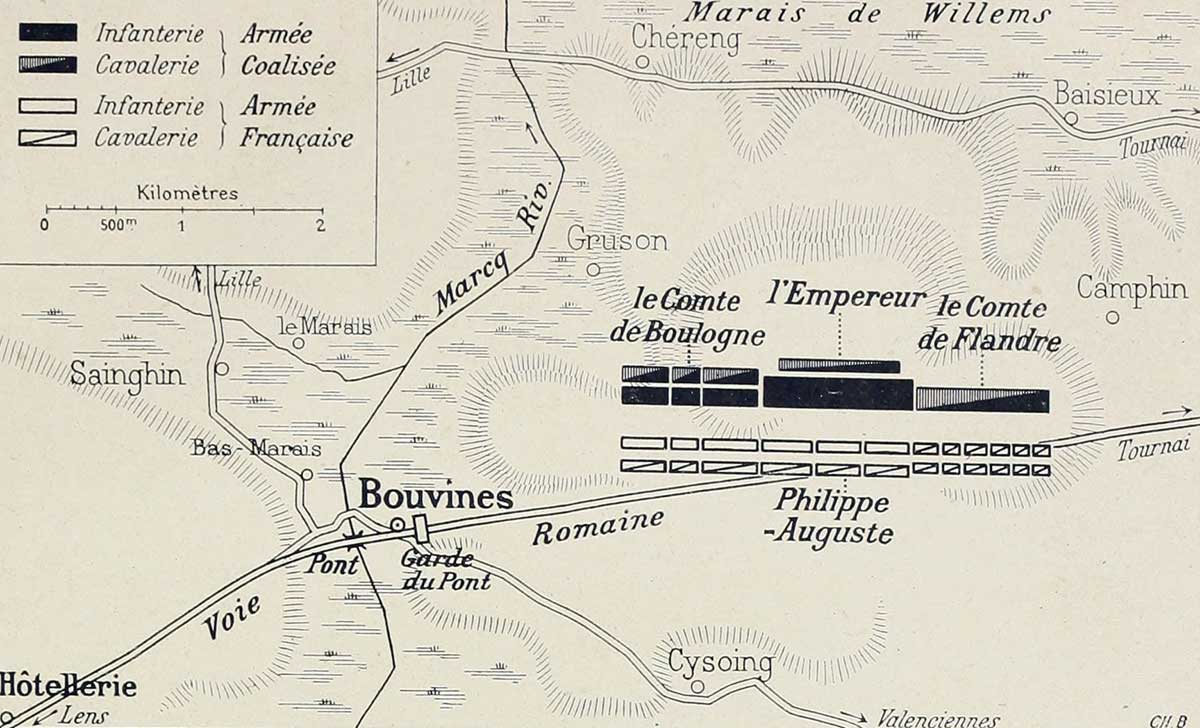
On the Allied left wing, William Longespée, Earl of Salisbury advanced at an angle against the French center, but was confronted and defeated by Philip of Dreux, Bishop of Beauvais. The Bishop of Beauvais, despite his clerical status, was armed with a mace which he used to stun and capture William, Earl of Salisbury.
Meanwhile, as the Allied right wing and center were defeated and fled the field, Renaud Dammartin, Count of Boulogne, continued to hold out on the left wing. He had formed up his Brabancon mercenaries, who were armed with long spears called pikes, into a circular formation to create a safe spot his knights could fall back to and regroup before going back into battle. However, as the battle continued, Renaud’s knights were gradually killed or captured, and eventually Renaud too was captured.
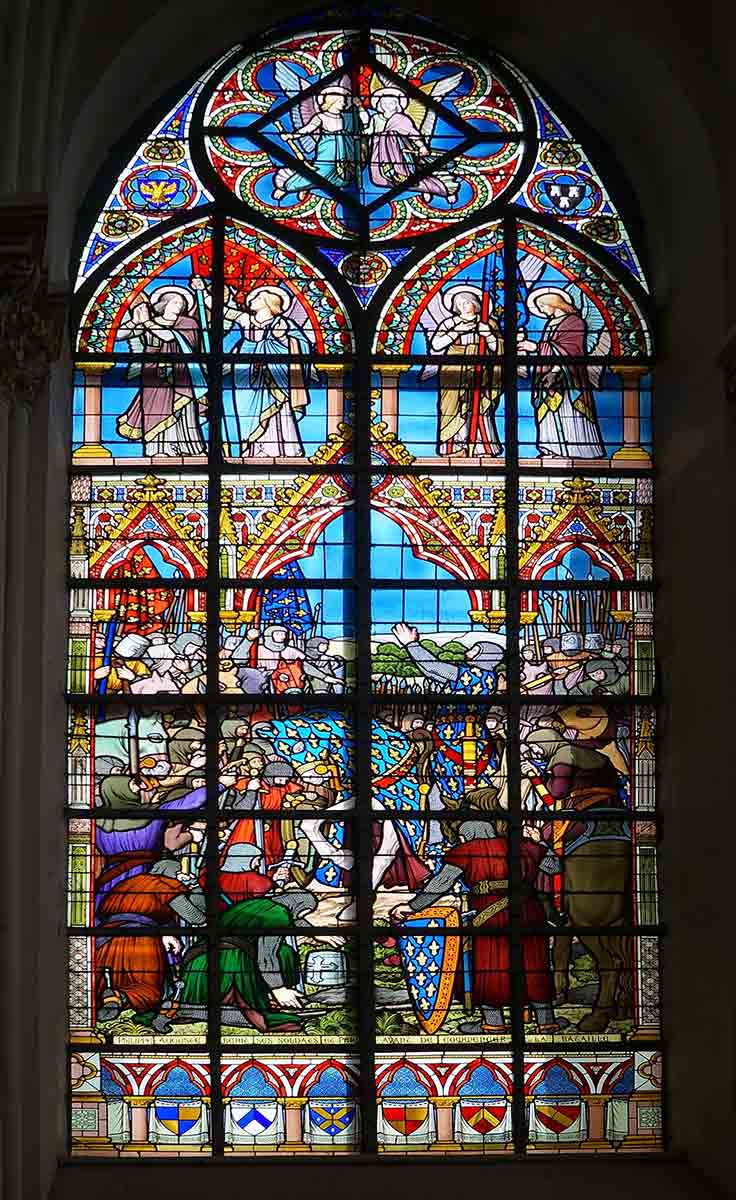
The Brabançon mercenaries held out for a while longer but were soon overwhelmed and wiped out. With the capture of Renaud, Count of Boulogne, and Ferrand, Count of Flanders, and the retreat of Emperor Otto IV, the battle was over, and King Philip had won a great victory.
The Lasting Impact of the Battle of Bouvines
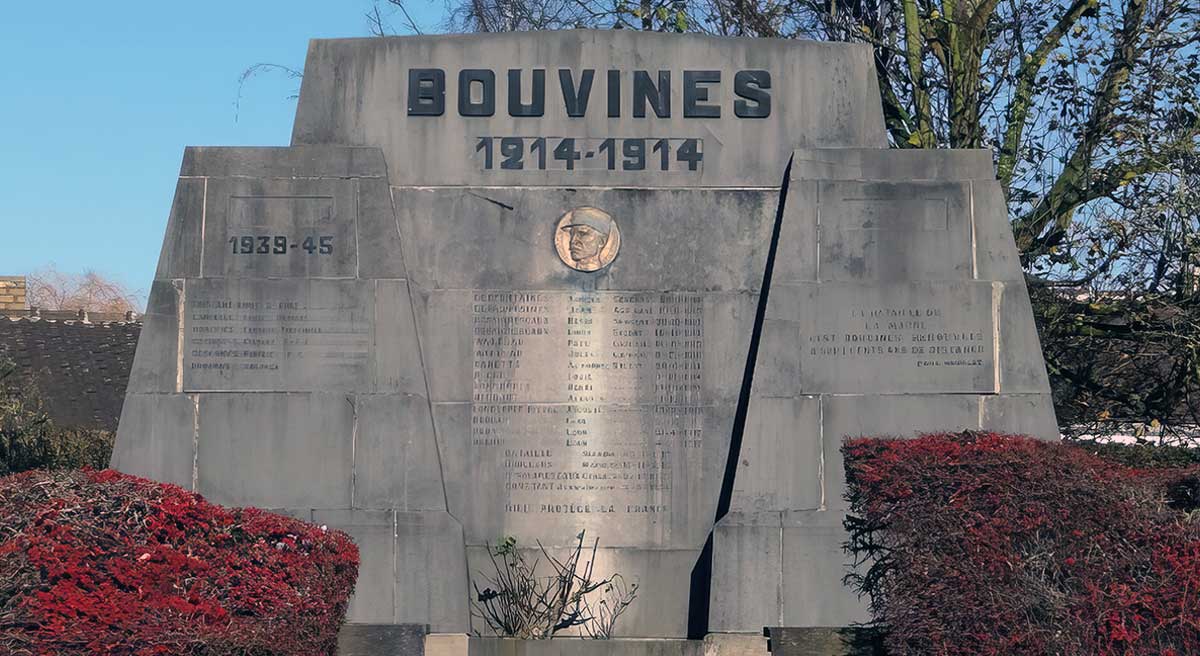
The Battle of Bouvines was a great victory which seemed to vindicate the efforts of King Philip Augustus to weaken the Plantagenet Empire and strengthen his own dynasty and kingdom.
The journey of the king and his army back to France was a triumphant march in which commoners lined the roads and cheered the victor and mocked the defeated prisoners.
In the royal capital of Paris, the citizenry broke out into two weeks of celebration for their king’s triumph over his enemies. People from all classes sang, drank, and danced.
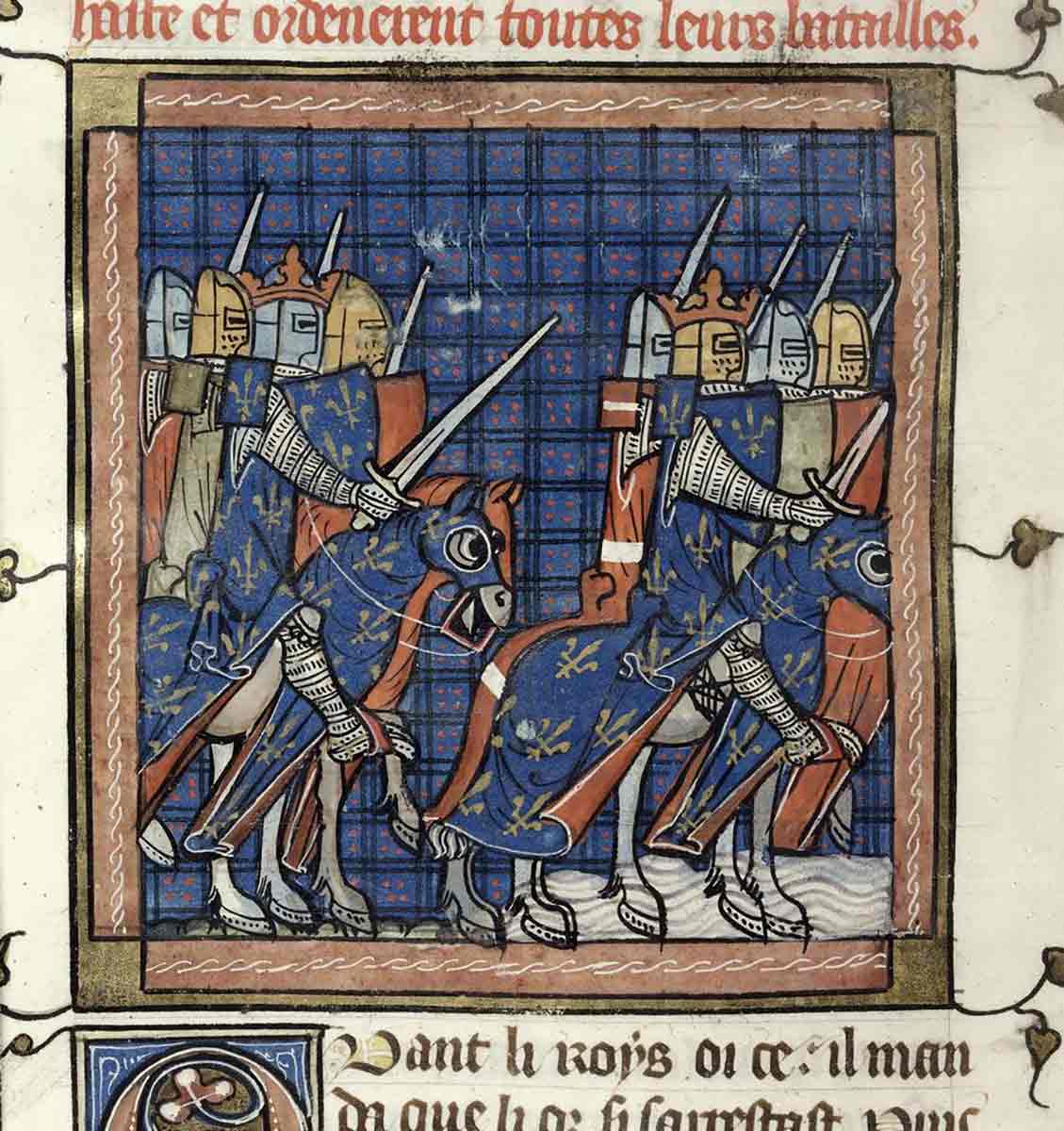
The Battle of Bouvines in general was a typical Medieval battle, dominated by knights. However, foot soldiers were present, and groups of knights and foot soldiers fighting together sometimes showed some effectiveness, for example Count Renaud of Boulogne using his foot soldiers to form a circle where he and his knights could fall back and regroup. This effective use of foot soldiers prefigured a future in which foot soldiers were able to play the leading role in defeating armies of knights.
The tactics used in the battle are generally considered to have been mostly conventional, and there was little of brilliant generalship on either side, although Brother Guerin, the most trusted advisor of Philip Augustus, ordering an attack with his Mounted Sergeants, is believed to have played a key role in winning the battle by throwing the enemy left flank into confusion before it had fully taken position.
Thanks to the thick armor of the knights and chivalric conventions that preferred to ransom captured knights rather than kill them, deaths among the knights were minimal; however, deaths among the commoners, both foot and mounted, were heavier.
In total, 130 lords were captured by King Philip Augustus and his army, and most of them were leniently treated and were given to the king’s followers so they could be guarded and ransomed. However, Counts Ferrand of Flanders and Renaud of Boulogne were treated more harshly.
Count Ferrand spent 13 years in a dungeon in the Louvre in Paris before he was freed early in 1227, and the still imprisoned Count Renaud of Boulogne killed himself in despair shortly afterwards.
Probably the most significant political result of the battle was that it consolidated the conquests by King Philip Augustus, which had made the amount of land controlled by the King of France four times larger. These conquests made the King of France the greatest ruler in Western Europe and ensured that the 13th century would be one of the great centuries of French history.
Another significant result of the Battle of Bouvines was that it further weakened and discredited King John of England. King John was never liked or trusted by the nobility of the Angevin Empire, and King John’s heavy-handed and arbitrary governance resulted in him being considered a tyrant.
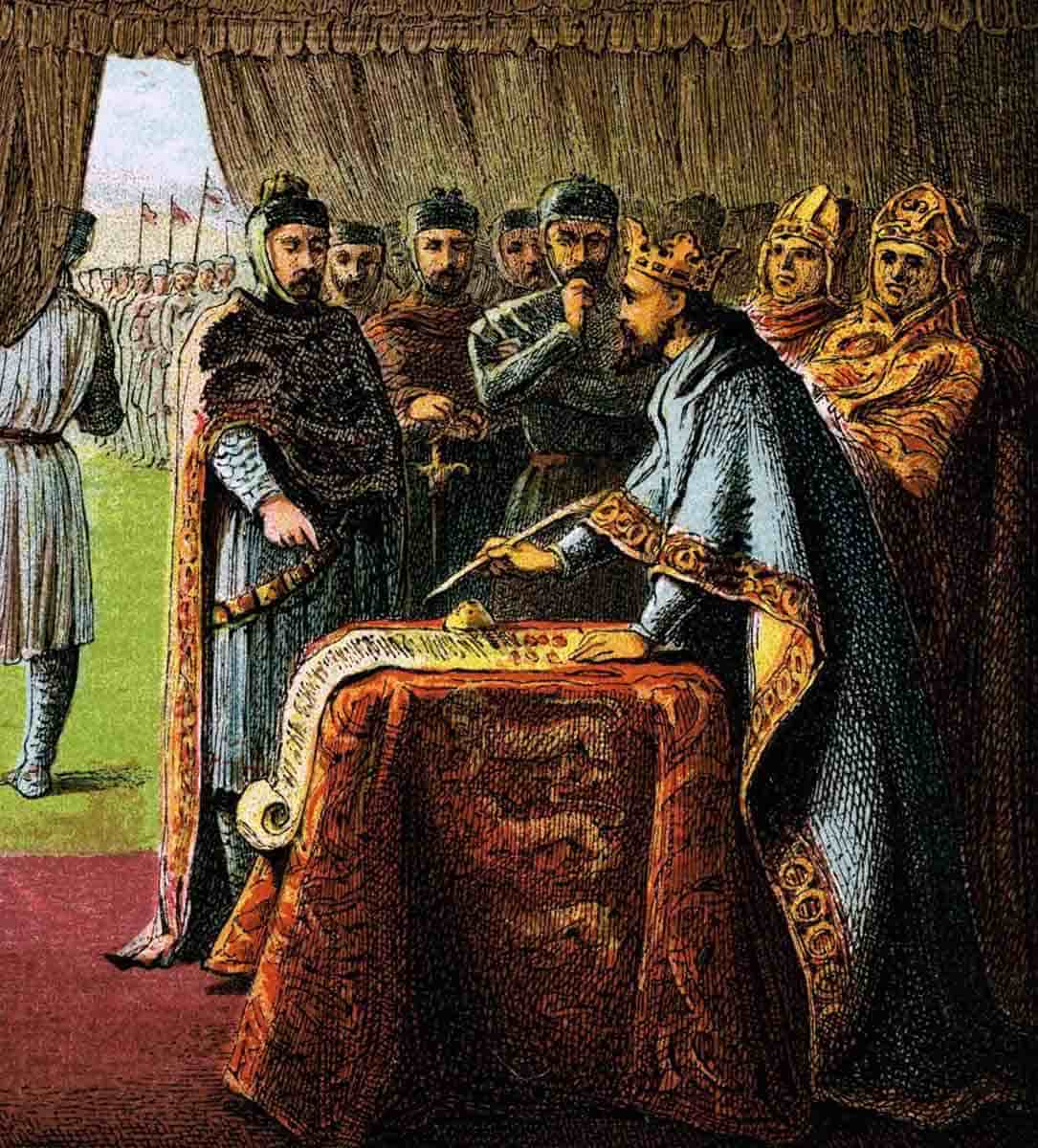
Worse still, King John had lost much of the Angevin Empire to conquest by the King of France, which made him look weak. That his final and expensive effort to reconquer his lost lands ended with such a humiliating defeat was the last straw, and within less than a year of the Battle of Bouvines, in June 1215, King John was forced to seal the Magna Carta, which placed limitations on the power of the king. This document in future centuries was to play an important role in English and American struggles for self-government.
A final political result of the Battle of Bouvines was that Otto of Brunswick was deposed as Holy Roman Emperor and died in obscurity, and his rival, Frederick of Hohenstaufen, became the Holy Roman Emperor Frederick II.
It is because of these decisive political results that the Battle of Bouvines was one of the most significant victories of the Middle Ages.