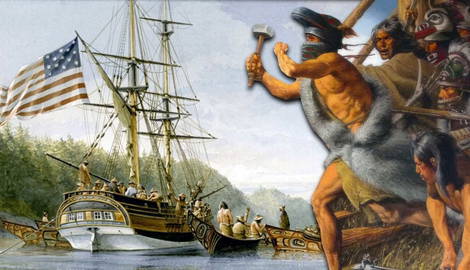

On the rugged coastline of the Pacific Northwest, the Tlingit and Haida developed societies defined by both land and sea. Long before European contact, these peoples used their maritime mobility to control trade, conduct warfare, and project power across hundreds of miles of coastline. Their world was one of canoes, islands, and strategic waterways, where wealth and influence depended on navigation and reputation as much as land. Discover how the Tlingit and Haida built durable maritime power over centuries.
The Maritime World of the Northwest Coast
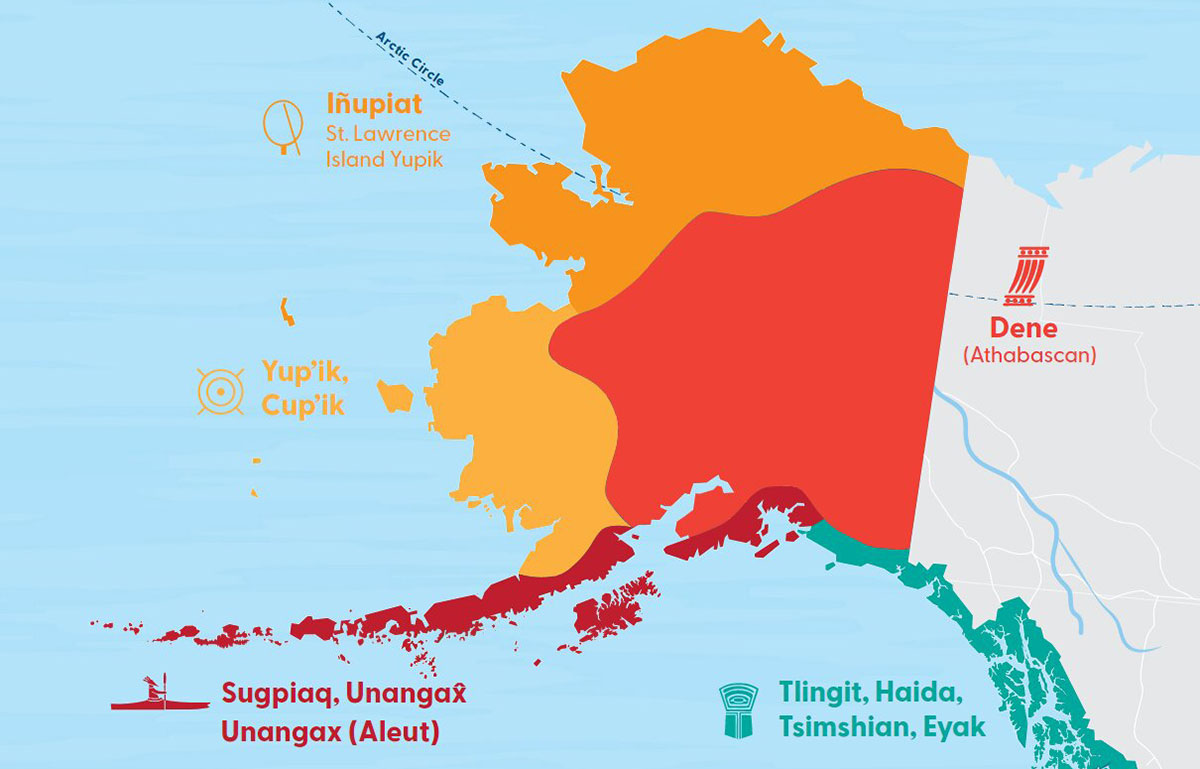
The Tlingit and Haida live along the northern Pacific coast of North America, a region famous for its spectacular mountains and waterways. Although culturally connected through the wider Northwest Coast world, the Tlingit and Haida were distinct peoples rather than a single nation; their maritime systems developed in parallel and often brought them into trade, alliance, and conflict with one another. Their homelands stretch across southeastern Alaska and the islands of the northern British Columbia coast, an environment dominated by deep fjords, rocky shorelines, dense temperate rainforests, and countless islands.
Canoes often provided faster and more practical movement than difficult inland routes, allowing travel between villages, fishing grounds, and distant trading partners. Control of strategic inlets, straits, river mouths, and island chains was an important part of economic and political power. The region was abundant in resources due to the vast forests and rich fisheries that characterize the landscape.
Controlling the trade networks put the Tlingit and Haida into conflict with each other as well as competing tribes and clans within their own fold. Access to these trade networks guaranteed wealth but also ensured food security and enhanced their social reputation.
Seafaring, Trade, and the Foundations of Wealth
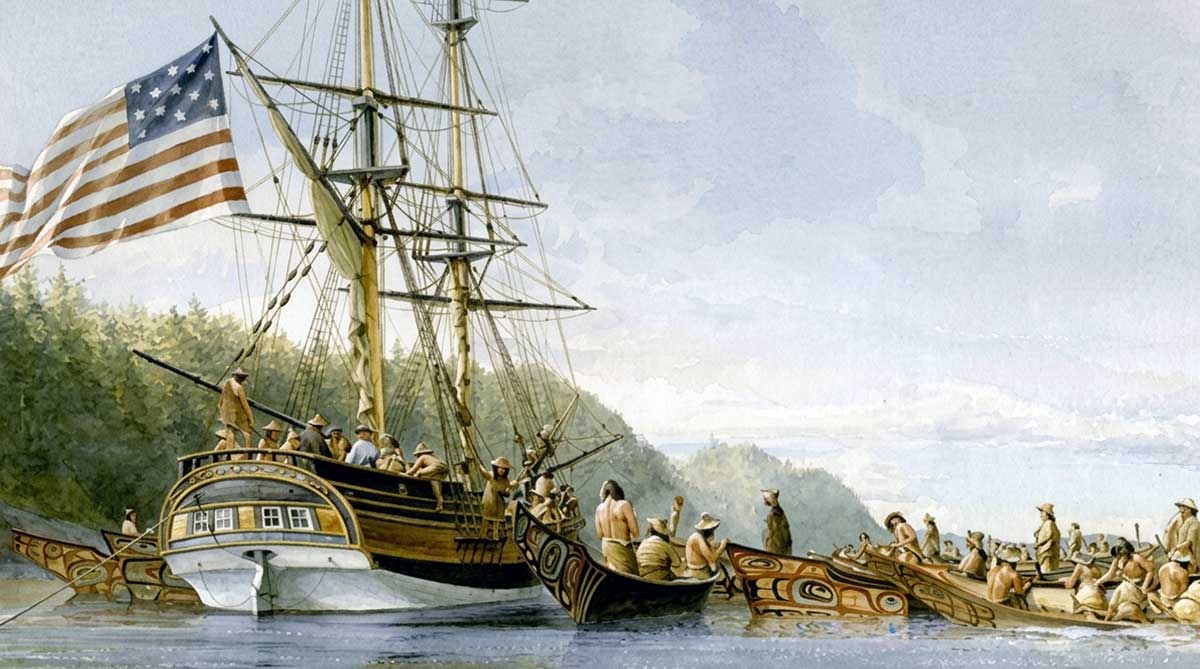
Trade was central to life in the northwest, both towards the interior and along the coast. The main trade routes either went up river valleys (such as the Taku, Stikine, and Alsek) or over the Chilkat and Chilkoot mountain passes. The Tlingit in particular maintained important trade links with the Athabaskan peoples inland and this was solidified through intermarriage.
Goods would be taken upriver as far as possible before being loaded into baskets and carried on trails. Hides, copper ore, and leather would be traded for seafood, shells, and fish oil from the coast. Trade was also common between clans who lived on the mainland and the islanders who had easier access to the ocean. The important strategic location for the Haida and Tlingit benefited them when demand for manufactured goods from European traders increased. Clans with restricted access were forced to barter with them as middlemen, further enriching them.
A distinctive display of wealth in the Pacific Northwest was the Potlatch. Potlatch ceremonies played a crucial role in converting economic power into social legitimacy. Leaders would redistribute local wealth by giving it away to guests in a display of power and status. These ritual displays were also used to transfer titles and rights to territories for hunting, fishing, and gathering. By participating in the potlatch and accepting gifts, guests supported the changes.
Canoes, Navigation, and Strategic Waterways
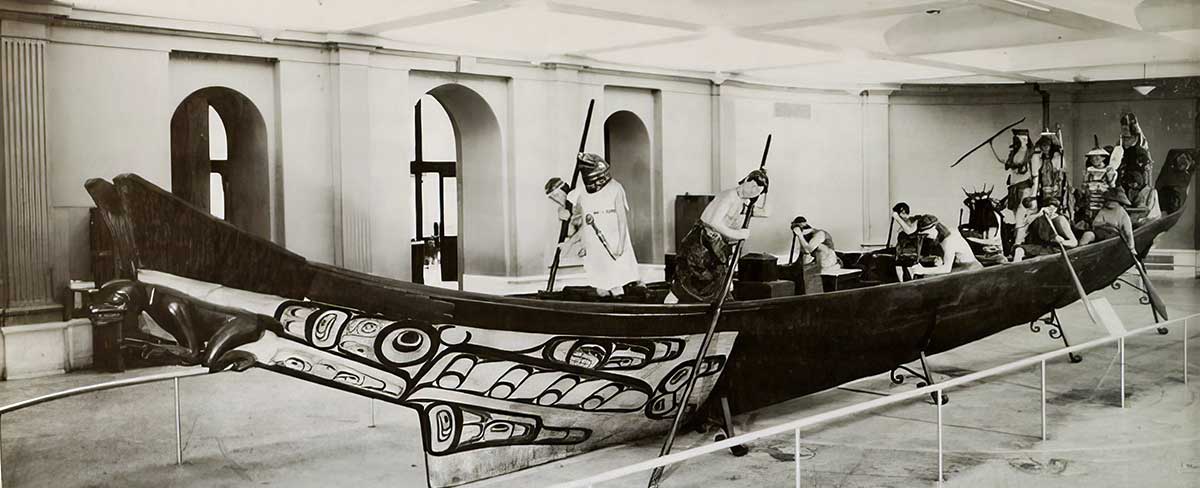
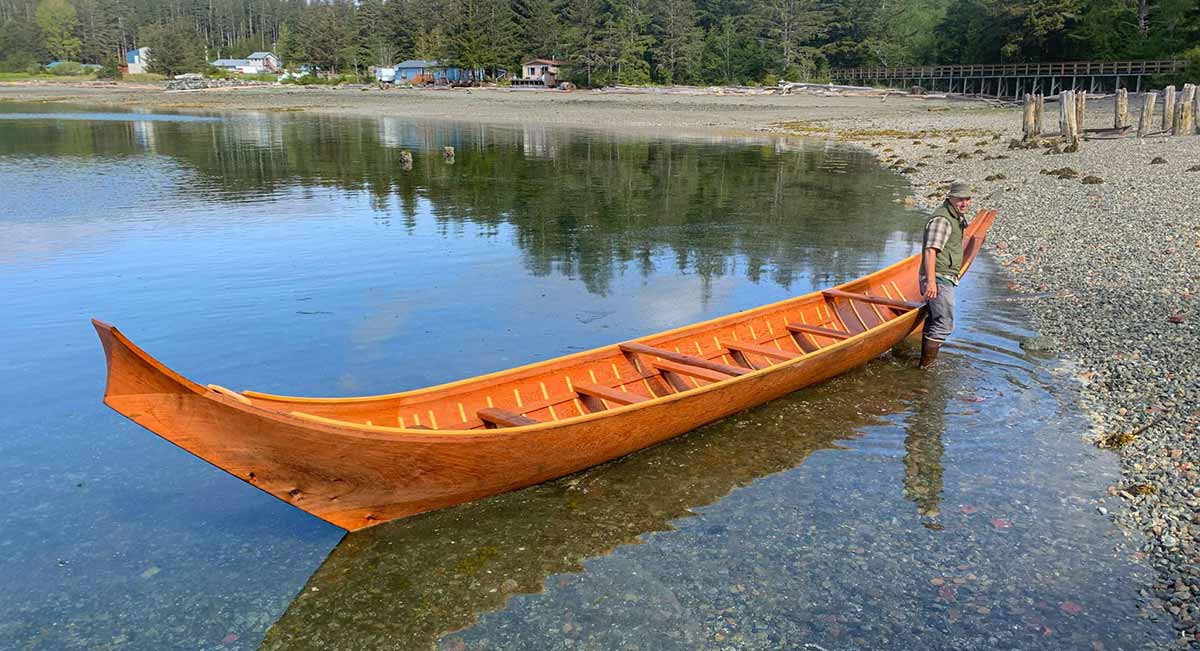
Both the Haida and Tlingit adapted to their environment and their shared history has resulted in much in common, especially the use of totem poles and canoes. At the center of Tlingit and Haida power was the ocean-going canoe, a technological achievement perfectly adapted to the Northwest Coast. Crafted from massive cedar logs, these vessels were capable of carrying large crews, weapons, and cargo across open water in rough conditions. Most importantly, these craft provided the mobility needed to trade and raid far beyond a single village’s immediate territory.
As their way of life depended on use of the extensive waterways, a variety of designs were created. Canoes could be used for trade, warfare, hunting, fishing, transport, and more. They were designed for rivers, lakes, and the open ocean. They could be small single person vessels but the Haida in particular built large war canoes capable of carrying up to 60 people.
At the turn of the 19th century, the size of these vessels astounded Russian traders whose previous contact had been with the Aleuts who favored smaller watercraft like the baidarka (an Aleut-style kayak) and the umiak, an open topped whaling boat. The large northwestern dugout canoes with their gaudily painted designs and crests made for a striking contrast versus the smaller skin covered vessels they were used to seeing in the Aleutians.
Arms, Armor, and the Material Culture of War
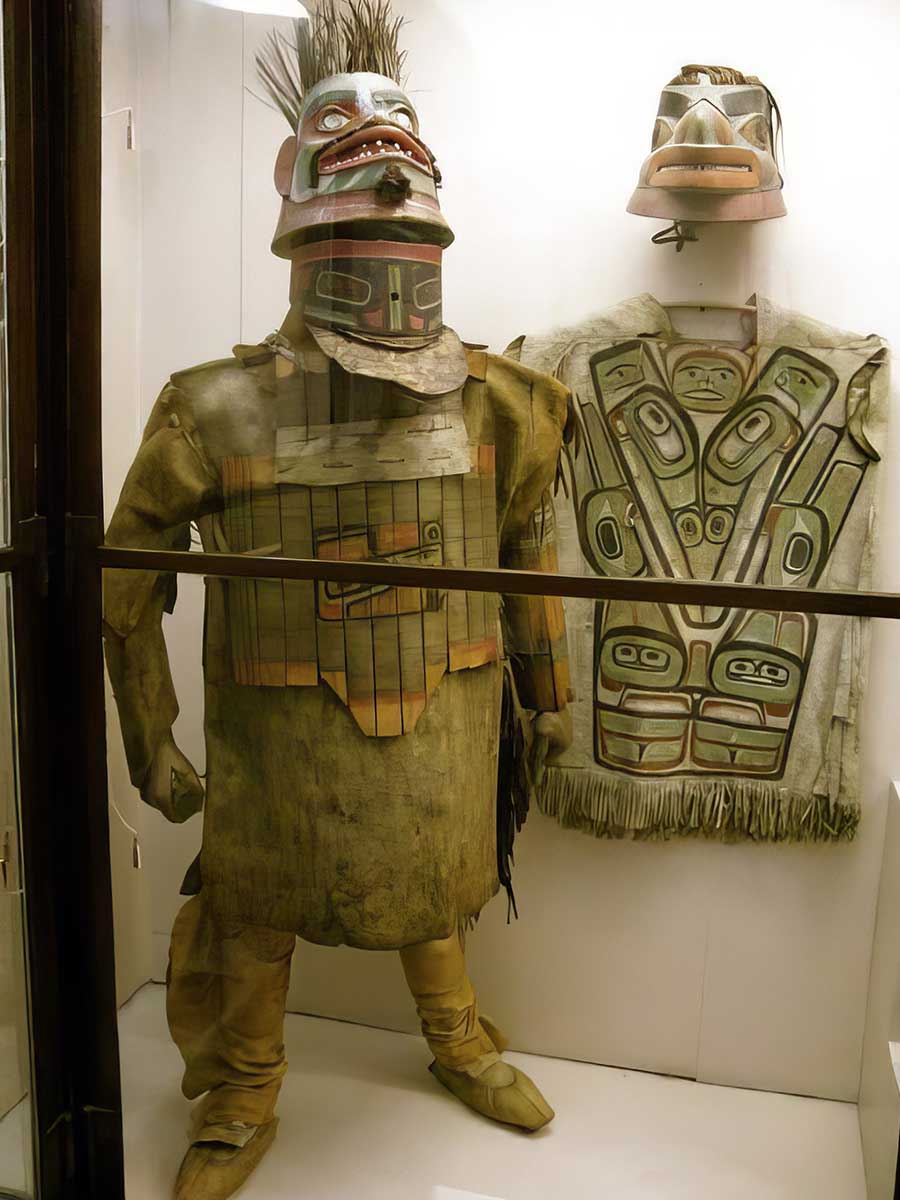
The Haida and Tlingit used similar weapons and armor at war. Contemporary accounts speak of their skill as archers, with both peoples using bows to great effect prior to their adoption of firearms. Daggers were a popular close quarters weapon and came in a variety of designs and styles. Copper came from trades inland and Tlingit oral tradition claims that some iron was “drift iron,” scavenged from a shipwreck (believed to be Japanese). The scarcity of good metal in a corrosive coastal environment meant that weapons conveyed status on their holders.
Many of the weapons used were dual purpose, and a bow or long knife could be used for hunting as well as war. Spears, harpoons, and axes were also used in both contexts. Firearms became increasingly popular after contact with European traders and the Haida and Tlingit were eager adopters of the new technology, using them to good effect.
Armor was the most striking element of warfare in the Pacific Northwest. Tribes developed elaborate wooden slat armor that still provided flexibility of movement. Helmets and armor were decorated with aesthetic motifs. Hide tunics were also worn for added protection. The armor was surprisingly effective and Russian trappers reported that their muskets were ineffective until close range. The Tlingit also made armor sets from Chinese coins, both as a display of status and protection against firearms.
Raiding, Warfare, and Reputation
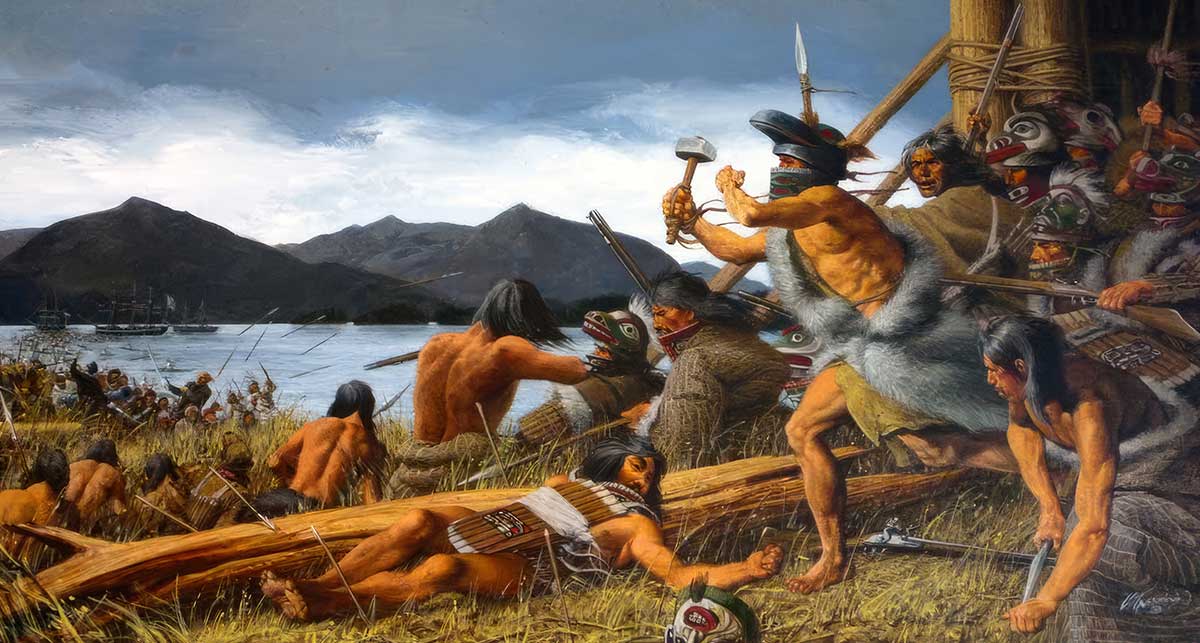
Warfare was a fact of life for the Haida, Tlingit, and their neighbors such as the Aleuts, Coast Salish, and Tsimshian. The Haida warred to dominate trade routes, gain slaves and wealth, and solidify their warrior reputation. The Tlingit had similar goals but also prized controlling their existing territory and trade networks. A resolute defense and retaliatory raids would warn off any potential rivals and ensure their local dominance.
July was the main month for warfare amongst the peoples of the northwest due to its favorable weather though raids could happen at any time. The Haida were famed for their long distance raids with fleets of war canoes, while the Tlingit were known for their formidable strongholds, generally built on high ground near an important waterway.
Both were quick to adopt European technology and adapt it for their needs. European traders also were embroiled in these local conflicts. The Tlingit were a constant thorn in the side of the Russian American Company and Russian operations at their base in Sitka depended heavily on the support of Aleut and Alutiiq auxiliaries. Similarly the Haida refused to back down in the face of European pressure. In 1789, the American merchant captain John Kendrick took Haida chief Koyah hostage and humiliated him during a dispute over stolen property. When Kendrick returned in 1791, Koyah and other Haida attacked the Lady Washington, nearly seizing the vessel before the crew repelled them.
Shamans would accompany war parties and were influential figures second only to the war leader. Rather than fighting in the front rank, they could remain in protected positions while conducting rituals intended to strengthen their warriors or undermine enemy morale.
Maritime Influence Across Vast Distances
The distances covered by the Haida and Tlingit are astounding even when considered in modern terms. The Haida are recorded to have raided as far north as the Aleutian Islands and to the Salish Sea in the south. They managed to remain a formidable regional power even post-contact until disease and increased colonization pressure. The Tlingit faced similar pressures but their defensive strategies proved effective against Europeans as well as their indigenous rivals.
Their position in the local order meant that traders frequently had to rely on them when expanding in the northwest. When the Tlingit blockaded Russian Sitka, American traders came to them as intermediaries despite Russian entreaties. Merchants were seen as just another faction in the constant conflicts and politicking present in the region. Rivalries between local peoples were often exploited by European traders, particularly the Russians during their battles in Sitka, to combat the Tlingit. Yet the locals also exploited competition between European powers, trading selectively with Russians, British, and Americans to strengthen their own positions.
The records show a vigorous economic, political, and cultural struggle in the Pacific Northwest. Competition for resources and prestige stimulated conflict. Allegiances shifted according to threats. The Tlingit leveraged their trade relationship with the interior Athabaskan peoples against the Haida while the latter countered this with bargains with Coast Salish villages. Colonization ultimately transformed both societies, but neither the Tlingit nor Haida simply disappeared into the colonial order. Their cultural traditions, claims to their homelands, and existence as a people endured.