
Gabrielle “Coco” Chanel rose to command fashion during the Art Deco era after World War I. Her innovative designs included the Little Black Dress, once mocked as “deluxe poverty,” better suited to “undernourished little telegraph clerks” than haute couture, and Chanel No. 5, created by a master perfumier who fled the Russian Revolution. But before Coco Chanel became a household name, she reinvented herself like a phoenix. Discover 5 fabulous facts about this 20th-century design rebel who redefined fashion history.
1. She Was Raised by Nuns
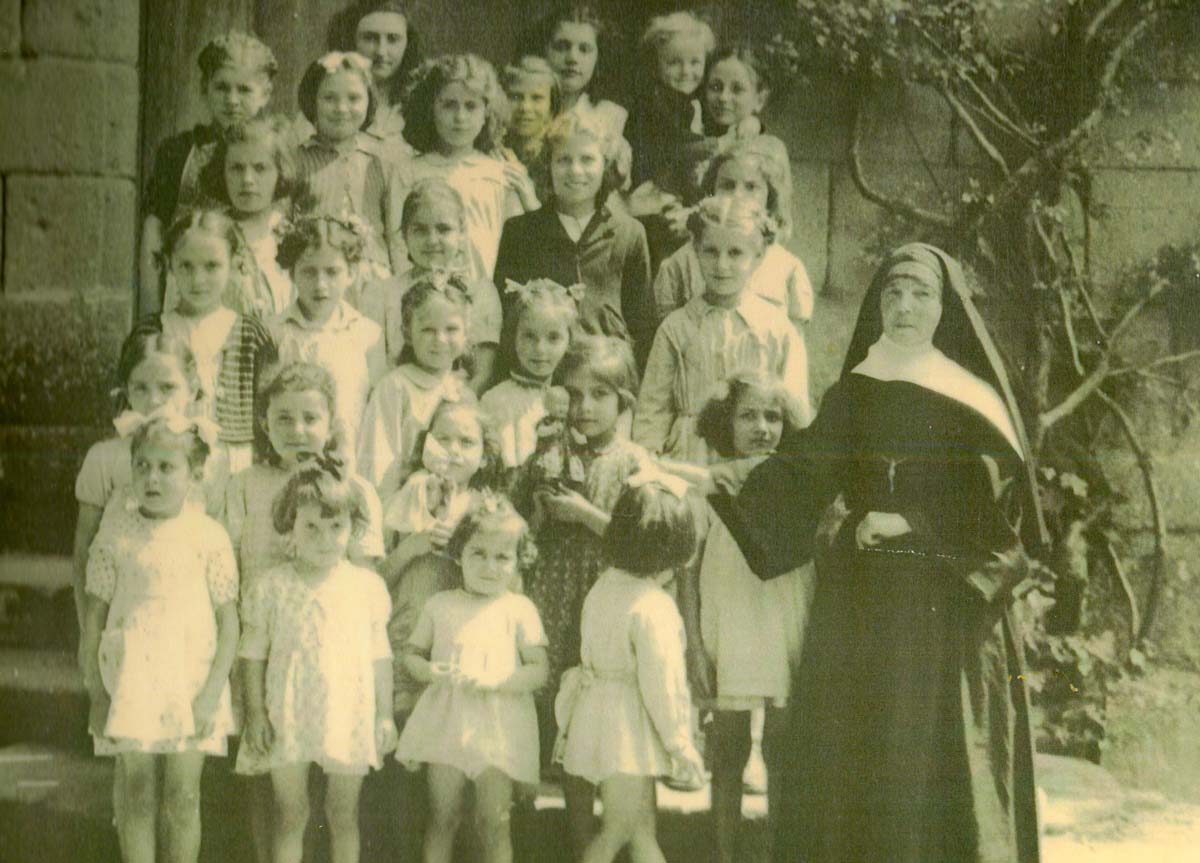
Surprising as it may seem, Coco Chanel wasn’t always the glamorous, chain-smoking multimillionaire designer who blossomed into fame at the height of the Flapper era. In fact, the woman who later filled her luxurious Paris apartment with bronze lions, gold mirrors, and even a gigantic crystal chandelier, grew up in extreme poverty.
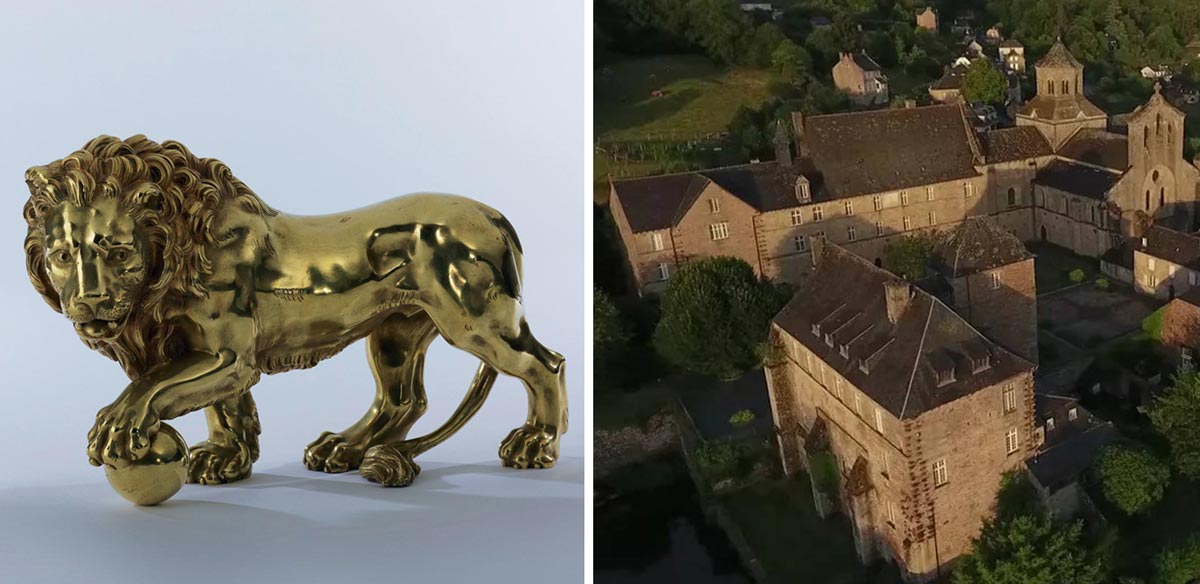
Born in 1883, to an impoverished family with six children, Gabrielle Chanel had a less than stellar start in life. Her peasant mother died of tuberculosis and her nomadic, street vendor father abandoned her soon after. At age eleven, Gabrielle’s father dropped her and her siblings off with the nuns at the Aubazines Abbey orphanage and disappeared. In these austere surroundings, Chanel’s sense of identity and entrepreneurship began to develop. The convent’s entwined crosses, embedded in the stained-glass windows, created unique geometric patterns that later appeared in Chanel’s work, including her famous interlocking CC logo.
From simple lines and monochromatic shades to geometric imagery, the Aubazines convent left its stamp on Chanel. Here, she demonstrated youthful rebellion by smuggling in forbidden books and magazines. She also learned to embroider, sew, and design her own creations that shocked the conservative nuns by mimicking chic Parisian fashions.
When she aged out of the convent at 18, Chanel headed into the world to make her fortune. By day, she stitched as a seamstress. At night, she stepped into a different skin as a cabaret singer in Moulins, France. Later, she sang at the famous La Rotonde café and other nightclubs. Chanel soon adopted a new nickname from the soldiers who gathered to hear her sing a popular song, “Who has seen Coco in the Trocadéro?” It was a name that she would carry for the rest of her life.
Despite her dreams, Coco’s cabaret career failed to rocket her to fame. Instead, she pivoted toward fashion, climbing her way, design by design, into the ranks of haute couture before the First World War. By 1910, the seamstress reinvented herself as a business owner, opening her own milliner boutique at 21 Rue Cambon in Paris. As Europe drifted toward war, Coco’s designs dismissed the tight corsets and stiff, rustling fabrics in favor of unusual materials such as soft jersey. She chose simple, relaxed, yet elegant silhouettes that combined minimalist rebellion with luxury.
A woman who saw herself as a lion (after her zodiac sign), Chanel never put limits on the fashion miracles she could perform.
2. She Launched the Most Famous Perfume in the World
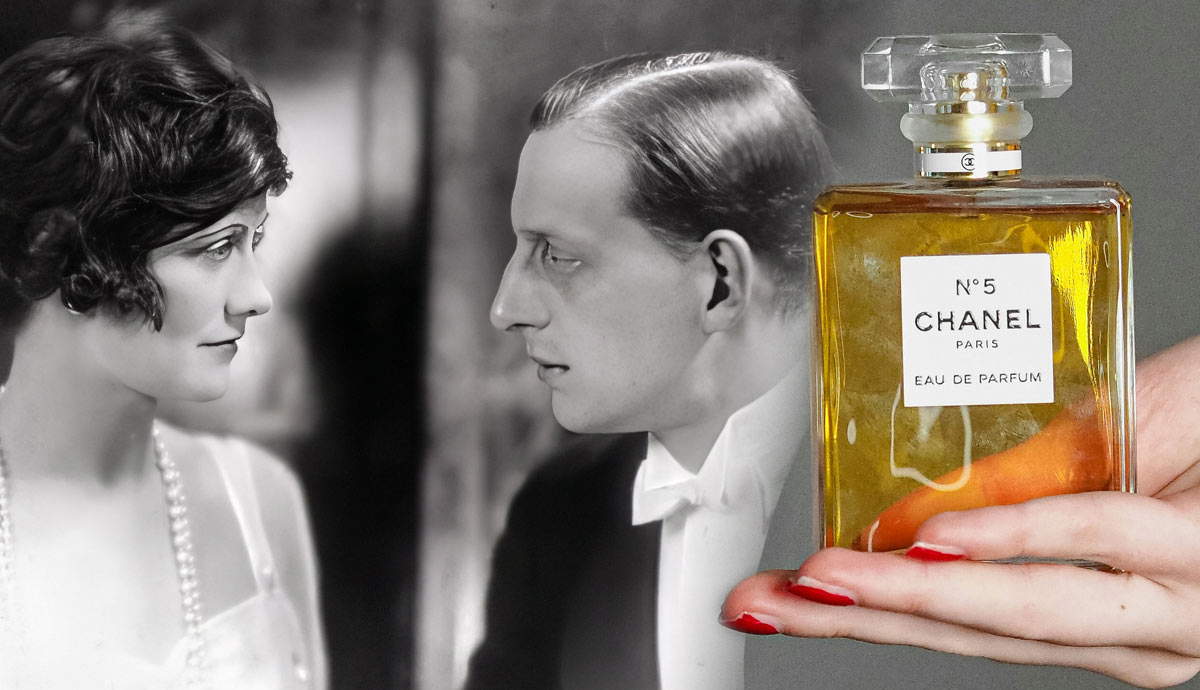
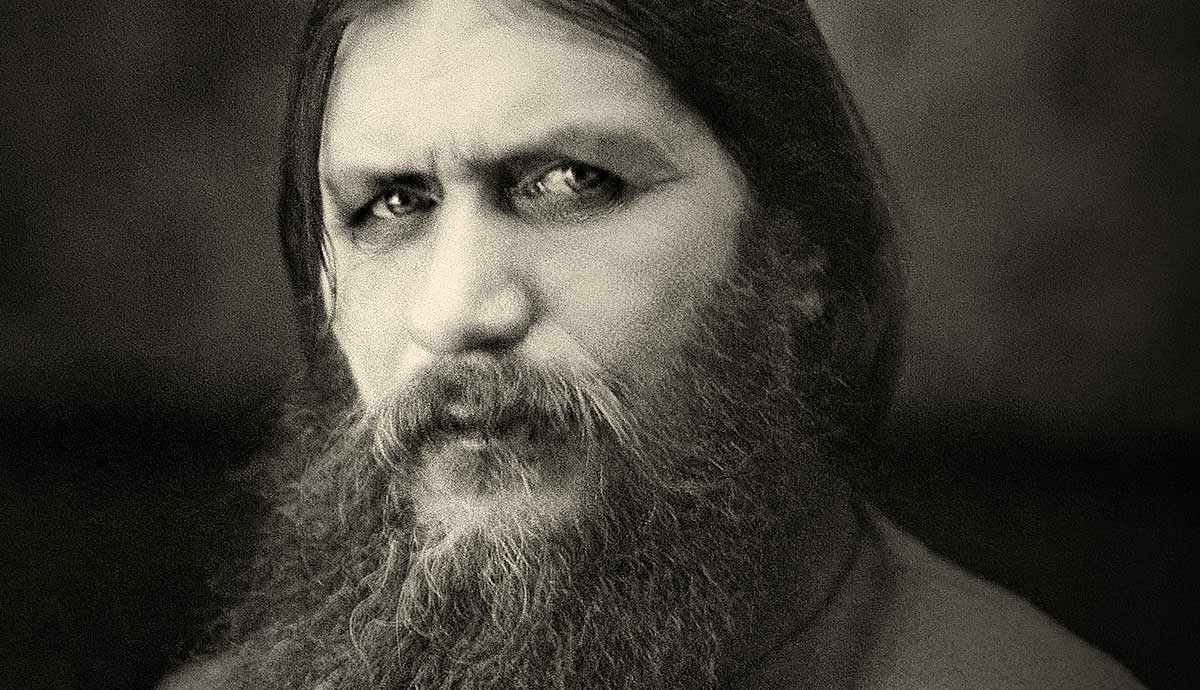
After opening her first atelier, Chanel Modes, in 1910, the designer leveled up her game by opening a haute couture house in Biarritz five years later. By 1921, Chanel was deep into a passionate affair with Grand Duke Dmitri Pavlovich, one of the men involved in Grigori Rasputin’s murder on the eve of the Russian Revolution. During this period, Coco surrounded herself with émigré aristocrats, artists, musicians, and fashionistas. Chanel also had a new project on her mind: a unique perfume.
Unlike previous perfumes, created by men for men to experience women’s allure, Chanel envisioned this new scent, in her words, as “A perfume like nothing else. A woman’s perfume, with the scent of a woman.” Marketed by a woman for women, Chanel’s fragrance blended sensuality with complexity in a modern twist.
Of course, Chanel did not create this perfume herself. Instead, she left the alchemy up to a Russian-French perfumier introduced to her by the Grand Duke on a trip to the south of France. Ernest Beaux, former official perfumier to the Russian Court, developed famous fragrances including an orange blossom concoction that became the Empress Alexandra’s favorite scent.
The new Bolshevik government after 1917 had no need for Beaux’s scents. During the Russian Civil War, Beaux served in the White Army at an outpost in the far north, where the pure Arctic snow and sharp scent of aldehydes inspired him to create a new fragrance that would capture and preserve that haunting scent. Beaux’s escape from Russia at the end of the war brought him to France, where he crossed paths with Chanel.

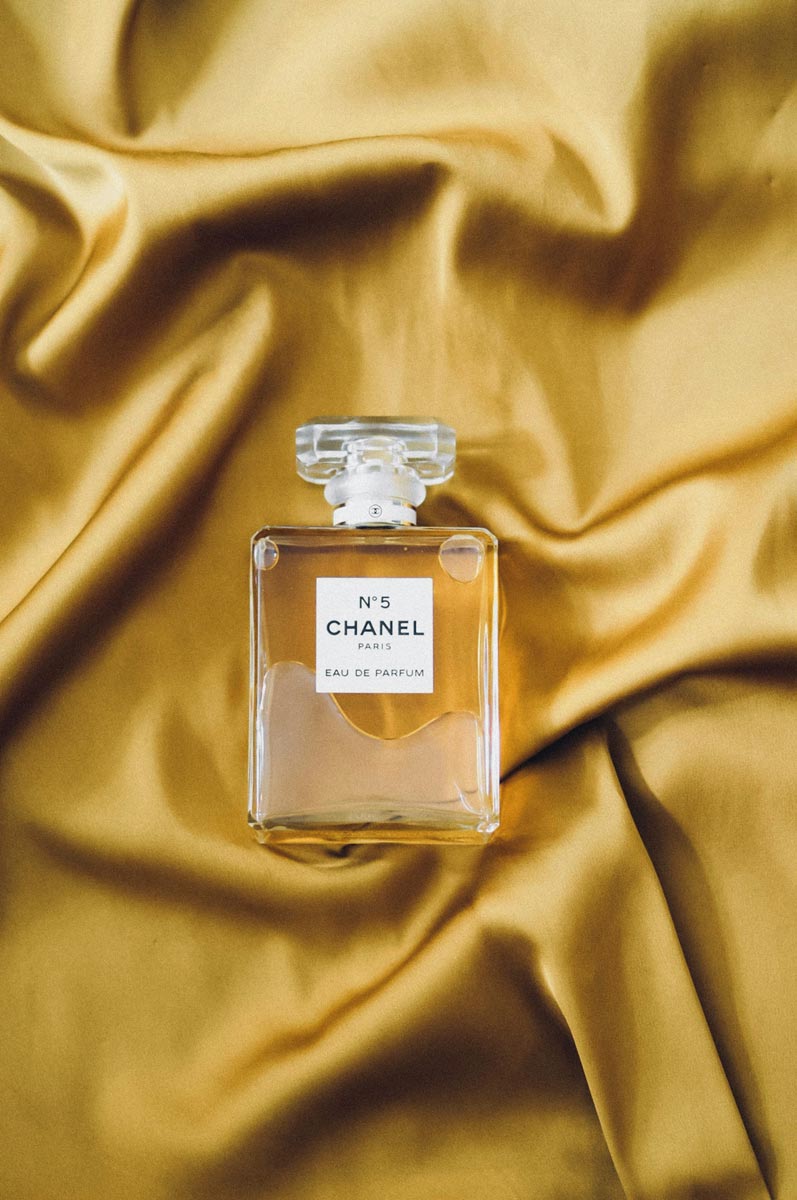
After developing a series of trial perfumes for Chanel, the master perfumier invited Coco to choose her favorite. Chanel chose the fifth bottle offered. For Chanel, the number five held a mystic symbolism. At the Cistercian abbey in Aubazine, circular paths leading through the rose gardens to daily prayers had been arranged in patterns of five. Now, Chanel’s lucky sign and her new favorite scent aligned in a magical feminine mix.
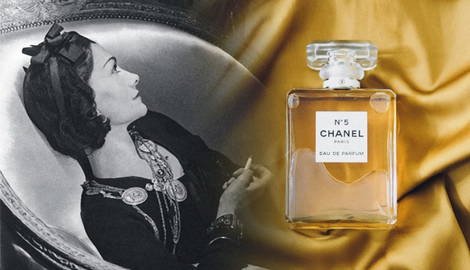
A heady scent of raw jasmine, crisp aldehydes, and May roses juxtaposed with a burst of neroli and ylang-ylang notes, N°5, or Chanel No. 5, evoked a stark yet complex simplicity translated into haute couture fragrance. Designed with a transparent whiskey decanter-style bottle, Chanel No. 5 became arguably the most iconic perfume in the world.
3. She Designed for the Ballet
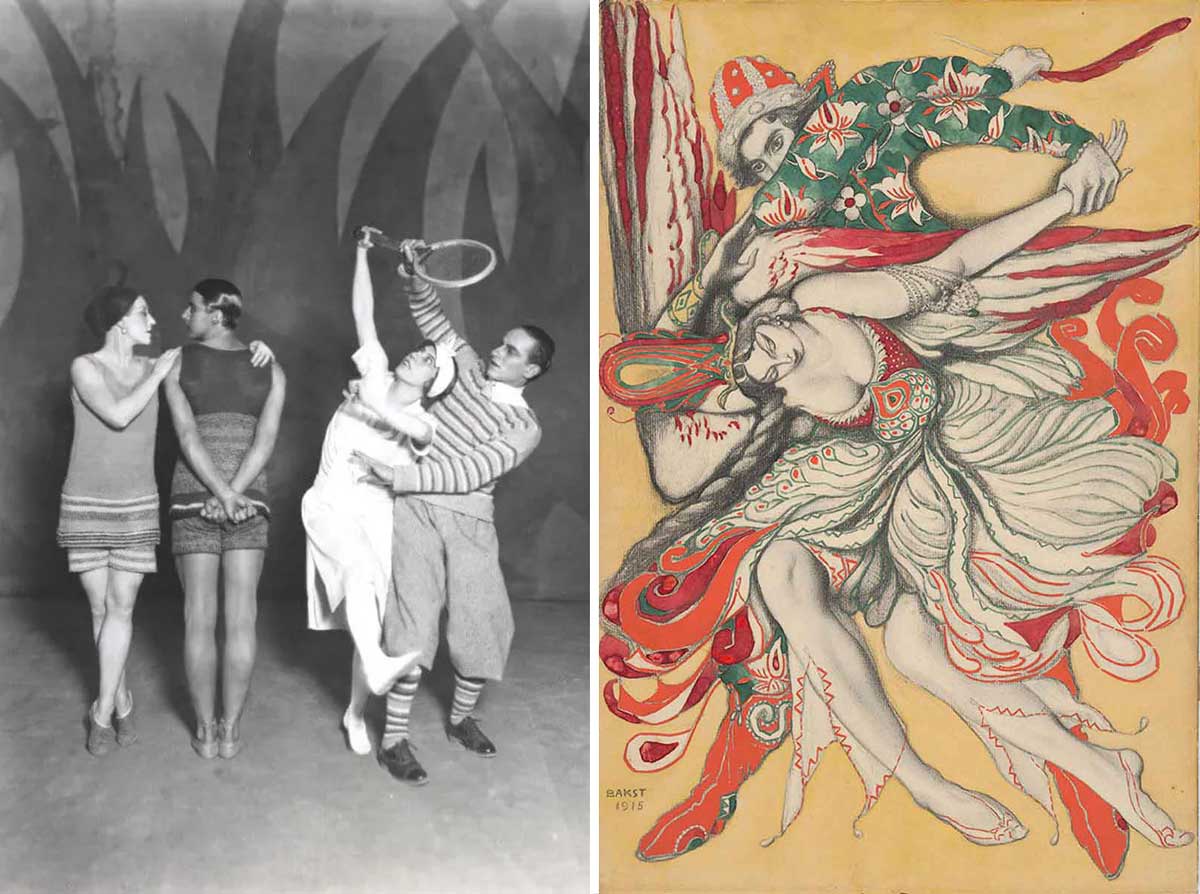
In between a passionate affair with a Russian Grand Duke, Dmitri Pavlovich Romanov, and a creative collaboration with Pablo Picasso, Coco Chanel brought her love of the stage to life with her designs for the Ballet Russes in the production of Le Train Bleu.
This popular avant-garde show, which debuted in 1924, unveiled the idle follies of the Jazz Age. It transported audiences to a beach on the Côte d’Azur, where hilarious incidents packed with summer dalliances, tourists snapping photographs with box cameras, and people getting locked inside bathing huts satirized the privileged classes who wore Chanel’s latest designs.
The world of dance provided Chanel a platform to showcase liberated fashion. As a friend of director Sergei Diaghilev and a patron of Ballet Russes, Chanel whipped up innovative costumes that evoked the ballet’s sun-soaked setting, mocking the upper classes which Chanel had fought so hard to join.
4. She Invented the Little Black Dress
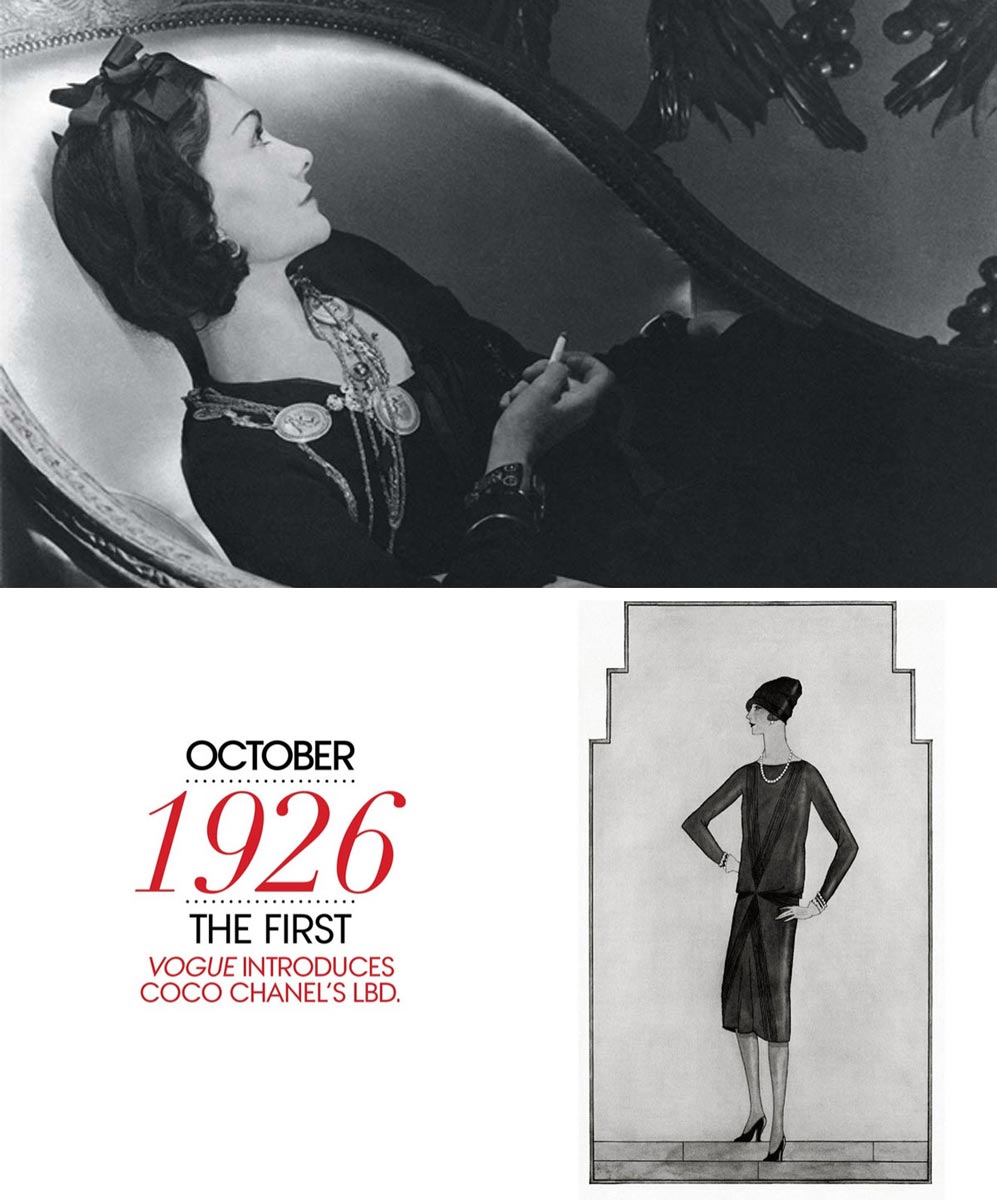
The Little Black Dress wasn’t Chanel’s first design, but it became her most famous. In 1926, she unveiled a radical new look, revolutionary in its color scheme and simplicity.
Debuted in American Vogue’s October issue, this simple sheath showed the kind of wearable fashion that could fit any woman’s look. It became known as the Little Black Dress, or LBD, and remains a fashion staple that continues to evolve today.
Society and designers alike were scandalized. Chanel had taken something so basic, the frock of widows and working women, and turned it into something chic, wearable, and shocking. It wasn’t the cut, the length, or daring features. Instead, the Little Black Dress flew in the face of established fashion norms, even during the wild experimentation that characterized fashion during the Flapper Era.
Today, black reflects a classic choice, perfect for casual wear or elevated occasions, but in the 1920s, the absence of color signaled poverty or purgatory induced by mourning. In a decade of movement, color, and relentless accessorizing, a simple black sheath reminded Europeans of hard times and the dark years of the Great War, which everyone tried so hard to forget.
High society, characterized by glitz and glamor, rejected the idea that black could look chic. Chanel, raised by nuns who wore simple but distinctive habits, found clarity in their austere minimalism and wove this into her Little Black Dress design.
American women, in contrast, recognized its potential first. Dubbed “the Ford Dress,” after the popular Model T Ford, the LBD represented a similar affordable yet elegant choice for everyone.
In the postwar world where women might transition from work attire to evening wear, the Little Black Dress offered something for everyone, even for those who usually found nothing to wear in their closets. The Little Black Dress broke fashion barriers and turned the shade from a color that no one wanted to wear into a neutral canvas that could be dressed up or down.
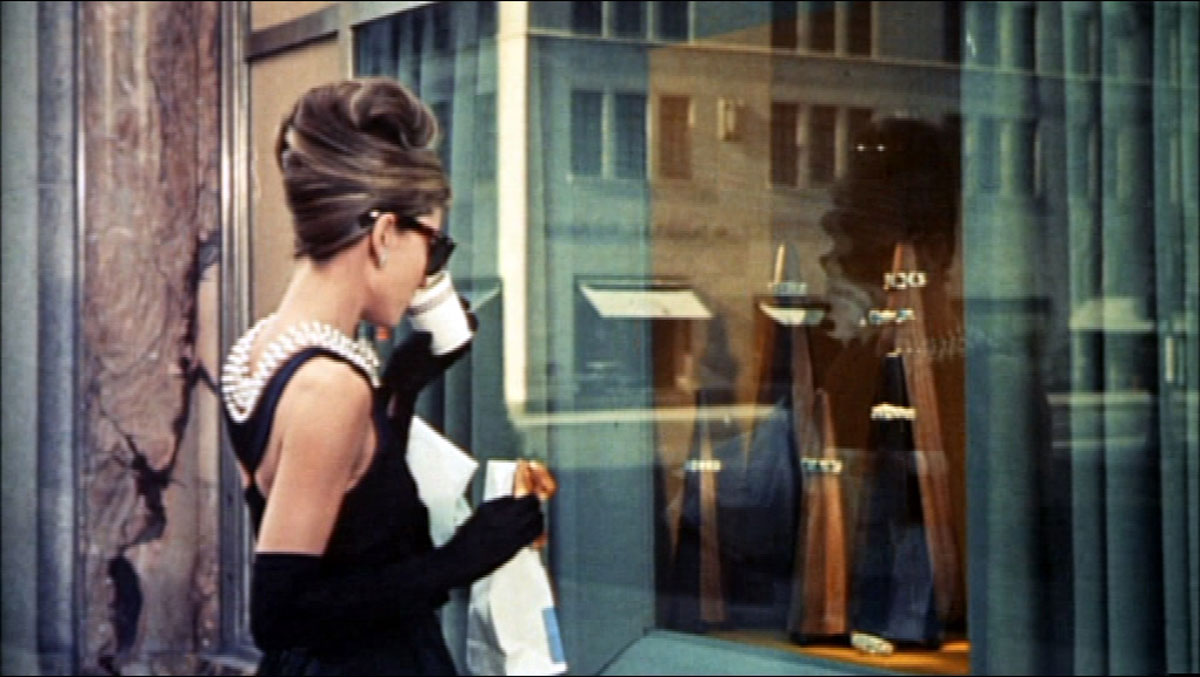
During the 1960s, the LBD shot into superstar status when Audrey Hepburn wore a chic black Givenchy dress in the 1961 movie Breakfast at Tiffany’s. From crepe and silk to chiffon or wool variations, the Little Black Dress’s versatile appeal made it a classic that became universal worldwide and transcended occasions, seasons, and generations.
5. She Changed Female Fashion Forever
Despite criticism that Chanel borrowed inspiration from the lower classes, the French designer invented sleek, structured, and minimalist designs that enabled people to invent themselves. She liberated a generation of women from lavish and restrictive styles that showcased their husbands’ wealth and status. Instead, her designs let women move easily in materials not typically used in high fashion such as soft, stretchy jersey and rustic tweed.
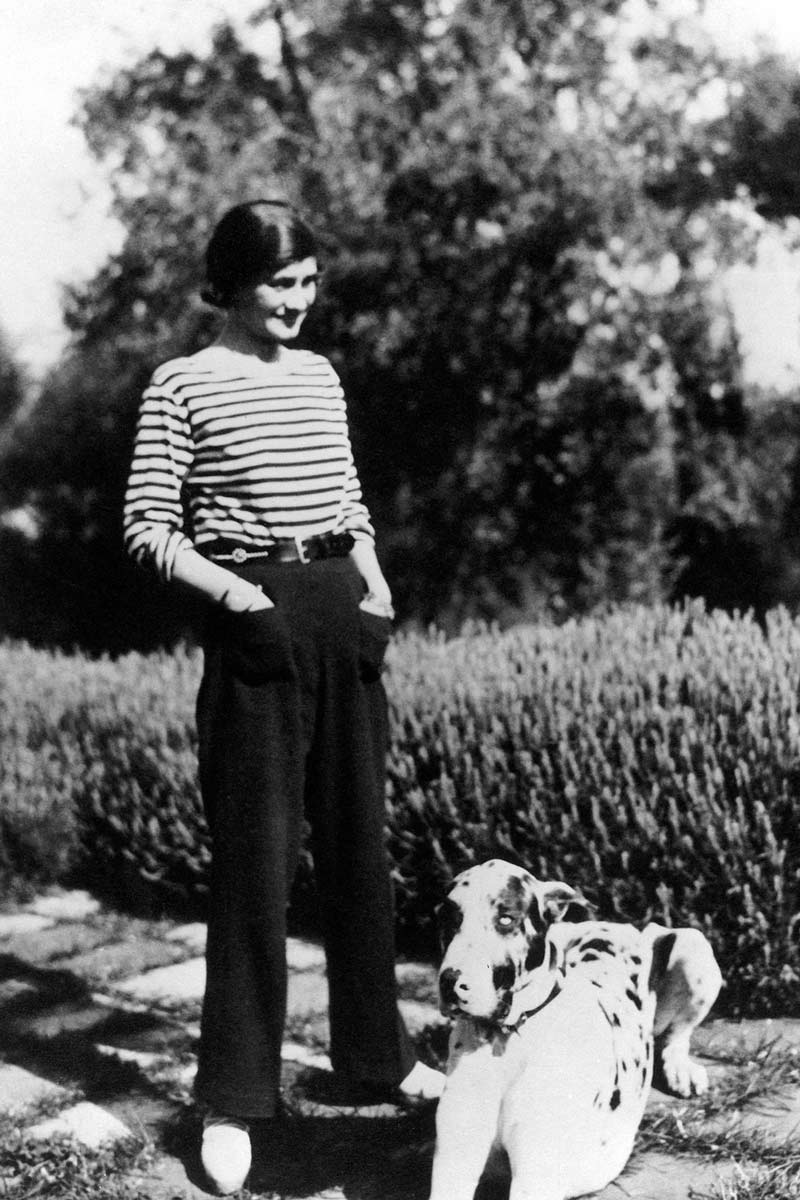
Chanel changed the sartorial game by reimagining menswear for the female form. She popularized pants and reinterpreted nautical stripes, inspired by sailors’ shirts, into a women’s wardrobe staple often associated with elite playgrounds like Martha’s Vineyard, the Hamptons, or the French Riviera. Her two-piece suits, simple silhouettes, and modern cuts, popularized by cultural icons such as Grace Kelly, Audrey Hepburn, and Princess Diana, laid the foundation for women’s fashion today.
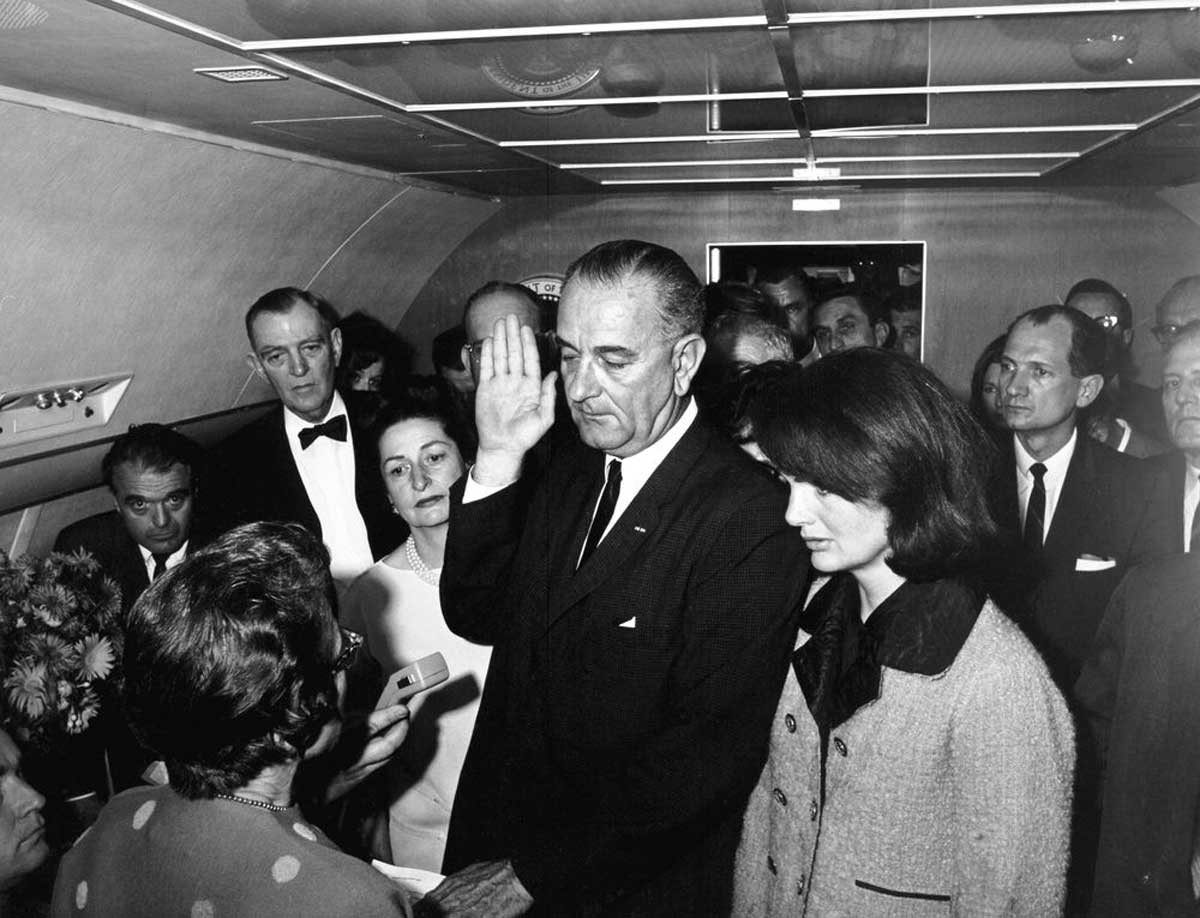
In contrast to the electric blues, reds, and greens that characterized her contemporaries’ flamboyant fashion, Chanel believed true style demanded less, not more: less ostentation, more authenticity, fewer bright colors, more natural tones. One hundred years later, her vision still stands. Chanel created clothes for modern women, a sartorial liberation that helped release them from the confines of corsets while avoiding falling into the same flashy fashion pattern as contemporary designers.
Wearable and timeless, Coco Chanel’s creations ushered in an era in which women could move more freely and cemented her legacy as one of the world’s most iconic designers.