
The 1950s had a long line of bestselling U.S. fiction on a myriad of subjects, from J.D. Salinger’s Catcher in the Rye to Harper Lee’s To Kill A Mockingbird. But Jack Kerouac’s semi-autobiographical novel On the Road was singular in revving up the countercultural Beat Movement, both in literature and its intersection with emerging alternate lifestyles. Beat devotees were called “beatniks” and the Beat Movement influenced 1960s literary and musical figures such as Bob Dylan, the Grateful Dead, Hunter Thompson, and the postwar San Francisco school of poets.
Sal and Dean Trip Out
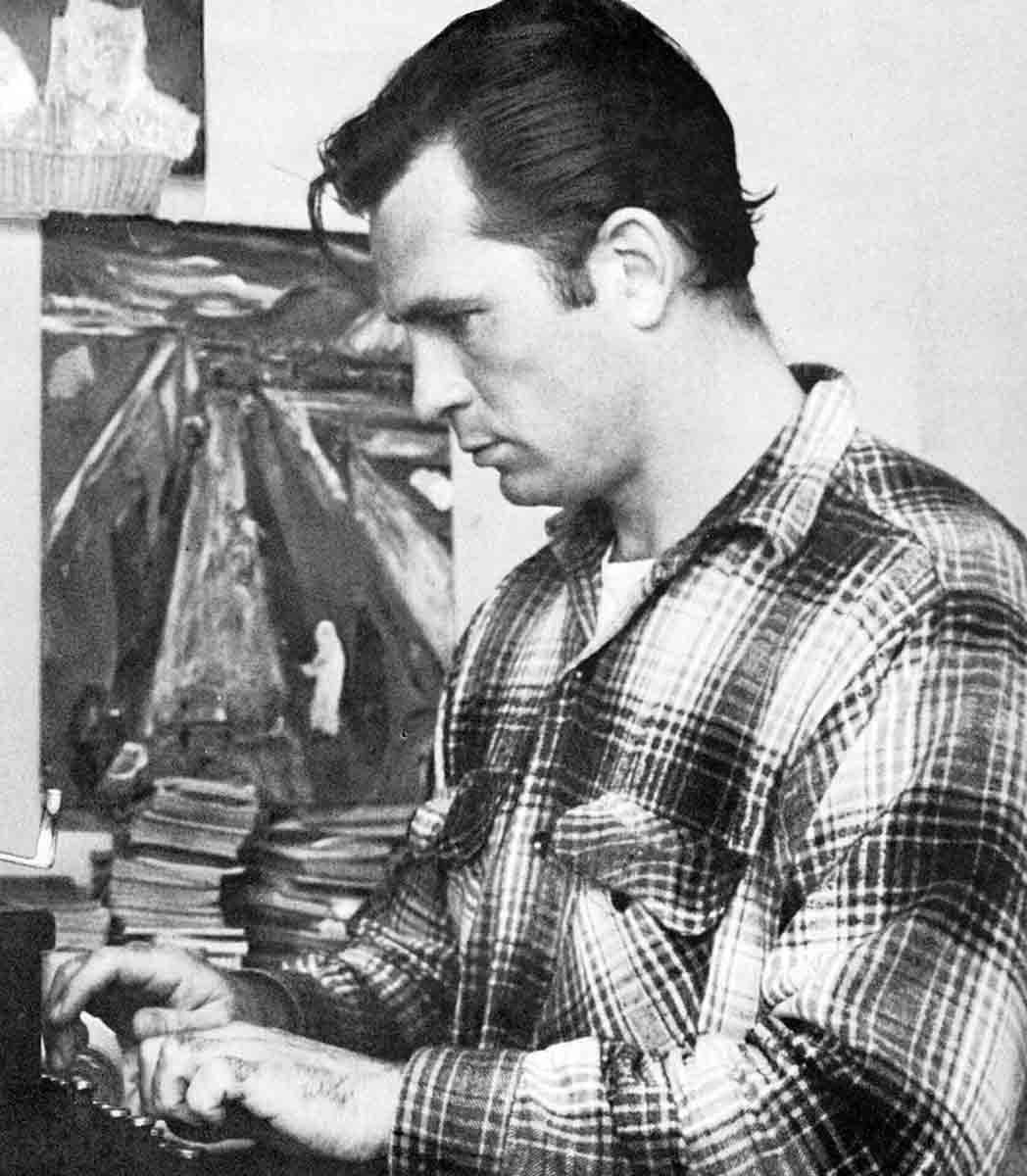
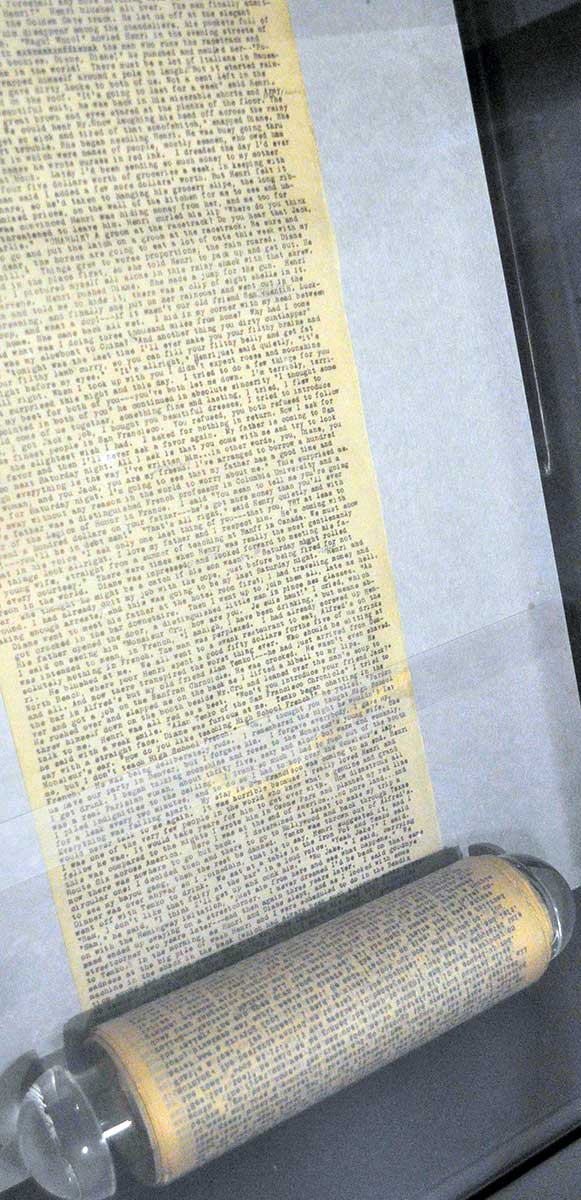
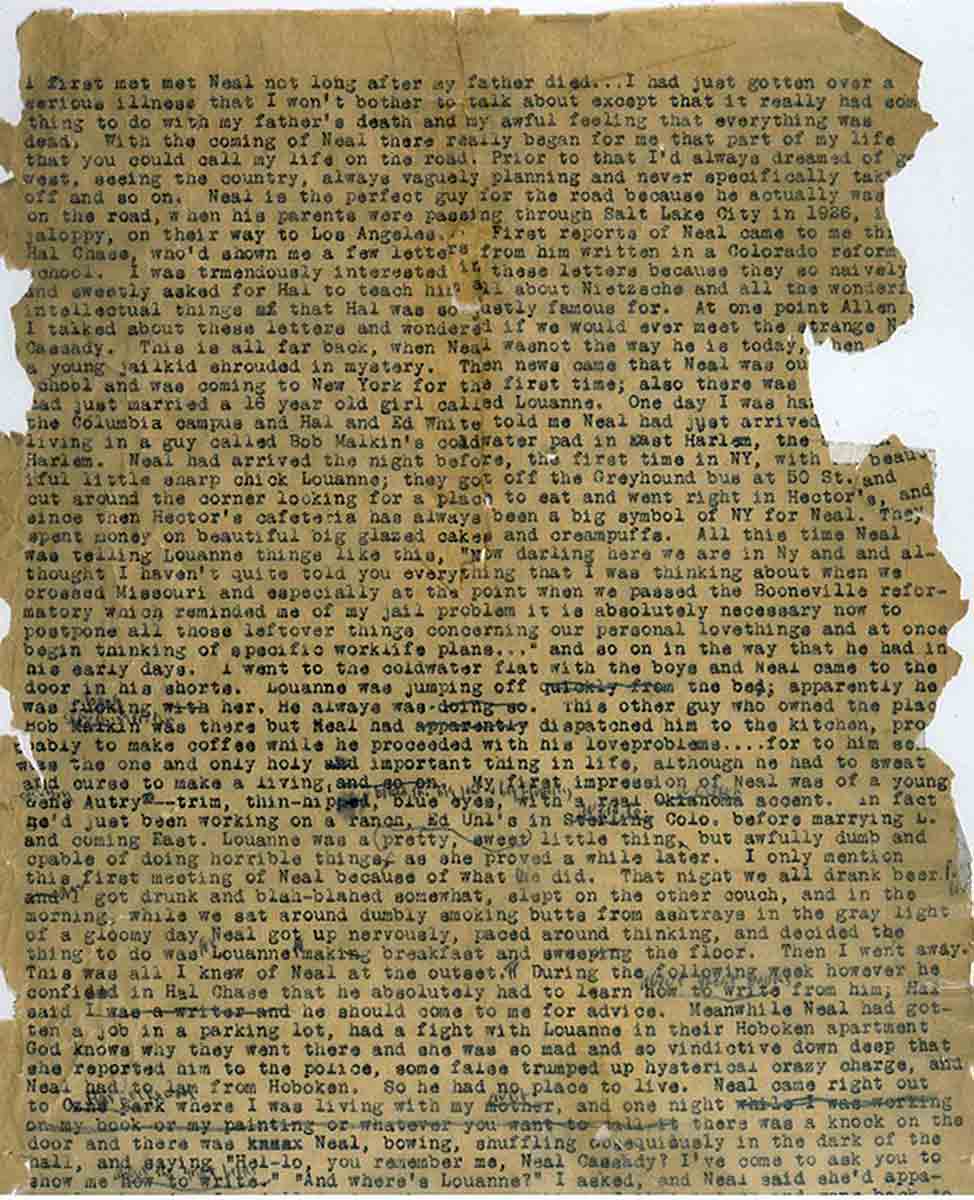
In 1951, the Massachusetts-born Kerouac famously banged out On the Road on one long roll of typing paper, the sheets taped end to end so he could minimize breaks to his confessional, stream-of-conscious writing style. Driven not only by his literary heroes (Thomas Wolfe among them), Kerouac wanted his novel to be a riff on the new “bebop” jazz music by the likes of Charlie Parker and Miles Davis. Kerouac sought to emulate their improvisations (and marginalized, louche African-American life) on the page and in his own life. Unlike, say, that quintessential 1956 film of teen rebellion, A Rebel Without a Cause, Kerouac did have a cause, even if it would ultimately prove to be something of a professional dead end.
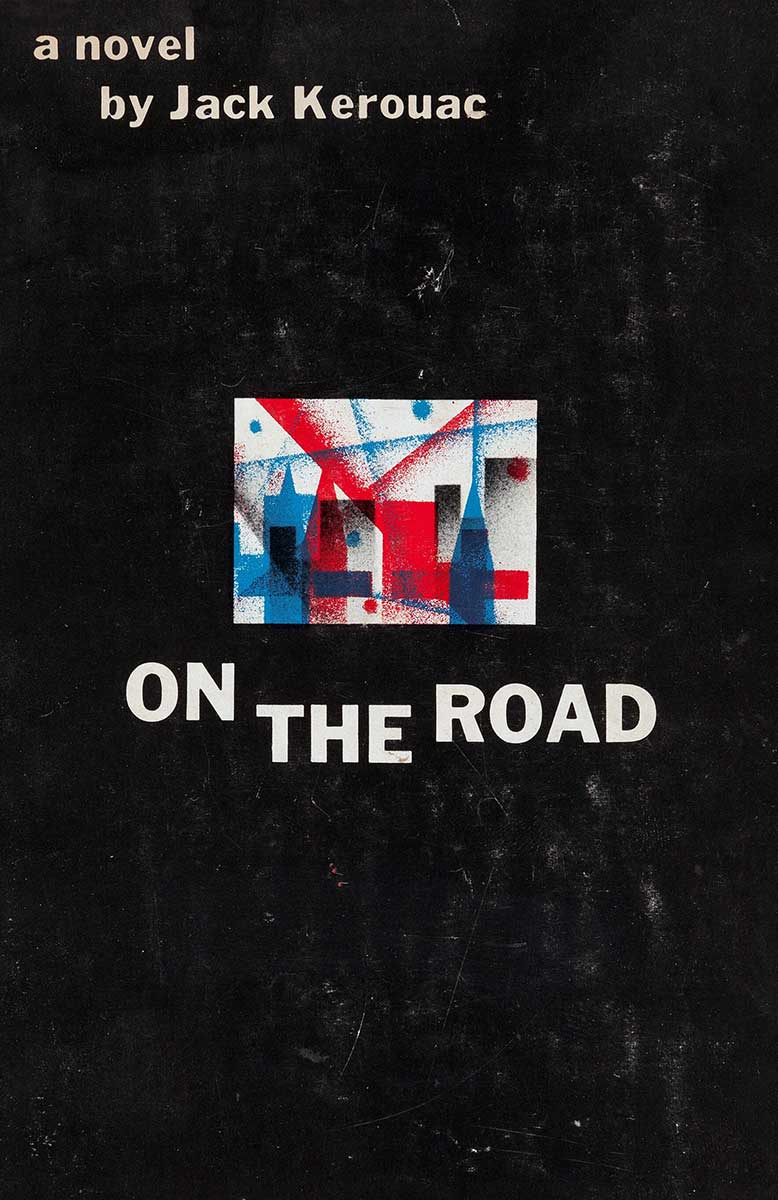
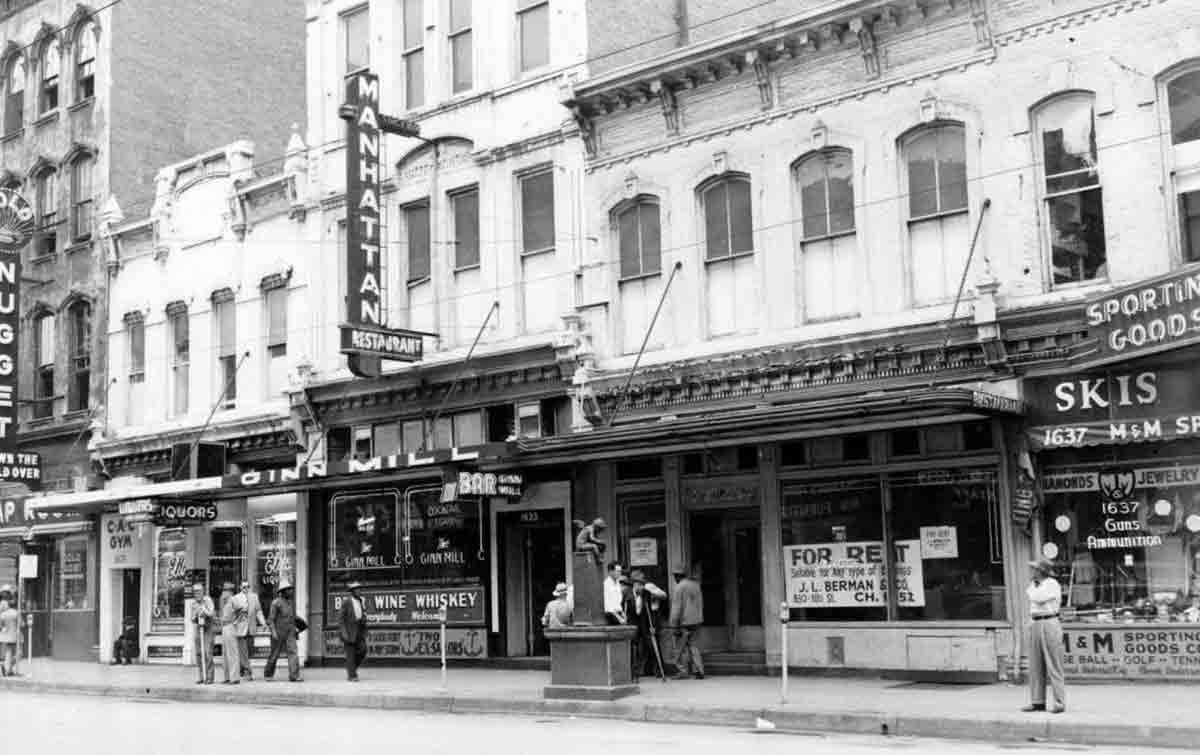
So what was On the Road? It is a novel that influenced a great many readers in the 1950s and 1960s, and continues to do so today. Like John Steinbeck’s great 1939 Depression novel The Grapes of Wrath, On the Road is the story of a cross-country automobile journey. But Kerouac’s rambling trip is many journeys packed into one, with perhaps no destination except “the road” itself. It mirrors the odysseys Kerouac embarked upon beginning in 1947, when he first travelled by bus and car from New York City to the West Coast, stopping on the way for several weeks in the “Mile High City” of Denver, Colorado.
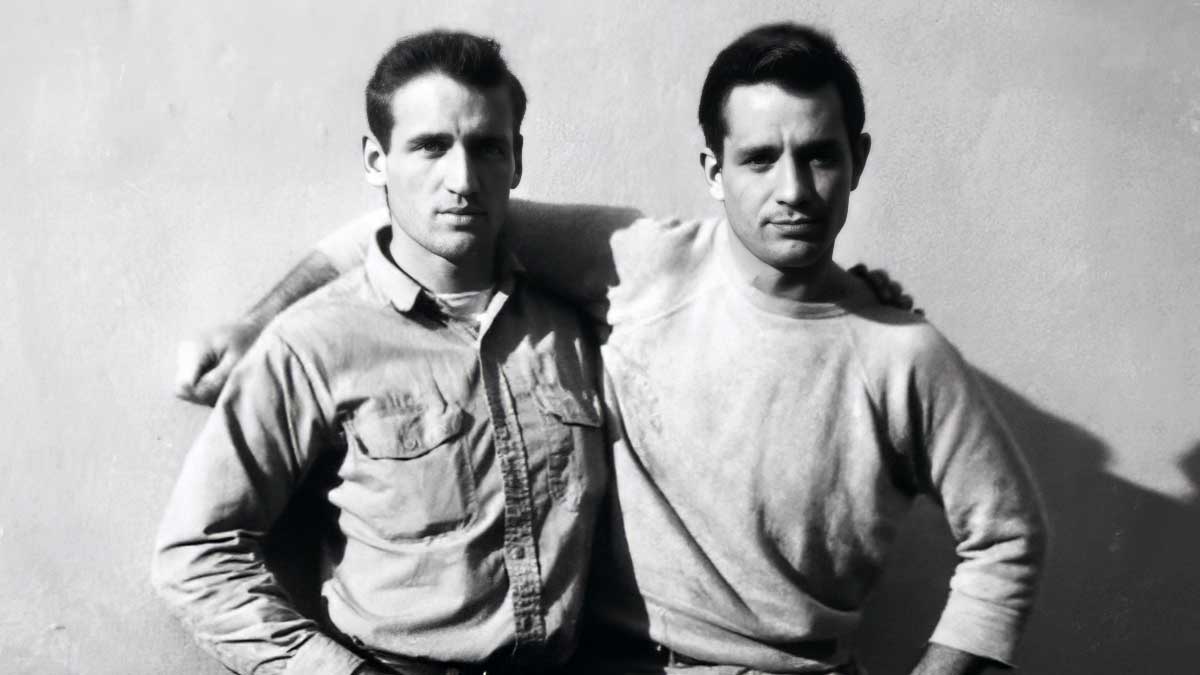
Two years, several more trips (including one to Mexico) and many thousands of miles later, Kerouac was back in New York City, ready to write and roll. Nearly all the characters in On the Road are based on his friends, fellow travelers, lovers, and strangers that crossed his path. As the reader tags along for the ride, Kerouac takes the driver’s seat as his alter ego Sal Paradise. Most importantly he will tell of Dean Moriarty, otherwise known as “Old Dean Moriarty,” standing right in the middle of Kerouac’s Road as its reckless, charming, car-thieving, booze-and-pot-fueled hero.
Off the Road and in real life, Moriarty was Denver-bred Neal Cassady. Cassady’s (short-lived) wild-man exploits often equaled his fictional ones, which included a stint as daredevil driver of Kesey’s legendary “Merry Prankster” San Francisco hippie flower-power bus. While attending New York City’s Columbia University in the early 1940s, Kerouac met and befriended Cassady through Allen Ginsberg. Ginsberg was a shy, aspiring Jewish poet whose closeted homosexuality hardly stopped him from fancying the ruggedly handsome Cassady. The trio soon became a quartet with the addition of future underground novelist William Burroughs, another sexually ambivalent social misfit whose own demons would include lifelong drug addiction. Both Ginsberg and Burroughs are among the back-seat passengers in Kerouac’s thinly disguised roman à clef, as Carlo Marx and “Old” Bull Lee, respectively.
A Catchy Beat
For all of Sal Paradise’s stops and sojourns from sea to shining sea, his is a devil-may-care tale of adventure and risk, blowing through the social conventions set by conformist Cold War America. With Cassady out front, Sal takes to the epic highways of the country, seeing everything, experiencing everything, cavorting with the “children of the American bop night,” his own hungry soul, and, maybe, at the end of the road, God himself. What is this “beat” that Sal is or wants to be? Some say it’s short for the religious “beatific.” For some people it means “beat” as in run down, beat up, worn out. Or is it the cool “beat” of bop jazz?
Historians and readers alike are right to ask why this drum-beat of rebellion was echoing through coffee shops, college campuses, and pool halls of staid Eisenhower-era USA. Perhaps it was the new “Age of Anxiety” that emerged after the fallout of the Hiroshima and Nagasaki A-bombs, and the threat of US-USSR nuclear war. After all, shouldn’t the Allied defeat of the Axis powers have signaled a brave new world of peace? Or were the seeds of rebellion sown within a country that was embracing its unprecedented era of affluence, consumerism, and highly segregated middle-class suburbia? By 1953, rebellion was in the air. Even average filmgoers couldn’t help noticing that when Marlon Brando’s Johnny is asked in the film The Wild One, “What are you rebelling against?” he answers, without skipping a beat, “Whadda you got?”
Reckless Driving?
Modern readers new to Kerouac’s masterpiece may feel uncomfortable with the 1950s “masculine mystique” behind the wheel. There’s no denying that Sal, Dean and friends spend a good deal of time chasing women, who are usually ditched when the boys get itchy and split for the road. While Sal finds few serious attachments along the way, Dean is a derelict husband and father, leaving two wives and several kids in his constant search for high-octane kicks on Route 66. Some readers might also find Sal and Dean’s marathon pit stop at a Mexican brothel a south-of-the-border down-shift into the gutter. Dean does get his comeuppance in patches, most vocally, when one woman flags him down for his boyish irresponsibility. “All you think about is what’s hanging between your legs,” she tells him, “and how much money or fun you can get out of people and then you just throw them aside.” When he searches his heart, even Sal knows how fast his best buddy can careen into “Con-man Dean.”
All classic novels are dated in their own way, yet arguably few US works of fiction from the past century keep pace with On the Road when it comes to Kerouac’s rhapsodic writing style. His language distills his mystical sense of fraternity, communal spirit, and the sheer, transcendent power of place he expresses in his narrative. Brilliantly, in his opening pages, he writes that “the only people for me are the mad ones, the ones who are mad to live, mad to be saved, desirous of everything at the same time, the ones who never yawn or say a commonplace thing, but burn, burn, burn like fabulous roman candles exploding like spiders across the stars and in the middle you see the blue center-light pop and everybody goes ‘Awww!’”
End of the Road
Later on, during one of his stops in gritty Denver, where he stands to watch a nighttime softball game near the black (“Negro”) section. “A great eager crowd roared at every play. The strange young heroes of all kinds, white, colored, Mexican, pure Indian, were on the field, performing with heart-breaking seriousness. Just sandlot kids in uniform. Never in my life as an athlete had I ever permitted myself to perform like this in front of families and girl friends and kids of the neighborhood, at night, under the lights; always it had been college, big-time, sober-faced; no boyish, human joy like this. Now it was too late. … Oh, the sadness of the lights that night!”
Ultimately, after his many trips via car, bus, or hitchhiking, which include restless stays in L.A., New Orleans, San Francisco, and Mexico City, Sal finally returns home to New York City. Sober and perhaps sensing his carefree traveling days are behind him, he’s both nostalgic and ambivalent about his life left on the road. When Dean shows him photographs of his ex-wife and child, Sal sadly observes, “I realized these were all the snapshots which our children would look at someday with wonder, thinking their parents had lived smooth, well-ordered, stabilized-within-the-photo lives and got up in the morning to walk proudly on the sidewalks of life, never dreaming the raggedy madness and riot of our actual lives, or actual night, the hell of it, the senseless nightmare road.” Alas, Sal writes, “the road is life.”
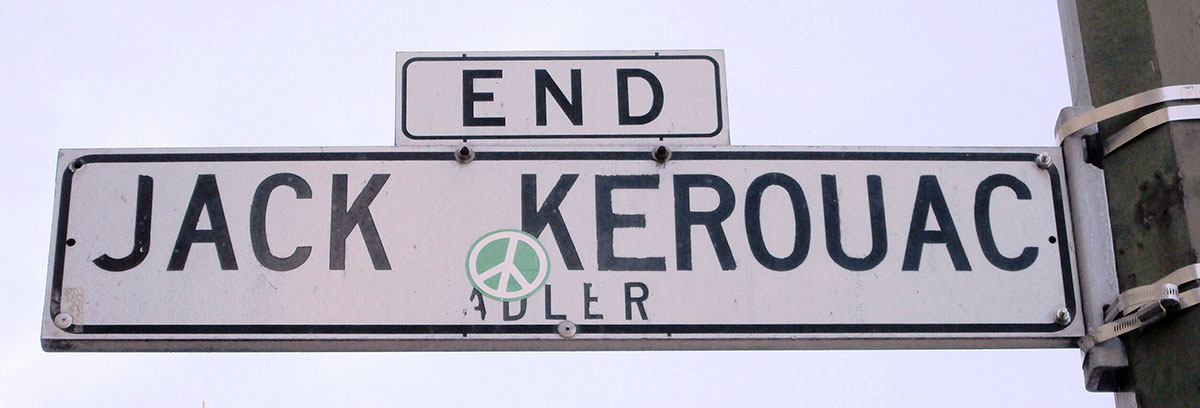
As we come to the end of Kerouac’s Road, those who wish to do more digging may uncover finer themes buried below its rough surfaces. Memorably, Sal ends his novel in regret, at a loss, but with love. “I think of Dean Moriarty, I even think of Old Dean Moriarty the father we never found, I think of Dean Moriarty.” Considering Kerouac’s own father suddenly and tragically died in 1946 of cancer, and Dean’s long-lost father in the novel is a “wino” and never appears, Sal seems to be driving at not only what is “on the road,” but what is off it. Or what has been left far behind.