
Graffiti is a relatively young form of art that nonetheless has its superstars and legends. Its questionable legal status challenges the boundaries of art and vandalism and shakes the power structure of the mainstream art world. This article will focus on the 12 most influential graffiti artists and explore their impact on street art, unique styles, and contributions to art movements worldwide.
1. TAKI 183: The Original Graffiti Artist
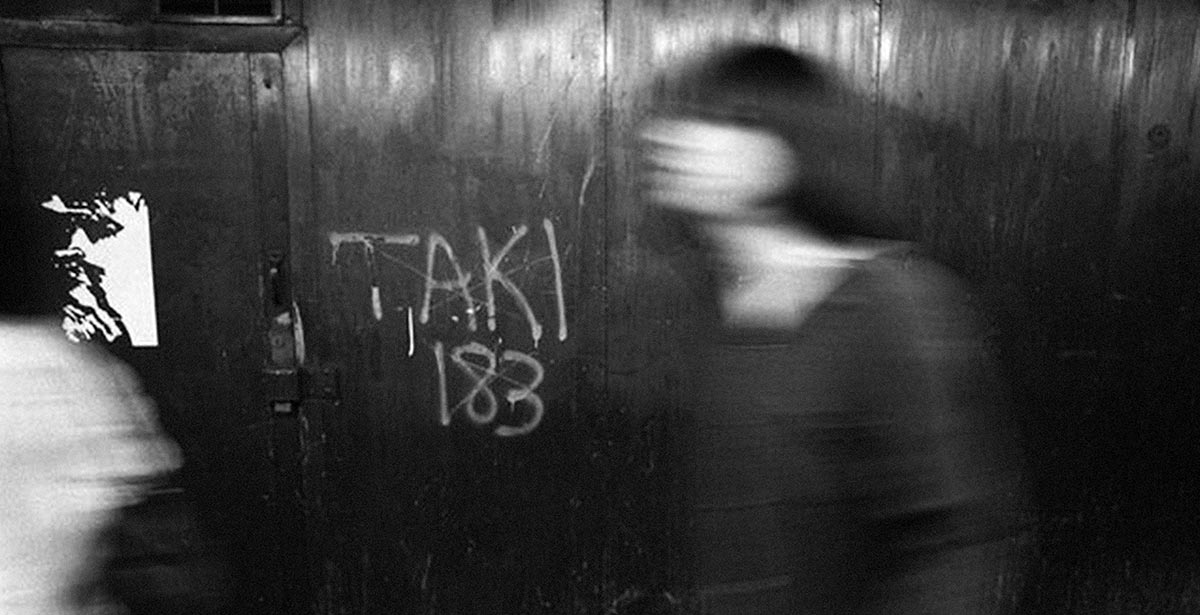
TAKI 183 was one of the first artists who brought graffiti art to public attention. He started his career in the late 1960s and still has not yet revealed his full name. From the limited available data, we know that TAKI is a Greek named Demetrius who lived in the Washington Heights neighborhood in New York. His nickname was a shortened version of his name and his street number. As a teenager, he worked in delivery and tagged his name on the walls on his way. By the mid-70s, he completely abandoned graffiti. Today, he leads a regular life with his business and family.
Compared to the other artists on that list, TAKI 183’s works were nothing out of the ordinary. However, he was one of the first artists to embrace the idea of leaving a personalized mark on the urban landscape and making it a continuous practice. Soon after its emergence, TAKI 183’s tag became recognizable and provoked a wave of imitators.
2. Jean-Michel Basquiat
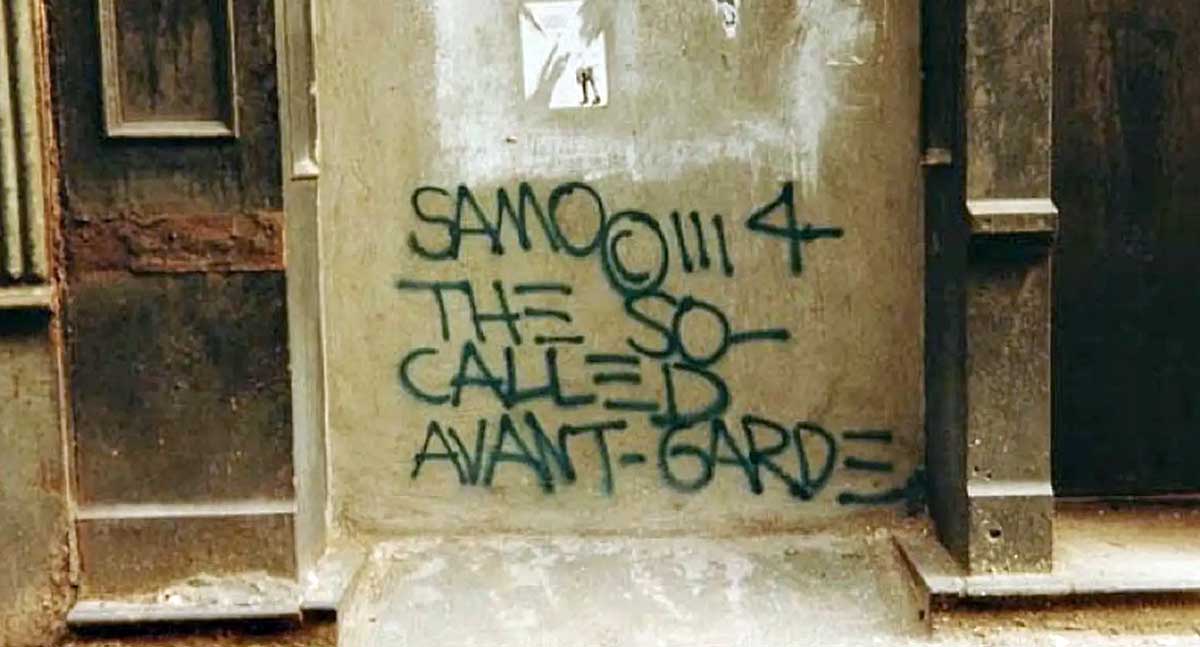
Before becoming famous as a Neo-Expressionist artist and a friend of Andy Warhol, Jean-Michel Basquiat was a graffiti artist known under the nickname SAMO. Basquiat and Al Diaz, his close friend and an artist, developed the SAMO project together, leaving short satiric messages on the streets of New York. Sometimes, they looked like political slogans and sometimes like short texts from superhero comic books. They never specified publicly who or what SAMO was, but later, Basquiat explained it was an invented term for marijuana, which both Basquiat and Al Diaz extensively used.
In his later paintings, Basquiat heavily relied on graffiti techniques and written messages similar to those he had left in his SAMO years. In 2016, after the first presidential victory of Donald Trump, the SAMO tag began to reappear in New York, despite almost thirty years passing since Basquiat’s death. As it turned out, it was Al Diaz’s alternative to resurrect the old story in the new tumultuous times.
3. JR
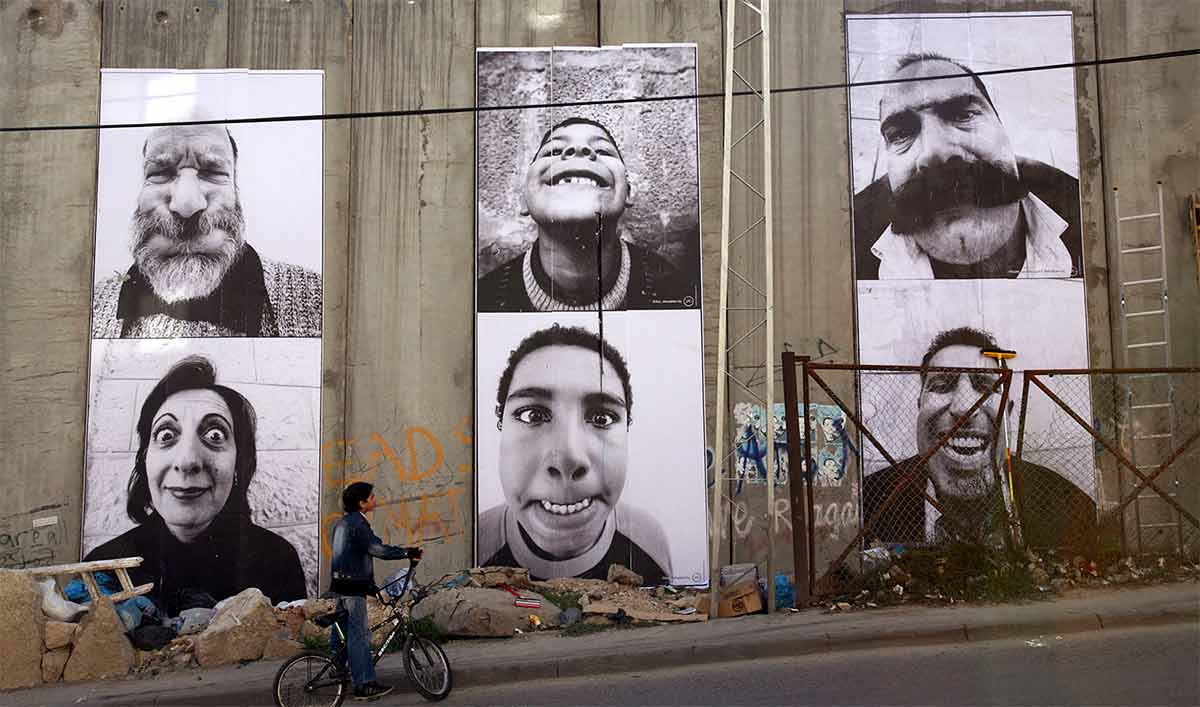
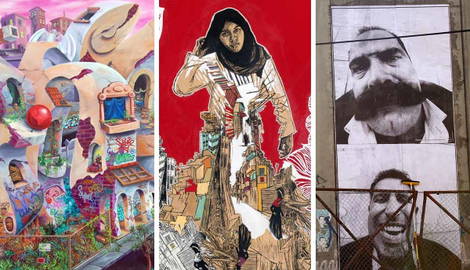
JR is a French street photographer and artist who is famous for his large-scale black-and-white works. He started painting graffiti on subway trains and walls as a teenager. Occasionally, he began photographing the progress of painting and soon decided to paste these photographs as posters in various locations in Paris. Later, he developed this technique, and today, it is known for monochrome photographs, most often of people, pasted over streets, buildings, or even popular tourist sites, including the famous Louvre Pyramid. JR calls himself an artivist for blending creative expression with political and social messages. One of his most famous projects featured photographs of Israeli and Palestinian civilians pasted on both sides of the West Bank Wall.
4. Cornbread
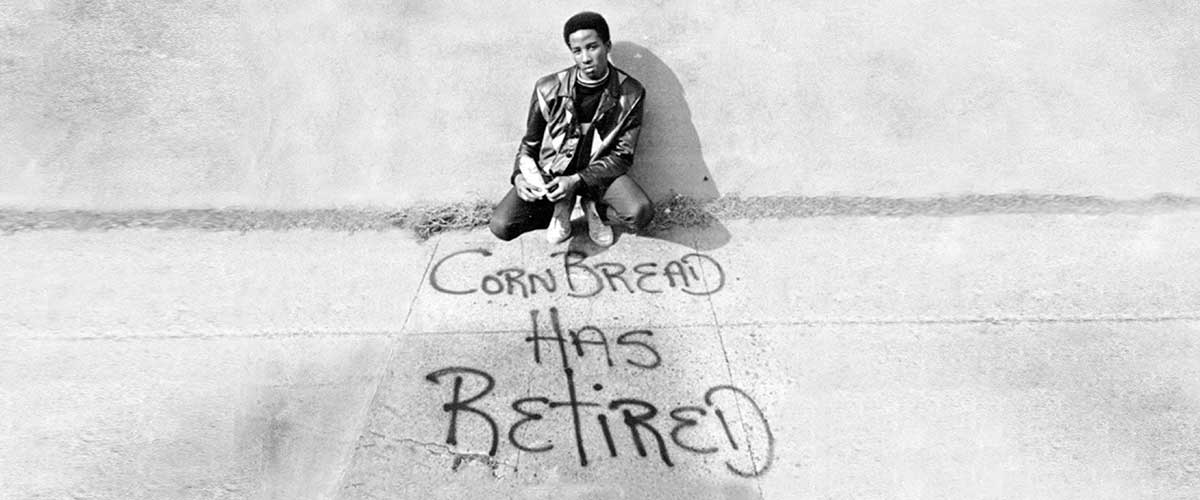
Philadelphia-born Darryl McCray, known as Cornbread, is considered to be one of the first graffiti artists in the modern sense of the word. He began in the 1960s by tagging his nickname on the streets and leaving short messages. Soon, these messages attracted public attention and launched the quest for the real identity of an artist. After the death of a well-known criminal, the press wrongly identified him as Cornbread. As a protest act, the real Cornbread sneaked into the territory of the Philadelphia Zoo, jumped over the fence, and tagged a living elephant with a sign CORNBREAD LIVES.
5. Swoon
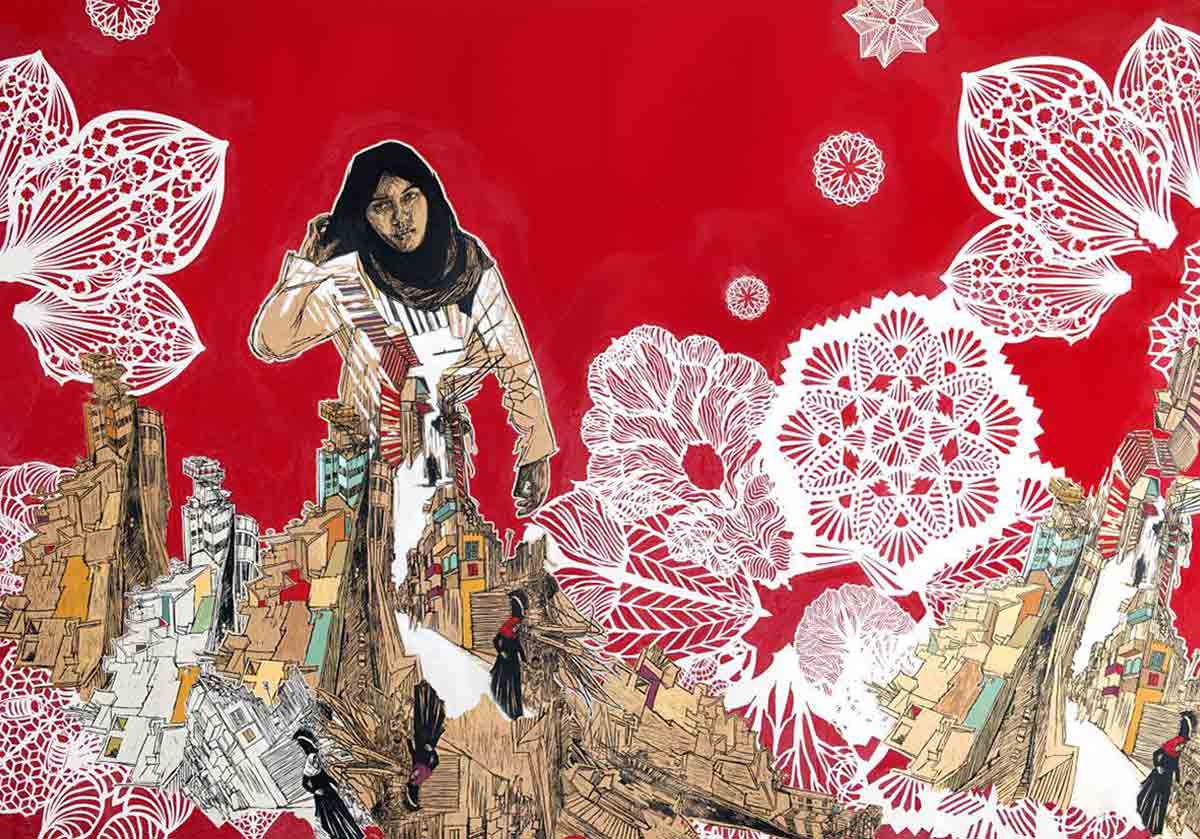
Swoon, or Caledonia Curry, is a street artist who belongs to the generation of JR and Banksy. Unlike many of her colleagues, Swoon received a professional art education and began to paint on the streets to protest against the exclusive and oppressive world of art institutions. Her style heavily relies on fine art techniques and often features realistic portraits.
Swoon’s art often functions as a form of social activism. As a child of opioid-addicted parents, she advocates for better rehabilitation programs and calls for building functional communities that would provide support for its members. One of her most famous activist projects was a shelter for Haiti earthquake victims, which created jobs and offered arts and crafts courses to the residents.
6. Invader
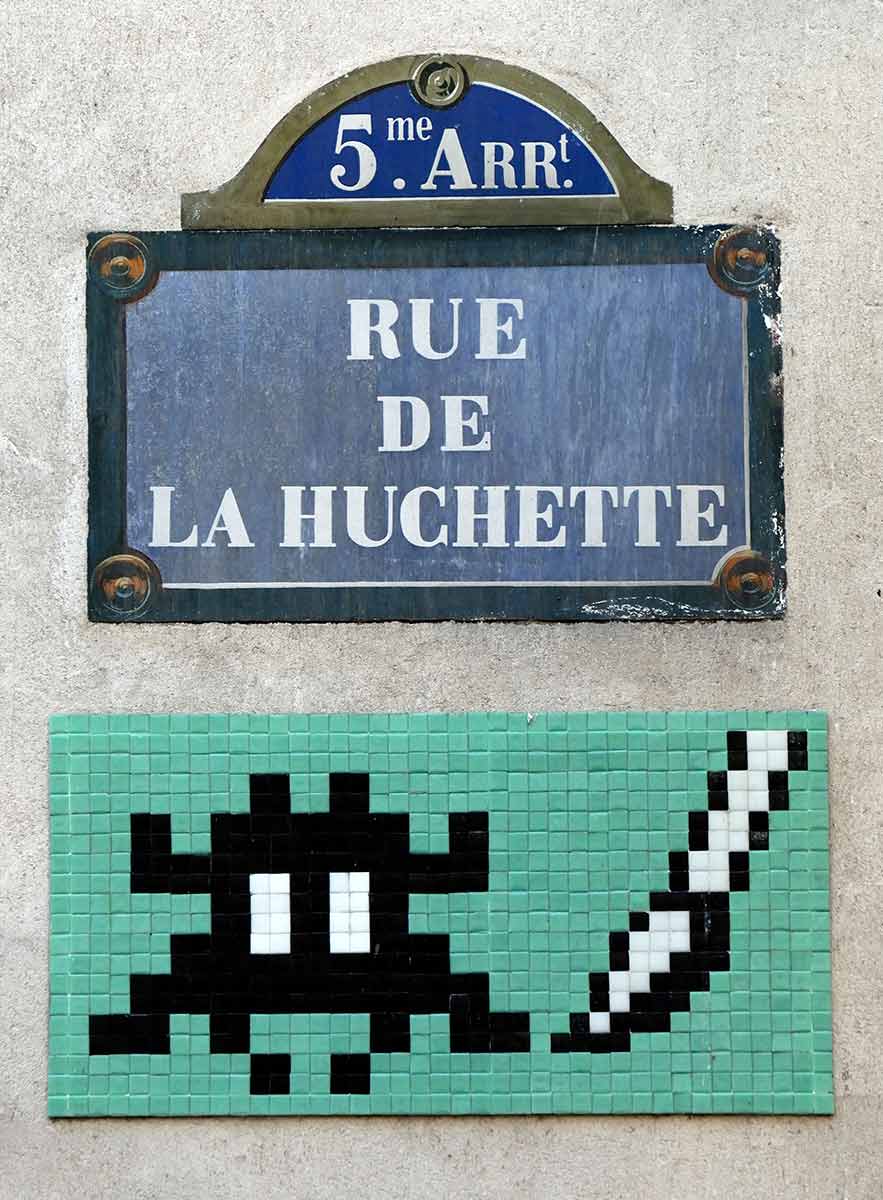
Invader is one of the most easily recognizable graffiti artists. Unlike many of his colleagues, the anonymous French artist prefers small works to large-scale murals and hides his art in plain sight. Instead of paint, Invader uses small ceramic tiles to create images inspired by 8-bit video games from the 1970s. He sees his artworks as invasions and creates them at night, with his face and identity carefully concealed. After each successful invasion, the artist publishes a city map indicating the location and the context of each work. Invader is one of the artists who actively fights against the removal and resale of his works. He aims to integrate them into public space, making them hard to reach.
7. OSGEMEOS
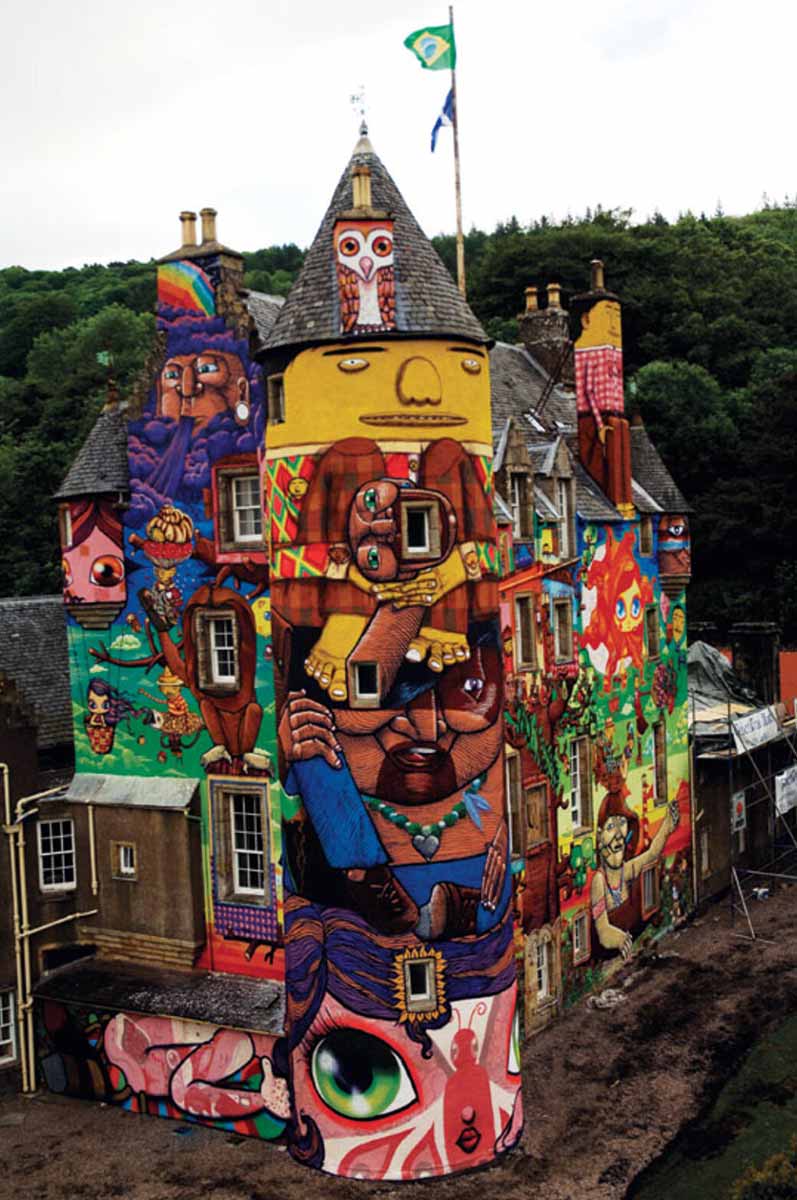
Os Gemeos (The Twins from Portuguese) are two identical twins from Brazil who became famous for their colorful murals featuring yellow-skinned human-like figures. Otavio and Gustavo Pandolfo developed their signature style from the imaginary universe they created as children. Their sources of inspiration include American hip-hop culture, traditional Brazilian arts and crafts, paintings by Hieronymus Bosch, and science fiction. OSGEMEOS’ works are present in many locations worldwide, including both streets and museums. Over the years, the brothers expanded their technique to include sculptural and multimedia works apart from the usual spray can painting.
8. Eduardo Kobra
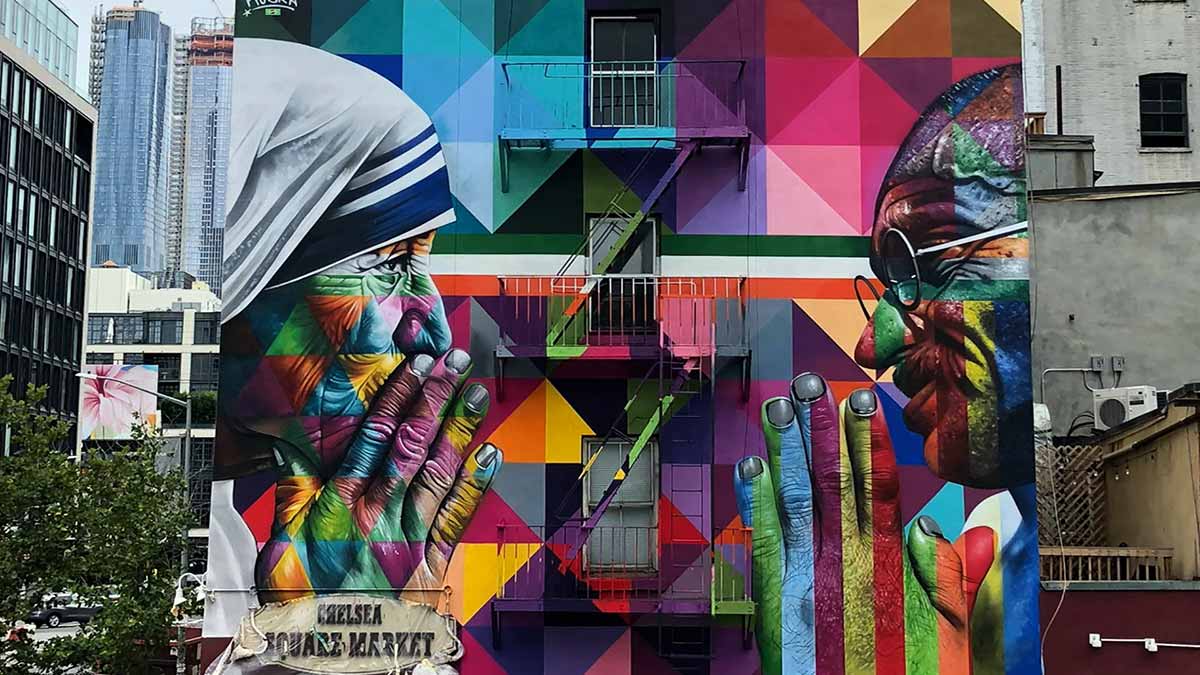
Eduardo Kobra is another famous Brazilian artist who started his graffiti career at the early age of only 11. From simply tagging the walls with his nickname, Kobra moved on to study human vision, perception, and optics to develop a formula for more expressive and emotionally impactful street art. His works are mostly large-scale colorful murals that feature portraits of famous figures associated with the space they are painted, like his Anne Frank mural in Amsterdam or Oscar Niemeyer in São Paulo. Kobra creates not murals but experiences that transform the urban landscape.
9. Keith Haring
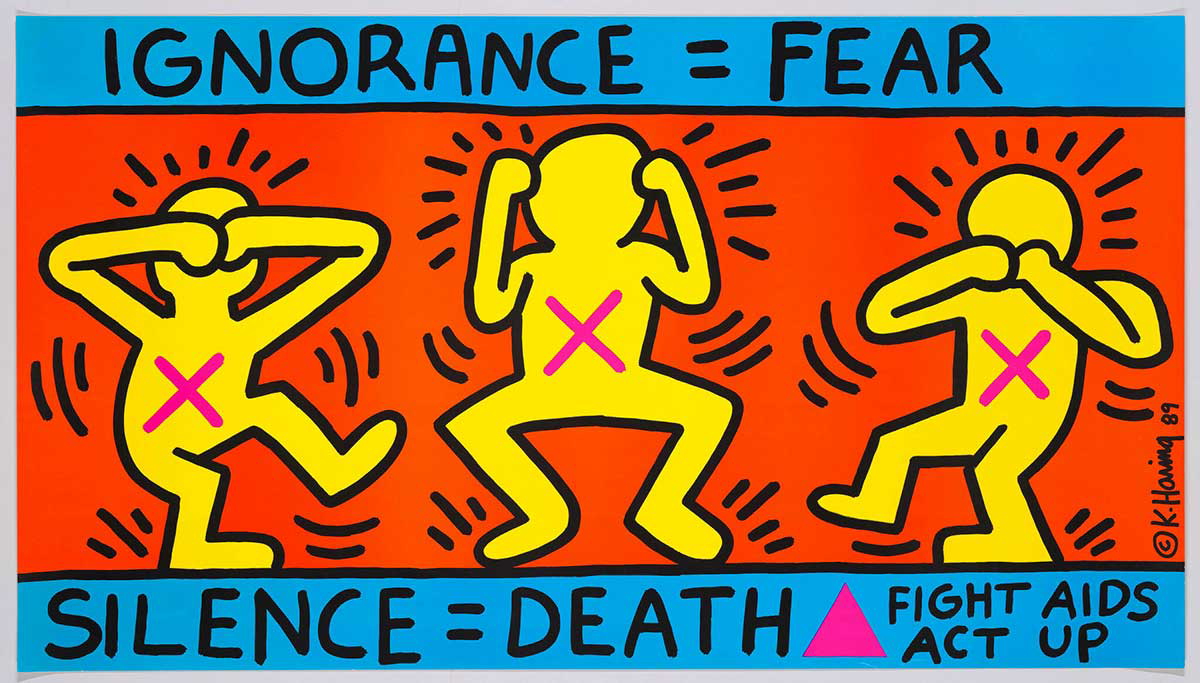
Keith Haring, the renowned artist associated with graffiti and Pop Art, was raised in a family that included an amateur cartoonist. From a young age, Haring was inspired by old Disney movies, magazine cartoons, and comics. He was drawn to art that crossed the boundaries of galleries and interacted with a mass audience. In the early 1980s, Haring started leaving chalk graffiti drawings in the subway. His simple, stick-figure style soon became instantly recognizable, making him a popular artist.
Many of Haring’s works were centered around raising awareness about the drug addiction problem and the AIDS epidemic. Haring was diagnosed with AIDS in 1988 and spent his last years creating works for charities and foundations aimed to curb the epidemic.
10. Lady Pink
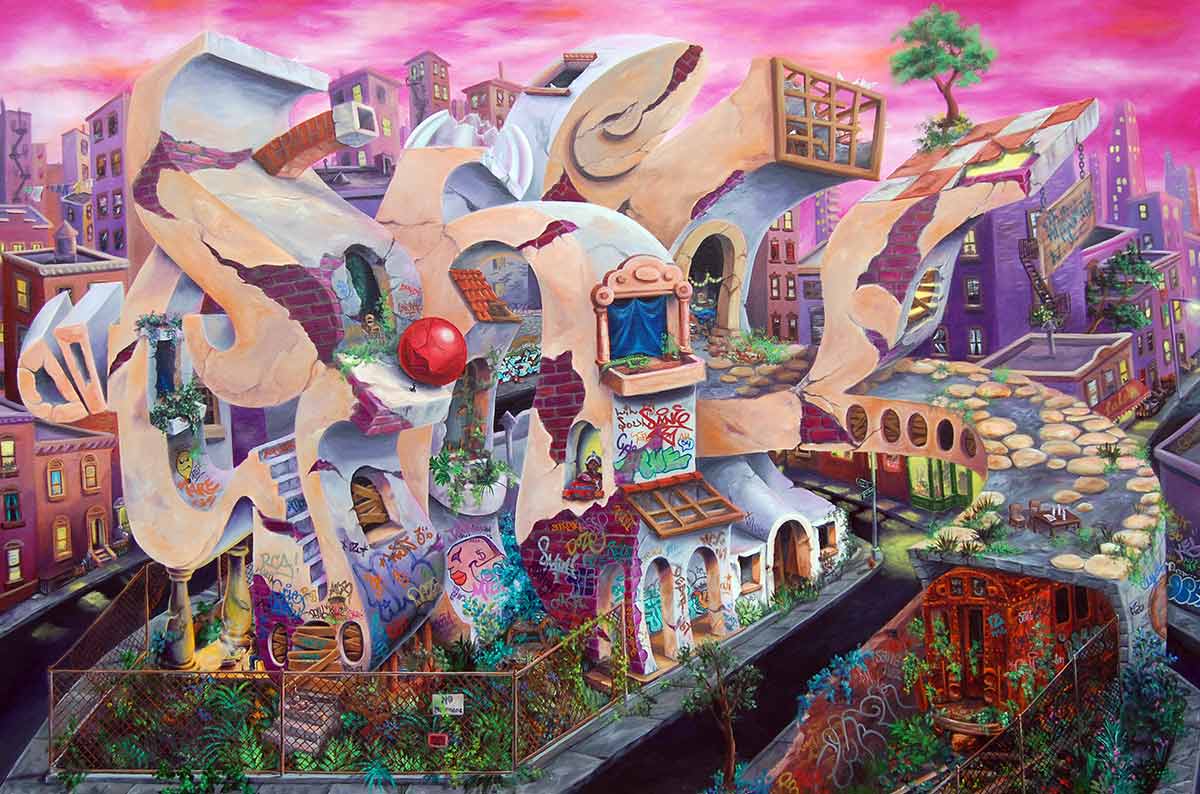
Unfortunately, not that many women artists were present on the graffiti scene in the early decades of its existence. Lady Pink, born Sandra Fabara, was one of the first women to become famous within the movement. She moved to the US as a child and started her graffiti career as a teenager while experiencing a harsh breakup. In the 1980s, she was painting subway trains in New York and soon moved to canvas painting, collaborations with brands, and commissioned projects. Lady Pink’s signature style uses conventionally feminine elements to indicate her identity in the male-dominated art movement. She also frequently refers to her Latin American heritage, using colors, ornaments, and figures associated with Latinx culture.
11. Shepard Fairey
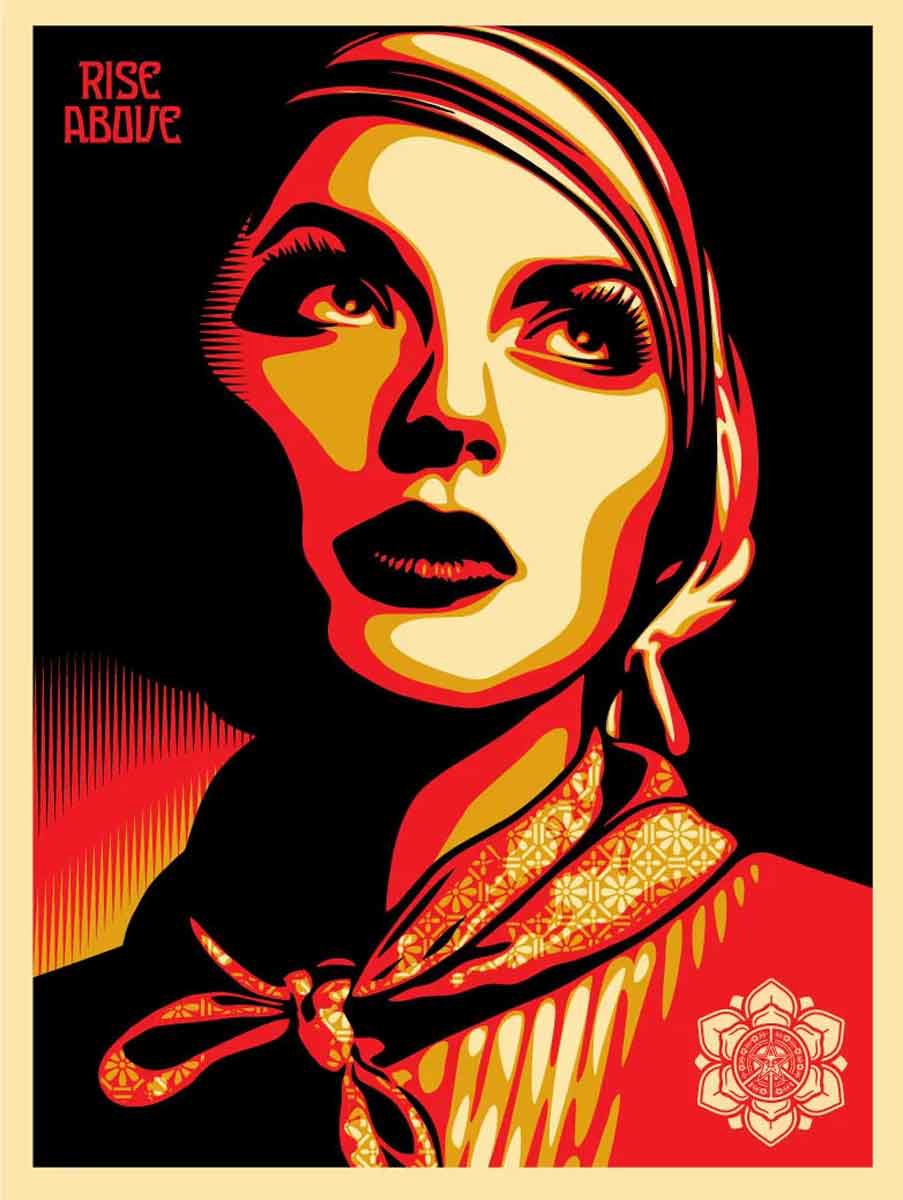
Since the 1990s, Shepard Fairey has remained a relevant and popular street artist. His initial interaction with graffiti came through his teenage interest in punk and skateboarding cultures. His first project, which brought almost immediate recognition, was a series of stickers featuring Andre the Giant, or Andre Roussimoff, a French-Bulgarian wrestler. More recently, Fairey created the famous HOPE portrait of Barack Obama and a series of street murals worldwide that spread anti-war, anti-capitalist, and anti-xenophobic messages.
12. Banksy: The Elusive Graffiti Artist
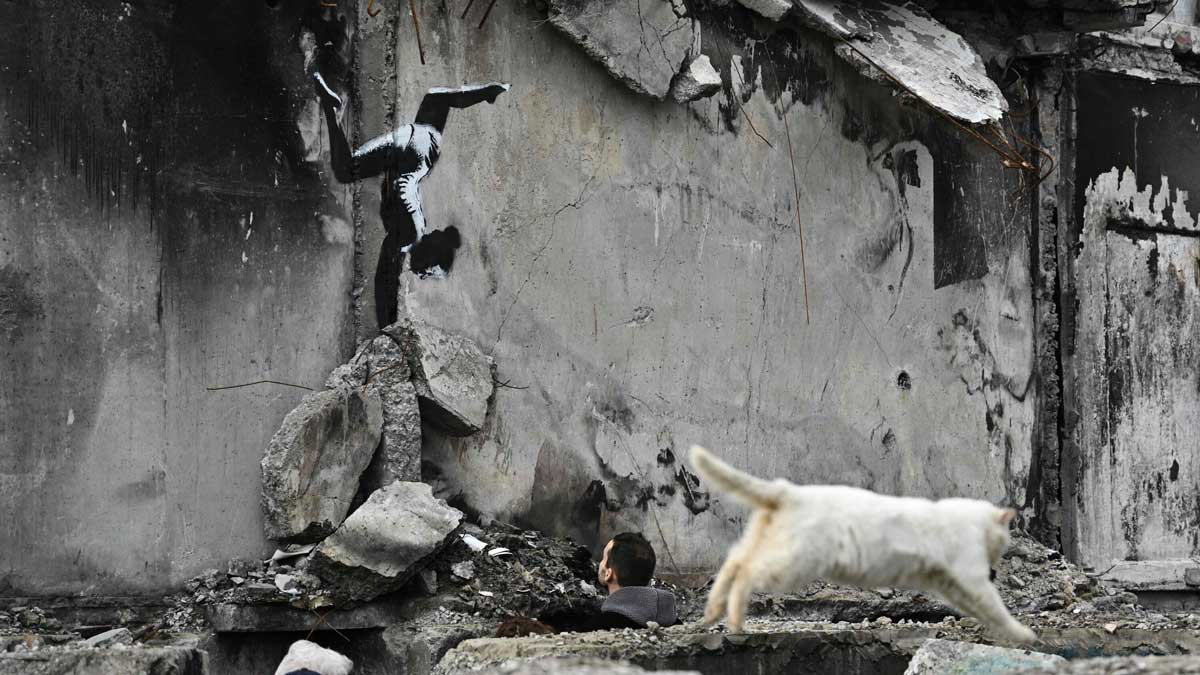
As one of the most successful contemporary artists, Banksy is fairly critical of his fame. He allows himself to profit from and ridicule the art world simultaneously. Despite numerous theories about his identity, none have been fully confirmed.
Banksy’s art appeared on the streets in the 1990s, using his distinctive stencil painting technique. Stenciling allows him to work fast without attracting extra attention, which is crucial for the anonymous artist. His works often feature animals or figures of women and children, question power structures, highlight oppression, and condemn violence. In 2022, Banksy visited war-torn Ukraine and left seven murals there to support the Ukrainian citizens suffering from the war.