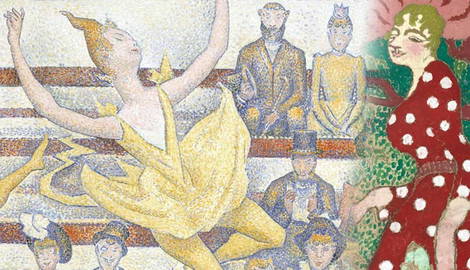

École des Beaux-Arts is a legendary art school in Paris known for strict quality training and rigid rules. Students focused on respectable and conventional genres like history painting and portraiture. Still, despite the conservative training, many of École des Beaux-Arts students became radical avant-garde artists who opposed conventions. Read on to learn more about 12 famous students of École des Beaux-Arts and their accomplishments.
1. École des Beaux-Arts’ Jean-Honoré Fragonard (1732-1806)
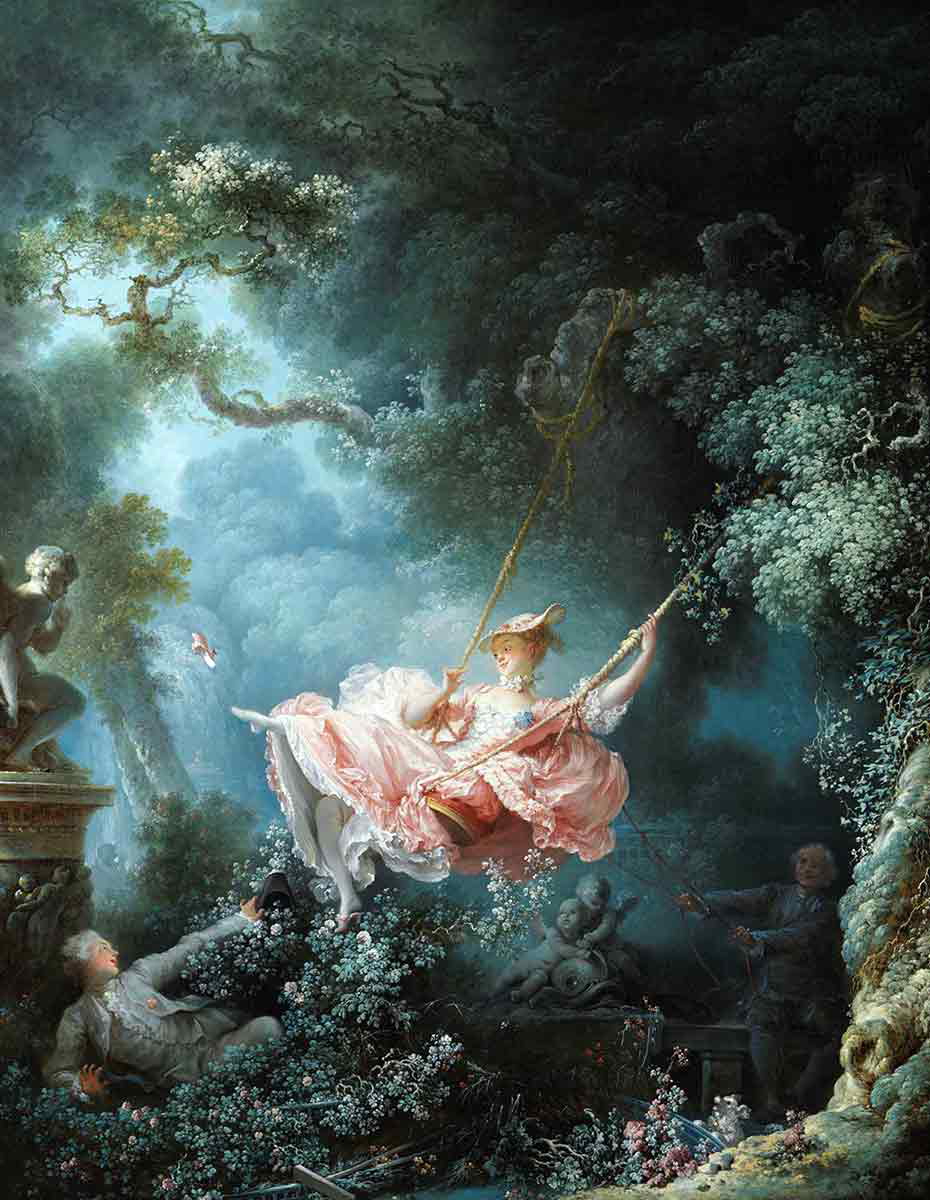
Fragonard was the icon of Rococo painting, cherished but also criticized for his frivolous and often semi-pornographic subject matter. His scenes of blushing maidens and aristocrats on swings were in great demand among the French nobility. However, in his student years, he started with more solemn and dramatic scenes from history and mythology. A representative of the older generation of artists, Fragonard studied in the school before it received its famous name. In Fragonard’s time, the school was called the Academy of Fine Arts. A son of a glove maker, Fragonard managed to win Prix de Rome, the Academy’s highest possible award, in the form of a three-year scholarship in Rome, from the first attempt.
2. Theodore Géricault (1791-1824)
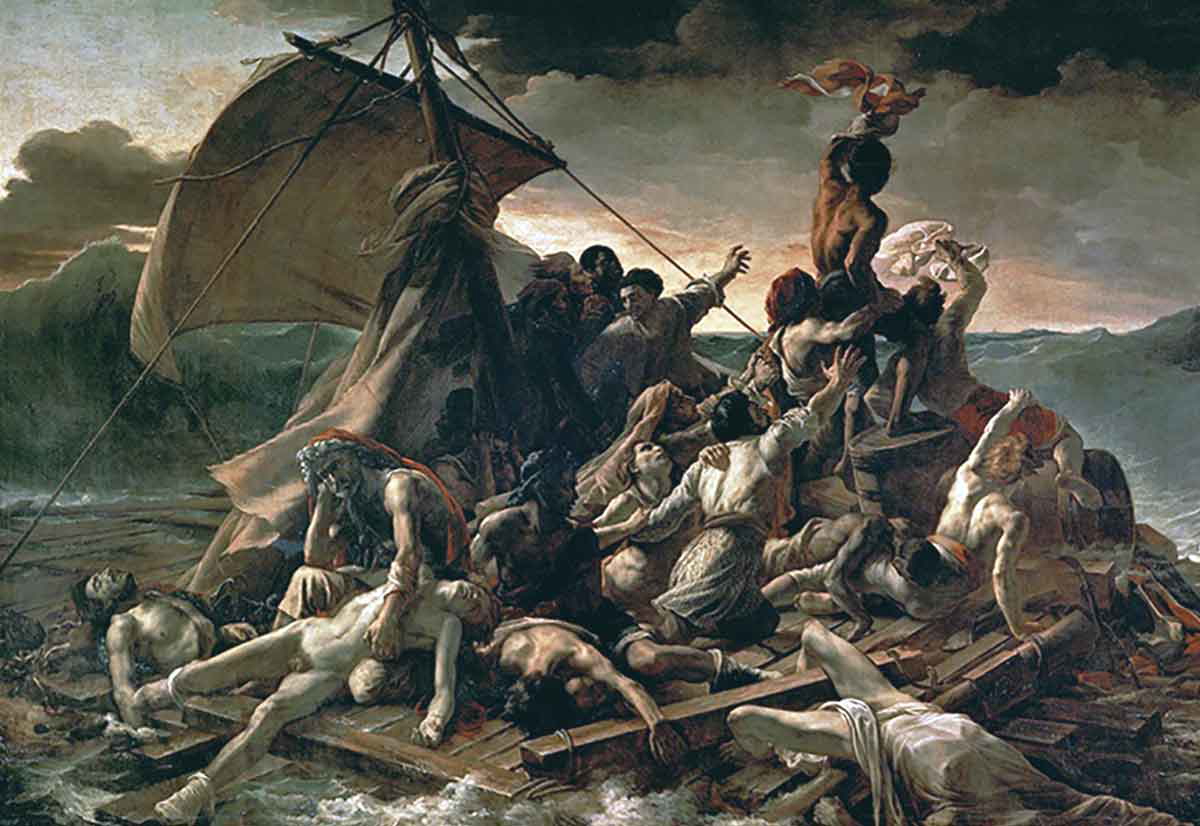
Theodore Gericault’s unexpected death at the age of just 32 probably robbed us of many more outstanding works of art he could have created. As a responsible and focused student of the École des Beaux-Arts, he nonetheless sometimes skipped classes to visit horse stables and draw animals there. Gericault’s only enemy was his explosive temperament: he was expelled from art school after arguing with fellow students. Outraged, he flung a bucket of water at them while accidentally splashing it onto his teacher’s head.
3. Edgar Degas (1834-1917)
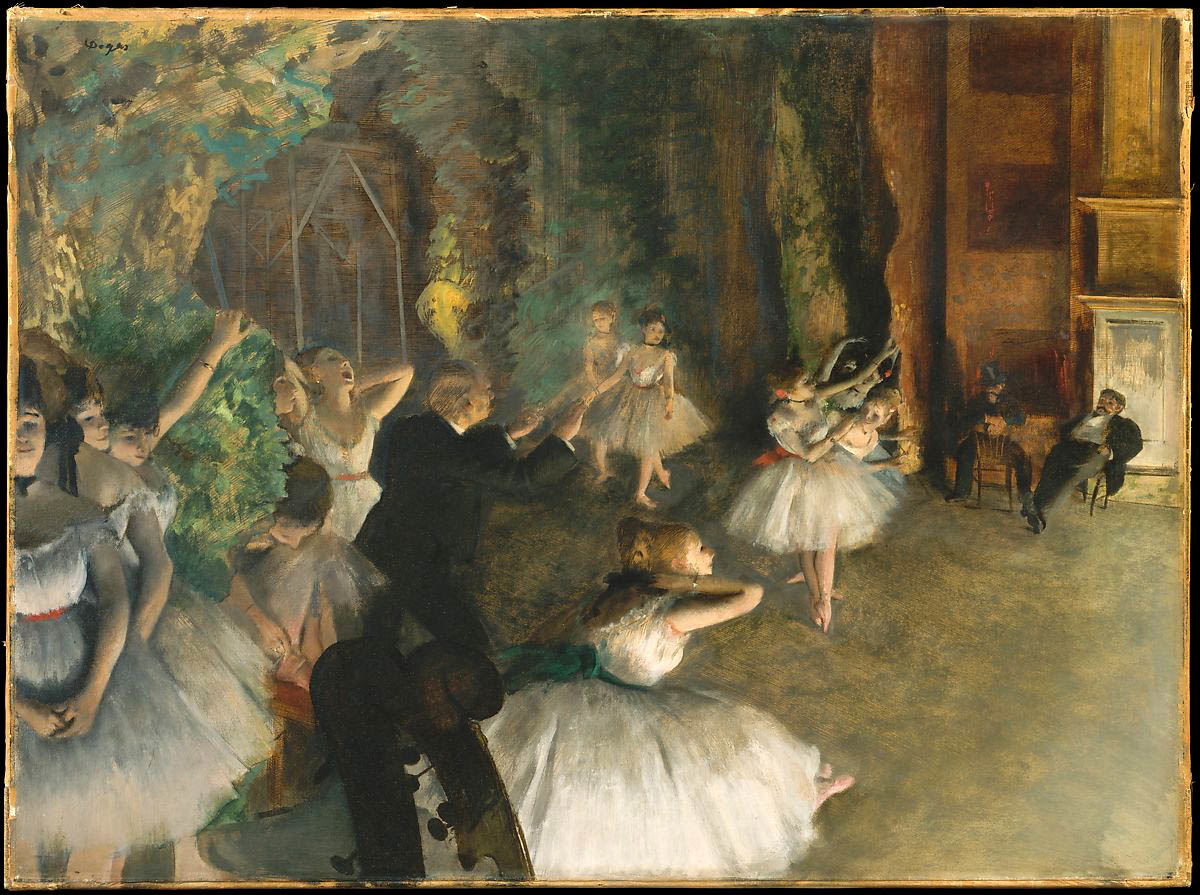
At École des Beaux-Arts, Edgar Degas’ mentor was one of the former students of Jean-Auguste-Dominique Ingres, lesser-known Louis Lamothe. Once, he was fortunate enough to meet Ingres himself, who instructed the future Impressionists to focus on clear and precise lines in their work. Another formative encounter in Degas’ life was the 1855 Universal Exposition, during which Gustave Courbet, rejected by the exposition committee, built his own Pavilion of Realism. Forty paintings by Courbet thus stood in opposition to the official art, inspiring generations of younger artists to experiment.
4. Jacques-Louis David
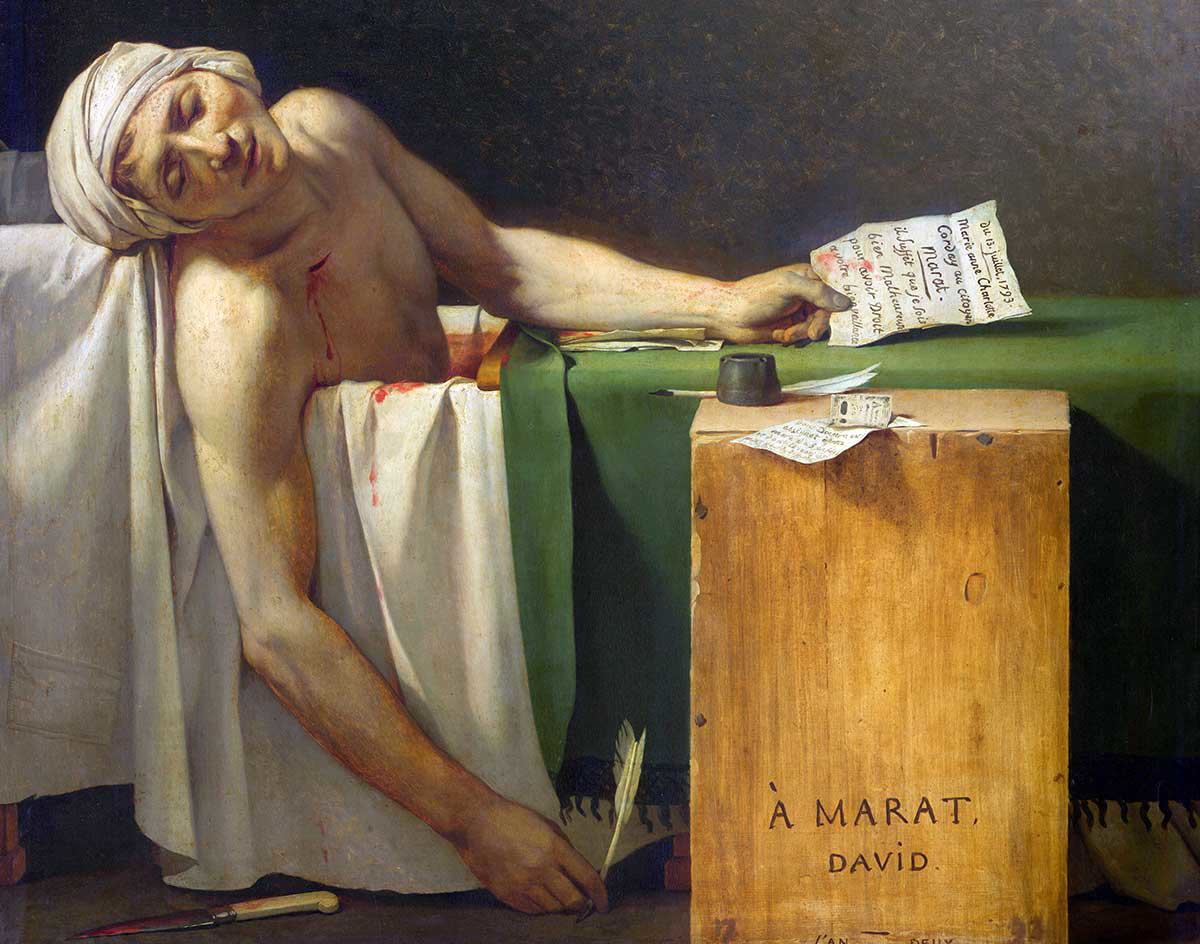
Jacques-Louis David was an astonishingly talented yet controversial figure who managed to create propagandistic images for both the 1789 revolutionaries and Napoleon Bonaparte’s regime. Such fluctuating political loyalty tarnished his reputation among politicians and potential commissioners. Jacques-Louis David attempted the Prix de Rome three times, failing miserably and making his failure even worse with his overreacting. He openly denounced and insulted the contest’s winners and even went on a short-term hunger strike after a second loss. Only his fourth attempt became a success, winning him a five-year-long tour to Italy.
5. Eugene Delacroix (1798-1863)
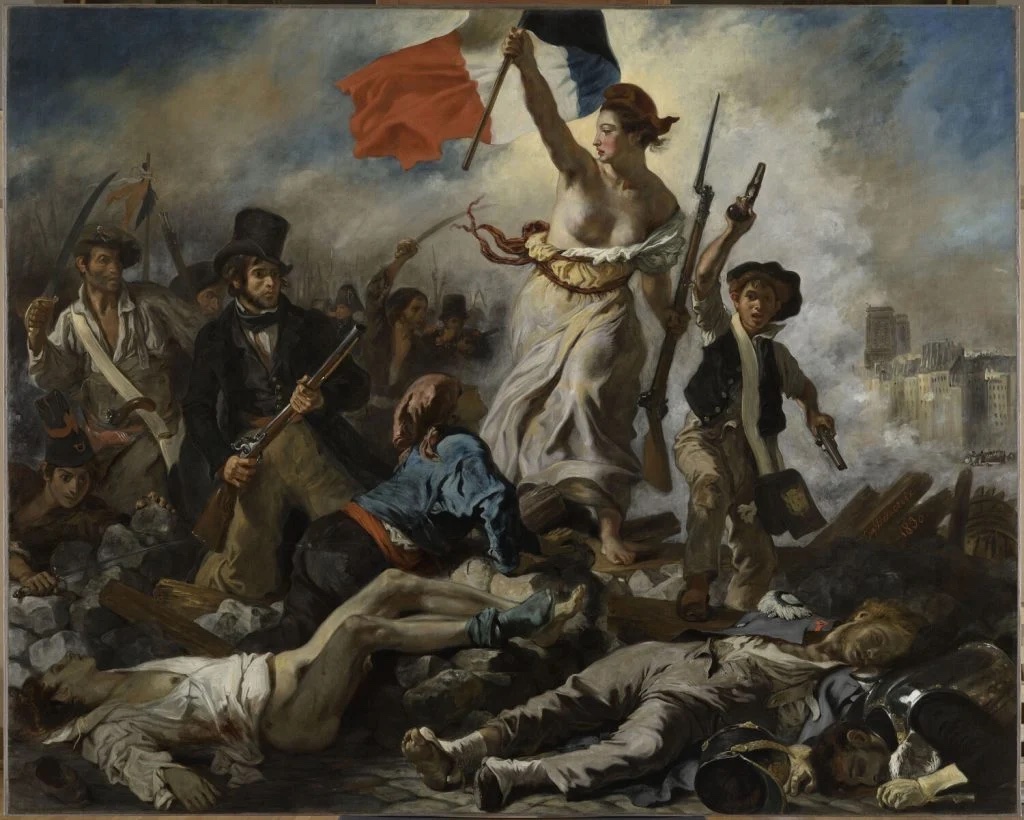
Delacroix’s art was partially inspired by that of his friend Theodore Gericault, and the Flemish Baroque master Peter Paul Rubens. Despite following the traditional formal training, Eugene Delacroix found a way to assert his independence and demonstrate his individual training path. Most other students, especially as gifted as Delacroix, usually applied for the Prix de Rome. Even if they did not win the competition, the mere fact of participating cemented their reputations as aspiring talents and helped to secure commissions. Delacroix deliberately ignored the Prix de Rome contest, choosing to show his work at public salons instead. Moreover, he chose to depict contemporary events like the 1830 Revolution.
6. Jean-Auguste-Dominique Ingres (1780-1867)
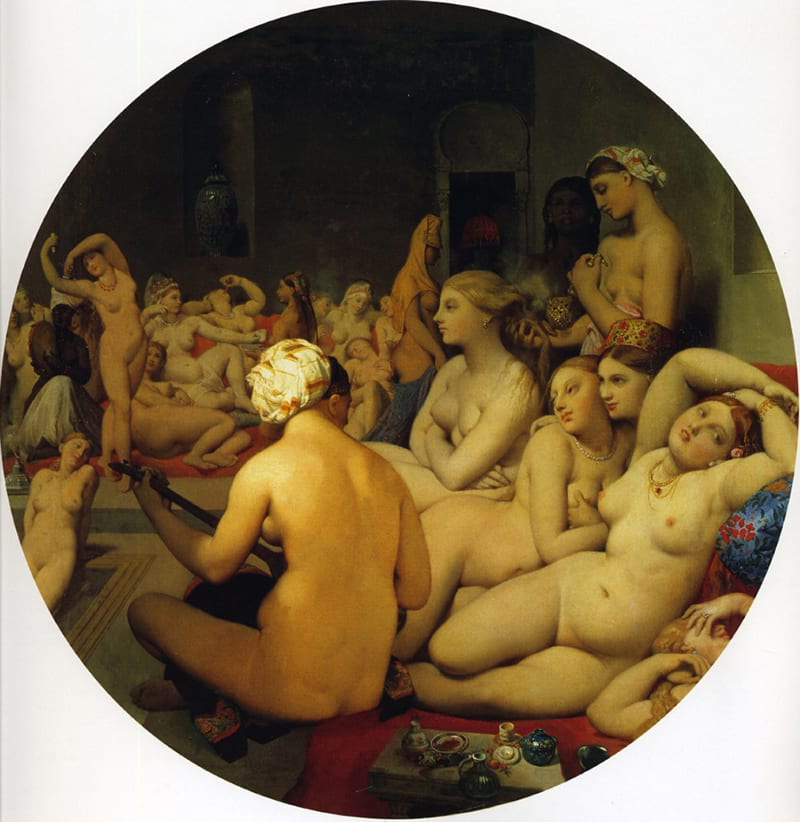
The legendary painter Jean-Auguste-Dominique Ingres received his training from another icon mentioned on this list, Jacques-Louis David. Despite his deep belief in classical training and set standards for painting, Ingres allowed himself significant deviations from the norm that later inspired radical modernists like Cubists and Expressionists. His distorted proportions, long necks, and unusually twisted torsos made his art a bridge between Baroque Mannerism and progressive avant-garde. That being said, Ingres’ manipulation of proportions was not always well-received by his contemporaries. Some of his great works, such as Grand Odalisque or one of the portraits of Napoleon, were bashed by the critics in the press.
7. Gustave Moreau (1826-1898)
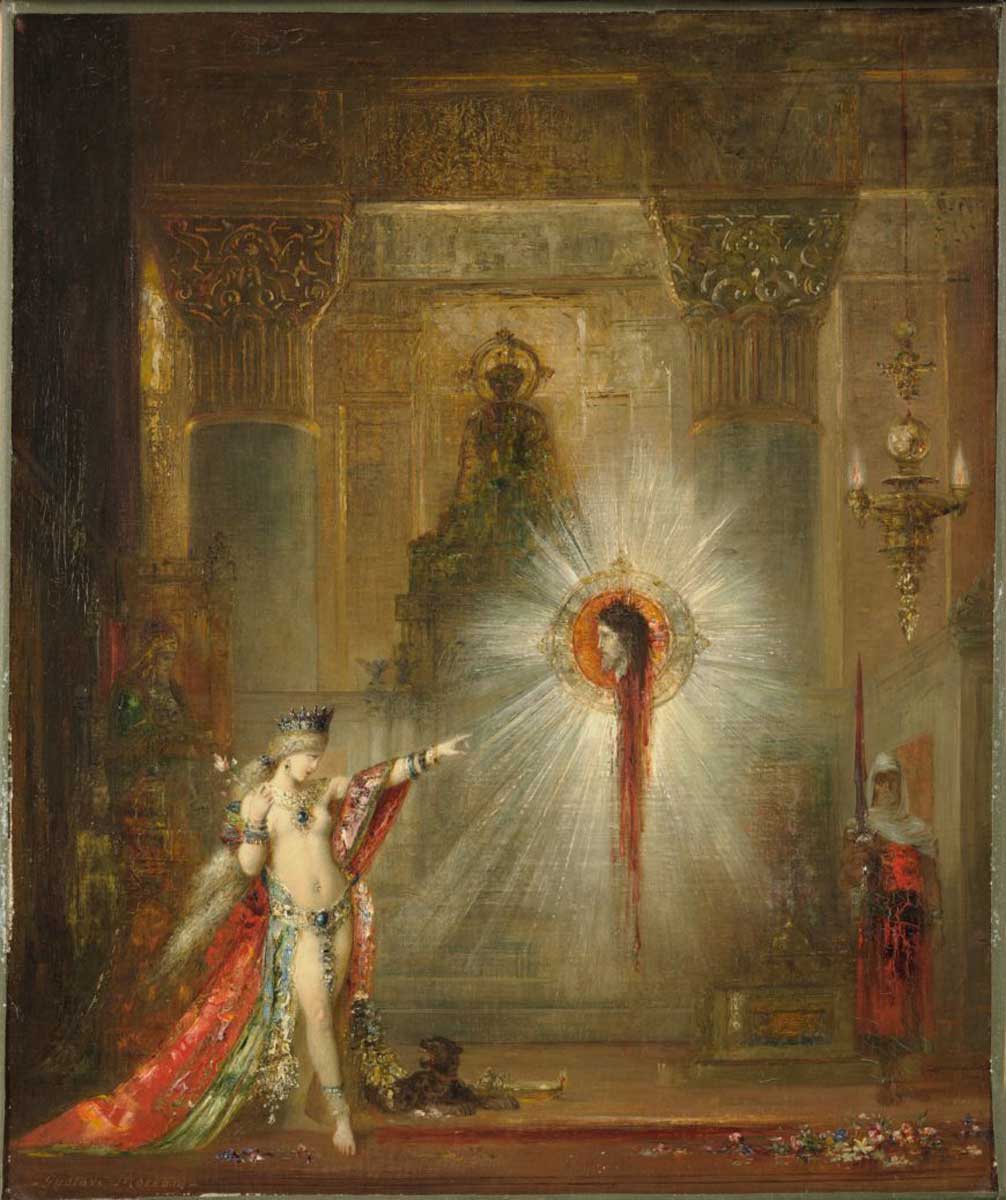
Gustave Moreau was one of the most famous Symbolists with an instantly recognizable style and attention to the tiniest of details. Moreau was entirely focused on his imaginary realms with mystical castles and ancient cities, paying little to no attention to reality. Drawing inspiration from Byzantine art and mythology, he rejected Realism and instead advocated for art that was visually exciting and inspiring. Moreau was not only a student of École des Beaux-Arts but one of its most respected professors. Despite his apparent conservatism, he was the hero of Henri Matisse, one of the most radical avant-garde artists of his era. Matisse failed entrance exams to École des Beaux-Arts but nonetheless joined Moreau’s class unofficially.
8. Pierre-Auguste Renoir (1841-1919)
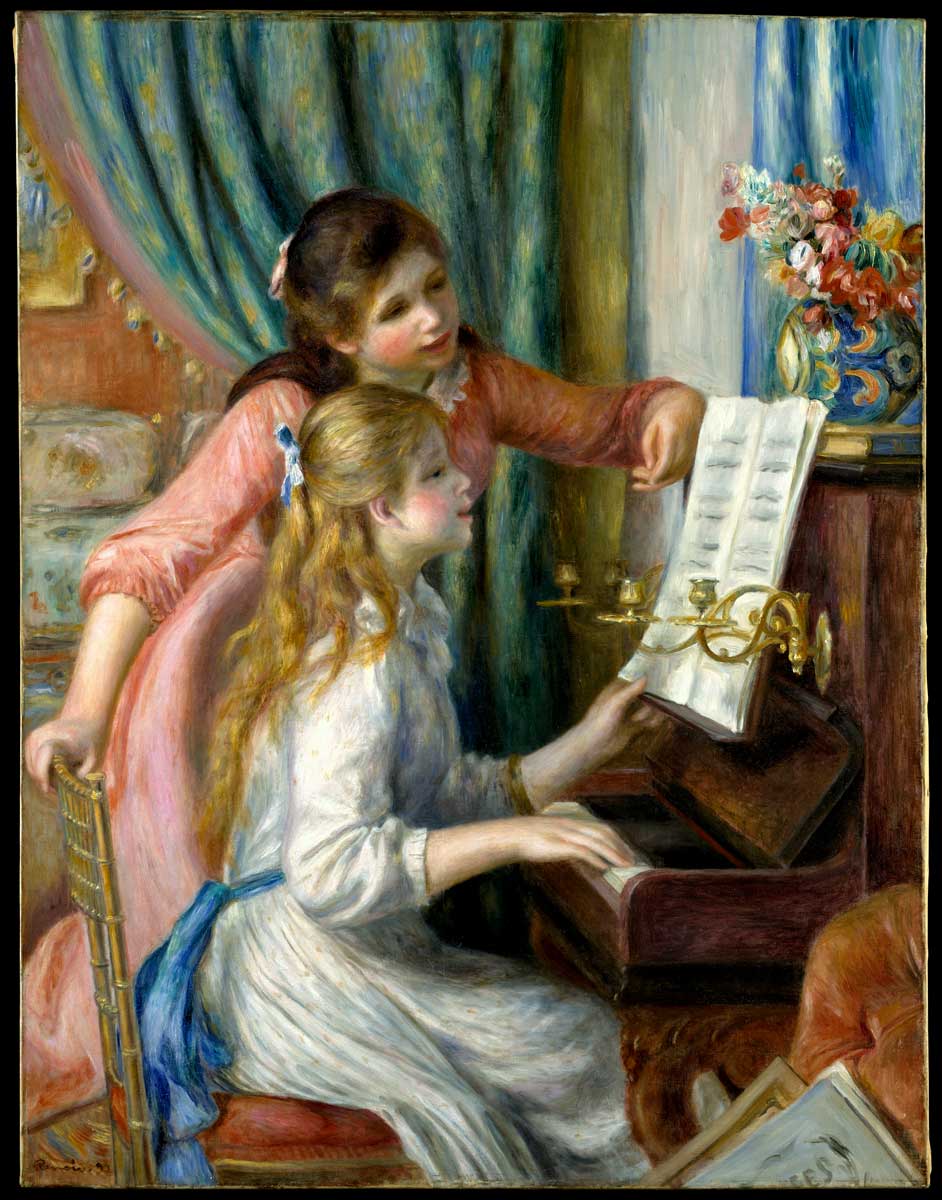
The story of Pierre-August Renoir, the great Impressionist, is a great illustration of the idea that you have to know the rules before breaking them. Before enrolling in École des Beaux-Arts, Renoir worked with decorative arts, painting fans, and porcelain. He started his training in the studio of a conservative academist painter, Charles Gleyre. Gleyre based his work on the established principles dictated by Europe’s most prestigious art academies. Rather unexpectedly, he taught not only Renoir but also Claude Monet and Alfred Sisley.
Renoir left Gleyre’s studio after only a year of training. Soon, he began breaking all the possible rules, using smudgy lines and unusual colors to capture the contrast of light and shadow. Particularly, many of his conservative contemporaries were appalled by his use of blues and greens for skin tones.
9. Georges Seurat (1859-1891)
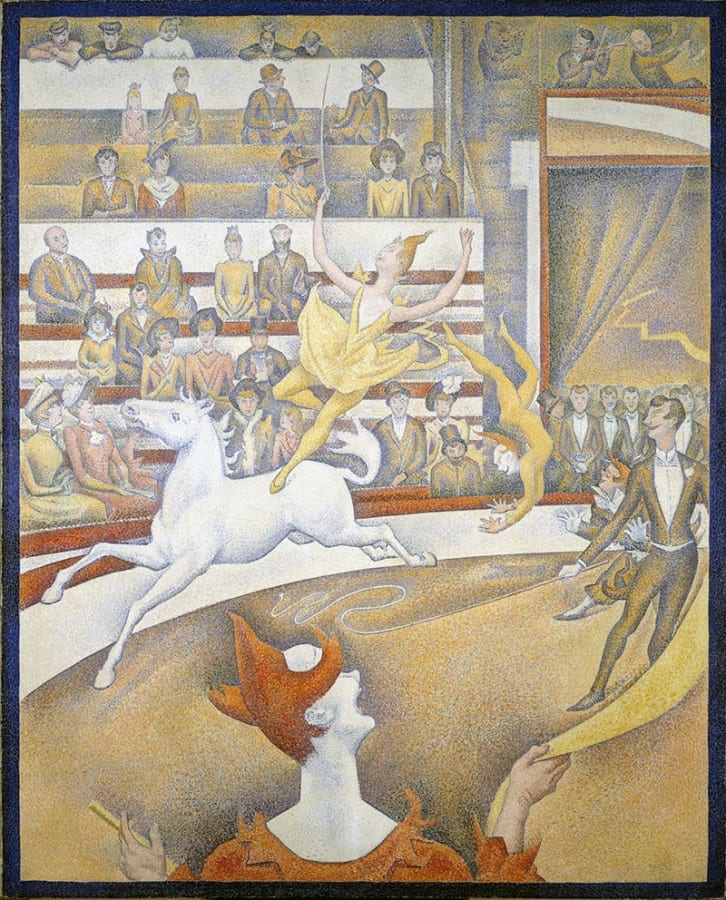
Neo-Impressionist Georges Seurat also spent a year at École des Beaux-Arts under the guidance of German history painter Henri Lehmann. Lehmann’s education strategy relied on his students copying ancient sculptures and paintings by great European masters of the past centuries. However, he also taught them the theory of contrasts, emphasizing the way colors worked next to each other. This idea, augmented by modern research in optics and visual effects, led Seurat to develop the technique called Divisionism (alternatively, Pointillism). He applied small strokes or dots of unmixed paint close to each other, with contrasting colors blending into a complex and nuanced image.
10. John Singer Sargent (1856-1925)
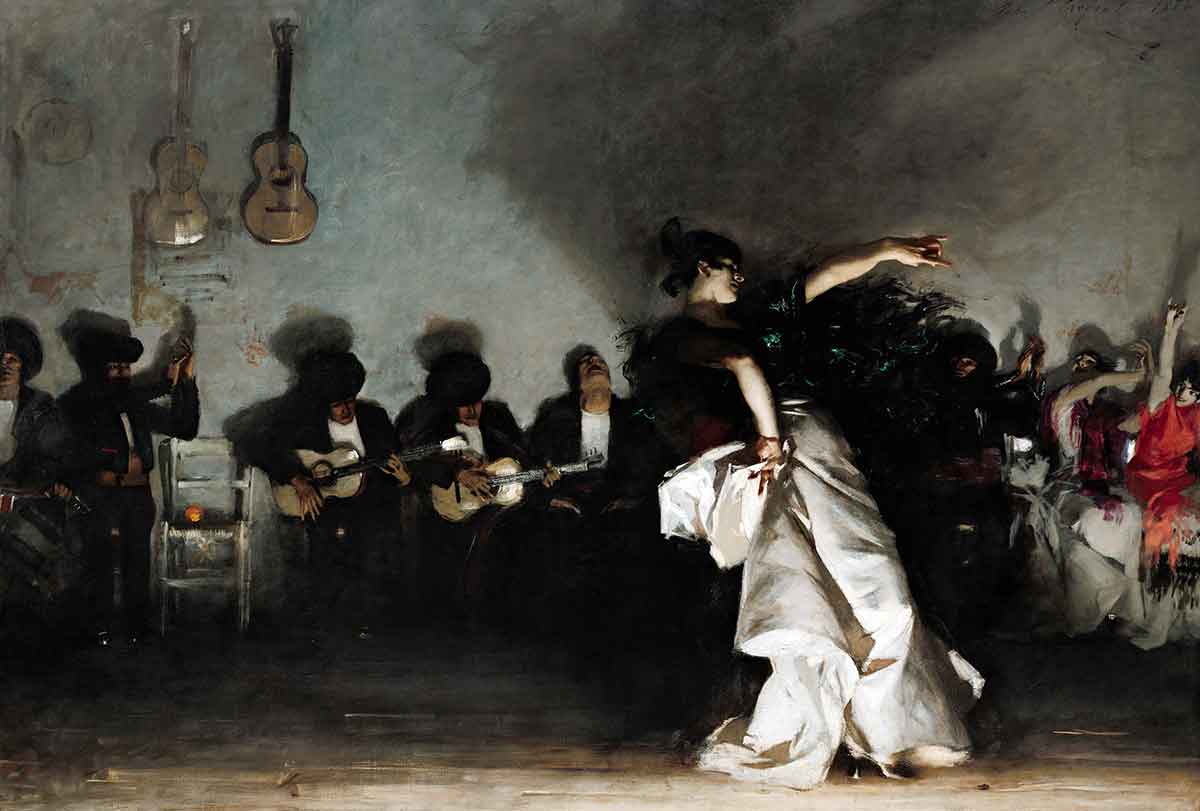
For a foreigner, enrolling into École des Beaux-Arts was almost impossible, partially due to an extremely difficult French language exam. Still, American expatriate John Singer Sargent managed to pass them and soon became known as one of the most talented young men in his group. Sargent blended the influence of Old Masters like Velazquez and Rembrandt with modern techniques of painting, adapted from the Impressionists. Although École des Beaux-Arts teachers valued history painting above all other genres, Sargent made a reputation for himself for society portraits.
11. Alfred Sisley
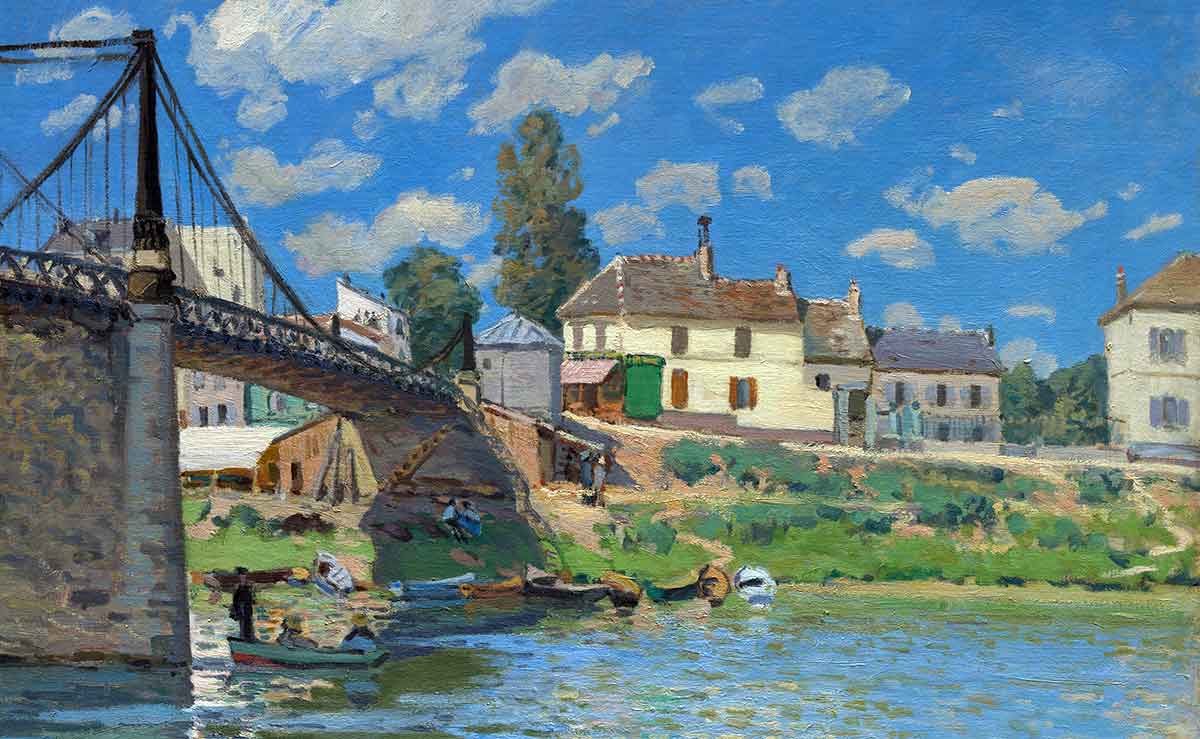
Alfred Sisley was a contemporary of Renoir and Camille Pissarro and an Impressionist who almost never painted human figures or urban scenes, so favored by his colleagues. Instead, he preferred landscapes, exploring the way light could transform natural scenes.
Impressionist painters were known for painting en plein air, or outside, with their paints and easels arranged right in front of the scene they wished to recreate. However, Sisley’s École des Beaux-Arts teacher Charles Gleyre insisted on the importance of painting from memory, sacrificing immediate reality in favor of the impression and emotional undertone of the scene.
12. Pierre Bonnard (1867-1947): A Year at École des Beaux-Arts
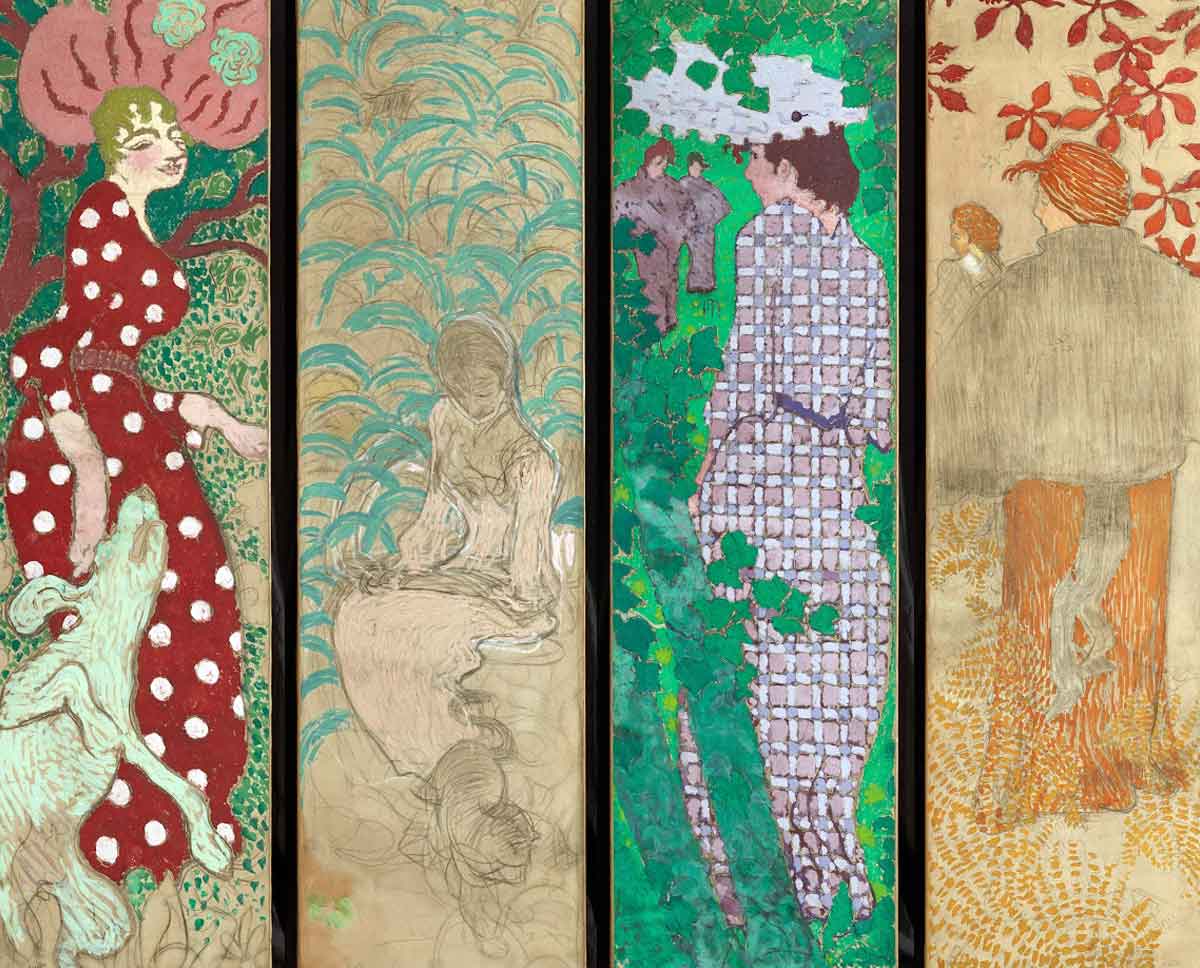
Another Post-Impressionist, Pierre Bonnard spent only a year at École des Beaux-Arts, choosing instead to study at the more liberal art school Academy Julian. As if in opposition to his classical training, Bonnard found inspiration in Japanese prints and paintings and preferred to work with flat planes of pure color rather than illusions of depth and space.
Together with Maurice Denis, Edouard Vuillard, and others, Bonnard insisted that decorative arts should be treated just as important as easel painting. Their artistic group called themselves Les Nabis (an adaptation of the Hebrew word prophet) and created painted porcelain, tapestries, furniture design, as well as more traditional paintings and murals.