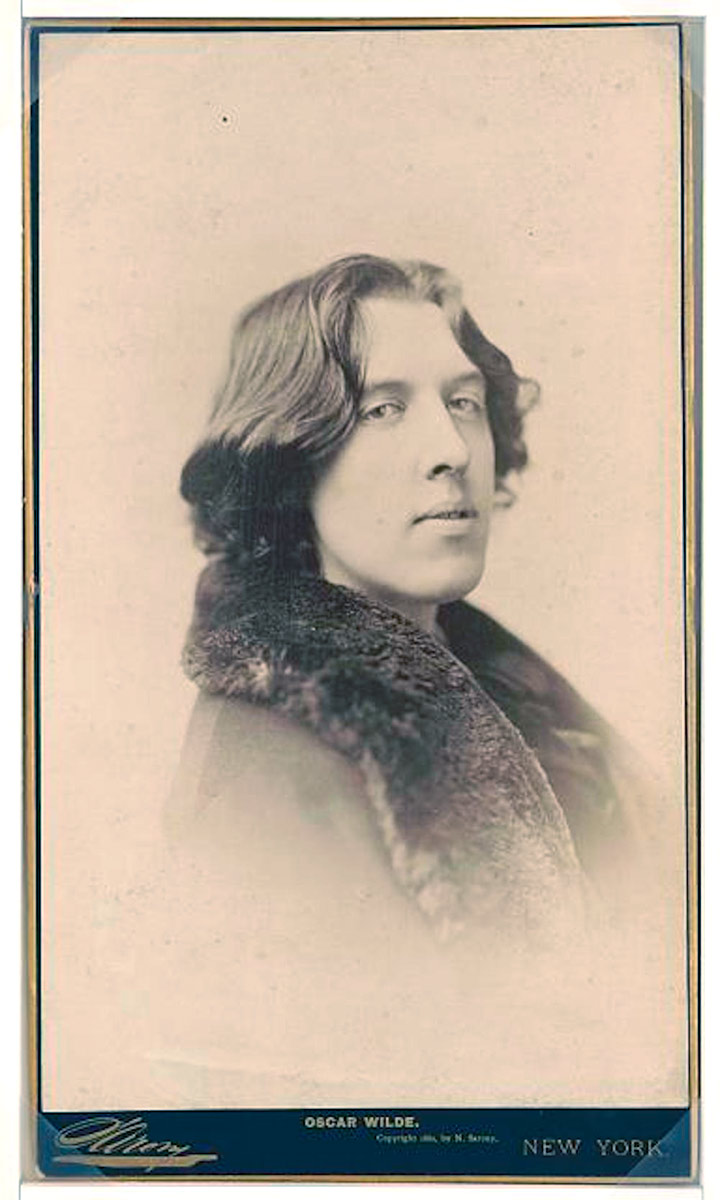
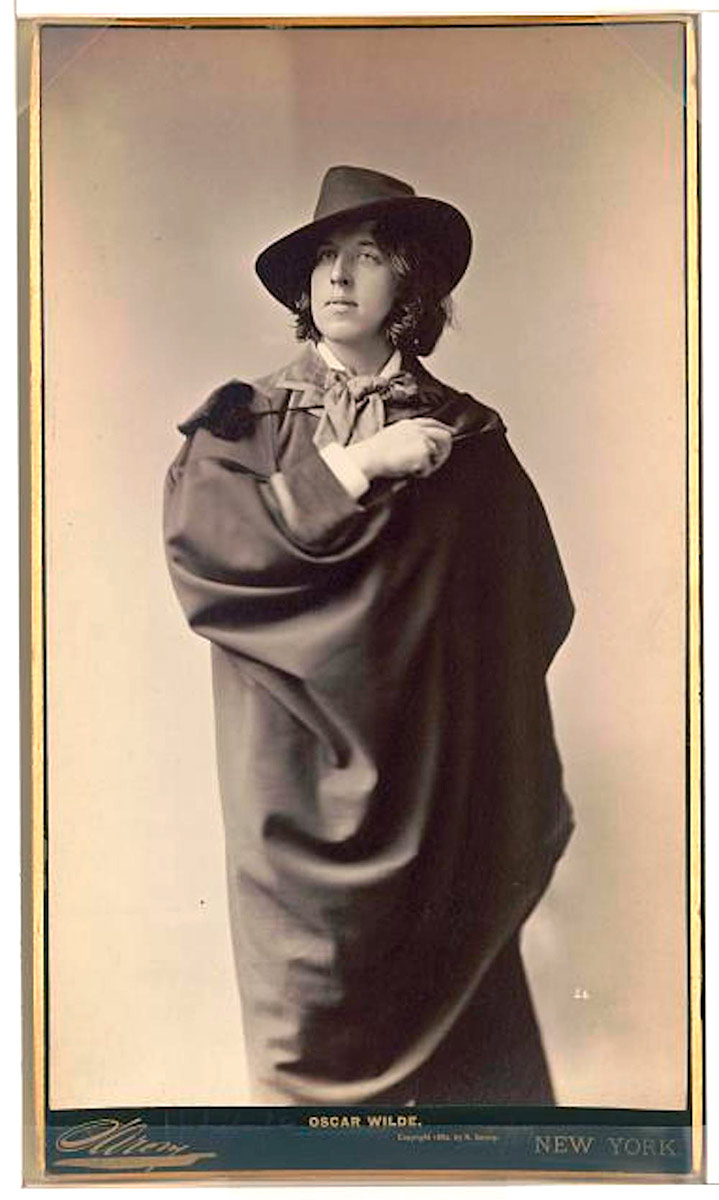
Oscar Wilde was a 19th-century Irish writer known for his intelligence, charm, and wit. He gifted posterity with epigrams like “I can resist everything except temptation,” and “To love oneself is the beginning of a lifelong romance.” Both of Wilde’s parents were writers. His father, Sir William Wilde, was a doctor and folklorist. One of his contributions to the field of folklore was the book Irish Popular Superstitions. Wilde’s mother, Jane Elgee Wilde, was an Irish nationalist and author of the book Ancient Legends, Mystic Charms, and Superstitions of Ireland.
What Inspired Oscar Wilde’s Supernatural Creatures?
Oscar Wilde’s knowledge of Irish folklore and his exposure to the works of Continental writers of fairy tales, such as the German Brothers Grimm, the Danish Hans Christian Andersen, and the French Charles Perrault, influenced his own writing. Supernatural characters abound in his work. First and foremost, in his fairy tales, but also in his only novel The Picture of Dorian Gray. This Gothic novel became a classic in English literature.
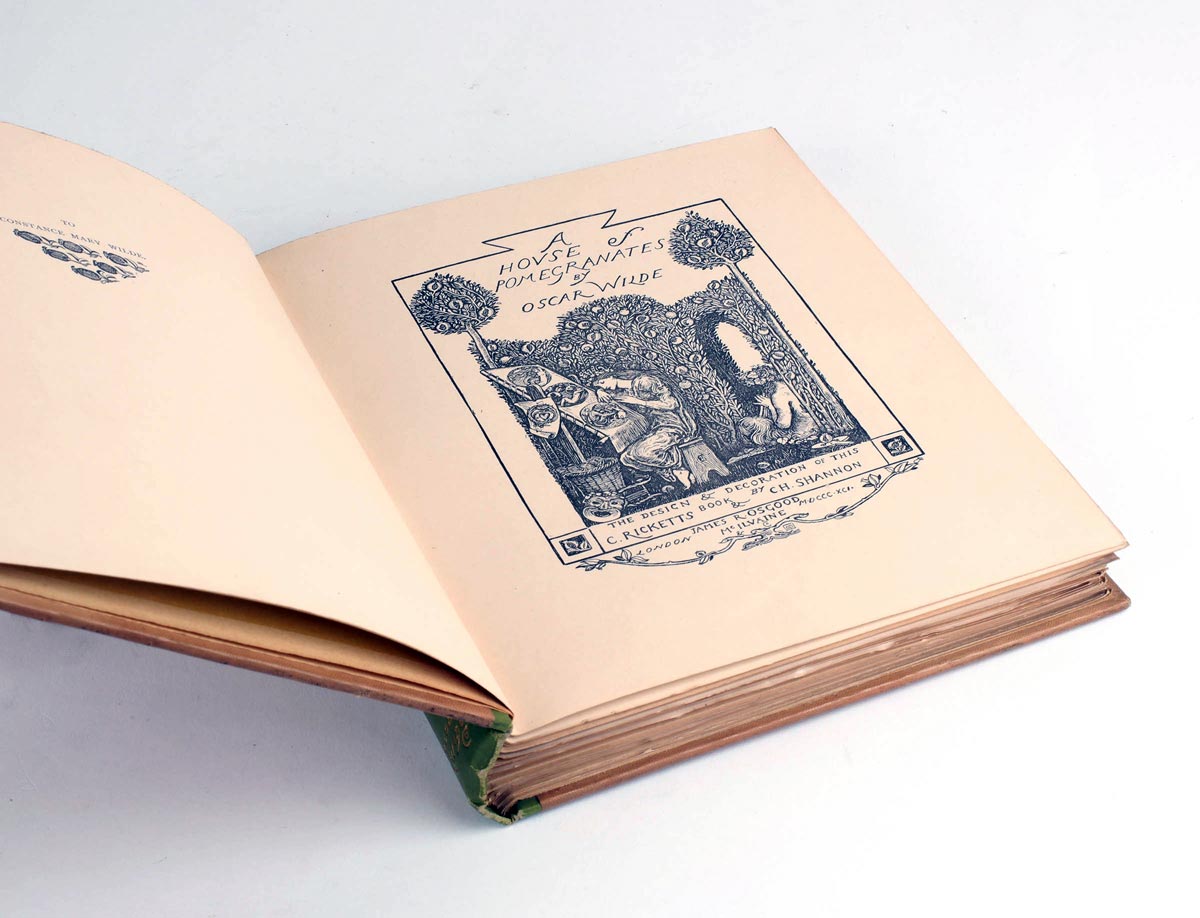
In his own words, Oscar Wilde wrote that his fairy tales were “meant partly for children, and partly for those who have kept the childlike faculties of wonder and joy.” They were collected into two volumes, The Happy Prince and Other Tales, published in 1888, and A House of Pomegranates, published in 1891.
Oscar Wilde created “art for art’s sake.” Nevertheless, the supernatural characters who appear in the fairy tales of Oscar Wilde, as well as his poem and novel, impart moral lessons to the reader. For though Oscar Wilde was a leading writer of the Decadent Movement and the Aesthetic Movement, he was also very much concerned with the cruelty, callousness, and injustice of Victorian society. Here are some of the supernatural creatures from Wilde’s oeuvre that you should know.
1. The Happy Prince
The Happy Prince from The Happy Prince and Other Tales is a statue that retains all the memories and emotions gained during his life as a flesh-and-blood royal. His consciousness has survived death. It is now trapped in a gilded statue with bright sapphire eyes.
During his earthly life, he was indeed happy. The irony, however, is that when the reader encounters the Happy Prince, he is desperately sad. When he was alive and possessed a beating human heart, the Prince lived in a palace untouched by sorrow. He was unaware of the great suffering in the world. Now that he’s a statue stationed high above the city, he can see the suffering of his subjects and the ugliness of the city. Tears flow from the sapphire eyes of the gilded gold statue for he thinks “though my heart is made of lead yet I cannot choose but weep.”
A little Swallow can somehow read the Happy Prince’s thoughts. He befriends the Prince, becoming his arms and legs, or rather his wings, in the fairy tale.
2. The Nightingale and the Rose
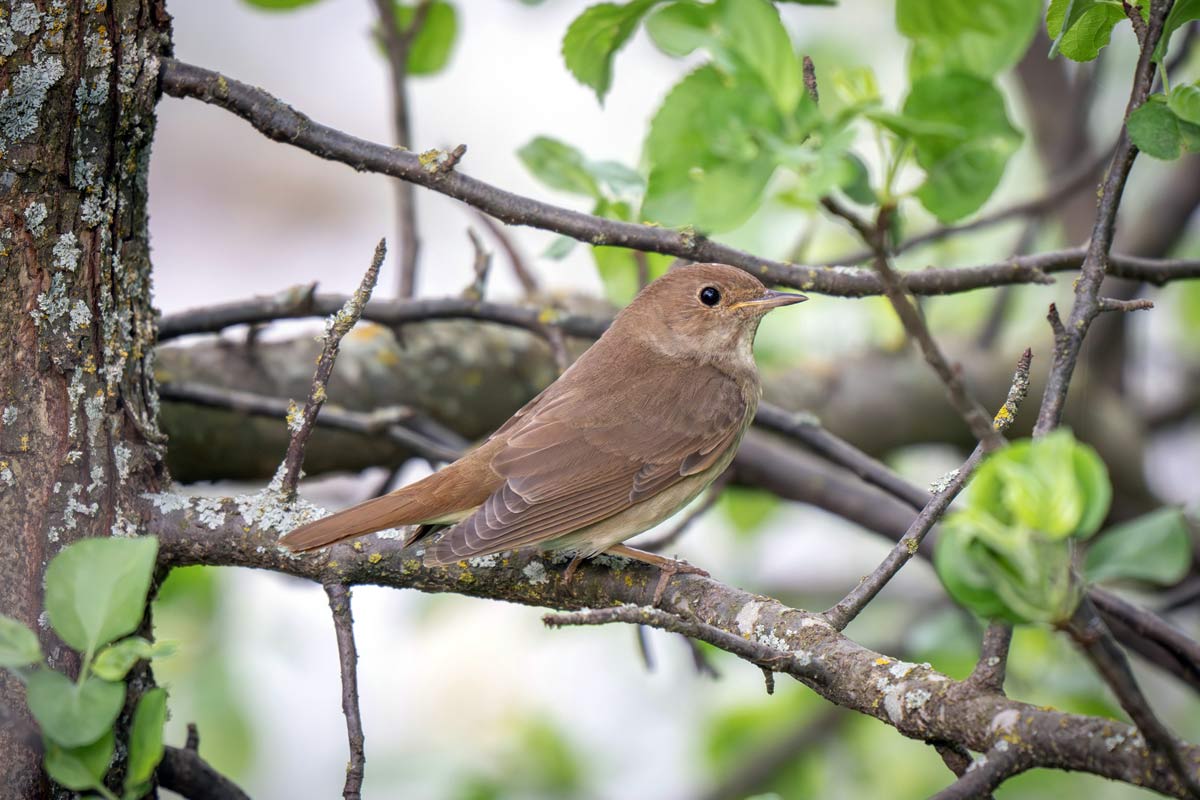
The Nightingale from The Happy Prince and Other Tales is no ordinary bird. It understands the thoughts of men. The little bird feels empathy towards a lovelorn Student. The Student hopes to win the heart of a vain young woman by giving her a red rose at the Prince’s ball. Yet there are no red roses to be found. But the Nightingale believes in true love and is determined to help the Student, who searches in vain for a red rose.
Finally, the Nightingale learns from a tree that the only way for it to obtain a red rose is to “to build it out of music by moonlight and stain it with your own heart’s blood. You must sing to me with your breast against a thorn. All night long you must sing to me, and the thorn must pierce your heart, and your life-blood must flow into my veins, and become mine.” But will the Nightingale make the ultimate sacrifice? Read the tale to find out!
3. The Selfish Giant
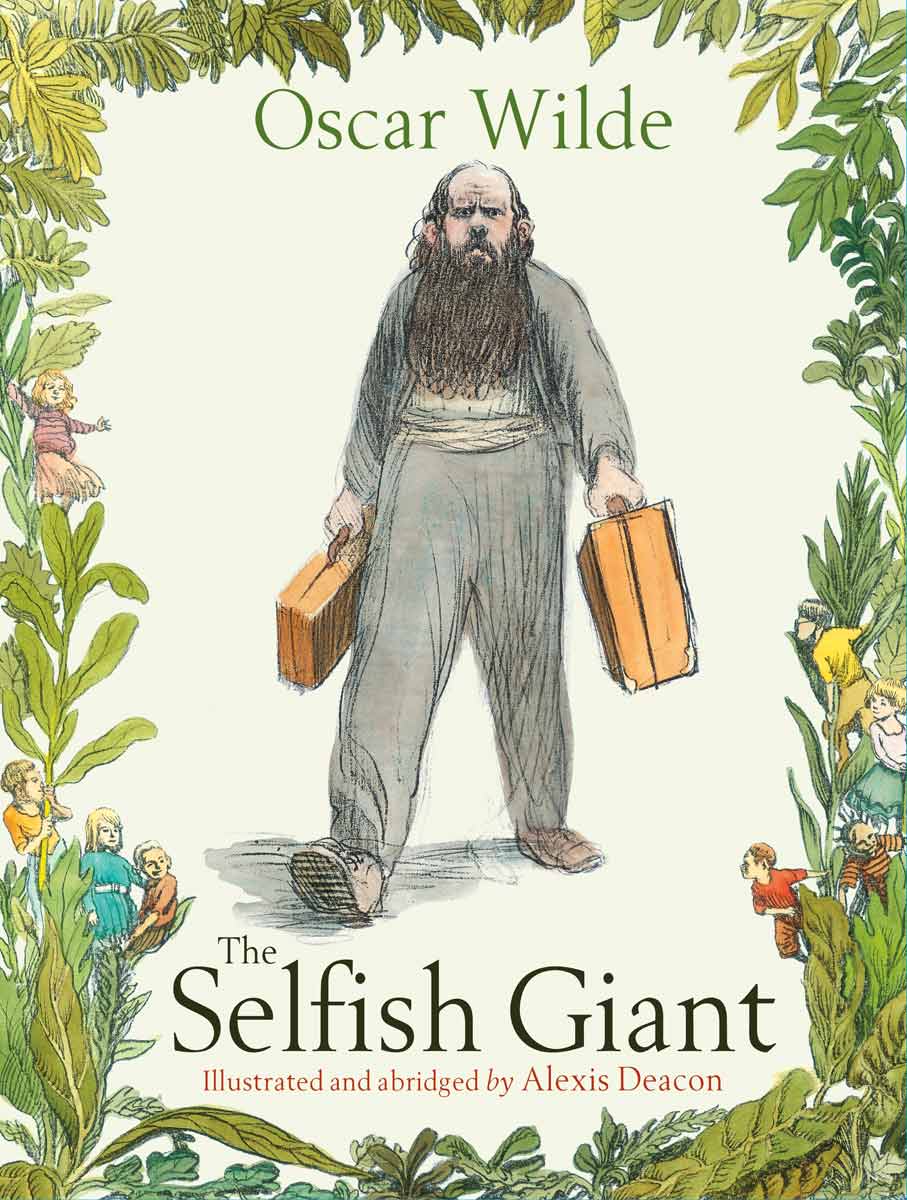
True to its title, “The Selfish Giant” is a fairy tale about a self-serving giant. Poor children who were uninvited would play in his garden. Determined to maintain the sanctity of private property, the Selfish Giant built a high wall around the garden and put up a sign. He frightened the children who had no other safe place to play.
Unbeknownst to the Selfish Giant, it was those very children who invited Spring into his garden. In the absence of the poor children, Snow, Frost, Hail, and the North Wind reigned in the garden. Will the Selfish Giant realize the error of his ways before it is too late?
4. The Young King
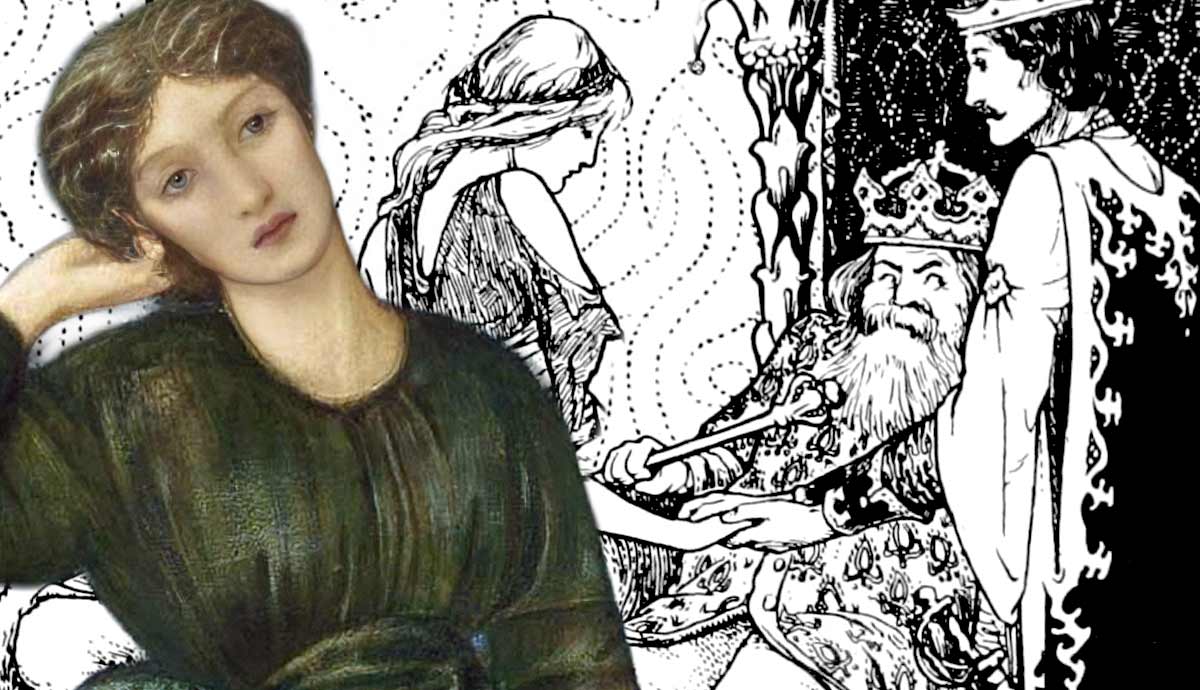
The beautiful Young King from A House of Pomegranates undergoes a spiritual transformation. He changes from a royal preoccupied by luxuriant raiment to a Young King moved by the suffering of the poor and downtrodden. Dreams that were visions of actual events are how this transformation comes about. Once this transformation is wrought, armed men are unable to harm the unarmed Young King. Additionally, the dead shepherd’s staff and the dead circlet that crowns his head blossom with living flowers.
5. The Mermaid
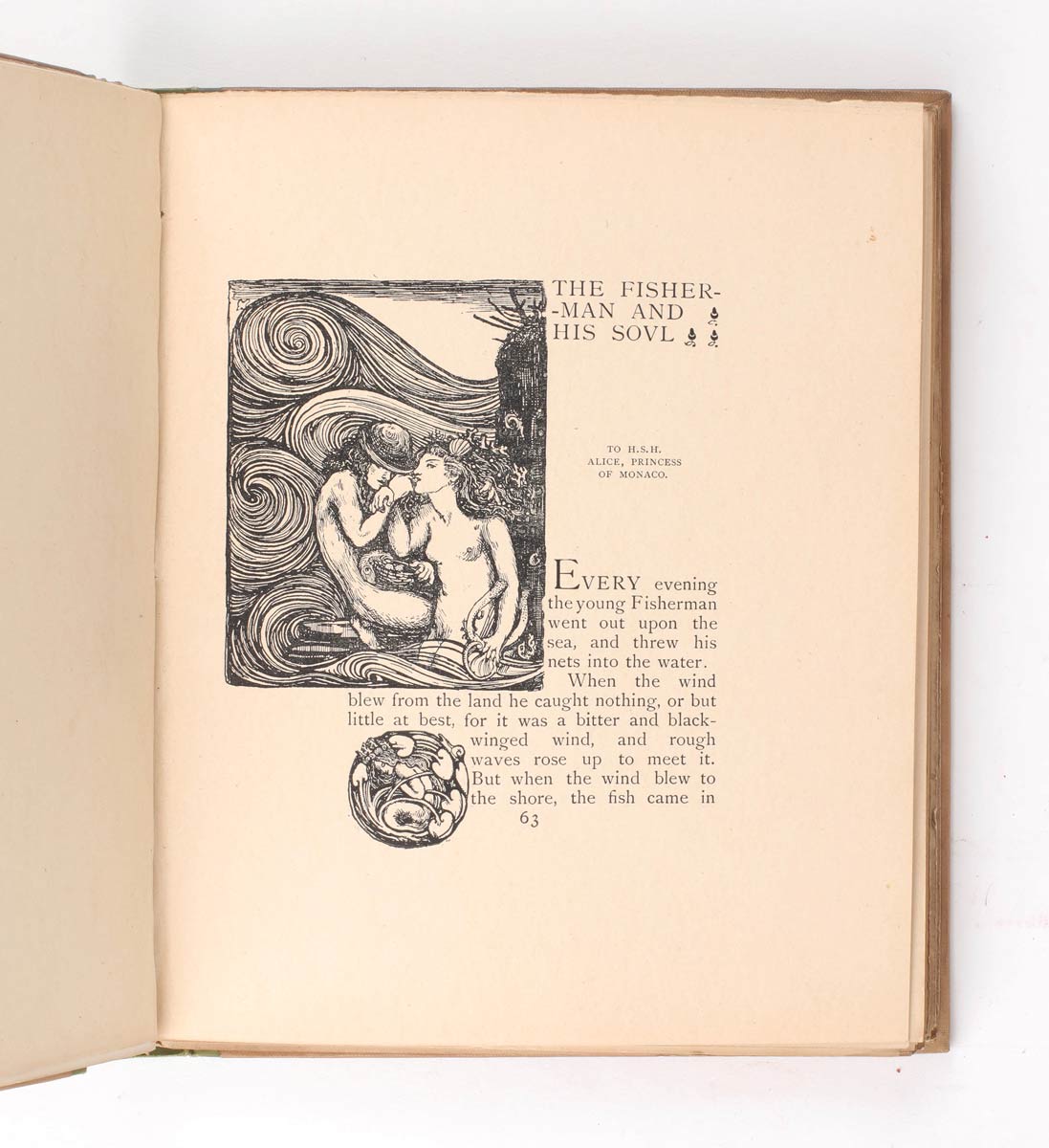
In The Fisherman and His Soul from A House of Pomegranates, a fisherman catches a beautiful mermaid in his nets. After pleading to be released, the mermaid is freed when she agrees to the Fisherman’s demand. She promises the Fisherman to return to him each time he calls for her. When she returns, she must sing, for the songs of a mermaid enchant fish, making it easier for the Fisherman to catch them. Each day, the Fisherman summons the mermaid who dutifully comes and sings for him.
Over time, the Fisherman falls in love with the mermaid. He is determined to marry her. Alas, humans and mermaids cannot be together because humans have souls and mermaids don’t. “If only thou would’st send away thy soul, then I could love thee,” the mermaid tells the forlorn Fisherman. Thus begins the Fisherman’s terrifying journey to rid himself of his soul. On that journey, he comes face to face with his soul, witches, and the Devil himself.
6. The Star-Child

A beautiful baby boy falls to the Earth in the form of a shooting star in a tale from A House of Pomegranates. He is a Star-Child. Though raised in the family of a humble Woodcutter, the Star-Child is actually the son of a shapeshifting King and Queen.
7. The Canterville Ghost
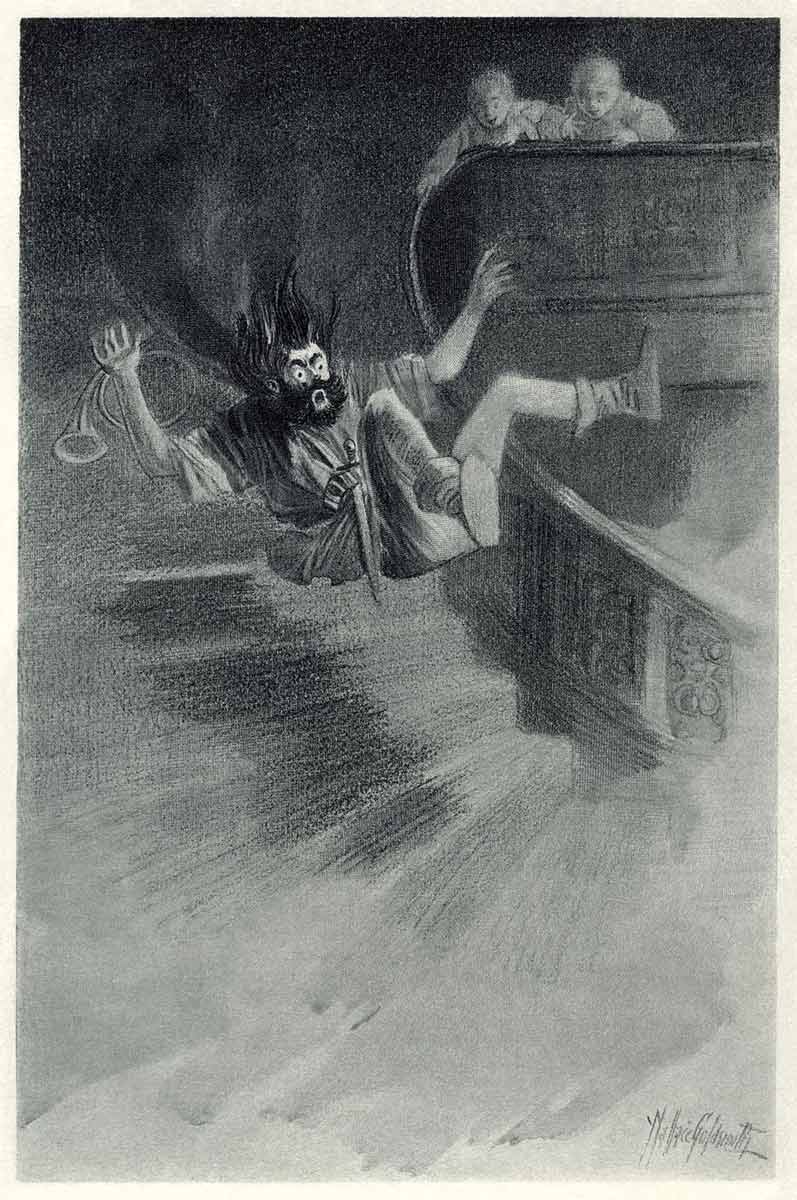
The ghost of Canterville Chase in England takes pride in his ability to terrorize all residents of the estate, and he has been doing so for the past three hundred years. All this changes when the house is sold to an American family. When he was told about the ghost by Lord Canterville, the new homeowner, Hiram B. Otis replied, “But there is no such thing, sir, as a ghost, and I guess the laws of Nature are not going to be suspended for the British aristocracy.”
Not long after, the ghost makes multiple appearances before Mr. Otis’ family. Much to the dismay of the Canterville Ghost, the Americans refuse to be frightened. Quite the opposite. The family performs one practical joke after another on the ghost! Since the Canterville Ghost cannot scare them, he must search his soul to determine the purpose of his existence.
8. The Ballad of Reading Gaol
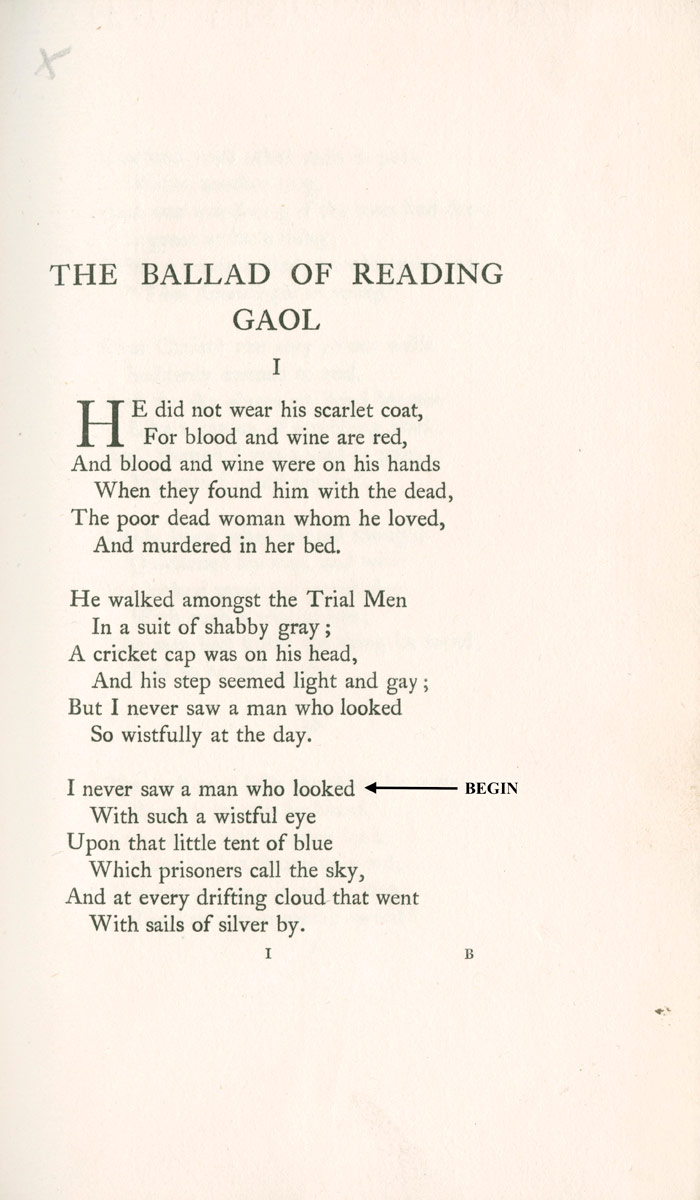
In 1895, Oscar Wilde was tried and convicted of “gross indecency.” His two-year imprisonment at Reading Gaol compelled him to write the poem “The Ballad of Reading Gaol.” It was based on true events, including the hanging of murderer Charles Thomas Woolridge; however, supernatural characters nevertheless appear in the ballad. As though the horrors of prison were not bad enough, “evil sprites” also terrorize the inmates.
“And each evil sprite that walks by night
Before us seemed to play…
‘Oho!’ they cried, ‘the world is wide,
But fettered limbs go lame!
And once, or twice, to throw the dice
Is a gentlemanly game,
But he does not win who plays with Sin
In the Secret House of Shame.‘”
9. Oscar Wilde’s “The Picture of Dorian Gray” as the Pinnacle of the Supernatural
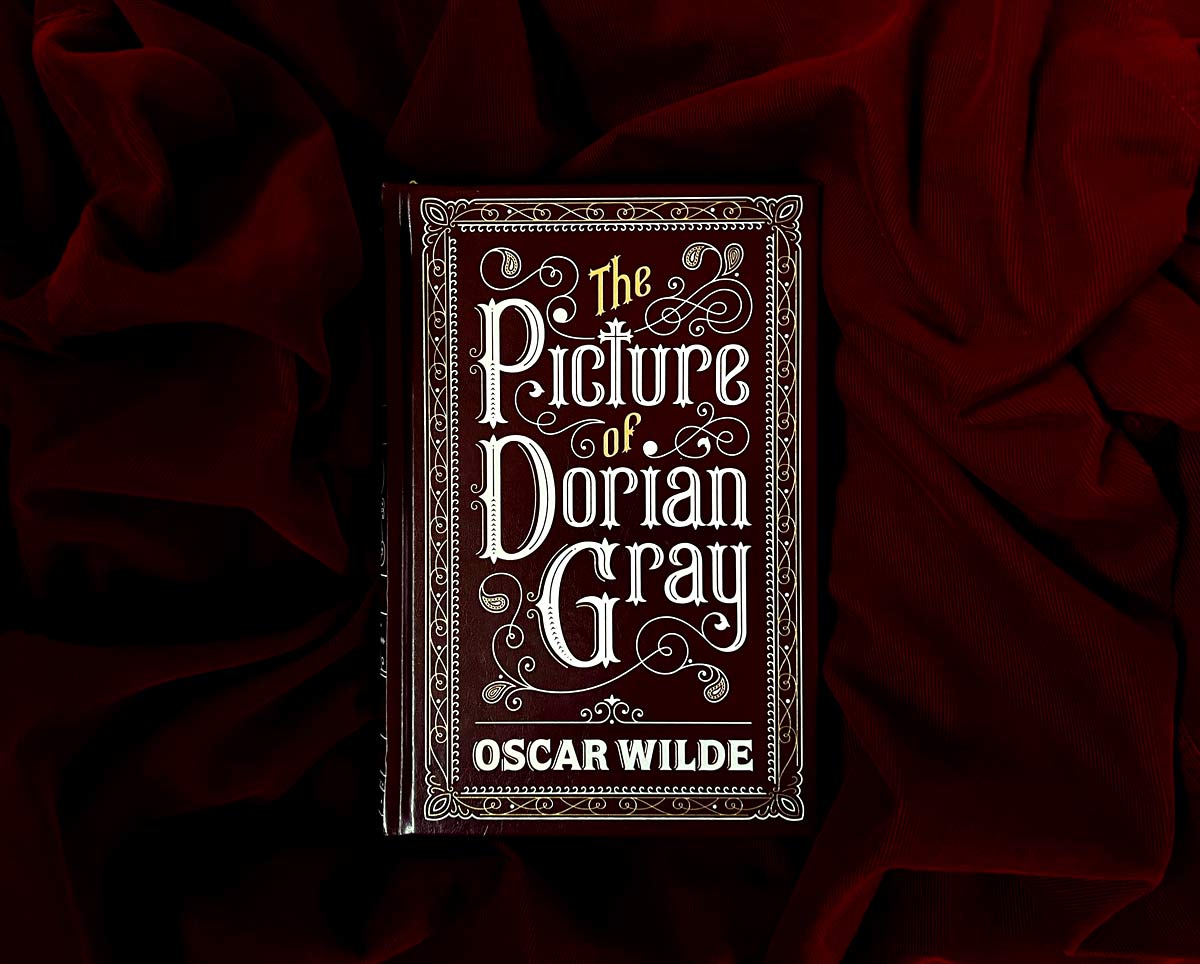
In Oscar Wilde’s only novel, artist Basil Hallward paints a portrait of the beautiful young Dorian Gray. On seeing his portrait, Dorian wishes, “How sad it is! I shall grow old, and horrible, and dreadful. But this picture will remain always young… If it were the other way. If it were I who was to be always young, and the picture who was to grow old! For that– for that– I would give everything! Yes, there is nothing in the whole world I would not give. I would give my soul for that!” His wish is granted. From that moment on, Dorian Gray does not age. His portrait, however, continues to grow old and to grow ugly from the selfish and immoral life he leads.