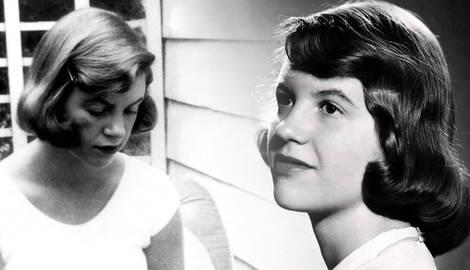

Sylvia Plath is often reduced to her dramatic biography, but she should be known not for her complicated relationship with her father, her tempestuous marriage to a fellow poet, and her eventual suicide, but rather for her poetry itself—poetry of tremendous range and accomplishment, of experimentation and mastery, of exquisite and often painful beauty and rage. This list of seven must-read poems gives an overview of the particularly fertile years of 1958-1962, providing brief summaries of the poems’ subjects and some of the potential meanings behind them.
1. Full Fathom Five, 1958
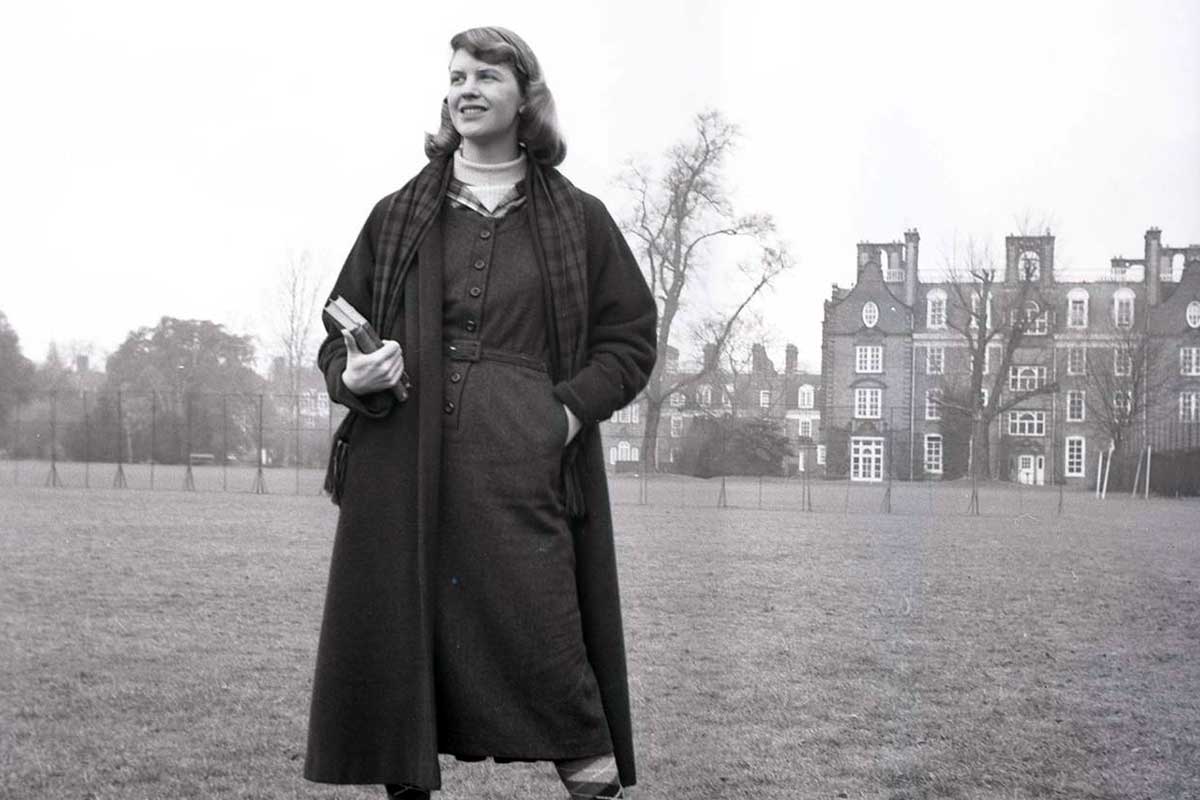
“Full Fathom Five” is a sea-drenched poem, William Shakespeare’s The Tempest and Greek myths of Poseidon mixed into one. Most likely about her father, or men in general, the poem is of an “Old man” who surfaces with his “white hair” and “white beard,” whose face is of “archaic trenched lines.” He is an “old myth of origins / Unimaginable.” The “dangers are many,” but even though Plath sees that he is suffering, dying perhaps, she is wary. He is rooted deep in the earth, and she only feels safe exiled to his “kingdom’s border.”
Plath compares her father to the ancient sea god of Poseidon in order to suggest his power, inscrutability, and inexorable sway over her. Yet in this poem, as compared to “Daddy,” she is a bit more removed, even cool in her tone (albeit still cautious about his tidal pull). It’s not surprising that she chose the god of the sea for the comparison, as she loved the ocean and spent her summers on the North Atlantic coast, which she associated with her father. In remembrance of this period and Otto Plath’s death, she said: “And this is how it stiffens, my vision of that seaside childhood. My father died, we moved inland. Whereon those nine first years of my life sealed themselves off like a ship in a bottle…”
2. The Colossus, 1959
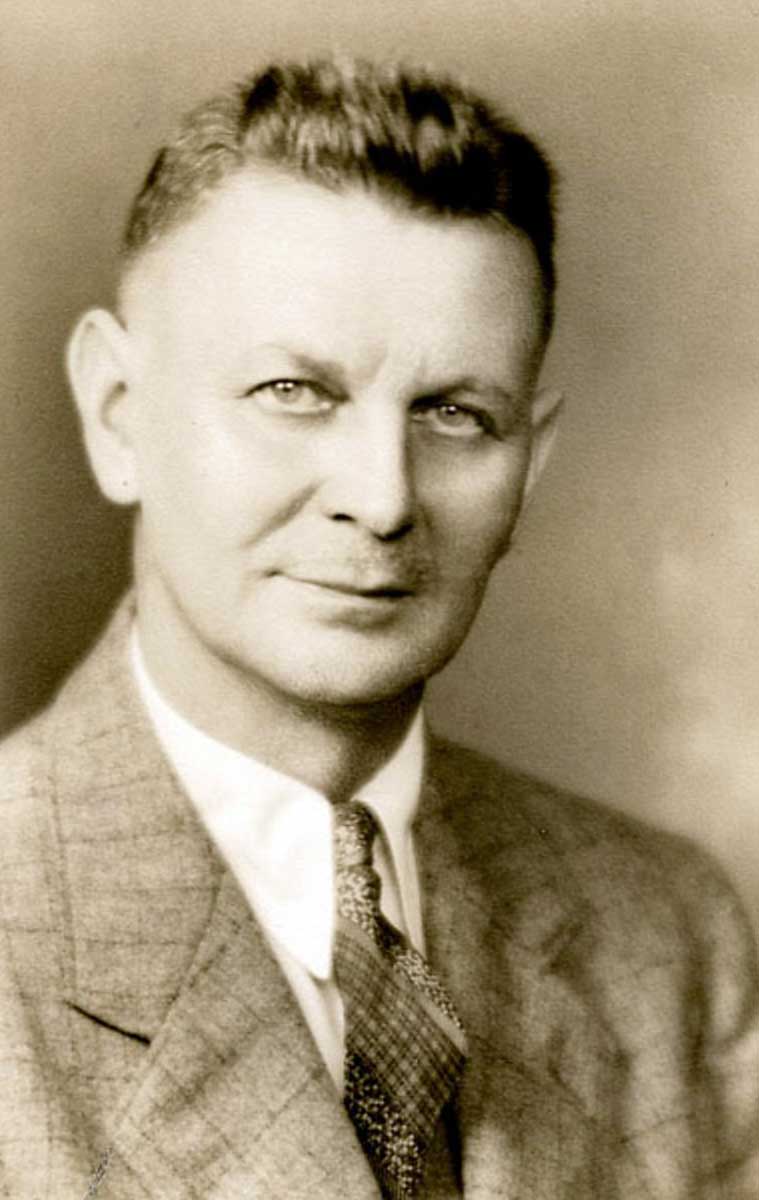
Another poem usually interpreted as being about her father, “The Colossus” is a grotesque portrait of a man who loomed too large for her. She depicts him as a huge statue who is pieced and patched together, loud and obnoxious utterances issuing from his lips. He thinks himself “an oracle, / Mouthpiece of the dead, or of some god or other.” She’s spent her life climbing over him, spending her days eating her lunch “on a hill of black cypress,” and squatting at night in the “cornicopua / Of your left ear, out of the wind.” Like “Daddy,” she addresses the poem to him, her tone searing, a meld of revulsion and attraction.
Plath’s father died when she was eight. He was a biology professor who studied bees and was quite intelligent, but he refused to get appropriate medical treatment for his diabetes and eventually developed gangrene and sepsis. Plath wrote of him in her diary, “I adored and despised him, and I probably wished many times that he were dead. When he obliged me and died, I imagined that I had killed him.” While she obviously didn’t control how and when he died, she was able to write poetry in order to work through her complex emotions.
3. Tulips, 1960
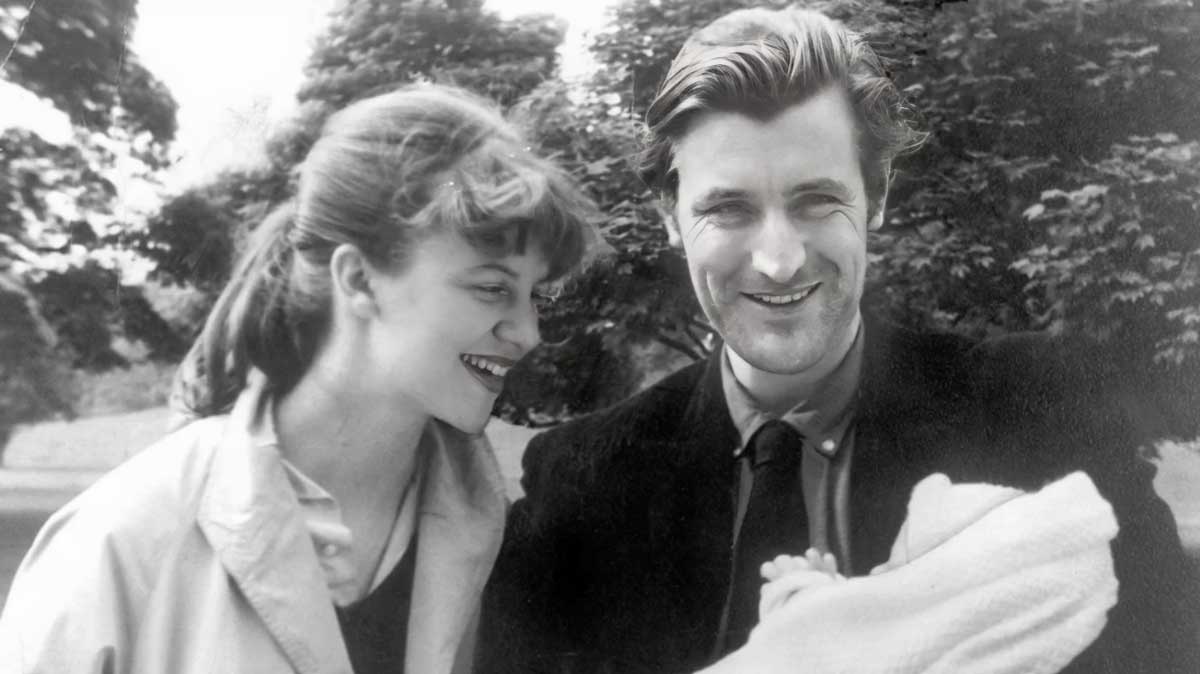
“Tulips” is set in a hospital room, where a bouquet of bright red tulips has been delivered. Rather than being a welcome surprise, they’re “too excitable” for the white, sterile room. Plath is a cipher, having given up her “name and my day-clothes to the nurses / And my history to the anestheist and my body to the surgeons.” She’s been “swabbed clear of my loving associations,” but she isn’t exactly upset about it. In fact, she notes that the “peacefulness is so big it dazes you” and that she feels free. Nothing is asked of her; she simply wants to be “utterly empty.” Yet here the flowers are, and they’re watching her. She can hear them breathing “like an awful baby,” “their sudden tongues and their colour” upsetting her. Now they come between her and the sun in the window that once blurred her in its brightness, now they “eat [her] oxygen.” The room is warmer, her concentration is on them. She can feel her heart now, and she decides the tulips “should be behind bars like a dangerous animal.”
Ted Hughes, Plath’s husband from whom she later became estranged, has said that the poem is about the tulips she received while recovering in the hospital from an appendectomy, but it also evokes her multiple attempts at suicide. Despite this bleakness, most critics believe that by the end of the poem, Plath has decided to return to the living rather than embrace the pleasant nothingness of death. For now, at least, there is enough in life that appeals to her, and she will not let herself dissolve into nothingness.
4. Lady Lazarus, 1962
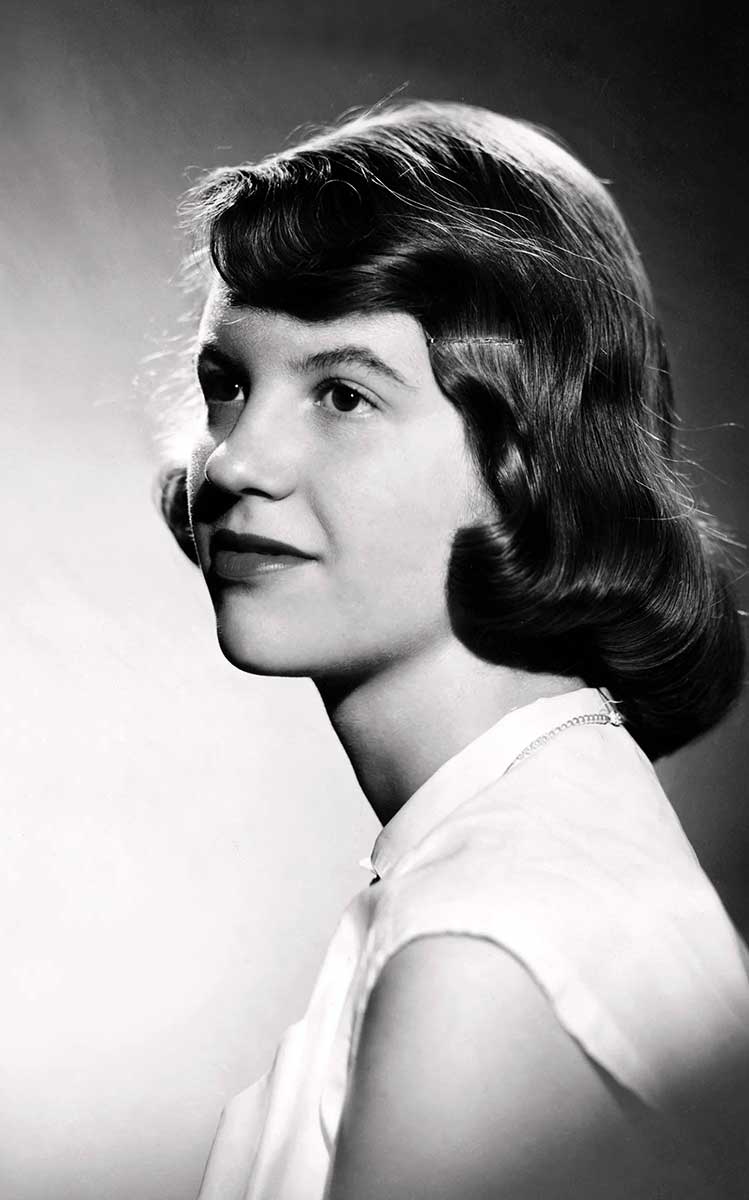
A searing poem permeated by simmering rage, “Lady Lazarus” is one of Plath’s most famous works. She narrates the poem as if she were a spectacle, a sideshow, someone whose disintegration and death are being consumed by an audience. She mocks “the peanut-crunching crowd” who clamor to see her “big strip tease,” who will pay a price for “the eyeing of my scars” or “a word or touch” or “a bit of blood.” With a smile, she proclaims that “Dying / Is an art, like everything else” and that she “[does] it exceptionally well.” At the end of the poem she cautions them all to “Beware,” and, in the astonishing closing lines, exults that “Out of the ash / I rise with my red hair / And I eat men like air.”
Plath tried to commit suicide at ages 10 and 20 (and then, at age 30, succeeded). In this poem she situates herself after the second attempt and as currently undertaking a third, scathingly suggesting that people enjoy watching her destroy herself. They’re eating snacks and finding a prurient delight in her disintegration. Since we are also readers of this poem, we’re complicit as well. There is particular rage at inhabiting a female body, which is subject to even more voyeurism, oppression, and abuse. That rage lets loose at the end of the poem, where she rises from the dead like the biblical figure of Lazarus: “Out of the ash / I rise with my red hair / And I eat men like air.”
5. Daddy, 1962
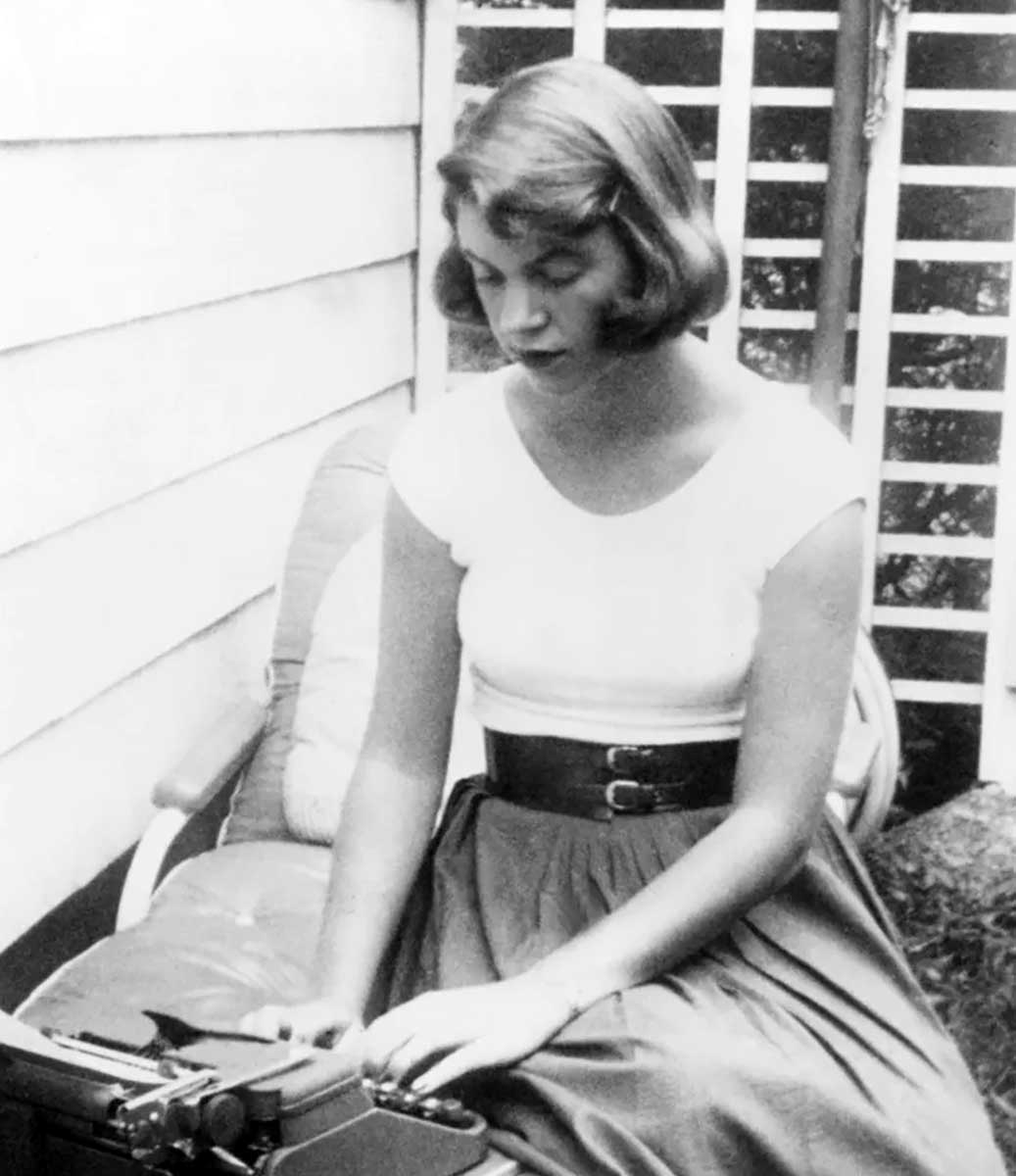
“Daddy” is a poem that most people who read Plath encounter early on, and it tends to confirm the prevailing opinion that this is a writer with deep trauma, whose poetic images are dark and twisted, and whose usage of Nazi references is problematic. And indeed, all of those things are true—Plath did have a troubled relationship with her father, she did embrace the dark, and she did weave in references to Jews and Nazism in a way that necessitates our critique. However, there’s much more at play in Plath as a person and as a poet, and certainly in “Daddy.” This is a poem feminists laud for its rage, that some critics see as more about her fears of creative paralysis, and that is remarkably skillful in its structure and rhyme.
In the poem, seen as one of the most emblematic of the “confessional” school of poetry, Plath works through her feelings towards her father. He was “Marble-heavy, a bag full of God.” She tells him she could never talk to him; the “tongue stuck in my jaw.” His being oppressed her so that she “began to talk like a Jew” and began to feel like a Jew. With his “neat mustache” and his “Aryan eye,” he was a “man in black with a Meinkampf look.” She glories in how there’s now a “stake in your fat black heart” and how the “villagers never liked you.” As they dance upon him, she says, “Daddy, daddy, you bastard, I’m through.”
A comment is necessary on those Nazi allusions, which aren’t just here in “Daddy.” Plath was German, not Jewish, and had studied the Holocaust from a historical lens. Her understanding of the Holocaust’s unfathomable horrors made its way into her poetry as she grappled with major themes of oppression, trauma, violence, patriarchy, and more. As critic Al Strangeways writes, “the Holocaust assumed a mythic dimension because of its extremity and the difficulty of understanding it in human terms, due to the mechanical efficiency with which it was carried out, and the inconceivably large number of victims.” Plath uses it alongside other mythic and religious examples of violence to probe the deepest depths of personal and universal trauma.
6. Ariel, 1962
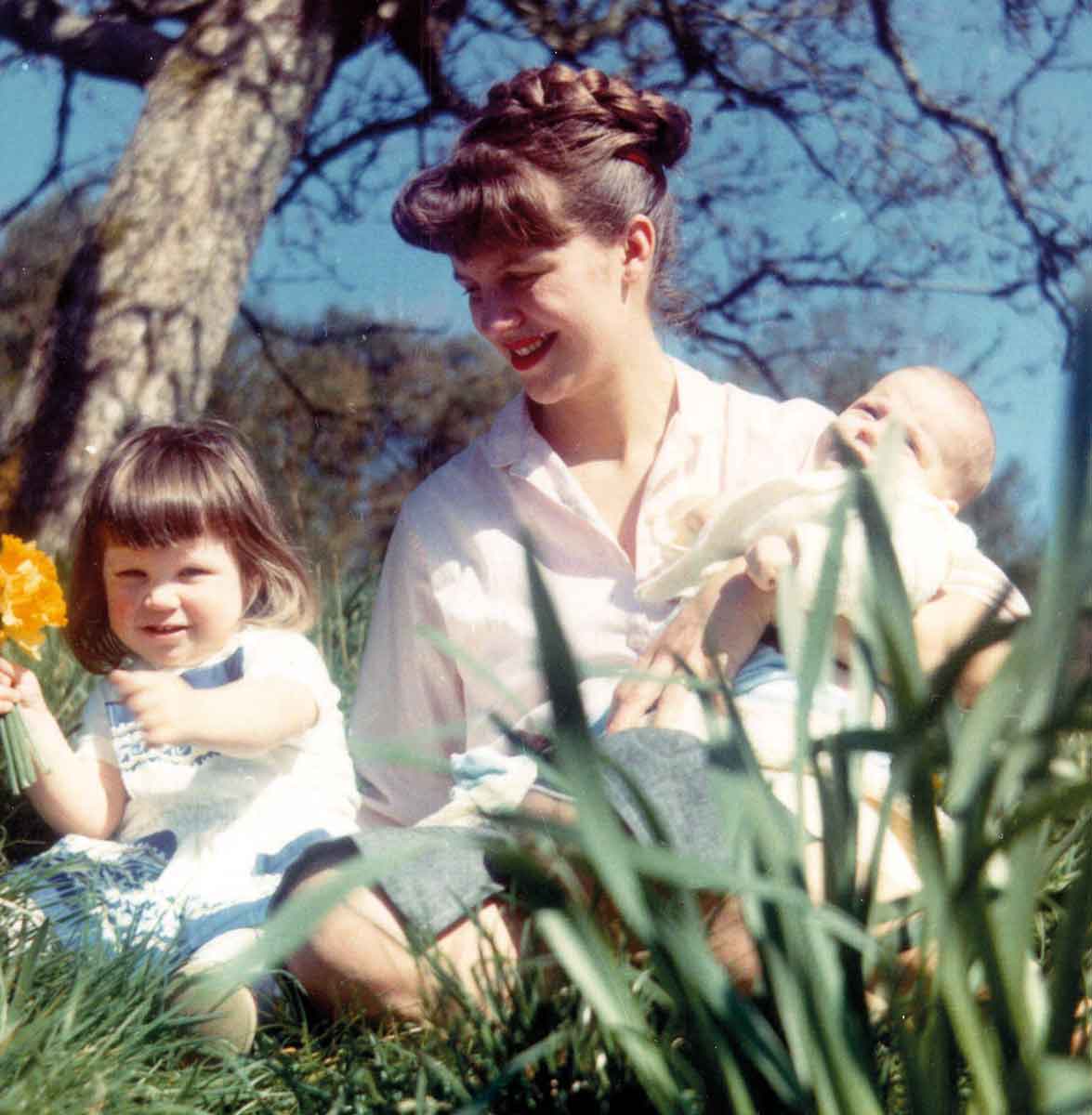
“Ariel” is a poem full of motion. It begins with the scene of “Stasis in darkness” before it explodes into an open field with a rider galloping across the expanse. Something “hauls me through air,” the narrator says, calling herself a “White Godiva” who sloughs off “Dead hands, dead stringencies.” In her hurry she finds some oblivion, turning into “foam,” a “glitter of seas,” an “arrow.” That oblivion is also found in her ultimate destination— “Into the red / Eye, the cauldron of the morning.”
A short but immensely important poem in Plath’s oeuvre, Ariel’s meaning is not totally obvious at first read. Does it just depict a breakneck ride at dawn? Or the liberation of the creative impulse that comes from writing poetry? Or suicide, an oblivion of the self? Or the melding of the human and the animal to achieve freedom? Plath’s haunting, ambiguous poem allows for numerous interpretations.
7. Contusion, 1962
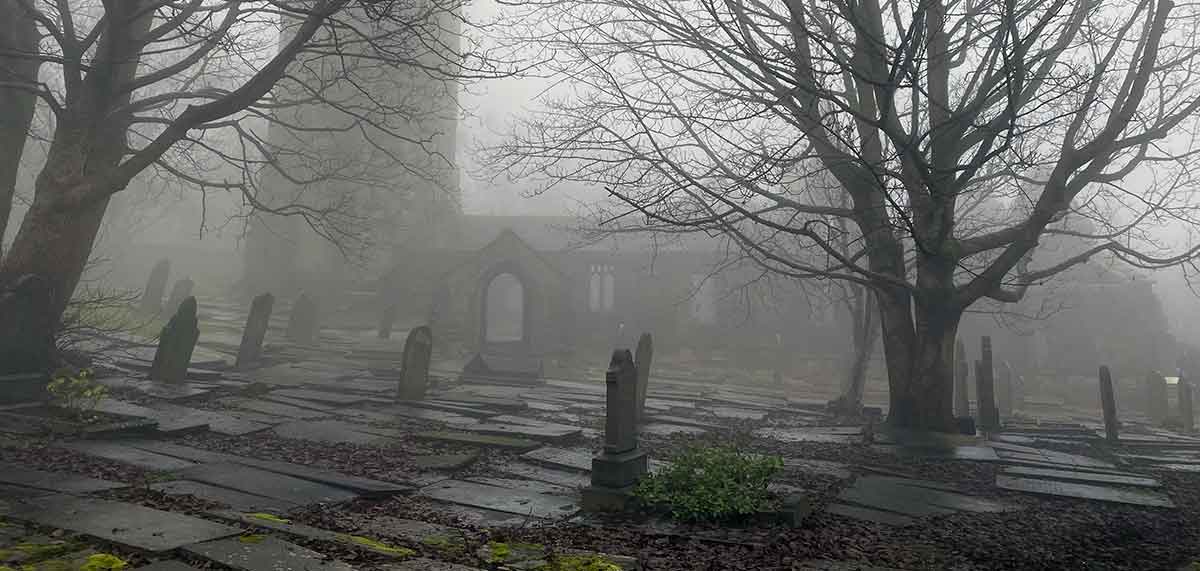
One of Plath’s very last poems, “Contusion” is undeniably bleak. It’s short and evocative, a collection of images that fill the reader with a dull horror. In the first stanza, the image is a bruise that stands out on the white body with its deep purple coloring. In the second stanza, the “sea sucks obsessively” on a pit of rock. In the third, a “doom mark” that is “the size of a fly” crawls down a wall. In the fourth, the “heart shuts, / The sea slides back, / The mirrors are sheeted.”
All the images are of closure, ending, finality. In the first stanza, the bruise seems to be on a corpse, as Plath contrasts the pearlescent whiteness of the skin. There is no vitality here, no life. Critics often discuss “Contusion” alongside “Edge,” her very last poem, written only a few days before her death. That poem begins with “The woman is perfected. / Her dead / Body wears the smile of accomplishment,” so “Contusion” feels like a natural companion. Its structure is one of repetitive morphemes (the smallest grammatical units of speech), which give it a sense of mundanity and inescapability, and its signifiers are unconnected (body and sea and mirror), precluding our ability to find narrative, unity, meaning, and, ultimately, hope.