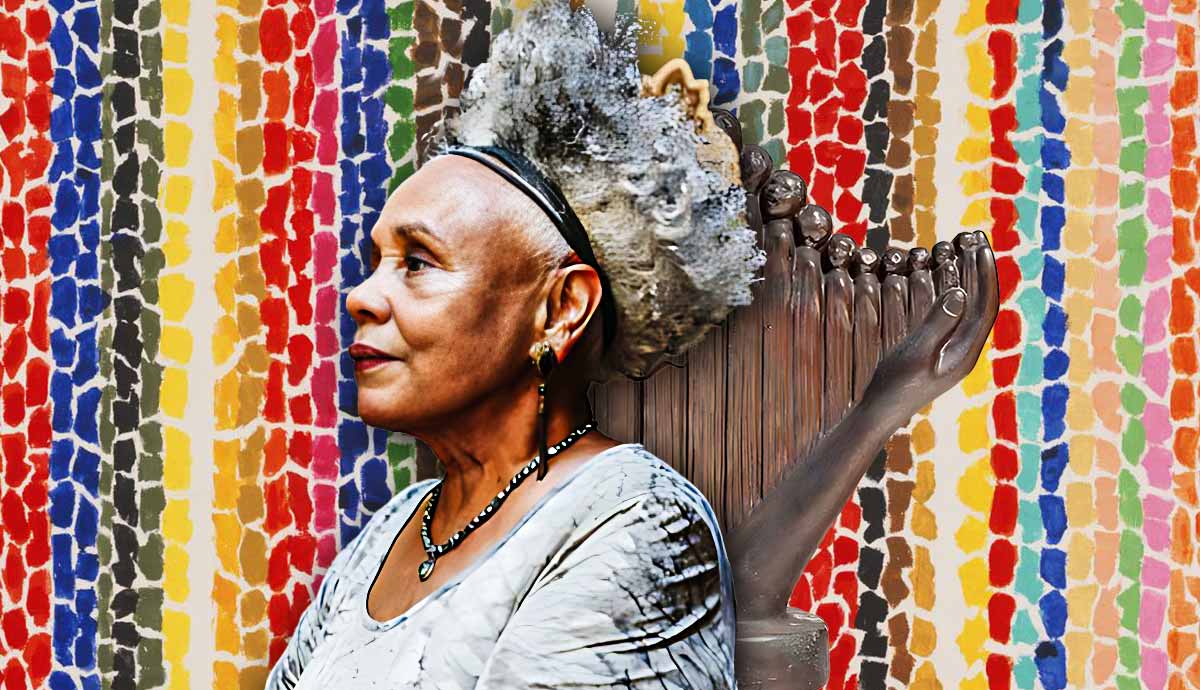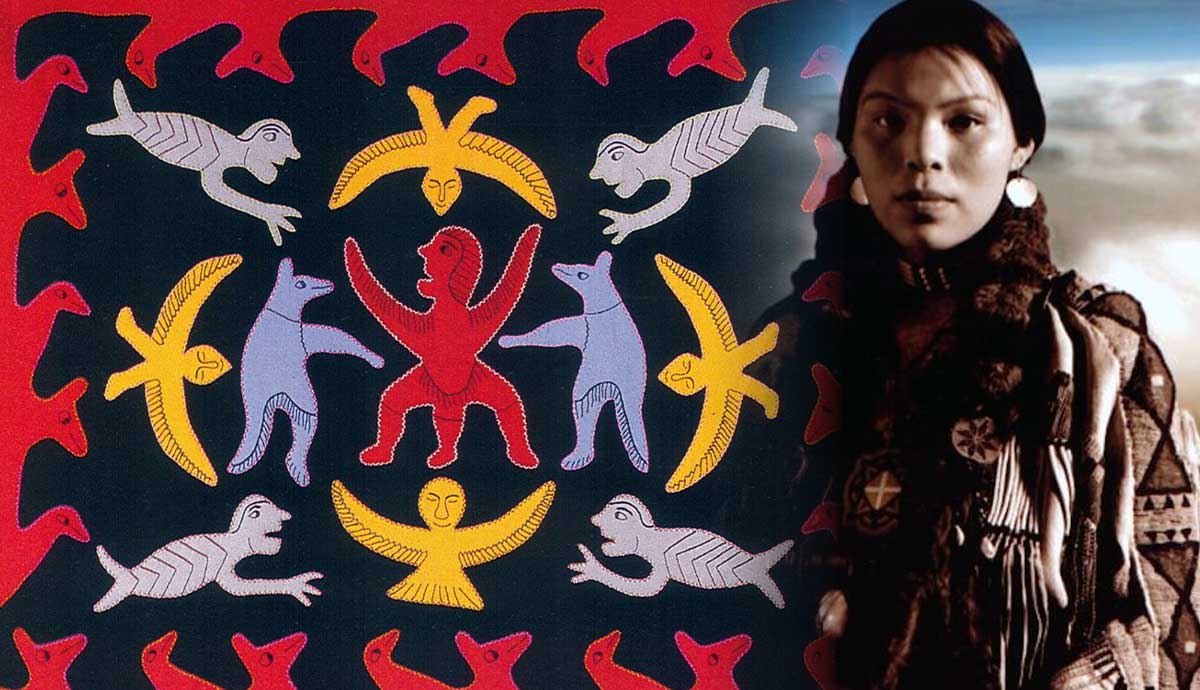

Miriam Schapiro, Judy Chicago, Carrie Mae Weems, Ana Mendieta, and Cindy Sherman are the most important American female artists of the 20th century. Each one of them had an authentic approach to art and left a significant mark on art and feminist history. They interpreted and employed feminism in their work in various ways, contributing to art as well as to the ever-expanding feminist movement. By questioning the notions of gender, identity, and body, they made their art strikingly relevant to the present day.
American Female Artists and Feminism
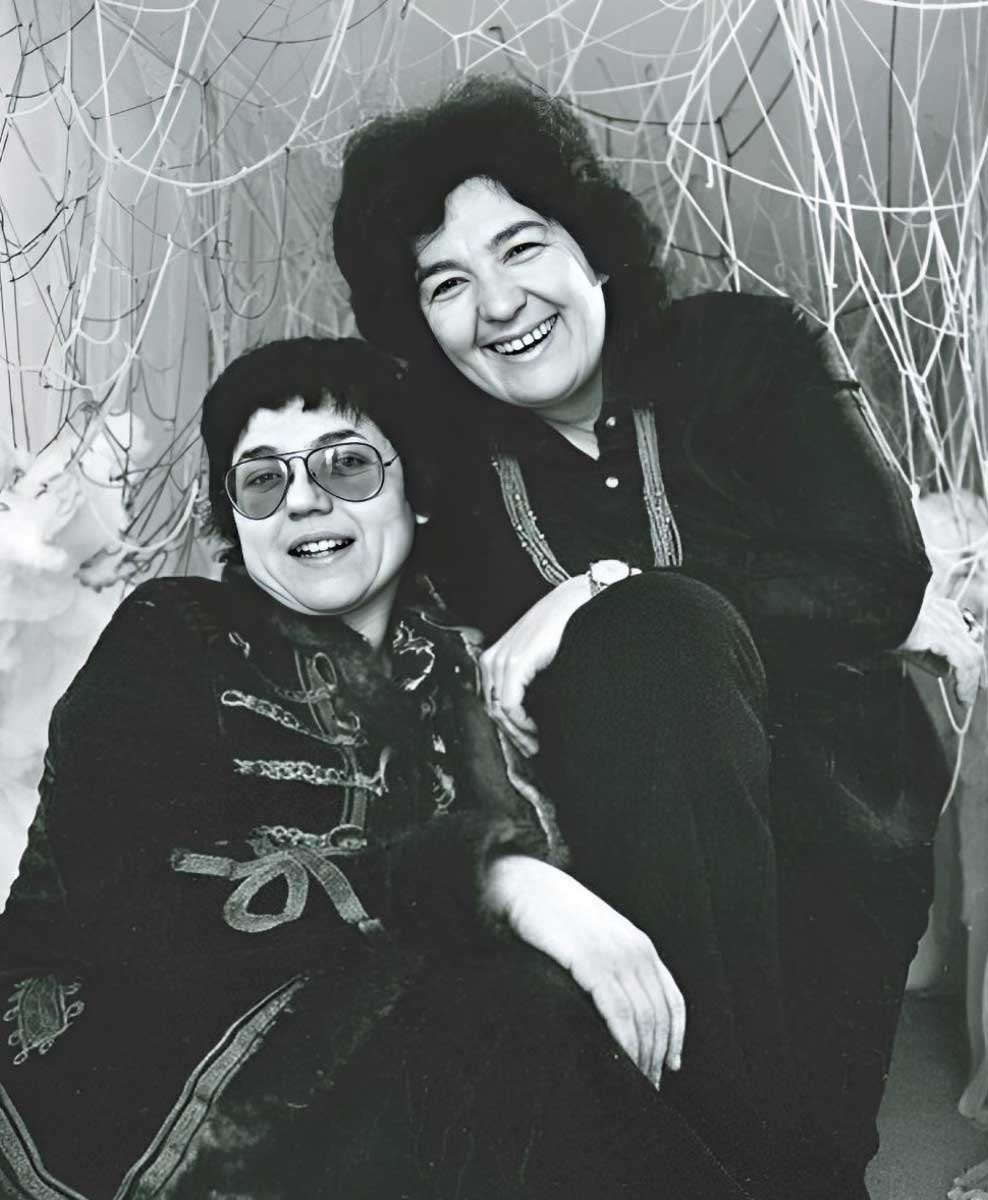
In the 20th century, feminist art was a powerful movement in the United States that sought to challenge the traditional roles and representation of women in art. It focused on issues such as gender, identity, body, and social inequality. The movement was characterized by a diverse array of styles, mediums, and approaches, but all shared a commitment to deconstructing the patriarchal structures within the art world and society in general. The main goal of feminist art was to bring positive change and make a difference in women’s lives.
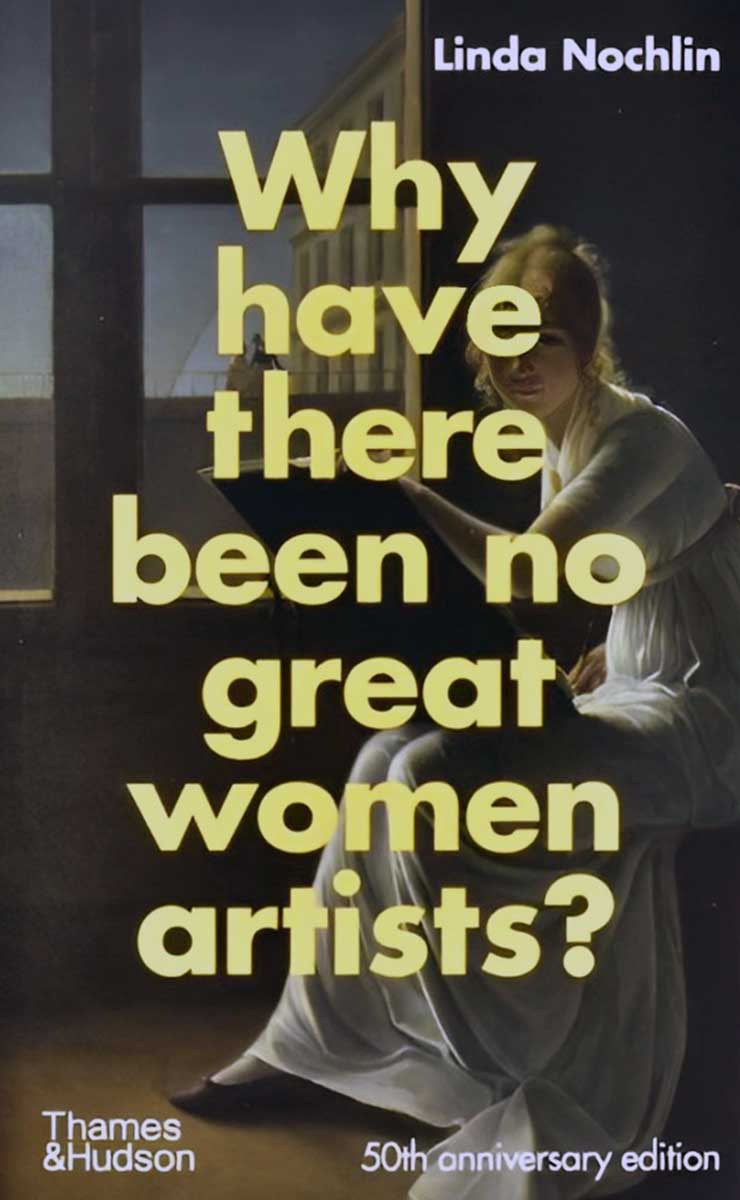
Linda Nochlin was a pioneering art historian whose 1971 essay Why Have There Been No Great Women Artists? is often credited with launching feminist art history. In this essay, Nochlin argues that the absence of women in the canon of “great” artists was not due to a lack of talent or ambition but rather the result of systemic barriers that prevented women from pursuing careers in the arts. Her work was instrumental in reshaping how art history is studied, highlighting the importance of considering gender, class, and other social factors in understanding art.
While feminism comes in all shapes and forms, the second half of the 20th century in America was marked by the second wave of feminism, ending with the birth of the third wave in the 1990s. The second wave is known for questioning traditional gender roles and examining women’s autonomy, especially regarding bodily integrity, which became one of the focal points of the movement in the midst of the case Roe v. Wade. On the other hand, feminists of the third wave were more interested in race. They believed that the second wave expressed little sensitivity to racial differences within gender, and they wanted to change that. The actual phrase “third wave feminism” was coined by Rebecca Walker, a Black bisexual woman, in 1992.
5. Self-defined Femmagist: Miriam Schapiro
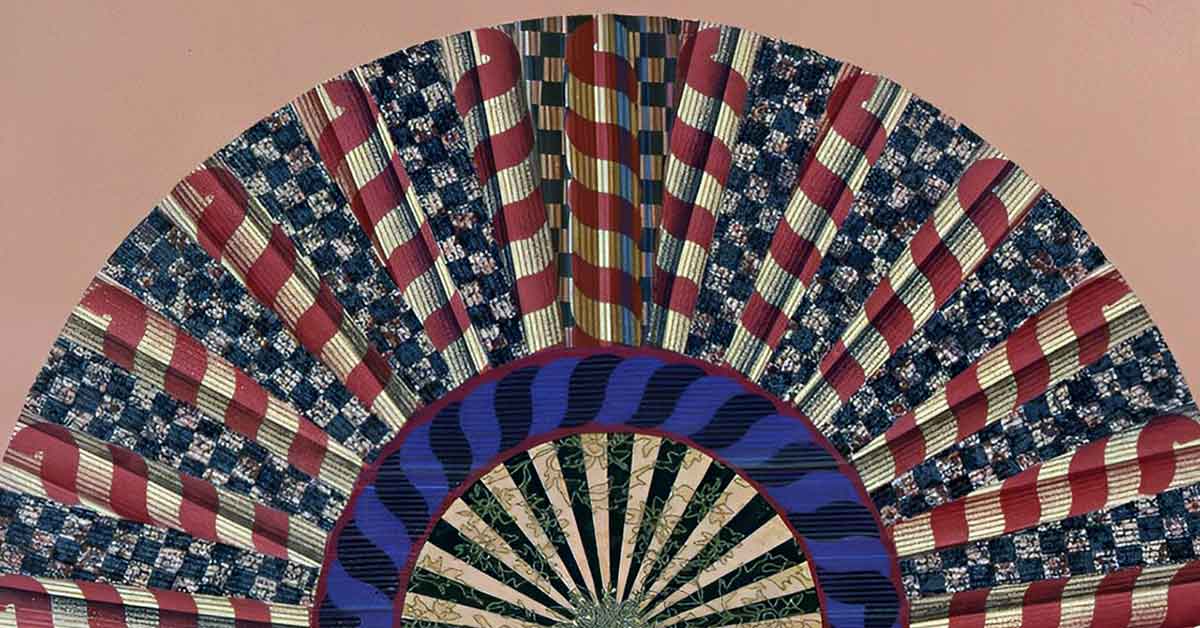
Born in 1923 in Ontario, Canada, Miriam Schapiro was an artist based in the US. Having her career spanned over four decades, she left a considerable legacy in art history and feminist art. Schapiro is best known for creating femmages, her version of collages where she especially emphasized the use of so-called feminine elements such as lace, fabric, and embroidery. This was very much a feminist act since she questioned the notion of female art. Needlework, quilting, and sewing, in general, were considered a lower form of art as opposed to high art. That is why her usage of textile and fabric was, in a sense, rebellious and empowering. She paid homage to traditional women’s art, pointing out that it should stop being seen as a craft of little artistic value but as a serious and meaningful art form.
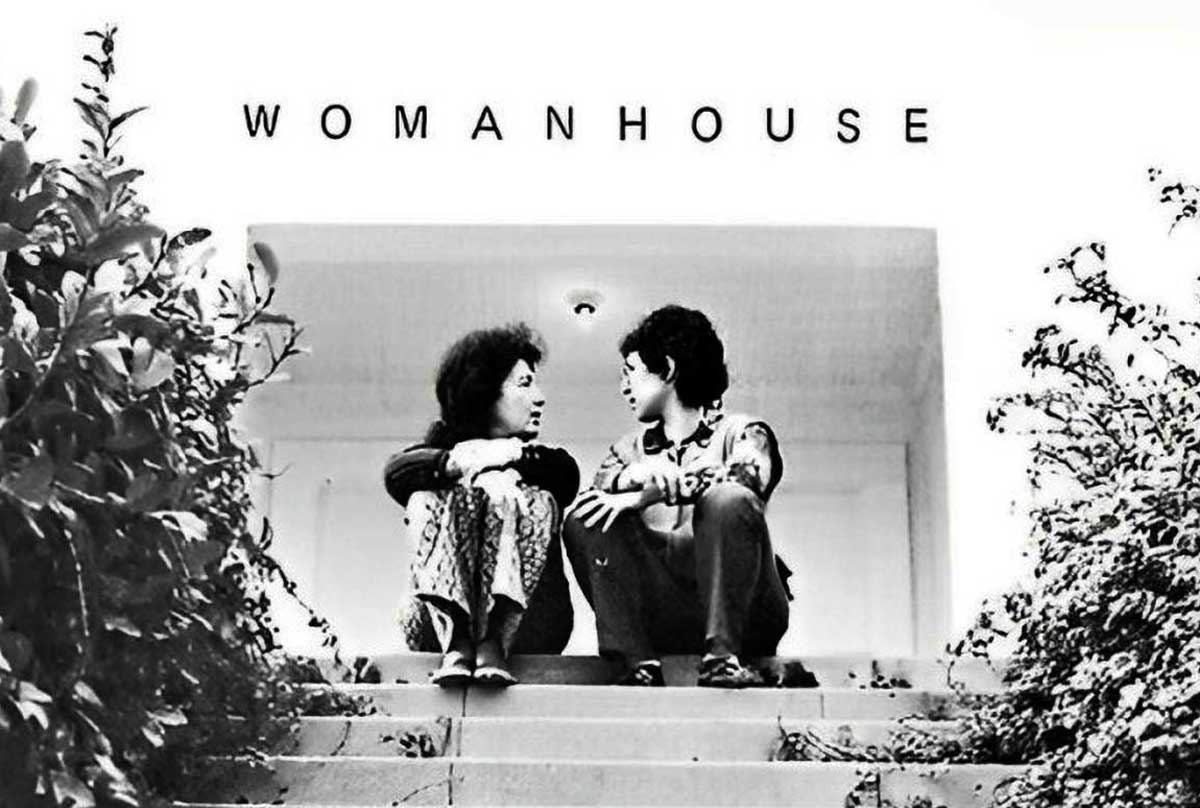
Schapiro expressed her praise for women artists throughout art history by making portraits of important figures such as Frida Kahlo or Mary Cassat. However, her interest in the women’s question didn’t end in her art production. Miriam Schapiro expressed her feminist engagement by founding the Womanhouse with Judy Chicago, a very important feminist artist as well. This was a part of the first Feminist Art Program established at the California Institute of the Arts. They transformed a run-down Hollywood house into a women-friendly space where ideas and notions of feminism and feminist art could be discussed freely and creatively.
4. The Ultimate Dinner Party Hostess: Judy Chicago
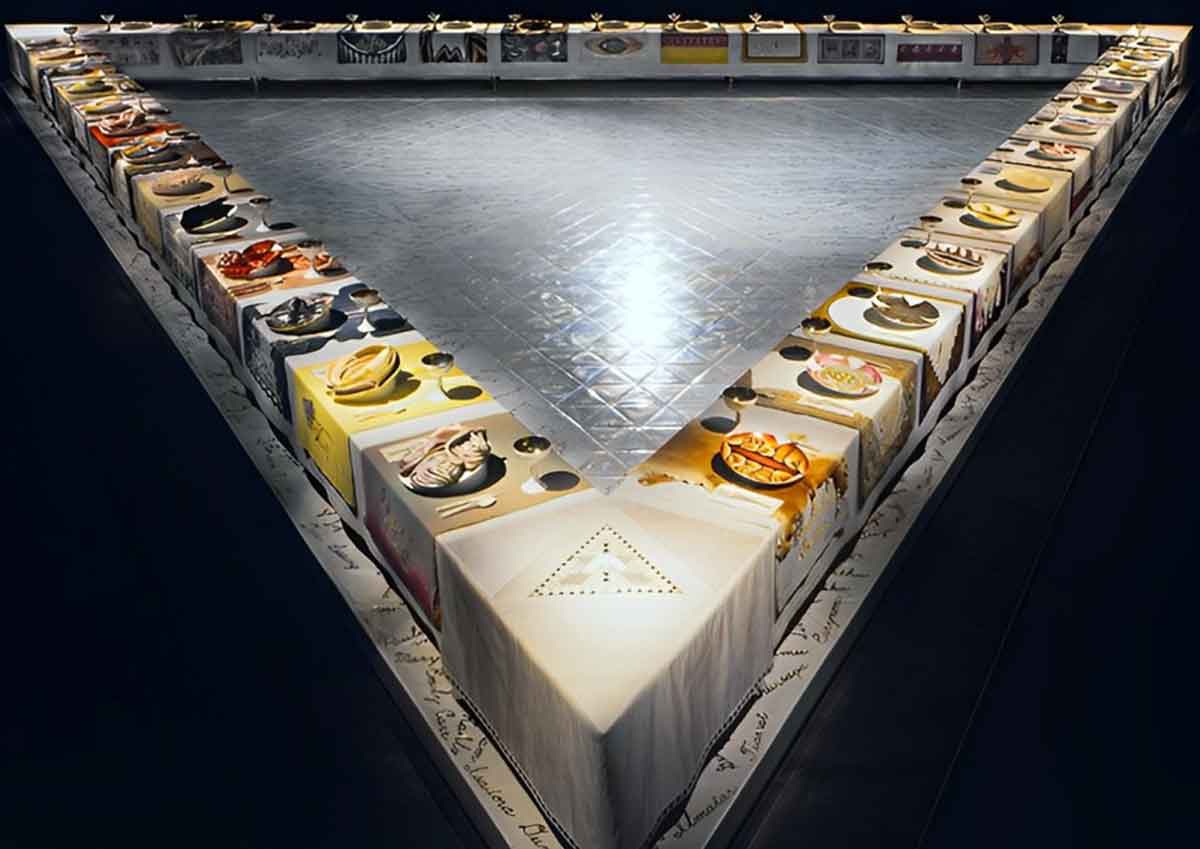
Judy Chicago is an American feminist artist, educator, and writer. As previously mentioned, she founded the first Feminist Art Program in California in the 1970s alongside Miriam Schapiro. She is best known for her installation, The Dinner Party, which is considered to be the first epic feminist artwork. Chicago worked with over 400 people (mostly volunteers) from 1974 to 1979 to create this masterpiece.
The Dinner Party celebrates 1038 historical and mythological women from prehistory to the contemporary era. The table has places for 39 women, while the rest of them have their names inscribed on the Heritage Floor made of porcelain tiles. A fun fact is that one man’s name found its place here by mistake due to poor translation. Greek sculptor Kresilas was believed to be a woman named Cresilla. Chicago imagined this piece to be a sort of celebratory dinner where important female figures are recognized and appreciated. She placed a special emphasis on traditional female crafts such as embroidery, weaving, and pottery by making hand-painted ceramic cutlery, napkins with embroidered golden edges, and tiles. In this way, she protested against deeply embedded prejudice that female art is of lower quality and importance than male-dominated high art.
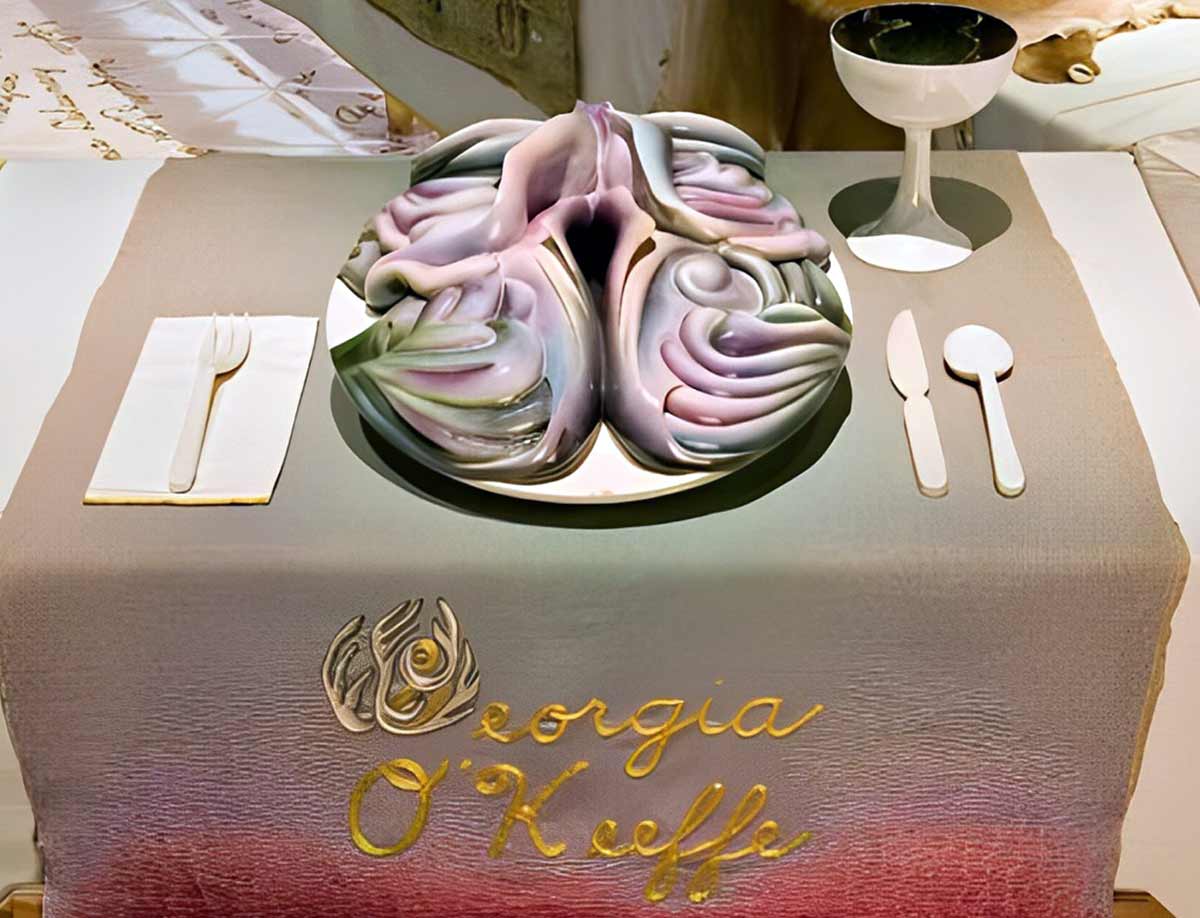
Furthermore, Chicago intended to celebrate womanhood in general. By employing a triangular shape for the table, she played the symbolism card since the triangle was linked to femininity and womanliness. A very important aspect of the Dinner Party is female sexuality as well. Chicago decided for china plates to have vulvar, floral, and butterfly-like forms as central motifs, which served as a visual association with female eroticism and physicality. Finally, the artist herself gave a powerful description of her work by saying that the table was a perfect motif to point out the way in which women’s achievements, like the endless meals they had prepared throughout history, had been consumed rather than acknowledged and honored.
3. Earth Body Artist: Ana Mendieta
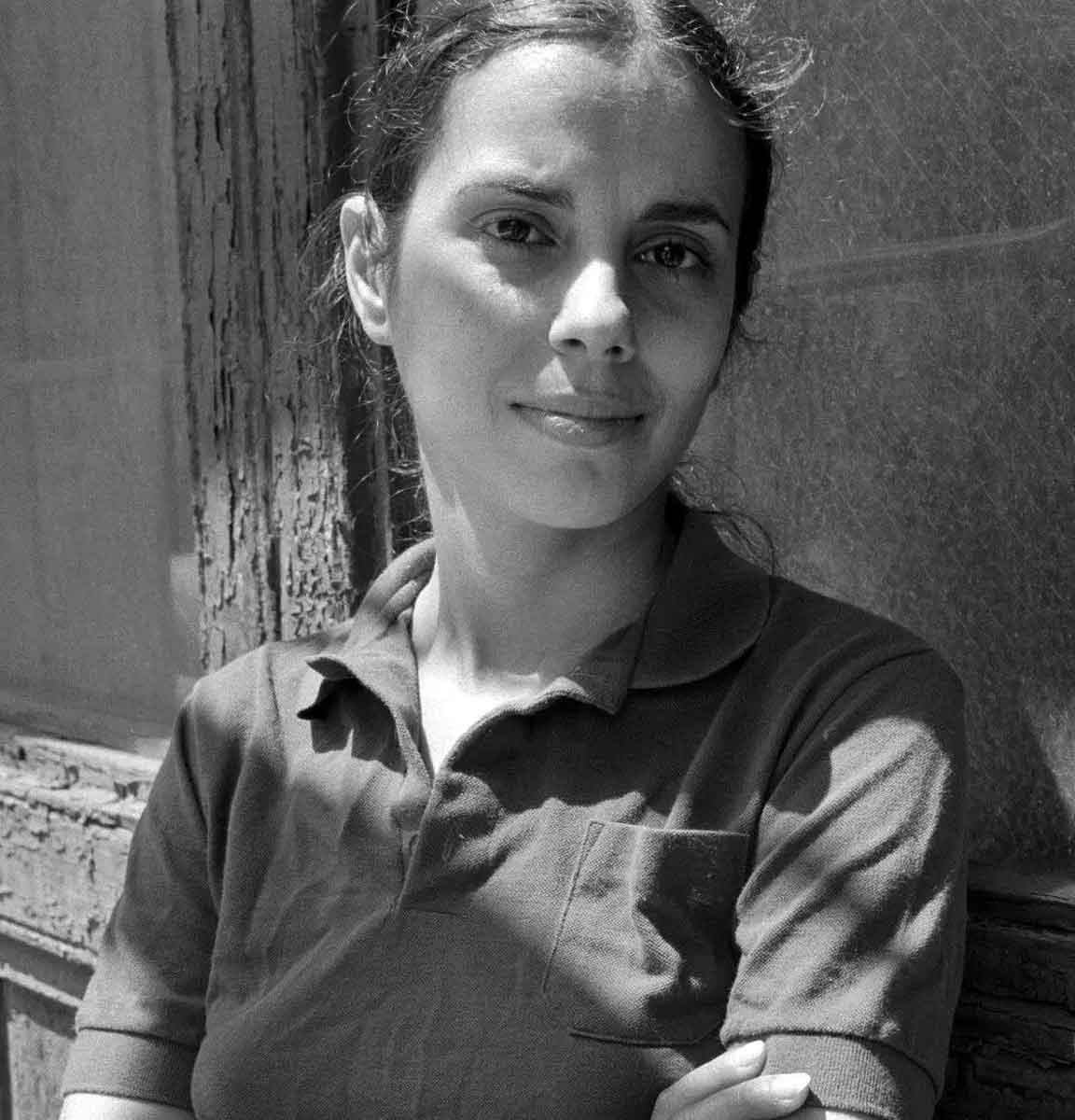
Ana Mendieta was a Cuban-born artist who moved to the US at the age of 15. Her parents sent her there through Operation Peter Pan, an American government Program that enabled Cuban children to escape Fidel Castro’s regime. After studying art, Mendieta moved to New York.
Her best-known artwork is the Silueta Series, which was created between 1973 and 1980. The earth body term refers to this work in which she burnt, carved, and molded her silhouette into the landscapes of Iowa and Mexico, creating more than 200 works. The only evidence of the series is photo documentation since earth and natural conditions erased her silhouettes. The series is very much layered and multifaceted in terms of meaning and interpretation. On the one hand, Mendieta’s focus was on exploring the notions of identity and nationality. Since she felt as if she didn’t have a motherland due to her personal national background, she began to investigate her spiritual and physical connection to the earth and nature in general. In a way, she used her body to become one with the earth.
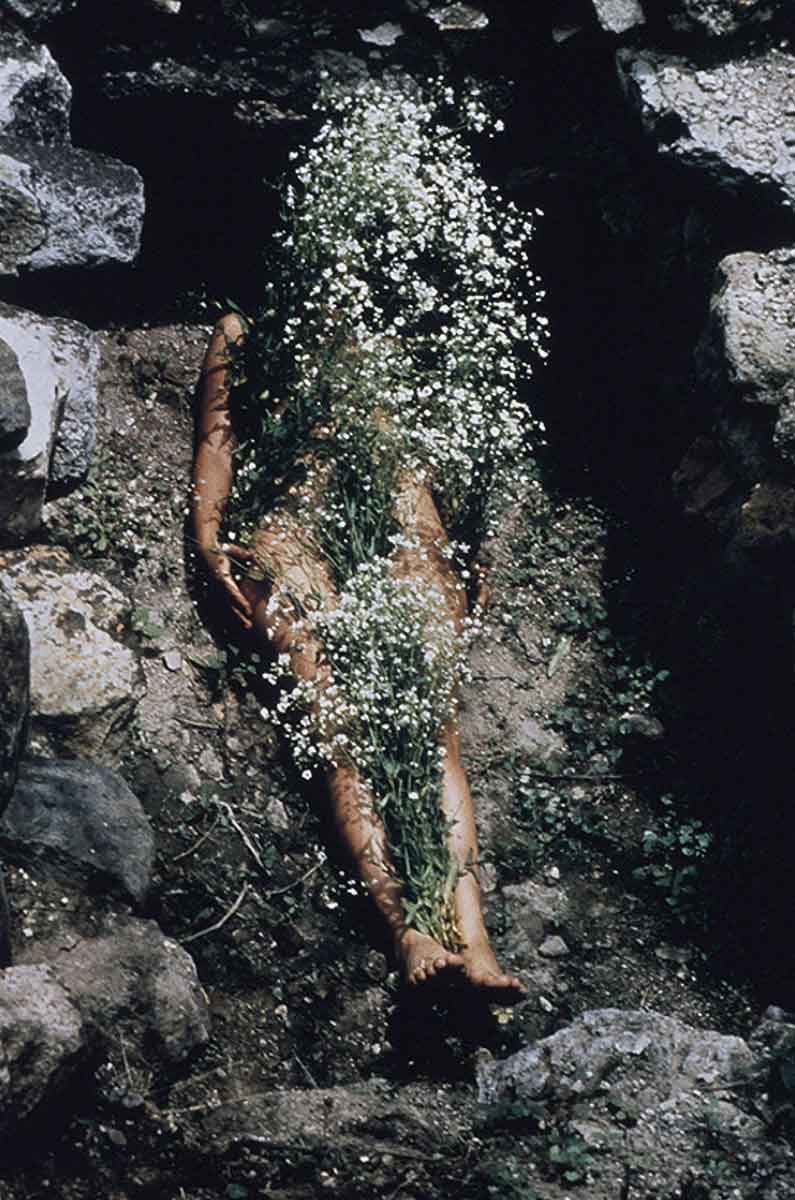
On the other hand, her work is seen as deeply feminist. Art historian Susan Best said that her Silueta Series represented a feminist space of dwelling where the female body was present in outline but absent in actuality. Mendieta expressed the powerful energy of female figuration. She referred to almost universal indigenous beliefs that earth was of a female nature, often represented as a goddess. Creating her body earth artwork, she evoked the female force that she felt was rooted in nature. Finally, the connection with nature provided her with the possibility to free herself from the societal concept of gender, male gaze, and socially constructed identity. Thanks to the earth and nature, Mendieta found liberation.
2. Woman Who Mastered the Art of Role-play: Cindy Sherman
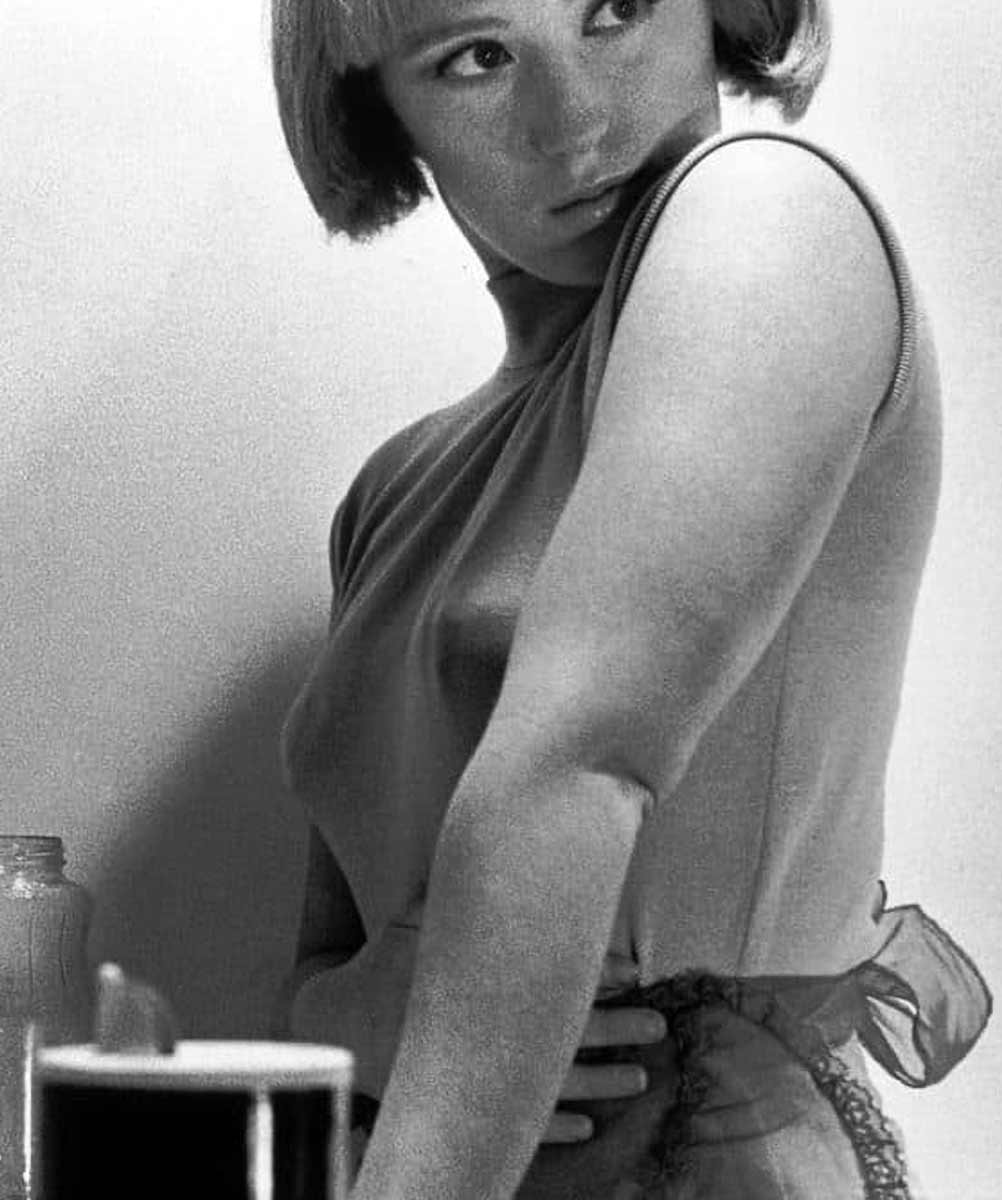
Cindy Sherman is an American feminist artist born in New Jersey in 1954. She is famous for her imaginative and creative self-portraits series, Untitled Film Stills, which was made from 1977 to 1980. The series consists of 69 black-and-white photos. Sherman took photographs, almost cinematic by their nature, of herself posing as various different characters and set in various places. Inspired by 1950s and 1960s films, she used wigs, makeup, and vintage clothes to create stereotypical female roles such as bombshell, schoolgirl, career woman, etc. Sherman carefully planned every shot, elaborating the setting and costume design so it could easily visually communicate with the viewer. However, her characters are always in some kind of action. That leaves the spectators with the complete freedom to speculate and imagine what is going on in the photos.
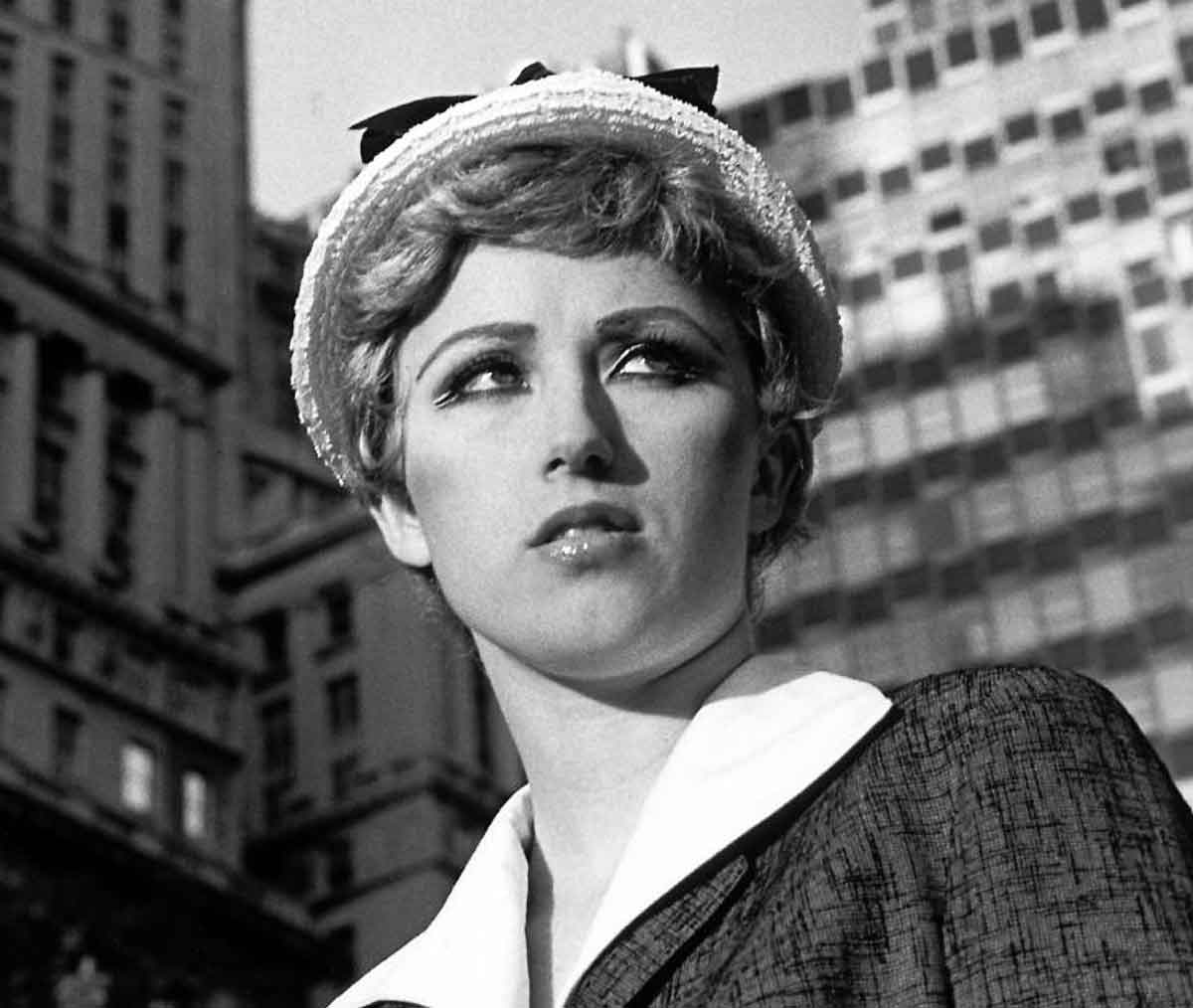
The staged nature with strong theatrical and melodramatic qualities is deliberately created by Sherman. It highlights the artificialness of socially constructed roles women are required to assume. By making photos that resemble pictures from mass media (magazines, movies, ads, etc.), Sherman made a statement about how visual culture influences and shapes collective and individual notions of femininity and identity. Society offers a limited range of roles to women, and each of them comes with instructions on how to dress, act, and look the part. In a way, we can say that Cindy Sherman gave a visual interpretation of Simone de Beauvoir’s famous thought that one is not born but rather becomes a woman. By following rules, dress codes, and behavioral norms, a person can truly be called a woman. Different personalities that Sherman assumed prove this theory.
1. Black American Female Artist Enters The Kitchen: Carrie Mae Weems
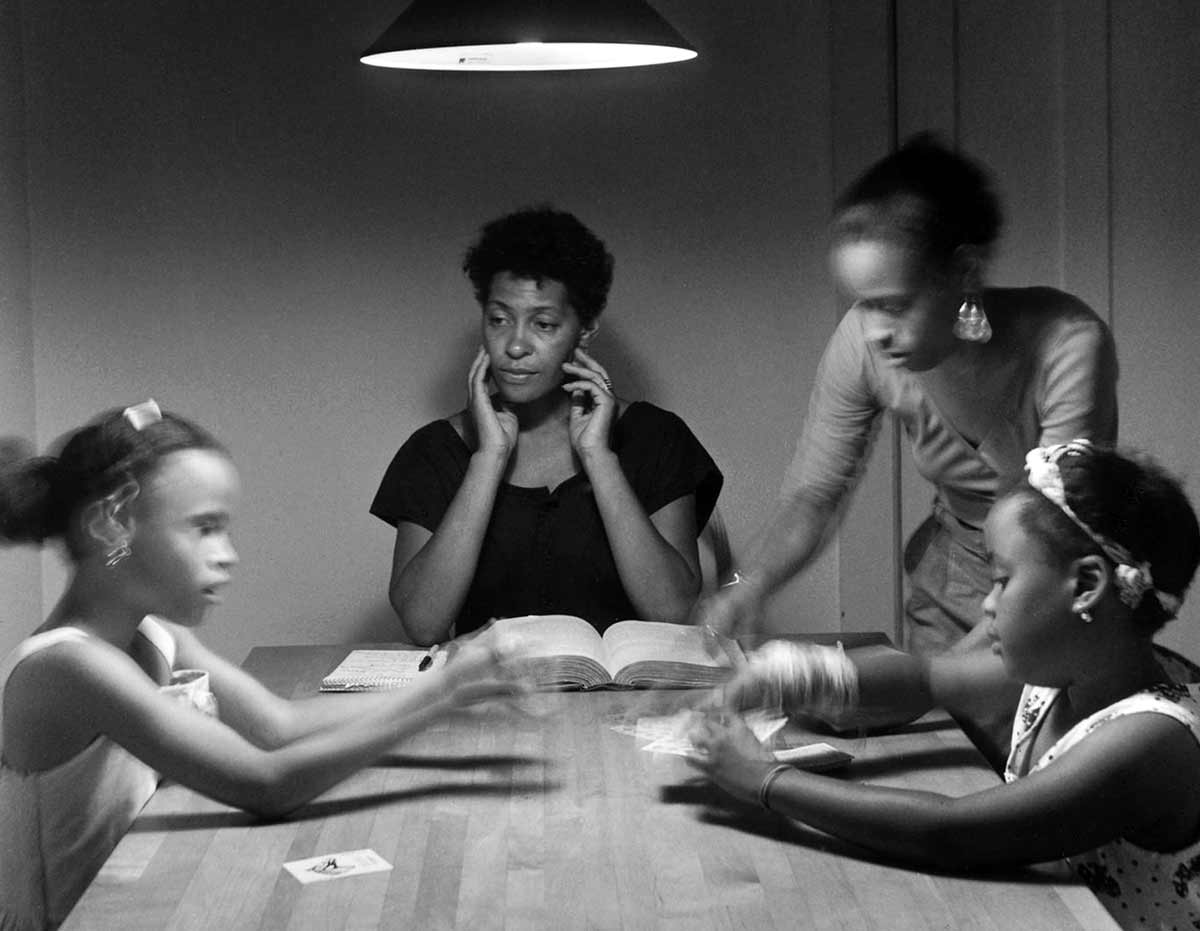
Carrie Mae Weems is a Black female artist born in Oregon in 1953. Best known for her photographs, she rose to fame in the early 1990s thanks to her Kitchen Table Series. It consists of 20 black and white photos and 14 text panels. Carrie Mae Weems is the protagonist of these shots, posing in different scenarios that all take place in the kitchen. This approach is similar to the previously mentioned Cindy Sherman’s, but Mae Weems didn’t explore only the notion of gender and gender roles. She delved deeper into an investigation of politics, sexism, and identity, and above all, she expressed a special interest in race.
Set in the ultimate gendered space, the kitchen, these photos show the viewers the ever-shifting roles of a strong central female figure. By using a simple kitchen table, dimmed light, and uncluttered space, the artist succeeded in placing emphasis on the inner life of the protagonist, her moods and feelings. Often aware of the viewer, she directly confronts him with the roles of women. Some photos reveal her relationships with family and friends and their complex nature. While others provide insight into the relationship she has with herself. She is a wife, a mother, and a friend, but above all else, she is a Black woman.
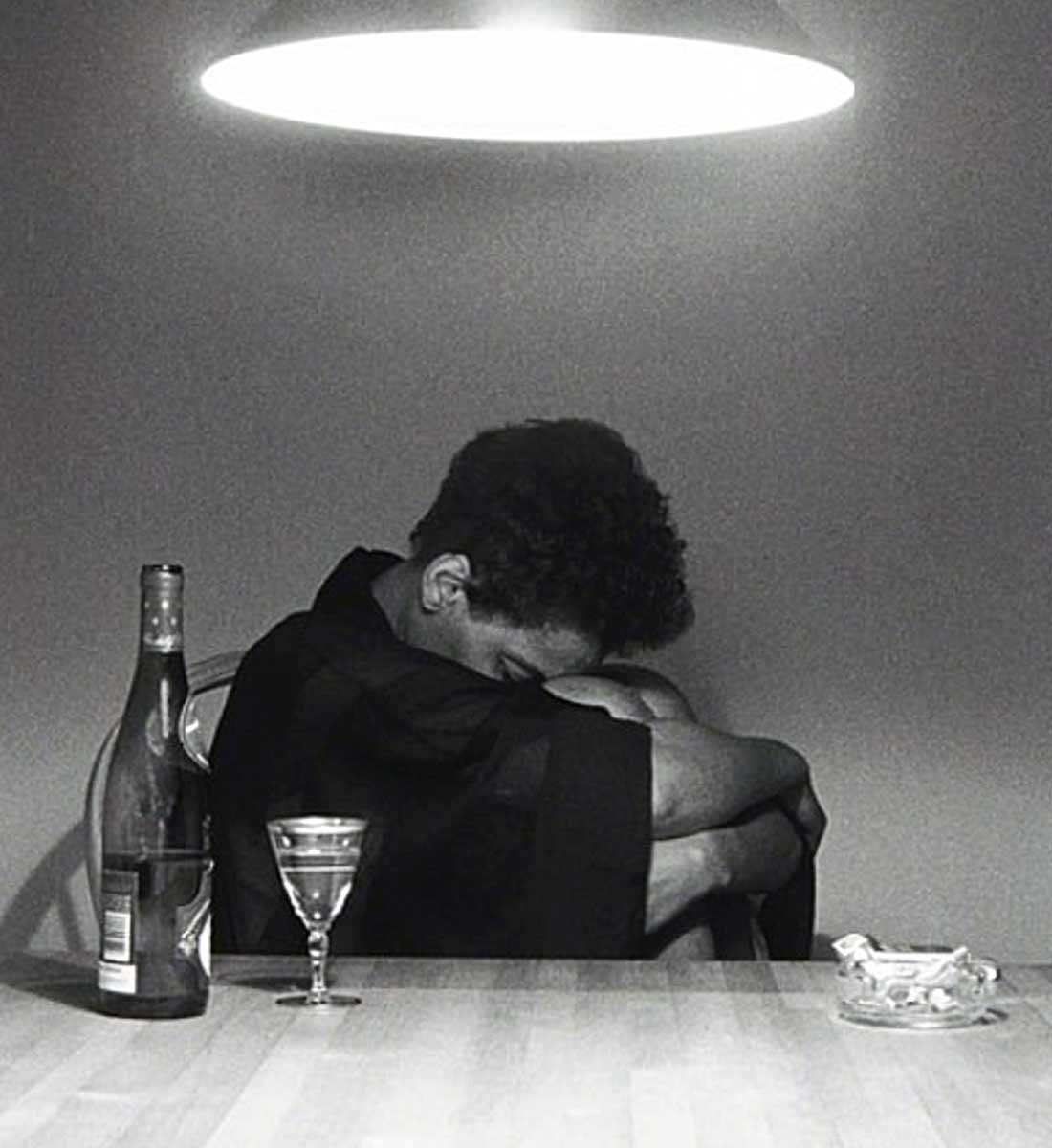
This was a pretty groundbreaking moment when it came to the representation of African Americans in art. Until then, Black communities were practically invisible in art production and art history. That’s why The Kitchen Table Series is a significant artwork. The main characters that were depicted were finally of color. Black audiences could relate to what they were seeing since their own selves were reflected in these photos. However, it should be noted that Carrie Mae Weems’ art shouldn’t be limited to only the racial perspective. The artist herself said that the series was important in relation to the Black experience, but it was not about race. She believes that most artwork that’s made by Black artists is considered to be about Blackness, unlike work that’s made by White artists, which is assumed to be universal at its core.