
Art has existed since the beginnings of human culture and has evolved and changed form throughout the centuries. In the early modern period, art expanded dramatically, and a specialized art market developed in which one could make a fortune. Because of this, counterfeits began surfacing, and art authentication became necessary.
Even today, the higher an artwork is valued, the more it’s at risk of counterfeits and needs to be authenticated. Value increases the importance of knowing a work’s origin, and research sheds light on its history. Read on to explore how art authentication works and why it is so important for the art world and its lovers.
Art Authentication: An Introduction
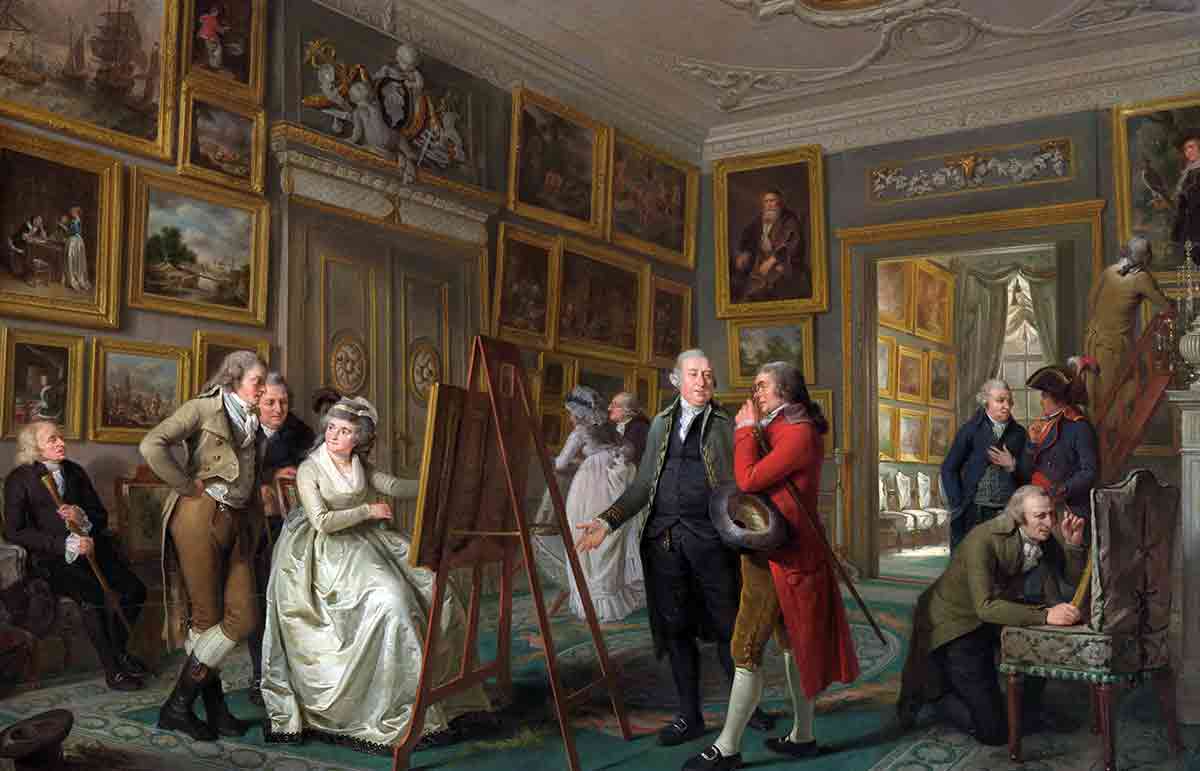
The need for authenticating art came around the same time that art expanded and created a specialized market for its products. The art market developed around the Renaissance period when the patronage system became more competitive and sophisticated and made art more accessible.
With a growth in demand, artistic workshop practices inherited from the medieval period were improved. Artists were interested in making the division of work in their workshops more efficient while also maintaining quality and authenticity. During the Renaissance and early modern period, authenticity was confirmed by recognizing the painter’s hand as dominant in the work and by matching the signature to the artist’s known handwriting. After all, a patron did not commission a work from a specific artist for it to be painted by apprentices. The signature and the painter’s personal skill and style, which can be distinguished from those of other artists, are the founding elements of art authentication.
This situation developed further in the early modern period, when specialized agents would buy and sell artworks on the art market. Thus, the métier of art dealer was born. The art market was also more accessible to middle-class people, making works of art an even more profitable commodity. Both new and old art was sold at these markets, with the sellers specializing in making recommendations, identifying the origin of the work, and, most importantly, setting a price for it. This stage of setting various prices for works in the context of the art market is another decisive step in the development of art authentication.
The 3 Main Tools of Art Authentication
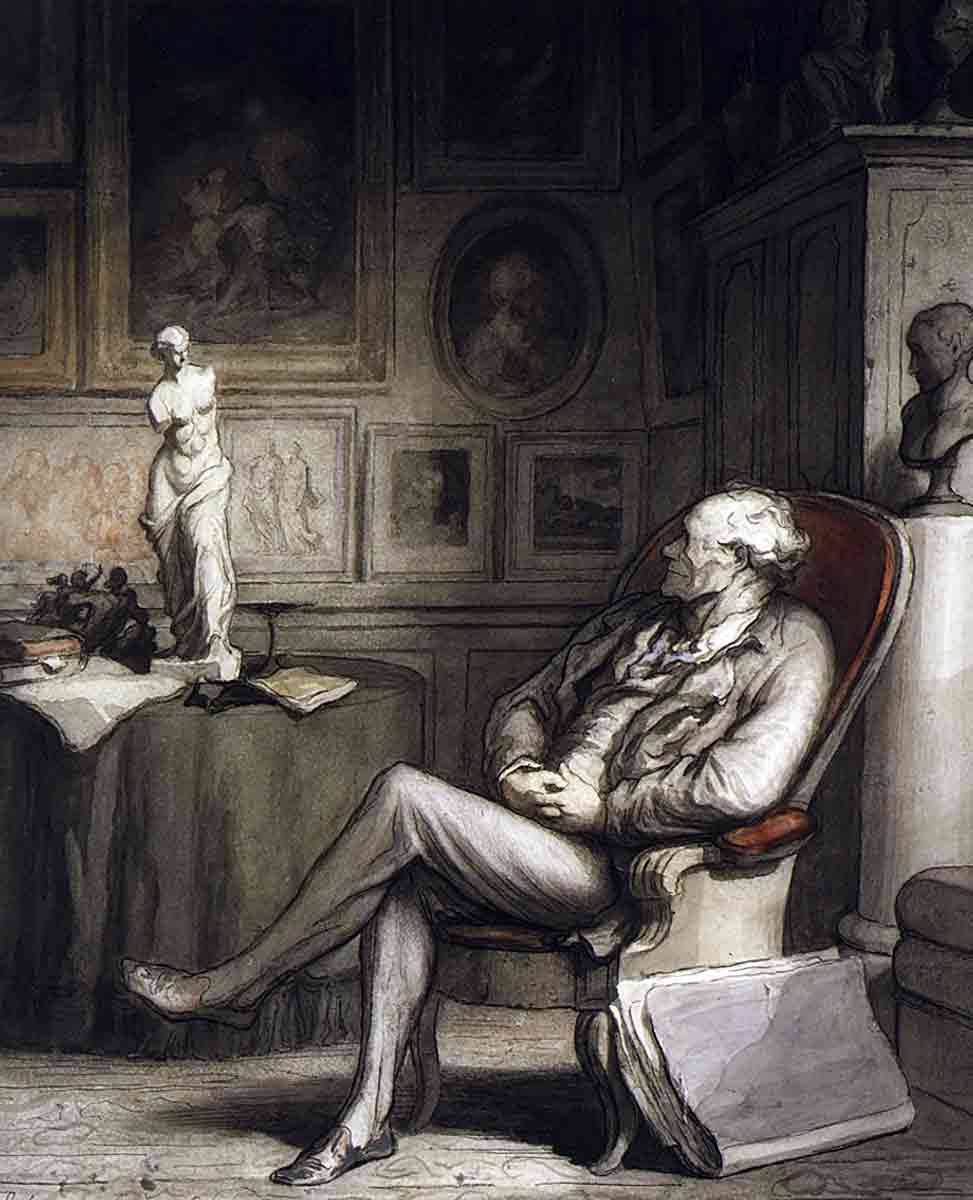
Nowadays, the main tools of art authentication are regarded to be technical analysis, provenance research, and connoisseurship. While the first two are more practical, the role of the latter is one of the most difficult tools to grasp. Both technical analysis and provenance research can be taught and transmitted to another person as a set of skills without the person needing any particular talent or inclination. On the other hand, connoisseurship requires talent and a personal affinity toward art that allows one to approach and judge art in a specific way.
All three components are tools that an art researcher needs to be able to handle. It is only natural that, as a researcher, you first want to confirm whether an art piece corresponds to your expectations in terms of origin and value; you need to authenticate it. Applying these three tools helps a researcher take all necessary precautions to prevent researching (or acquiring) a fake, for example.
Besides the three main tools, some other skills are needed for the art authentication process, skills that are borrowed from a number of separate disciplines. For example, the skills of dealing with documents and archives, cross-checking, and organizing information are taken from historical research. Analyzing the quality of the medium used in an artwork requires a combination of chemistry, history, and production knowledge to tell the period from which it originated. Checking the authenticity of art is a complex process that differs in length, difficulty, and sub-skills needed from case to case.
What Is Connoisseurship in Art?
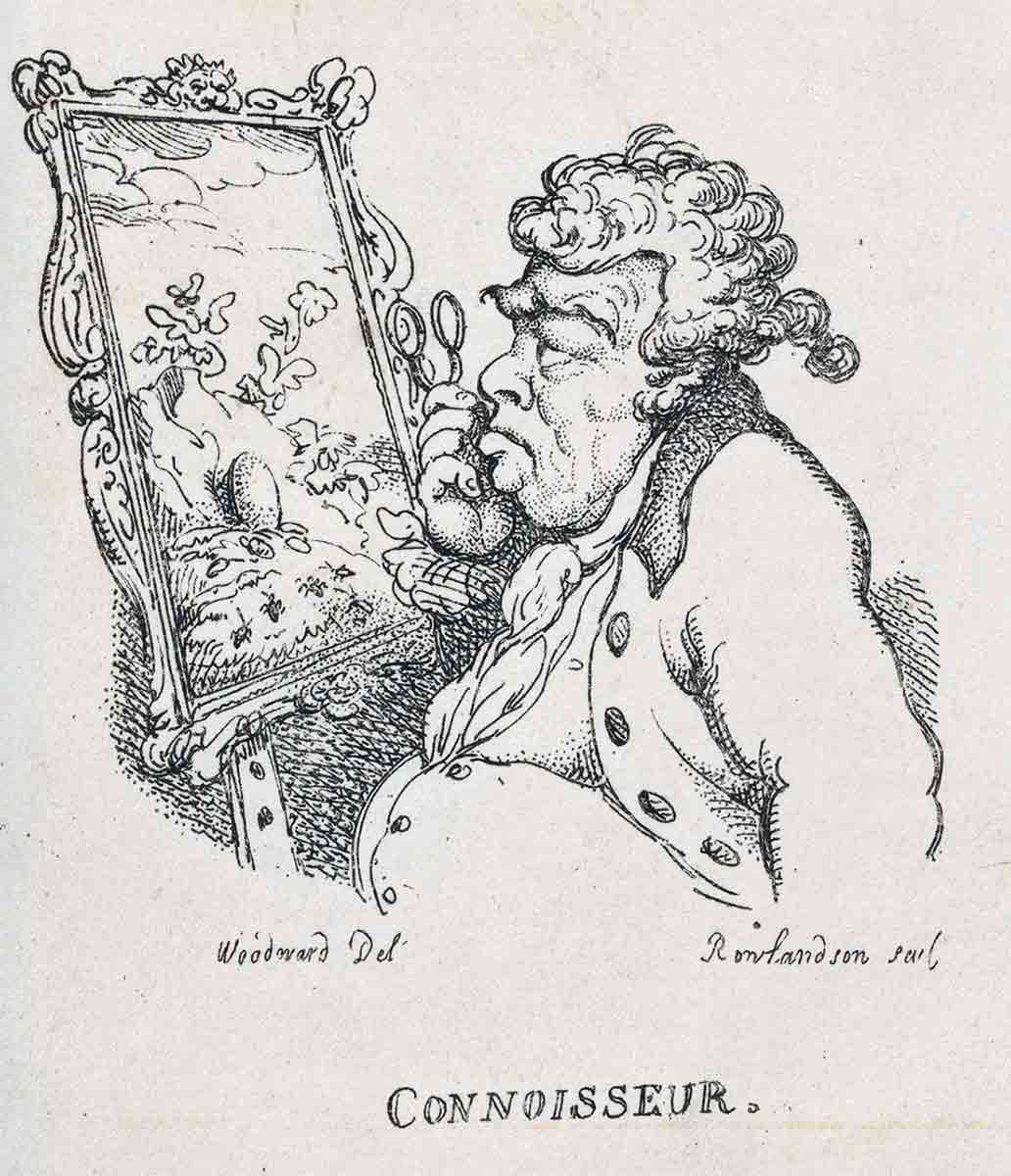
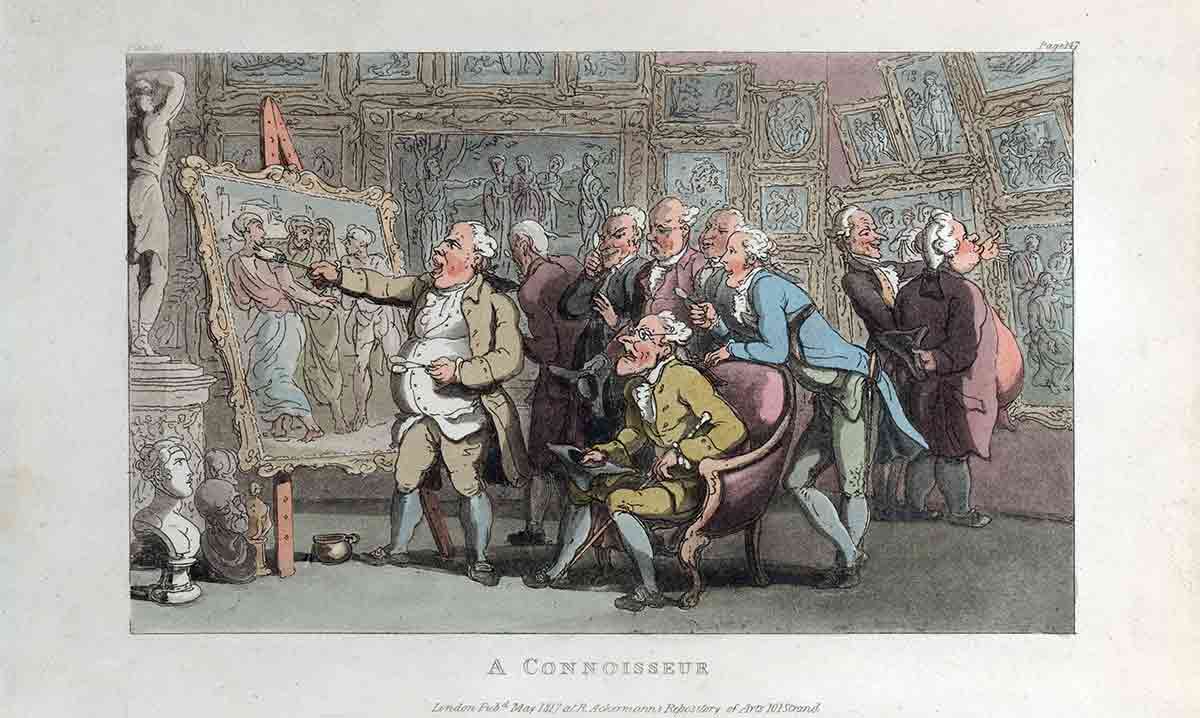
The term connoisseur (in Italian, cognoscento) has its etymological origin in Latin from the verb “to know.” A person who can be considered a connoisseur is usually a collector or art lover who has a vast knowledge of works of art. Simply owning an extensive art collection is not enough to become a connoisseur, as the person needs to be able to recognize certain artistic characteristics that belong to individual artists or regional traditions and workshops.
A connoisseur’s skill consists of their ability to be familiar with a large number of images, to remember visual details from them, and to make connections and cross-references between the memorized images. Connoisseurship is thus the ability of one person to display the attributes of a knowledgeable art individual who, ideally, has a vast collection of art that broadens this knowledge.
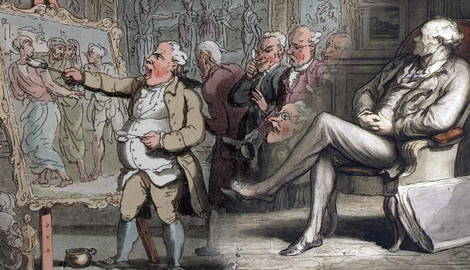
The art of connoisseurship and the figure of the connoisseur appeared relatively late in the history of art. Specifically, the connoisseur only gained an active role in the art world at the end of the 17th century and the beginning of the 18th century. The 18th century saw the full development and flourishing of this role as connoisseurs became sought-after individuals who could appraise and make attributions when it came to mysterious or challenging artworks. Smaller collectors and patrons turned towards them to check the authenticity of a work or appraise its market value.
What About Technical Analysis?
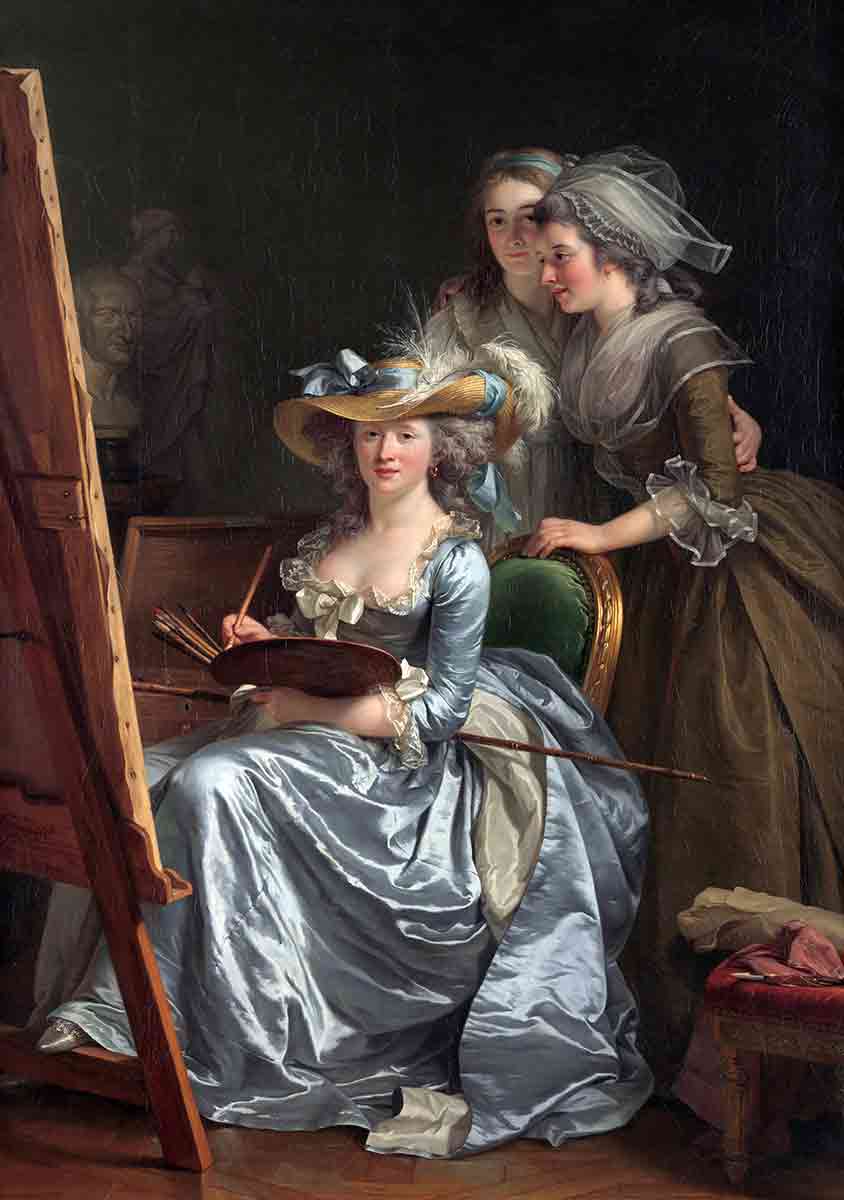
Technical analysis is another pillar of art authentication. It is the process of analyzing individual constituent parts of paintings and other works of art from a material perspective. The structure of the work is also examined, as it may reveal information about the work’s origin or creative process. The fundamental aim of technical analysis is to find out how artworks were made, what materials were used for each step of the process, and how they can be better preserved.
When the authenticity of a painting is questioned, technical analysis can be used to reveal the date when the painting was done, the origin of the materials, and the specific pigments used. If the work is painted on a wooden panel, the wood can be traced and dated using the tree’s rings via dendrochronology. If the work is painted on canvas, the specific weaving technique and quality of primary materials can indicate the century in which it was produced, while if it’s on paper, the watermarks, which are production-indented stamps, can help trace the producer.
The colors of the painting, together with its layers of paint, can also be very helpful in the technical analysis process. Pigments were not sourced and processed the same way throughout the centuries; there is a certain way of sourcing, processing, and mixing pigments in the early modern period versus the Renaissance. The specific layers of color in a painting can also help attribute the work to a specific artist if they are known to use a certain number of layers when painting.
Why Is Provenance Important in Art?
Provenance research is the study of the chronology of custody, ownership, and location of a specific object. This pursuit aims to identify the origin of the work of art as far as its first purchase and first owner. For an art historian, being able to trace and confirm that the presumed artistic origin and known owners match the provenance findings means that the work of art in question is most likely authentic. Any contradictory or puzzling information revealed during this process may affect the status of the work of art as it may raise suspicions about it being a counterfeit. Provenance research is normally conducted through archival research, as documents such as buying and selling contracts, correspondence, inventories, or descriptions related to an artwork can shed light on its ownership and transactions.
Provenance is also extremely important in a museal context. Museums need to have a detailed overview of a work’s origin and provenance to be able to exhibit it in a contextualized manner. In recent years, provenance research has gained more importance as museums become more aware of the possibility of an artwork’s problematic past. For example, a work that has a provenance related to Nazi Germany or was looted from another country will have to be treated in a mindful manner and potentially restituted to the rightful owners. The same goes for a work with a colonial past, as many objects of cultural significance have been plundered from formerly colonized countries by imperial powers.
How Is Artistic Research Conducted Today?

It is beneficial to contextualize the three pillars of art authentication in the broader process of artistic research to better understand the role of the art historian in art authentication. When approaching a work of art, an art historian starts by gathering its general characteristics, such as size, medium, technique, and subject. The next step is to identify literature that mentions the work of interest or, even better, analyzes it.
After consulting the literature, the historian tries to identify any concerns or information lacking regarding the work. After identifying the missing information or questions, the historian proceeds to address them.
Here, the tools of art authentication take center stage. First, connoisseurship helps the historian visually relate the work with other works and then investigate links between them, such as artists’ networks. Then, technical analysis, either on a general or in-depth level, can help support theories by providing physical and scientific evidence. Lastly, provenance research gives insight into the history and importance of work when it was created (via its selling price or its aesthetic impact), as well as how it came to be viewed and appreciated over the centuries.
Why Art Authentication Matters
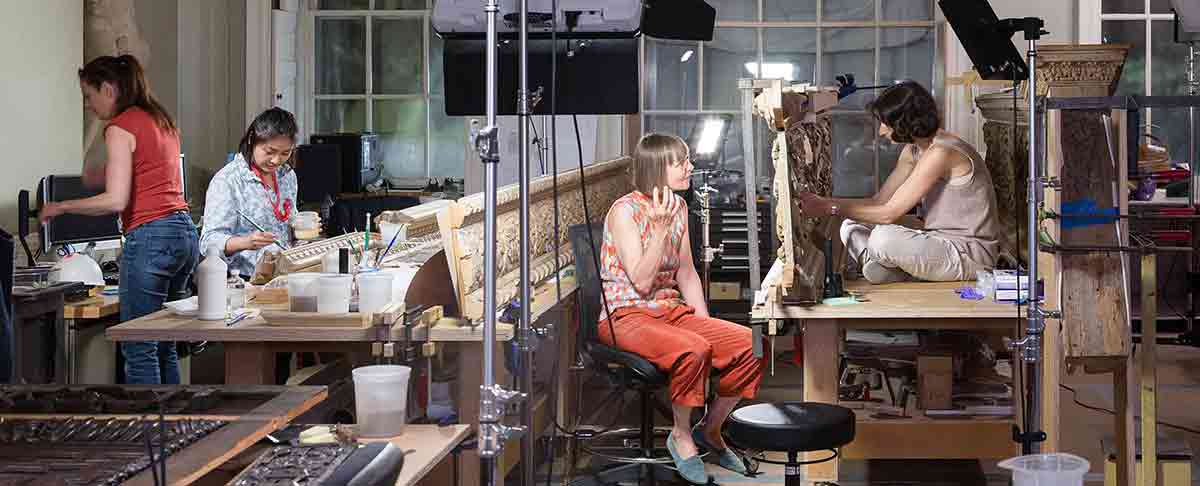
Art authentication is an intrinsic process of artistic research. Art history benefits greatly from art authentication and its tools, such as connoisseurship, technical analysis, and provenance research. In recent years, universities that train art historians have placed increasing emphasis on developing these skills. Some universities have even created specializations dedicated to provenance research or technical analysis. The topic of art authentication will likely gain more relevance in art historical research in the years to come as technology evolves.
Verifying the authenticity of a work of art is a process that’s extremely relevant both to individual researchers and institutions. Museums have a growing interest in tracing the provenance and materials used for a work of art because of the current focus of museum discourse on colonialism and looted art in the World Wars. Because of this need to contextualize works of art as consciously as possible, the tools of art authentication take center stage in our contemporary world.
Thus, the tools used to authenticate art have outgrown the traditional task of finding counterfeits and today extend toward understanding the historical context of an artwork. Today, this complex process serves multiple purposes: identifying a counterfeit from an original, a master’s work from that of the workshop, and judging the ethical implications of previous ownership.