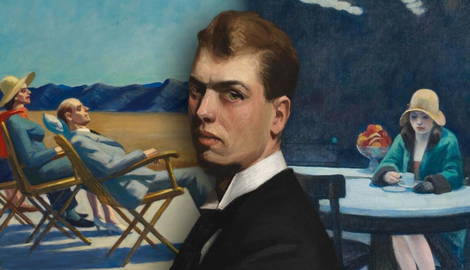

Edward Hopper was an American realist painter whose famous works, such as Nighthawks, Automat, Office at Night, and Room in New York, evoke the modernizing America of the early 1900s. Hopper used clean lines and defined colors to capture the allure, yet the lonely reality, of American life in the 1930s and 1940s. With potential war on the horizon and a popularized modern way of life in which jobs were changing, and cities were growing, people’s solace lay in their inner world, which Hopper captured so well.
1. Edward Hopper Worked as a Freelance Illustrator in Advertising
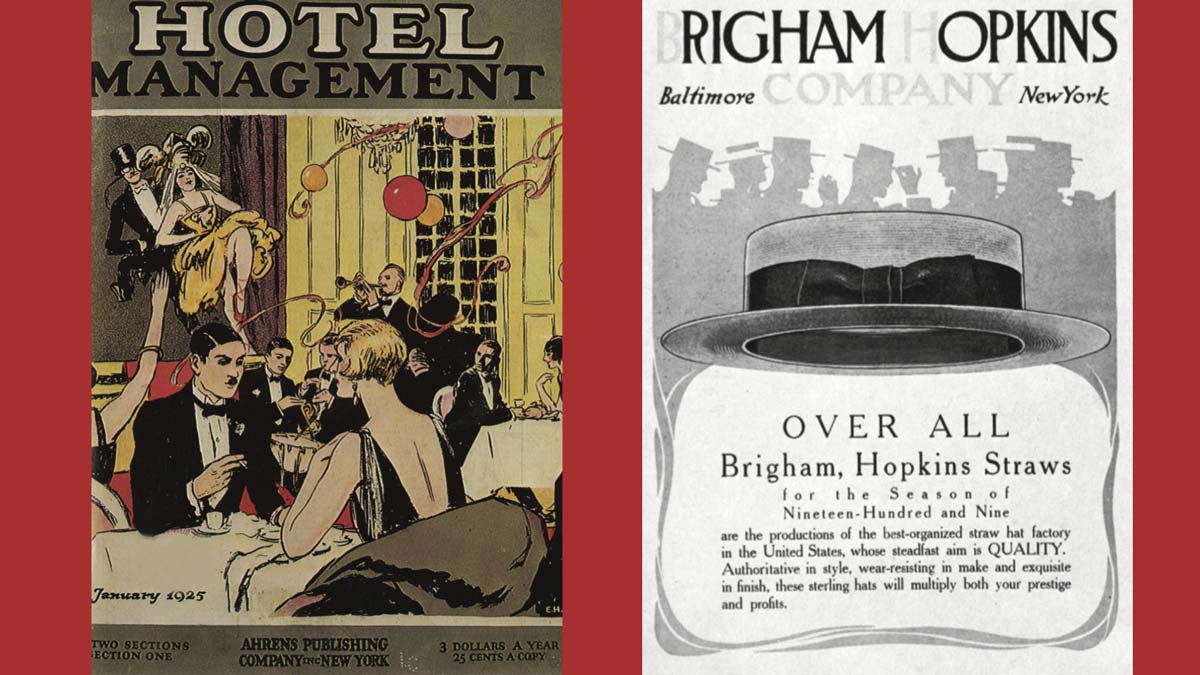
Although he had always wanted to be an artist, Edward Hopper’s parents pushed him to pursue a practical career. The clean lines and certain stylistic characteristics of advertising art still found their way into aspects of his later art. As stated in the article “Hopper’s Cool: Modernism and Emotional Restraint” by Erika Doss, from the mid-1910s to the mid-1920s Hopper was hired by some of the largest advertising firms of the period and often adapted his style slightly to meet the requirements of each commission. The sort of advertisements he took on reflected that of a growing America, one where they were targeting the growing number of white-collar workers, such as advertisements for gentlemen’s hats, train travel, and growing technology, and the lifestyle around hotel management, which met leisure and business.
2. Hopper Attended the New York School of Art
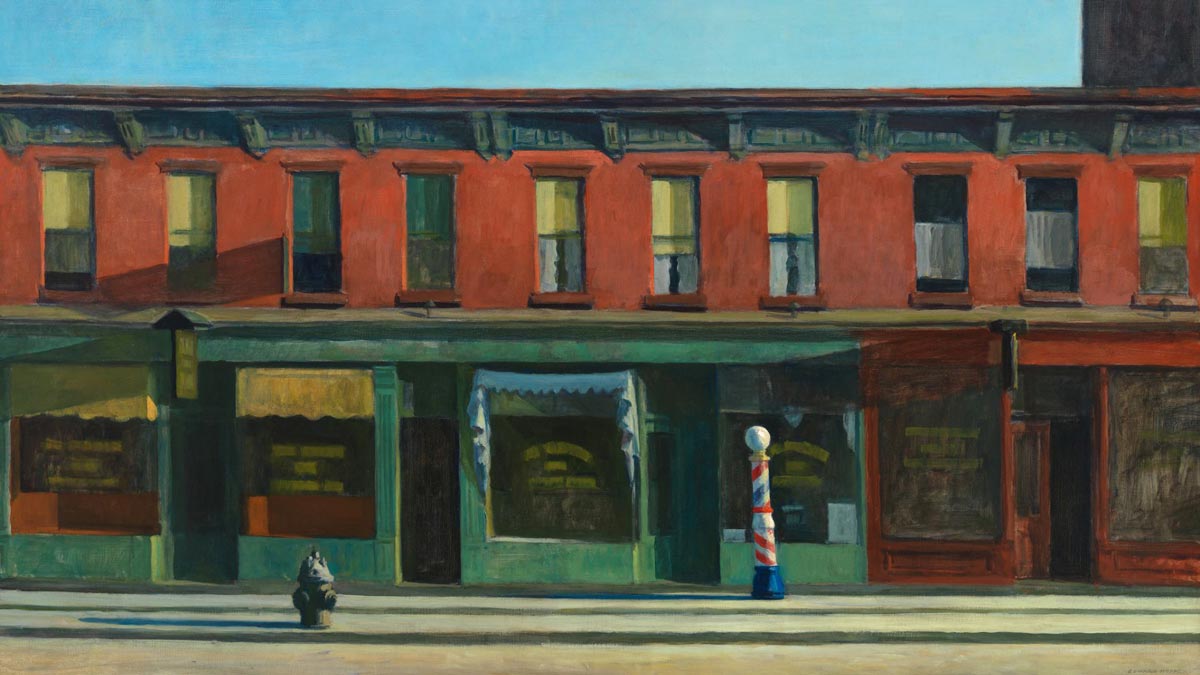
Hopper attended the New York School of Art. He attended the school from 1900 to 1906, where he met influential instructors such as William Merritt Chase, who taught him oil painting, and Robert Henri, who encouraged him to paint everyday scenes. He also spent much of his life in New York, and much of his work is based on the New York City cityscape, scenery, and people. Some of his most popular works that feature New York City are Nighthawks, Early Sunday Morning, and Room in New York. These paintings capture the cityscape of the early 1900s and quiet moments that seem to peer into everyday moments of people’s lives, often from an outside view looking in.
3. His Wife Josephine Nivison Hopper Was Also an Artist
Josephine was also an artist herself. She also studied at the New York School of Art, but their relationship didn’t deepen until 1923. Josephine saw the potential and skill in Edwards’ art and pushed him to be in art shows and get his art career off the ground. Nivison was more outgoing, often networking and speaking about his art and getting it into the right museums, buyers, and galleries. It’s also recorded that she acted as his administrative support, documenting his painting sales, maintaining detailed ledgers, and handling correspondence.
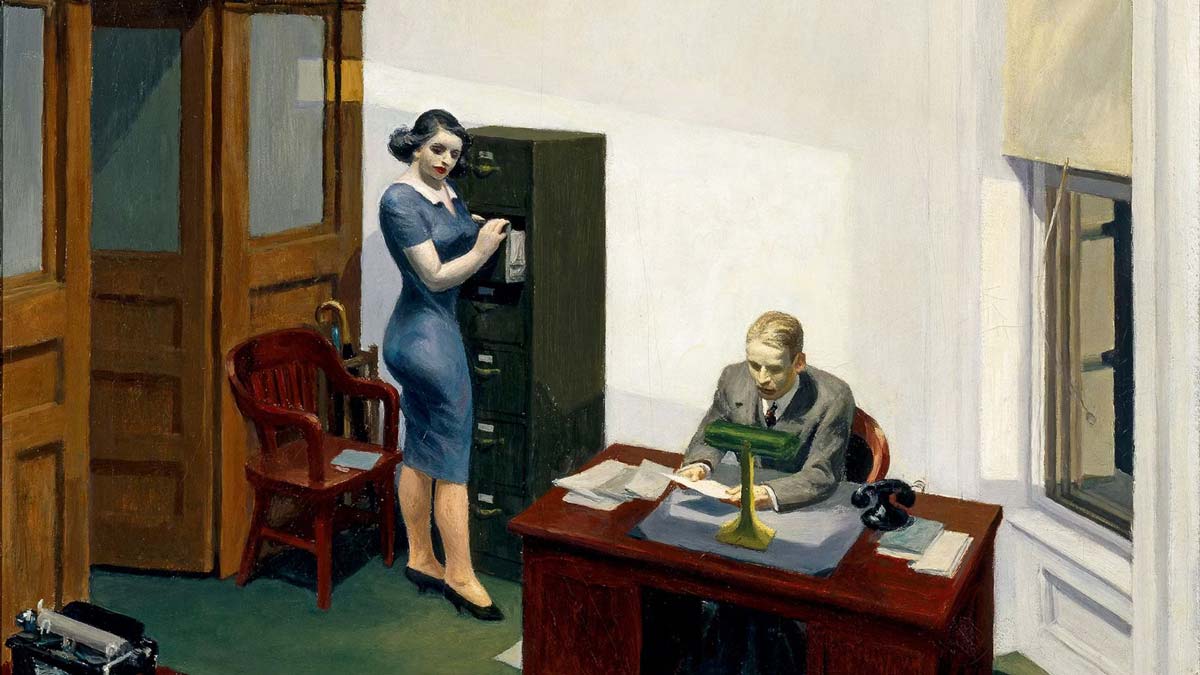
Not only was she an advocate for his art, but she also modeled for his paintings. Josephine modeled for his paintings, including Office at Night, Girlie Show, Hotel Room, and Eleven A.M. Her experience in fine art and theater helped her adopt different characters and poses.
4. He Was an Introvert
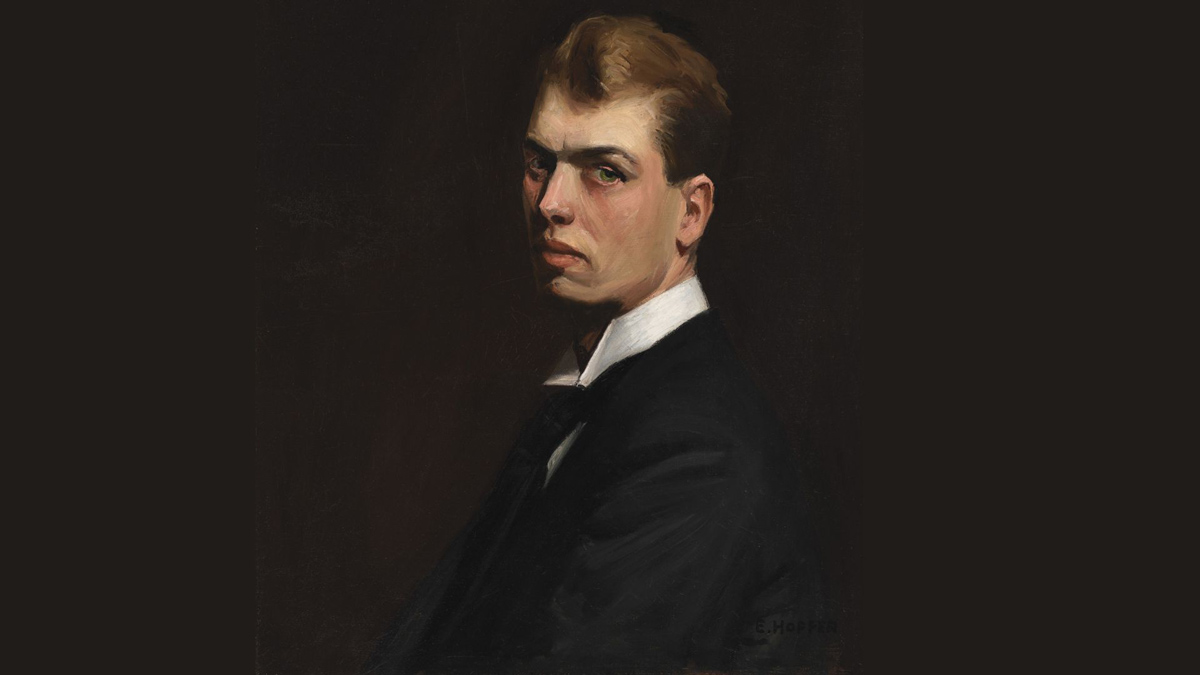
Edward Hopper often painted people who were lonely or introspective in nature. While living in New York City, he captured similar introspective moments in settings such as an apartment where someone is reading, an office, a home, or a movie theater. The figures in his art are often seen not conversing with one another, but rather, in thought or their personal home or city-dwelling environment. Hopper was known for being contemplative, silent, and indifferent to social conventions. He was also described as a reclusive, serious figure who often felt most comfortable being alone.
5. Hopper Lived in Paris
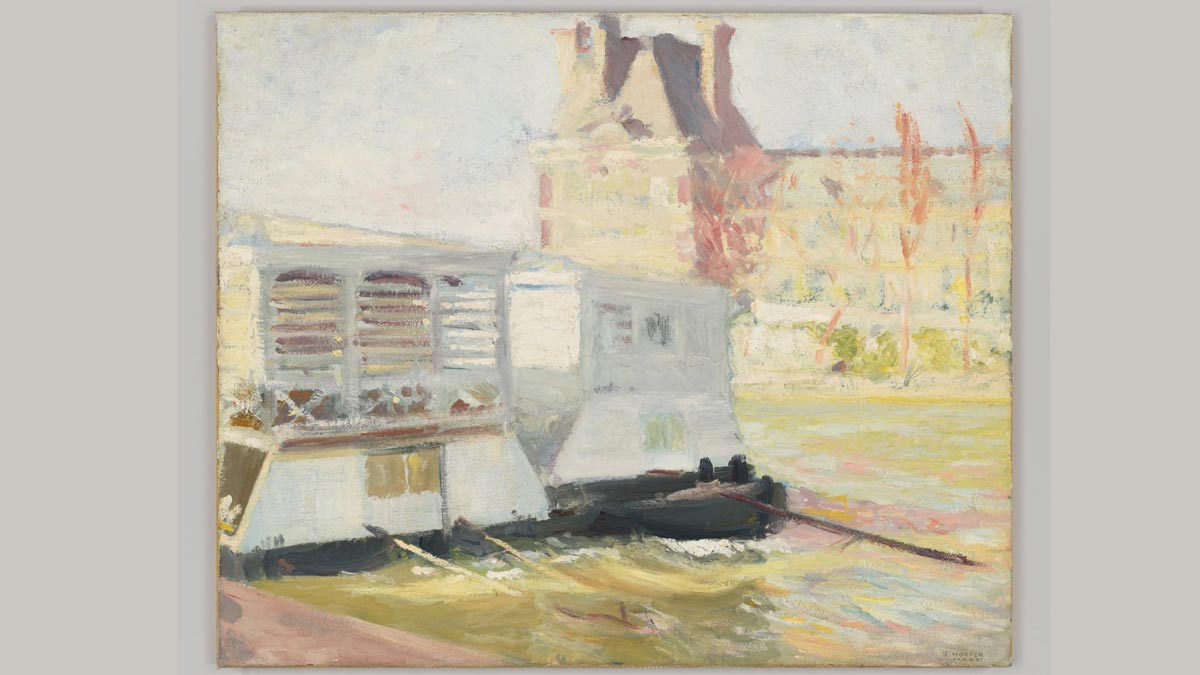
In 1906, after his Art School training in New York, he drew inspiration from Impressionist artists and painted en plein air (outdoors) in Paris, France. His work captured an imaginative, impressionistic style that focused on light and the scenes around him. He also visited the city twice more in 1909 and 1910. In Paris, he preferred to paint landmarks, bridges, buildings, and streets rather than include people in his scenes, as in some of his later works. Works like Le Louvre et la Seine capture a moment in time from his stint in Paris. The painting sticks with one of his iconic themes of a landscape devoid of figures, creating a mood of solitude and calm.
6. Hopper Captured the Loneliness of the Modern Lifestyle
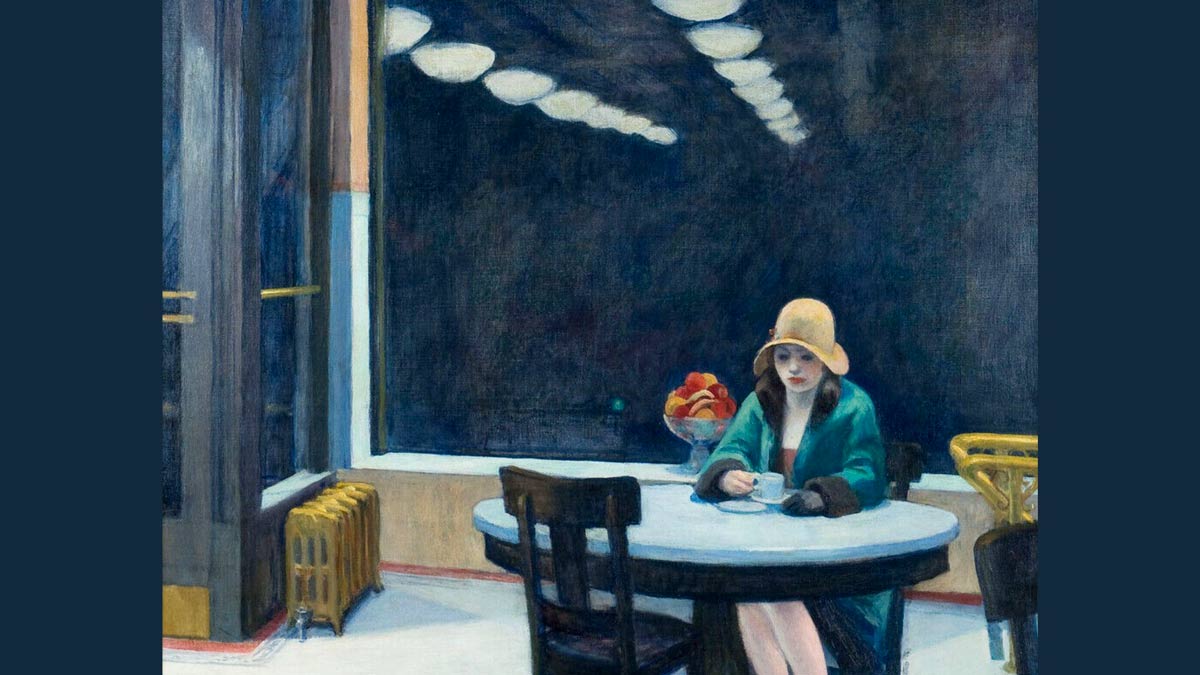
In America, especially in urban settings, as technologies such as radios, cars, and urban architecture proliferated, perhaps people’s urban loneliness also increased. Hopper often captured the quiet moments of loneliness, retreat, or withdrawal that people felt in a modernizing America. We can see this sense of solitude in Edward Hopper’s works like Automat. Here, a modern woman, dressed nicely, is shown either having come from work or a social occasion, sitting alone at a table at a New York City Automat.
Automats were self-service cafeterias where one could pay and grab food from behind glass coin-operated vending windows. Offering convenience and a quick meal, this lets us know the woman takes part in this atmosphere and is dressed for the part in modern life. She sits alone in the space where the background is simple and dark behind her, showing only the reflection of the lights and no other company.
7. Edward Hopper Was 6 Feet 5 Inches Tall
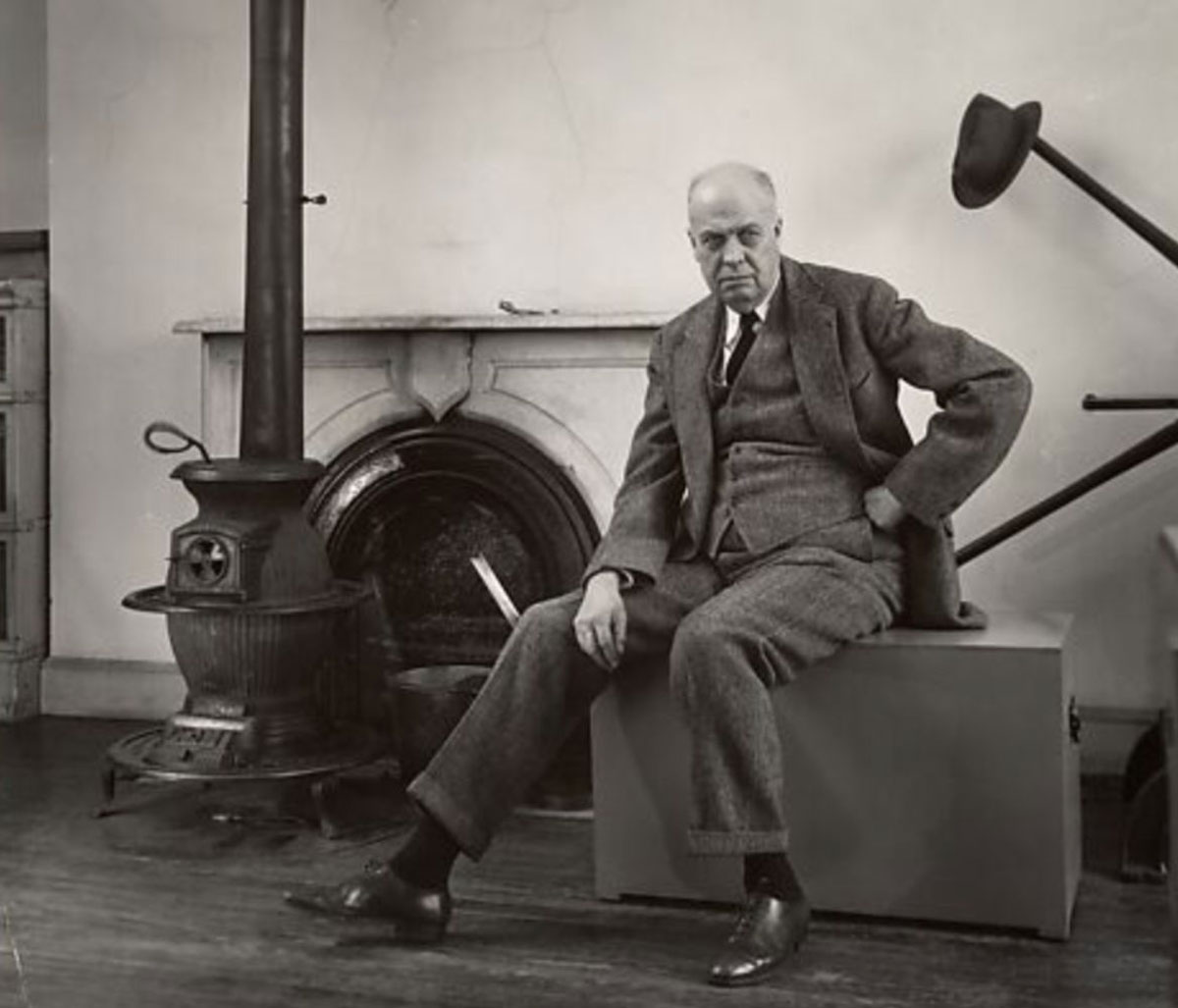
Hoper was a tall man, often towering above his counterparts. His nickname was grasshopper due to his tall and slim physique. At the age of 12, he was already 6 feet tall. This standing out appearance, likely reinforced his individualistic and isolated nature. His height added to his shy nature, but also his individualistic image.
8. Hopper’s Art Was Often Inspired by Movies
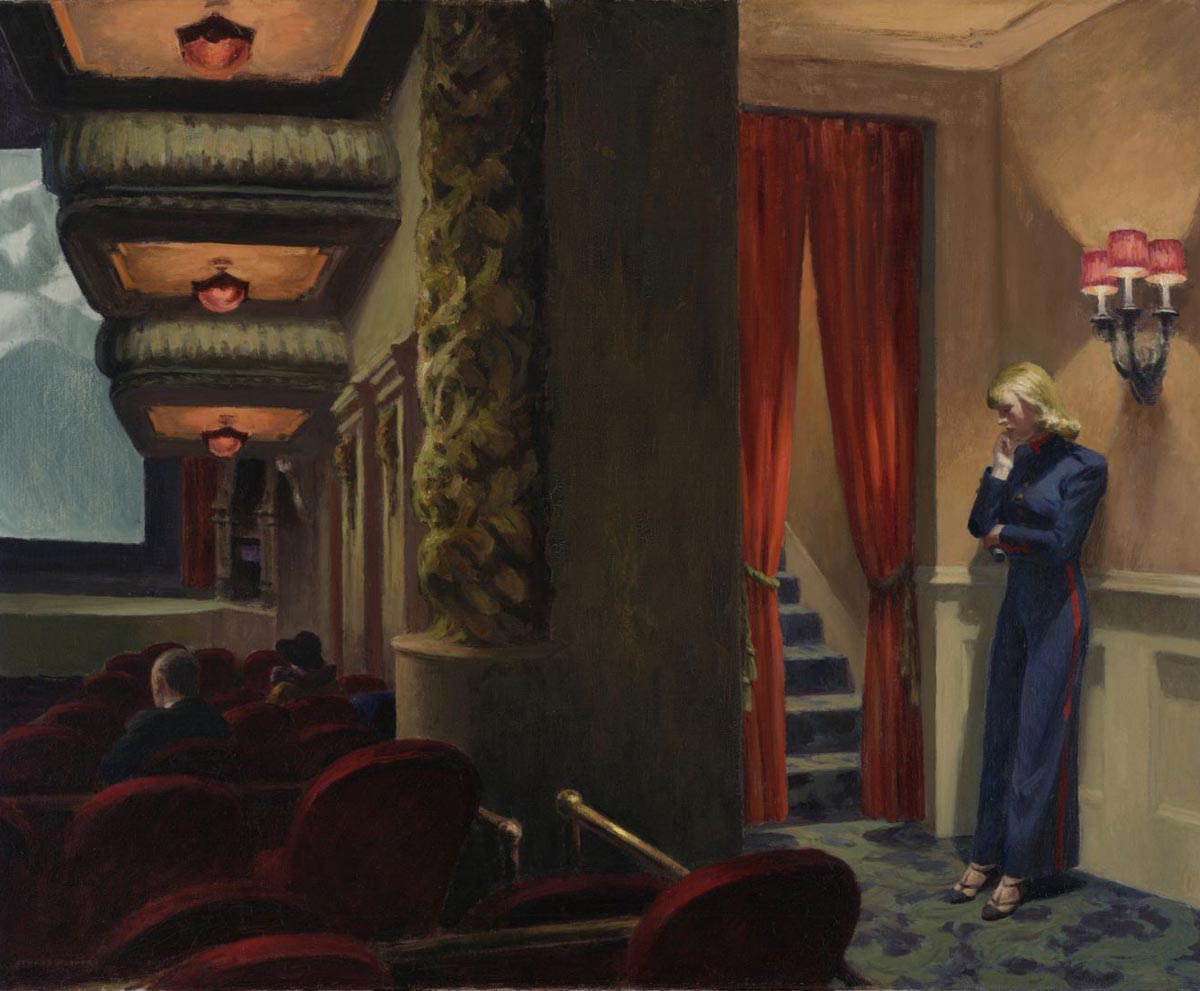
Since movie theaters were still fairly new in his time, Hopper enjoyed watching movies and pulled inspiration from cinema. If he ran into a creativity block, he would spend much time at the theater, reflecting on films and personal experiences of watching movies.
He’d often use a camera-like perspective in his art, especially when framing his works, using doorways, windows, or mirrors to create a sense of distance. These various outside-looking-in angles created a sense of an outsider observing a scene. This brings the viewer into the scene as a sort of bystander and spectator, similar to viewers watching a movie, where the audience is not always actively involved in the scene.
9. Edward Hopper’s Art Inspired Alfred Hitchcock
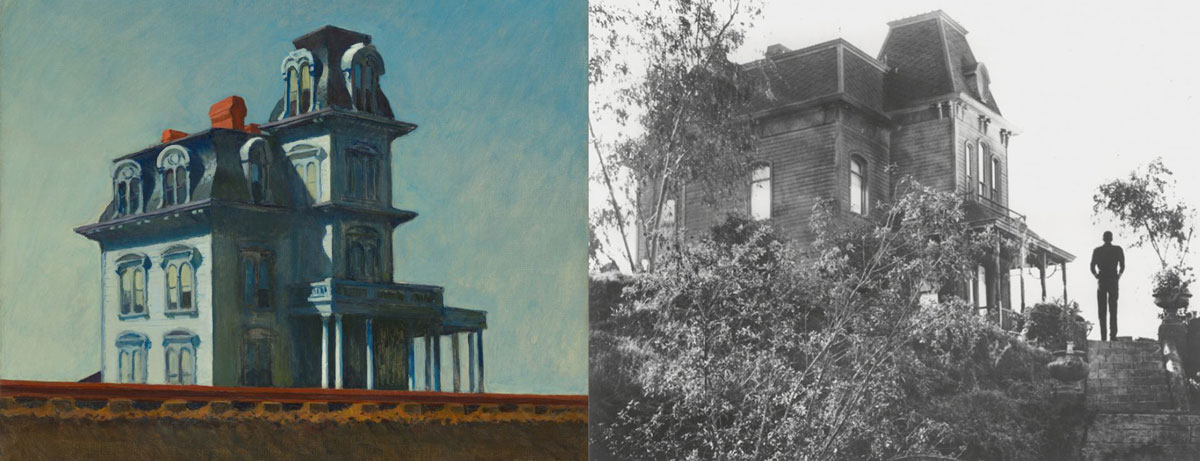
In many ways, it’s not surprising that Alfred Hitchcock drew inspiration from Hopper, in that both of their art forms often displayed a sense of suspense, loneliness, voyeurism, and shadowy or mysterious figures. Specifically, it is noted that Hitchcock drew inspiration for his films Psycho (1960), Rear Window (1954), and Shadow of a Doubt (1943).
In Psycho, the iconic stark Victorian mansion was inspired by the large Victorian house from Edward Hopper’s work House by the Railroad (1925). In Rear Window, the film’s cinematography, set design, and even name reflect Edward Hopper’s artwork. Often, Edward Hopper’s art invites viewers to see people or figures through a window, a central motif in the film. This voyeuristic, isolating nature is evident in Edward Hopper’s Night Windows (1928), which depicts windows aglow at night, the outside viewer looking in on a woman wearing only a light pink slip, partially out of view, in the space of her room. Hitchcock’s film Shadow of a Doubt was also inspired by many of Hopper’s artworks, particularly by the similarities between its dimly lit scenes and tense atmosphere.
10. Edward Hopper Rarely Made Statements About His Art
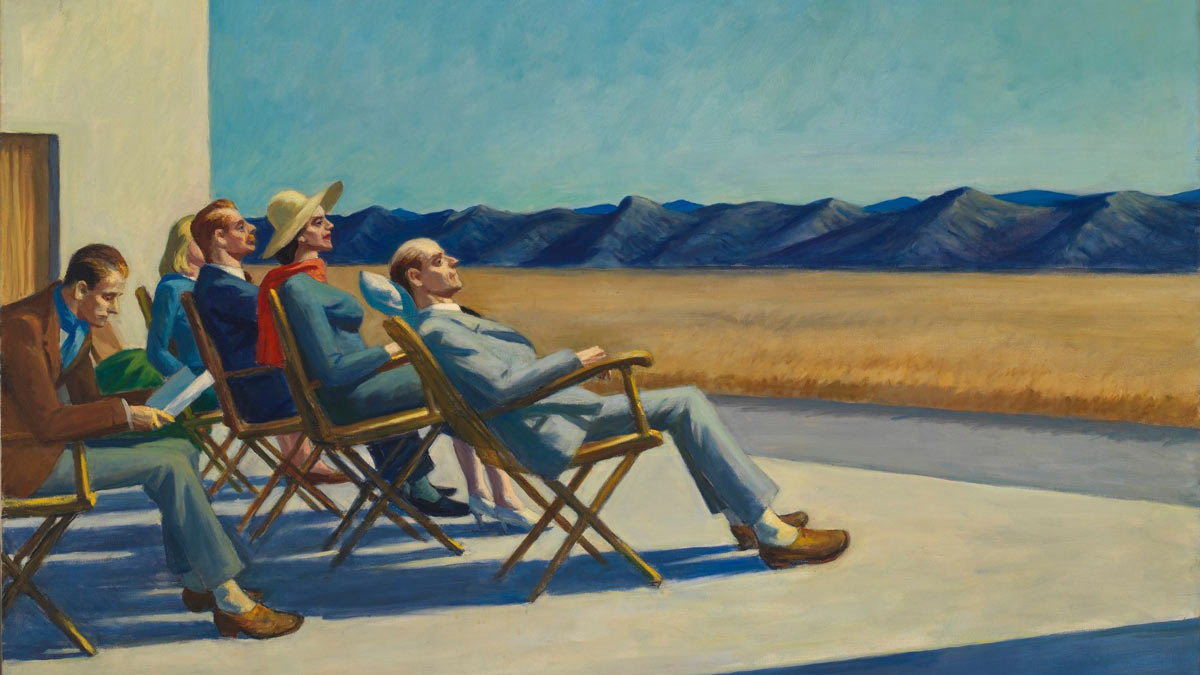
Hopper was known to have communicated little about his artworks. His wife, Jo Nivison Hopper, often handled most of the social interactions surrounding his art. Edward often wanted his works to speak for themselves, or for viewers to interpret what they saw. In the rare moments when he commented on his work, he often focused on emotion, light, and subconscious elements in his artworks.
One of his rare comments states, “The inner life of a human being is a vast and varied realm and does not concern itself alone with stimulating arrangements of color, form, and design.” Edward Hopper argued that his works were not merely about loneliness but rather about a deeper “inner life.” He also often wanted to create art that came directly from life and the natural scenes around him. To him, art was deeply personal and an expression of the inner subconscious. Certain elements, such as the use of light, figures, and the inner world, came together in his own interpretations and furthermore, invited viewers to bring their own thoughts to each work.