
The Old English epic poem Beowulf is a classic story of darkness and light. Sinister, inhuman forces are portrayed as locked in battle with the forces of humanity and virtue. Yet, the monsters are more than just fantastical foes. They represent vices that are all too human, and they provide us with a deep insight into how the early-medieval mind viewed good and evil.
Who or What Is Grendel?
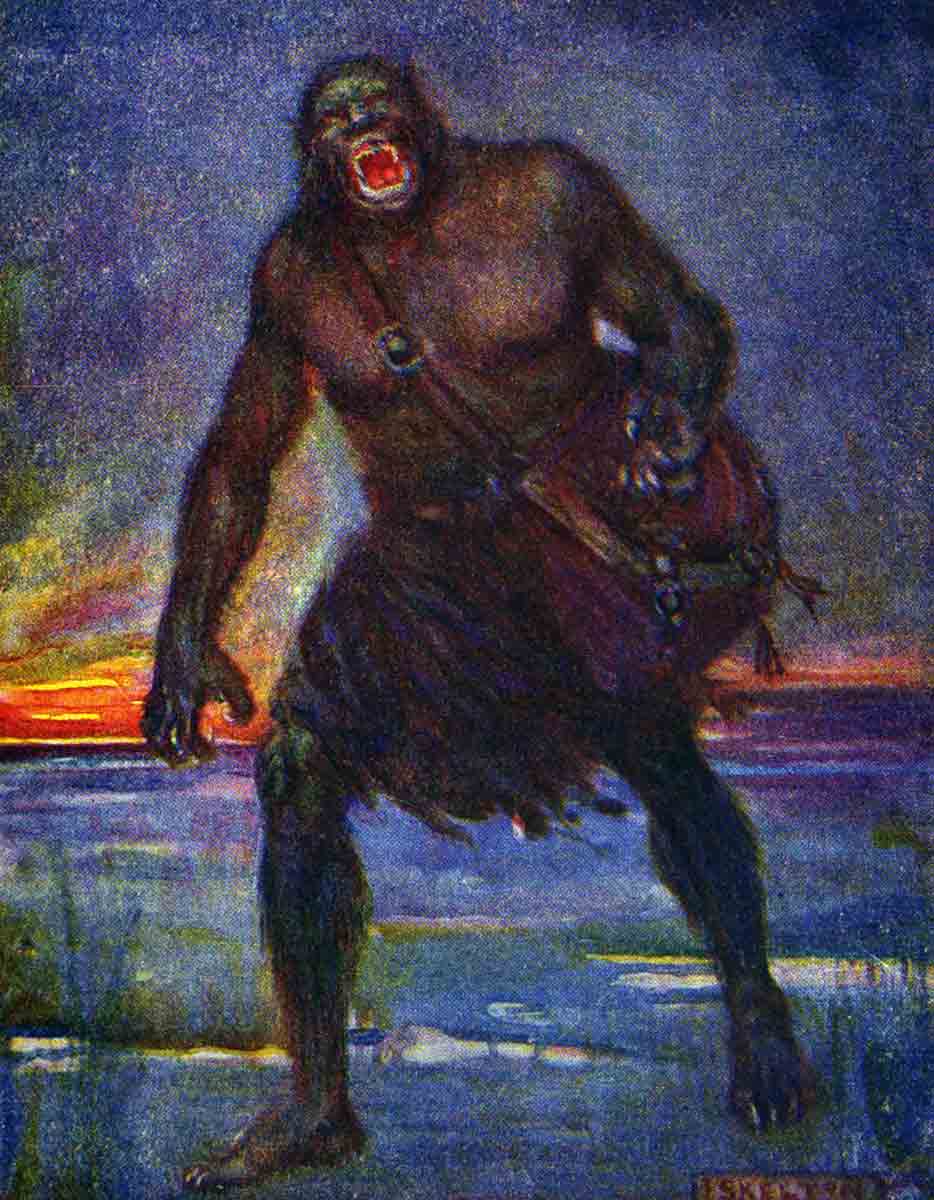
The primary antagonist of Beowulf is the creature known as Grendel. It is not clear what, or maybe who, Grendel actually is. We are first introduced to Grendel early on in the poem, around line 100, when the poet describes how the early joys of Heorot, the great hall of the Danish king, were destroyed by this monster. Grendel is described in Old English as a “grimma gaest,” which has been translated variously as “cruel spirit” (Alexander) and “grim demon” (Heaney, Williamson).
Perhaps the most significant fact about Grendel that is told to us by the poet is his ancestry. Grendel is described as a descendant of Cain, the man who slew his brother Abel in the Book of Genesis. From Cain was bred a whole series of monsters, whom God had cast out of the society of humans, according to the poet. Grendel thus has something of the human within him. As a descendant of a man who killed his own brother, we might view Grendel as an embodiment of all the worst instincts and destructive tendencies within humans. It is Grendel’s human-like quality that makes him such a terrifying being, and allows the poet to compare him closely to the poem’s hero, Beowulf.
Yet Grendel’s humanity should not be overstressed. He is a creature that devours other humans, and whose strength and ferocity are matched amongst humans by Beowulf alone. Grendel is also described as being invulnerable to swords, and so Beowulf has to tear off his arm in order to kill him. His eyes are said to contain a hellish light.
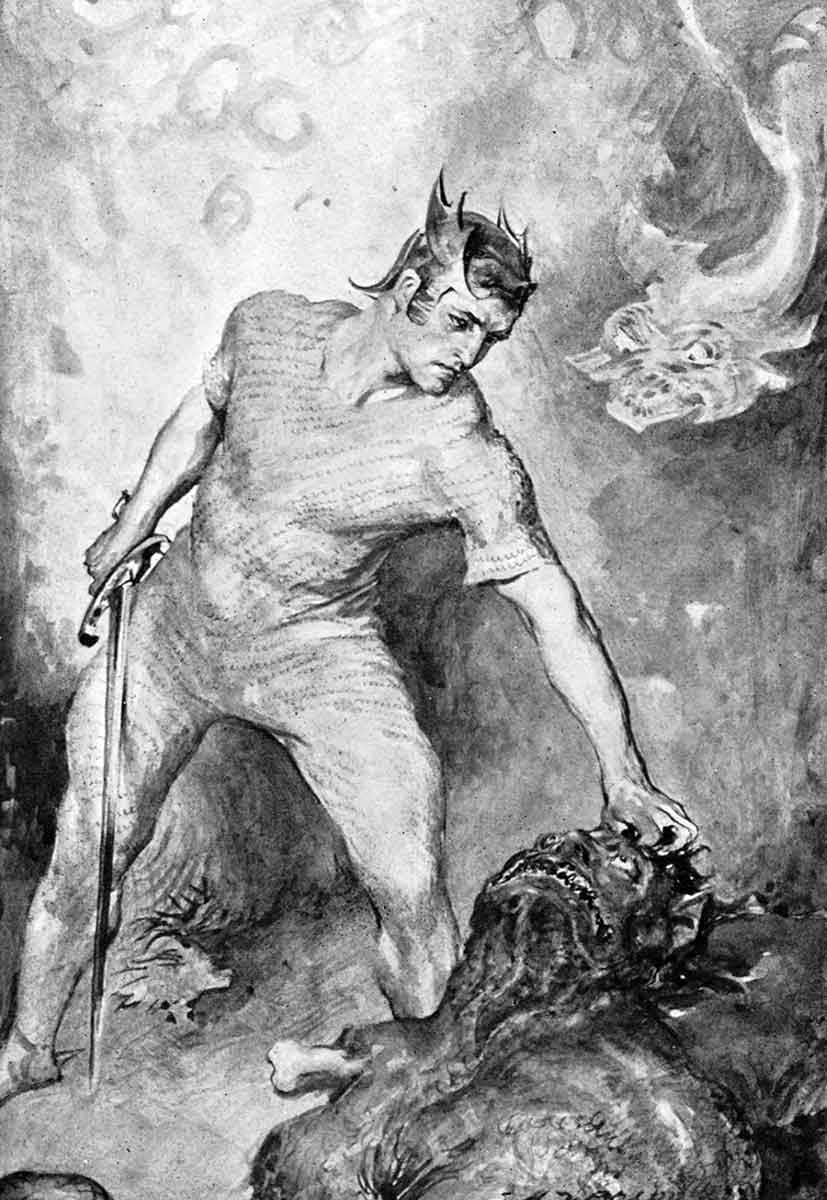
There are other things that we can say about Grendel that might point to who, or what, he is. Grendel appears to have the rough physiognomy of a human being. He is referenced as possessing hands, arms, and shoulders. He has a mother, who is also a monster of some kind. Yet, what stands out principally about the poet’s description of Grendel is the lack of physical descriptors that are used. Grendel’s hatred and malice are what define him, and the poet seems to deliberately leave his physical nature to the imagination of the audience.
Grendel’s Borderlands
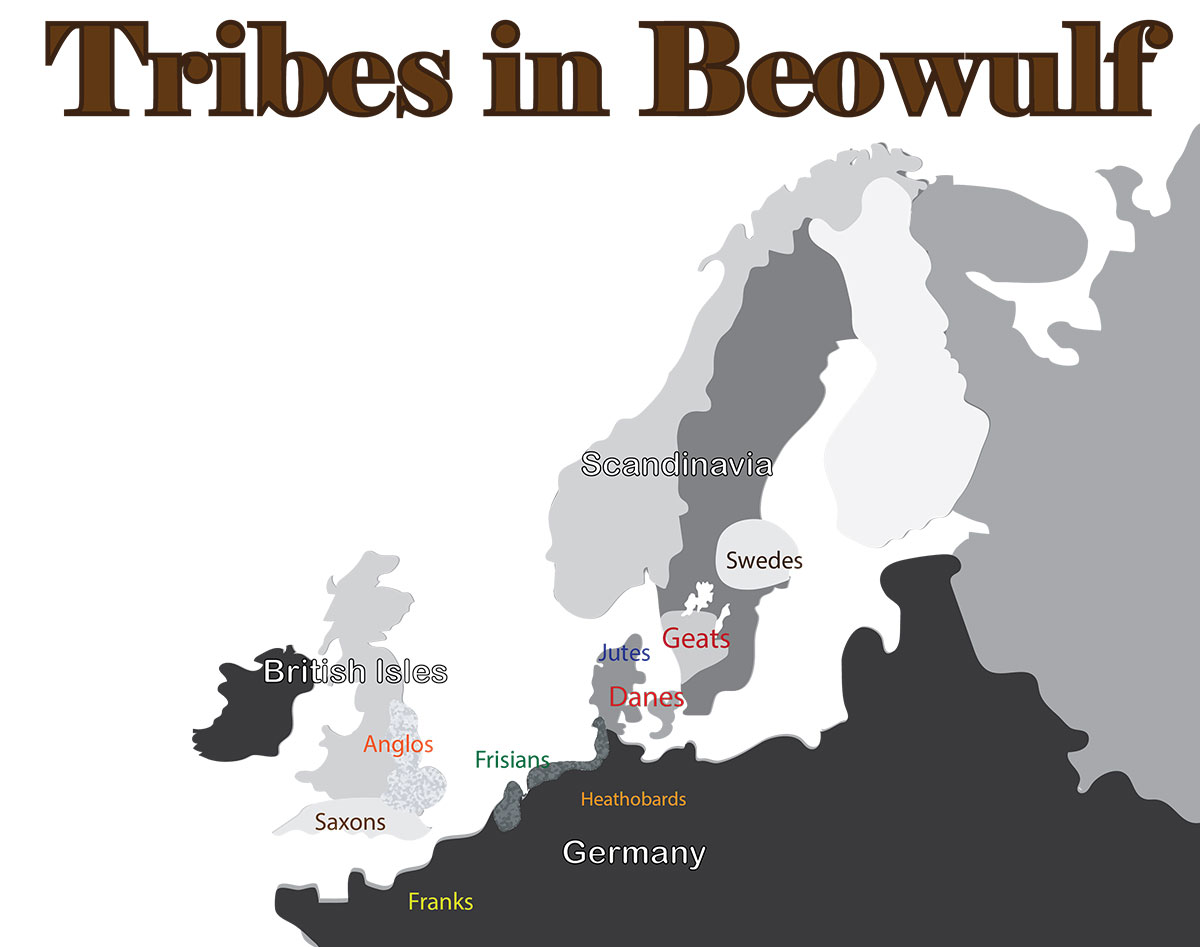
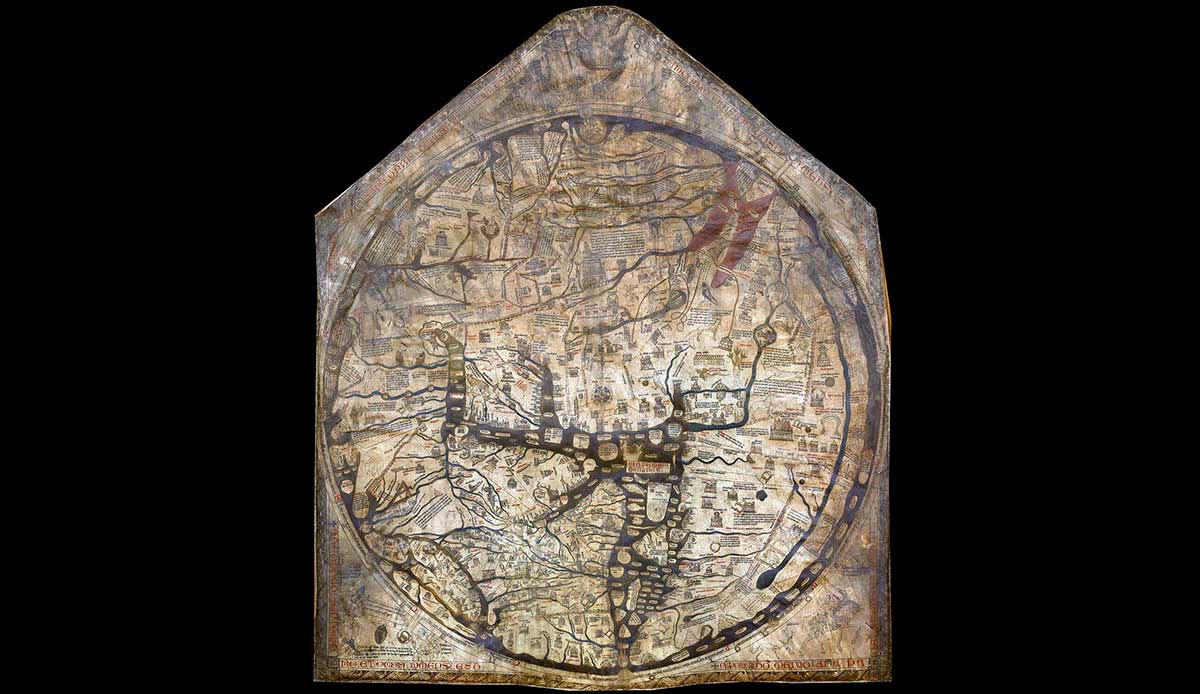
Another important aspect of deciphering Grendel is where he comes from. Grendel exists on the fringes of the world of humans in Beowulf. He is described as lurking in the fens, which was likely inspired by the area of wetland swamp in eastern England, which, during the Anglo-Saxon Period, was a very prominent feature of the English landscape and mostly uninhabitable. Grendel is also described as living in the “march” or “borders,” on the edge of this world. When he captures Hrothgar’s men, he is described as dragging them off to his lair, adding further horror to the place he inhabits.
Grendel’s realm is explicitly contrasted with King Hrothgar’s great hall of Heorot, which acts as the central hearth of the poem and the center of civilization, comradeship, and joy. The hall’s “radiance lighted the lands of the world.” It is the place in which the rules and customs that uphold this society, such as the generosity of the king and queen and the loyalty of their followers, are demonstrated in the poem. Grendel’s hatred of Heorot is how we are introduced to him, and it is in some ways his defining motive in the poem.

Heorot is at the center of the poem’s world, and Grendel comes from the edges of this world. He lurks on the borders away from the great hall, in a dark and mysterious landscape. His moving from these borderlands and breaking into Heorot is the central trauma around which the first part of the poem revolves. When Beowulf slays Grendel inside Heorot, the monster retreats back to his lair to die, emphasizing the separation between the world of the hall and the world that Grendel represents.
Grendel is a representation of the dangers of the world beyond. Whether Grendel evokes a fear of invasion from foreign foes, or a supernatural fear of the monsters that were thought to roam the edges of the world in early-medieval Europe, or both, is unclear.
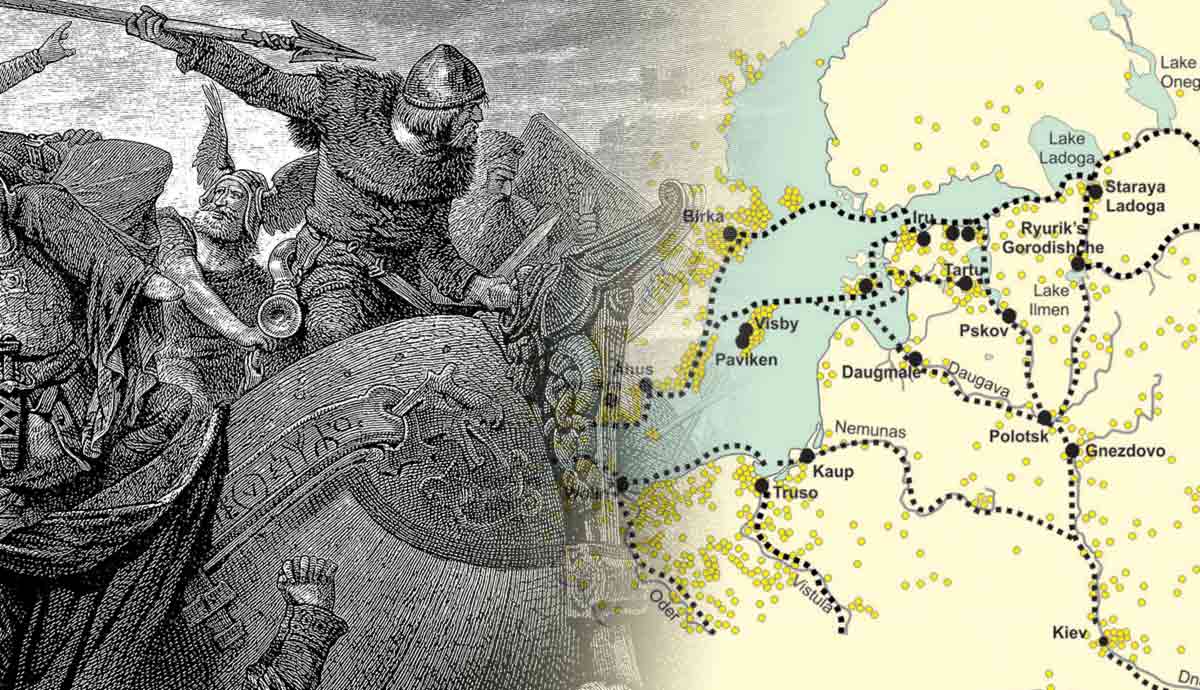
Some scholars have posited that Beowulf was first written down in the Viking Age, and that his depredations against Hrothgar’s hall were inspired by the brutality of Viking invasions and raids. It is also worth noting the elemental connotations of Grendel’s incursions upon Heorot. It is stated that “with the coming of the night came Grendel also,” as though the monster carried with him the fears of darkness itself. He is elsewhere described as “the walker in the night.”
The Character of Grendel
Whilst we cannot know very much about Grendel’s appearance and origins, the poet provides plenty of detail about Grendel’s character and, to some extent, his motivations. Grendel is often described in contrast to other things. He is defined to a large extent by what he hates and what he seeks to destroy.
Some scholars have seen in Grendel a perversion of the values that were central to the early-medieval North Sea world. Bravery is a primary value, yet Grendel demonstrates a reckless savagery and brutality that twists courage into a gross excess. In a world where community and kinship are central tenets of civilization, Grendel is a loner, infuriated by the gathering of people within Heorot and maddened by the sounds of communal society.
Grendel is described as being motivated by his rage against Hrothgar’s merry hall, and the poet describes the monster as entering into a feud with the king of the Danes. Blood feuds are described frequently throughout the poem, as is mentioned below, and the poet describes Grendel’s antagonism toward Heorot in similar tones.
The merriment and life brought by the hall so enrages Grendel that he wages war against King Hrothgar and his men for twelve years before Beowulf arrives. Grendel is thus an enemy who holds bitter grudges and who refuses to relinquish his hate. In a society where blood feuds were so prominent, such unrelenting bitterness and hate were arguably one of the worst traits imaginable, as it left no possibility to heal divisions and create peace.
Grendel’s Mother
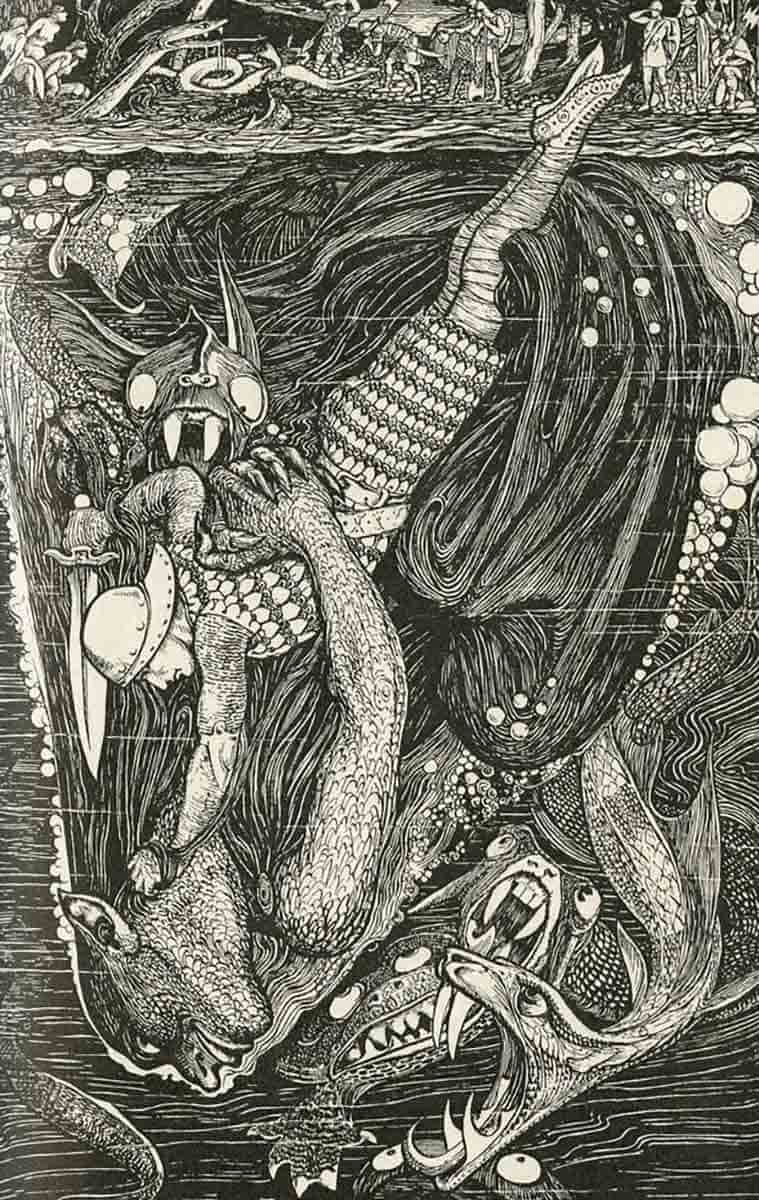
Grendel’s mother is a monster whose motivations are much easier to understand, both for us and for the early-medieval world. Grendel’s mother is described by the poet as an “avenger,” who is “ailing for her loss.” In the tradition of the blood feud, she seeks a violent revenge, a “wrath-bearing visit of vengeance,” against those who destroyed her son.
Her attack seems more calculated than the attacks of Grendel. Where Grendel would wreak devastation in his attacks on Heorot, Grendel’s mother entered the hall at night, captured a single warrior, and then retreated back to her home. Her actions seem calculated and even rational according to the logic of the blood feud, whereby a life is taken in return for a life lost.
The very existence of Grendel’s mother serves to humanize Grendel in some way, as we understand that Grendel’s death has caused pain for others as well as rejoicing. Grendel’s mother is similarly outcast, as she resides in a cave underneath a lake, a residence that the poet describes as a banishment representing the punishment for the crime of her ancestor Cain.
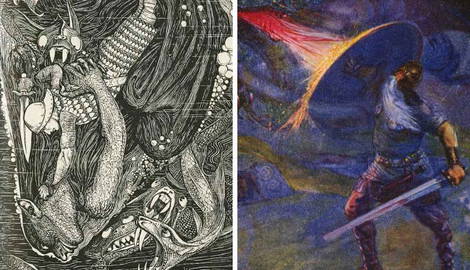
Beowulf’s confrontation with Grendel’s mother is particularly noteworthy because it sees the eponymous hero venture into the realm of the monsters. Where Grendel was fought in the heart of the mead hall, Beowulf has to literally submerge himself in a dark and mysterious world in order to battle Grendel’s mother. This again suggests the greater vulnerability of this monster, because where her son was the hunter and Beowulf the defender, here Beowulf has become the predator, invading the monster’s lair.
The Dragon
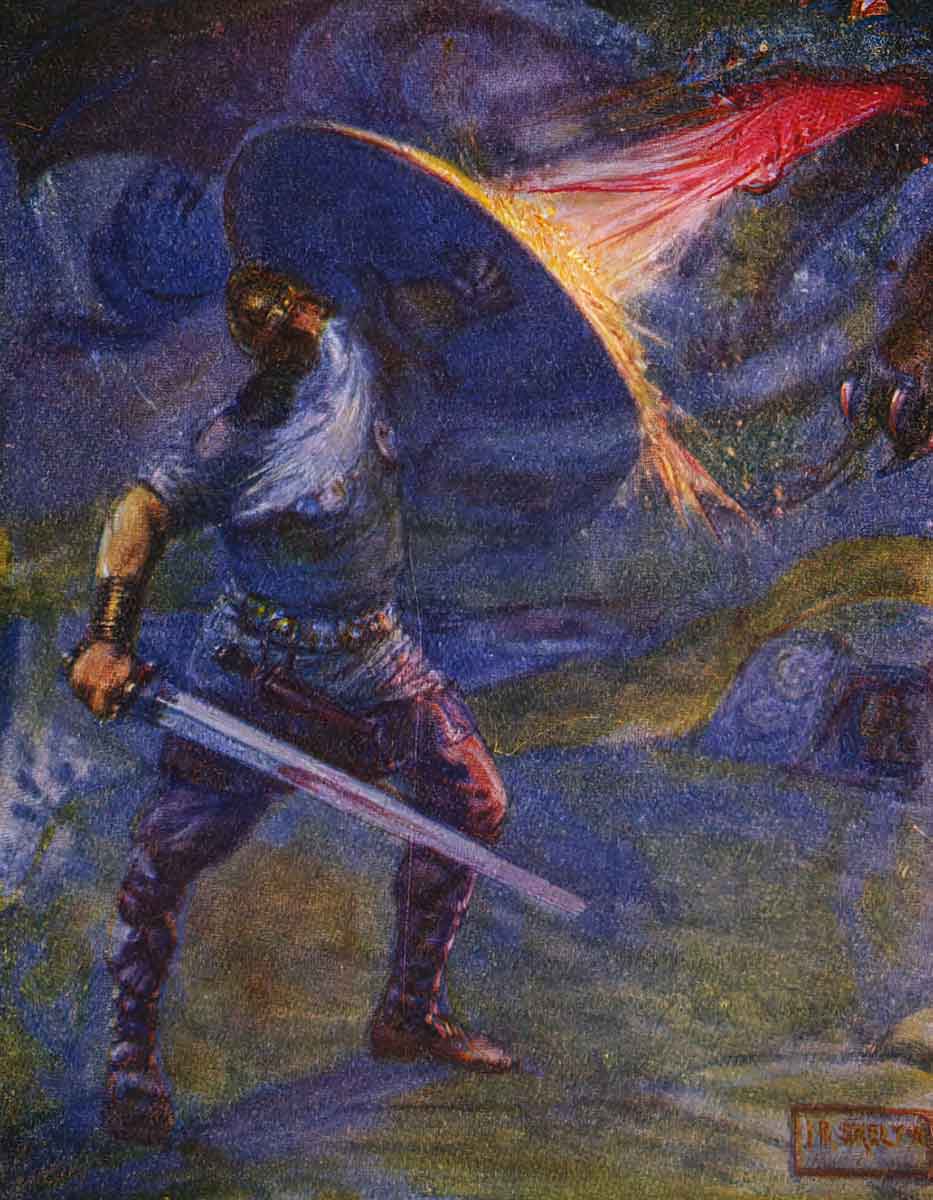
Where Grendel was motivated by hate and a lust for blood, and his mother by vengeance, the dragon represents another all-too-human vice: greed. Nowhere is Beowulf’s influence on the works of J.R.R. Tolkien more evident than in the story of the dragon beneath the barrow. In Tolkien’s The Hobbit, the dragon Smaug is obsessively possessive of the treasure hoard that he lies upon under the Lonely Mountain, and the realization that a single cup has been stolen riles him to fiery fury. In Beowulf, it is the taking of a single goblet from the dragon’s treasure hoard that provokes it to burn the lands ruled over by Beowulf.
When the dragon is slain, its treasure hoard is bestowed by Beowulf upon his people. The poet here marks a sharp contrast between the monster’s hoarding and the generosity of Beowulf, which was a trait that was expected of a good ruler in early-medieval Northern Europe.
Unlike Grendel or his mother, Beowulf’s dragon is almost devoid of anything recognizably human in its motivations. The poet does not seek to enter the dragon’s frame of mind in the way he tries to do with the poem’s earlier monsters. The dragon is described as bound to the treasure-hoard: “he is doomed to seek out hoards in the ground,” though its motivation for doing so seems to be a bestial greed.
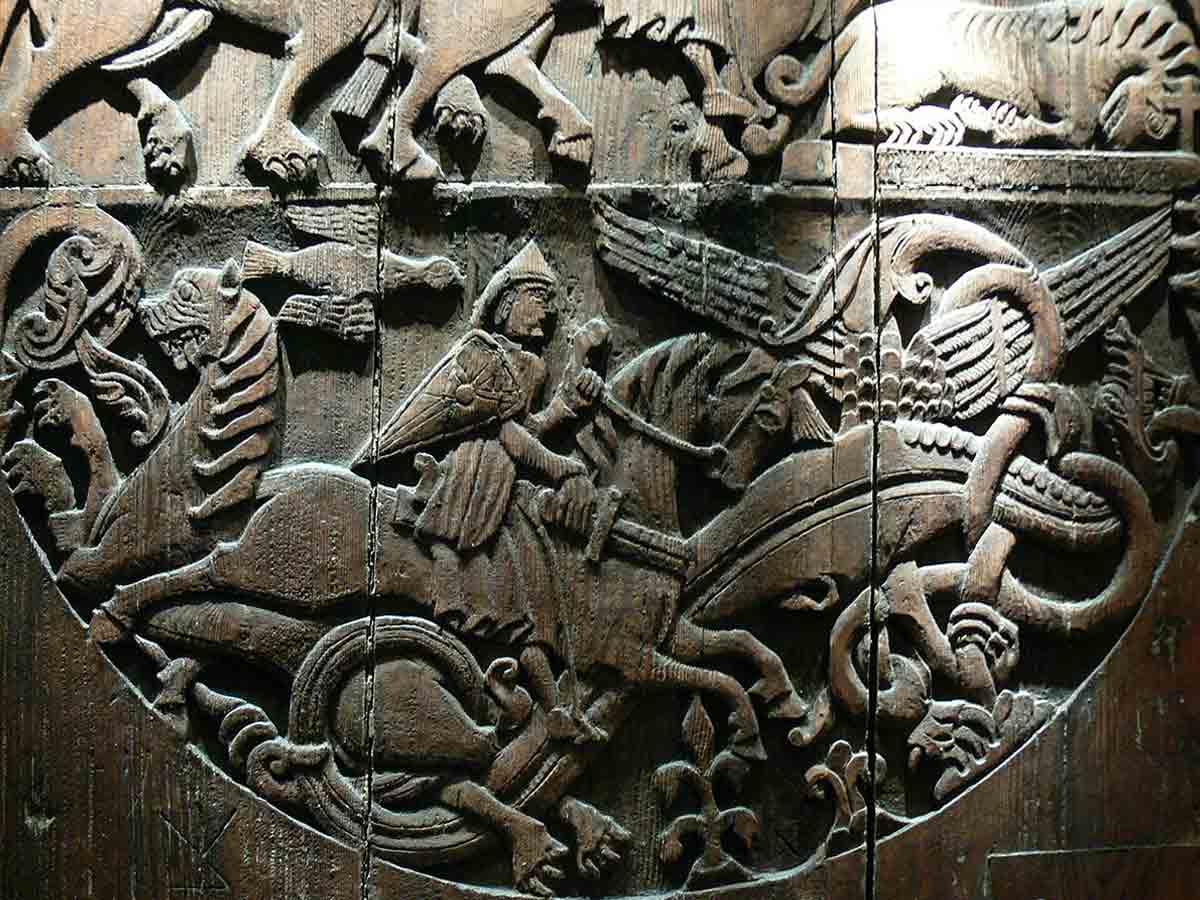
Yet the dragon is not totally mindless. It delights in war and fire and feud. Like Smaug in The Hobbit, the dragon has slept on its hoard for many years, and when roused by the theft of its treasure, it seems to relish an opportunity to unleash devastation. The Beowulf poet describes the dragon’s delight at the prospect of taking vengeance against the local people, and the eagerness with which it awaits nightfall before it sets flight and burns the surrounding settlements.
The dragon is viewed by some as an embodiment of fate for Beowulf. Many lines before Beowulf’s fight with the dragon begins, the poet hints to us that neither of the two combatants will survive their clash, and a sense of fate and foreboding surrounds the poet’s description of the combat. We are also told at the start of the fight that both of the combatants are in terror of the other, sensing that the conflict will be their doom.
The dragon represents a powerful enemy who brings devastation to ordinary people. In this way, the dragon is the perfect enemy for the poem’s hero, and in fighting it to the death, Beowulf can complete his heroic arc and perish as a defender of his people.
The Blood Feuds
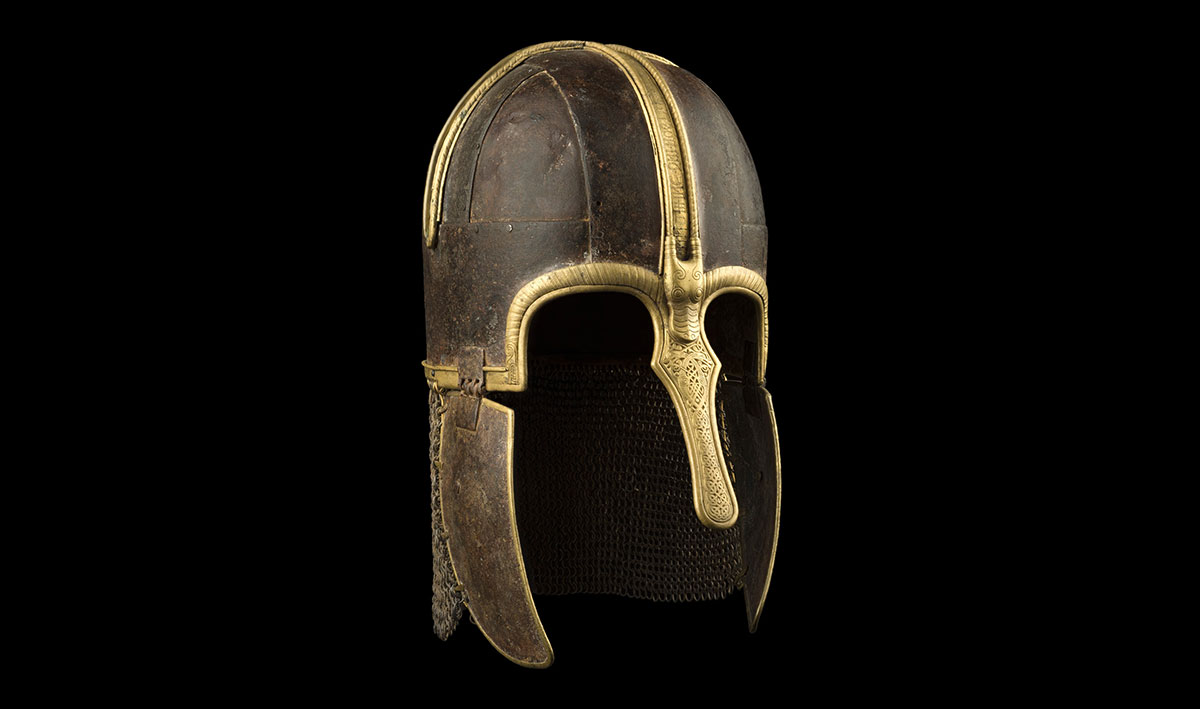
Whilst the monsters take central stage in Beowulf in representing the forces of darkness, there is another destructive force that lurks around the edges of the poem: the blood feud. Whilst the poem centers on Beowulf’s struggles against the monsters, the poet presents a world riven by blood feuds between families and clans.
During reprieves to the central narrative of Beowulf’s conflict with the various monsters, the poet gives us a sense that most of the death and destruction in this world comes from the endless cycles of violence that plague the people of this world.
Great rulers like Beowulf are shown as bringing peace to their people, yet the description of the aftermath of Beowulf’s death points to the violence and chaos that can break out as soon as these mighty leaders are gone. Beowulf’s loyal retainer Wiglaf, when breaking the news of Beowulf’s death to the Geats, warns them that war looms over them. Wiglaf describes how long-running feuds with neighboring peoples, triggered by wars of years ago, will lead to their taking retribution on the Geats now that their leader, Beowulf, has been slain. Grudges in this world live on down the generations, and can spark fresh bloodshed at any time.
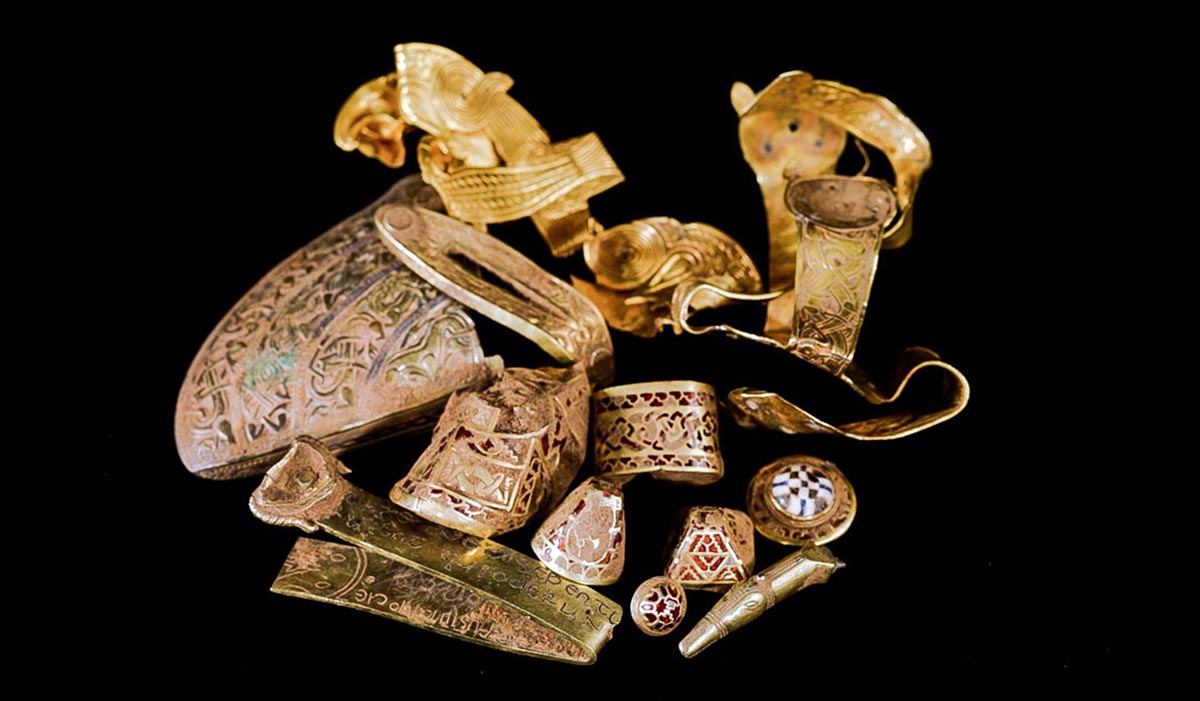
Beowulf himself speaks of feuds on his return to the Geats from Heorot. The hero describes the tragic inevitability of the feud. Marriages can make peace between people for a time, but memories of past conflict will always rise again and spark war anew. The old will relate to the young memories of battles lost and relatives slain, and so the young will be moved to vengeance, and the cycle continues.
In many ways, the blood feud is the true heart of darkness within the world of Beowulf. Monsters can be slain, and their death brings rejoicing, heroism, and unity amongst afflicted peoples. Yet, the blood feud continues from generation to generation, and the poet warns that it will bring devastation to the people of Beowulf’s world long after the hero’s death.