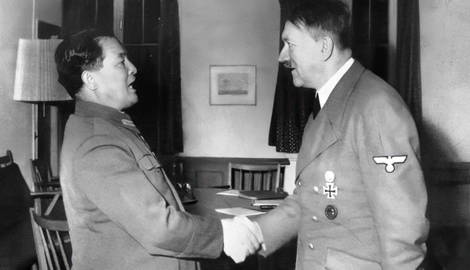

From 1927, China endured a civil war between the Nationalist government (Kuomintang, or KMT) and communist forces, lasting up until 1949. From the beginning, the KMT secretly received significant military support from Nazi Germany. Germany aimed to oppose the spread of communism and utilize Chinese resources. The KMT sought to modernize its army and transform the economy through the assistance of Germany, which was the only European power without Asian and Pacific colonies following the end of WWI. Read on to discover more about China-Germany relations during the Chinese Civil War.
The Beginning of the Chinese Civil War
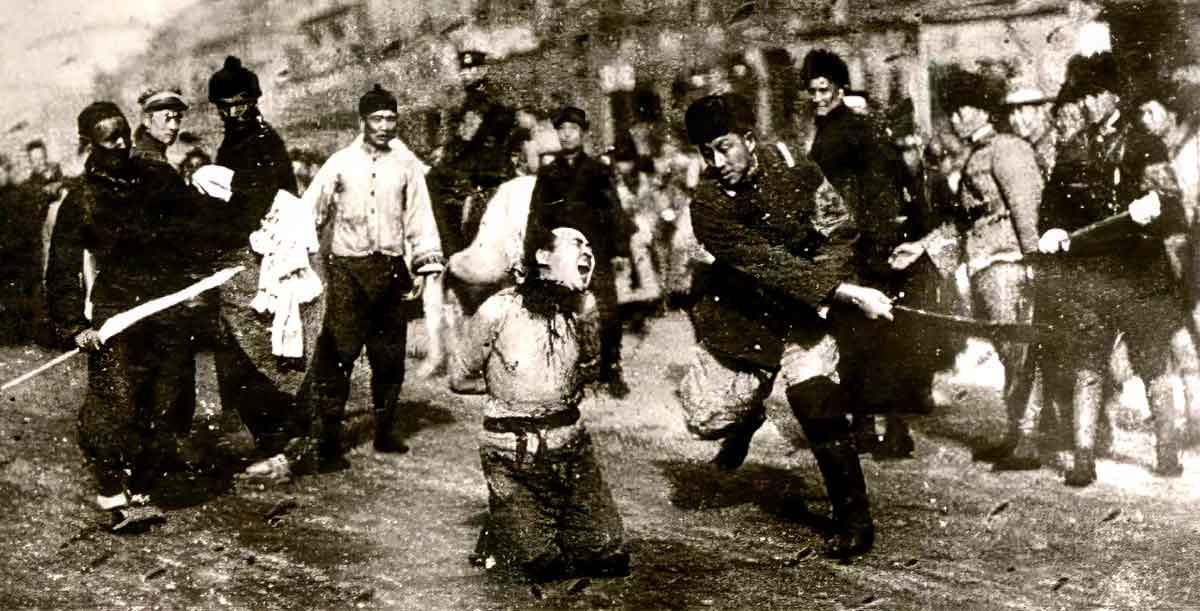
The Chinese Civil War erupted in early 1927 between the Chinese Nationalists (Kuomintang, or KMT) and the Chinese Communist Party (CCP) as they struggled to assert control over China. As the conflict developed, external powers, including Germany, utilized the crisis to advance their nationalist cause: post-World War I remilitarization and rapid industrialization.
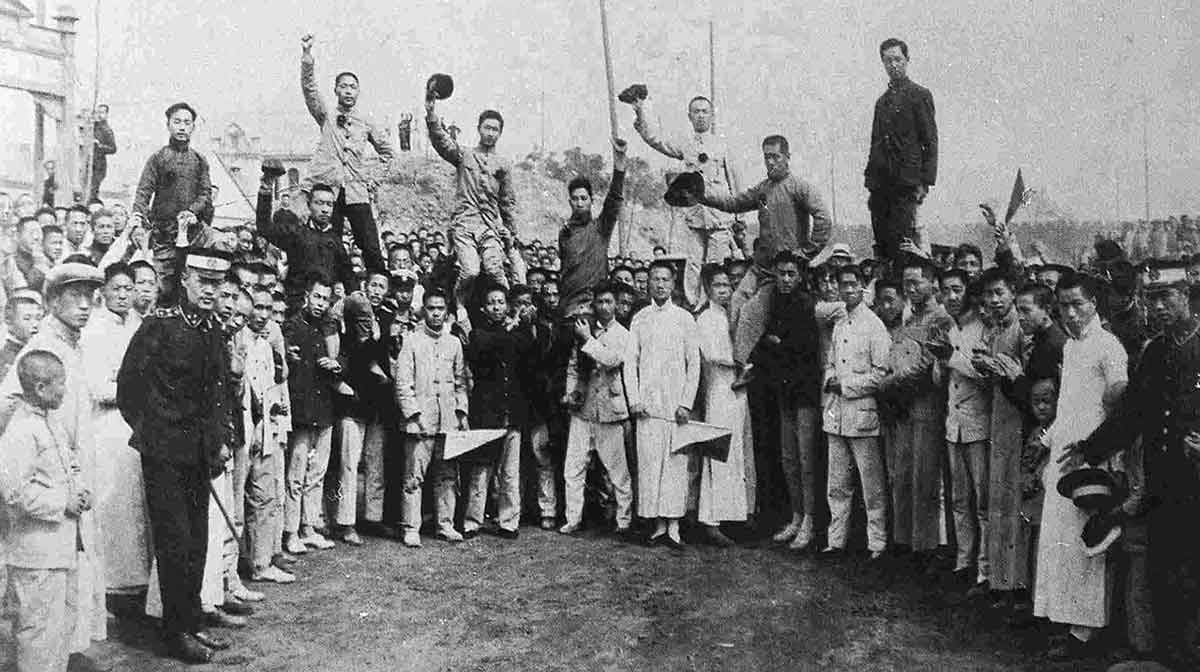
The Chinese Civil War gradually unfolded with the establishment of the CCP. The party’s precursor can be found in the formation of the May Fourth Movement, created in 1919. The movement, composed of mainly angered students dissatisfied with the outcome of World War I, organized a mass demonstration in Beijing on May 4, 1919. The World War I-ending Treaty of Versailles forced Germany to cede its overseas colonies, including the Shandong Province, to the historical rival of China, Japan, instead of the victorious China.
The May protest reached the Tiananmen Gate, where students burned Japanese goods and books, expressing their dissatisfaction with both foreign actors and the Chinese Nationalist government’s inability to resist foreign imperialism. The May Fourth Movement marked a turning point in establishing the CCP in Shanghai in 1921.
By 1927, the pressure between the CCP and KMT increased as they had diverging ideological reservations regarding the future of the Chinese nation. The Nationalists sought national unification and modernization, while the Communists sought to establish a socialist state through a peasant revolution.
This stark ideological divide escalated tensions, culminating in the Shanghai Massacre on April 12, 1927. The leader of the KMT, Chiang Kai-shek, ordered a violent purge of communists, inducing a protracted civil war that would last for the next two decades.
Post-World War I China-Germany Relations
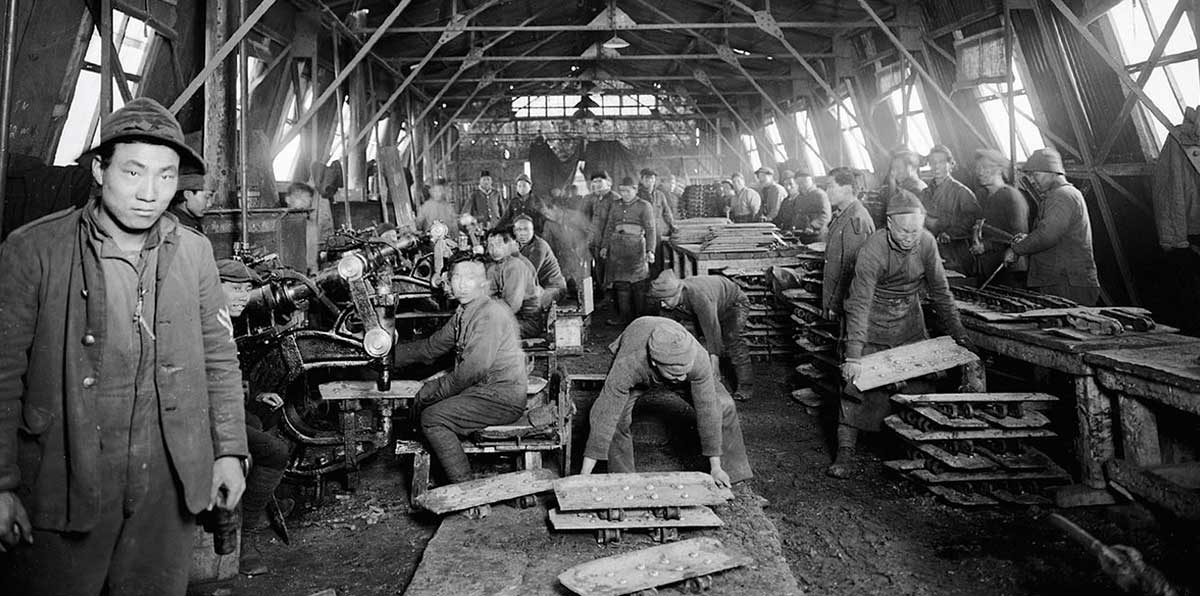
Germany was defeated in World War I. The war-ending Treaty of Versailles of 1919 envisaged the demilitarization of Germany, which left many German veterans and wartime officers jobless. By the late 1920s, Germany was undergoing a rapid industrialization process and was in search of new trade markets for an exchange of raw materials. Indeed, a new market would accommodate the needs of the rapidly developing German industries. From a political standpoint, Germany sought to reclaim dominance in East Asia to counter the increasing influence of the Soviet Union.
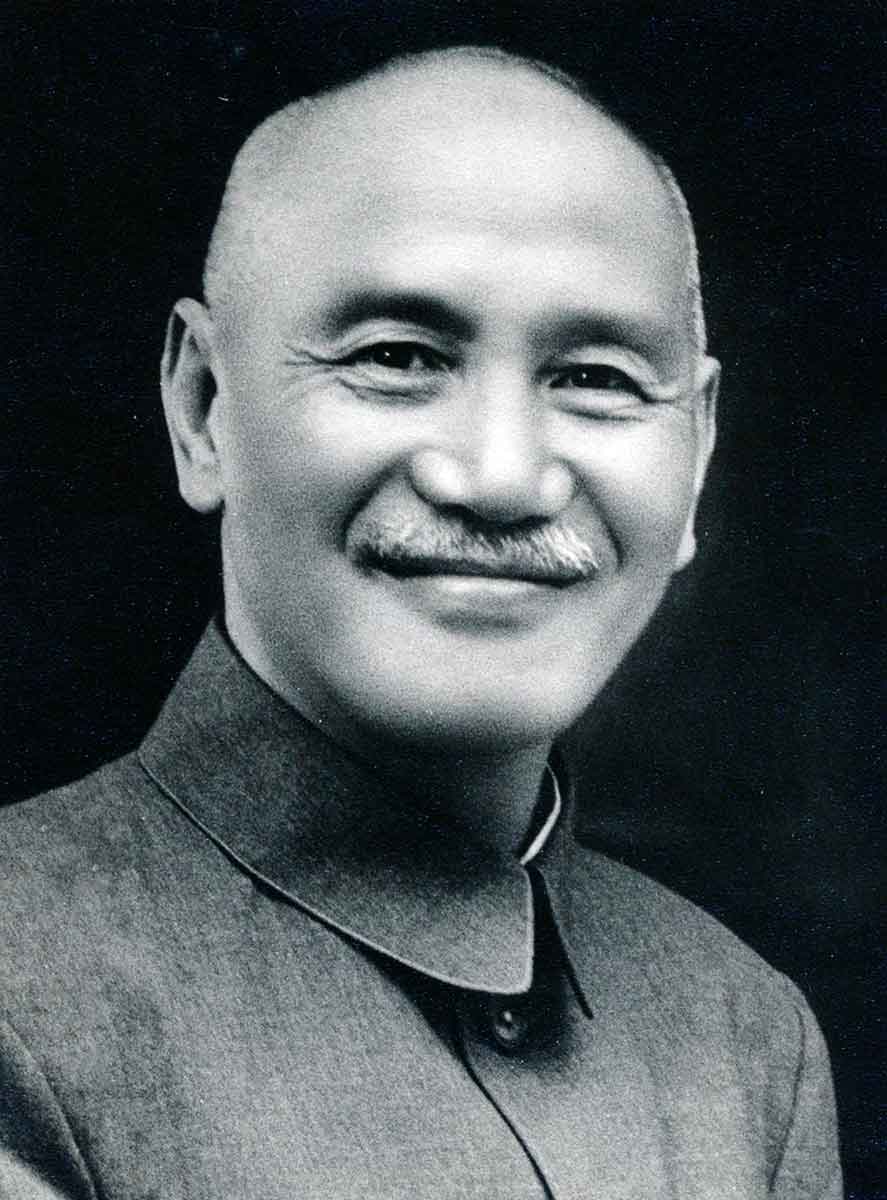
China’s Nationalist Party, under the leadership of Chiang Kai-shek, focused on national unification and modernization. Being in conflict with the Chinese Communist Party, in 1924, the KMT established the National Revolutionary Army (NRA) and sought the assistance of foreign powers for military training and support. Chiang Kai-shek aimed to modernize the country to combat the rapidly developing internal opposition and external threats in the face of rising Japanese imperialism.
Germany and China found common ideological ground amid the rising influence of communism, which threatened Germany’s foreign policy aspirations to regain a dominant place in the European continent. On the other hand, the Chinese Nationalist government suffered internal insurgencies and fragmentation with the opposing Chinese Communist Party.
A special mission between China and Germany was established in 1927 to serve the two countries’ mutual political and economic interests. The mission aimed to send retired and active German military officers, consultants, and businessmen to China to assist the Chinese government in modernizing its army and reintegrating its economy.
German Military Assistance to Chinese Nationalists
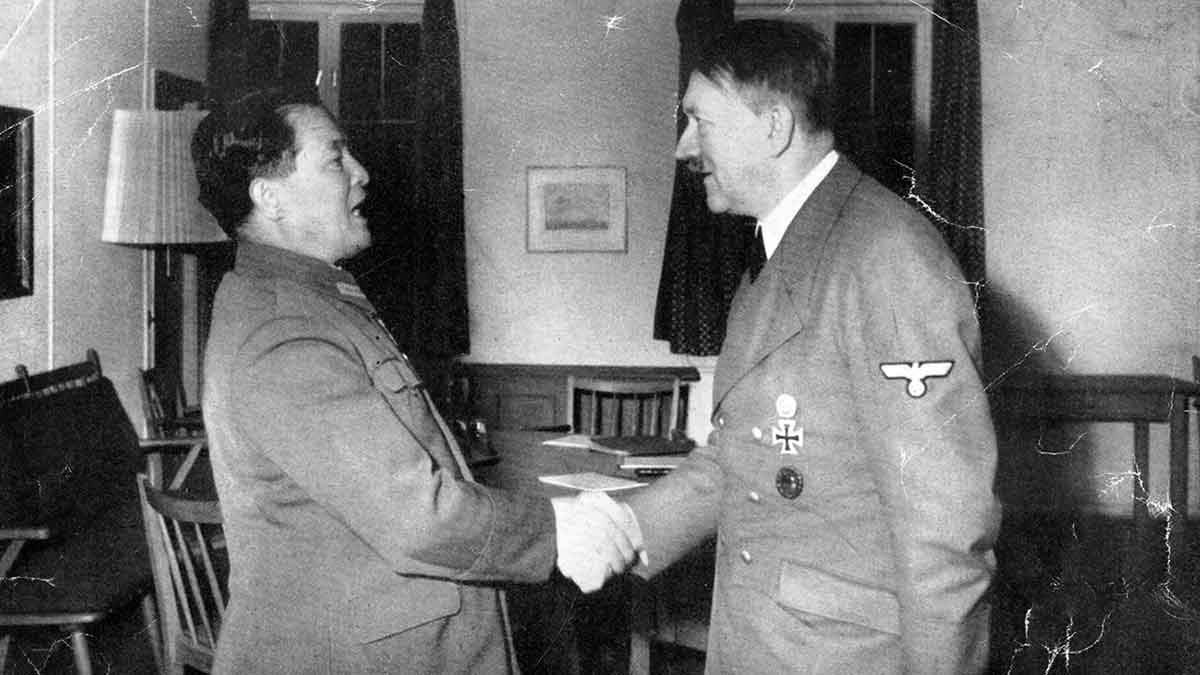
As a first step of the new China-Germany relations, Chiang invited German General Erich Ludendorff to China. Chiang asked Ludendorff to identify and assemble a group of German military, civil, and economic experts. Ludendorff approved the idea, though he feared that his role as a prominent and high-profile military person could undermine the idea at the basis of the cooperation. It could also lead to unnecessary diplomatic tensions and public grievances, especially among those who resisted foreign involvement in the internal affairs of China.
Instead, Erich Ludendorff suggested that Colonel Max Bauer, a less politically charged public figure, lead and assist the group of German officers in China. A veteran of World War I, Colonel Max Bauer was also a specialist in logistics.
Colonel Max Bauer arrived in China in 1928. He provided the Chinese government with various consultations regarding the military and economic modernization of the nation. Bauer advised the Chinese to cut military costs by ordering from arms manufacturers directly instead of relying on intermediaries. Chiang approved the idea, as it aligned with the nationalists’ goal of modernizing the army while conserving resources.
By the first half of the 1930s, just before Adolf Hitler became the chancellor of Germany in 1933, China-Germany relations grew steadily and gradually. The arrival of a prominent military strategist, General Hans von Seeckt, in May 1931 proved successful. He introduced advanced military tactics to the Chinese military. In particular, General Hans von Seeckt installed the concept of Blitzkrieg—a military tactic intended to create psychological shock and disorganization in enemy forces through the employment of surprise, speed, and superiority.
General Hans von Seeckt advised that a small but well-equipped and trained military force would achieve more success in countering the communist forces, as opposed to a large and disorganized army. This would also assist in expanding the units capable of mobile warfare.
By the early 1930s, the Chinese Nationalist government followed the advice of Colonel Max Bauer and stockpiled weapons by directly purchasing from manufacturers and reached a higher level of national security.
By the mid-1930s, the cooperation reached such a level that Chiang Kai-shek sent his adopted son, Chiang Wei-Kuo, to Europe to receive military training at the Wehrmacht academy. He participated in the Nazi invasion of Austria in March 1938, wearing a Nazi uniform and swastika on his chest. With this move, Chiang intended to demonstrate his commitment to the strategic China-Germany relations.
This period also saw the intensification of clashes between Chiang Kai-shek’s Nationalist government and Mao Zedong’s Communist forces. One of the most significant events represents the Fifth Encirclement Campaign during 1933-1934—Chiang’s massive offensive against Communists in Jiangxi Province. It resulted in the Communists’ retreat in the historic Long March (1934–1935). Until Japan’s invasion of China in 1937, neither side could secure decisive control.
Sino-German Economic & Industrial Cooperation
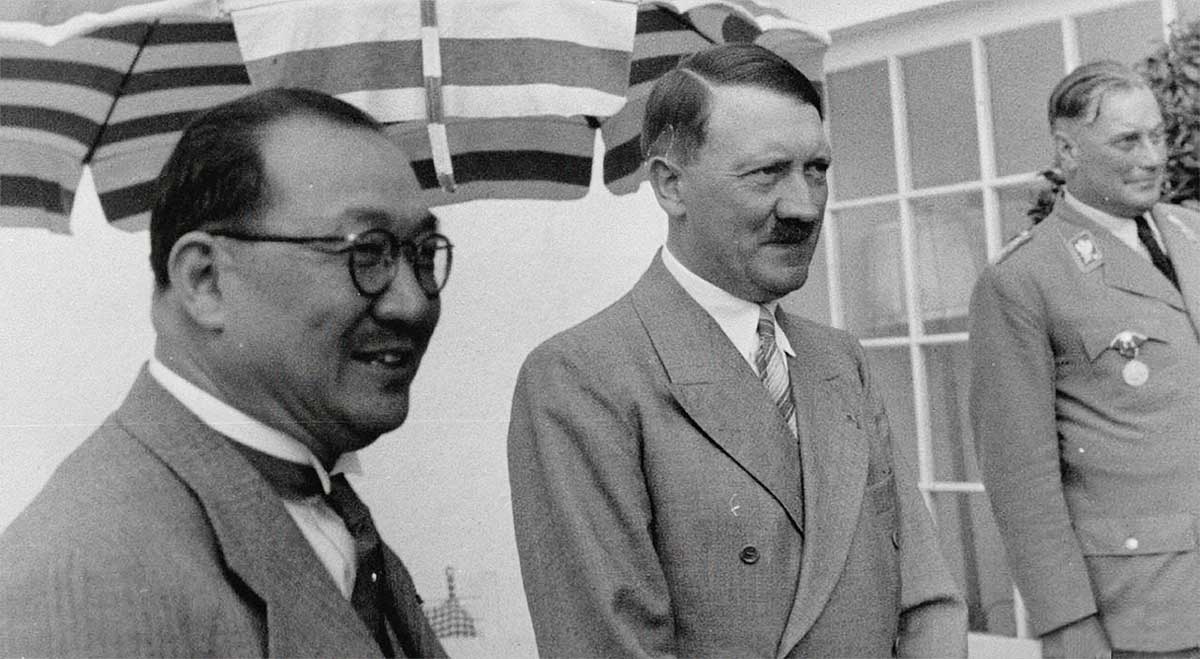
Every involved party benefited from the dual Sino-Japanese cooperation. For example, German industrial firms invested in Chinese infrastructure projects, railways, manufacturing, and several other industries.
During the short period of relative peace in China until the beginning of the Second Sino-Japanese War in 1937, the Chinese government reformed its economic system to make it more suitable for German investments. Through these reforms, Chinese bureaucratic processes became less scrutinized, and the government initiated tax incentives for foreign businesses.
As direct financial aid, in 1936, Nazi Germany extended a credit line of 100 million Reichsmarks to China. In turn, the credit was utilized to purchase German industrial equipment, military supplies, and technology and to finance joint infrastructure projects.
General Hans von Seeckt played a key role in advancing economic cooperation between the two countries. Utilizing his personal influence, he convinced several German firms to cooperate and invest in China, particularly to further the development of the region south of the Yangtze River. In this regard, the German engineering firms Krupp AG and Siemens-Schuckertwerke proved instrumental in providing material and technological support to expand the strategic Wuhan-Guangzhou Railway.
Additionally, German manufacturers IG Farben and Bayer, collaborating with Chinese enterprises, established chemical manufacturing plants to produce fertilizers and industrial chemicals. This, in turn, supported the development of Chinese agriculture and industrialization processes.
Another well-known German manufacturer, Mercedes-Benz, provided civilian vehicles, trucks, and machinery to the Chinese government.
The Japanese Invasion & the End of the German Assistance in the Chinese Civil War
In 1937, the Second Sino-Japanese War began. The event is commonly considered the start of World War II in Asia. The conflict not only reshaped the political landscape in the region but also significantly impacted the unique China-Germany relations.
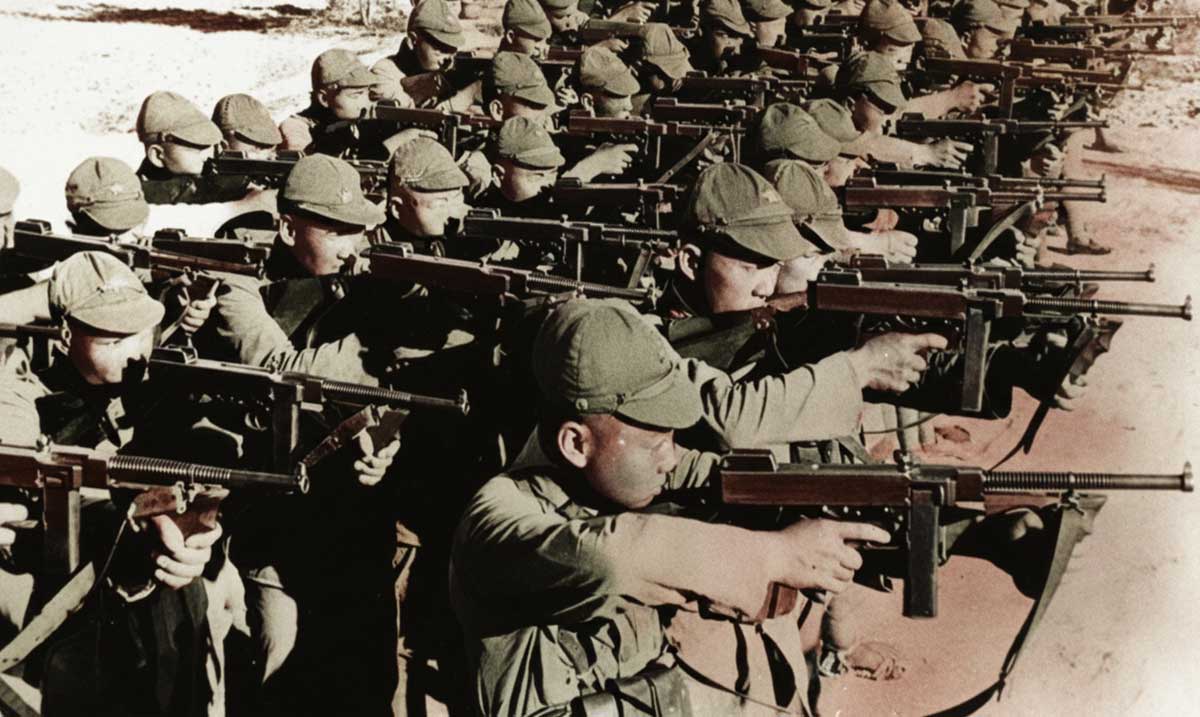
Nazi Germany continued its assistance program at the initial stages of the Second Sino-Japanese War. The assistance proved successful in countering opposing Japanese forces. The Chinese units, trained and advised by the German military officials, achieved significant success.
The Battle of Shanghai, held during August–November 1937, represents one of the key examples of the German influence on the Chinese Army. Chinese troops were equipped with German immunities and trained by the German military. They fiercely defended Shanghai from Imperial Japanese forces, causing the delay in Japan’s advance.
The leader of the Third Reich, Adolf Hitler, sought to mediate peace between Japan and China—his two anticipated key allies in Asia; however, peace could not be achieved due to the diverging territorial and political disputes.
Eventually, the Chinese Civil War was suspended from 1937 to 1945 following the temporary and fragile truce, known as the Second United Front, between the ruling Kuomintang and the Chinese Communist Party. The truce aimed to jointly oppose the Imperial Japanese invasion.
The truce reshaped the geopolitical landscape. When the Kuomintang became allied with the CCP, Adolf Hitler had to pick sides, and he chose Japan, his future ally during World War II.
In 1938, the Third Reich suspended its assistance mission to China, effectively ending a period of unique China-Germany relations.