Because the idea of magic is often associated either with evil forces or with the purely fictional, it is sometimes avoided in discussions of phenomena encountered in the Bible. However, if magic is defined neutrally and if pejorative connotations of it can be avoided, it can be a useful term for thinking about some of the dynamics at work in some biblical stories.
Interacting With the Spiritual Realm
The idea of “magic” is a modern construct. It is a way of thinking about certain practices as distinct and separate from that which is scientific. However, in the biblical world, this distinction was absent. Instead, practices, events, or approaches to problem-solving that can be called “magical” today were simply a part of reality in the biblical worldview.
Magic can be thought of as careful, calculated attempts to manipulate spiritual forces in order to effect change in the perceived world. As such, it sometimes involves the use of physical tools. Examples of goals that a person performing magic might have in mind are healing illnesses, producing food and water, bringing rain, affecting fertility, exorcising demons, deflecting curses, or sending curses.
It can be helpful to distinguish magic from other kinds of interaction between humans and the divine in the Bible. For example, prayer refers simply to communication between a human being and God. Whether or not a desired outcome is achieved has no bearing on whether or not prayer has occurred. Magic, by contrast, is supposed to “work.” That is, it is supposed to achieve a desired result. In that sense, prayer can be thought of as essentially relational, while magic is essentially utilitarian.
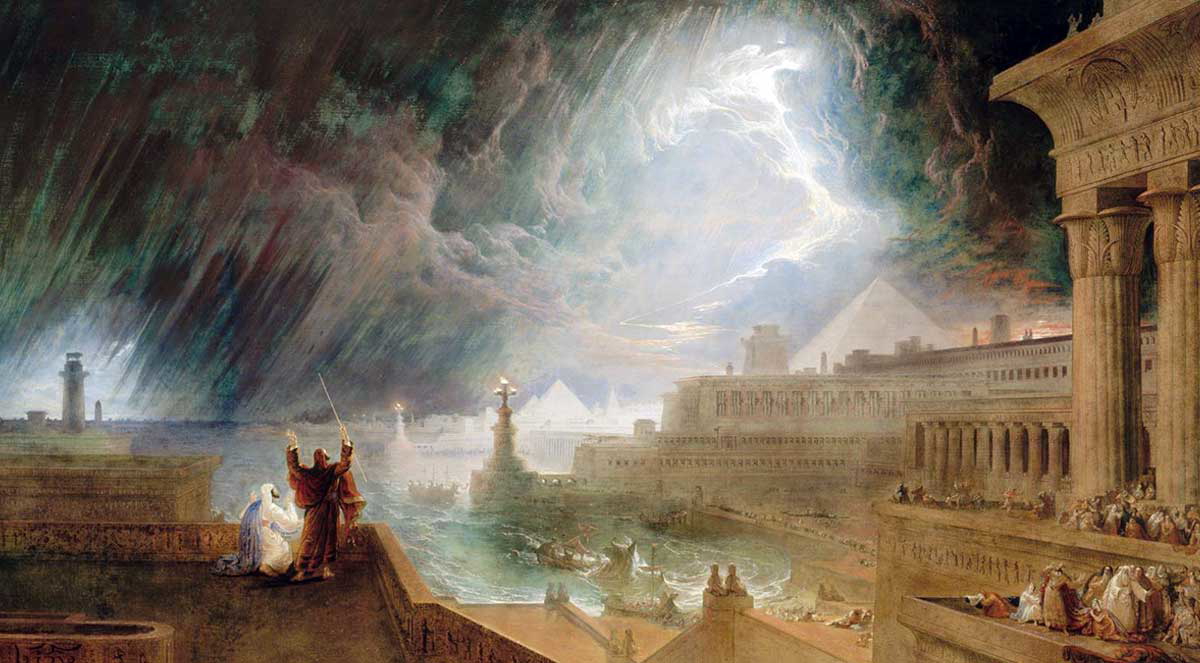
Divination is also different from magic. Divination has to do with acquiring knowledge from the spiritual realm that would otherwise be hidden from humans. In and of itself, divination is not an attempt to change anything in the real world, like magic is. While sacrifice can be a tool of magic, it usually functions simply as an offering to a deity. Like prayer, it is more relational than utilitarian.
1. Jacob’s Fertility Sticks
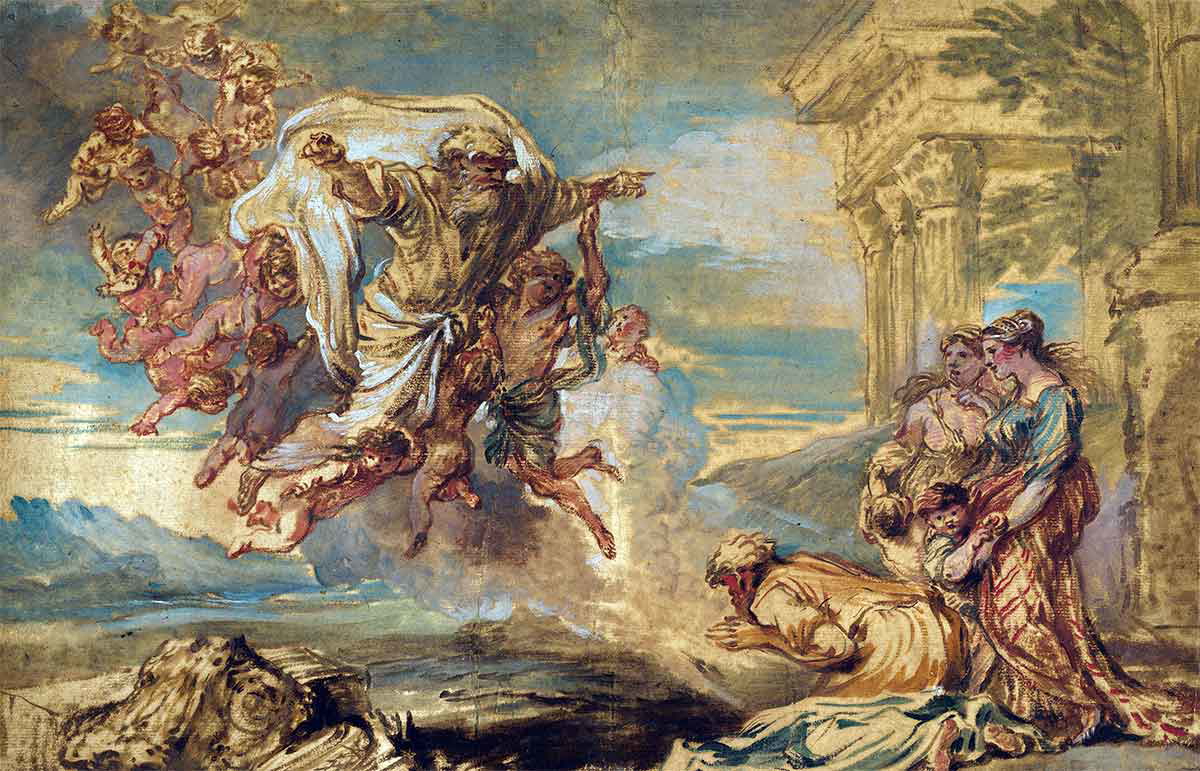
At least twice in the story of the Patriarch Jacob, objects are used to manipulate fertility. The stories appear in Genesis, where Jacob is presented as a shrewd schemer. Having cheated his twin brother Esau out of his inheritance rights, Jacob must flee to the house of his uncle Laban, his mother’s brother.
Laban proves to be cut from the same schemer’s cloth as Jacob, and the two run into conflict as they try to outwit each other. As Laban’s shepherd, Jacob one day proposes a deal with him: in exchange for Jacob’s labor, all of the speckled and spotted offspring born into the flock under Jacob’s care would belong to Jacob, while all of the clean-coated lambs would belong to Laban.
Laban, ever the conniver, agrees to the deal. But, the same day, he removes all of the spotted adult sheep and goats from Jacob’s flock and puts them under the charge of his own sons, three days’ distance away. This leaves Jacob with only unspotted animals—the animals least likely to give birth to bespeckled offspring.
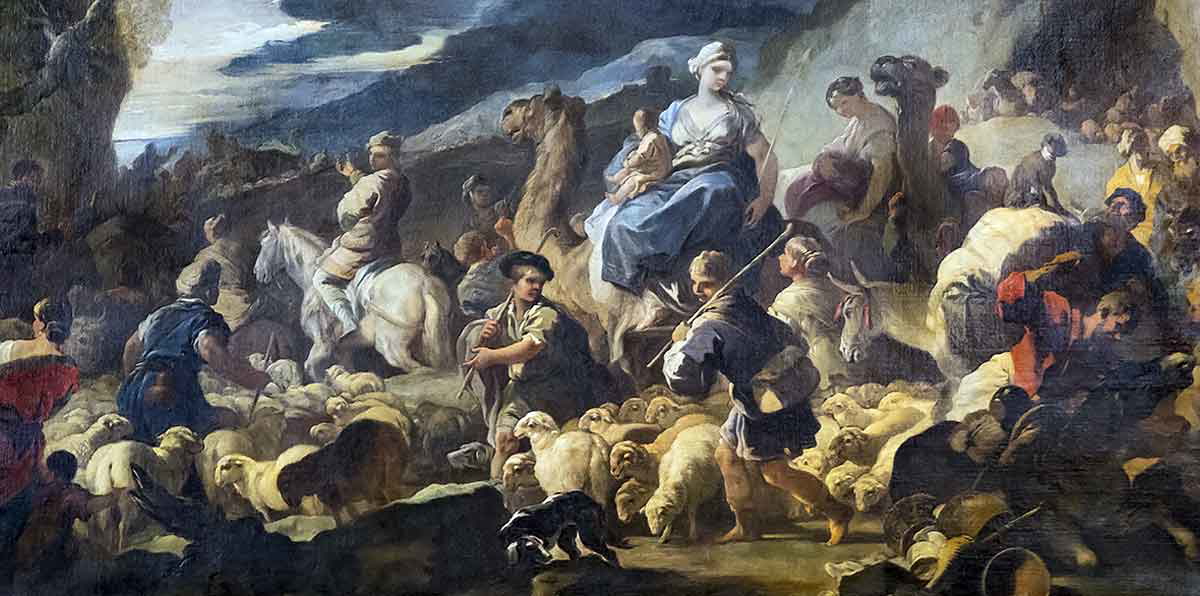
But Jacob has a plan. He cuts green sticks from various kinds of trees and peels the bark off of them in places so that they appear stripped and spotted. He then puts these sticks in the sight of the flock’s feeding troughs, where they are most likely to breed. In addition, Jacob only allows the stronger, healthier of the flock to breed in the presence of these sticks.
The speckled, spotted, and striped sticks’ presence in the sight of the breeding sheep and goats causes them to give birth to speckled, spotted, and striped lambs and kids. Jacob, thus, becomes richer, and Laban’s scheme is foiled.
2. Leah’s Mandrakes
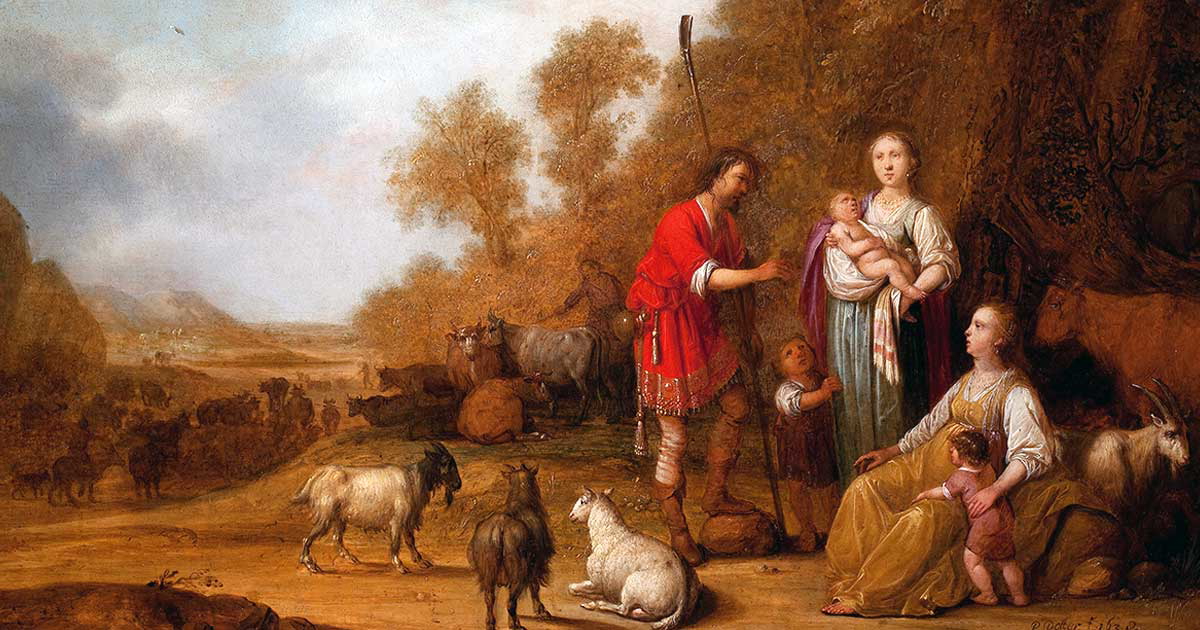
Competition in the Jacob saga is not limited to the men. Jacob’s two wives, Leah and Rachel, who are Laban’s daughters, find themselves locked in a fertility competition as each vies for Jacob’s favor. Each gives Jacob her maidservant as a secondary wife, and it is from these four women that the twelve tribes of Israel are born (Israel would become Jacob’s divinely-given name).
Amid the rivalry, Leah’s oldest son, Reuben, finds some mandrakes growing wild in a field. Mandrakes have a long history in magical practices, even appearing in the second novel of J. K. Rowling’s Harry Potter series, Harry Potter and the Chamber of Secrets. Rowling’s employment of the plant in the Harry Potter saga follows a Medieval European tradition that connects its use to witchcraft. But the biblical tradition is in an older stream of magic, in which this plant’s power is utilized to help in the making of babies. It is imagined that the roots of these plants resemble, variously, male or female genitalia, or people embracing—images that can be associated either with sexual desire or conception itself.

While the mandrakes in the biblical story play a role insofar as it is clear that Rachel, Leah, and Reuben believe in their efficacy, the narrative itself does not necessarily suggest that they are effective. When Rachel asks Leah to give her some of the mandrakes, Leah agrees—but only on the condition that Leah be allowed to sleep with Jacob that evening.
Using this strategy, Leah eventually conceives three children by Jacob, even though Rachel is Jacob’s preferred wife. Did Leah use mandrakes at some point in becoming pregnant? It is unclear whether or not the mandrakes play any effective role. But as a bargaining chip in her fertility race with her sister Rachel, Leah’s magical plant proved invaluable.
3. Staff of Power: Aaron’s Astonishing Walking Stick
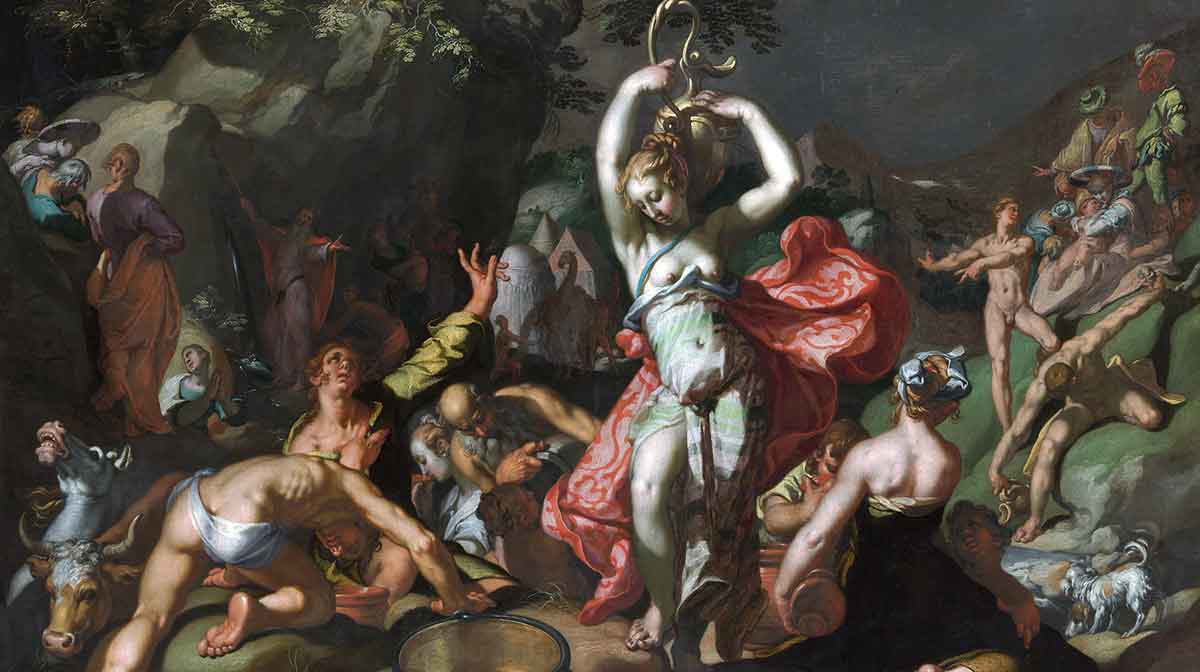
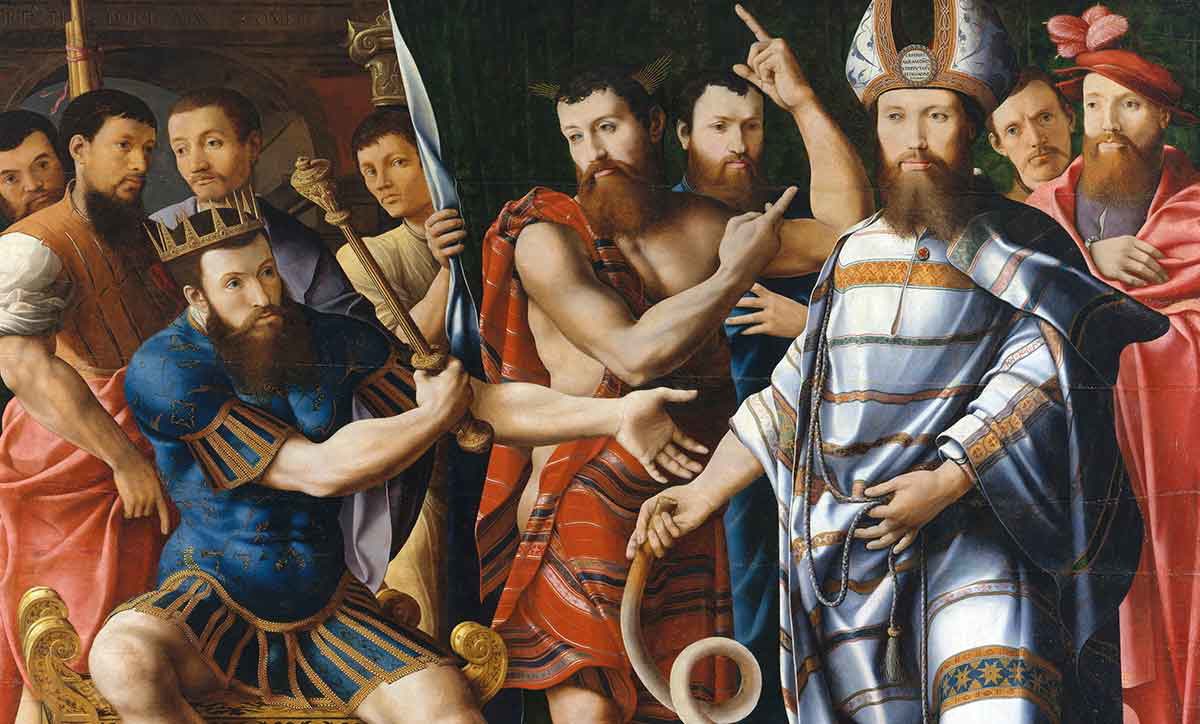
Perhaps the most famous magical object in the Bible is the staff of Aaron. As a shepherd, Moses surely had his own staff. But his older brother Aaron’s staff, wielded by Aaron at Moses’s command, was the right combination to effect a series of astonishing phenomena in the story of Israel’s exodus from slavery in Egypt.
The stick’s debut as a power-infused object comes at Moses and Aaron’s initial confrontation with the Pharaoh. At Moses’s command, Aaron’s staff turns into a snake. When Pharaoh’s magicians are able to do the same with their own magical rods, Aaron’s slithering staff devours theirs. The same rod turns Egypt’s waterways to blood, extracts legions of frogs from its rivers, turns dust into gnats, and summons hail, thunder, and fire from the sky.
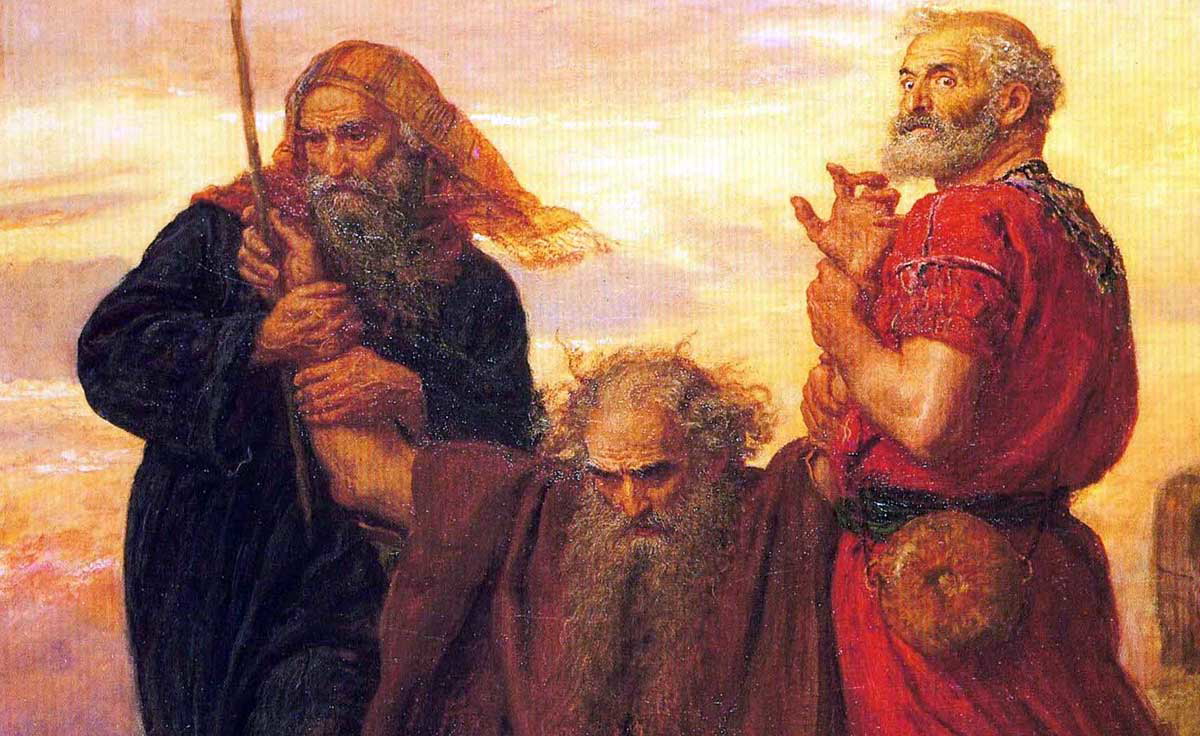
Moses uses the staff to divide the waters of the Red Sea, and it reappears again in stories from Israel’s wanderings in the Sinai wilderness. By holding it above his head, Moses is able to turn the tide of a battle in Israel’s favor as they fight with the Amalekites.
In another story, God commands Moses to speak to a rock from which God was planning to cause a spring of water to miraculously emerge. But Moses strikes the rock with the magical staff instead. Curiously, though this act of disobedience angers God, the water flows anyway. Apparently, the staff had powers that Moses could wield even when God did not want him to use it.
Aaron’s staff reportedly sprouts blossoms spontaneously, and eventually becomes one of the items housed in the Ark of the Covenant—another of the Bible’s magical objects.
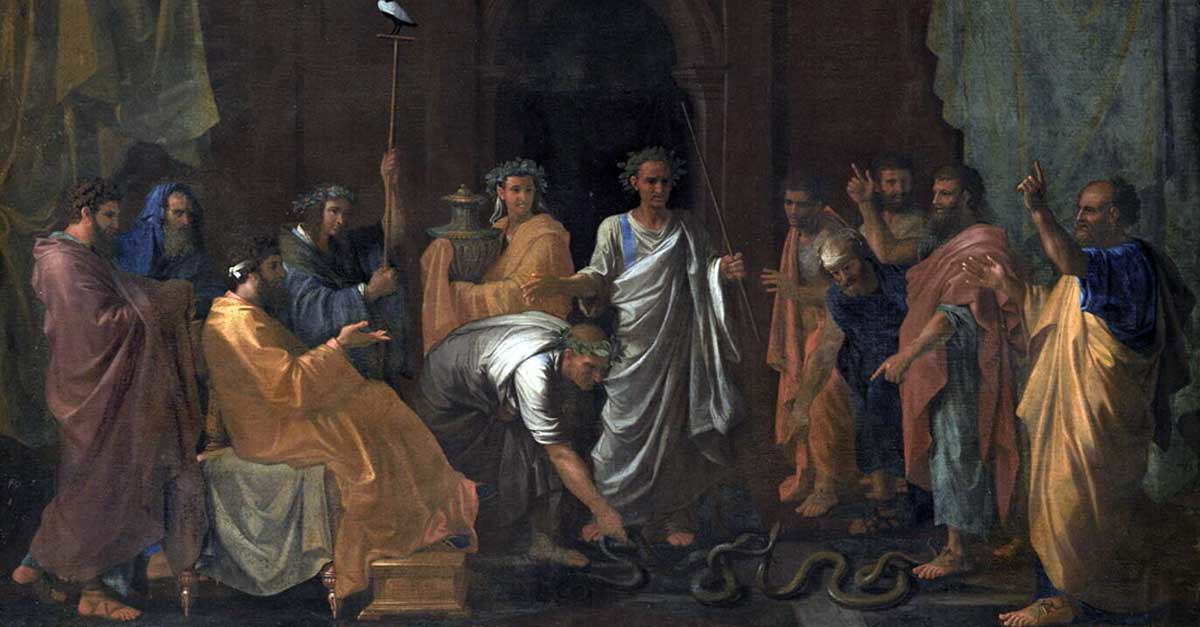
Perhaps inspired by Aaron’s staff, the prophet Elisha later tries to use his own walking stick to heal a boy. But when the staff fails, Elisha’s physical presence is required to effect the healing.
4. Water-Bending Jacket: Elijah’s Cloak
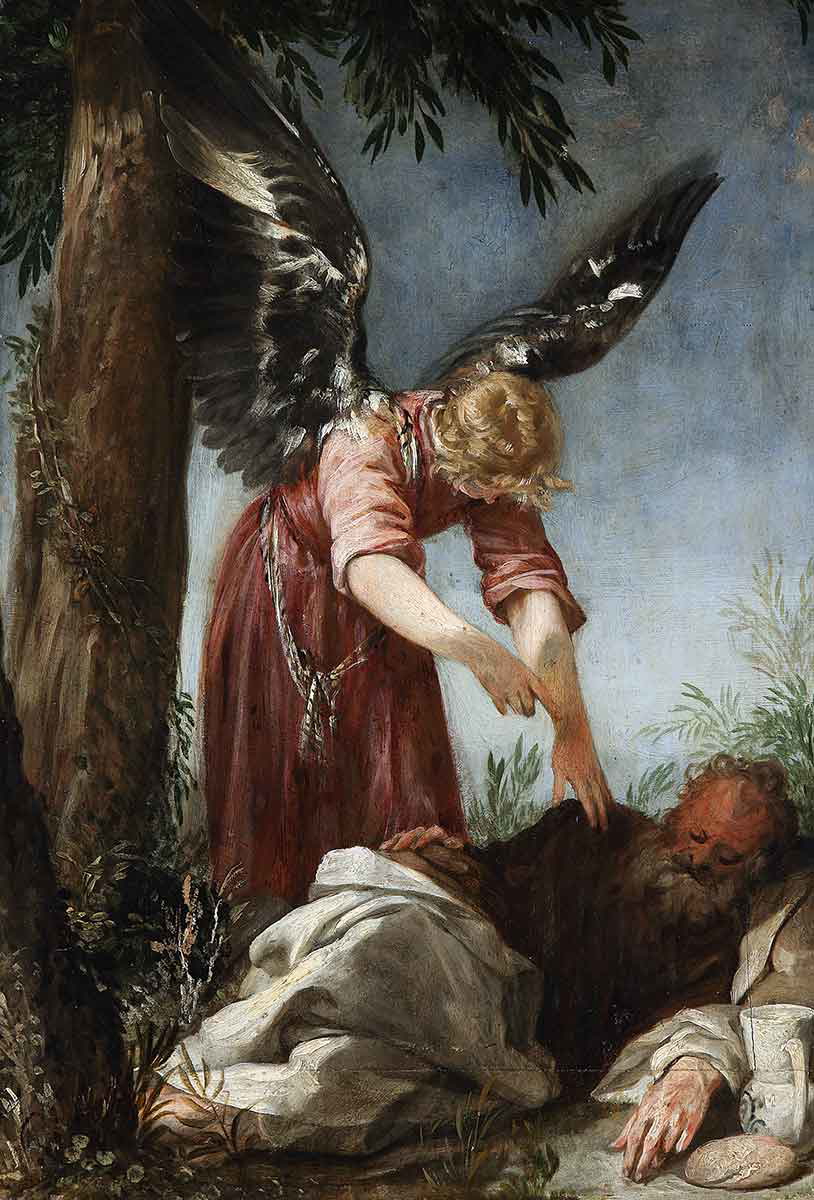
Bible readers first hear of Elijah’s cloak in the story of his encounter with God on a mountain called Horeb, which is traditionally associated with Mount Sinai, where Moses was given the Ten Commandments. There, as Elijah takes refuge in a cave receiving revelations from God, he steps out of the cave’s mouth into God’s presence. But perhaps in order to protect himself, he covers his face in his cloak. Though the significance of this action is not specified in the text, this cloak’s exposure to the divine presence may explain its later significance in the narrative.
Elijah and Elisha loom large in the narrative of the biblical books of 1 and 2 Kings. Elijah signals his intention to pass his prophetic spirit on to Elisha by approaching him from behind as Elisha is plowing and placing his cloak on Elisha’s shoulders.
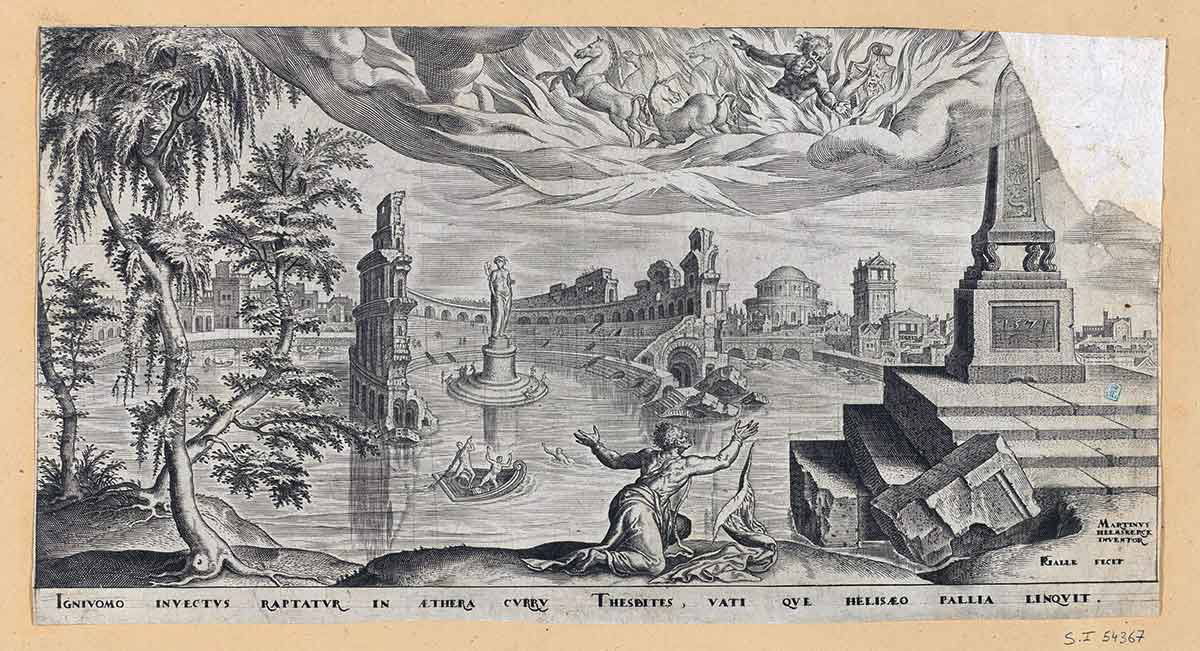
Later, Elijah uses his rolled-up cloak to part the waters of the Jordan River as Elisha stands by watching. Elisha soon becomes the sole witness of the fantastically unparalleled end of Elijah’s life—not in death, but in removal from the Earth by a heavenly, fiery chariot. Elijah leaves only one item behind as he is ushered into the sky: his cloak.
Elisha picks the garment up and proceeds to cross with it back through the Jordan River on dry land, just as Elijah had done. The magic cloak becomes a sign that Elisha has inherited the prophetic power of Elijah.
5. The Bronze Snake That Heals Snake Bites
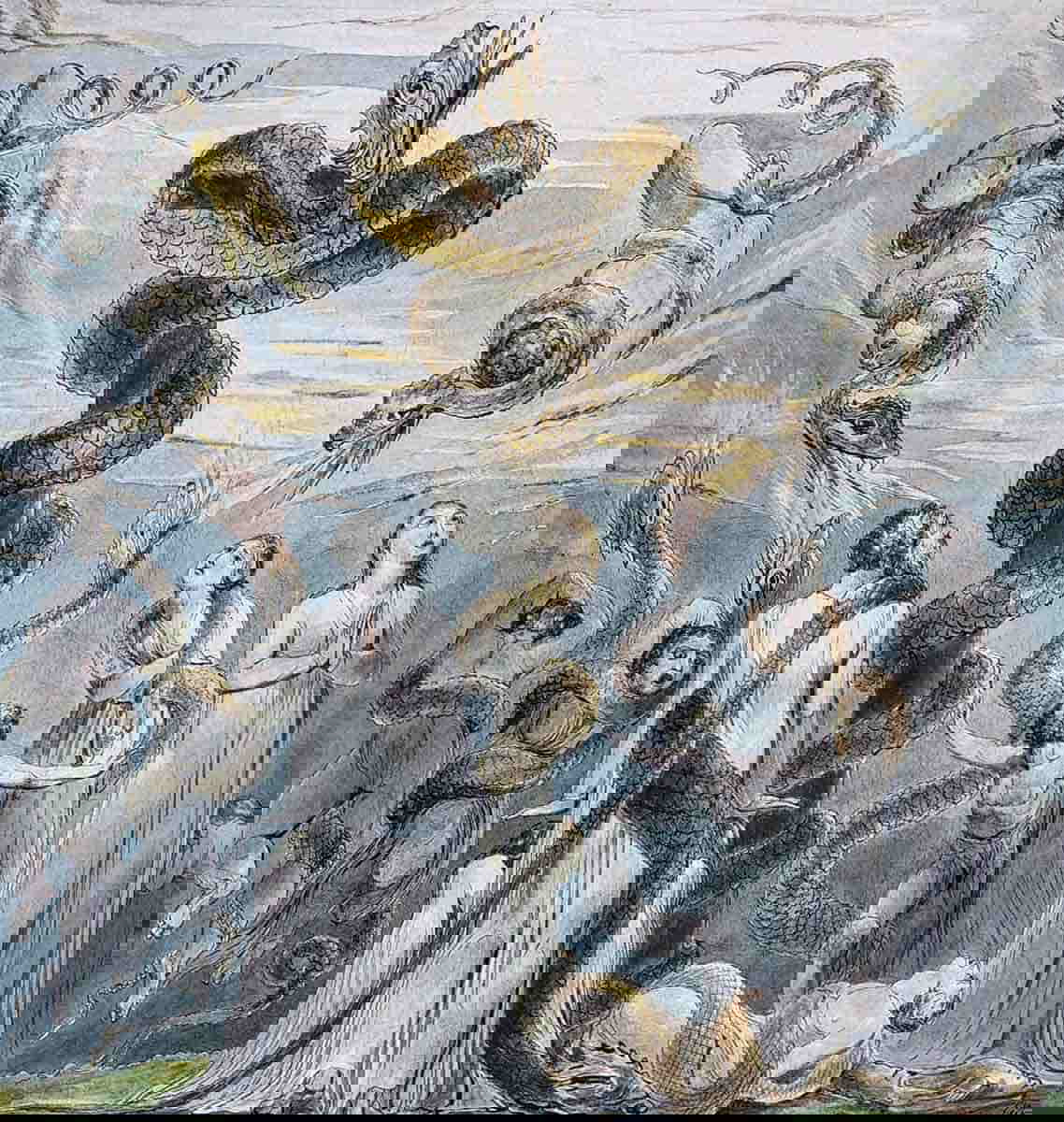
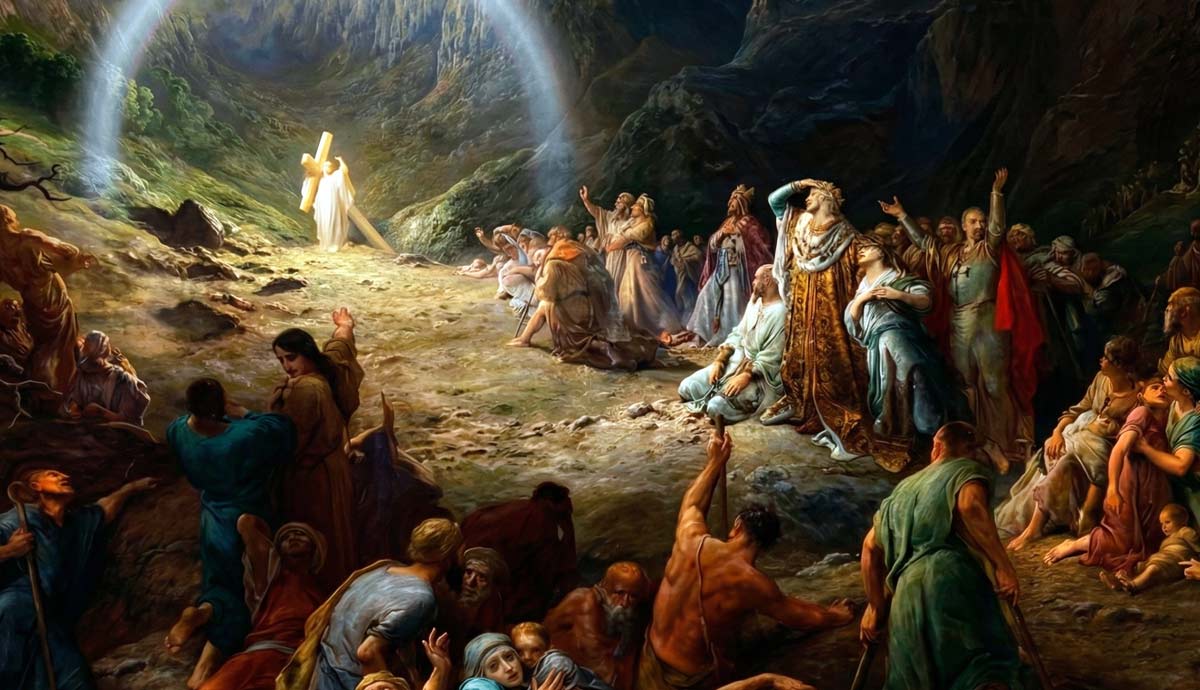
Another powerful object from the story of Moses and the Israelites’ years of wandering in the Sinai wilderness is a bronze snake. When God is angered by the people of Israel’s complaining, he sends “fiery serpents” (maybe referring to saw-scale vipers) among them. As many die of the poisonous venom, the people ask Moses for help. God then instructs Moses to fashion a serpent and erect it on a pole in the sight of the people. If anyone who had been bitten by a snake looked at this statue, their life would be spared.
Perhaps not surprisingly, given its incredible powers, this bronze serpent later became an object of ritual worship in Judah. But the reformer king, Hezekiah of Judah, had it destroyed, along with other religious objects considered cancerous to Israelite religion.
6. Not a Normal Box: The Ark of the Covenant Magic
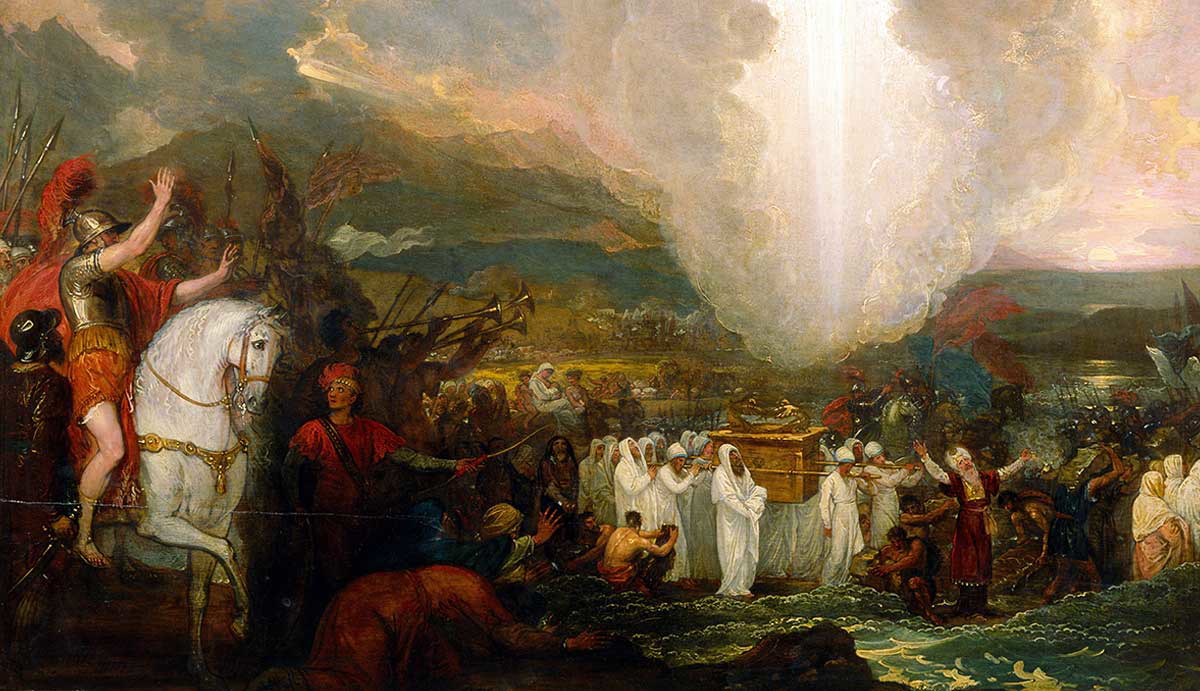
The Ark of the Covenant, named for the copy of Israel’s covenant with God that it contained, is a scary thing in the Bible. Fashioned by Moses on Mount Sinai, at some point, it became hazardous—even deadly—for anyone to touch it except for certain qualified priests. For ancient Israel, this decorated box represented the throne on which God sat in their midst.
This box’s power first appears in the Bible when God commands Joshua to send four priests, bearing it on their shoulders, into the middle of the Jordan River. This conjures an invisible dam for the river, allowing the people to walk across without getting wet. The Israelites later carried the ark as they encircled the city of Jericho, whose walls famously came tumbling down. Though not stated explicitly, the presence of the ark seems to have been a part of their successful conquest of that city.
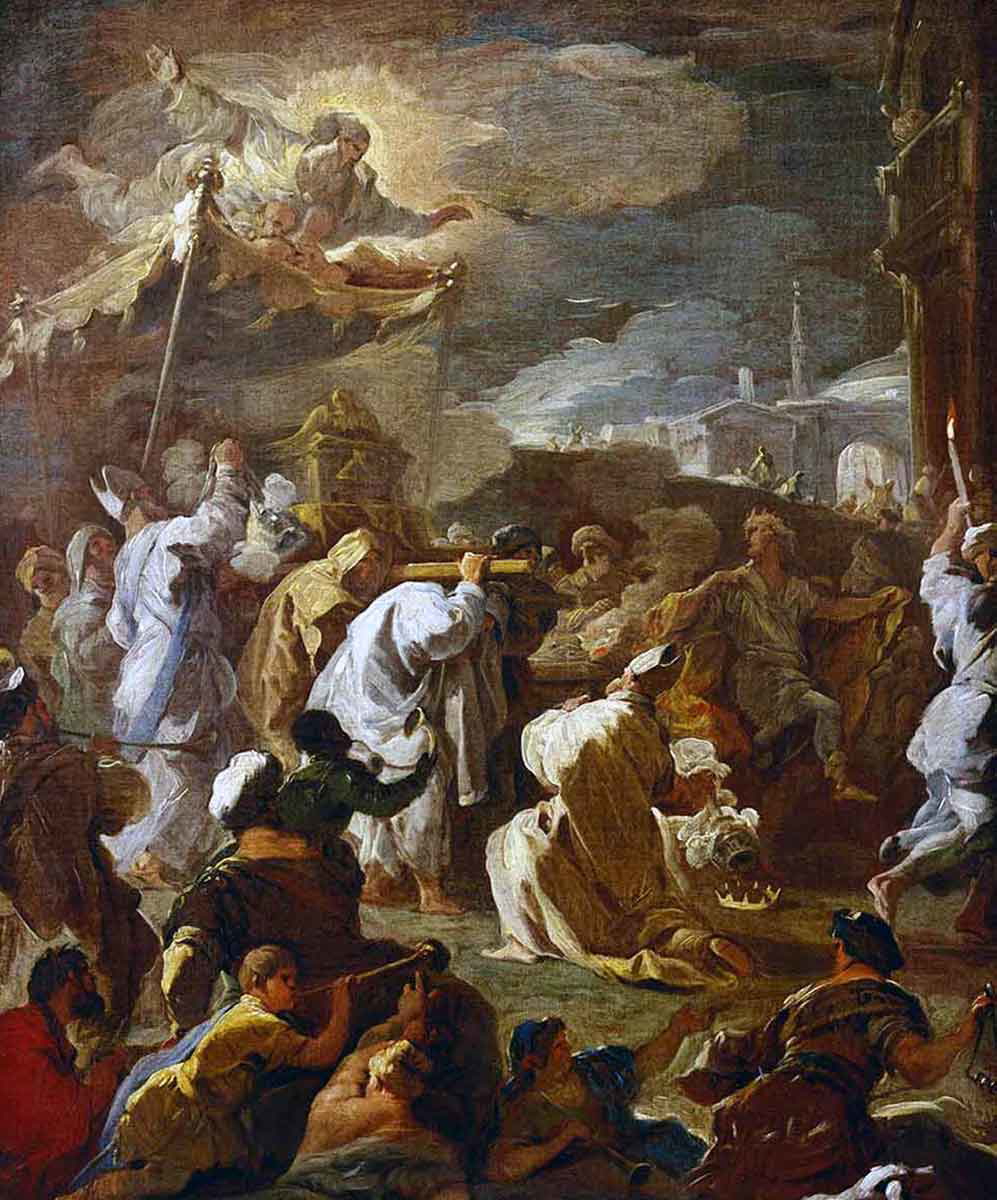
But the ark’s power could not be aimed in just any direction. Later, when two rogue priests named Hophni and Phineas carry the ark into battle with the Philistines with hopes that it will help them win, it is captured, and the battle is lost. When the Philistines place the ark before the idol of their deity, Dagon, it falls on its face and breaks into pieces. The ark causes plagues among the Philistines so unbearable that they decide to send it back to Israel on an unmanned oxcart. When the cart rolls into Israel, 70 men die after looking into it.
The box is finally deposited, with the proper rituals, in the house of a man named Abinadab in Kiriath-Jearim, not far outside Jerusalem. It would stay there until David finally arranged for it to be returned to its proper place in the Tabernacle—but only after it had killed one more man along the way.
Does Biblical Law Forbid Magic?
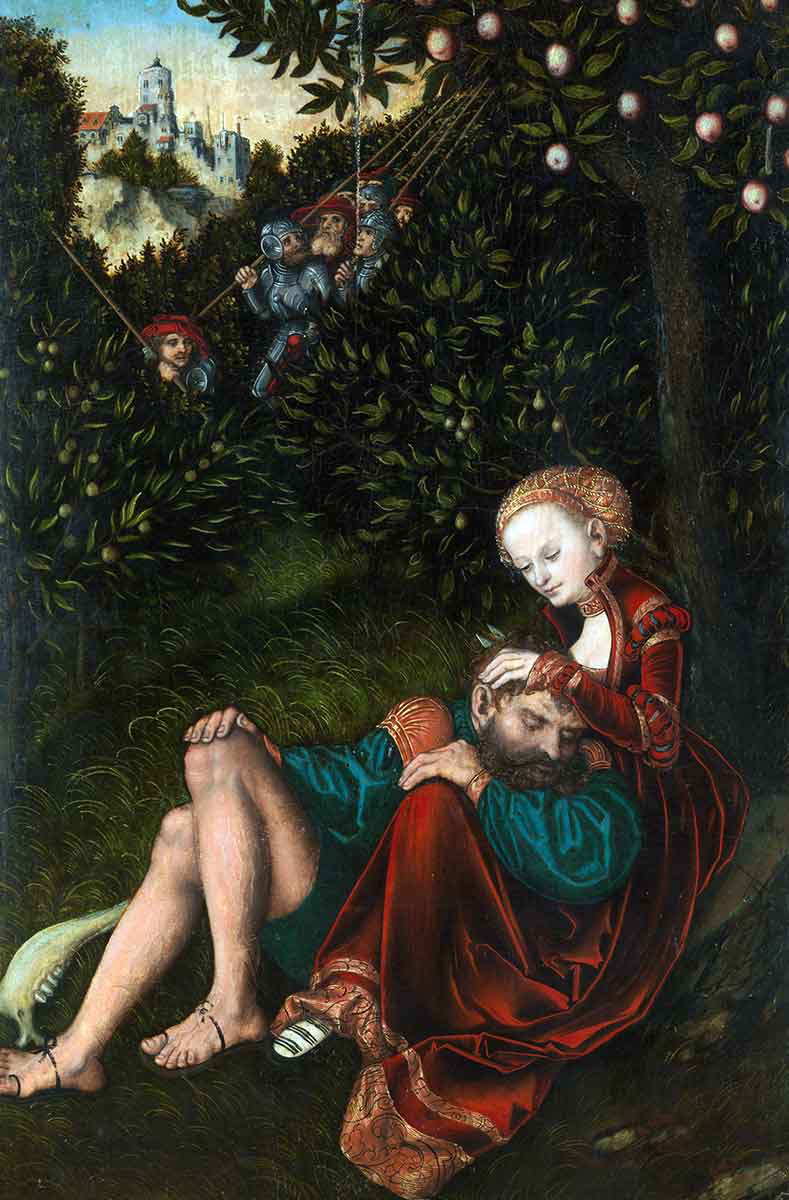
There are many other objects in the Bible that could be considered magical. From Samson’s hair to the Urim and Thummim used by biblical priests, to some sacrificial practices, the spiritual and physical realms interact routinely in the biblical world. What is to be made, then, of biblical laws that seem to forbid the use of magic?
The answer to this kind of question can easily be oversimplified. But one helpful way to approach it is by thinking of biblical prohibitions as pertaining to some forms of magic, but not others. Other ancient law codes also forbade certain types of magic. This demonstrates that magical practices were considered to be real and effective in the biblical worldview, as well as in the worldview of ancient Israel’s neighbors. For many today, “magic” and “fiction” go seamlessly together. But in the ancient world, things many call magical today were part of reality. Like any other area of human activity that could be risky or dangerous, magic, too, needed to be regulated.