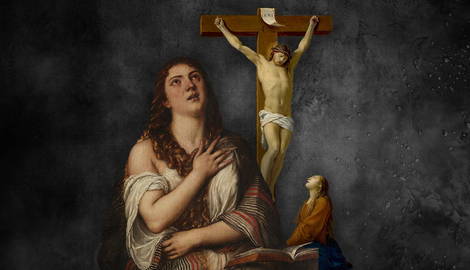

Ask people familiar with the name Mary Magdalene who she was, and they will probably give one of two answers. Either she was a harlot redeemed by Jesus, an example of how the lowest of the low can be saved, or she married Jesus and bore him several children. However, the Bible does not state that she was a prostitute or a wife and mother. So, where did these ideas originate, and who was she really? What was her role in the story of Christ?
Many Women Named Mary
The name Mary was popular in the 1st century CE. In fact, it has been estimated that 25 percent of Jewish women bore the name at that time. Therefore, it is not surprising that we find many women in the New Testament called Mary. That has led to some confusion about which Mary is which. The best-known one is Mary, the mother of Jesus, who bore and raised him, witnessed his ministry, and watched him die on the cross.
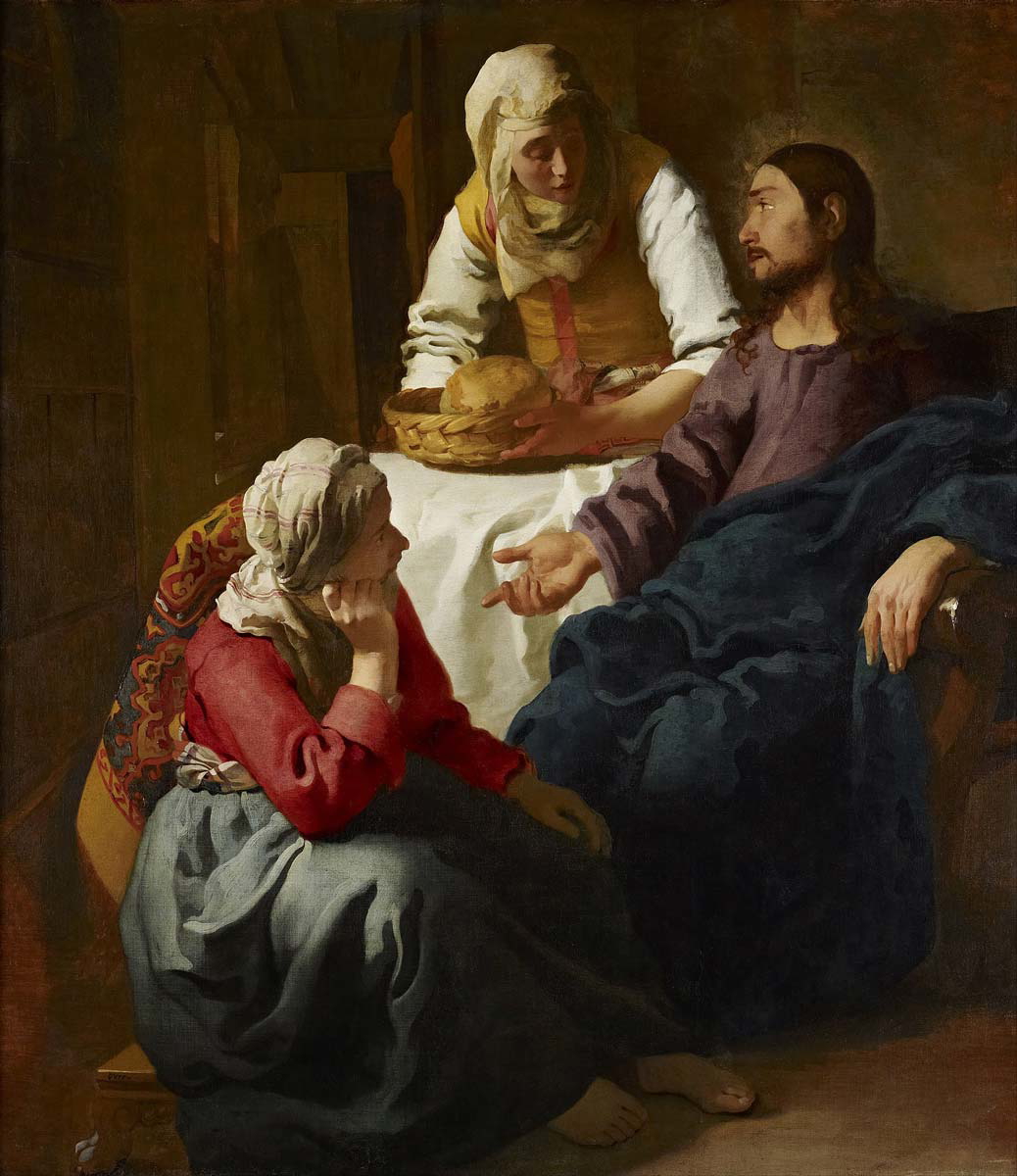
Then there is Mary of Bethany. She and her sister, Martha, and her brother, Lazarus, were great friends of Jesus. Mary is known for sitting at the feet of Jesus, listening and learning from him, while Martha complained that she was doing all the work preparing their meal (Luke 10:38-42). She also anointed Christ’s head with oil, which Jesus said was in preparation for his death and burial (Matt. 26:6-13).
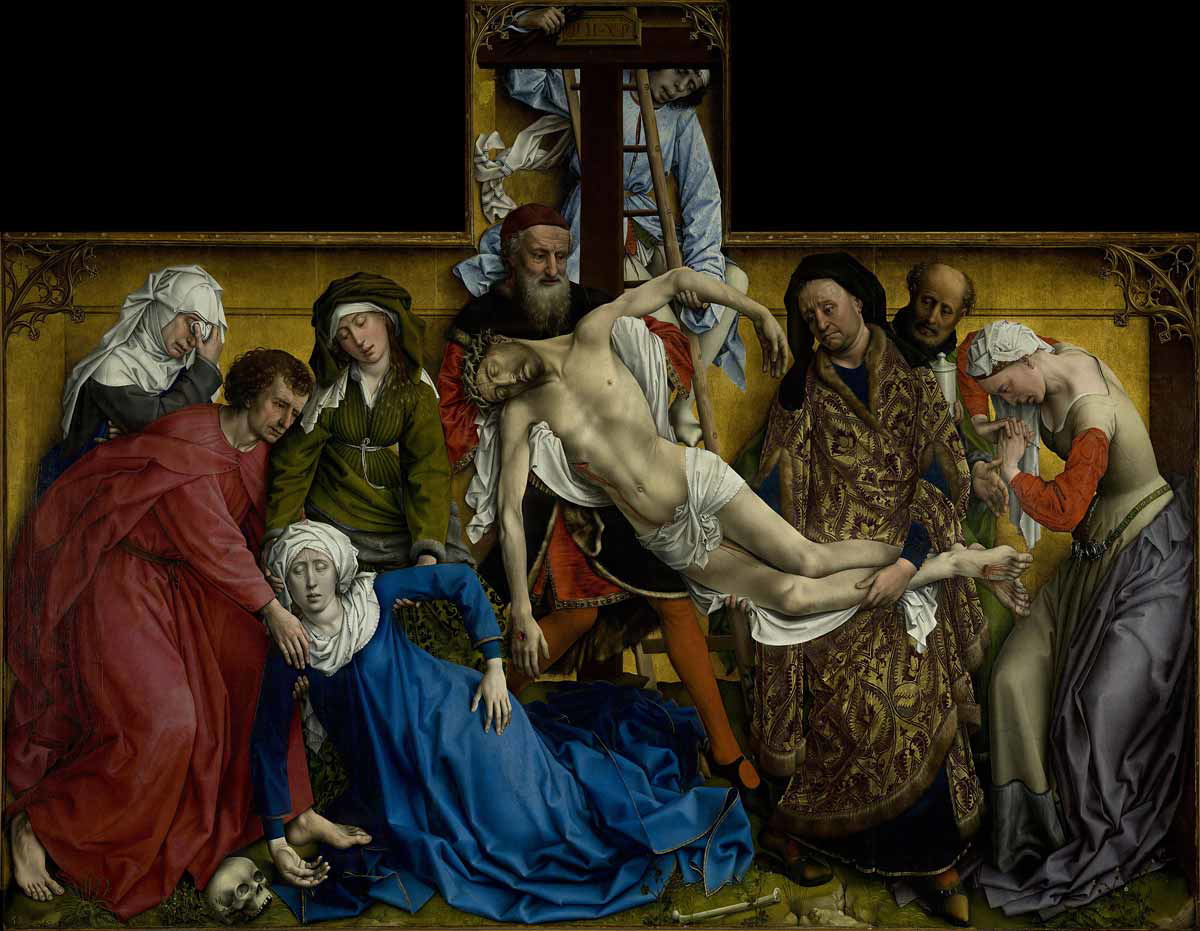
A third Mary is identified as the wife of Clopas (also called Alphaeus in Luke 6:15). Tradition suggests that he was the brother of Joseph, husband of Mary, the mother of Jesus, although the Bible does not state this. Scripture does state that she had two sons, Joseph and James the Younger, the latter so named to distinguish him from James, the brother of Jesus. She witnessed Jesus’s crucifixion, saw the place where Jesus was entombed, and was one of the women who found that tomb empty when they brought spices to anoint Jesus’s body.
A lesser-known Mary is Mary of Rome. Paul mentions her in his letter to the church there, thanking her for her hard work with the congregation (Rom. 16:6).
Lastly, there is Mary Magdalene. She hailed from the town of Magdala. Located on the west side of the Sea of Galilee, it was a prosperous city with a busy marketplace, renowned for its fishing. Hence, her name—Mary of Magdala, shortened to Mary Magdalene, a designation meant to distinguish her from the other Marys.
What the Bible Says About Mary Magdalene
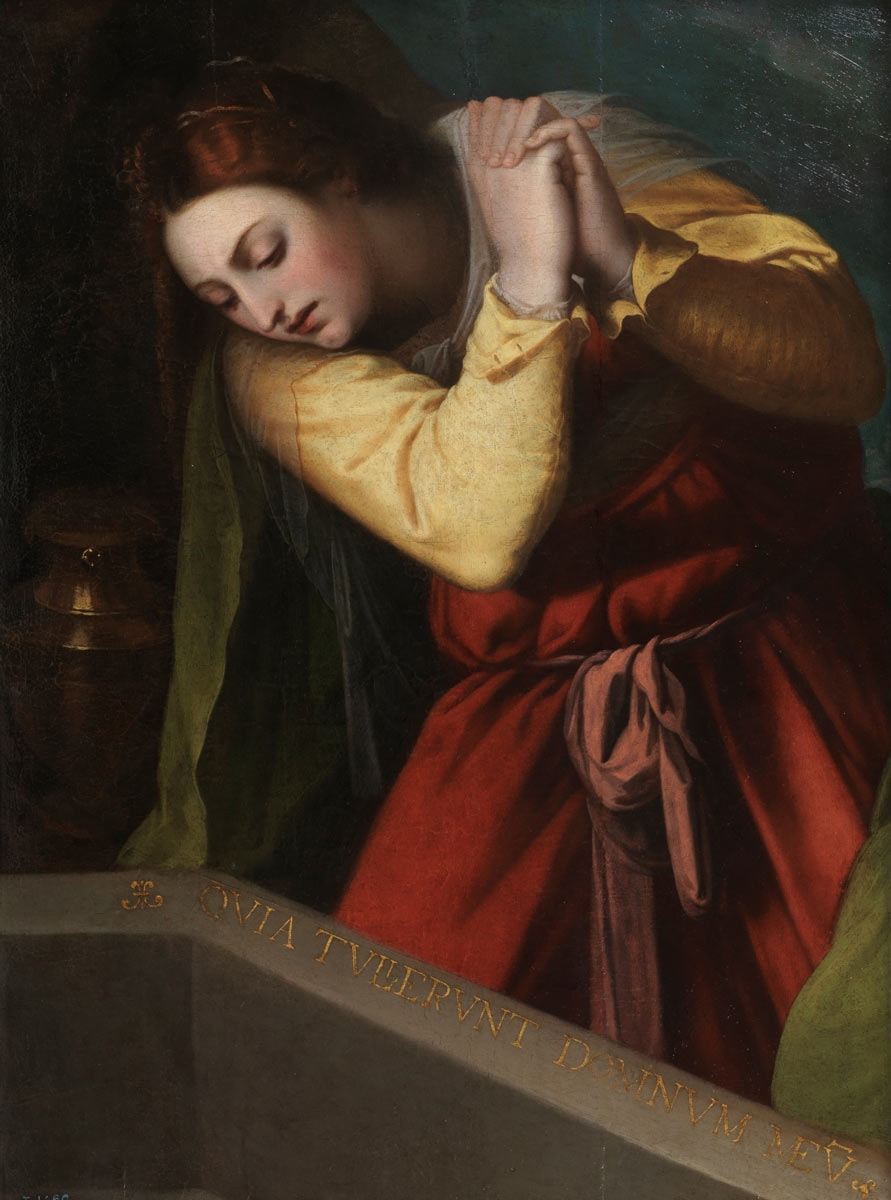
Mary Magdalene is mentioned in all four of the gospels, and they provide us with information as to who she was and what she did. In Mark 16:9 and Luke 8:1-3, we learn that Jesus healed her of seven demons that possessed her. We also know that she and a number of women travelled with Jesus and his other disciples (Mark 15:40-41 and Luke 8:1-3) and that she provided financial support for his ministry (Luke 8:3).
She witnessed Christ’s crucifixion, saw him laid in a tomb, and was the first to encounter the resurrected Jesus (Matthew 27:56, Mark 15:40, John 19:25). She was also the one who informed the others that he had risen from the dead. She believed that Jesus was indeed the Messiah that the Jews had been waiting for (John 20:14).
Pope Gregory I Recasts Mary’s Image
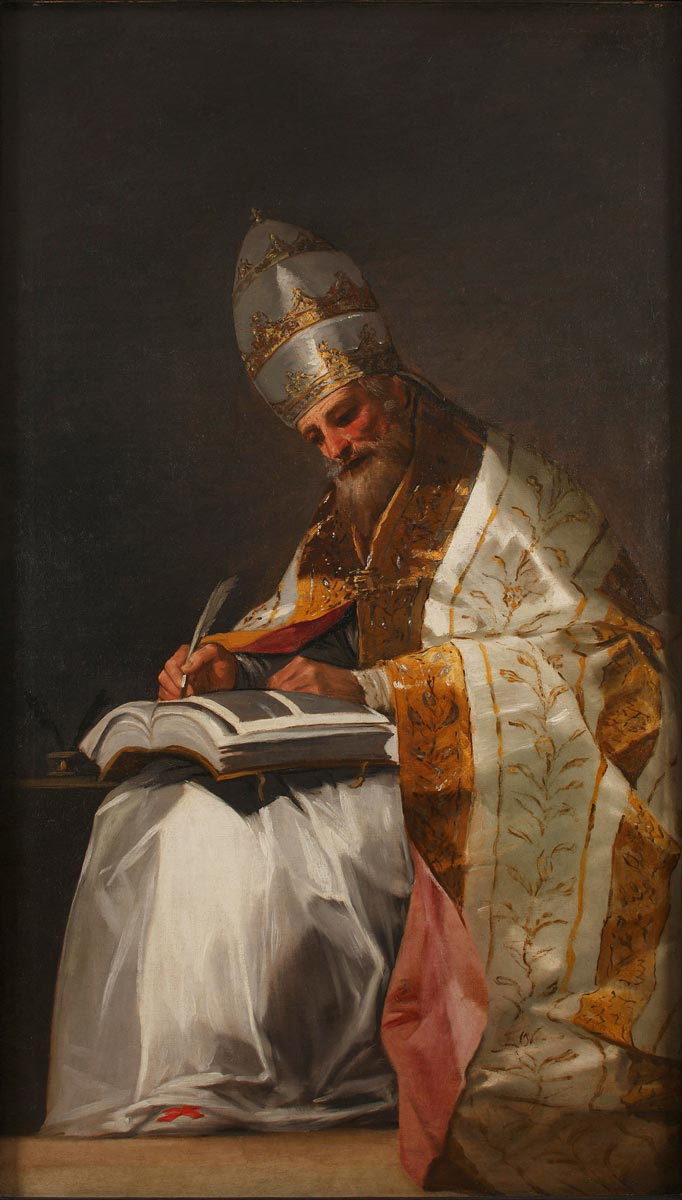
Scholars state that we owe our misunderstanding of Mary as a prostitute to Pope Gregory I. He conflated Mary Magdalene with Mary of Bethany and a third woman, an unnamed sinner who washed Jesus’s feet and dried them with her hair (Luke 7:36-50), in a sermon he delivered in 591 CE. He suggested that the seven demons that possessed her were the seven deadly sins of gluttony, lust, greed, sloth, envy, wrath, and pride.
Adding to this portrait of Mary was the fact that the Talmud (a collection of debates on such topics as the law, philosophy, and theology) stated that Magdala, as a busy and affluent town, was a city of moral depravity. This, of course, does not mean that Mary was a harlot just because she hailed from there, but for some, it added more weight to the belief.
Additionally, some saw demonic possession as connected to sexuality. The Bible does not state this. It describes a number of cases of demonic activity as well as women of ill repute, but it does not make a link between them.
Exoneration of Mary Magdalene
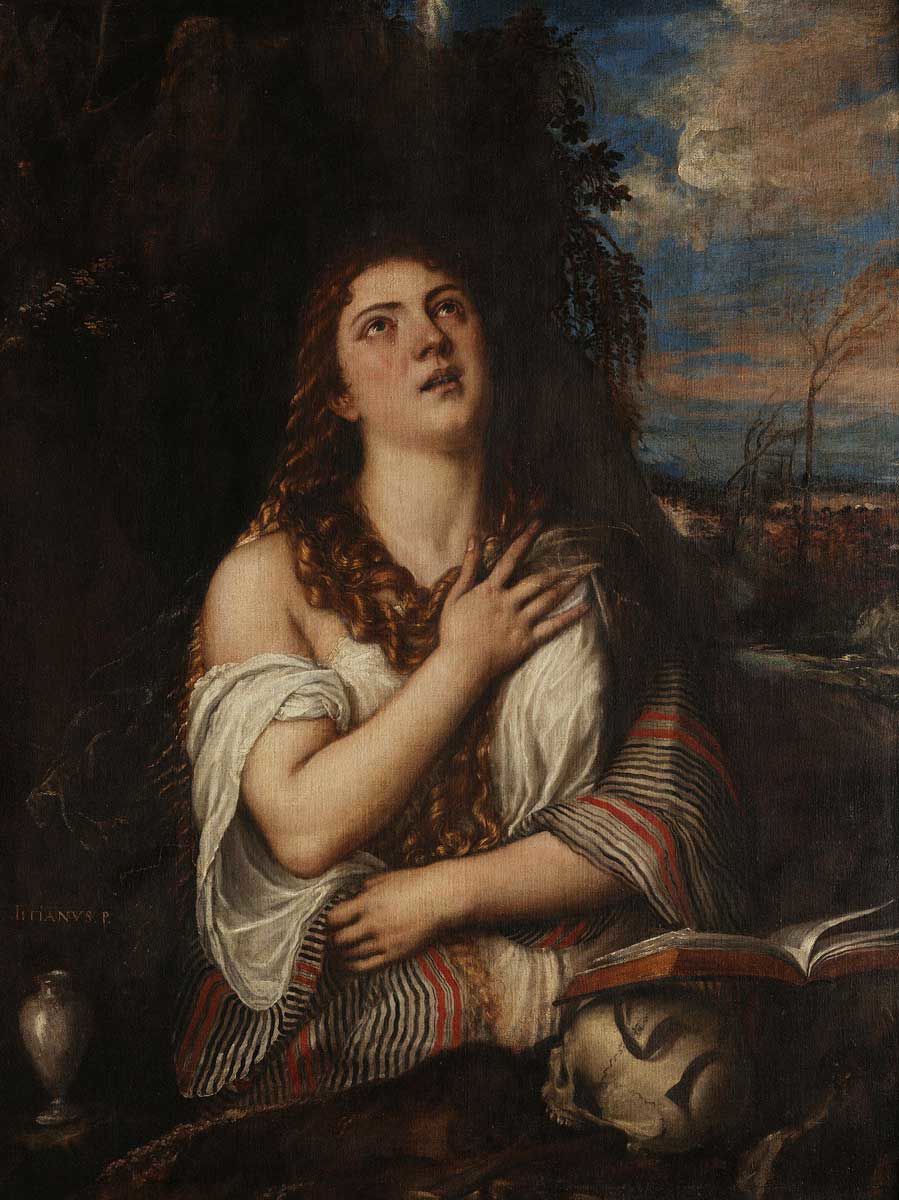
In the 1960s, the Roman Catholic Church retracted the belief that Mary was a prostitute and pointed out that the three passages that Gregory cited referred to three different women. Early Church Father, Thomas Aquinas, called her “the apostle of apostles,” and Pope John Paul II referred to this in a 1988 letter entitled On the Dignity and the Vocation of Women.
Unfortunately, the idea of her harlotry remains and is even promoted in films such as Cecil B. DeMille’s classic The King of Kings (1927), George Stevens’s The Greatest Story Ever Told (1965), Martin Scorsese’s Last Temptation of Christ (1988) and Mel Gibson’s The Passion of the Christ (2004). Only the more recent film entitled Mary Magdalene (2018), starring Rooney Mara, manages to tell her story without labeling her a prostitute.
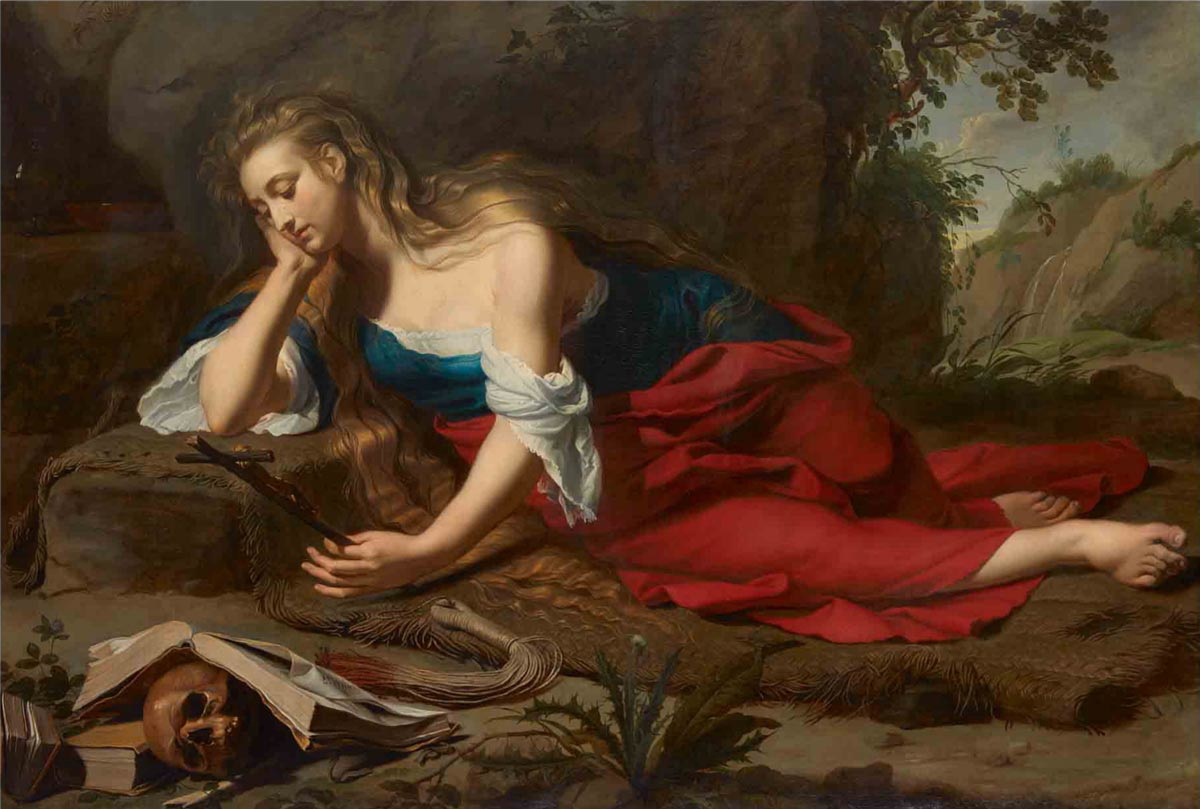
There is artwork by the likes of Donatello (1386-1466), Titian (died 1576), Caravaggio (1571-1610), Reni Guido (1575-1642), Artemisia Gentileschi (1593-1653), and Guido Cagnacci (1601-1663) who present her as the penitent sinner, thereby reinforcing the erroneous belief about the extent of her fallenness for all to see. As to why so many Italian painters and sculptors in the Renaissance and Baroque periods produced works focusing on Mary Magdalene as a repentant or penitent harlot, historians note that there was a serious problem with prostitution in many of the major cities in the country and art represented one way of fighting it by offering a representative to emulate.
Was She the Wife of Jesus?
In Dan Brown’s novel, The Da Vinci Code, and in Ron Howard’s film adaptation of the book, Mary is presented as the wife of Jesus who bore him children. These are fictional works that some erroneously believe are grounded in actual fact. Brown borrowed the idea from a number of Gnostic texts (the Gospel of Thomas, the Gospel of Mary, and the Gospel of Phillip) from the 2nd and 3rd centuries CE, drawing heavily on the presentation of their ideas in The Holy Blood and the Holy Grail by Michael Baigent, Richard Leigh, and Henry Lincoln in 1982.
Scholars have labeled these Gnostic works pseudepigrapha (false texts) because they were written centuries after Christ’s time by people who definitely were not Thomas, Mary Magdalene, or Phillip, as those people were all dead by the time the works were written. They also reject these texts because they are heretical, as they do not line up with Christian orthodoxy. For one thing, they assert that a person must gain certain knowledge to be saved, not a relationship with the risen Christ.
In 2012, the presentation of a 1.5 X 3-inch Coptic papyrus fragment, given the name The Gospel of Jesus’ Wife, at the 10th International Coptic Congress in Rome caused quite a stir. It contains the words “Jesus said to them, my wife…” Heated debates over its authenticity and meaning ensued. Ultimately, experts determined it is a forgery and, therefore, does not add anything to the speculation that Jesus and Mary Magdalene married.
Mary Magdalene’s Role as a Witness
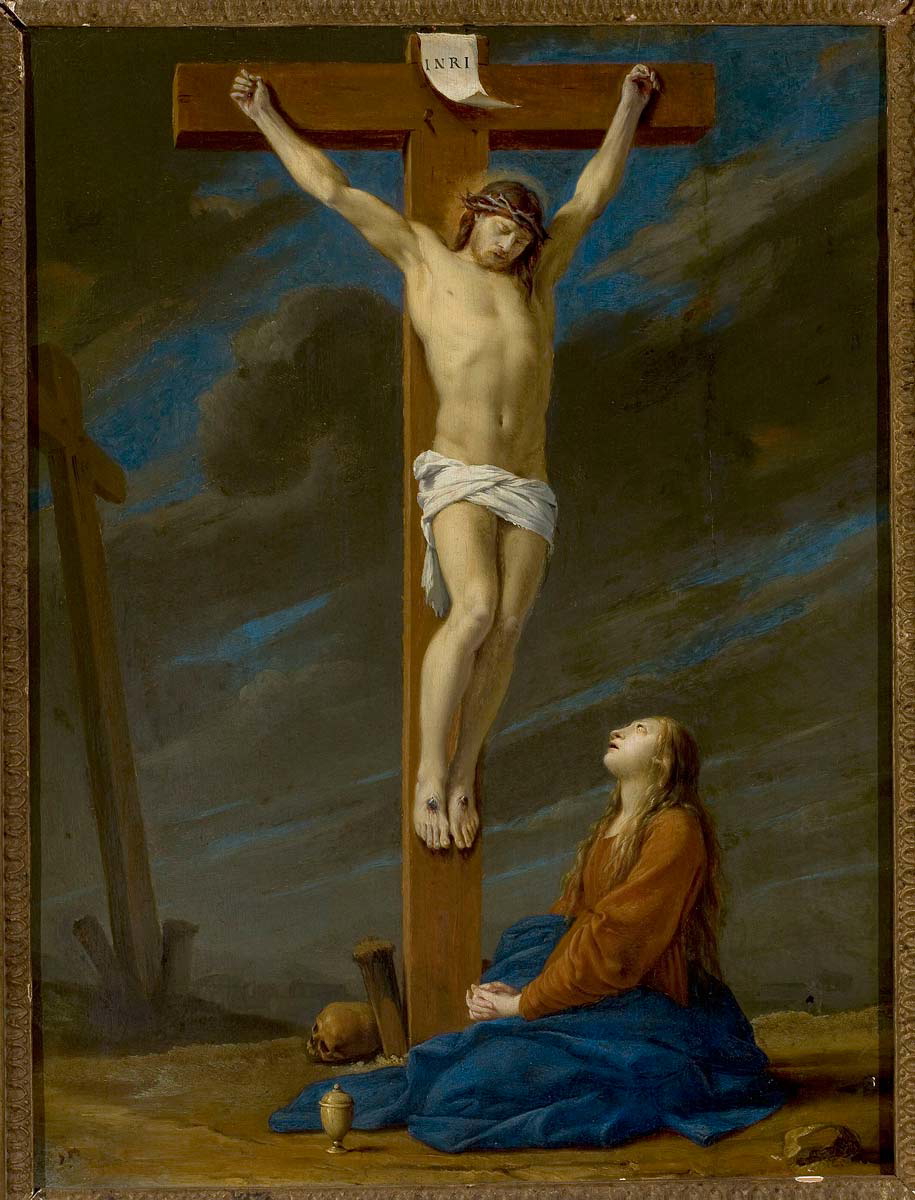
In the Gospels of Matthew, Mark, Luke, and John, a variety of characters come and go in their reports of Christ’s death, burial, and the discovery of the empty tomb, with one notable exception: Mary Magdalene. She is the one constant, the only person named as being at all three events. Additionally, she was the person Christ designated to go and tell all the others that he had risen from the dead. This is most remarkable given the fact that women were not highly regarded in that society, making their testimonies at least suspect, if not totally insignificant. In fact, with regard to the resurrection, Celsus, a 2nd-century CE Greek philosopher considered a heretic by the Church, rejected the very idea of it, given that Mary was, in his words, “a hysterical female,” so why believe what she said?
Christian apologists suggest that this speaks to the authenticity of the gospel accounts. They argue that no one making up a story about Christ’s death, burial, the empty tomb, and his resurrection would ever place a woman in the key role that the gospel-writers gave to Mary Magdalene. They would have chosen a male witness of renown, such as Peter or John, in a fictional account.
The Significance of Her Witness Regarding the Tomb
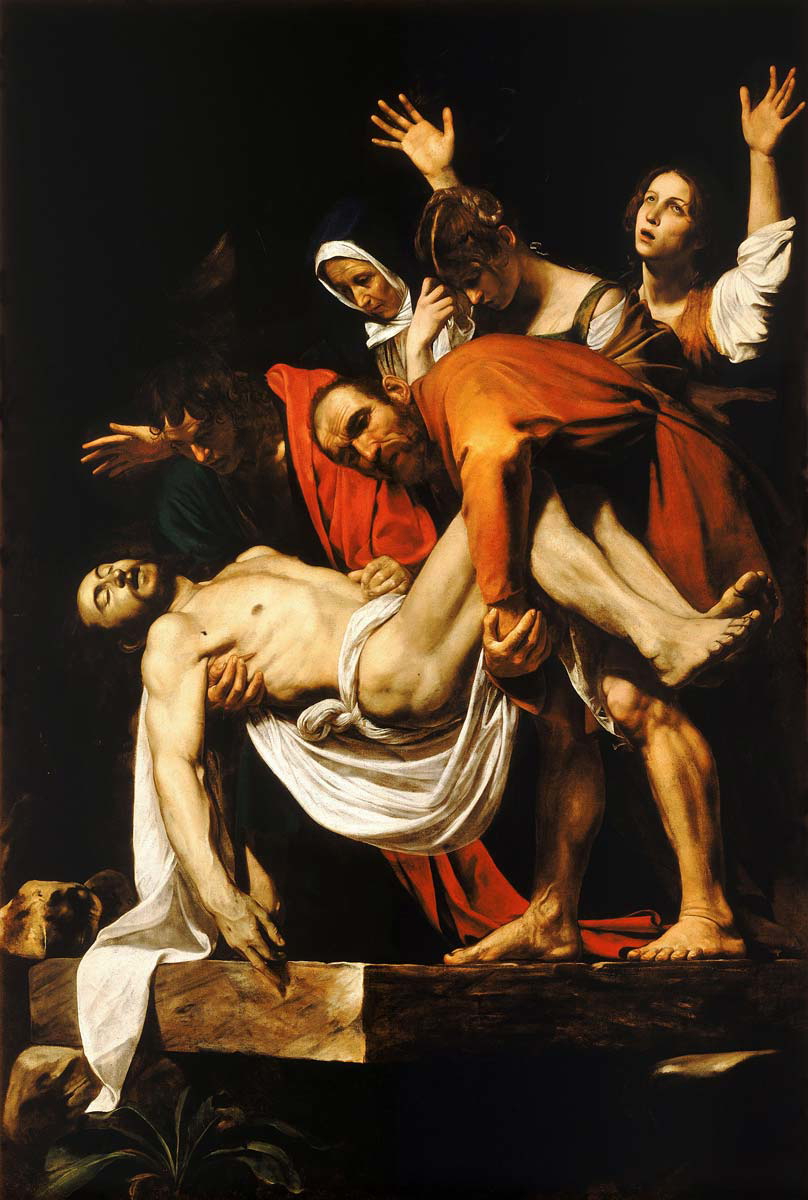
Not only did Mary Magdalene witness Christ’s death on the cross, but she was also present at the placement of his body in a tomb. This is important because, after Christ’s resurrection, accusations came, declaring that his followers went to the wrong tomb, which was indeed empty. However, Mark, in his gospel, relates that Joseph of Arimathea, a wealthy member of the Sanhedrin (Jewish legislature) and a follower of Jesus, went to Pilate to ask for Christ’s body. Pilate agreed to his request. So Joseph took the body, wrapped it in linen, and placed it in a tomb cut out of the rock. He rolled a large stone in front of it to block the entrance. Mark states that Mary Magdalene and Mary, the mother of Jesus, saw where he was laid (Mark 15:47).
The First to Interact With the Risen Christ
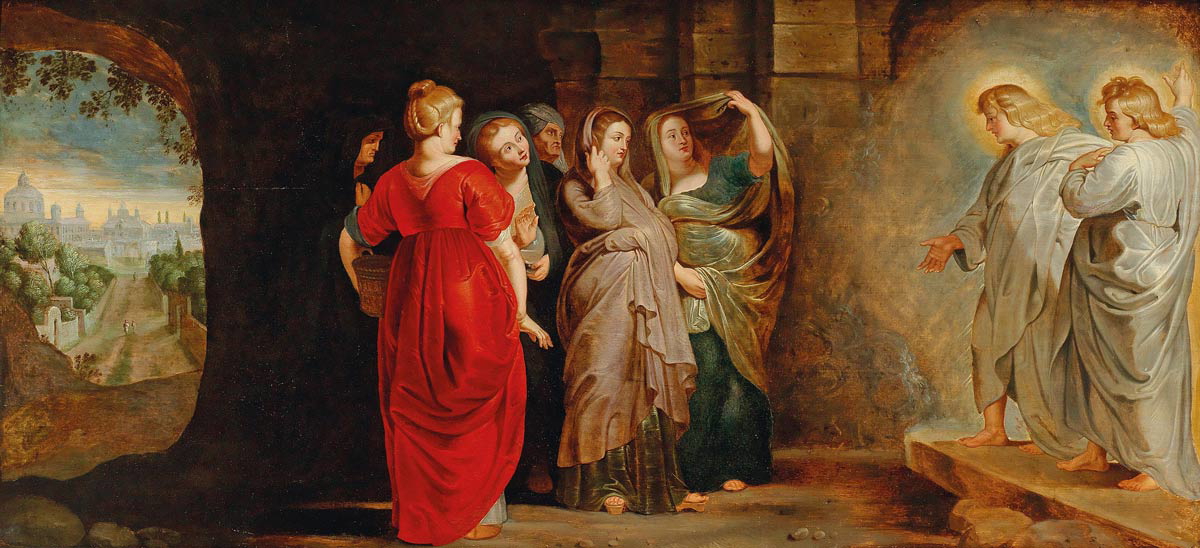
All the gospels recount that Mary Magdalene, along with several other women, was the first to see the risen Christ. However, the apostle John, in his gospel, does not mention the others, but focuses on Mary Magdalene alone. He describes Mary coming across Christ and mistaking him for a gardener. It is only when he speaks her name that she recognizes him. She cries out, “Rabbonai,” meaning teacher, and attempts to grasp him, but he tells her that she must not touch him because he has not yet visited God the Father.
Much has been made of this order given the fact that, at one point, Christ encourages the disciple, Thomas, to touch him so that he may know that it is really Jesus come back to them (John 20:24-29). Some scholars suggest that this indicates that Christ’s body had not yet been glorified when Mary encountered him, a transition that would happen only when he went to God.
Others assert that what he is really saying is that Mary must not cling to him because their relationship has changed. He wants her to understand that he is no longer her teacher and that she must learn to depend on the Holy Spirit, who Christ has promised to send to his followers in his place (John 16). Some scholars believe that she was the first to grasp this and was to share that information with the others, although some scholars suggest that this is reading too much into the text.
Why Did She Not Recognize Jesus at First?
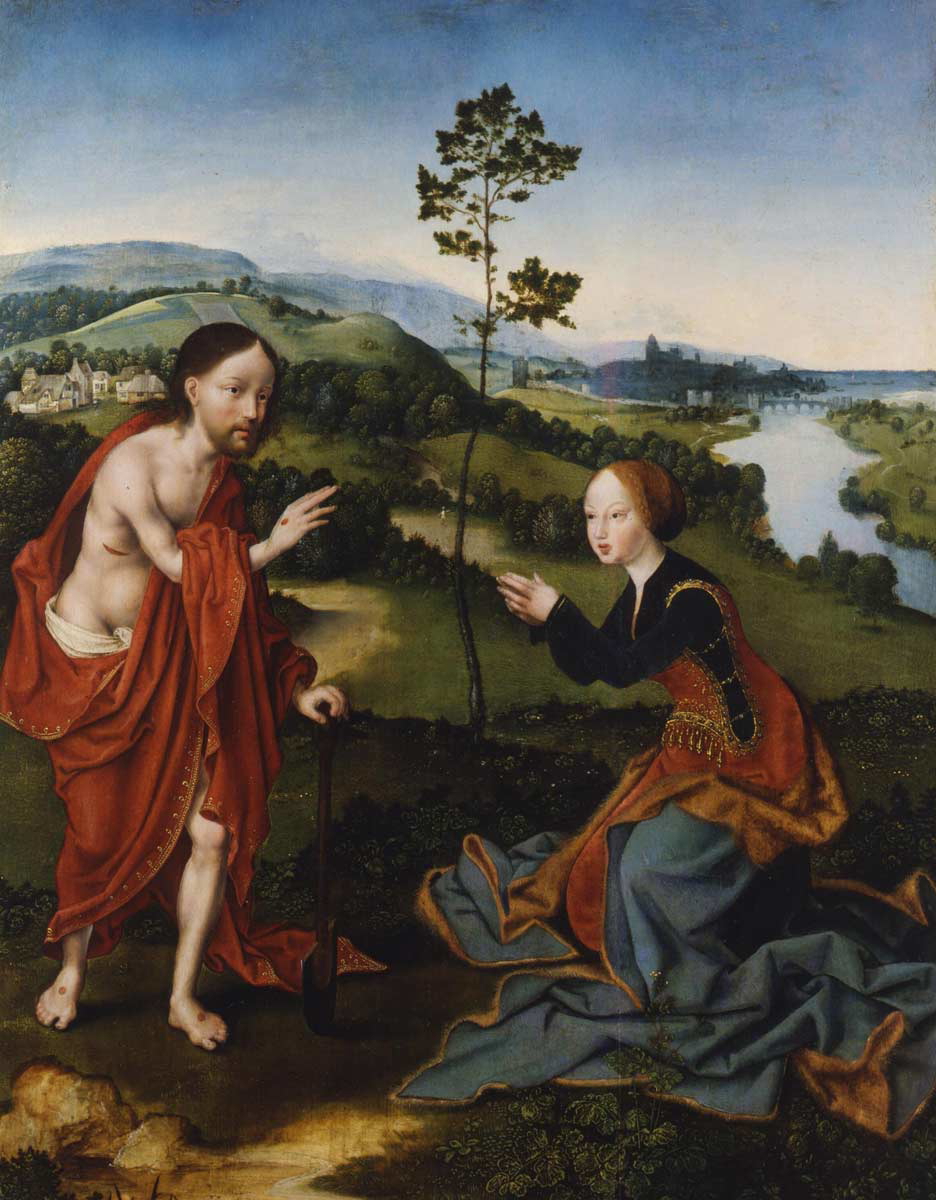
Some critics question why Mary Magdalene did not recognize Jesus right away. In response, scholars have pointed out that the text in John says that the women arrived at the tomb when it was still dark (John 20:1-18). Secondly, Mary was not expecting to see a live Jesus walking around in front of the tomb. She was expecting to see a dead Jesus IN the tomb. Additionally, she was crying and looking through eyes blurred by tears, and perhaps did not give Jesus her full attention until he spoke her name, at which point she probably recognized his voice.
Jesus tells her to go and share the news that he has risen. In spite of the fact that women’s testimonies were considered unreliable, Jesus is assigning her the job of proclaiming his resurrection. This is what makes Mary Magdalene “the apostle of the apostles,” as she was the first to announce the good news of Jesus Christ to everyone else.