Ulysses S. Grant didn’t even want to be president. However, courted by the Radical Republicans, he won the 1868 election in a landslide, defeating his opponent by a 3 to 1 margin in the Electoral College vote. He maintained favor with many, winning re-election in 1872. Despite his popularity, Grant faced a number of challenges when he ascended to the presidency. Just a few years after the Civil War, the country was still struggling to piece itself back together and looking for strong leadership. Was Grant the man for the job?
1. Reconstruction Woes Abound
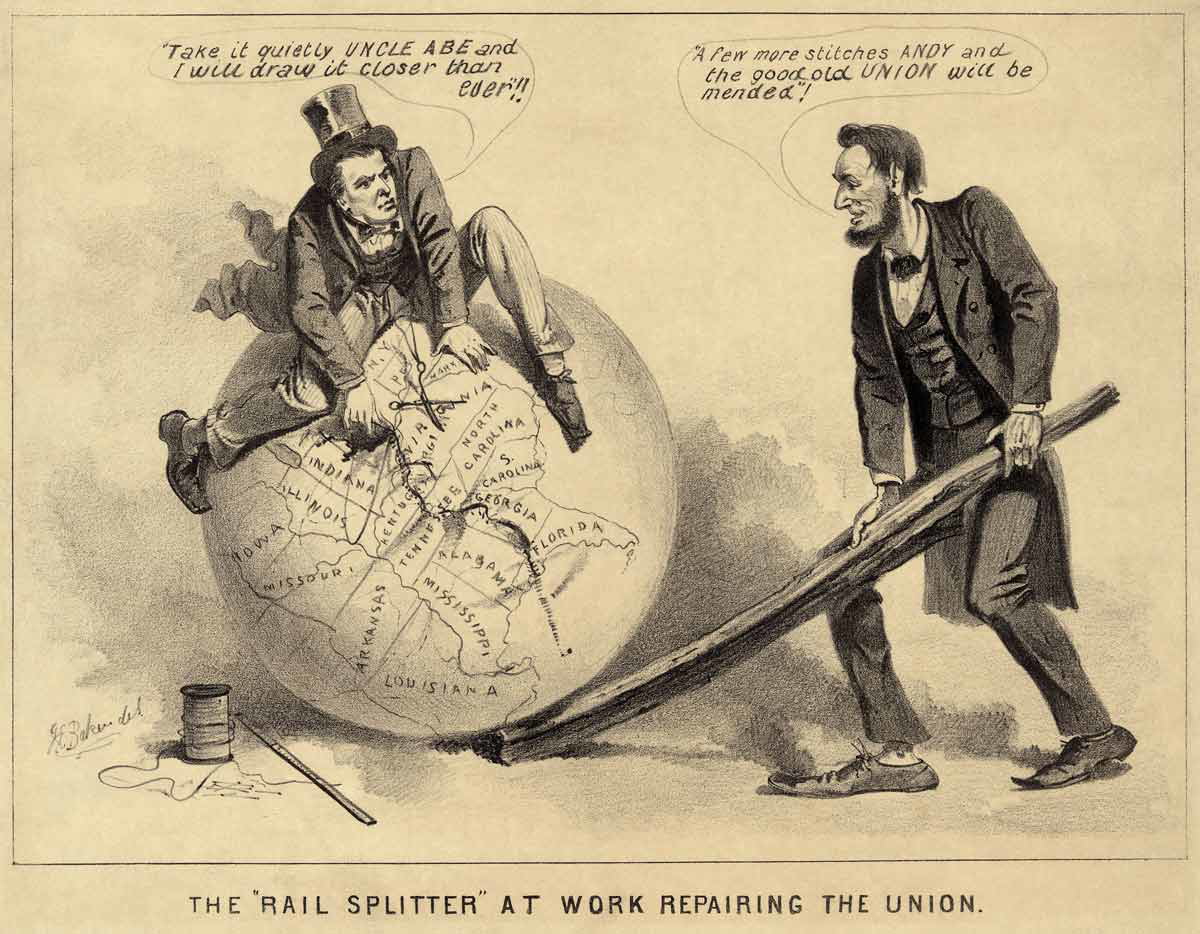
The United States struggled to reunite after a devastating Civil War concluded in 1865. The man who had led the country through its turmoil, Abraham Lincoln, had been gunned down in April 1865, leaving his vice president, Andrew Johnson, at the helm. However, Johnson lacked Lincoln’s popularity and skill, and many disavowed his progress in Reconstruction after the war. In his presidential policy, Ulysses S. Grant leaned more towards Lincoln’s original plans to repair the country, seeking to reconcile rather than deal retribution to the former Confederates. At the same time, regained Confederate interests had to be prevented from gaining a foothold.
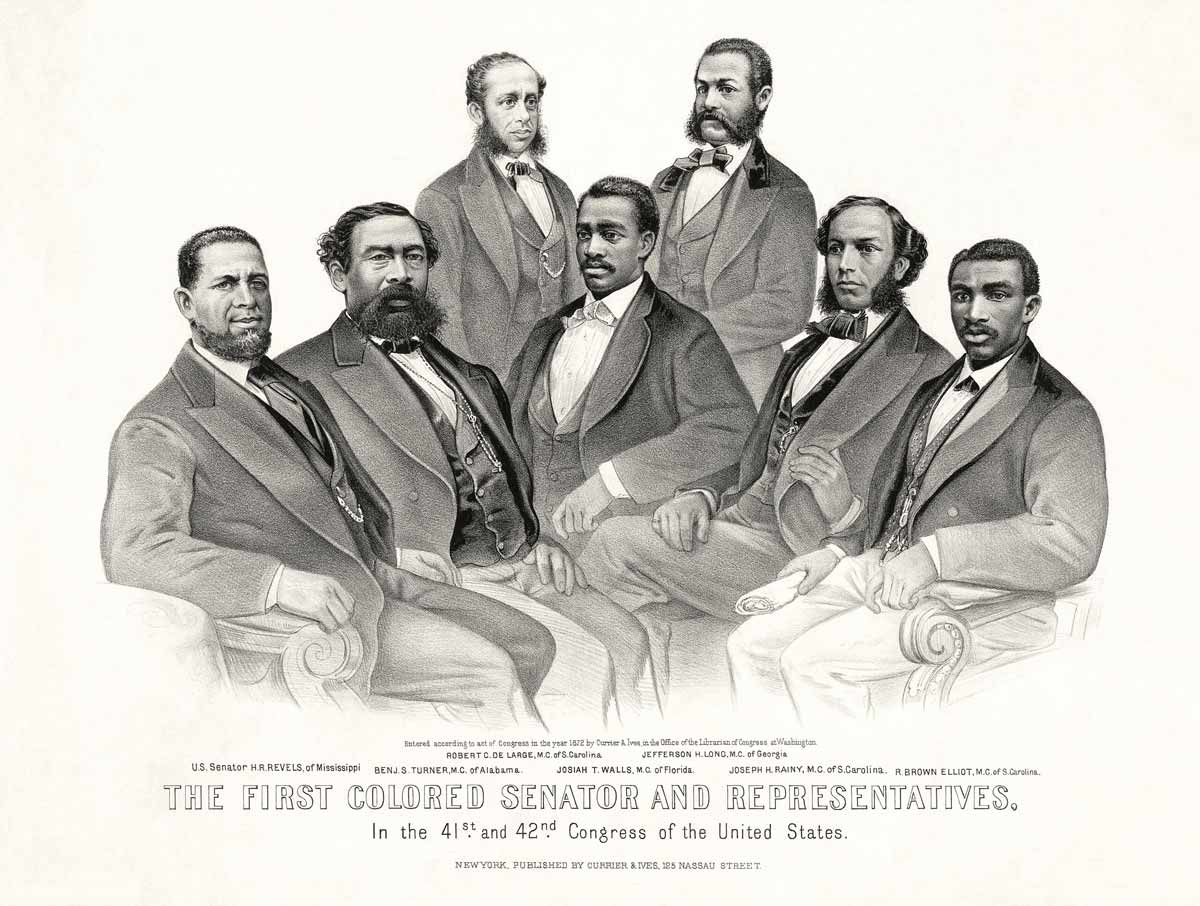
The issue of how to integrate newly freed Black Americans into society was another primary issue facing Grant. A son of a staunch abolitionist father, Grant had been raised to view slavery negatively, though his wife’s family was a slaveholding one. Those in the South and even many citizens in the North did not equate Black freedom with social equality. Grant sought to protect newly freed slaves without alienating the rest of the country. Throughout his presidency, he utilized military might and national legislation to protect the African American citizenry. He signed off on the Fifteenth Amendment in 1870, protecting the Black vote throughout the country.
2. The Rise of the KKK
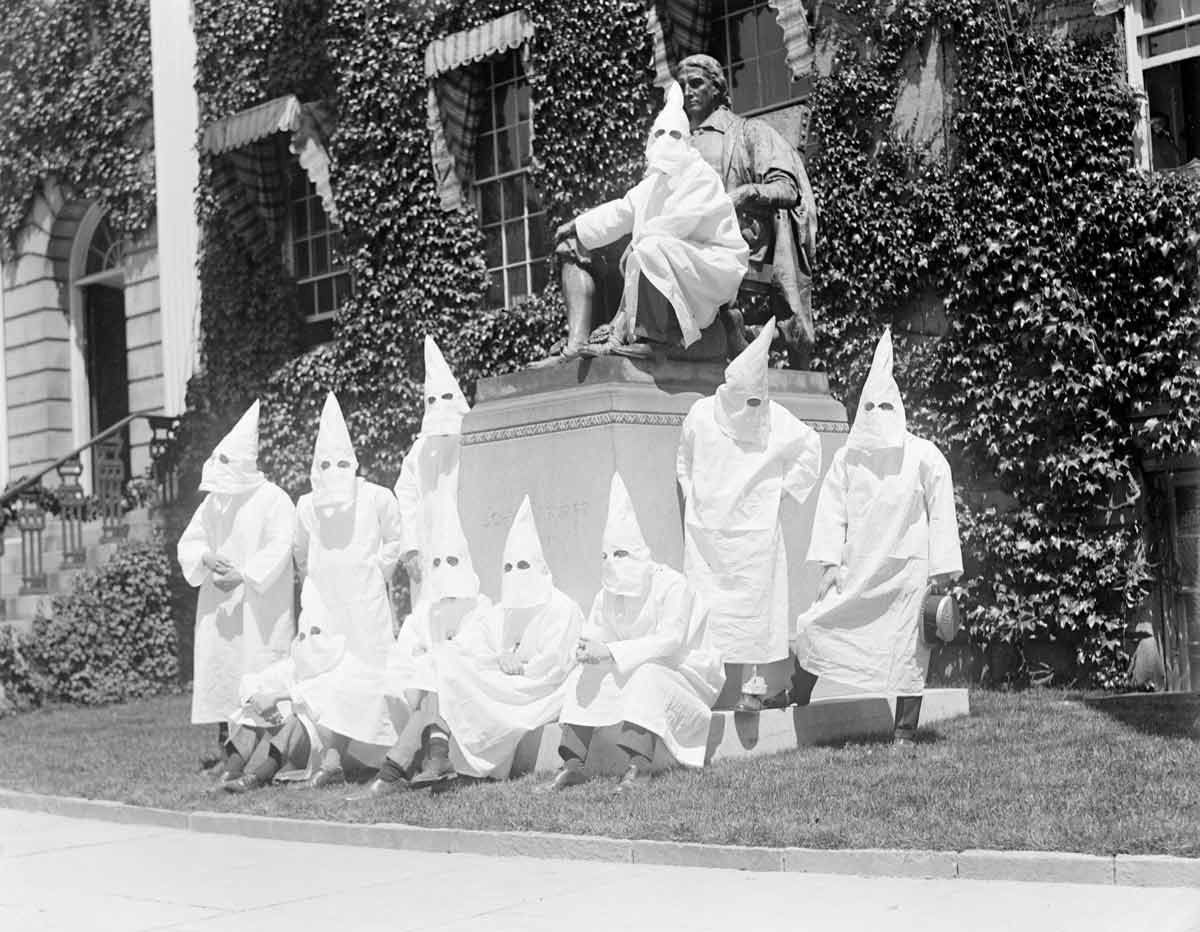
The Ku Klux Klan (KKK) is a white supremacist group established in 1866 by former Confederates. As it grew and spread throughout the South, the KKK became increasingly bold and violent. Its members attacked freedmen and women who were exercising their newly granted rights as American citizens and those who sympathized with and supported them. Their activities included burning Black schools and churches, voter intimidation, assault, and even rape and murder.
The Klan was supported by many members of law enforcement and government officials throughout the South, which meant that their crimes often went unpunished. This directly hampered Grant’s reconstruction efforts in the South, and although he had limited means with his resources already stretched, Grant appealed to Congress for assistance. A series of laws known as “Force Acts” were pushed through Congress, aimed at curbing the violence. These acts prevented activities such as “going in disguise” to another person’s property (a hallmark of the KKK is to wear white masks or hoods). He also put elections under federal supervision.
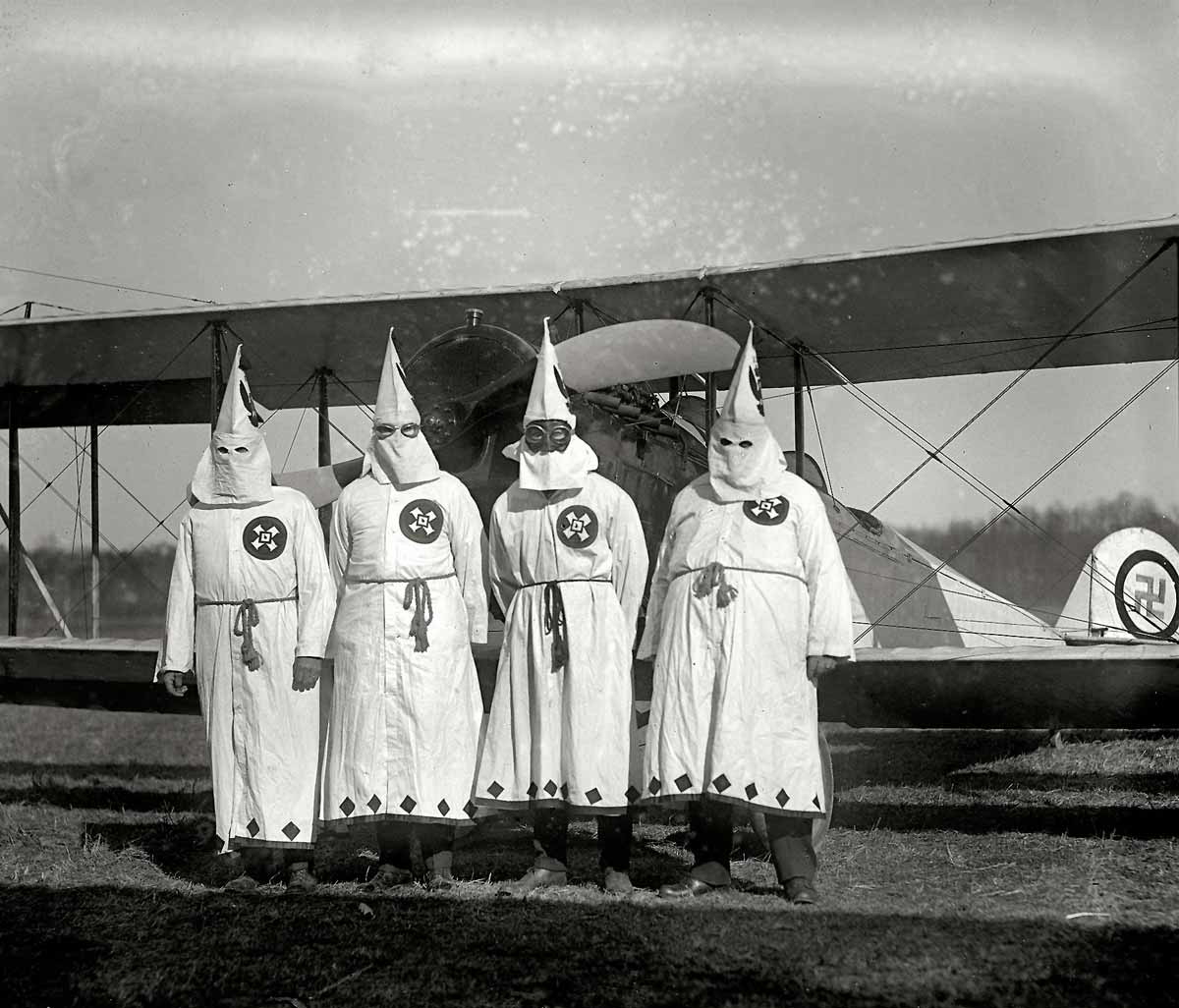
Grant also issued a proclamation in 1871, indicating to the KKK that his administration would not tolerate acts of terrorism in the South or elsewhere, emphasizing the need for equal protection for all Americans. Since Grant lacked the resources to crack down on the Klan completely, he made examples of certain areas, including the Piedmont region of South Carolina.
Grant suspended habeas corpus and declared martial law in nine counties. Members of the military were stationed in the area to gather intelligence and round up offenders for trial. While there were some convictions, and law and order was temporarily restored in some areas, the efforts had mixed results. Issues of state versus federal jurisdiction came into question, and many of the offenders received light sentences. As Southern Democrats came into control in the following years, the KKK became less relevant, as white supremacy became a common theme among elected officials.
3. A “Peace Policy”? Indigenous Affairs
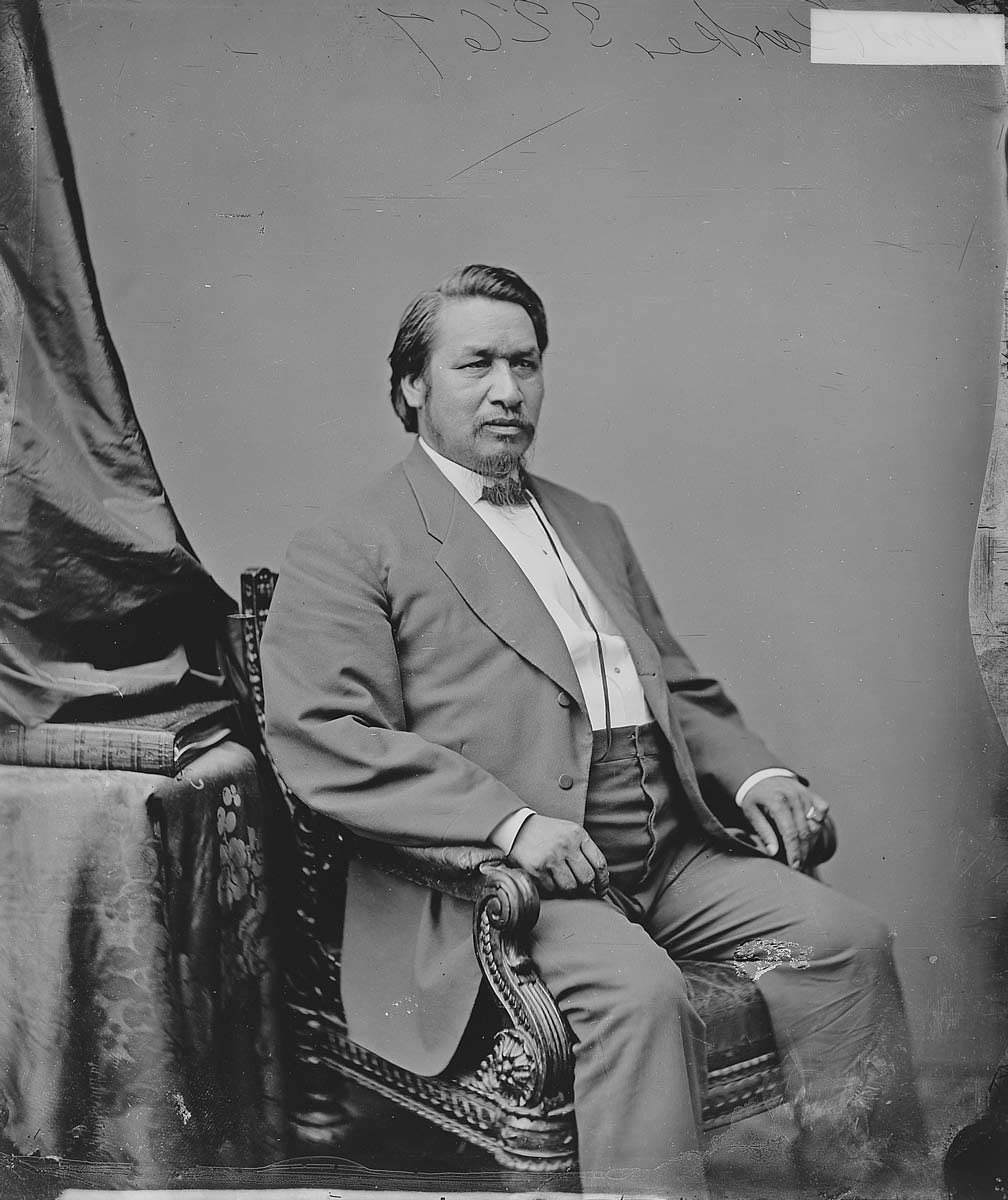
Grant’s relationship with America’s Indigenous people was a complicated one. He called them the “original occupants of the land” and hoped to ultimately reach citizenship status for them. However, his means of achieving this would require American Indians to sacrifice their culture and way of life. Grant served with Ely Parker, a Seneca man, in the Civil War, with Parker acting as his personal secretary for much of the affair. It was no surprise to many when he chose Parker to act as his Commissioner of Indian Affairs. Parker was the first Indigenous person to hold this position and the first to be a member of the US presidential cabinet.
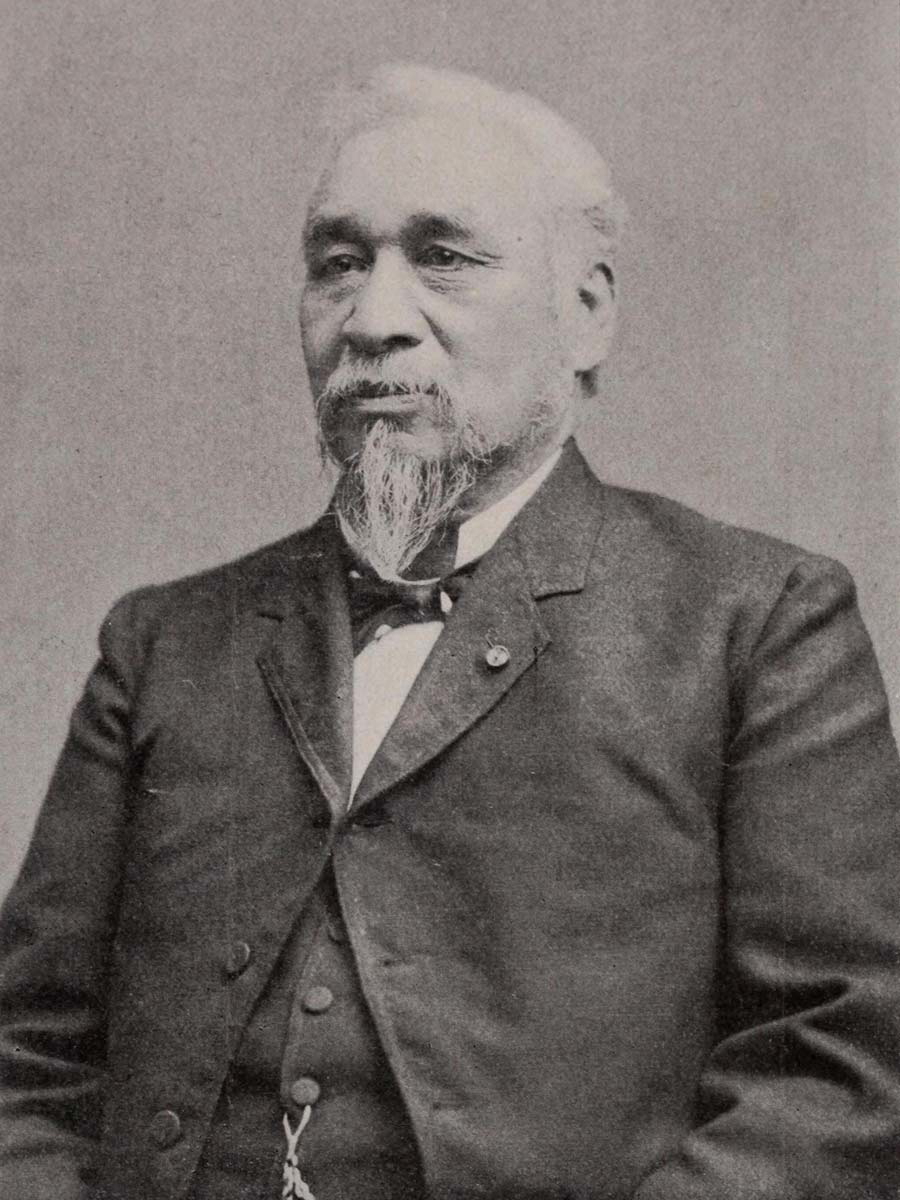
Parker and Grant worked together to form Grant’s Indian Policy. Ultimately, the goal was that the US military would protect Indigenous people on a reservation system as they transitioned from their traditional ways of life to Americanized ones. They would learn trades and businesses that would allow them to integrate into white society.
However, this was a flawed policy. Many American Indians had no desire to leave their homelands and desert their culture, while the reservation system was widely corrupt, resulting in poor rations and few resources. Grant also faced blowback from the Board of Indian Commissioners and Congress, many of whom sought to profit from the reservations. The Board falsely accused Parker of pocketing money from the Lakota reservation and put him on trial. Though he was exonerated, Parker chose to resign from his role as Commissioner of Indian Affairs.

Grant also offered to purchase the Black Hills from plains tribes in an effort to stem conflict between the tribes and white settlers, but this was to no avail. Under Grant, the army would fight many different bands throughout the Midwest and the West, especially in the 1870s. One of the most famous battles, The Greasy Grass, or Little Bighorn, took place under his watch in 1876. By the end of his final term, Grant’s perhaps well-meaning “peace policy” towards America’s Indigenous people was laughable.
4. A Different Kind of Black Friday
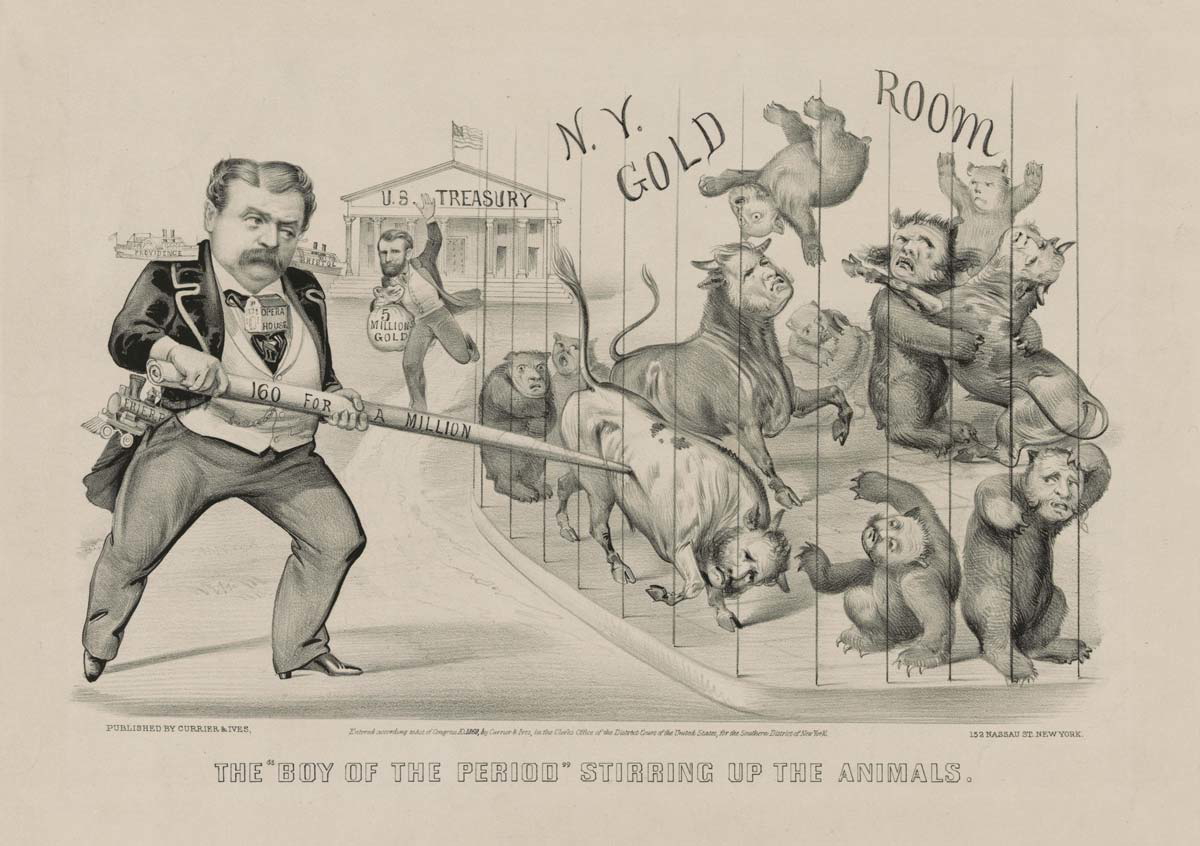
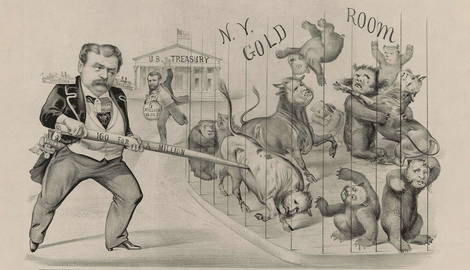
Grant was a longtime supporter of the gold standard, and one of his methods for improving the economy, like his predecessor Andrew Johnson, was to reduce the supply of paper currency by using gold to buy dollars from citizens. In 1869, two Wall Street schemers, Jay Gould and Jim Fisk, hoped to manipulate the market by buying up as much gold as they could and then selling it when its value rose. However, Grant flooded the market with gold, which dampened their plans.
Fisk and Gould met with Grant several times at public events, directing their conversation to argue against government involvement with the gold market. The men judged Grant’s response to be amenable and went ahead with their plan. However, Grant discovered the scheme and, as a result, ordered the sale of four million dollars in government gold. Investors panicked, with many rushing to sell their gold holdings. Some were financially ruined. As a result, September 24, 1869, became known as “Black Friday.”
5. The Panic of 1873
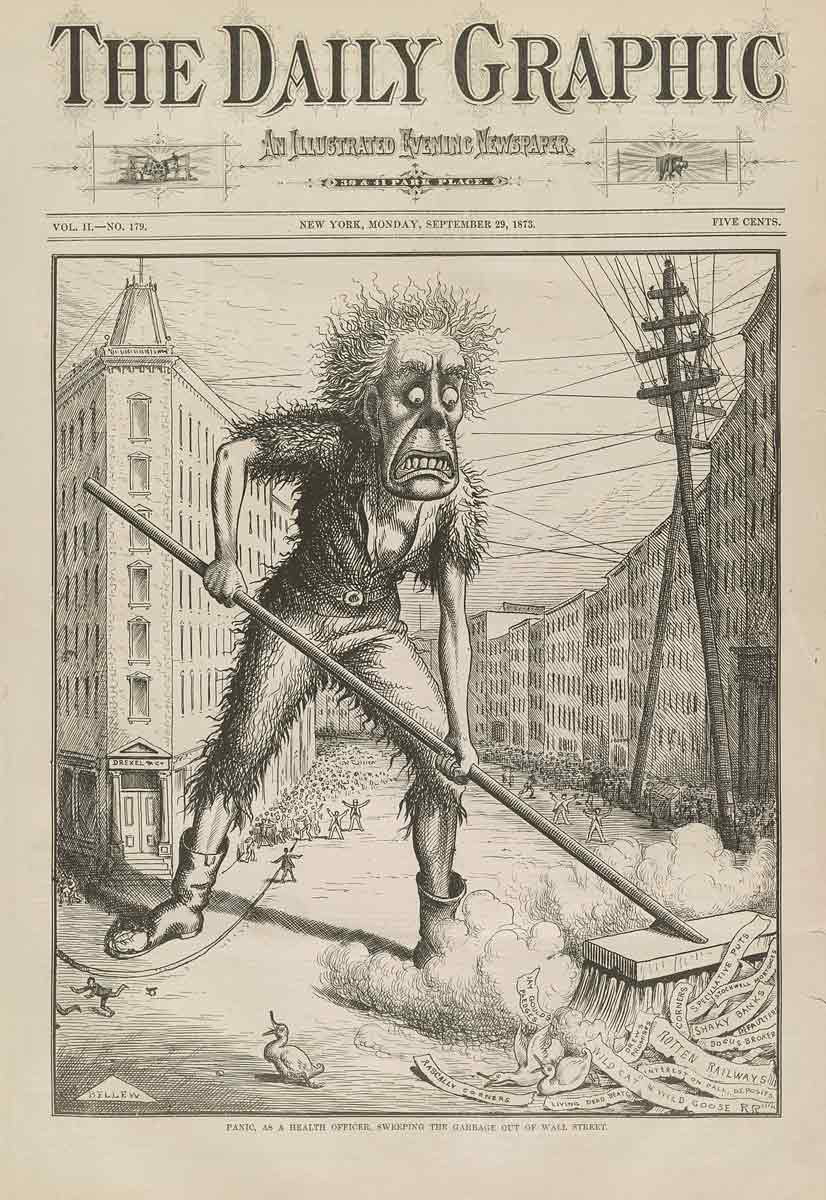
The economic woes of the Grant administration continued with the Panic of 1873. On September 18, Jay Cooke and Company, a banking firm that heavily invested in the booming railroad industry, closed its doors, leading to economic panic across the nation. Cooke and Company, who had been the Union Army’s chief financier during the Civil War, had overextended itself and declared bankruptcy. Other companies soon followed, with 89 of the country’s 264 railroads declaring bankruptcy. In two years, 18,000 businesses had closed, and unemployment shot to 14%. The ensuing economic depression cast a shadow over the remainder of Grant’s presidency.
While many people suffered as a result, African Americans in the South were in crisis. Many faced unemployment, and with the ongoing poor economy, the government was more focused on addressing financial woes than protecting all citizens. KKK activities ramped back up, and violence became commonplace. This crisis would lead to Southern white supremacists gaining unfettered control in governmental positions, undoing many of Grant’s Reconstruction efforts.