Mennonites and Amish both grew from the Anabaptist movement in Switzerland. As the name suggests, the Anabaptists broke from the Roman Catholic practice of infant baptism. The Mennonites, named after Menno Simons, a former Catholic priest who became an Anabaptist leader, were a distinct group within the Anabaptist Movement. The Amish split from the Mennonites primarily because of differences in discipline. The split happened in 1693 when some members followed Jakob Ammann, who believed the Mennonites were growing too lax.
Historical Origins and Split
During the Reformation of the 16th century, some reformers criticized the Roman Catholic practice of infant baptism. They believed the Bible only supports adult baptism. Catholics referred to them by the derogatory term Anabaptists, which means re-baptizers, because they would baptize people who were already baptized as infants.
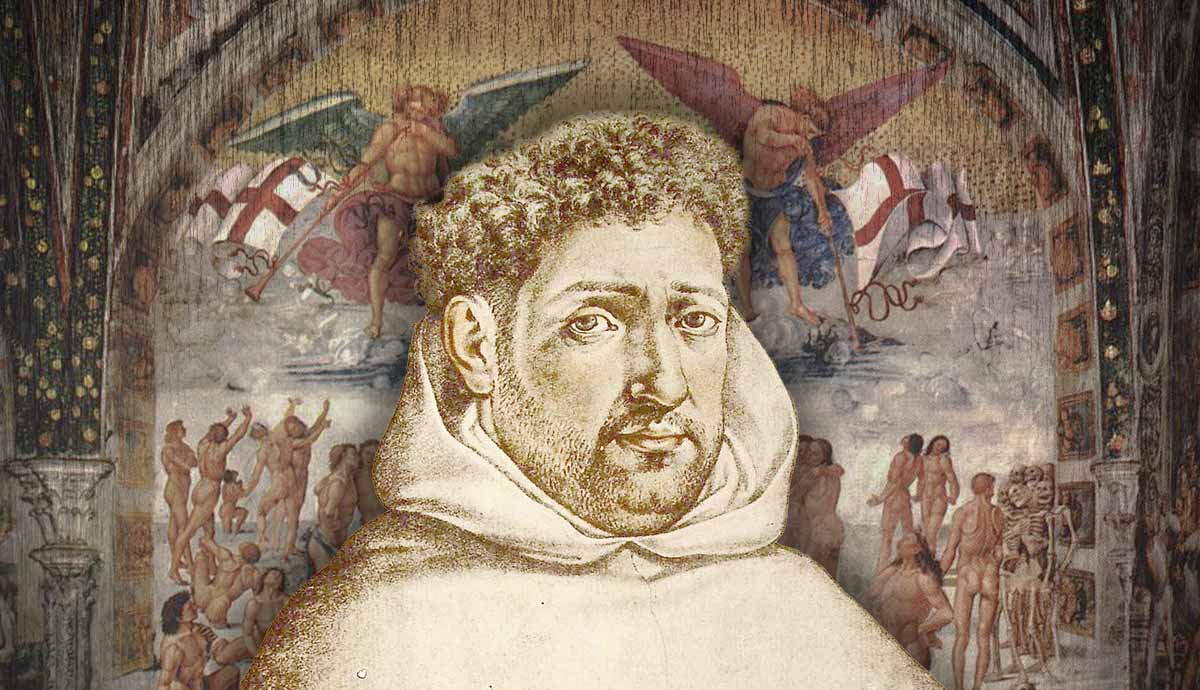
Within the Anabaptist movement in Switzerland, a group called the Mennonites developed. They followed and were named after Menno Simons, who used to be a Catholic priest but broke from the Church on doctrinal grounds in the 1530s and 40s. The Mennonites believed in adult baptism, pacifism, simple living, and voluntary church—the idea that one is not born into or required to join by law, family, or society, but rather join by free choice.
Joining the Mennonites meant accepting the lifestyle they embraced. The Mennonites practice shunning—setting aside people who broke their rules on lifestyle and faith.
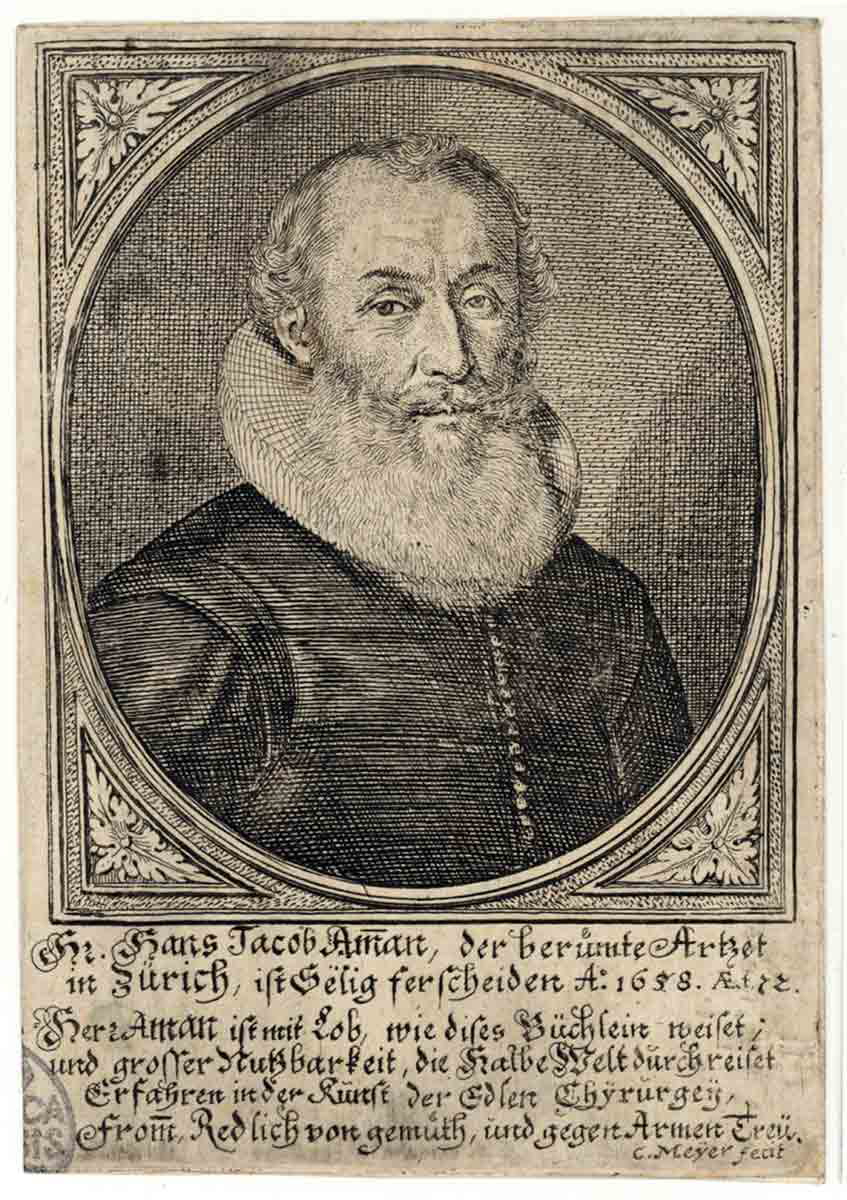
In 1693, Jacob Ammann broke from the Mennonites, believing they had grown too lax on the issue of shunning. He argued for stricter practice and more total versions of shunning that forbid dining with or having social interaction with excommunicated individuals, even family members. Those who agreed with him and joined the breakaway group were called the Amish.

Both the Mennonites and the Amish experienced religious persecution in Europe. In Switzerland, the Netherlands, Germany, and Austria, where these two groups had a presence, there was no real separation of Church and State, so dissenters were not welcome. When they saw an opportunity in the colonies of America to practice their faith according to their conscience, many Mennonites and Amish resettled the New World, especially Pennsylvania.
The first Mennonites arrived in Germantown, Pennsylvania, from Germany and the Netherlands in 1683, before the split with the Amish. Settlers from Switzerland and the Alsace region settled in the early 1700s. The first major group of Amish settlers from Switzerland and the Alsace region arrived between 1737 and 1754. These Mennonite and Amish groups mainly settled in Lancaster County, Pennsylvania. They later spread to Ohio, Indiana, Illinois, and Ontario, Canada, to find affordable farmland and separate themselves from worldly influences.
Religious Differences
Amish Beliefs
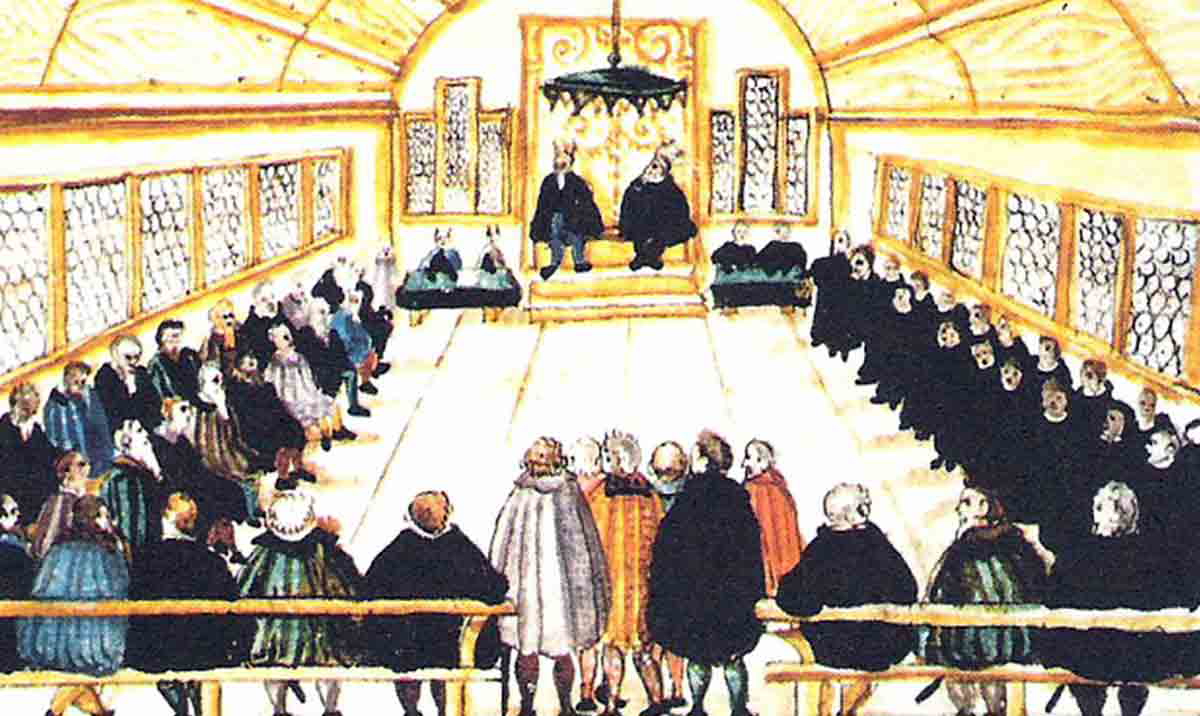
The Amish emphasize Gelassenheit, a German term meaning “yieldedness.” This idea embraces humility and submission to God’s will and the community’s rules, called ordnung. Their approach results in the rejection of individualism and modern conveniences, which the Amish consider a hotbed for fostering pride or worldly attachment.
Meidung, or Shunning, is an Amish practice where members who violate the ordnung after baptism are excommunicated and socially avoided to the extent that their Amish family members will not eat with or socially interact with them. As a foundation for this practice, they quote Matthew 18:15-17:
“If your brother sins against you, go and tell him his fault, between you and him alone. If he listens to you, you have gained your brother. But if he does not listen, take one or two others along with you, that every charge may be established by the evidence of two or three witnesses. If he refuses to listen to them, tell it to the church. And if he refuses to listen even to the church, let him be to you as a Gentile and a tax collector.”
The Amish consider their lifestyle and expression of Romans 12:2, which states, “Do not be conformed to this world, but be transformed by the renewal of your mind, that by testing you may discern what is the will of God, what is good and acceptable and perfect.”
For this reason, they prioritize separation from the world over missionary outreach or societal reform. The Amish do not proselytize to grow their membership. That said, it is not impossible, but very difficult, for an outsider to integrate into Amish society.
Mennonite Beliefs
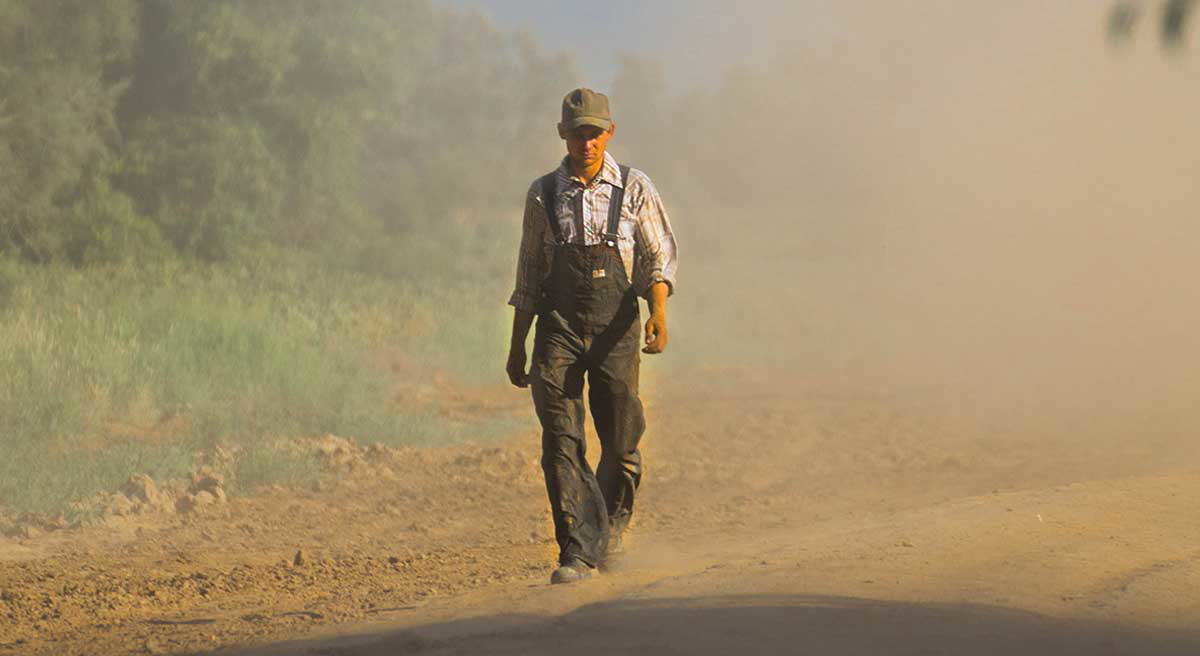
Like the Amish, Mennonites also hold humility and community in high regard. They, however, emphasize grace, forgiveness, and personal conscience. Though shunning does occur in stricter, more conservative Mennonite groups, most avoid it and attempt to achieve reconciliation instead.
Mennonites are mission-oriented, as their history of evangelism and global outreach attests to and shows in their footprint and global presence. The openness to personal conscience in matters of faith resulted in the Mennonite theology differing among groups. These differences range from conservative groups adhering to traditional Anabaptist principles to progressive groups that align with mainstream Protestantism. These liberal Mennonites are more open to debates about the role of women and inclusivity.
Lifestyle Differences
Amish Lifestyles

The Amish engage in an agrarian lifestyle while restricting exposure to technology. Even among the Amish, practice differs because each community governs itself. For the Old Order Amish, no electricity or telephone is allowed, while the New Order Amish allows limited electricity and some use of telephones. While the former may allow some use of tractors, the latter rejects the use completely.
The Amish strive toward self-reliance to limit exposure to outside systems. Daily life revolves around farming or craftsmanship, like furniture making, with almost all activity relying on manual labor.
The Amish dress in standardized clothing with men wearing plain suits, suspenders, and broad-brimmed hats while women wear long dresses, aprons, and head coverings. The colors tend to be muted, and the fabric has no patterns. Their clothing also avoids buttons in favor of hooks and pins. Head coverings for women are worn at all times as a sign of submission to God and community, a practice they derive from their interpretation of 1 Corinthians 11:5.
Church leadership in Amish societies is strictly male-only. They hold services in homes, barns, or workshops, and these gatherings often last for three hours. They do not allow musical accompaniment of hymns and sing a cappella from the Ausbund, a 16th-century hymnal. Prayers are done in High German, reflecting their origins.
The Mennonite Lifestyle
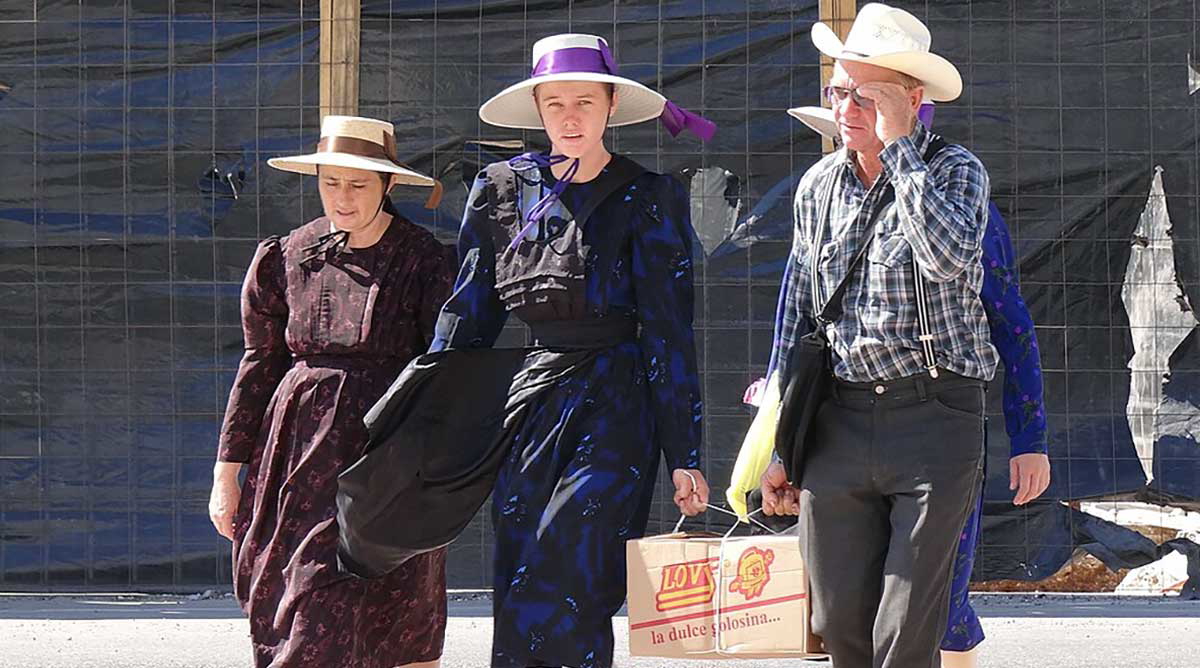
Due to their openness, Mennonite lifestyles have a greater spectrum, ranging from Old Order Mennonites to progressive. The Old Order Mennonites resemble the Amish, using horse-drawn buggies and preferring not to use electricity or technology. Conservative Mennonites are less strict. They use electricity, have limited exposure to technology, and even drive cars. Progressive Mennonites are indistinguishable from mainstream Protestantism. They live in urban areas, work in diverse professions, and embrace technology.
Mennonites who live in rural areas tend to be less integrated with their local society than their urban and suburban counterparts. The latter tend to view technology and modern luxuries as neutral and decide to use them based on the perceived impact they will have on their religious experience and practice.
While progressive Mennonites are indistinguishable from society in terms of dress, the conservative and Old Order Mennonites still hold to plain codes of dress, and the women wear head coverings. The range of colors they allow is broader than that of the Amish.
Mennonites gather in churches or meeting houses on Sundays and resemble protestant services. Some old-school Mennonites may gather in homes and use German dialects, but they are in the minority. Leadership in Mennonite societies varies, with men-only views held by conservative and Old Order Mennonite groups, while progressives are open to including women in positions of leadership.
Conclusion

Though they share Anabaptist origins, the Mennonites and Amish have significant differences in theology and lifestyle. The Mennonite approach to their beliefs resulted in a worldwide presence and approximately 2.1 million members. The Amish, in turn, have about 375,000 members, almost exclusively in America.
Old Order Mennonites are comparable to the Amish in faith and practice, but the progressive wing of Mennonites has a lifestyle that the Amish find objectionable. The Mennonites’ missionary focus allowed them to have a global footprint, while the Amish’s focus on separation from the world resulted in their presence primarily being limited to North America.
Looking from the outside, contemporary society will view the Amish and conservative and Old Order Mennonites who insist on male-only leadership as bigoted and misogynistic. To these faith groups, however, it is a Bible-mandated and divinely ordained limitation that God prescribed.
The progressive Mennonites could be mistaken for Baptists in terms of worship style, dress, belief in a personal relationship with Jesus, and commitment to evangelism. They do, however, differ in their view on pacifism and involvement in politics, among other things.
At the extremes, the Old Order Mennonites and Amish align in many ways on one end of the spectrum, while the progressive Mennonites are similar to the Baptists.