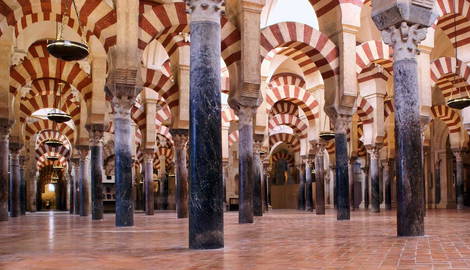
The Moors invaded Spain starting in 711 CE. In less than a decade, they had defeated all their opponents, gaining control of the Iberian Peninsula. By 715 CE, the region became known as al-Andalus. This would remain under Moorish control until Granada’s fall in 1492. During these 700-plus years, Moorish creativity thrived. They introduced knowledge such as the revolutionary concept of zero and established learning centers, which spread across Europe. Yet few nowadays realize how innovative or creative the Moors were or the impact they had.
Moorish Architectural Ideas
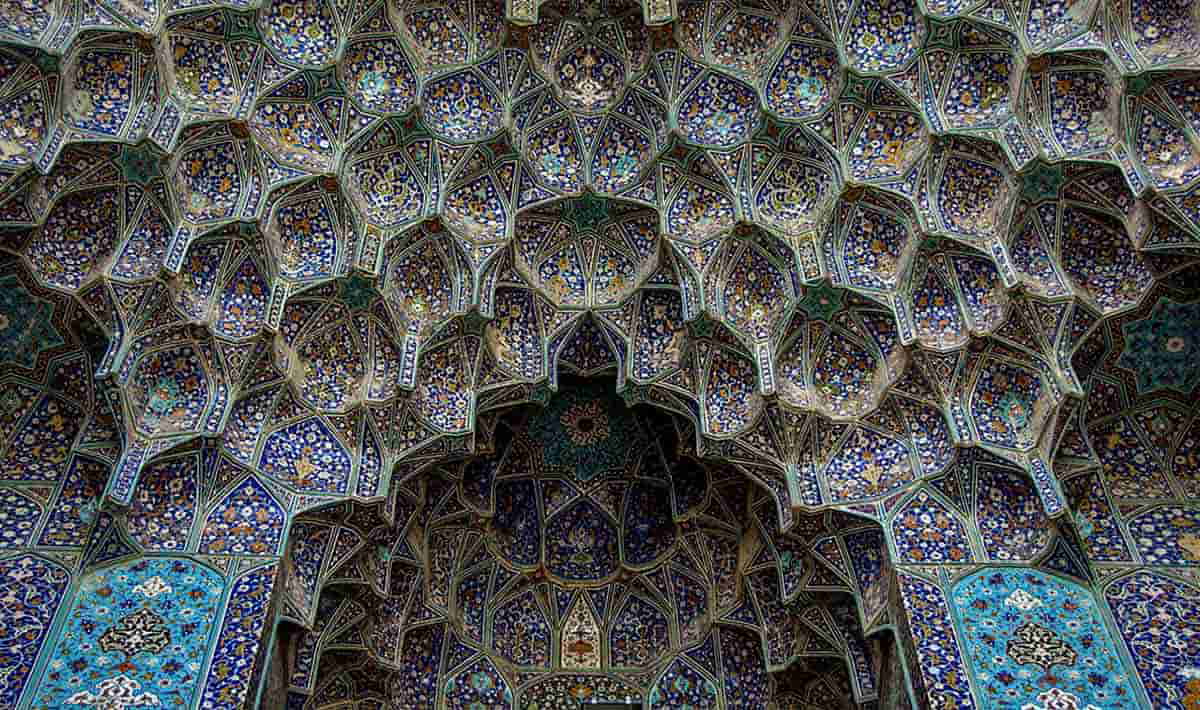
As the Moors settled into their newly conquered lands, they began to entrench their own culture. Muqarnas vaulting, or stalactite ceilings, are perhaps the most unique feature the Moors had. The muqarnas reached an artistic high under the Moors.
These were not flat ceilings but consisted of geometric mosaic niches. The effect was a three-dimensional surface. Metaphorically, muqarnas vaultings represented the heavens. The best examples of these can be found in the Alhambra’s Hall of the Two Sisters. In Iberia, the muqarnas became a recognizably Moorish building feature.
Both the Moors and Iberia’s previous landlords (Romans and Visigoths) found the climate to be humid and tropical. As a result, the Romans built the house’s interior with central courtyards open to the sky. The Moors took this concept further, combining fountains, gardens, and shaded areas to cool the interiors. Indeed, the patio would be a signature sign of Moorish architecture.
Besides improving a home’s interior climate, patios proved practical. They offered a social and relaxing space for daily living. Patios later became a staple of Spanish and Mediterranean house designs.
Musical Innovation

Moorish innovation wasn’t limited to the seen and built. It also included the heard. This style of music stemmed from the fusion of Arab, Berber, and Iberian cultures. Centered around instruments like the oud and rebab (bowed string), Andalusian classical music used poetry for its lyrics. The Iberian heritage brought dance rhythms and melodic motifs—the result: music that balanced musical flourishes with a strong musical complement, with a rich sound. After the Spanish Reconquista, Andalusian influence remained strong. These manifested in Spanish folk music and flamenco. In flamenco, the palmas (hand-clapping) and fancy footwork are Andalusian in nature.
Public Health Requirements
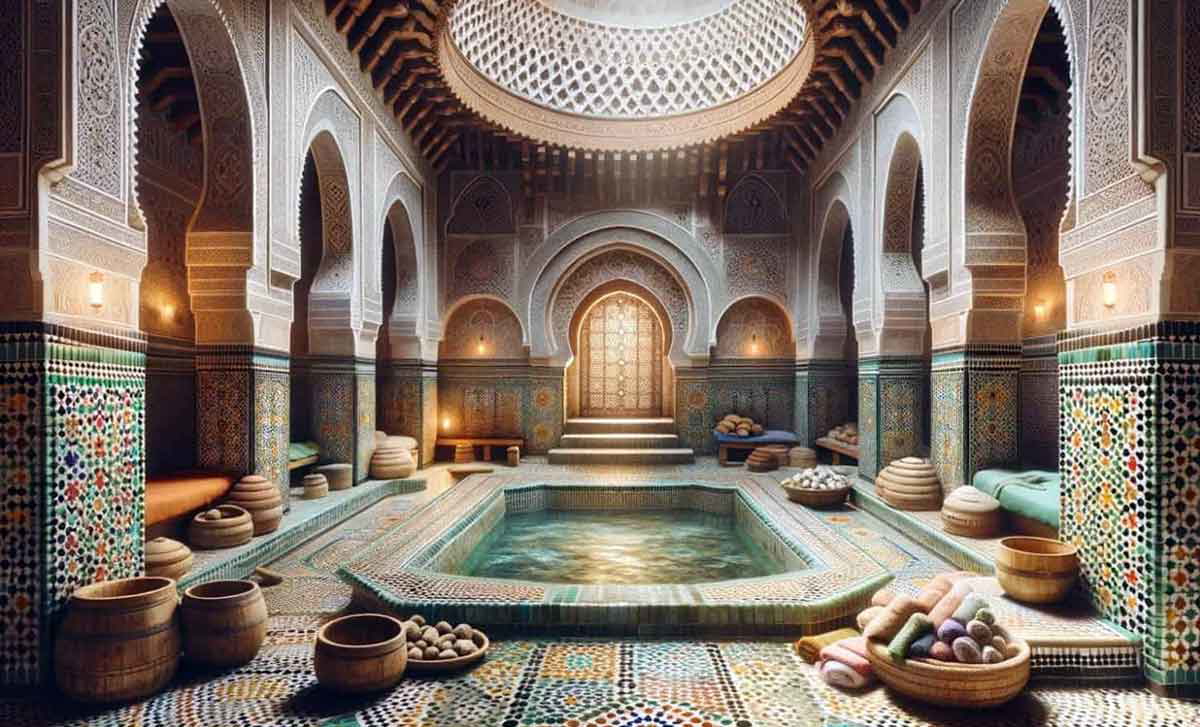
In Islamic culture, cleanliness is both a daily routine and a religious principle. Whether performing daily ablutions or following the Prophet’s saying, like bathing or brushing one’s teeth. Here, hammams came into play. Here, the Moors fused Roman engineering with Arabic cleanliness and bathing rituals. These public baths were often placed near mosques or marketplaces and welcomed all.
Patrons followed an orderly system through three rooms. First came the cold room for washing, the warm room for adjustment and social time, and, lastly, the hot/steam room for relaxation and deep cleaning. Hammam’s influence eventually spread across Europe, shaping spa culture.
Merged Cities and Defenses
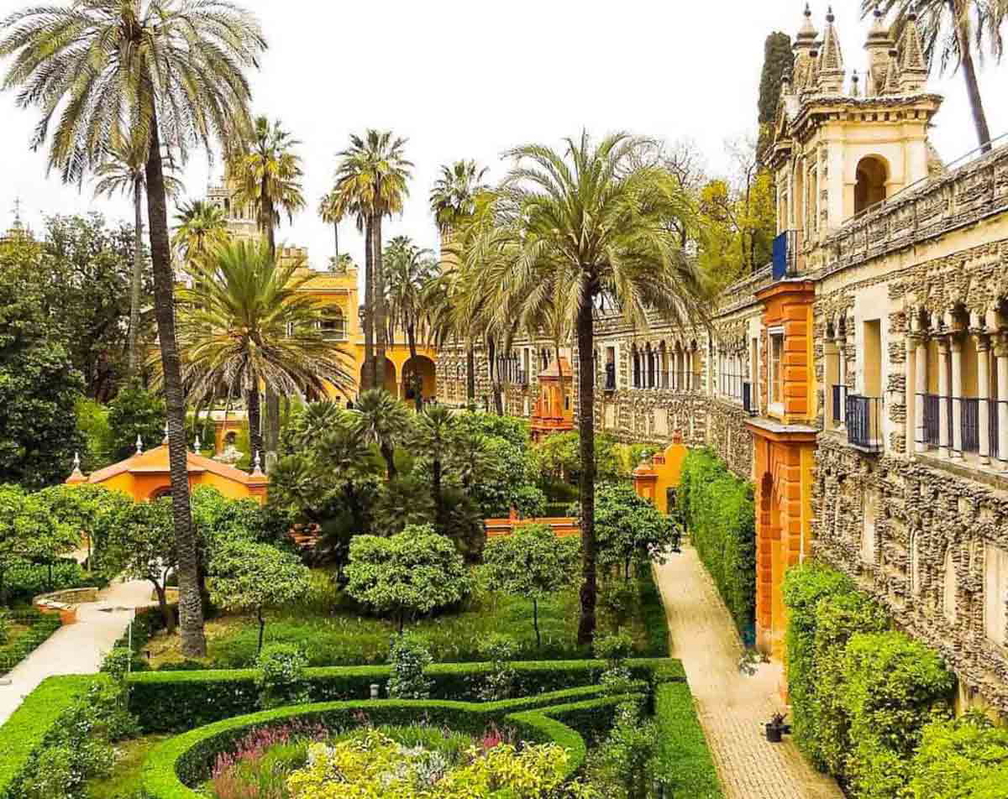
City-fortresses, known as al-qasr in Arabic, emerged during the Umayyad era of al-Andalus (10th century). Rulers created these multi-use urban complexes that integrated military defenses, administration, and opulent living. Inside the defenses were citadels, towers, ceremonial halls, and gardens. Many grew over time with succeeding rulers adding more features. Later, Christian rulers exclusively hired Moorish architects to build new alcazars in newly reconquered areas.
The Alcazar of Seville is considered to be among the finest examples. Today, this is still an official Spanish royal residence.
Moorish Navigational Changes
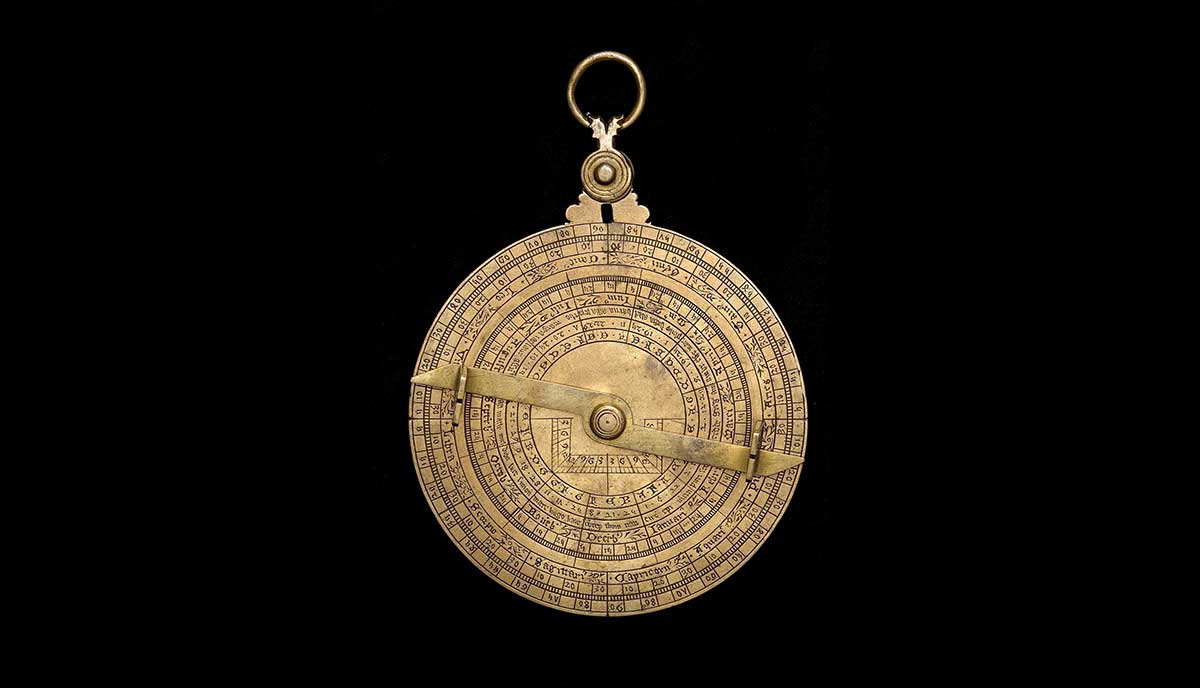
For thousands of years, navigation was always dicey. That changed somewhat in the Greco-Roman era with early astrolabes. Think of an astrolabe as an early device for navigation and timekeeping. While not an original Moorish invention, Iberia’s newest residents took the device to heart. They added completely new functionality that did more than log time and star locations.
First Moorish craftsmen calibrated devices for Islamic prayer times and Mecca’s direction. The new features meant navigators could determine latitude and altitude. Even horoscopes were predicted using a star or planet’s position at a specific time and location. In cities like Seville and Cordoba, craftsmen crafted high-quality brass astrolabes, showcasing the Moorish talent for fusing knowledge and religion. The Moors are now consigned to the historical record. Yet their innovations improved or changed life and became critical to Spain’s identity.