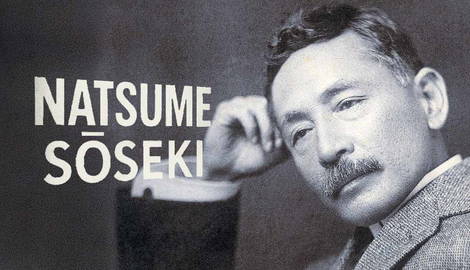

Natsume Sōseki grew up during a time of great change in Japanese society. Japan in the Meiji period (1868–1912) stood at the crossroads of rapid industrialisation and westernisation. Echoing the times, Sōseki’s works reflected prevailing sentiments and discussed themes such as alienation and the loss of traditional values. His publications, such as Wagahai wa Neko de Aru (“I Am a Cat”) and Kokoro remain highly influential today. Let’s explore the life and legacy of Natsume Sōseki and examine the enduring imprint he left on Japanese literature.
Natsume Sōseki’s Childhood and Family
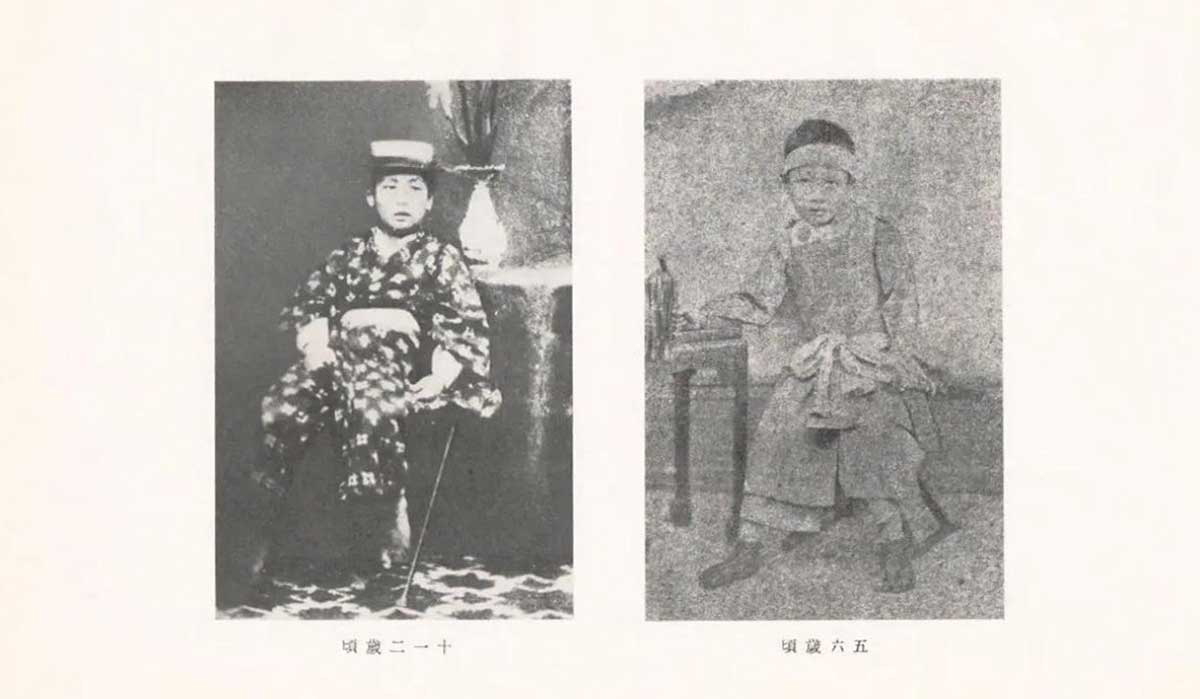
Born Natsume Kinnosuke on February 9, 1867 in Edo (modern-day Shinjuku, Tokyo), Natsume Sōseki was the youngest child in the family. His parents, then 53 and 40, felt ashamed for having children at their age and put him up for adoption. After turning one, a childless couple adopted Sōseki, but he later returned to his biological family at the age of 8 when his foster parents divorced. Lamenting his lackluster childhood, Sōseki recalled that they never “pet [him] as parents do their youngest children” and that his “father treated [him] rather harshly.” Often feeling unloved and alienated, Sōseki’s sense of insecurity intensified with the deaths of his biological mother and his brothers in 1881 and 1887, respectively. His tumultuous formative years would profoundly impact his outlook in life, as well as his subsequent writings, which often dealt with loneliness and dysfunctional relationships.
Literary Beginnings: The Allure of Chinese Literature

From a young age, Sōseki had been drawn to Chinese literature, studying Chinese poetry and fiction extensively. Through classics such as Records of the Grand Historian and The Analects of Confucius, Sōseki immersed himself in the world of ancient Chinese sages and literary giants. This interest in Chinese literature ignited his passion to become a writer and laid the foundations for his intellectual development. His later works would also reflect his lifelong appreciation for Chinese classics and literature. For example, the opening lines of his novel, Kusamakura (“Grass Pillow”), paid tribute to a poem by Tao Yuanming, one of ancient China’s greatest poets.
Writing Poems, Learning English, and Becoming a Teacher
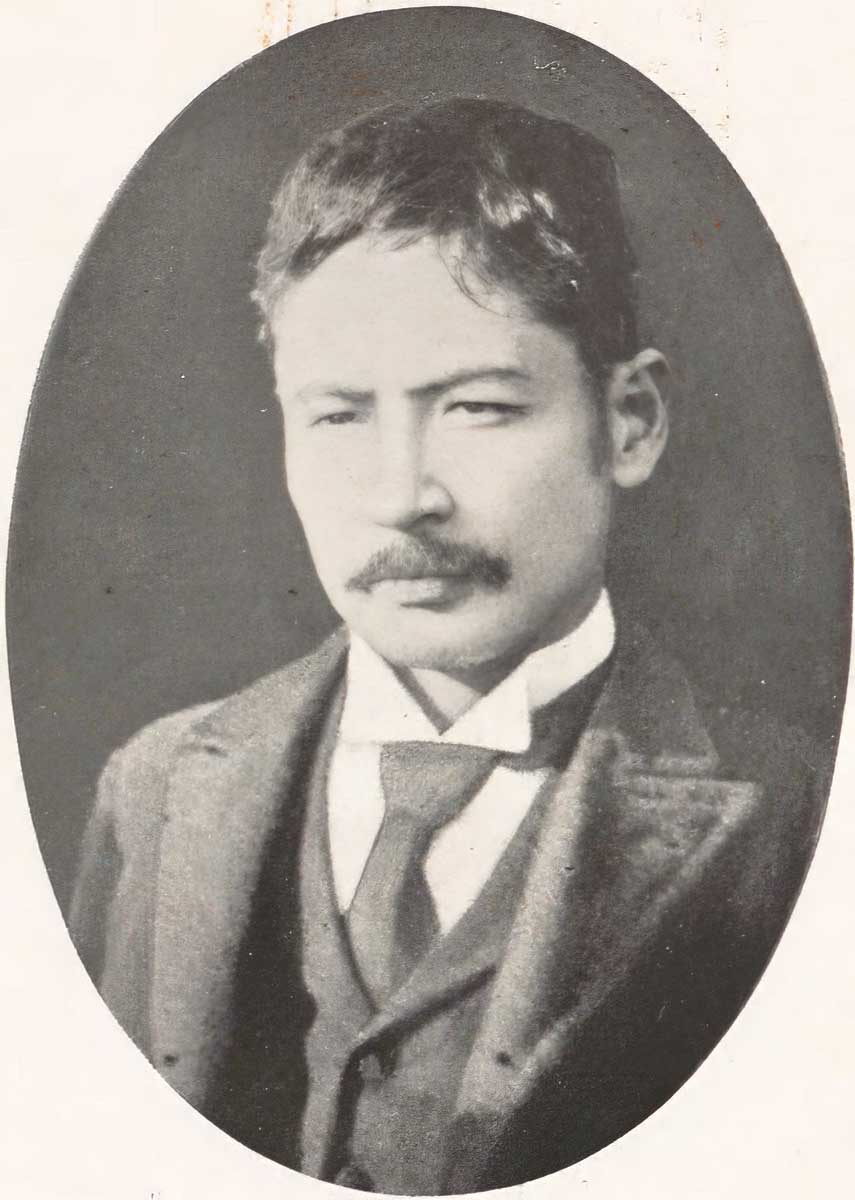
Despite his initial reluctance, from the age of 16, Sōseki took it upon himself to study English in preparatory schools for prospects. During this period, Sōseki became acquainted with Masaoka Shiki, who encouraged him to become a writer and influenced him to compose Chinese poems and haiku (short form Japanese poetry). In 1889, he adopted the pen name Sōseki, derived from a Chinese idiom meaning “stubborn,” to sign off on poems he composed. In 1890, at the age of 23, Sōseki majored in English Literature at Tokyo Imperial University. After graduating in 1893, he went on to teach English in various schools across Japan, including in Matsuyama and Kumamoto.
Sojourn in Britain: Alienation and Affliction

The two years I spent in London were the most unpleasant years in my life. Among English gentlemen I lived in misery, like a poor dog that had strayed among a pack of wolves. – Natsume Sōseki
In 1900, Sōseki was sent to study in Britain, touted by the Japanese government as the country’s “first Japanese English literary scholar”. As prestigious as it sounded, Sōseki would later look back at the two-year stint in great regret and distaste. Cooped up in a small room in London and having little to spend on himself, Sōseki was overwhelmed by a devastating sense of loneliness. He also struggled with acclimating to English society, often feeling inferior to the tall and good-looking [British] people. Sōseki was also surprised by the stark disparity between the English and Japanese worldviews. Whether it be his snow-viewing invitation to his peers or his attempt to engage them in discussion about the role of the moon in Japanese culture, Sōseki found little resonance and companionship, further exacerbating his sense of alienation.
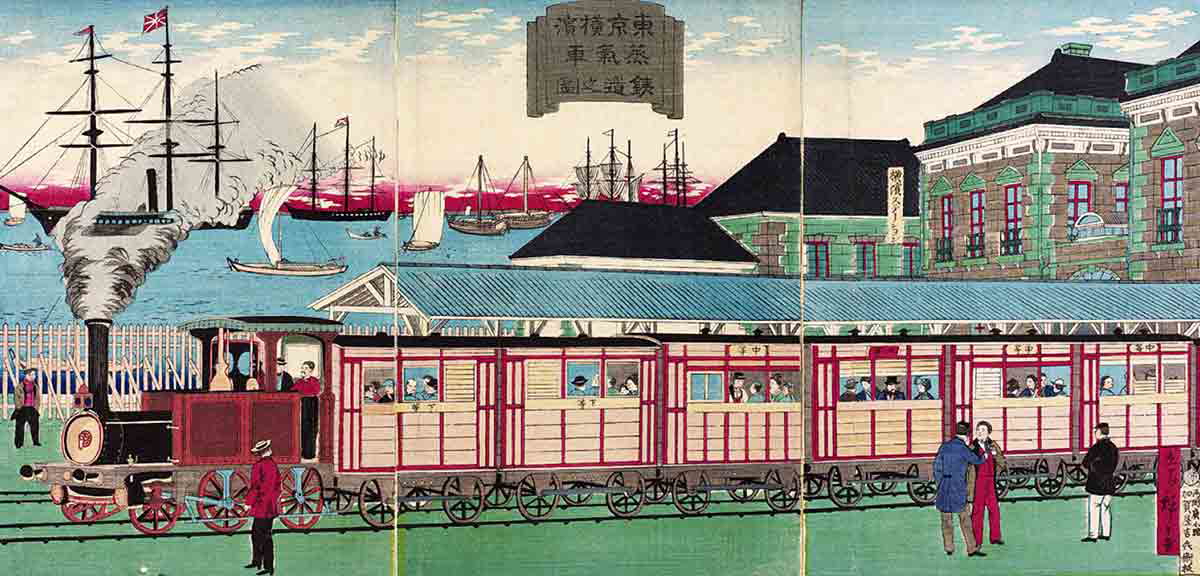
On top of the intense culture shock, Sōseki, too, struggled with a chronic stomach disorder and severe depression. After his sojourn in Britain ended, he returned to Japan in 1903 with a newfound, more somber perspective of the West. His works, greatly influenced by his lackluster experiences in London, brought to the fore themes of isolation and cultural dissonance between the East and West. Disillusioned by the spiritual emptiness he observed in Western society, Sōseki began to question the uncritical adoption of Western ideals and practices in Japan. His poignant exploration of the inner conflicts of those caught between upholding traditional Japanese values and the pressures of navigating a rapidly modernizing world became a central theme in his subsequent works.
Sōseki’s Literary Career Takes Off
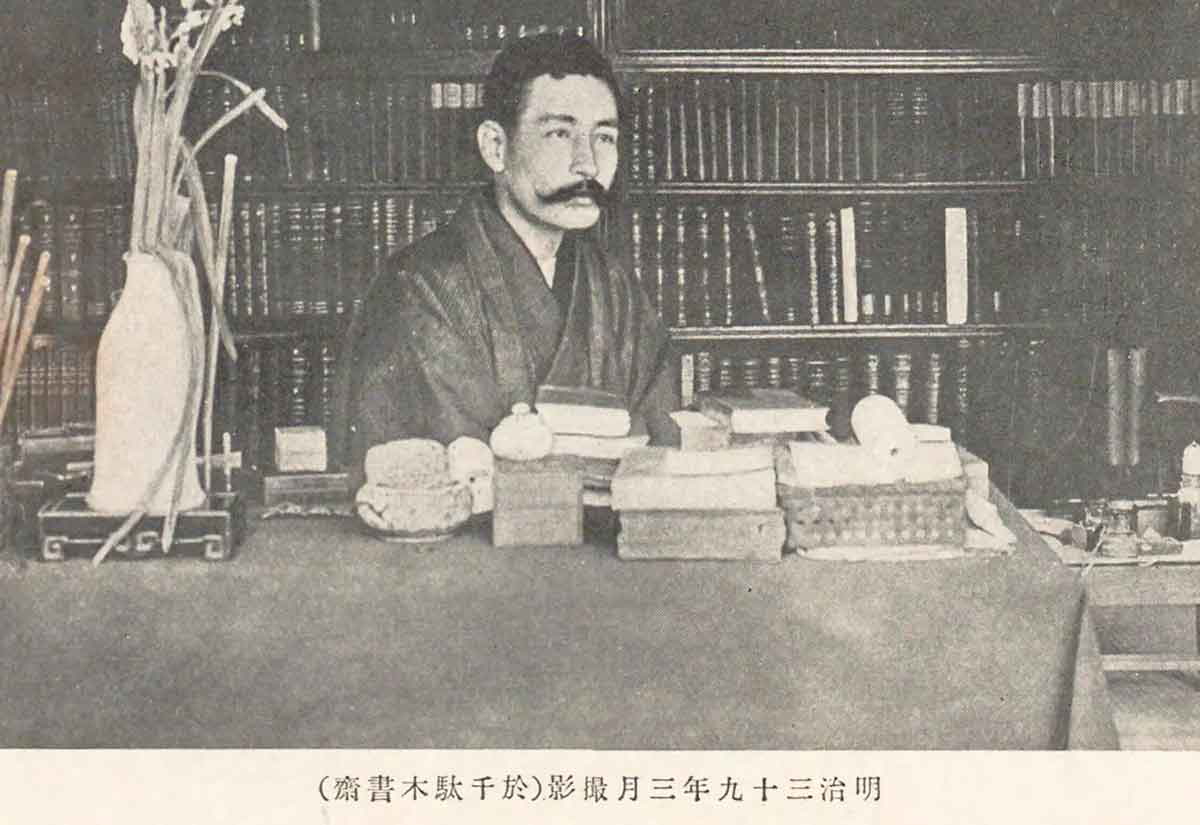
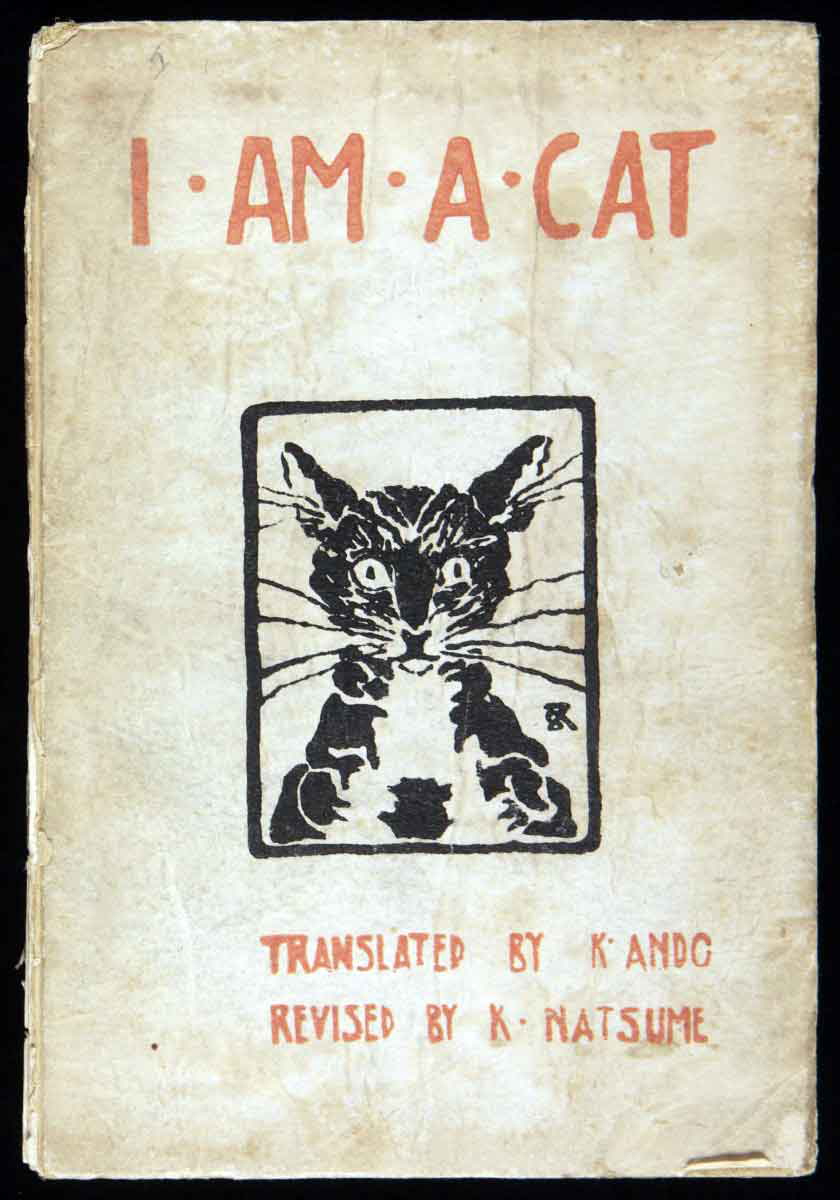
Following his return to Japan in 1903, Sōseki lived in Tokyo and became a teacher at First Higher School and the University of Tokyo. This was a pivotal period in his life as he began contributing haiku (short form Japanese poetry) and literary sketches to magazines regularly. The publication of arguably his most iconic work Wagahai wa Neko de Aru (“I Am a Cat”) between 1905 and 1906 earned Sōseki widespread critical acclaim. A clever, satirical piece comprising short stories told through a cat’s perspective, the novel aptly captures the societal upheavals and cultural clashes in Japan following the rapid westernisation during the Meiji era.
Building upon his success, Sōseki continued to publish well-received works, such as Rondon tō (“Tower of London”), Botchan (“Little Master”), and Kusamakura (“Grass Pillow”). With his growing reputation as a novelist, Sōseki did what would be considered highly unconventional then—he quit teaching in 1907 to pursue writing full-time.
Debilitating Mental Health
While he ascended the ladder of literary success, Sōseki’s mental well-being was at rock bottom. Deeply traumatized by his experiences abroad, his mental health remained fragile even after returning to his homeland. He was volatile and prone to fits of rage, frustrating his wife, Kyōko Natsume and their children, who often bore the brunt of his depression. A union that began as an arranged marriage, Sōseki’s relationship with Kyōko was built on weak emotional foundations. Despite sharing seven children, their marriage was fraught with psychological abuse, frequent conflicts, and marital dissatisfaction, all factors that did not help Sōseki’s mental state.
On the flip side, scholars have also argued that Sōseki’s mental torment and instability had served as impetus for his literary achievements, often informing the emotional nuance and deep introspection in his works. Sōseki himself noted in his non-fiction work The Theory of Literature (1907) that he “owed the production of I Am a Cat to this instability.”
Sōseki’s Impact on the Japanese Literary Landscape

Diving into a full-time writing career, Sōseki signed an exclusive publishing contract with The Asahi Shimbun, a leading Japanese newspaper company, in 1907. He published numerous serialized novels widely consumed and beloved by the Japanese population, cementing his position as a celebrated writer. In The Asahi Shimbun, Sōseki not only had his own daily column but also sponsored another that featured contributions from a pool of talented writers. By virtue of Sōseki’s contract with the newspaper, the editors had no control over his creative expressions, allowing him the liberty to explore various themes. Between 1908 and 1915, Sōseki’s creative output was remarkable. He produced a succession of major works, which includes Sanshirō, Mon (“The Gate”), Higan Sugi Made (To the Spring Equinox and Beyond), Kokoro, and Michikusa (“Grass on the Wayside”).
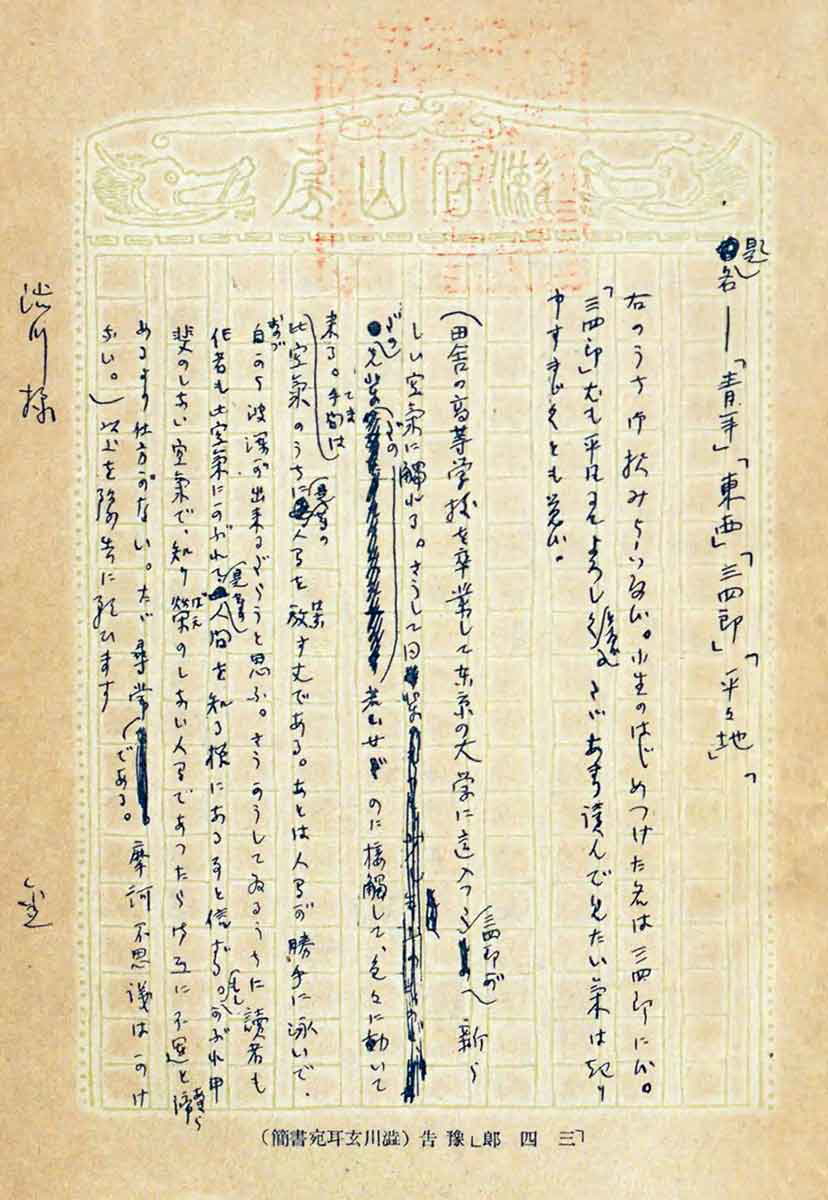
Sōseki and his works shaped modern Japanese literature in more ways than one. By capturing the isolation experienced by those struggling in a rapidly westernizing society, Sōseki gave voice to the everyday Japanese, especially the emerging middle class. His bold experimentation with literary forms and styles also set him apart from his contemporaries. While writers at the time were mostly conservative in their literary techniques, Sōseki’s works incorporated elements of stream-of-consciousness, fragmented narration, and shifting perspectives. Despite adopting techniques reminiscent of Western modernist writers, Sōseki remained faithful to traditional literary forms. As much as he favored Western narrative structures, he was well-versed in haiku and kanshi (classical Chinese poetry), allowing him to craft a hybrid, resonant voice.
Later Years and Death
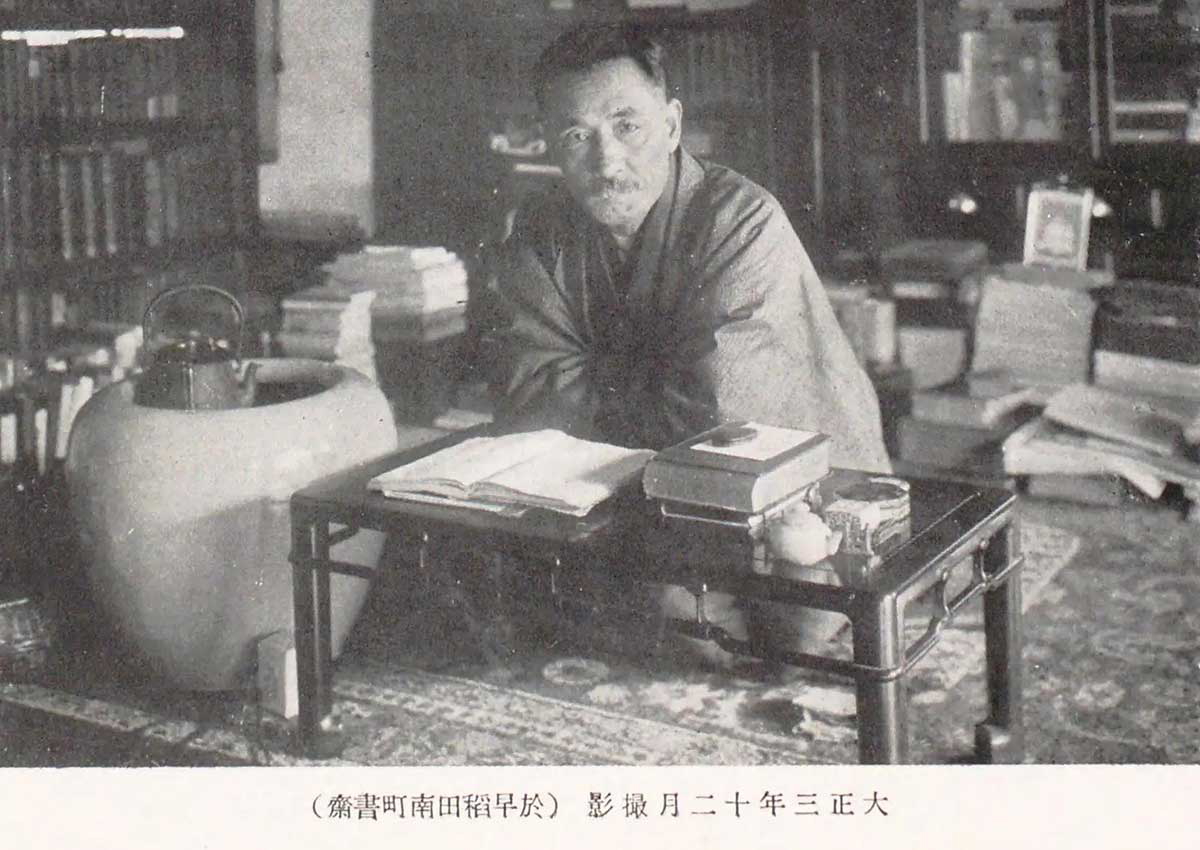
While he enjoyed critical acclaim, Sōseki’s physical health, alongside his existing mental anguish, began to worsen by 1910. He was hospitalized due to a stomach ulcer and later relocated to a hot spring resort in the Shizuoka prefecture to recuperate. There was a brief death scare, where he vomited large amounts of blood, saw his contemporaries and followers of his work rushing to his sick bed. Sōseki later recovered and persisted in his writing endeavors despite his deteriorating physical and psychological states. In 1916, his stomach ulcer problems took a turn for the worse, and he passed away at his residence, leaving behind an unfinished novel titled Meian (“Lightness and Darkness”). He was 49 years old.
Remembering Natsume Sōseki: The Father of Modern Japanese Literature
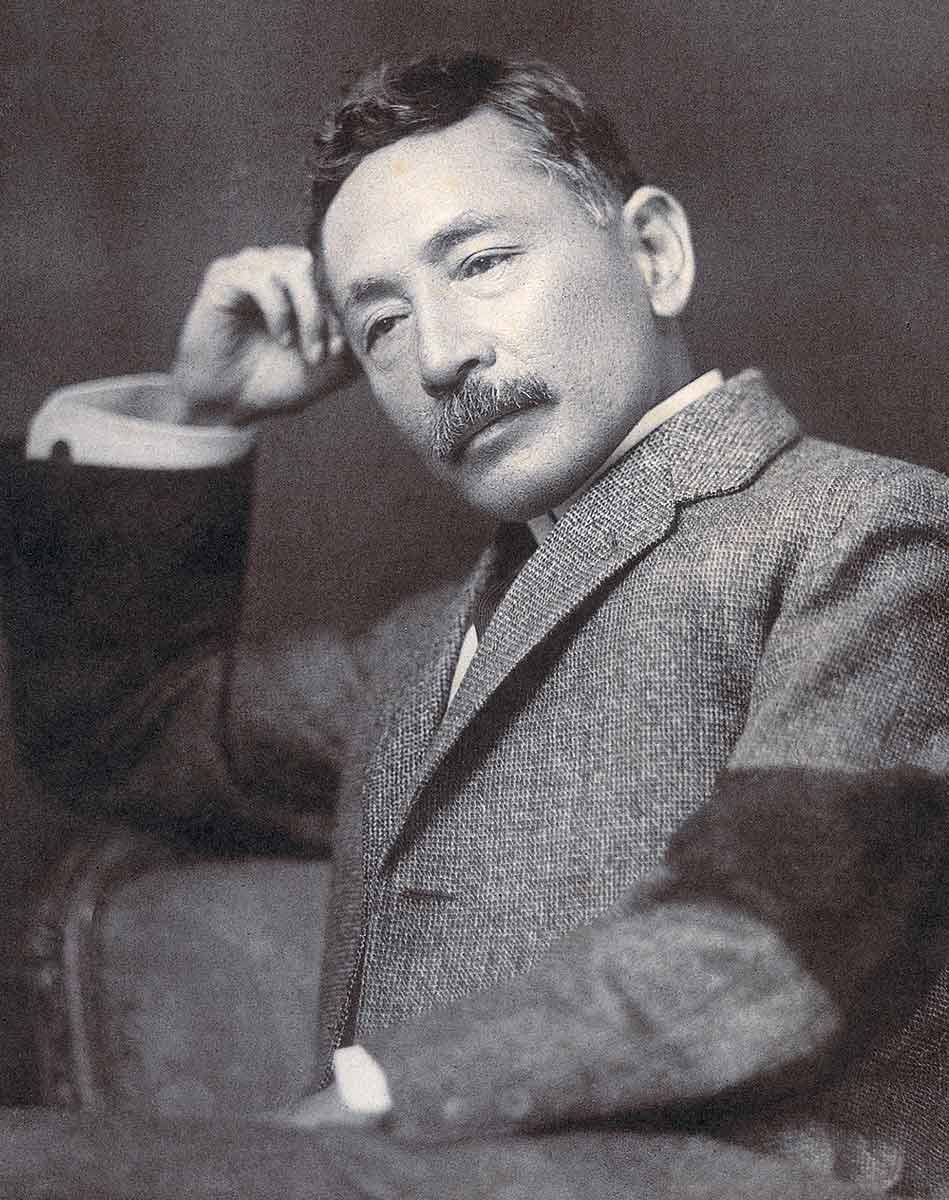
Hailed as modern Japan’s greatest novelist, Sōseki is highly regarded for having transformed the Japanese literary landscape. His masterful blending of Western narrative techniques with traditional Japanese themes and sensibilities was revolutionary and ahead of its time. In his celebrated works such as Kokoro and Sanshirō, Sōseki boldly challenged earlier storytelling conventions with his introspective narratives and complex character studies, successfully distinguishing himself from his peers. His enduring legacy also lies with his indelible influence on his protégés, contemporaries, and generations of Japanese writers from Ryūnosuke Akutagawa and Naoya Shiga to Haruki Murakami.

A mainstay in Japan and elsewhere in the world, Sōseki’s novels are widely studied in schools and by avid readers of Japanese literature. His works have since been translated into more than 30 languages, a testament to his enduring global appeal and relevance. In Japan today, the Natsume Sōseki Memorial Museum in Tokyo, and the Uchitsuboi House in Kumamoto are two key spots dedicated to sharing his legacy. More than a literary figure, Sōseki’s insightful and poignant observations of human nature and vulnerabilities reflect not just the social vicissitudes of his time but also continue to resonate deeply in contemporary society.