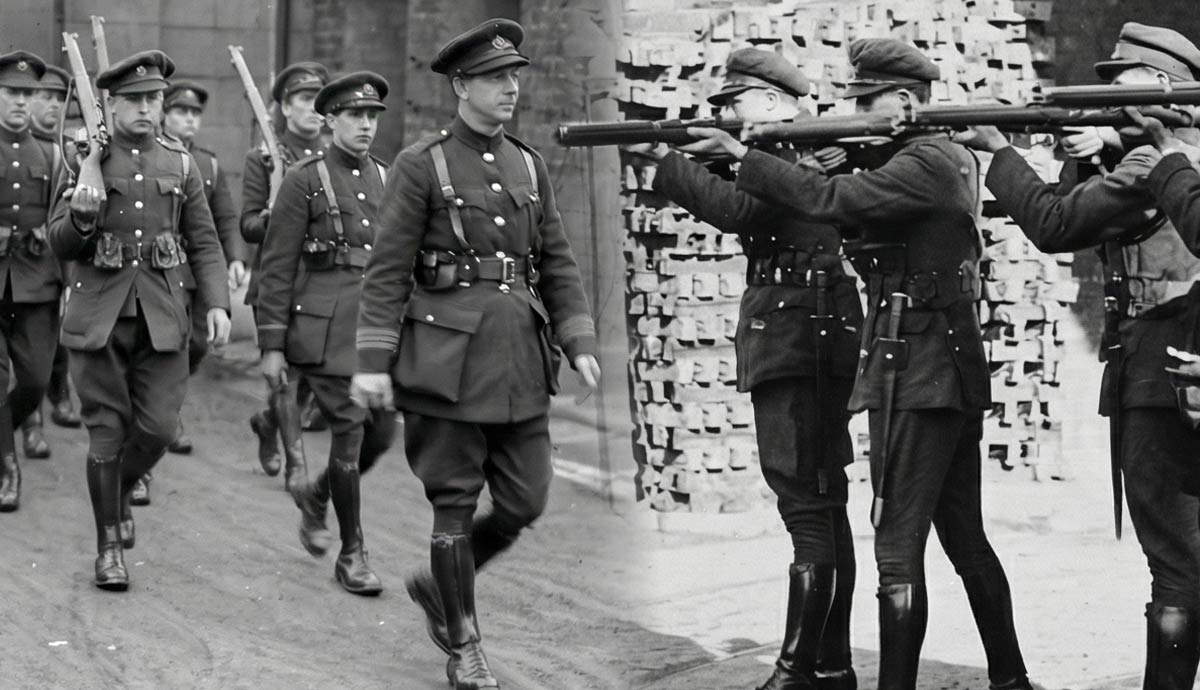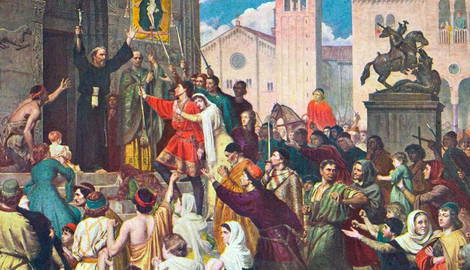

In an age of renewed holy war, the Bishop of Rome preached peace. In league with other Christian leaders, Pope Leo XIV assembled about the ruins of an ancient basilica to mark the memory of that most fundamental of ecumenical councils. Yet his words of reconciliation amongst peoples of all faiths finds not an apt background in the Council of Nicaea, but in the siege of the same city in 1097. A siege that first tested the warriors of the First Crusade in a conflict encouraged by one of Leo’s predecessors.
Holy Wars Never Get Old
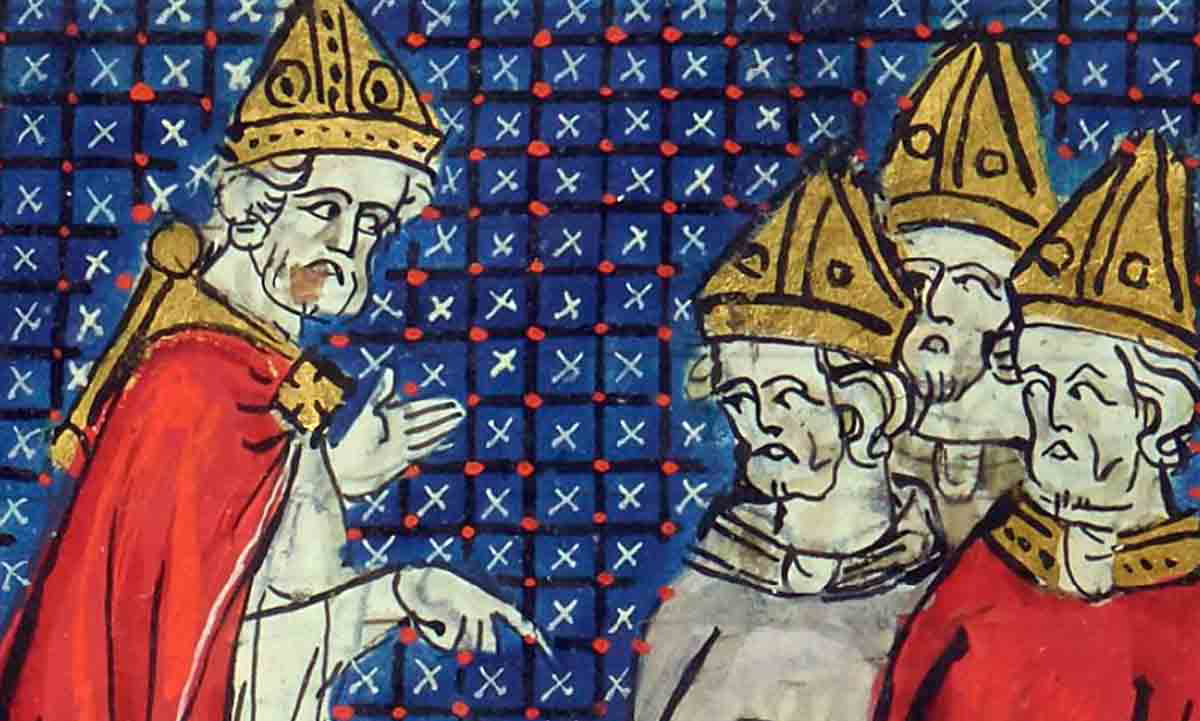
But the heads of the Catholic and Orthodox churches did not come to the Turkish city of Iznik, ancient Nicaea, on November 28, 2025, to mark a moment when the warrior elite of Christian Europe clashed with Muslim armies of the Seljuk Turks. The historically minded, however, cannot help but make the connection. Standing among the ruins of the ancient basilica of Nicaea, where tradition holds the Roman Emperor Constantine presided over that monumental gathering of clerics, the Pope and Patriarch of Constantinople, in league with other Christian leaders, paid homage to the work of their forebears. Stressing the unity formulated by the Nicaean fathers centered upon the universal creed they produced, the Pope recognized modern humankind’s desperate need for reconciliation in a world plagued by incessant war.
Conflicts teeming with the bitterness of religious zeal are perhaps best exemplified by Russia’s invasion of Ukraine being sanctified as a Holy War by the Patriarch of Moscow in March 2024. By framing Putin’s invasion as a war of liberation against a western-backed Kyiv despoiling lands rightfully Russian, Patriarch Kirill of Moscow stood his nation’s cause in line with arguments made a thousand years before by Pope Urban II, proving quite simply that holy wars never get old.
To the Defense of the Eastern Church
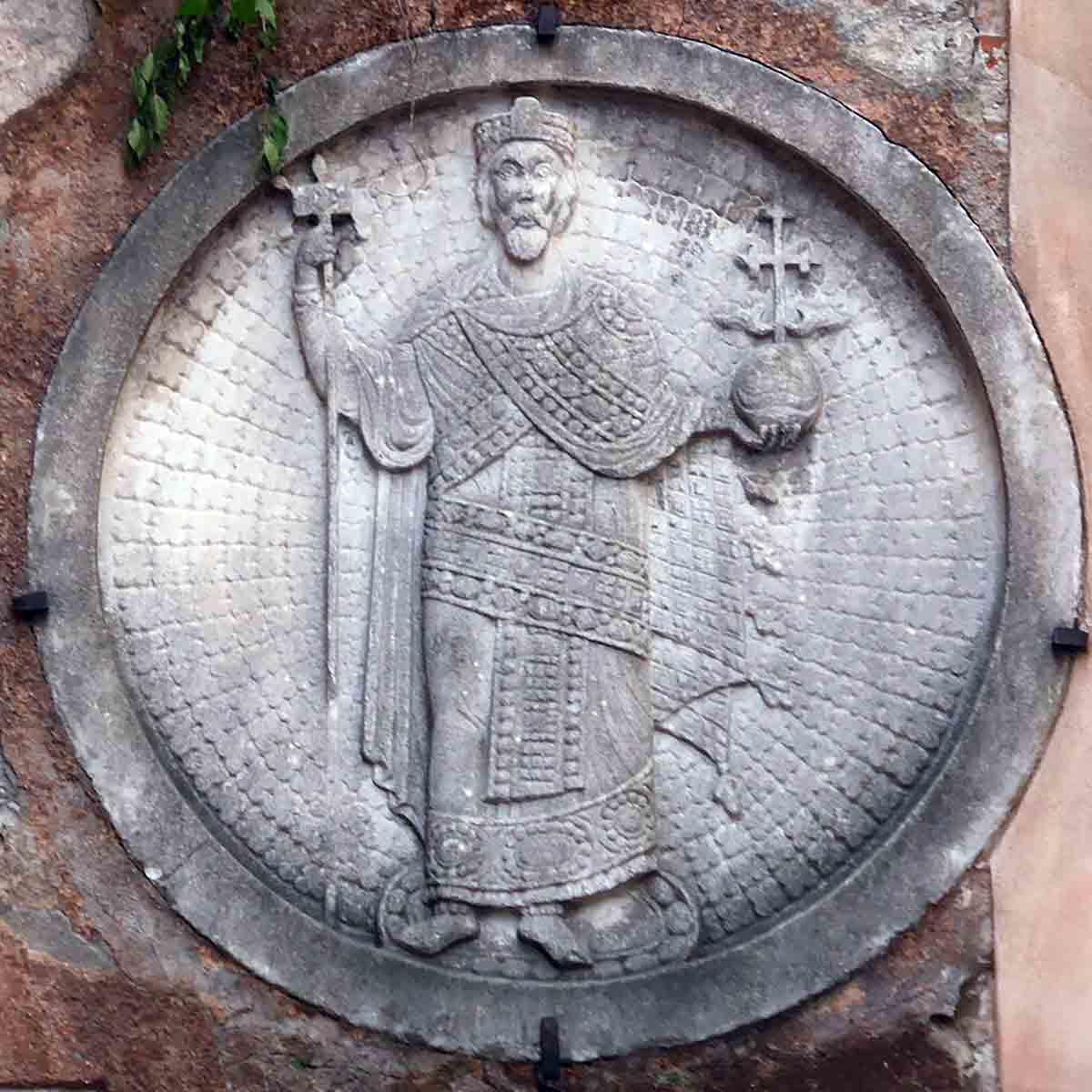
Unlike the present Pontiff, who stressed “we must strongly reject the use of religion for justifying war, violence, or any form of fundamentalism or fanaticism,” Pope Urban harnessed it in mobilizing western Christendom to aid the beleaguered Byzantine Empire. Calls from Constantinople for military support to regain lands lost in Anatolia to the Seljuk Turks met an overwhelming response. Encouraged by Urban’s impassioned speech at the Council of Clermont to hurry to the defense of the Eastern Church, tens of thousands took the cross for the liberation of the Holy Land.
This call came from a war-weary emperor whose realm had shrunk dramatically in only 20 years. Its genesis came on August 26, 1071, in Constantinople’s defeat at the hands of the Seljuk Turks at Manzikert. But enterprising though the Turks were, the Crusades were not motivated by their onslaught upon Byzantine lands, but by Byzantine military weakness generated by civil war and rebellion in Manzikert’s wake.
While the Byzantines fought each other internally, Seljuk conquests in Anatolia continued until Nicaea itself fell in 1078. Such losses could not be sustained, for Nicaea sat upon Constantinople’s doorstep. Yet upon ascending the throne in 1081, the warrior-emperor Alexios I Komnenos turned his sword westward to deal with the encroachments of the expansionist Normans. For the first decade of his reign Alexios fought a series of holding actions that culminated in the stabilization of his borders only at the beginning of the 1090s. Bled dry by incessant conflict, the emperor looked for succor from the Christian West and found a willing ear in Urban.
A Message Gone Awry
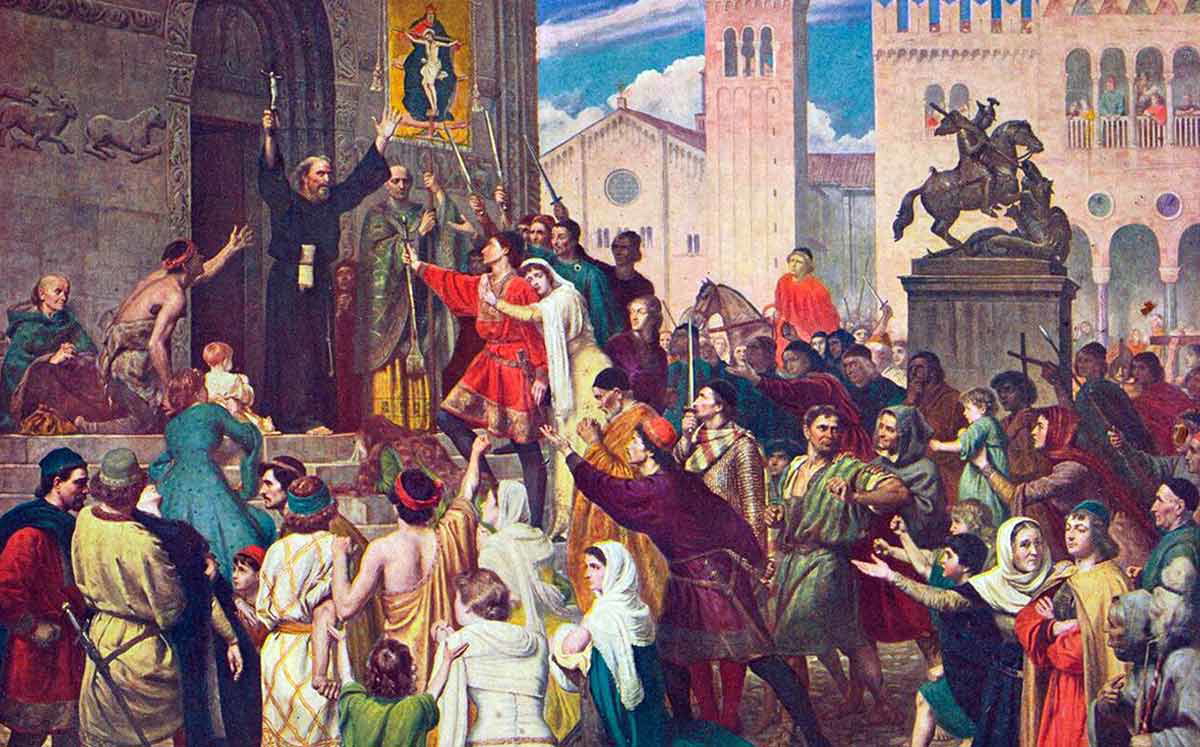
Urban’s speech was straightforward: Eastern Christendom had been assailed by Turkish invaders, and it was up to the warriors of the Christian West to support them. In so doing, those who embarked upon this expedition were to bear the sacred symbol “of the lord on his forehead or on his breast,” i.e. the cross. Bearing the symbol of the cross upon one’s person was a traditional symbol of a pilgrim. Urban’s decision to cast the expedition as an armed pilgrimage was not without precedent.
Pope Gregory VII had attempted it and failed, while only 30 years earlier a band of Germans had succeeded in making it through to Jerusalem despite the contentious relations between the Fatimids of Egypt and the Seljuks, both of whom coveted the Holy City for themselves.
But the message quickly got out of hand. Calling upon the knightly elite of Christendom to embark upon what he dubbed a holy pilgrimage to the support of their Eastern brethren; the Pope found to his growing distress that the common people wanted a hand in the endeavor as well.
“We were stimulating the minds of the knights to go on this expedition,” Urban explained to some overzealous monks a year after Clermont, “since they might be able to restrain the savagery of the Saracens by their arms and restore the Christians…their former freedom” (Peters, 1998, pp. 44-45). Cloistered monks without harness or conditioning for combat would not have been welcomed by a warrior such as Alexios.
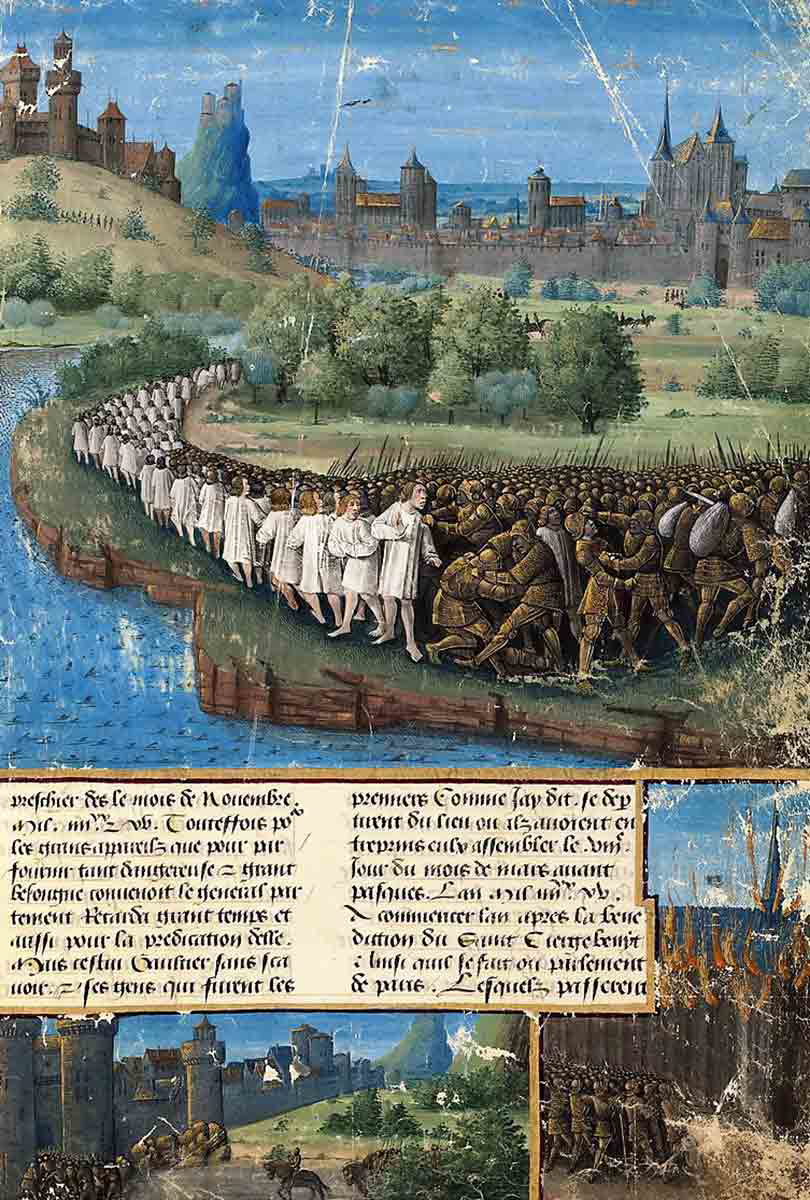
Yet the potential perks of Urban’s pilgrimage were apparent to all. Simply put, a pilgrimage was a spiritual journey undertaken for a specific purpose: penance for past sins, spiritual wellbeing, or merely to pray at places of religious significance. A pilgrimage to liberate former Christian lands, however, was altogether more appealing in a Europe rife with interminable war.
The first waves to depart for the East were cobbled together out of nothing. Bands of villagers, knights, clergy, and adventurers known to history as the People’s Crusade lacked the discipline, organization and military sophistication to fulfill what the Pope intended. Their destruction at the hands of the Seljuks in the summer of 1096 seems like a foregone conclusion, but it sowed in the mind of the young Sultan Kiliji the idea that these impetuous crusaders would be easy opponents. The second wave, however, would be a much tougher nut to crack.
These armies, led by nobles, some of them kindred of the royal houses of France and the Holy Roman Empire, were armed to the teeth and thoroughly professional. Contingents hailed from Norman Italy, Normandy proper, the Rhineland, Flanders, and throughout France. It was a loose coalition of princely hosts banded together around a common purpose, but whose lack of a centralized command left the door open for tension and rivalry at the top. Upon this loose command structure Alexius sought to impose his will.
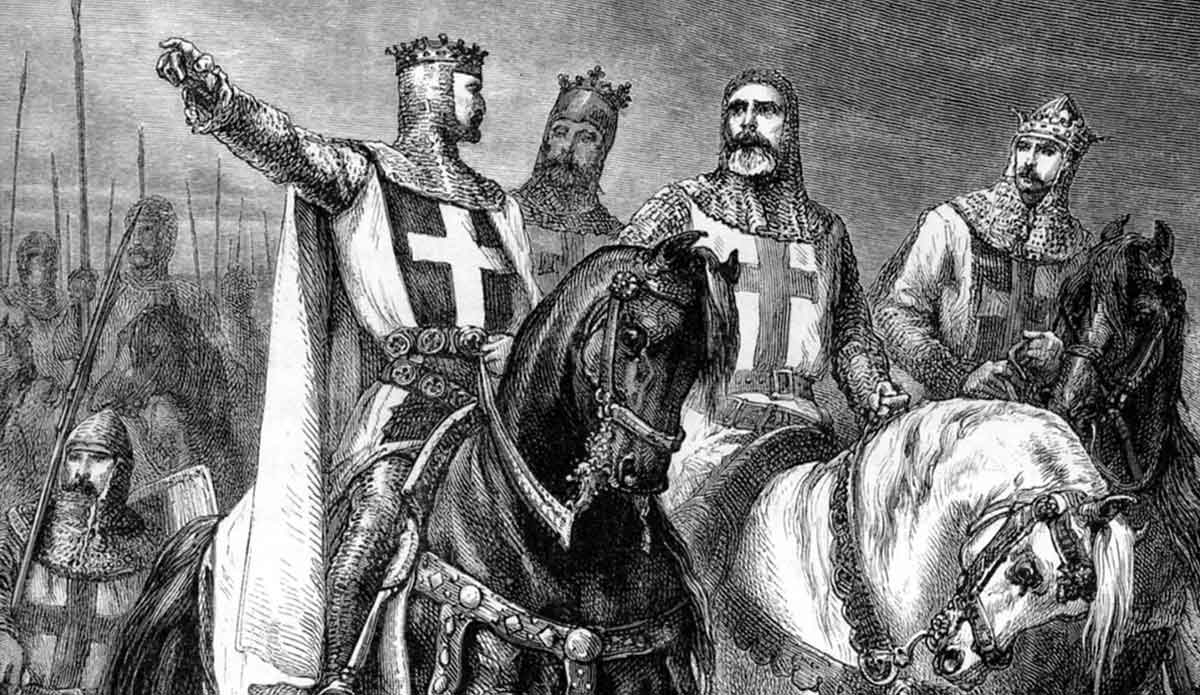
The Crusade was, after all, originally envisioned as a military force to support the Byzantine emperor. He knew the lay of the land; the tactics of the Turks, and his would be the supply hub from which the crusaders would draw their subsistence. To that end, Alexius bade the crusaders commanders to swear an oath of fealty, guaranteeing that whatever towns they may retake in Anatolia were to be returned to the Byzantine empire. In exchange, Alexius would supply the Crusaders with food, support them with troops and naval assets (The Alexiad, p. 261). Without the Emperor’s help, in fact, the princely armies may very well have gone the way of their disorganized predecessors. Their first target thus became Nicaea.
Target Nicaea (May–June, 1097)
Less than 100 miles from Constantinople, Nicaea had become the new capital of a state the Seljuks grandiosely called the Sultanate of Rum. Seljuk control of Nicaea was intolerable for the Byzantine emperor, who began supplying the Crusaders with food, intelligence, and some troops when they began arriving before the city on May 6, 1097.
Protected to the west by the waters of Lake Iznik, and bordered by rising ground north and south, Nicaea would be no easy conquest. Over the next ten days the Crusaders took up positions opposite the city’s northern and eastern walls. By May 16 only the southern perimeter remained exposed. This was left to the late arrivals of Count Raymond of Toulouse. A powerful French magnate, Raymond mustered the largest of the various contingents and was to have the dubious honor of being the first into battle.
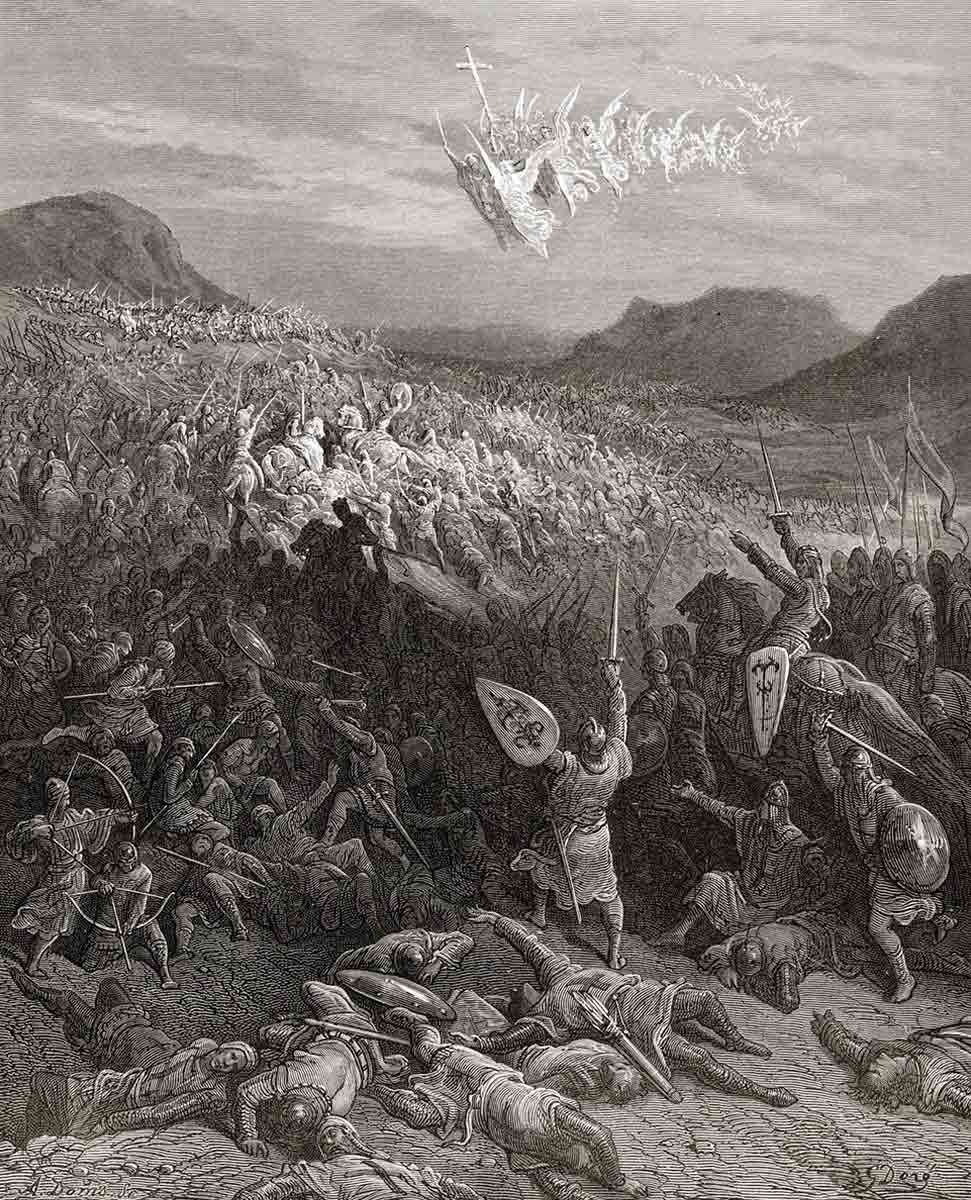
No sooner had his men gained the city’s southern approaches than chroniclers speak of the sudden onslaught of thousands of Turks from the heights beyond. Sultan Kijiji wasted no time in mobilizing an army to break the siege. Hurtling down from the hills, the Seljuks slammed into the army of Toulouse. But these Christians were professionals who would not shatter as easily as the mobs of the previous year.
Drawn into a melee in the narrow ground between the walls and the hills, the Turks were pinned long enough for Raymond’s allies to arrive from elsewhere along the city walls. Assailed from the flank and unable to break Raymond’s men, Kiliji disengaged from the unwinnable melee (France, pp. 160-162).
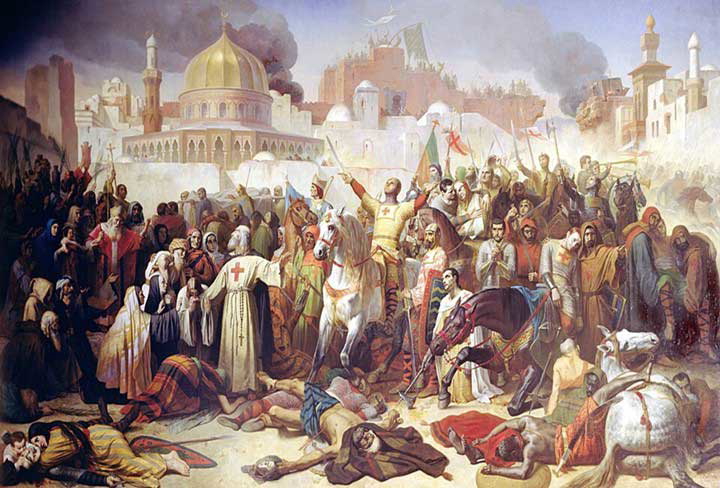
As hideous as the fighting of May 16 proved to be, it was another month before Nicaea surrendered. Tall Roman walls studded with towers encased the city in stone, which could not be breached for lack of siege machines. Fortunately for the Nicaeans, Alexius now entered the fray.
Nicaea was spared the horrors of the storm and sack following the arrival of Alexius’s navy from the lakeward side. Keen to reclaim a Roman city without unnecessary slaughter, the emperor’s agents negotiated the city’s surrender without informing his allies. Their month-long siege had cost them dear. Disease and supply shortages were already a concern, and the bloodletting of May 16 added to a growing death toll. Yet that day’s fighting, terrible though it was, showed that the Crusaders could act in concert on the battlefield, and that they were more than a match for the mounted warriors of whom even Alexius learned to be wary.
While more consequential and bloodier events awaited them on the long road to Jerusalem, it was before Nicaea that their zeal and spirit was first tested in a bloody war waged in the name of God. So bloody that a thousand years later, the very term Crusade reverberates with controversy.
Well may Pope Leo XIV stand near that very same ground and make a declaration “of a universal fraternity of men and women, regardless of ethnicity, nationality, religion or personal perspectives.” Such words in a world torn apart by war and violence can sound hollow, even from a Pope. But by inadvertently delivering them upon a battlefield of the old holy wars, the Pope’s message must find a larger audience, for there is no more appropriate a place to call for peace than on ground where the sword once held sway.
Bibliography
Anna Comnena. (1928) The Alexiad of the Princess Anna Comnena: Being the History of the Reign of Her Father, Alexius I, Emperor of the Romans 1081-1118 A.D. (E. A. Dawes Trans.)
France, J. (1994) Victory in the East. A Military History of the First Crusade, Cambridge University Press: Cambridge.
Peters, E. (ed) (1998). The First Crusade: The Chronicle of Fulcher of Chartres and Other Source Material. Second Edition, University of Pennsylvania Press: Philadelphia.