The 1054 Great Schism is one of history’s most consequential and impactful events. It was an official disunion between the Western Church, with its seat in Rome, and the Eastern Church, with its seat in Constantinople. Many reasons led to the disputes and subsequent division, from theological disagreements to political conflicts backed by political leaders and secular rulers. Ultimately, cultural differences and the hardships of the dark period of the medieval age led to the Great Schism.
1. The Filioque Clause
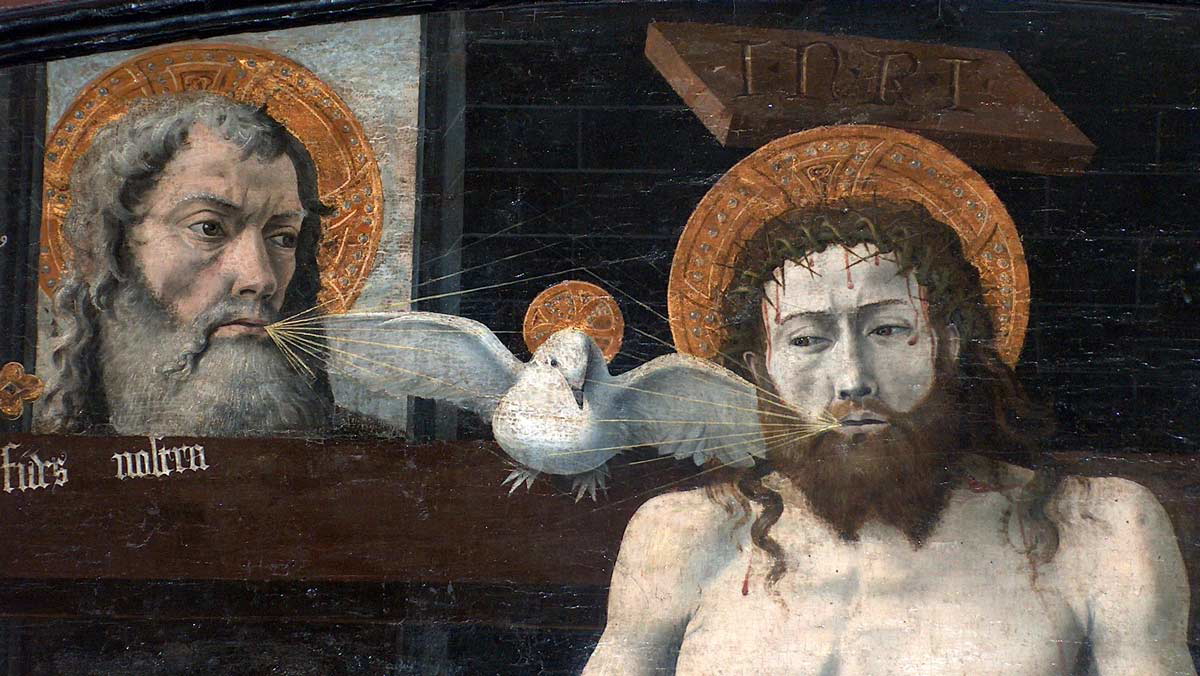
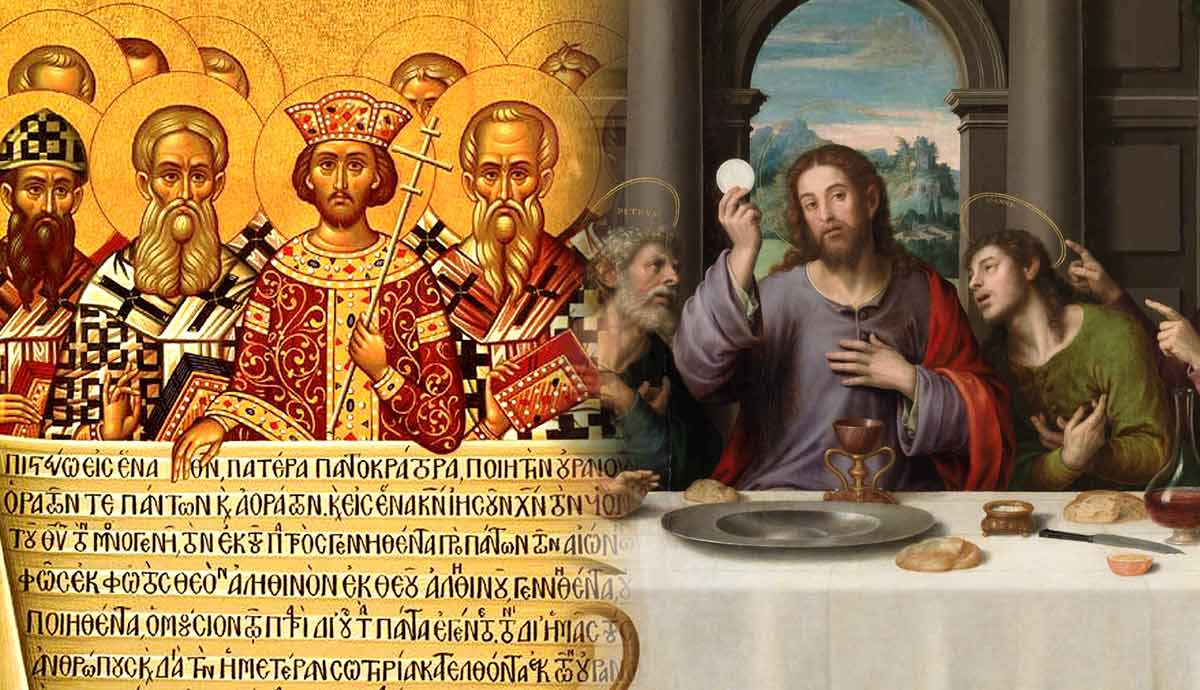
One of the most significant theological disputes that contributed to the 1054 Great Schism concerned the Filioque clause. The Latin phrase, meaning “and from the Son,” was added after the words “The Holy Spirit who proceeds from the Father.” The problem arose when the Western Church decided to add this part to the Nicene Creed, the ultimate statement of belief that defined the Christian faith and Church.
The additional clause declared that the Holy Spirit comes from both the Father (God) and the Son (Jesus Christ), a statement that conflicted with the creed of the Eastern Church, which argued the Father is the sole source of the Holy Spirit. The Eastern Church did not accept this change and the theological approach it implied, and it decided to stick with the original teaching. This dispute regarding core theological topics was one of the first to come and sparked the idea of a division between the two churches.
2. Papal Primacy
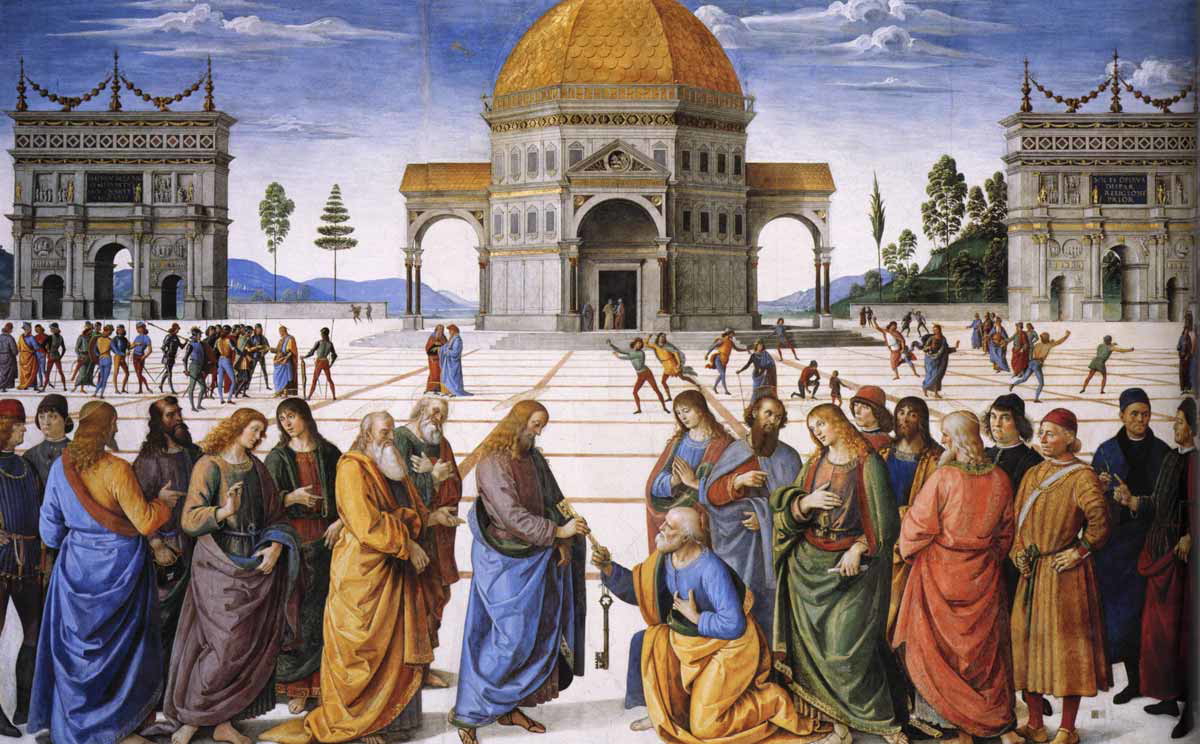
According to many scholars, one of the most important, if not the critical, issues regarding the Great Schism was the Western Church’s belief in the so-called papal primacy. Following this doctrine, the Roman Church supported the claim that the pope had supreme authority over the Christian world.
The Eastern Church, on the contrary, believed in the shared and mutual authority of five patriarchs who resided in the holy cities of Rome, Constantinople, Alexandria, Antioch, and Jerusalem. The Eastern Church world would agree to see the pope as “the first among equals” but never as the ultimate power. The dispute over this issue became evident in the 9th century but culminated in 1054 when there was a mutual excommunication between Pope Leo IX and Patriarch Micheal Cerularius.
3. The Use of Unleavened Bread During Holy Communion
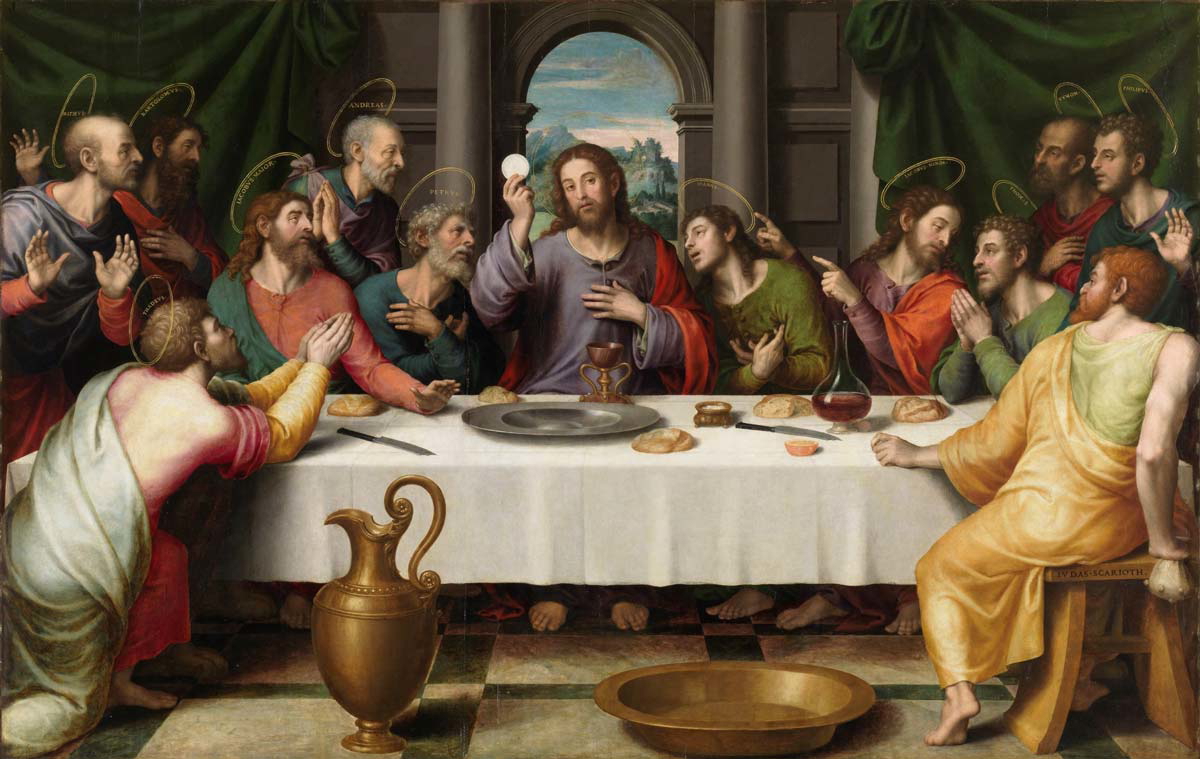
Another significant theological dispute between the two churches revolved around the use of bread during Holy Communion, specifically whether it should be leavened or unleavened.
In the Eastern Church, believers used leavened bread during rituals and ceremonies as a symbol of Jesus’s resurrection. However, in the Western Church, the practice was to use unleavened bread.
Regarding this issue, both churches accused one another of not following tradition. The Eastern Church accused the Western of not following the apostolic tradition, while the Western Church accused the Eastern of deviating from the original practices, claiming using leavened bread was unorthodox.
4. Clerical Celibacy
The celibacy issue was one of the most significant theological differences between the Western and Eastern Churches. In the Roman Catholic Church, one key requirement was that the clergy be celibate. The Catholic Church believed celibacy was a sign of spiritual purity and total devotion to faith.
On the other hand, the Eastern Orthodox Church was not that strict regarding celibacy. Priests could marry, which was also according to the original tradition. According to the Eastern Church, celibacy was an additional invention added by the Roman Church. The only men who had to be celibate in the Orthodox Church were the monastic clergy and bishops chosen from the monastic clergy.
5. Icons
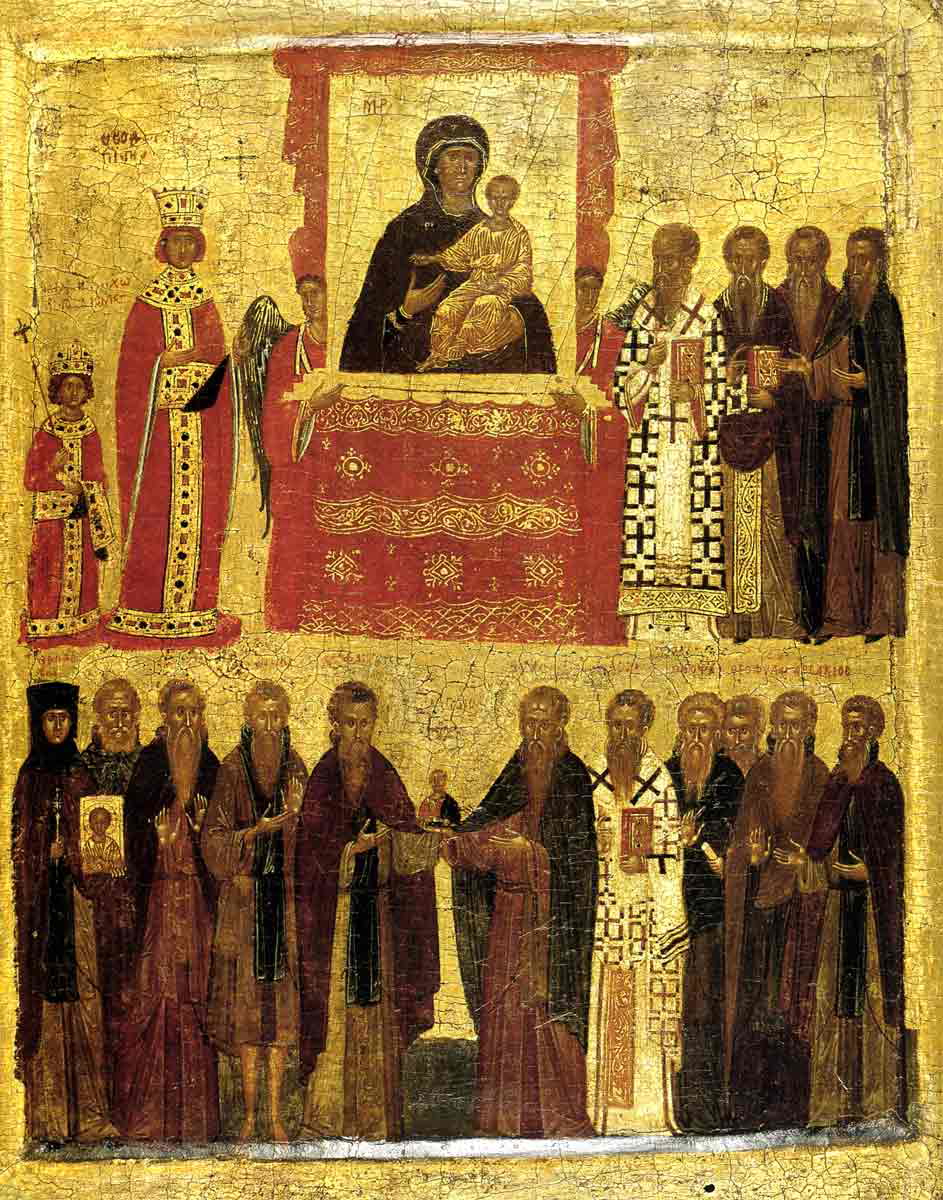
In the Eastern Church, icons became problematic issues and even brought some conflicts. In the 8th century, there was a belief, iconoclasm, that asserted religious figures like Christ or the Saints should not be depicted on icons. The supporters of the belief, known as iconoclasts, called for the destruction of all religious icons. After many conflicts and disputes, the problem was settled in 787 at the Second Council of Nicaea, when it was decided that it was all right to honor icons but not to worship them.
The Western Church, however, did not have this problem, and icons and various forms of religious art were widespread. The issue with icons showed just one more difference between the theology of the West and the theology of the East.
6. Liturgical Practices
One key difference between the Roman Catholic Church in the West and the Orthodox Church in the East was the divergency in liturgical practices. Liturgical practice is the central element of religious rituals. Thus, the fact that the two churches had different practices only made the division bigger and showed the considerable contrast in tradition, theology, and culture between the West and the East.
The most evident difference between the two liturgies was the language—the Eastern Church used Greek, while the Roman Catholic Church primarily used Latin. Also, there was a big difference between the styles of worship. The Orthodox Church’s style was more mysterious and relied more on symbolism, while the Catholic Church was more structured.
7. Doctrinal Development & the Great Schism

Doctrinal development refers to how Christian teachings changed and evolved through time, a phenomenon that could be expected. However, the development of the doctrinal systems of the Western Church and the Eastern Church went in two different ways and ultimately led to the Great Schism.
Some examples of the doctrinal changes are the already mentioned issues with papal primacy and the inclusion of the Filioque clause. Changes and division in teachings and theologies consequently led to the official partition of two churches in 1054.
8. The Dispute Over Newly Christianized Territories
During the Middle Ages, Christianity started spreading across Europe and Asia in territories where the Western popes and Eastern patriarchs had previously little influence. The Christian faith gained new followers, and the two churches began battling for influence over the newly Christianized territories.
Some of these regions were in the Balkan peninsula and the Middle East. The Eastern Church argued that these territories belonged to its jurisdiction since the Byzantine Empire’s influence was more pronounced there. The ensuing conflict regarding these territories exacerbated the tension regarding the churches’ authority and contributed to the Great Schism.
9. Baptismal Practices

One of the most significant sacraments in Christianity is baptism, a ritual that symbolizes a person’s acknowledgment of the religion and becoming part of the Christian community and the faith.
Over time, however, baptism became a point of dispute between the Western and Eastern Churches. The first clash regarded how the ritual should be conducted.
According to the Eastern tradition, baptism involves immersing the candidate in water. However, in the Western Church, baptism is performed by using contact with water, like pouring it over someone’s head. This difference grew more prominent over time and was connected with different theological doctrines developing in the East and the West, ultimately contributing to the Great Schism and many religious disputes.
10. Excommunication Practices
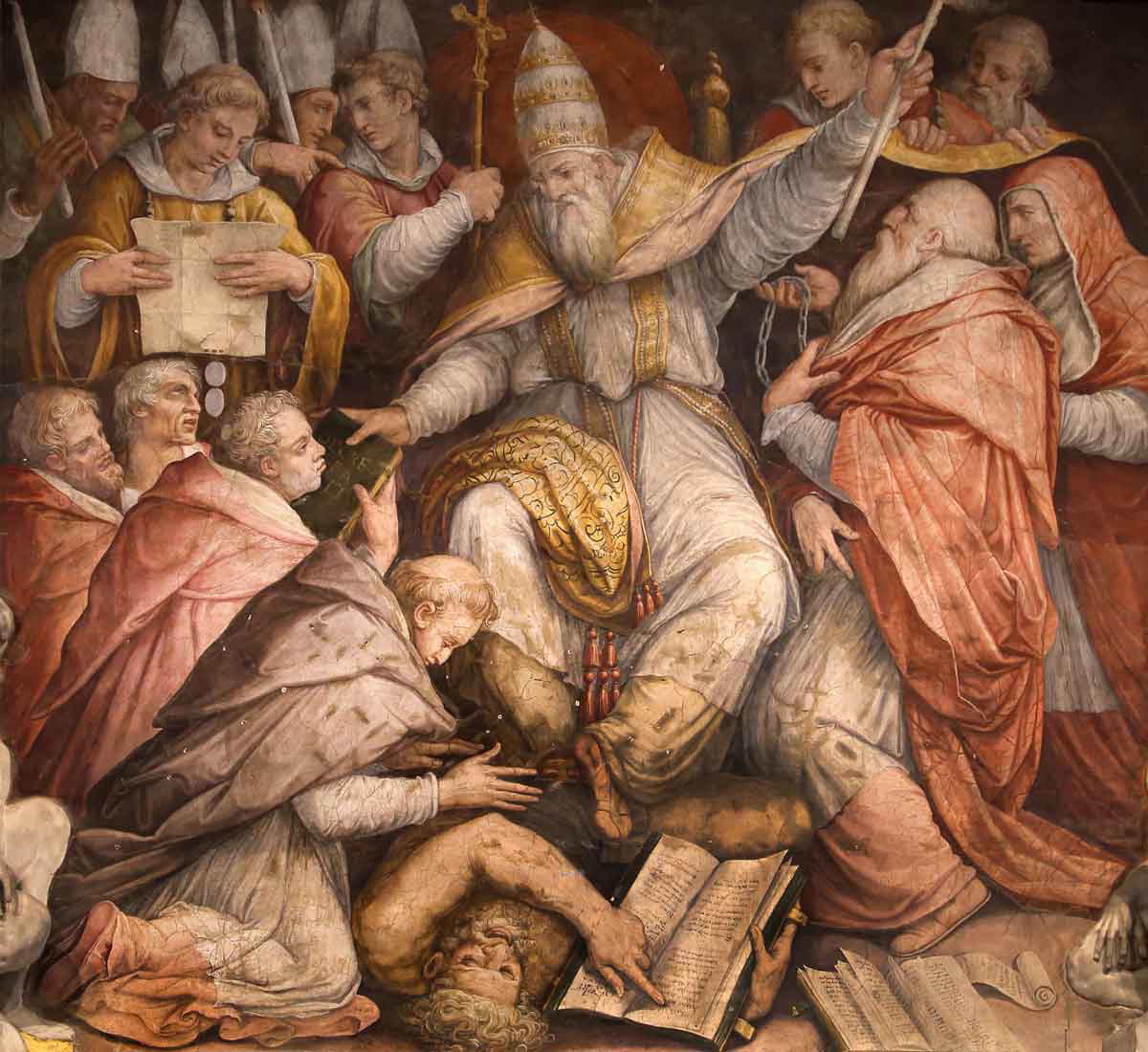
Excommunication was a practice involving the exclusion and expulsion of someone from the Church and its sacraments and services. Excommunication was used equally by the Western Church and the Eastern Church, and it was often a means of enforcing rules and inducing fear in the believers.
The Western Church also used excommunication in political conflicts since the pope sought to assert his ultimate supremacy, even over secular rulers. In the Eastern Church, excommunication was also often used in political ways, but it was decentralized since there was a council of patriarchs and Church leaders, while in the Western Church, the pope was the ultimate decision maker.
Scholars believe that excommunication reached its highest moment in 1054 with the Great Schism and the mutual excommunication between Pope Leo IX and the Patriarch of Constantinople, Michael Cerularius.
A Reflection on the Causes of the Great Schism
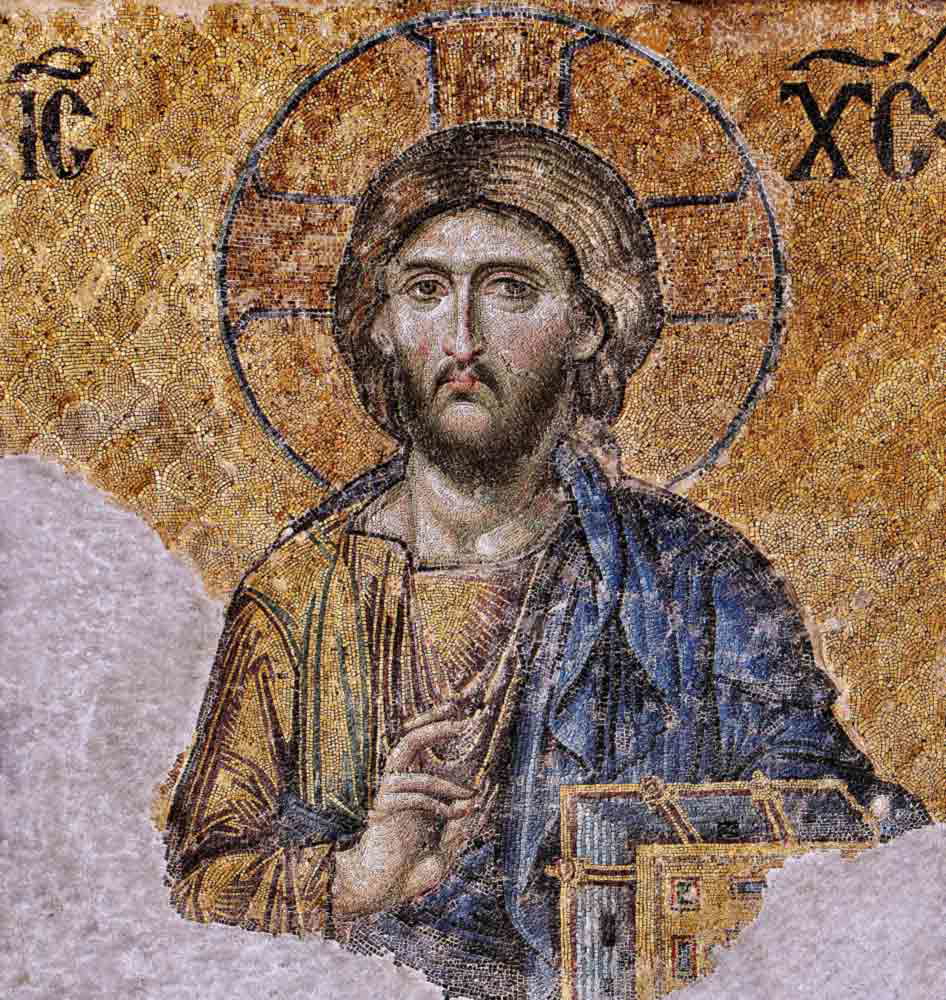
The Great Schism was in the making before the official break in 1054, the reasons that caused the split were many; some were theological, some liturgical, but we should not put aside political divisions too.
Secular rulers became quite aware that in the pursuit of power, glory, and wealth, they would need to have religious leaders on their side since popes and patriarchs had a profound influence over people. To appease religious leaders and the clergy, monarchs welcomed their decisions regarding the division and often gave them full support.
The differences between the Western Church and the Eastern Church were cultural and traditional. The Roman Catholic Church insisted on practicing religion in Latin, and it took a while for the Western Church to accept the practice of the faith in the national languages of the specific territories.
There were conflicts in the West regarding this phenomenon, and it was one of the reasons that ultimately led to the Protestant Reformation in the 16th century. People in England, Bohemia (present-day Czech Republic), and the German territories were among the first to practice religion in their local languages. The Eastern Orthodox Church practiced their faith in Greek. However, due to the more successful outreach of the Western Church, Orthodox Christianity spread and was practiced in Eastern Europe, Slavic lands, and parts of the Middle East.
The Great Schism was one of the most consequential events in Medieval History, laying the groundwork for future religious and political conflicts. Western and Eastern Christians had already clashed in the 1204 Fourth Crusade that ended with the sack of Constantinople. In the 16th century, the great Schism ultimately led to the weakening of the Byzantine Empire and the strengthening of the pope’s power.