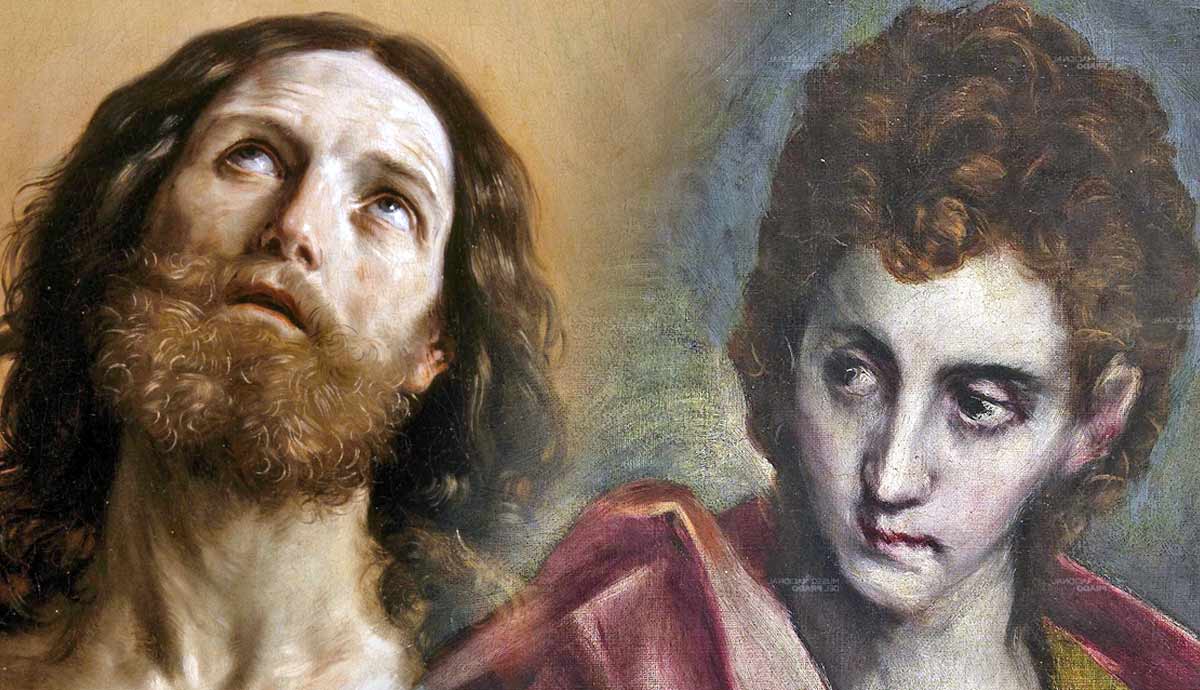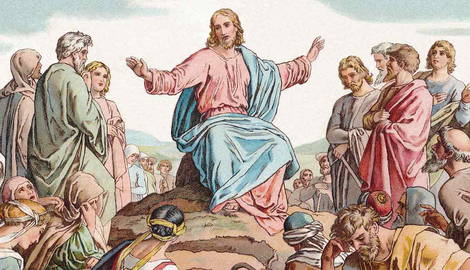
The Sermon on the Mount, so named by theologian/philosopher Augustine of Hippo (354-430 CE), is recorded in chapters five through seven in Matthew’s Gospel and contains phrases that many may know, including the Golden Rule that says we are to “do unto others as we would have them do unto us” (Matt. 7:12). However, while some think the sermon offers the means by which people are to achieve entry into God’s kingdom, it actually presents a picture of how followers of Christ can and will live as part of that kingdom.
The Kingdom of Heaven
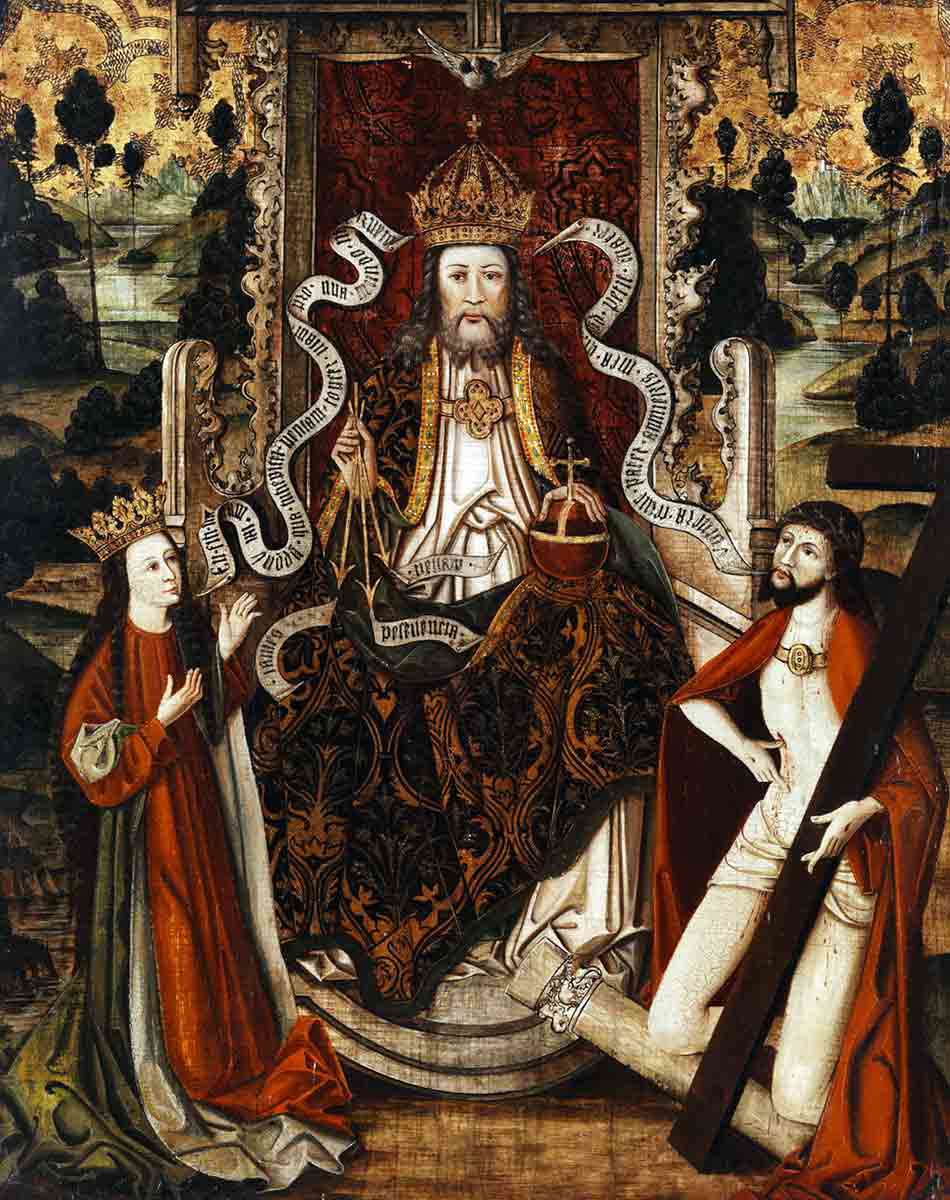
Christ officially kicked off his ministry with his delivery of this sermon in which he introduced the subject that was at the heart of his message throughout his gospel, that is, the Kingdom of Heaven. The other gospels by Mark, Luke, and John refer to it as the Kingdom of God. Matthew does as well, a few times (Matt. 12:28, 19:24, 21:31, and 21:43), but he employs the phrase that the Jews used to refer to the kingdom 31 times. This makes sense since Matthew wrote his gospel especially for the Jews to illustrate to them that Jesus was the Messiah for whom the nation of Israel had been waiting.
The kingdom is not a physical location, but a spiritual one. It refers to life lived under the reign of God according to his principles, not those of the world. Quoted by early Church Fathers extensively and highly-regarded throughout Christendom down through the centuries, those outside the Christian tradition have revered it as well. Gandhi, for example, noted that it went “straight to his heart,” and it was said that he read portions of it twice a day for some 40 years.
Jesus stated that “the kingdom is near” or “at hand” several times in the gospels (Matt. 3:2; 4:17; Mark 14:1), indicating that he himself initiated it by his coming. However, in a world in which evil and sin still exist, it cannot be fully implemented. Those who accept Christ can live according to God’s will and experience the blessings of his kingdom here on earth, but only in part. Christians believe that it will not be completely established until Jesus returns with his Second Coming. Theologians refer to this as the “already-but-not-yet” aspect of the Kingdom of Heaven.
Audience and Location
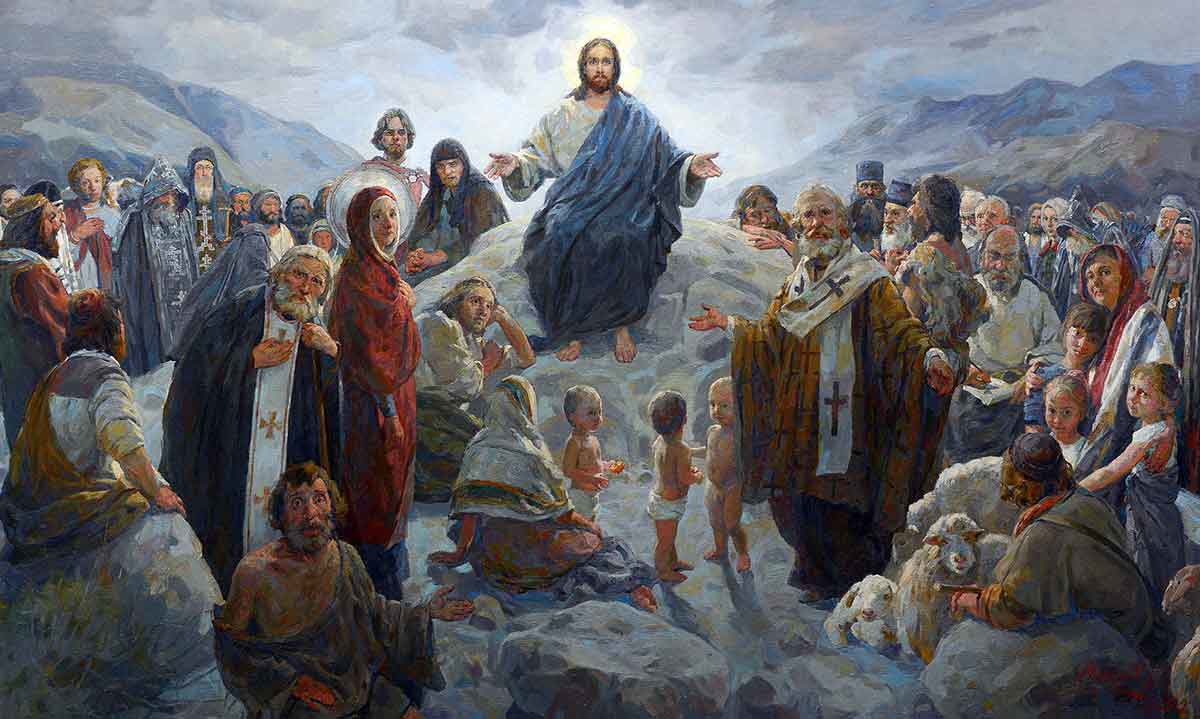
Jesus was, primarily, speaking to his disciples, not just the twelve he had chosen for his inner circle, but all of those who followed him. However, it was likely that many people, followers or not, stopped to hear him speak. So there could have been quite a crowd in attendance.
Matthew places the event on a hill while Luke, in presenting his version, puts it on a plain in Galilee (in modern-day northern Israel). There are other variations between the two accounts, leading some scholars to suggest that Jesus gave the sermon twice. Others purport that he only delivered it once and that the differences between the stories are understandable because, just as two journalists today may vary in their reports of an event, so, too, did the gospel-writers.
However, many theologians suggest that there may well have been a theological reason behind Matthew’s choice of location for the sermon. In the Old Testament, Moses goes to the top of a mountain to receive the Ten Commandments from God. Matthew’s Jewish audience could easily make a comparison with Christ’s preaching on a mountain, as it involves Jesus as the fulfillment of the Mosaic Law (more on that later). Luke’s Gentile audience would not make such a connection. Therefore, some scholars believe Matthew purposely changed the location of the sermon from plain to the mountain.
The Beatitudes and Being Salt and Light
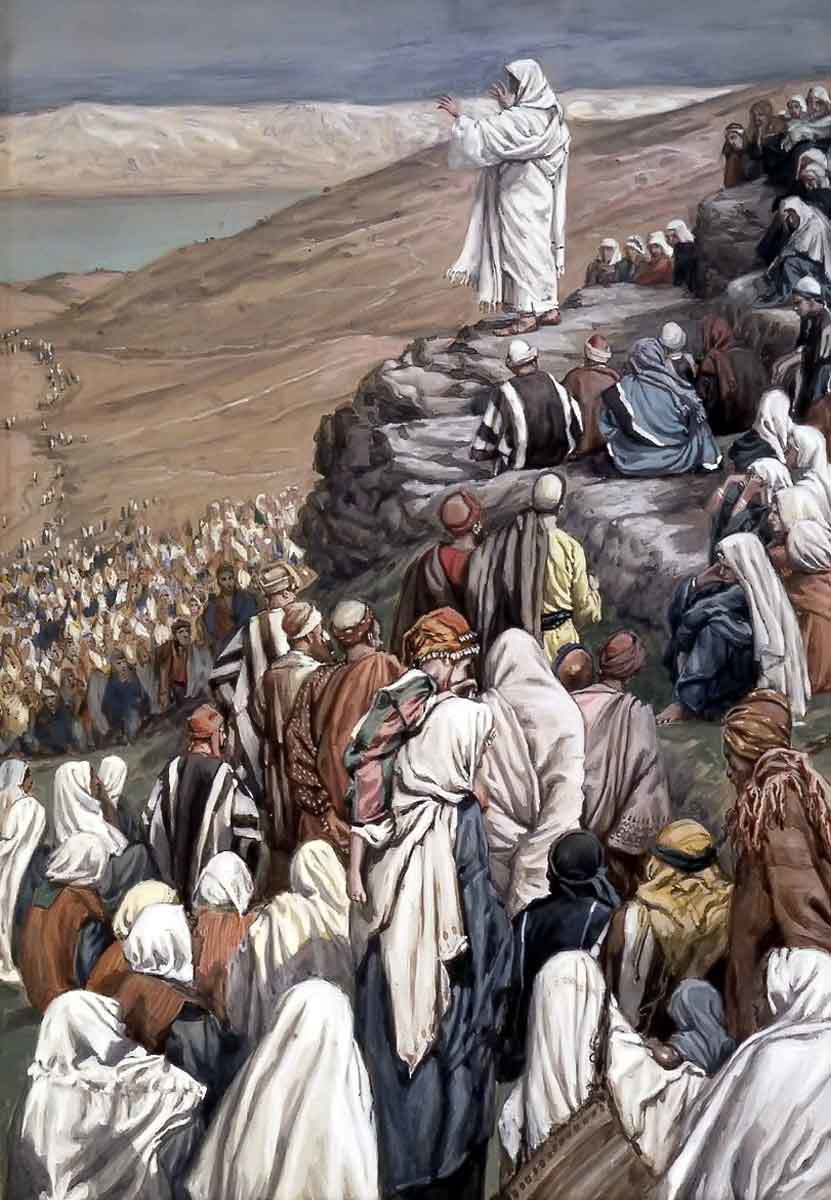
Jesus opens with a list of eight beatitudes:
“Blessed are the poor in spirit,
For theirs is the kingdom of heaven.
Blessed are those who mourn,
For they will be comforted.
Blessed are the meek,
For they will inherit the earth.
Blessed are those who hunger and thirst for righteousness,
For they will be filled.
Blessed are the merciful,
For they will be shown mercy.
Blessed are the pure in heart,
For they will see God.
Blessed are the peacemakers,
For they will be called children of God.
Blessed are those who are persecuted because of righteousness,
For theirs is the kingdom of heaven.”
The word “beatitude” stems from the Latin word “beatus,” which means “blessed” and refers to the characteristics and experiences of God’s followers and the blessings that result. Some modern translations of the Bible replace the word “blessed” with “happy.” However, many theologians and Bible scholars assert that the word is too mild and superficial to express Christ’s meaning. The blessedness carries with it a deep spiritual joy and an inner peace that comes with being in a right relationship with God.
Jesus goes on to say that citizens of the Kingdom of Heaven are to be “the salt of the earth” (Matt. 5:13) and “a light to the world” (Matt. 5:14), meaning that they were to enrich or bring flavor to the lives of others and shine the light of God’s truth on them, two abilities that stem from being the kind of person described in the beatitudes.
The Law of Moses
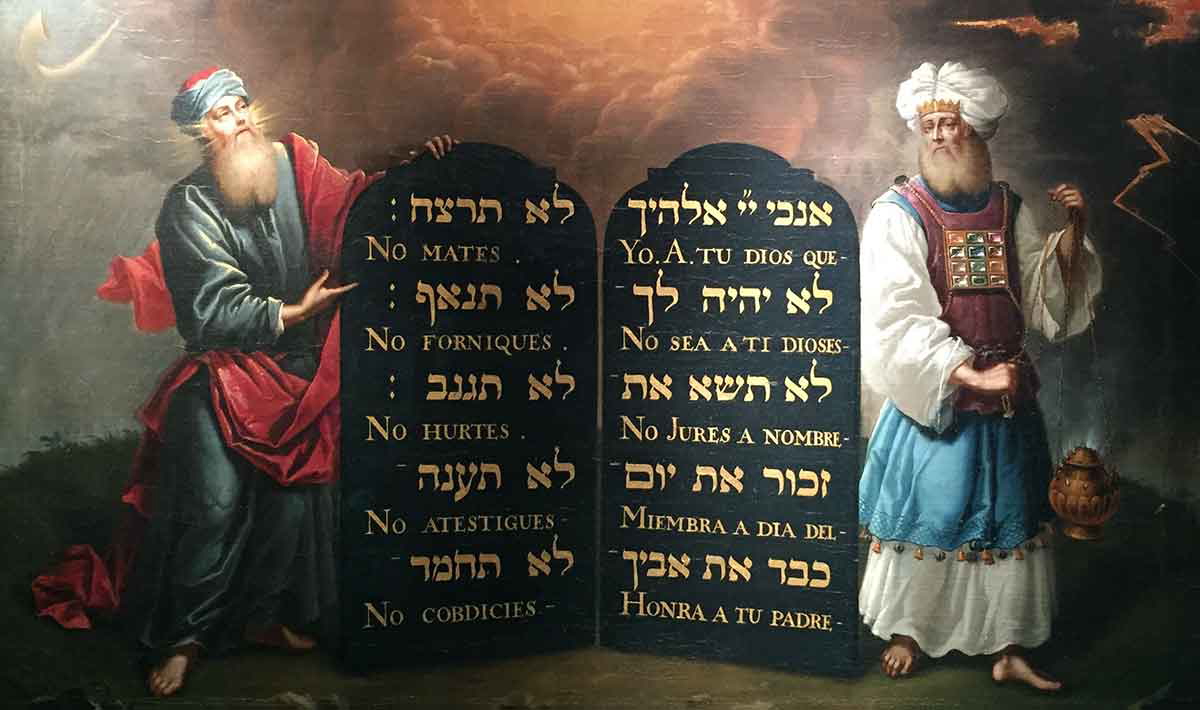
The Jews had been living under the Law of Moses as recorded in Exodus, Leviticus, Numbers, and Deuteronomy of the Old Testament. It presented moral, civil, and ceremonial laws for the Israelites to follow and included the Ten Commandments (Ex. 20:2-17). The Pharisees interpreted these laws in new ways and added hundreds of others, many of which seem ludicrous.
For example, when it came to the commandment to keep the Sabbath holy, they took it upon themselves to elaborate on how the people should obey it. For them, it was a matter of abstaining from work. Therefore, they decreed that no one could pick up anything heavier than two dried figs on the Sabbath. It was forbidden to spit on the Sabbath because the saliva would disturb the dirt in a way that would make the “spitter” guilty of ploughing the land. They also determined that no one could walk more than 2,000 cubits (roughly 3,000 feet) on the Sabbath. According to the Pharisees, to do otherwise in all these cases was to break the third of the Ten Commandments.
Jesus and the Pharisees
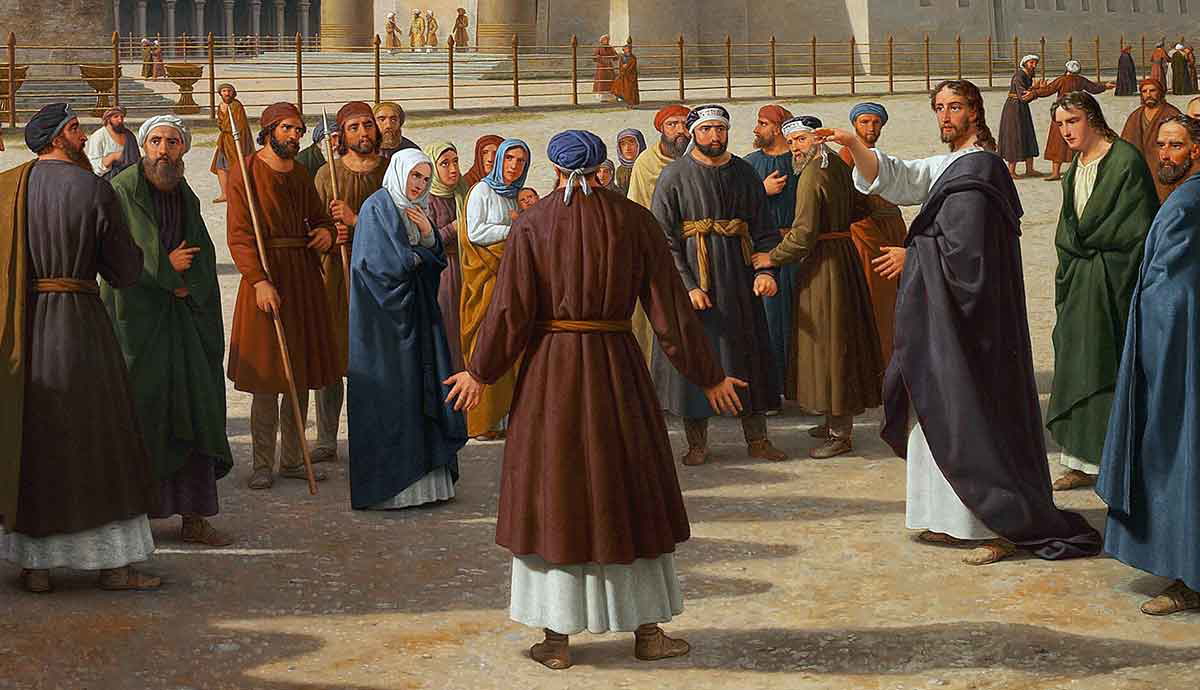
The Pharisees accused Jesus of breaking the Sabbath law many times. For example, he performed a number of healings on the Sabbath, including that of a man with a withered hand (Mark 3:1-6), a lame man (John 5:1-18), and a man with dropsy (Luke 14:1-6), all of which the rulers of the law considered work.
In the Sermon on the Mount, Jesus announces that he has come, not to abolish the Mosaic Law but to fulfill it. There was no way that people could obey all of the rules in the Law of Moses and earn their salvation. However, Jesus could and did fulfill all the requirements of the Law because he was not only human, he was God come to Earth in the flesh. It was his divinity that allowed him to be sin-free, unlike the rest of humankind, and which made it possible for him to fulfill the Law on behalf of humanity. However, he was not under any compunction to meet the requirements of the Pharisees’ man-made rules and made that clear to everyone.
A Higher Standard
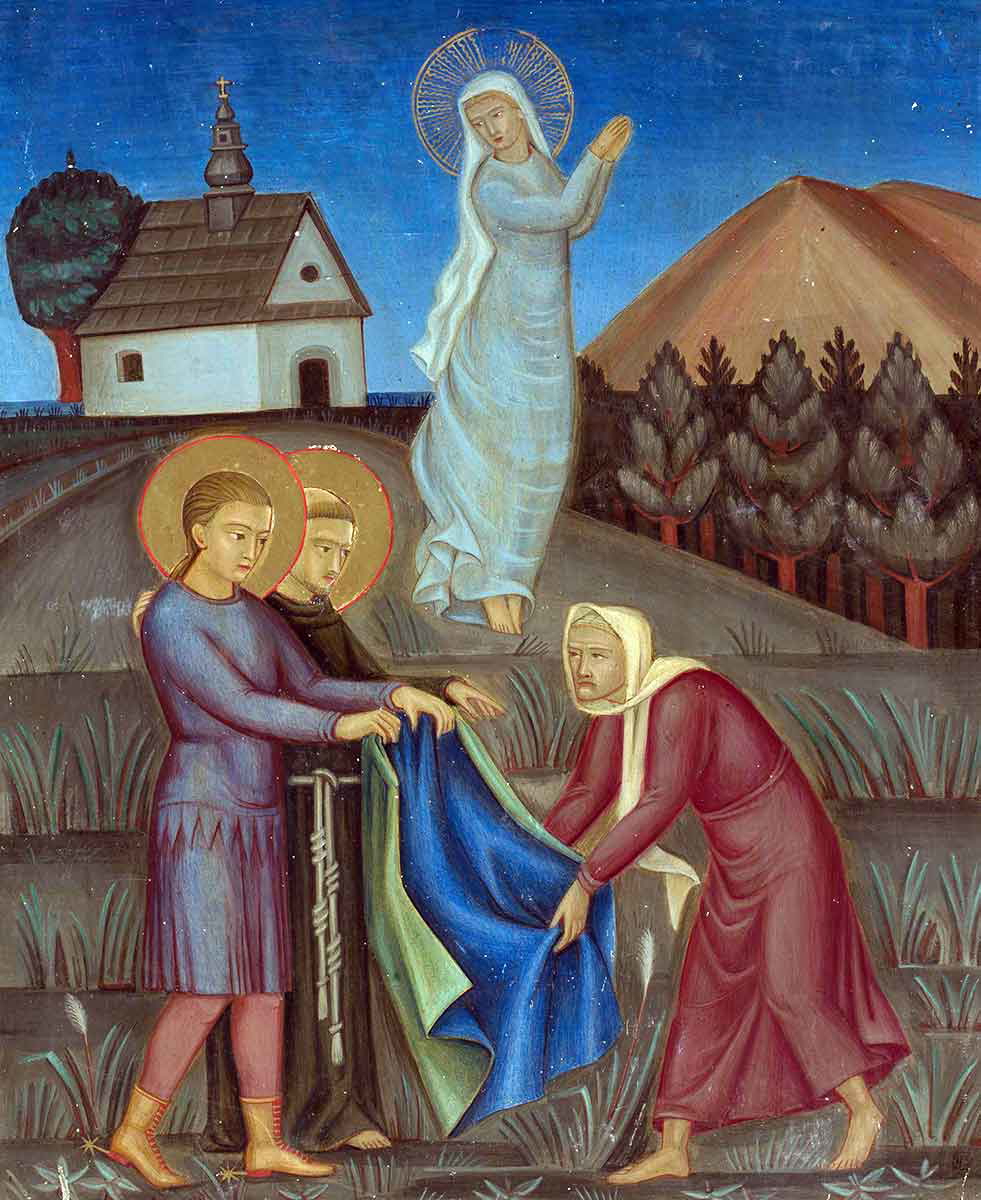
Jesus explains that followers of God have to meet a higher standard than other people. He expounds on the commandment that forbids murder, saying that just being angry with another constitutes sin, and that everyone must work to reconcile with their adversaries. He explains that, when it comes to adultery, it is not enough for believers to avoid engagement in it. They must not even entertain the idea in their minds. Most shockingly of all, Christ demands that they love their enemies, turning the other cheek should someone strike them, refusing to retaliate in kind, and showing mercy to all.
True Worship of God
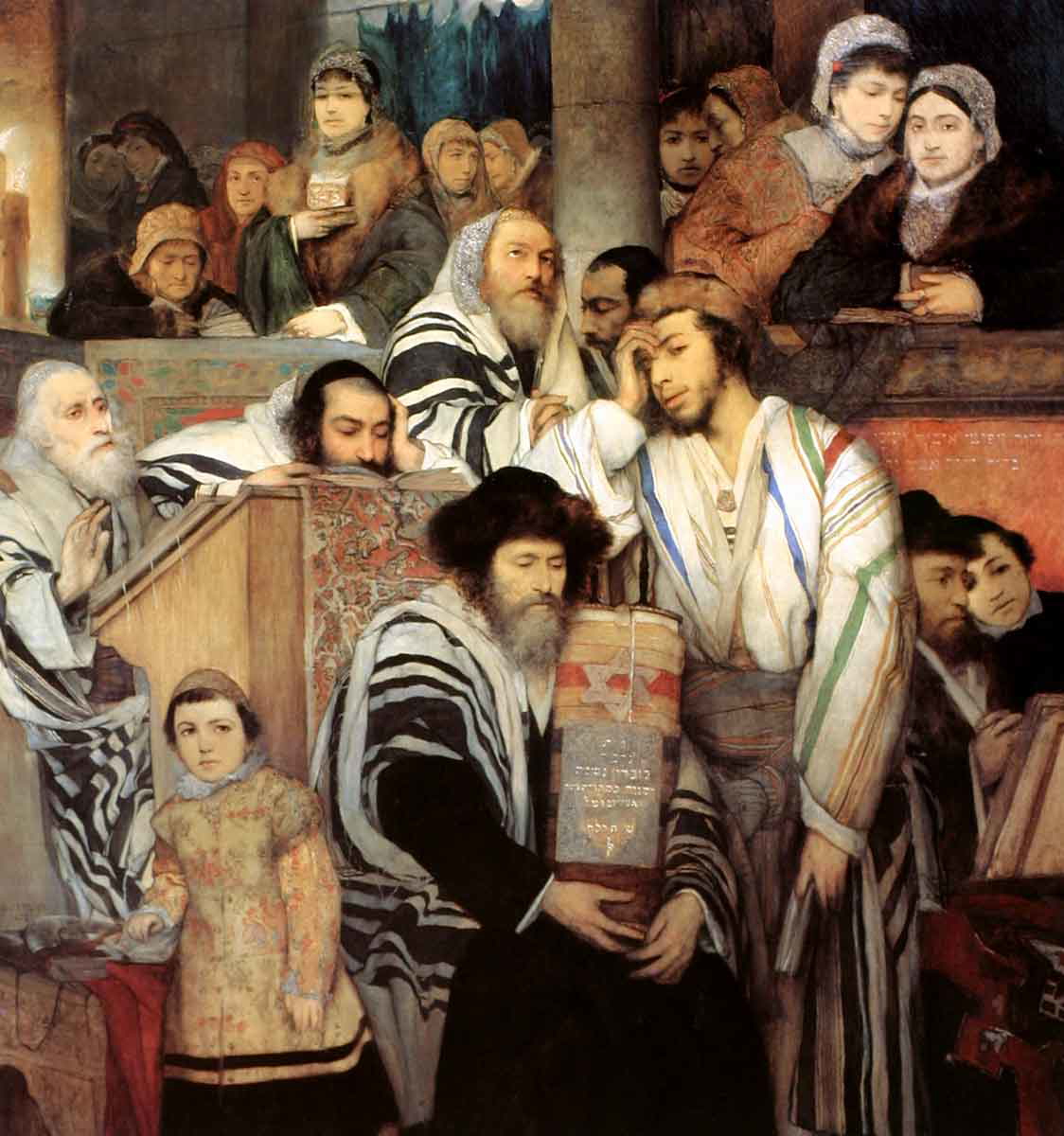
Jesus addresses several issues pertaining to the worship of God, specifically the giving of gifts, prayer, and fasting. He points out the Pharisees’ abuse of them. When they give to the needy, he says, they make a great show of it. The same is true of their fasting. They want everybody to see their “godliness” as they deprive themselves of food, supposedly to honor God. They also love to pray loudly in public, where others will notice them. Christ’s call is to do these things in private, making it about God, not about impressing those around them.
The Lord’s Prayer
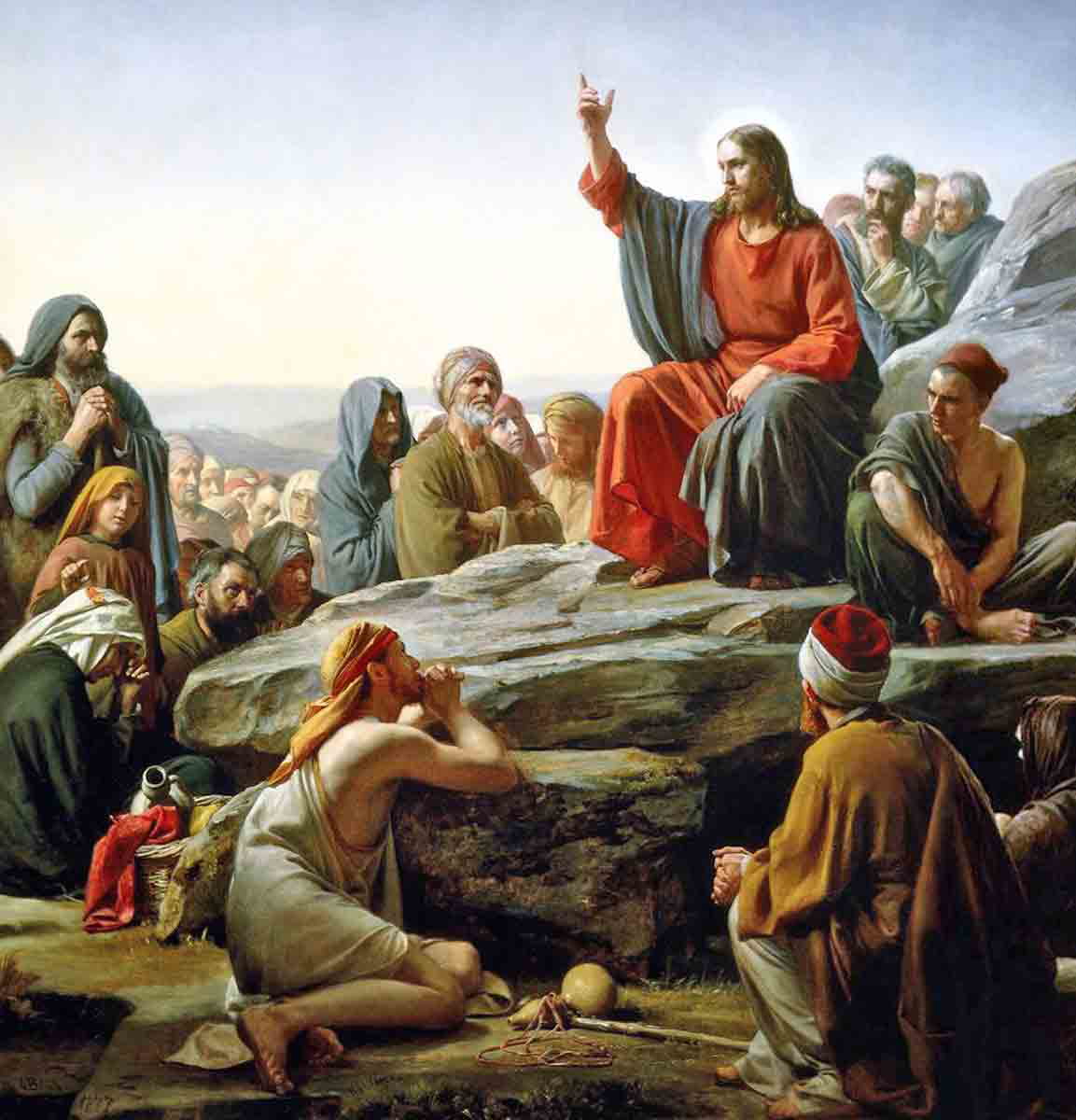
When the disciples ask Jesus to teach them how to pray, he responds with what we now call the Lord’s Prayer (Matt. 6:9-13).
“Our Father in heaven,
Hallowed be your name,
Your kingdom come,
Your will be done,
On earth as it is in heaven.
Give us today our daily bread.
And forgive us our debts,
As we also have forgiven our debtors.
And lead us not into temptation,
But deliver us from the evil one.”
The Lord’s Prayer provides a pattern to follow. It teaches that believers are to pray to God as their father, giving him the respect that he is due, asking for the ability to live as he would have them live, thanking him for his care of them, asking for help to forgive those who have done them an injustice, and, finally, ending with a request to help them resist the temptation to sin.
Some churches (mostly Protestant) add a doxology to the end of the prayer, which reads, “For yours is the kingdom, the power, and the glory, forever and ever.” A doxology is a brief word of praise meant to glorify God. Scholars are uncertain as to the identity of those who added these lines to the Lord’s Prayer, but they are found in the Didache, a manual of sorts for Christian living, that dates to the late 1st-century CE. So the doxology was included early on, but it is not in Matthew’s record of Christ leading his followers in prayer in the Sermon on the Mount or in Luke’s truncated version of the prayer in his gospel (Luke 11:2-4).
Money and Anxiety
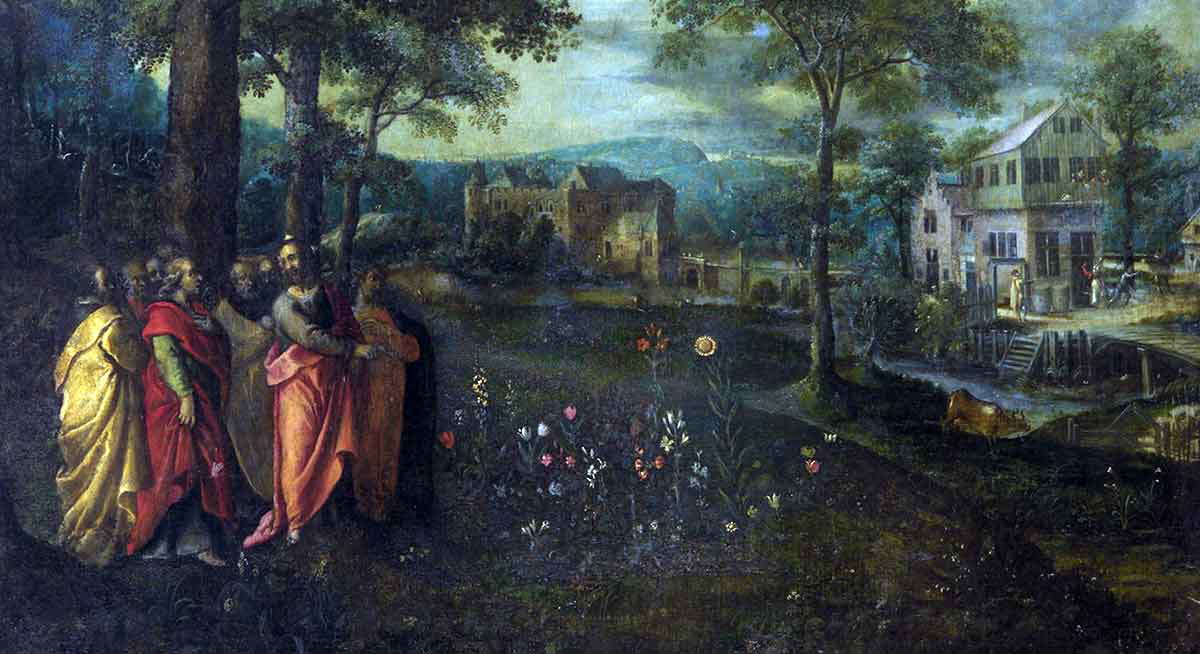
Jesus also counsels his followers with regard to the love of money, encouraging them to store up treasures in Heaven, not on Earth. He often used parables and metaphors to demonstrate his messages. Here in the Sermon on the Mount, he compares people to the lilies of the field and the birds of the air, noting that they did not show any concern about their needs, and neither should they as God’s followers. As he puts it, if God clothes the lilies and feeds the birds, will he not do the same for his children? He illustrates the foolishness of worrying, noting that it will not add even one hour to their lives. So why do it? He sums all of this up with the simple statement that his followers should seek the kingdom of heaven and righteousness above all else. If they do that, all the things they require will follow (Matt. 6:33).
The Golden Rule

“Do unto others as you would have them do unto you.” This constitutes the so-called Golden Rule. Jesus did not call it that. In fact, no one in scripture did. The title was given to the passage by unknown translators in the 16th and 17th centuries. Other religions offer similar statements.
Confucianism puts it this way: “Do not do to others what you do not want them to do to you” (Analects 5:23). Hinduism says: “This is the sum of duty: do not do to others what would cause pain if done to you” (Mahabharata 5:1517). Buddhism states: “Hurt not others in ways that you yourself would find hurtful” (Udanavarga 5:18).
These differ from what Jesus said in that they offer negative suggestions that are passive in nature, while Jesus demands that being kind and respectful to other people is a positive thing, calling people to action. In other words, it is not a matter of refraining from doing something unpleasant to another person. It is a matter of doing something good for others.
Hypocrisy, Pigs, Narrow Gates, False Prophets, and Foolish Builders
A litany of dos and don’ts follows. Jesus says, “Do not judge” as he tackles the issue of hypocrisy, noting that people all too easily will criticize someone for something that they themselves are guilty of. He says, “How can you say to your brother, ‘Let me take the speck out of your eye,’ when all the time there is a plank in your own eye?” (Matt. 7:4).
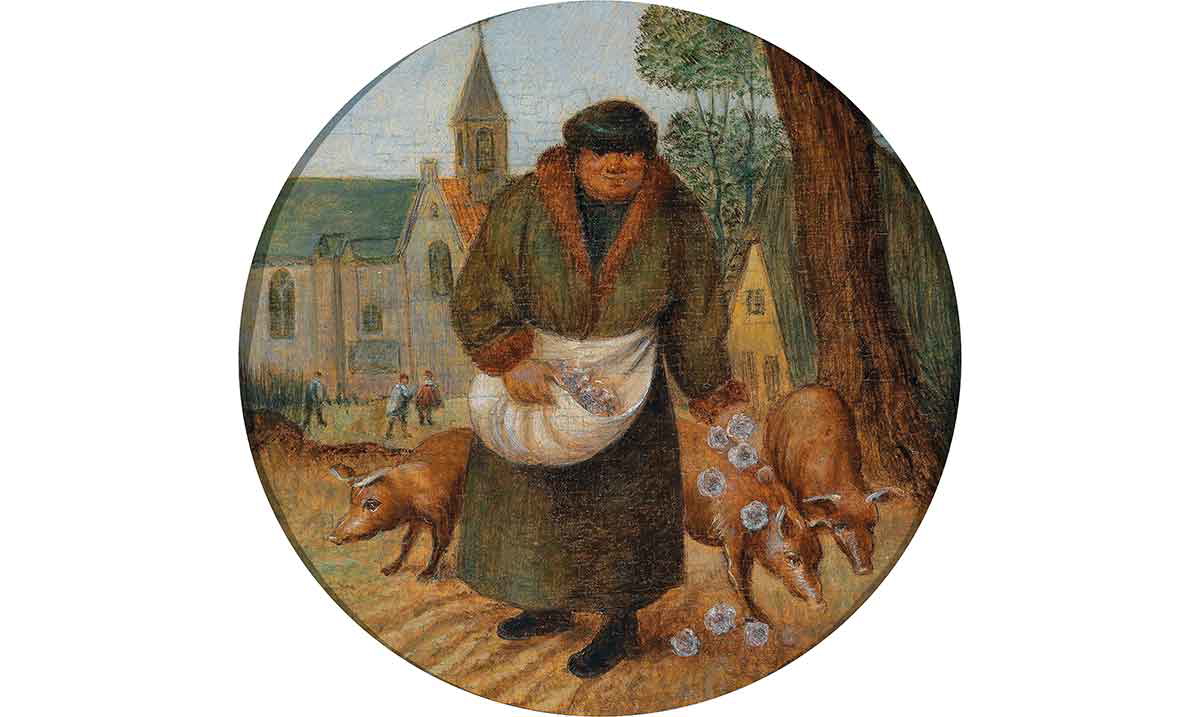
Do not throw pearls before swine, Jesus commands, in a statement that indicates that it is useless and wasteful to offer something of value to someone who will not appreciate it.
Ask, seek, and knock, he says, encouraging people to come to God because he is ready, willing, and able to bless those who want to know him.
Go through the narrow gate that leads to Heaven rather than through the wide one which leads to destruction, Jesus commands.
Watch out for false prophets who will lead people astray, Christ warns, knowing well that there will be many who will try to dissuade them from their beliefs and influence them negatively.
Last of all, Jesus tells his audience not to be foolish by building a house on sand. Build it on solid rock instead. He is warning them not to build their lives on the shifting, unreliable beliefs and practices of the world. Rather, they are to build their lives on the rock that is Jesus Christ, the one who will help them successfully weather the many storms that are sure to arise.
And so ends the Sermon on the Mount, which is not a primer for how to enter the Kingdom of Heaven, but a description of what kingdom-living can and will be like for those who have already entered it and those who will enter it in the future.