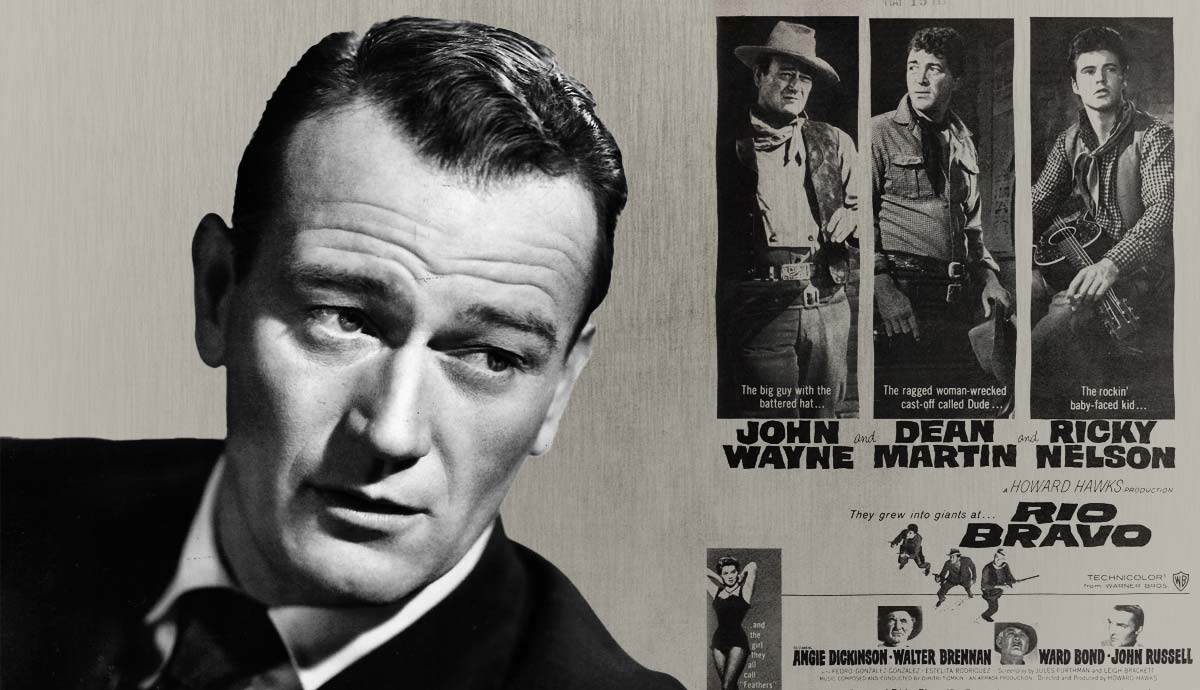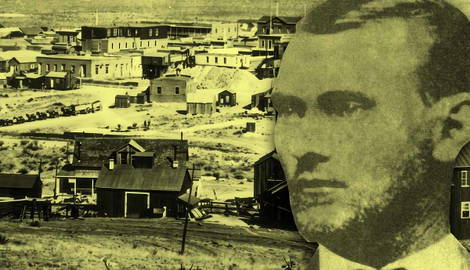

The term gunslinger encompassed so many different wild characters. One common thread that united them all was proficiency with firearms, both pistol and rifle. These men didn’t shy away from a gunfight, whether as hired guns, lawmen, outlaws, or teamsters. Serving on both sides of the law, gunslingers earned reputations that often preceded them.
The Twitter of Its Day
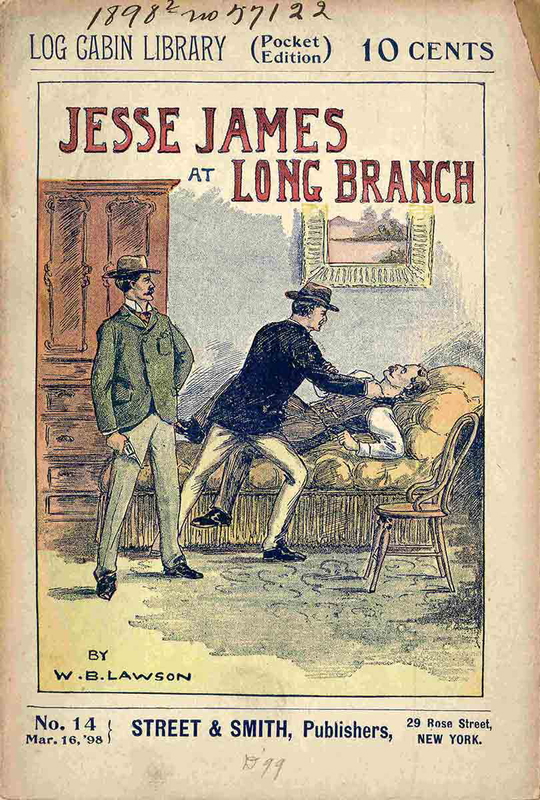
The biggest champion for gunslingers came from the ubiquitous dime novel. For only a few cents and made from cheap pulp paper, these stories created larger-than-life characters. They found an eager audience with heroic stands, fights against injustice, or notorious exploits. Dime novels, being small, cheap, and easy to carry, were sold nationwide and internationally in stores and newsstands.
Tools of the Trade
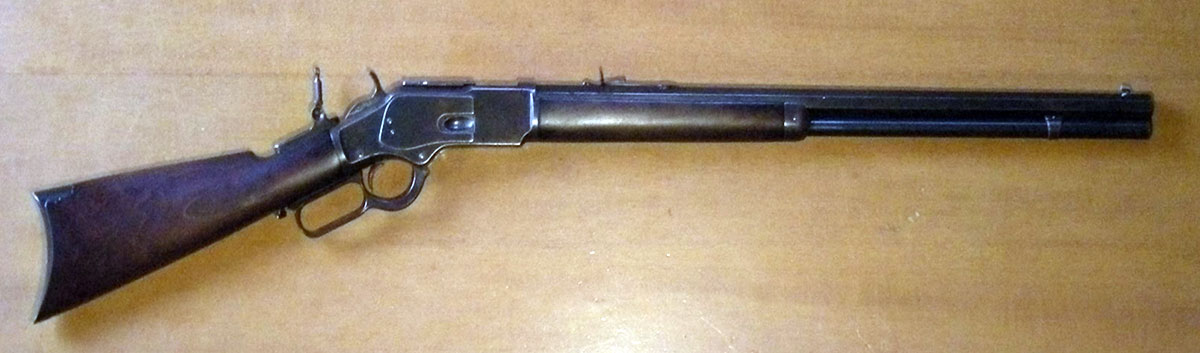
Besides a well-trained horse with a saddle, the gunslinger required two other tools: a six-shooter and a rifle. Improvements after the Civil War made both weapons easier to produce, more accurate, and of better quality. The most famous gun that “won the West” was the Winchester Model 1873.
The Colt “Peacemaker” six-shot revolver was the gunslinger’s other tool. This reliable firearm became many gunslingers’ weapon of choice. Some even carried two to avoid reloading. Apart from being used for hunting, these firearms helped fend off wild animals and outlaws, and were useful in rare clashes with Native Americans.
Above Average Gunslingers
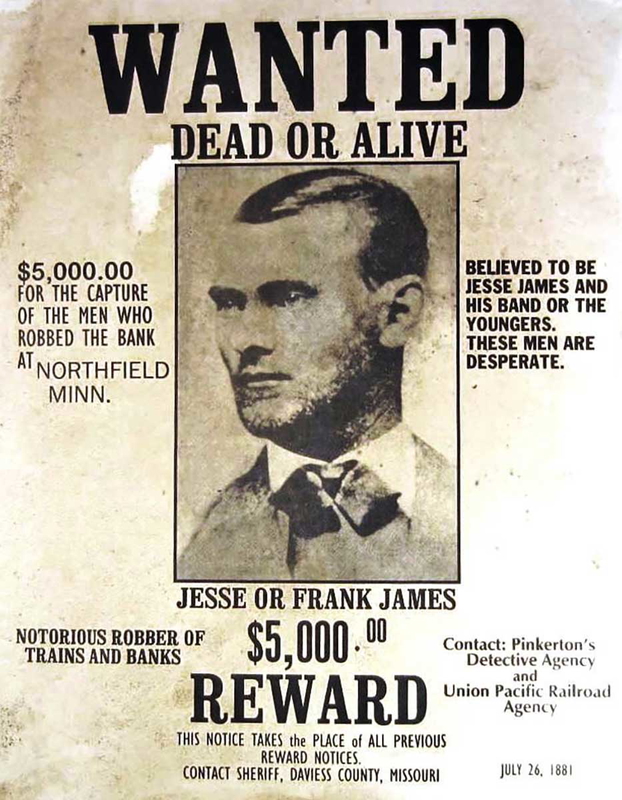
Despite the lawlessness and chaotic times during this period, some gunslingers distinguished themselves. Some came to unfortunate ends but became legendary figures in American folklore. Jesse James, the notorious outlaw, bandit, and train robber, is one such legend. Born in 1847, Jesse joined the Confederate Army in 1864 as a “bushwhacker” or raider. He participated in an 1864 massacre of Union soldiers during the Civil War. His hatred stemmed from how poorly Union soldiers treated his family before he enlisted.
After the War, Jesse became an outlaw, robbing banks and trains. He led the feared and prolific James-Younger Gang, which included his brother Frank.
James fostered a Robin Hood persona, often leaving press releases after robberies. The James-Younger Gang dissolved after a failed 1876 bank robbery. Jesse James died five years later, shot from behind by an associate seeking reward money.
Dentist-turned-gambler and gunslinger John Henry Holliday, or Doc Holliday, perhaps matches Jesse James’s fame. Born August 14, 1851, in Georgia, Holliday’s first career plan focused on dentistry, but gambling’s allure won over. Like his mother, Doc suffered from tuberculosis, which would claim his life in 1887.
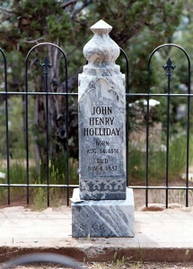
As a professional gambler, Doc traveled (or fled) around the West and Southwest, accompanied by Big Nose Kate, his common-law wife. Armed with a six-shooter, a willingness to fight, and a matching temper, he built a formidable reputation. He shamelessly promoted himself, adding to the mystique.
In his gambling travels, Doc became fast friends with Wyatt Earp. They, with Earp’s brothers, clashed with the Cochise County Cowboys, killing several. Doc Holliday passed away from tuberculosis on November 8, 1887. His last reported words were, “This is funny,” ironically dying in bed peacefully and not in a violent manner.
A Legendary Fight
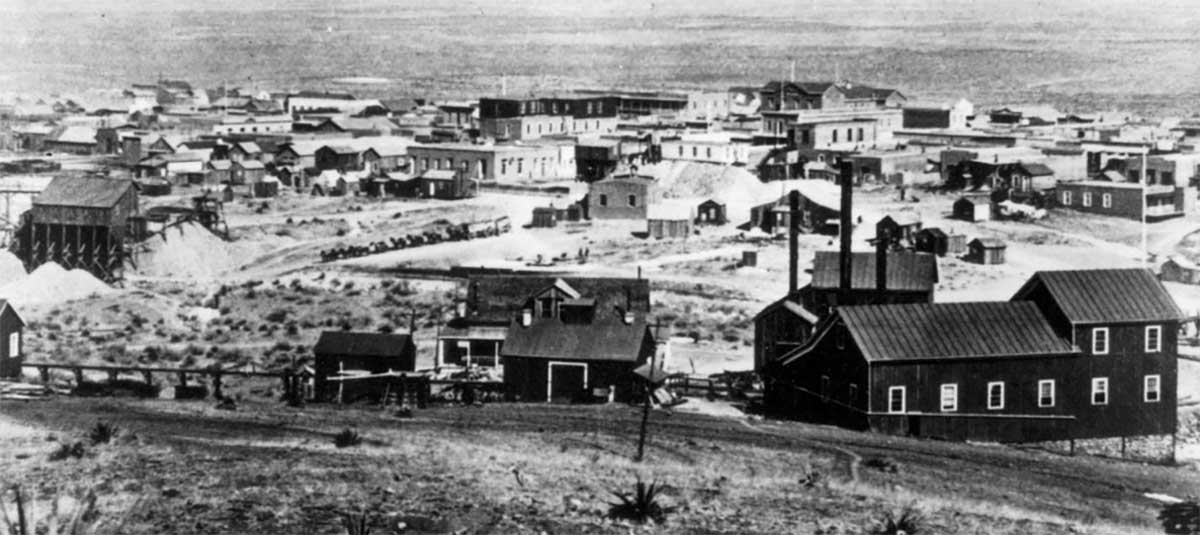
Violence and lawlessness dominated the Gunslinger era, so many disputes concluded in a hail of lead. No Old West clash is more iconic than the Gunfight at the O.K. Corral in Tombstone, Arizona. On October 26, 1881, this shootout squared off lawman Wyatt Earp and his two brothers with Doc Holliday against the Cochise County Cowboys. In only one minute, three Cowboys lay dead, and a legend was born.
The Gunfight concluded an ongoing feud of corruption, personal animosity, and political differences. The Cowboys’ activities included cattle rustling, smuggling, and stagecoach robbery. The Earps and Holliday tried to enforce Tombstone’s no-gun ordinance on the Cowboys. Their opponents refused, leading to the gunfight. Three Cowboys, the McLaury brothers, and Billy Clanton, died with two Earps wounded.
With the diminishing frontier, urbanization, and improvements in communications, ultimately, law prevailed, and around the turn of the century, the Old West era passed into history.