Summary
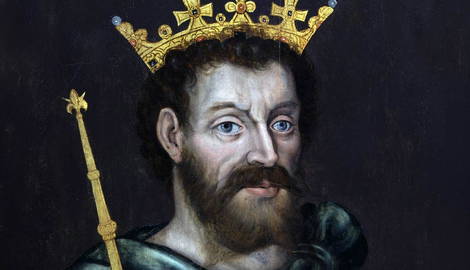
- King John, nicknamed “Lackland,” was the youngest son and was never originally expected to become king of England.
- John’s most famous act was signing the Magna Carta, a document forced on him by rebellious nobles.
- The legendary connection between King John and Robin Hood is likely fiction, as the stories appeared late in his reign.
- Despite his poor reputation, John was a decent administrator who helped define the English legal system more clearly.
In the late 1100s and early 1200s AD, several figures arose in English history whose reputations passed into both historical importance and legendary stories. One of the more prominent figures that falls into both categories is King John of England.
Was John Supposed to be King?
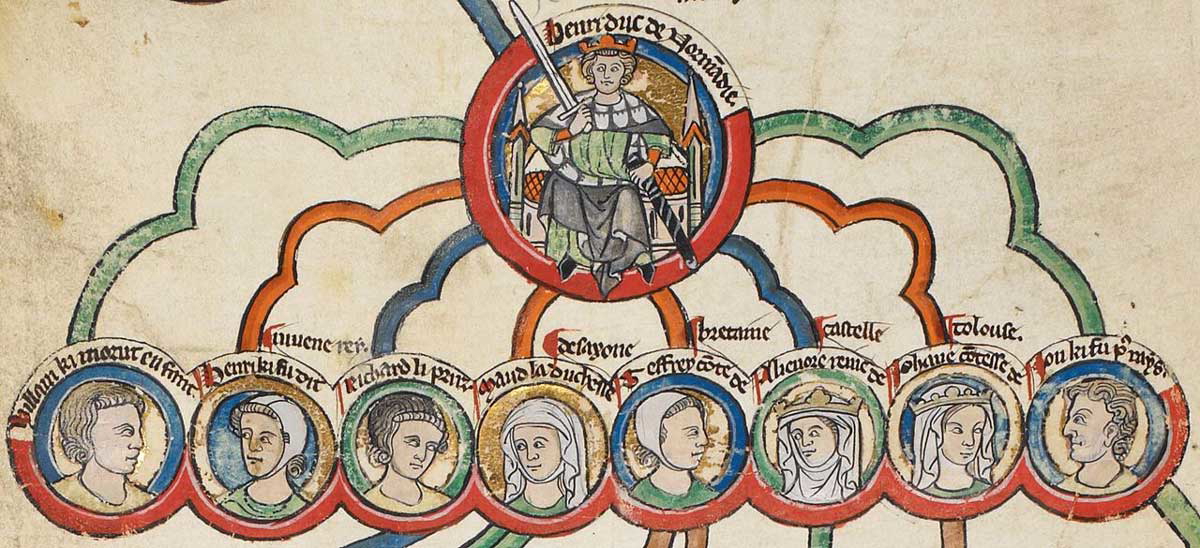
Not really. John was the youngest of the four legitimate sons of King Henry II. The eldest, Henry the Young King, ruled alongside Henry II (but had little actual power). Richard I, “the Lionheart” would eventually become King in his own right. Geoffrey II, Duke of Brittany, inherited and obtained substantial lands. But John, nicknamed “Lackland,” received little, yet may have become the most powerful and influential of all his brothers. Each of them rebelled in some way against their father, but each died before their rule could be well established, leaving John with the title.
John’s Family
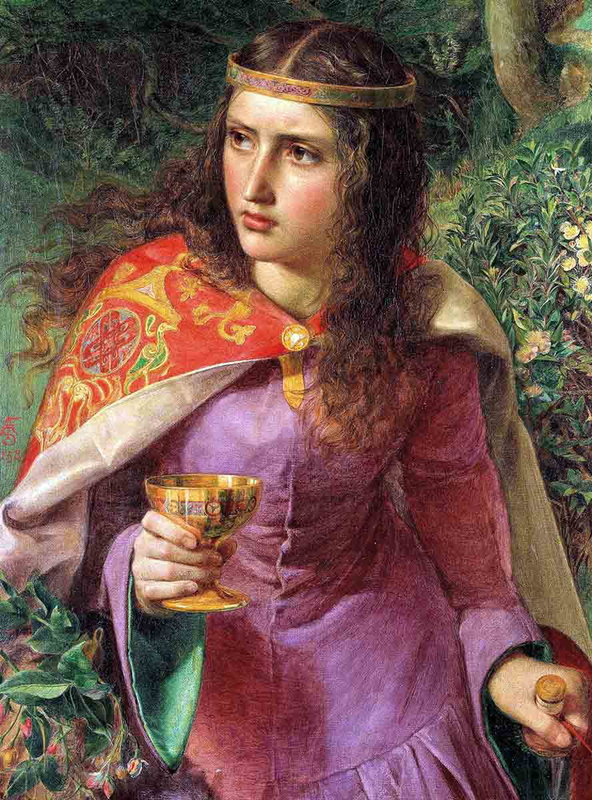
At this time, French and English nobility were so intertwined that the English court was more French than English. William of Normandy – the Conqueror – had invaded England less than a century before and established his rule there. John’s mother was Eleanor of Aquitaine, former Queen of France as wife of Louis VII and Queen of England as wife of Henry II, John’s father. John technically inherited some parts of France and continuously was at war to obtain more holdings.
His French holdings made him vassal to the King of France (only for those parts of France he inherited, not in England). He was a member of the Plantagenet-Angevine dynasty, which had French roots.
John’s Accomplishments
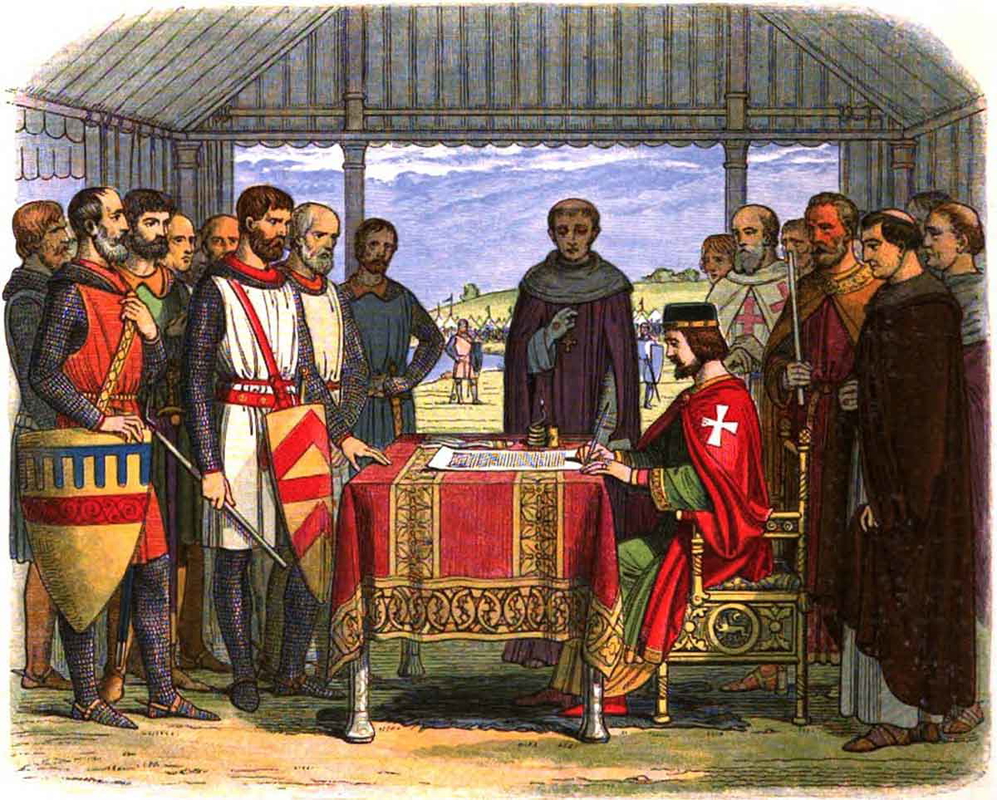
While it is difficult to show that John had a major accomplishment during his rule, there were various incidents that were monumentally influential in Western history. John’s signing of the Magna Carta is probably the most significant moment of his entire rule. John was dealing with open revolt from English nobles in the early 1200s, and was forced to the negotiating table by the nobility to allow them to have more rights over their own property.
While both King John and the nobility did not fully keep to the terms laid out in the Magna Carta, it became one of the most influential documents of English law and undoing the idea of the divine right of kings.
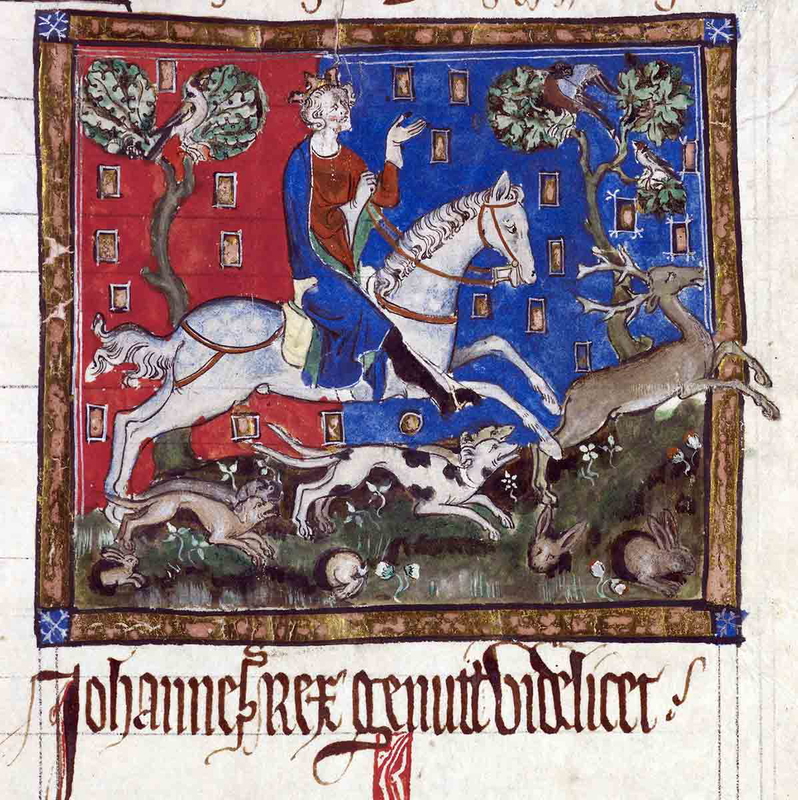
John was not as capable in war as his brother Richard, but was not a total loser at war, holding several military victories in France, but none that were important. He was also a decent administrator, which was probably his best gift as king. He spent more time in England dealing with English matters than engaging in war than his predecessors, and the legal system got more defined with John at the helm.
Because he needed money to operate the government and engage in his military actions, John also found various innovative ways to raise taxes on both the nobility and populace… which is the reason he is part of the Robin Hood legend.
King John and Robin Hood
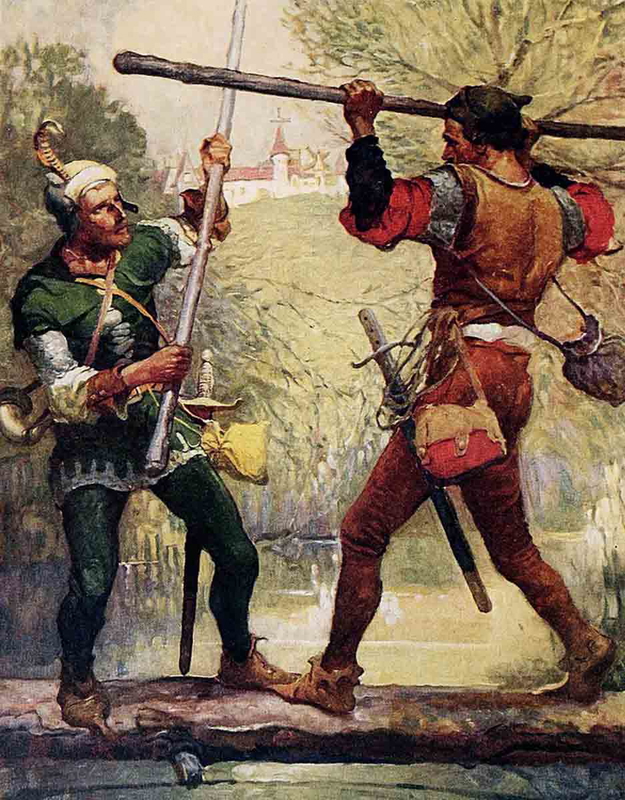
While John’s policies of taxation were, at times, overbearing, the legend of Robin Hood is likely mostly fiction. The earliest part of the Robin Hood legend does not appear until the tail end of John’s reign, and then the records do not begin until after John’s death in 1216. Whether or not John or his subordinates had any dealings with a figure who even inspired some of the Robin Hood legends is not, and may never be, known.