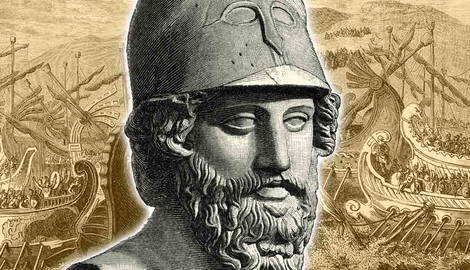
When King Xerxes of Persia brought the might of his empire to subjugate the troublesome Greeks, they seemed unstoppable. As city after city fell to the invaders, the situation was becoming desperate. Just as hope was failing, the Athenian leader Themistocles developed a brilliant but risky strategy to defeat the invading Persians. It was years in the making. The Persian and Greek forces clashed at Salamis in a battle that decided the fate of civilizations.
The Greeks Revolt
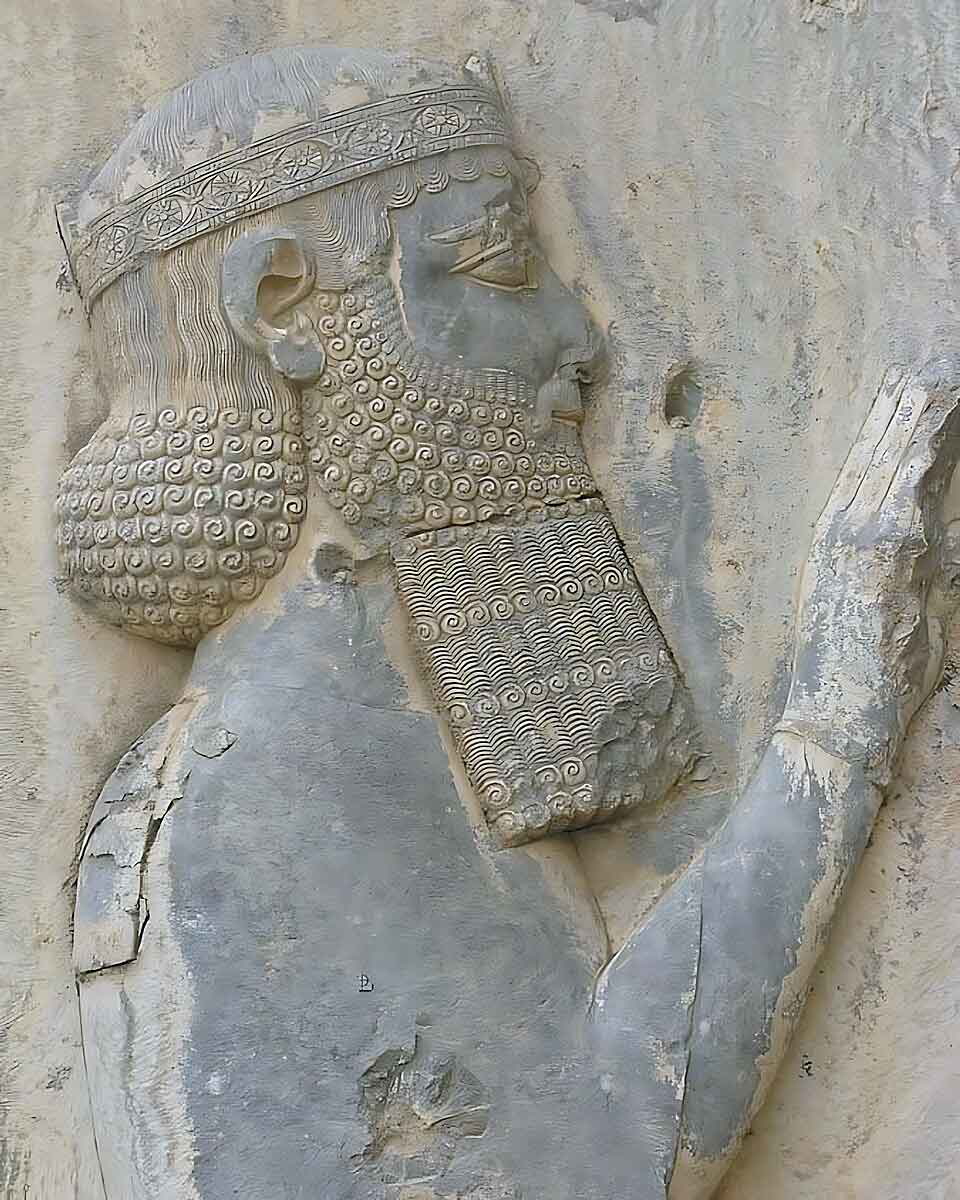
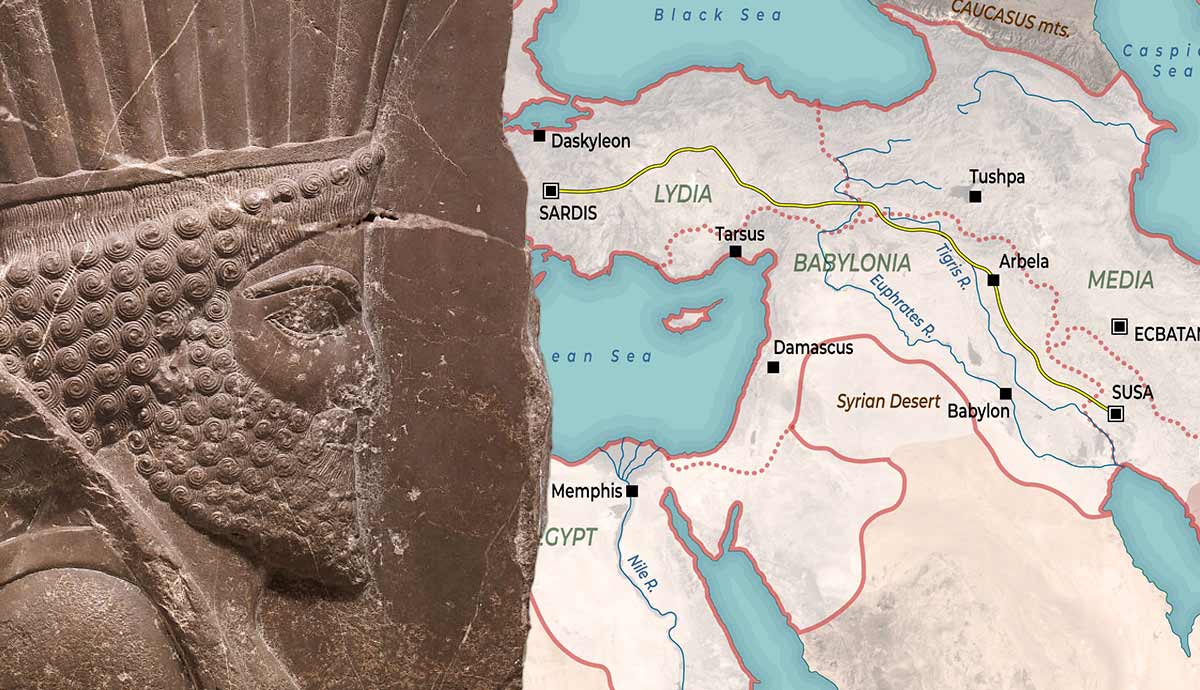
The seed of the Persian Wars was sown decades earlier. The Persian Empire had expanded rapidly and pushed westward from its homeland in modern Iran. Eventually, all of Anatolia was conquered. The coast of western Anatolia was home to many Ionian Greek colonies, which soon fell under Persian rule. They were understandably not entirely welcoming. In 499 BCE, they rebelled against their Persian overlords. The revolt was crushed, and the Persian King Darius I soon discovered a critical detail. The rebellious Greeks were supported by the mainland Greek city-states, especially Athens, which sent ships, money, and other aid to support their bid for independence. With this “casus belli,” the Persians soon launched punitive invasions of Greece.
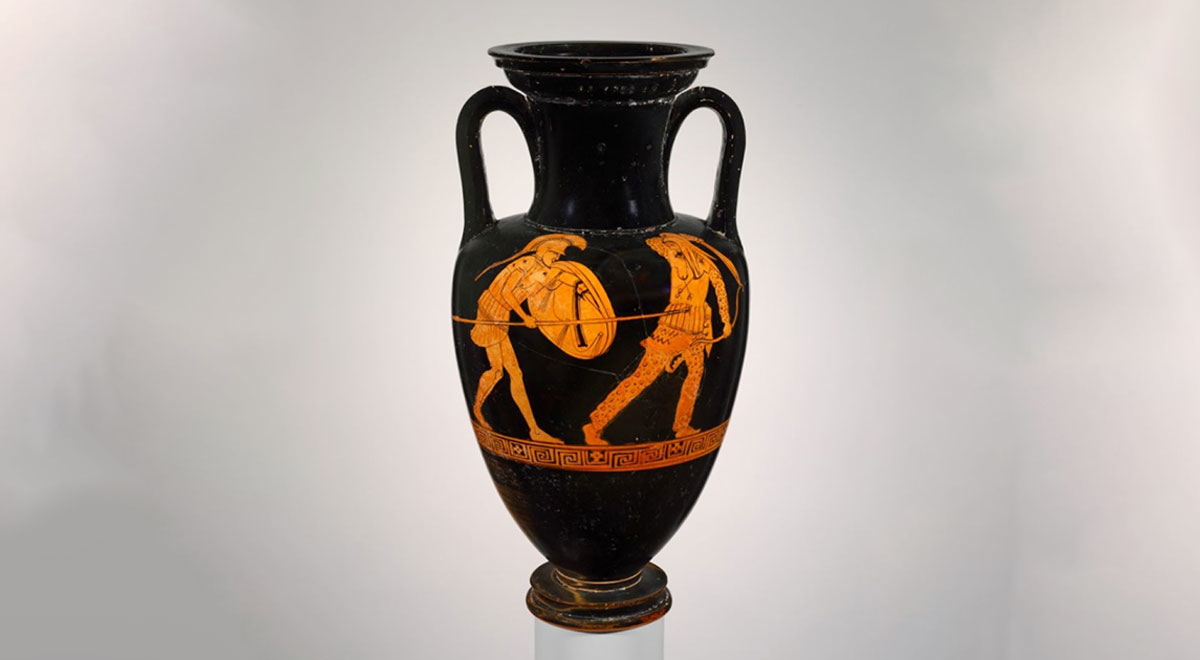
The first of these expeditions was lost in a storm. Another was gathered, and after a brief island-hopping campaign across the Aegean, landed at Marathon in 490 BCE. Though outnumbered, the Greek city-states of Athens and Plataea did the only sensible thing: attack. The Persians had recently disembarked and were in a vulnerable state. The Greeks reportedly ran across the nearly mile-long space to get past the Persian archers and launch their attack. The Greek aggressiveness caught the Persians off guard, and the invaders were driven off.
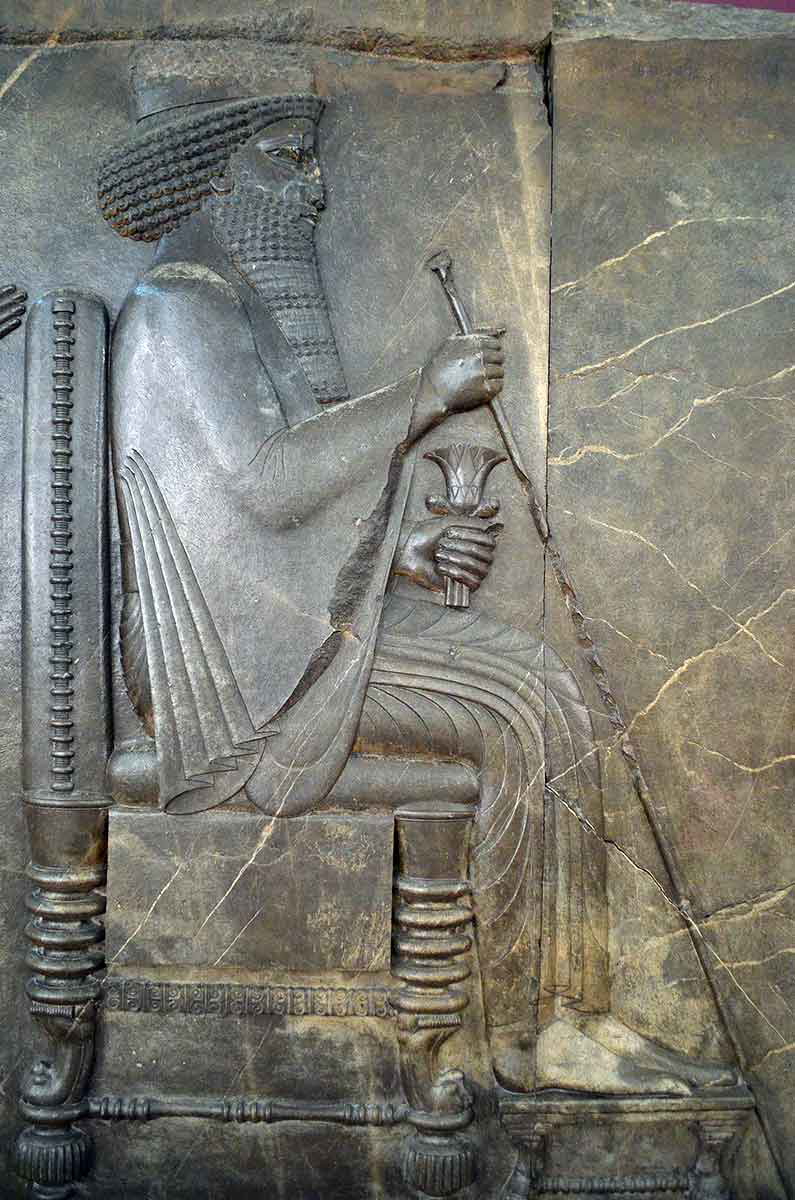
Though defeated, Darius was ready for another attempt at subjugating the stubborn Greeks. But he died, and the burden of vengeance was taken up by his son, Xerxes. A decade after the disaster at Marathon, Xerxes led a titanic force to end Greek defiance once and for all.
According to Herodotus, the force assembled was over a million strong. Modern estimates place the actual number at 100,000-300,000, so still the largest military force the ancient world had ever seen, drawn from all corners of the Persian Empire. They marched overland, across the Hellespont, and descended on Greece from the north. They hugged the coast, supported and supplied by a massive fleet of hundreds of ships. In 480 BCE, this monumental army was about to drop the hammer of vengeance on the disorganized Greeks.
Themistocles’ Foresight
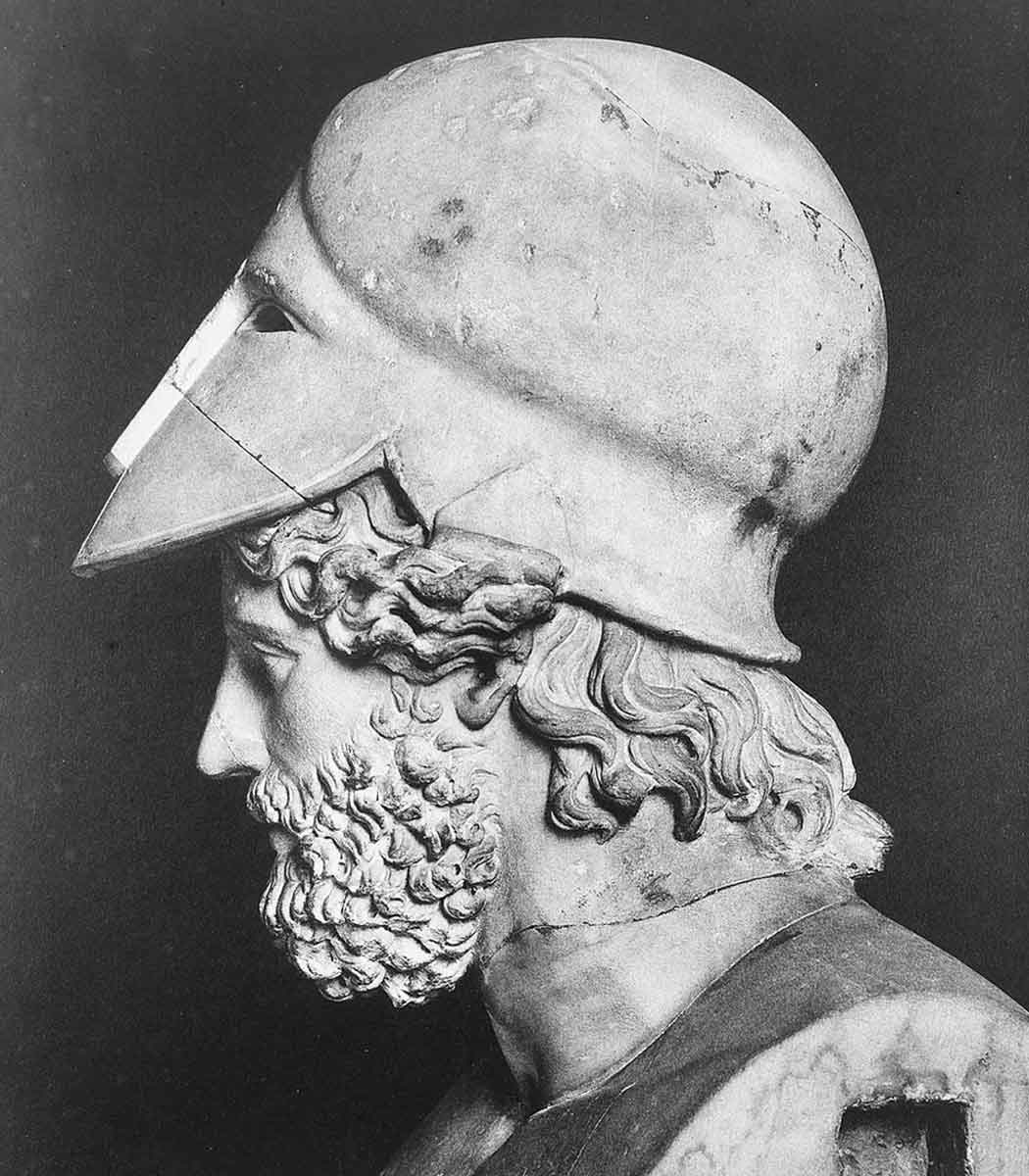
When the Athenians were fighting the Persians at Marathon, among them was a singular individual whose foresight would change the course of history. Themistocles was born a commoner. His father was, according to the biographer Plutarch, “no very conspicuous man,” and his mother unknown. Little is known of his early years, but in the burgeoning democracy of Athens, his intelligence and abilities helped him rise to prominence. He enjoyed the support of the lower classes and, at Marathon, may have been one of the ten strategoi, or generals, of the Athenians, though this is difficult to confirm. After the Persians were driven off, most considered the enemy defeated permanently. Themistocles knew better.
He knew that the Persians were not so easily deterred, but he had to convince the rest of his fellow Athenians that they were still a threat. Most of his countrymen believed the Persians had been defeated and would lose interest in Greece. An opportunity to break this misconception presented itself in 483 BCE, when a large silver deposit was discovered near Athens. The debate raged among the citizens of Athens’ democracy, with many believing that the best use would be to distribute the money to the people.
Themistocles wanted to build a fleet of warships, but knew any mention of Persia would be ignored. So, undeterred, he engaged in some gamesmanship. Rather than point out the Persian threat, he played up Athens’ rivalry with Aegina, an island city-state. Themistocles had hoped that 200 Triremes would be built, but the issue remained contentious, and only 100 were approved for construction. Still, with this misdirection, the Athenian bulwark against the Persians was formed.
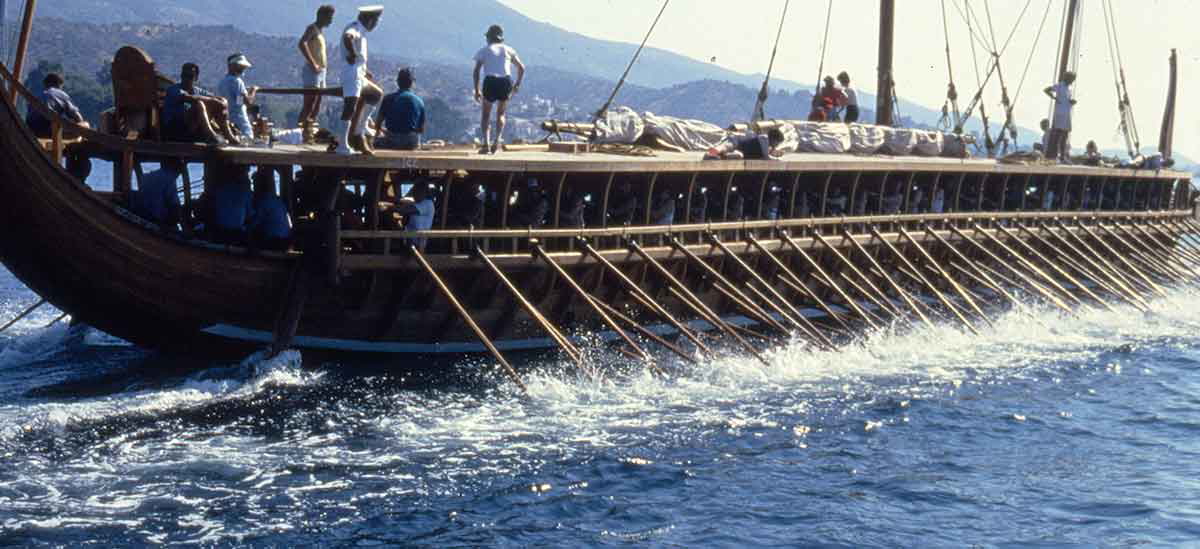
Triremes were oar-powered warships with a sail. It was named after the three decks of oars, with one rower per oar. They could carry a crew of up to 200, including 170 rowers, 30 deckhands, and a detachment of marines. They had an average speed of around six to seven knots, or about seven to nine miles per hour, while under power by oars, though they often cruised at about half this speed.
Contrary to popular conception, the rowers were not slaves, but well-paid freemen, who were trained and highly competent. In battle, the standard tactic was to ram an enemy vessel with a bronze-tipped prow. The small number of soldiers—four or five archers and ten hoplites—made most boarding actions unfeasible. They were there to defend the rowers, who could also defend themselves with a stockpile of stones.
Greece Under Attack
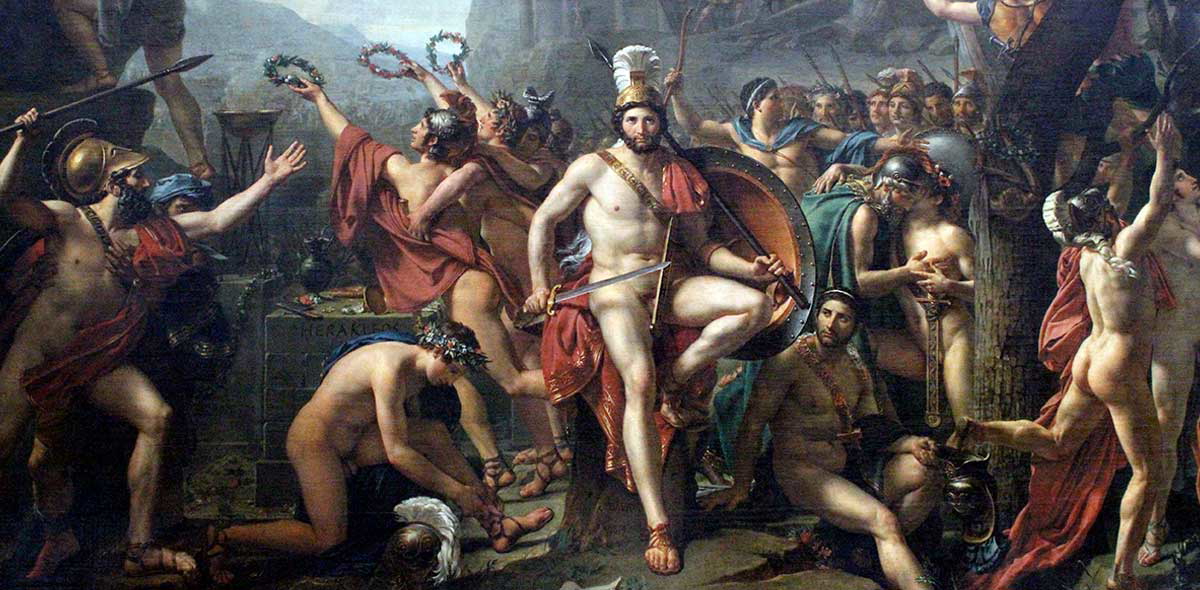
As the Persians descended on Greece, there was continual debate on how to respond. The city-states were often at war with one another, and self-interest left them ill-equipped to unite against a common enemy. The Persians conquered Thessaly and Macedonia and continued to creep southward. In response, a force was sent to a narrow mountain path called Thermopylae. The Greek army was led by Spartan king Leonidas with 300 Spartans, plus 7,000 hoplites from Thebes, Thespia, Phocas, and other city-states. The following battle and the doomed last stand of the 300 Spartans (and 700 Thespians) have gone down in legend as one of the most famous battles in history. At the same time, the Persian navy was engaged by the Greek fleet at the nearby strait of Artemisium, which ended in an indecisive clash.
After three days, the Persians finally overcame the defenders of Thermopylae and were able to surge southward again. The Greek fleet at Artemisium disengaged and withdrew, leaving the remaining Greeks in chaos. There were many differing opinions on how to proceed next. Many abandoned the plan to defend the Boeotia region and fell back to defend the Isthmus of Corinth. With the Persians controlling the seas, this was a pointless attempt. The Persians could simply land their army wherever they wanted. It was clear, then, that the Persian fleet must be eliminated for the Greeks to have any chance of survival.
Athens was directly in the crosshairs of the Persians, and the city was in a panic. It was at this point that Themistocles’ leadership came to the fore. He reminded his fellow citizens of the Oracle of Delphi‘s prophecy, which said the Greeks should look to a wooden wall for salvation. Many thought this was a wooden palisade around the Acropolis, or the growing defenses at the Isthmus of Corinth. Themistocles gave them a different interpretation. The wooden walls were the ships of Athens’ navy. They should put their trust in the fleet. He suggested a plan that would see Athens abandoned, except for a token force, and the population evacuated to Salamis or other nearby islands.
Baiting the Trap
When the Persians finally arrived in Athens, they captured the city and burned it. While the city burned, the various Greek city-states continued to argue about the best course of action. While they bickered, Themistocles took matters into his own hands. He would force the fractious Greeks to unite under a single strategy: his own.
The Athenian statesman secretly sent a slave to the Persians with a message. To paraphrase the letter, Themistocles saw the light and realized that the Greek cause was hopeless. He wanted to submit to the Persians, but could not do so openly. Open betrayal would be noticed by the other Greeks. Still, the Persian king had a golden opportunity to crush the defenders once and for all. The Greek navy was in turmoil as factions vied for control. Xerxes could take advantage of this by trapping the Greek fleet at the Strait of Salamis, a narrow passage between the island of Salamis and the Greek mainland. The narrow passage would prevent the Greeks from escaping, and once trapped, the overwhelming might of the Persian navy could crush them once and for all. But the Great King would have to move fast, or the opportunity would slip away.
Xerxes read the letter and swallowed it hook, line, and sinker. He dispatched 200 ships from his Egyptian squadron to block one end of the strait, while the rest of his navy descended on the other end. As this was happening, the alarm was raised. The Greeks saw the Persians bearing down on them. With no other choice, they had to fight. The Persian fleet consisted of between 400 and 1,200 ships. The Greeks had between 350 and 400 ships, though the exact figures are still hotly debated by scholars. It is clear, however, that the Greeks were vastly outnumbered and apparently trapped.
The Trap is Sprung
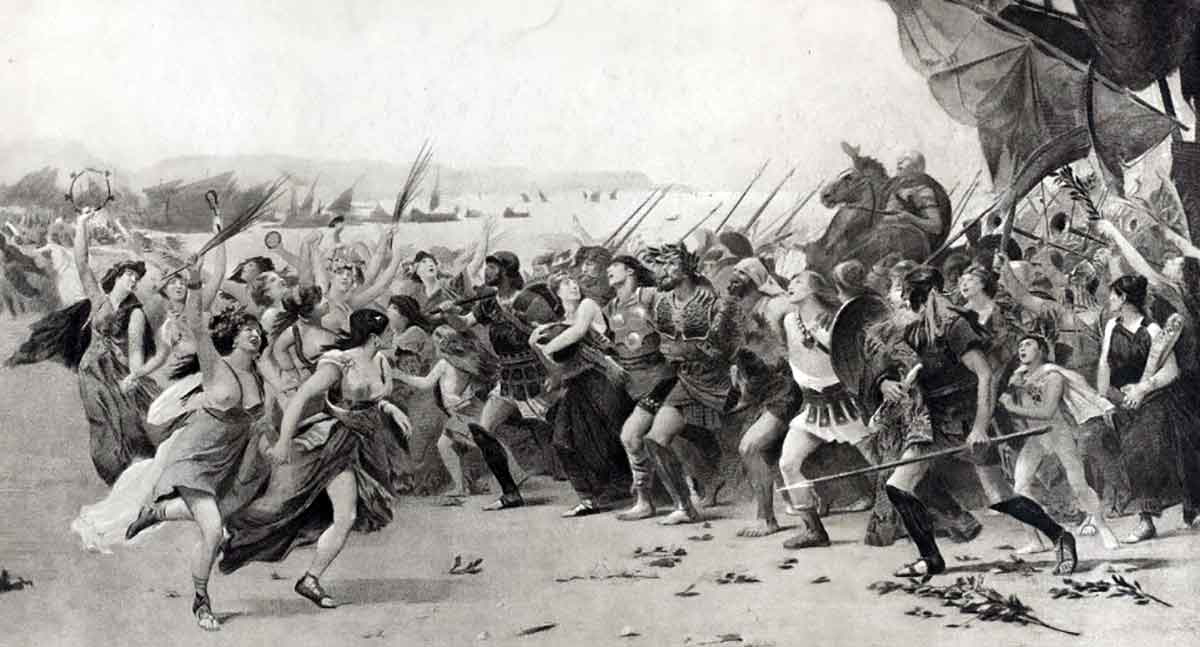
As the Persians converged on the Greeks, they expected to see a disordered force trying to flee. Instead, they found a navy ready for battle and expecting a fight. Still, they pressed on, hoping to destroy the outnumbered Greeks. The Greeks began to back up, trying to buy time and to draw the Persians into the narrow waterway. The Persians did exactly as hoped and soon became disorganized in the strait. Their three line battle formation began to fall apart. Exactly what happened next is unclear, but it is believed that a single Greek ship, either Athenian or Aeginetan, surged forward towards the nearest Persian ship. Soon the rest of the Greeks followed suit.
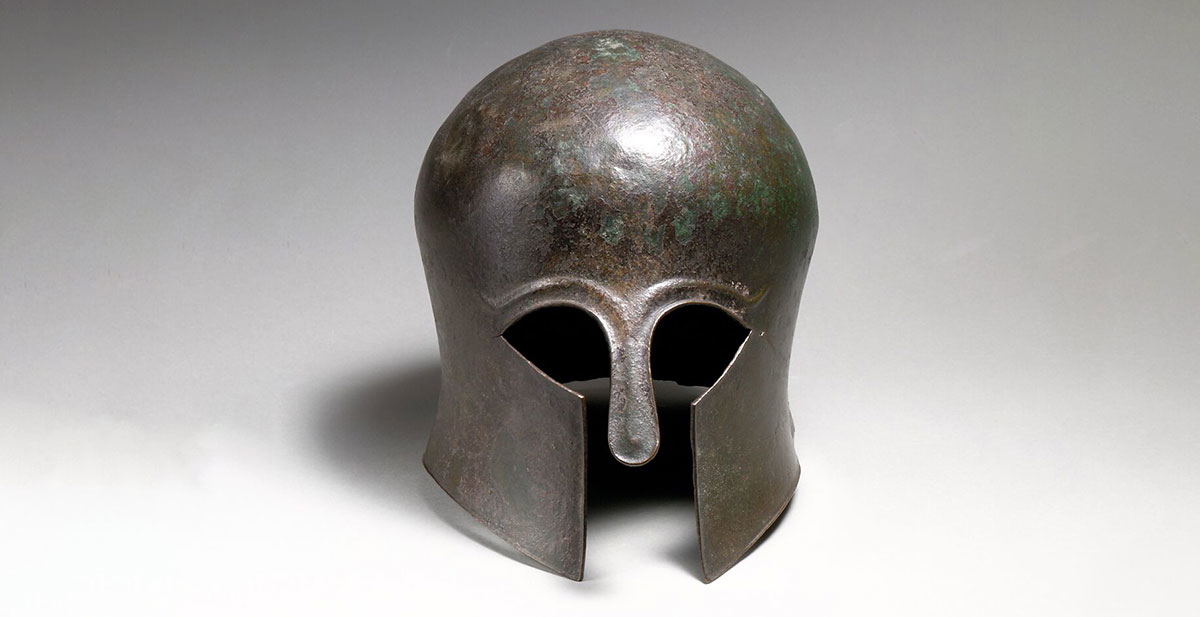
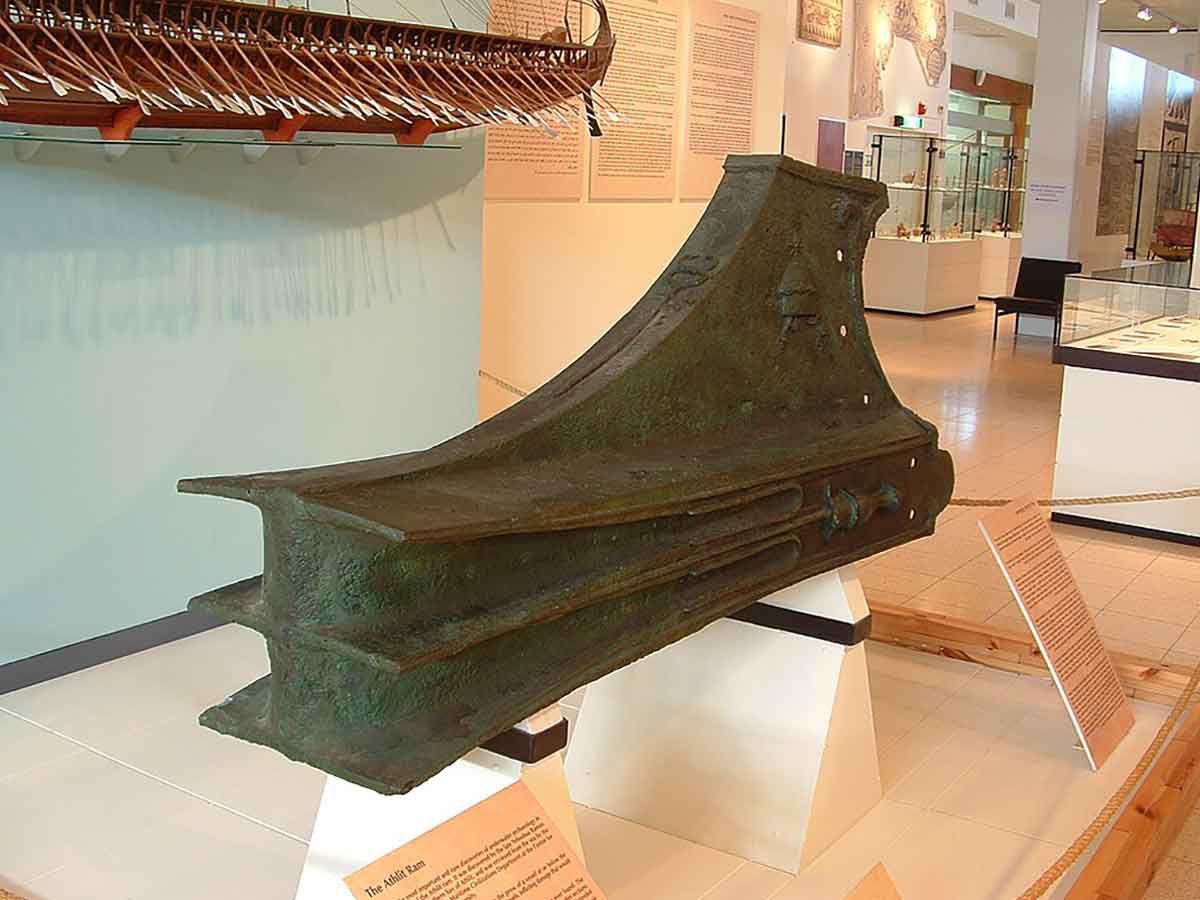
The main tactic used by ships during this era was to ram an enemy, then backwater, leaving a gaping hole in the enemy vessel. Ideally, the bronze prow of the attacking ship would ram the weaker broadside of the enemy vessel or sideswipe the target, shearing off the oars, effectively immobilizing it. Boarding actions were rare, but did occur, and the Greeks had a distinct advantage. Their marines were hoplites who wore heavy armor and carried a large shield, making them much more durable than their lightly armored Persian counterparts.
As the battle progressed, the experienced Greeks, who were familiar with the waters, nimbly maneuvered around the floundering Persian ships and were able to engage the enemy seemingly at will. The front rank of the Persians fell back in confusion, causing a cascade effect. The retreating ships slammed into the second and third ranks behind them in their attempt to escape. This deadly stack of dominoes led to total confusion among the Persian forces. Xerxes, watching the battle from a nearby mountainside, flew into a rage as his grand fleet was smashed.
The Aftermath
No one is certain of the casualties inflicted during the Battle of Salamis. What is known is that the Persians suffered a crushing defeat. The Greeks were able to operate in the Aegean with impunity, and Xerxes feared that they could attack the pontoon bridge across the Hellespont, cutting his army off from escape to Asia. With seemingly no other choice, the Persian king ordered his massive army to withdraw, leaving behind a force of about 40,000 under the command of general Mardonius. With this withdrawal, the Peleponese was saved from Persian incursions, marking a turning point in the Greco-Persian Wars. With momentum in their favor, the next year the Greeks fought a major land battle at Plataea, led by Spartan general Pausanias, who finally defeated and drove the Persians from Europe.
And what happened to the architect of this? Themistocles rose to prominence as the savior of not only Athens, but all of Greece. He became one of the leading men in Athenian politics. He used his newfound influence to help rebuild the city, but many became jealous of his popularity. In 472 or 471 BCE, he was exiled, and after traveling around Greece, he ironically ended up in the Persian court, where he was surprisingly warmly received. He would become a local governor, living out his days as a vassal of the very empire he is most famous for fighting against.