Thomas Hobbes, born in 1588, watched England tear itself apart in civil war and piece itself back together again. From that turmoil came Leviathan and a stark vision of power, fear, and human nature that shaped modern social contract theory.
Here, five of Hobbes’ sharpest quotes show what he really thought about conflict, science, truth, and the language we live by.
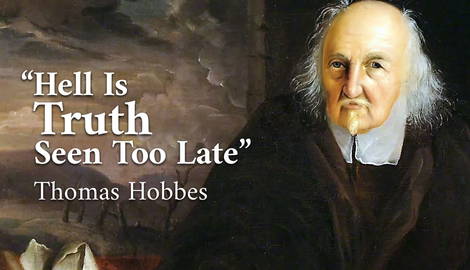
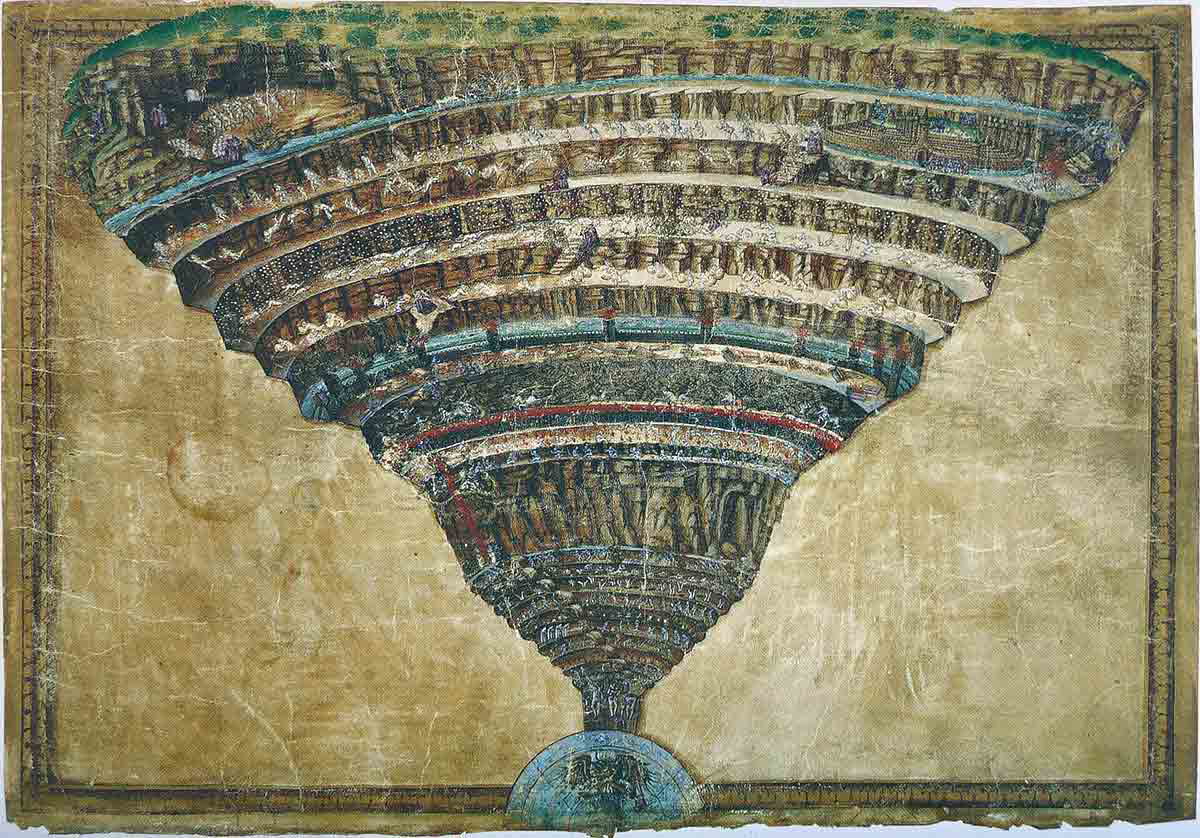
1. “Hell is truth seen too late”
Thomas Hobbes was a 17th-century philosopher best known for his theories on politics and social contracts. He believed that people are essentially selfish and driven by self-preservation. In their natural state, humans are at war with one another.
In this quote, Hobbes suggests that the consequences can be dire if truth only becomes apparent when it is too late to act upon it. If you do not recognize something as true until it is too late to do anything about it, you risk suffering because of your ignorance.
Imagine that a country’s leader denies an impending economic crisis even though all signs indicate just that. People who trust that leader might continue their usual spending habits until they experience financial ruin. Had they recognized the truth earlier and acted accordingly, they could have lessened or avoided a catastrophe.
Another example is personal relationships. Someone overlooks red-flag behavior from their partner and only later realizes how much has been sacrificed over the years. At that point, leaving becomes more complicated due to emotional attachment, shared finances, or children.
Think of hell as being locked in prison for regretting choices made because essential truths were ignored. The point is straightforward: it is better to seek out truths than wait until it might be too late. Always be skeptical and question things rather than putting off the task for a future that may never come.
2. “The condition of man… is a condition of war of everyone against everyone”
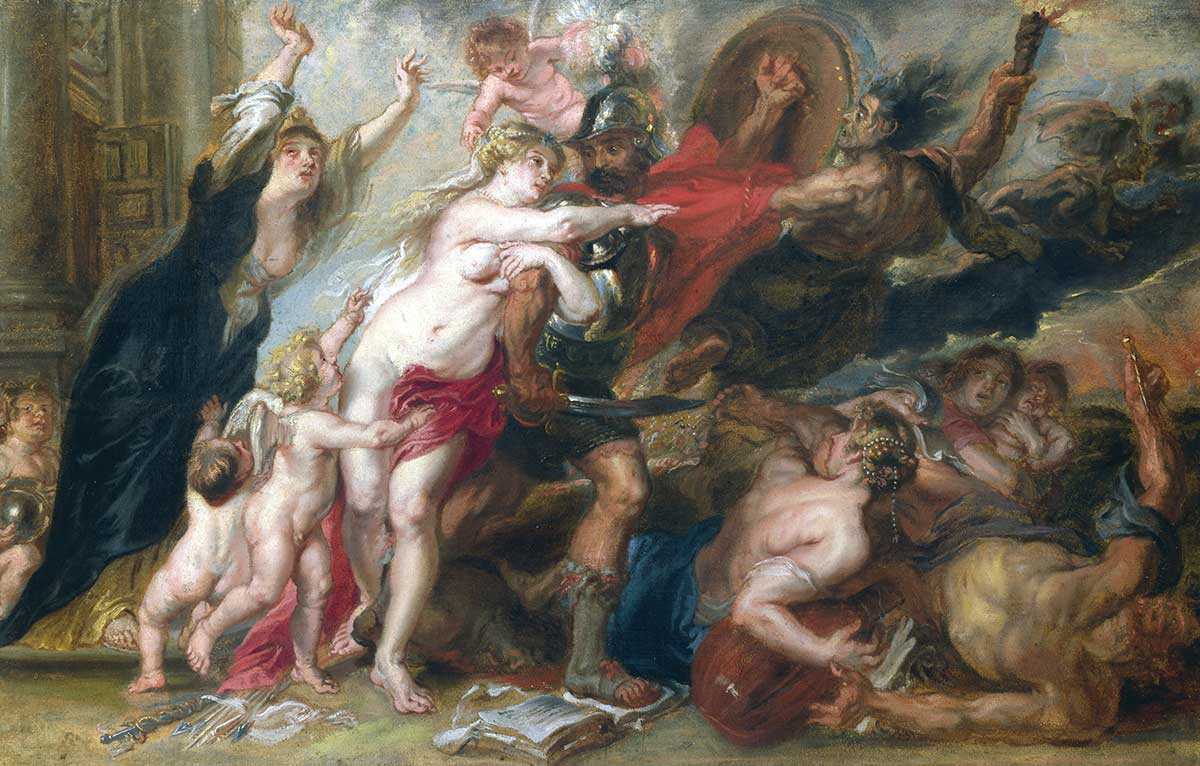
This quote encapsulates the essence of Hobbes’ philosophy. In their natural state, human beings are guided by self-interest and engaged in an ongoing struggle for power and resources. The result of this constant competition is a state of war where people are pitted against one another.
If you remove government or social order from the equation, individuals are free to do whatever they want without restriction. Conflict becomes unavoidable because everyone wants something at someone else’s expense. Resources such as food, shelter, and water become scarce commodities, leading to aggression and violence as individuals fight each other merely to survive or achieve their personal goals.
International relations offer a similar example. Each country operates on behalf of its own best interests. Without binding agreements or alliances, states seek to gain an advantage by competing for territory, resources, influence, or dominance. These fights can scale into wars.
Hobbes’ point is that perpetual strife requires a central authority powerful enough to maintain order and keep peace. Only when people surrender some freedoms in exchange for protection from the state can they escape this war-like condition. By showing how conflict arises when structures to check our baser instincts are absent, Hobbes argues that strong political systems are necessary for stability.
3. “Force and fraud are in war the two cardinal virtues”
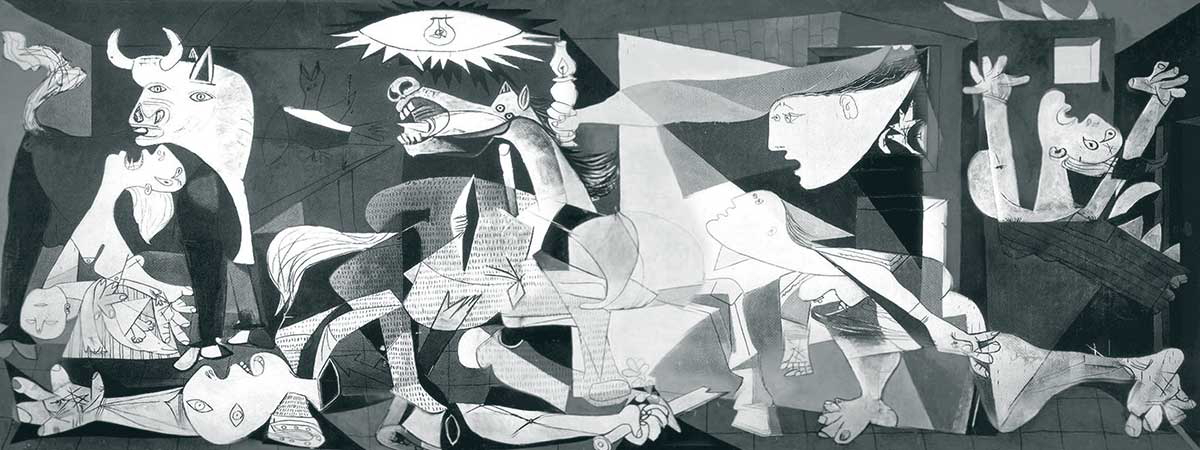
Thomas Hobbes makes an uncomfortable assertion about war and conflict. He suggests that using force and fraud is not just common but a virtue in wartime.
Hobbes believed that people are driven primarily by self-interest and the desire for power. In a state of war, where resources or dominance are up for grabs, he argues that force and fraud work best if you want to get what you want. Force refers to physical aggression or strength used to intimidate or overpower an enemy, such as military attacks or acts of violence aimed at weakening an opponent.
Fraud refers to deceptive tactics that give an unfair advantage over opponents, including the use of misinformation, propaganda, spying, or pretending to be an ally. By manipulating information about strengths, weaknesses, intentions, or actions, you can gain advantages on the battlefield.
In conflicts such as World War II, both sides resorted to force and deception: aggressive campaigns and propaganda on one side, and code-breaking and double agents on the other. Hobbes’s suggestion that force and fraud are virtues in war sheds light on his understanding of conflict as an arena where these tactics are deployed to assert dominance and secure survival. He forces readers into a sobering reflection on the darker aspects of human nature when faced with adversity.
4. “Science is the knowledge of consequences and dependence of one fact upon another”
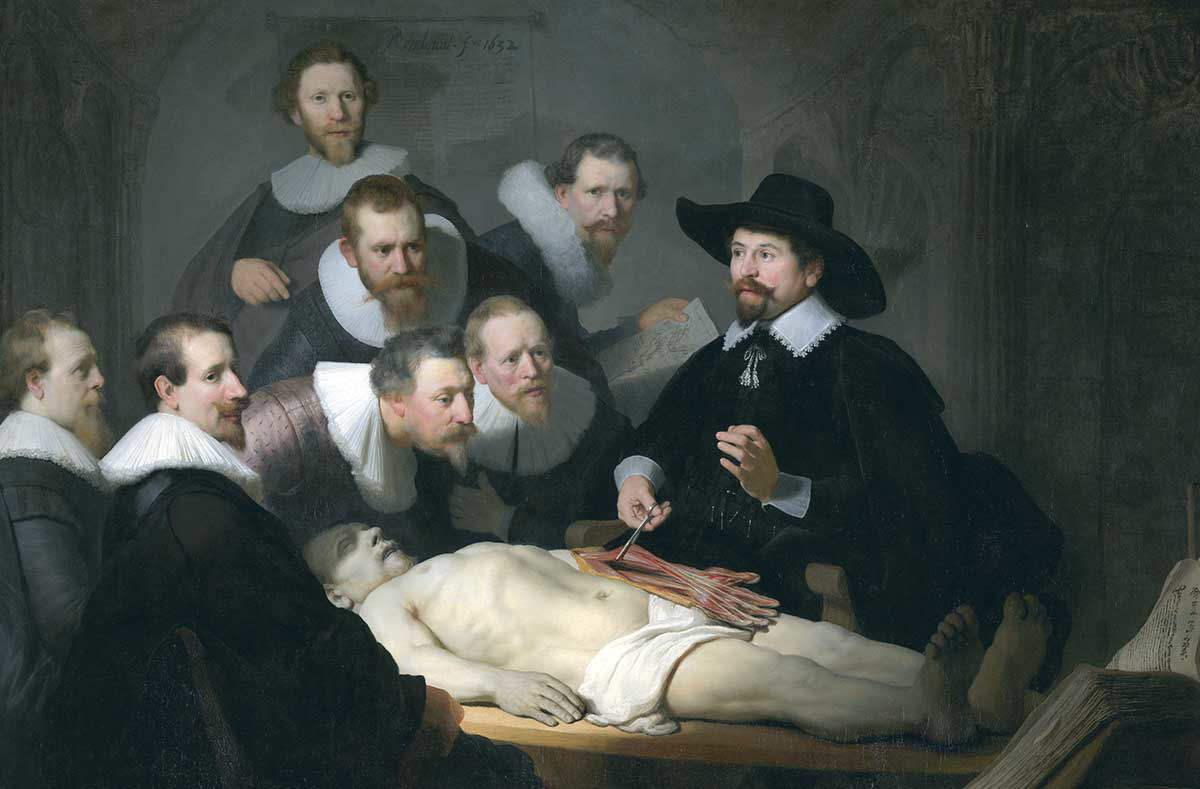
Science, for Hobbes, is the understanding that facts are interrelated and dependent on each other, not a collection of isolated observations. True knowledge comes from understanding causal relationships, how one thing leads to another in chains of cause and effect.
Newton’s laws of motion demonstrate this well, as they establish relationships between forces and the movement of objects. Newton’s second law, for instance, says that the net force acting on an object is proportional to its acceleration (F = ma), telling us how the force put into an object affects its motion.
Similarly, understanding cause-and-effect relationships in biology enables us to comprehend the transmission of diseases. By studying epidemiological patterns, we can observe how a disease spreads within populations and determine preventive measures, such as vaccination or quarantine.
In short, scientific knowledge looks at connections and dependencies between facts. It identifies patterns and causes, allowing us to understand individual things more accurately and see how they fit into a broader picture. For Hobbes, this aspect of science is important because it enables better predictions, more informed decisions, and a more systematic approach to learning.
5. “Words are wise men’s counters; they do but reckon with them: but they are the money of fools”
This final quote provides insight into Hobbes’ perspective on language. He suggests that words have different worth depending on our powers of critical thinking and discernment.
Hobbes thought that wise persons saw words as tools or counters used to convey meaning, much like tokens in a game of calculation. For them, words were a way of expressing ideas, engaging in rational debate, and arriving at the truth. Because words can be manipulated or misused, they approach language with caution, always testing whether there is substance behind the rhetoric.
By contrast, fools, those lacking critical thinking, treat words as having intrinsic value without scrutinizing what is being said. For them, words hold sway over reality itself. They take statements at face value and may be easily swayed by persuasive speech or empty promises.
Consider political debates. Wise listeners carefully analyze arguments and claims, concentrating on what lies behind the words. They critically evaluate the evidence. Some voters, however, might unquestioningly accept grandiose speeches full of emotional appeals rather than subjecting proposals to rigorous analysis.
Everyday life provides similar examples, from misleading advertising to manipulative speeches. Hobbes’ quote shows that language does not inherently carry reliability. It depends on our ability to examine it critically. Wise individuals use words as tools when navigating communication, while fools put blind trust in them without testing their validity.
So, What Does Hobbes Teach Us?
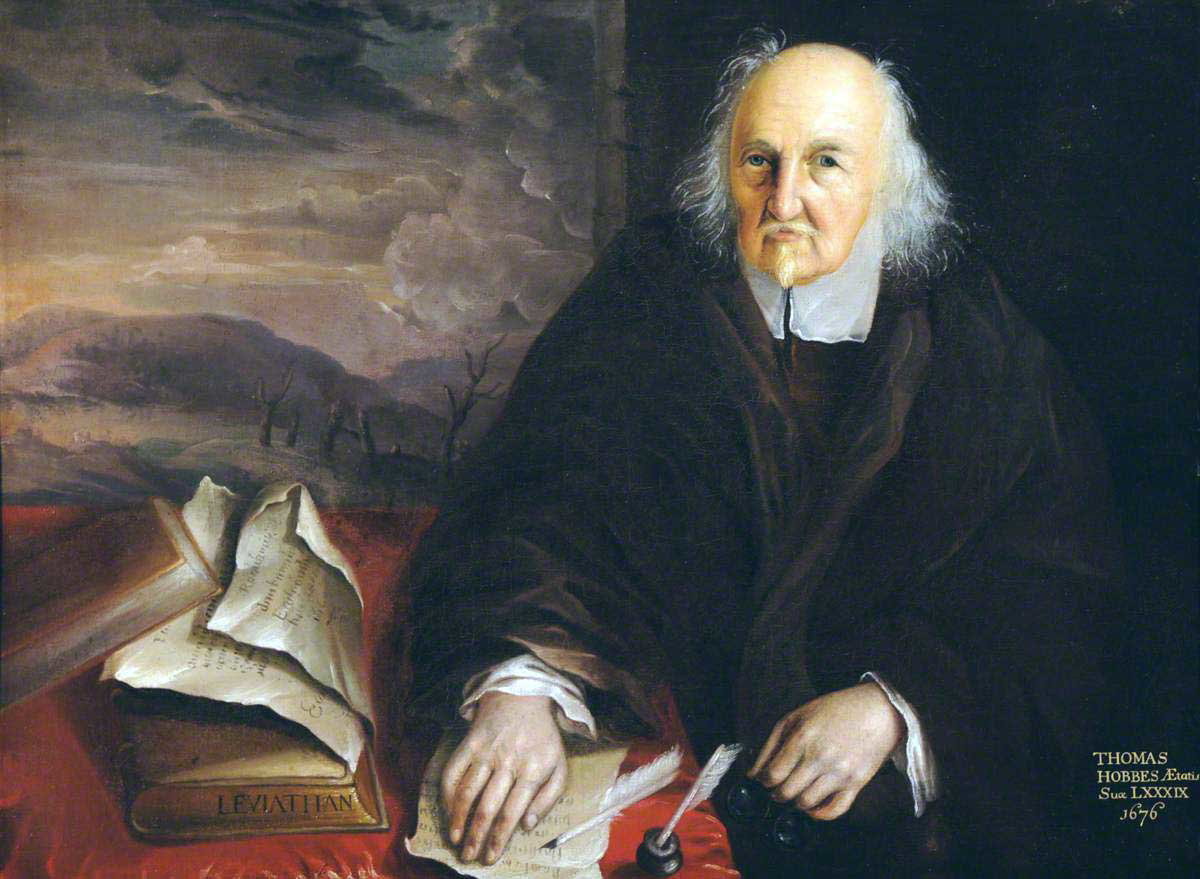
Hobbes’ quotes offer important lessons that help us understand the nature of humanity, society, and knowledge. They remind us that people are driven by self-interest and self-preservation, so unchecked behavior tends to lead to conflict. This is why he stresses the danger of discovering the truth too late and the need for robust political structures to keep our more destructive impulses in check.
At the same time, Hobbes emphasizes that genuine understanding hinges on recognizing how facts interconnect and how language is employed. Science, for him, is about causes and consequences, not loose observations. Words, meanwhile, are tools for the wise but a trap for the uncritical. Together, these insights urge us to be careful thinkers who look for patterns, seek truth early, and handle language with caution.