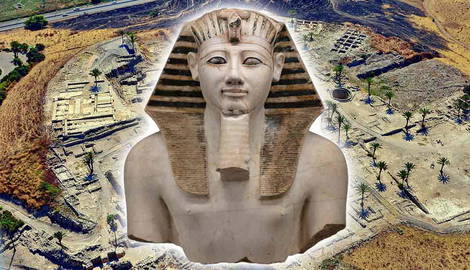
Pharaoh Thutmose III was thoroughly groomed at the hands of Hatshepsut—his aunt, regent, and co-ruler—to become an outstanding ruler during ancient Egypt’s New Kingdom, the peak of its golden age. He was a toddler when his father died, and Hatshepsut, as great royal wife, took the reins as regent. It appears from images, texts, and inscriptions that Thutmose III was often in her company as he grew up, learning pharaonic duties and skills in practice. Their legacies were highly intertwined until Hatshepsut’s death after 22 years as regent, pharaoh, and co-regent.
Growing up to Become the Greatest Pharaoh
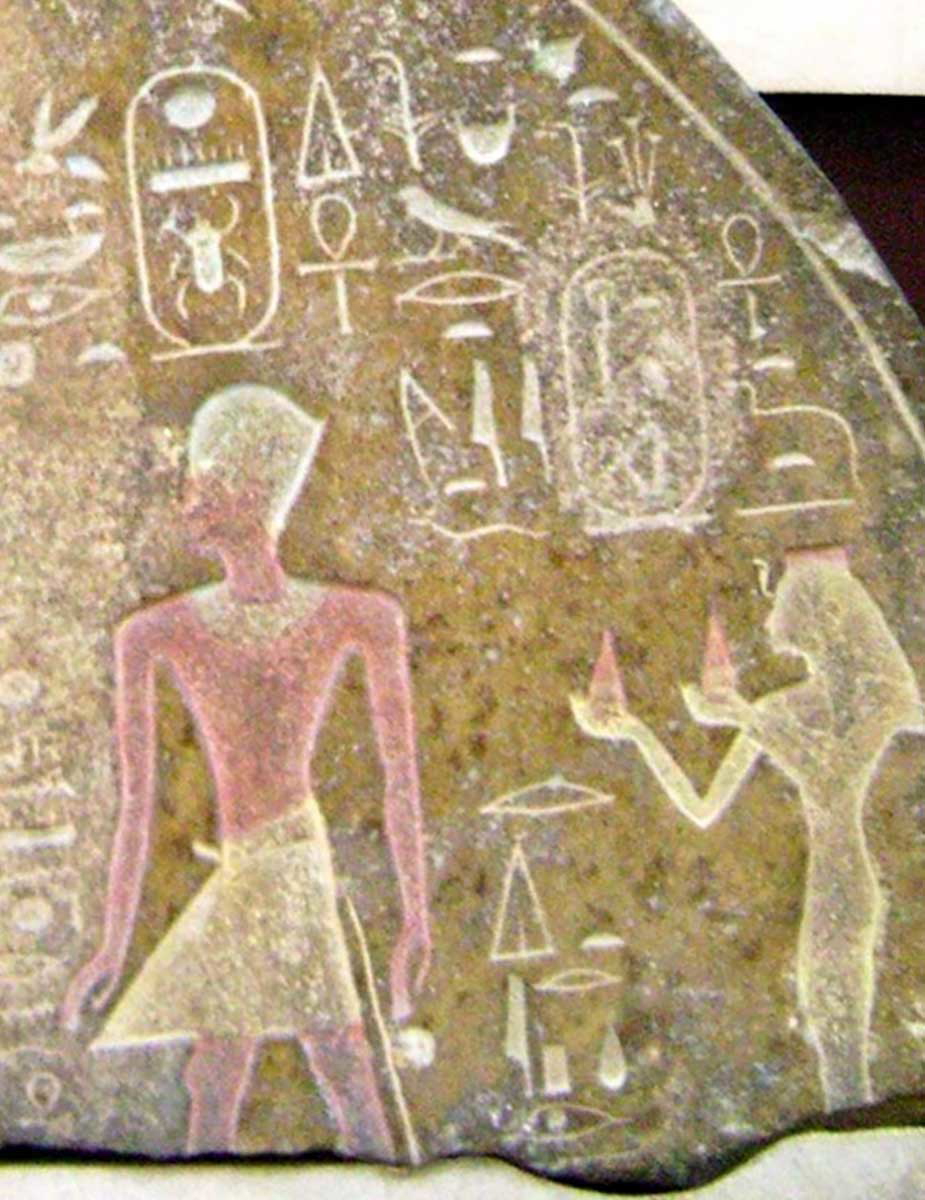
Like his father and grandfather before him, Thutmose III was not born from full royal blood, as his mother, Iset or Isis, was not part of the royal Thutmoside Dynasty. It has been suggested (without proof) that he may have married his half-sister, Neferure, of full royal blood, daughter of Thutmose II and his great royal wife, Hatshepsut.
Following Egypt’s royal tradition, Thutmose III had five names:
| Title | Name | Meaning |
| Horus Name | Kanakht Khaemwaset | Mighty Bull Arising in Thebes |
| Nebty Name (Two Ladies Name meaning Upper and Lower Egypt) | Nekhet-ankh-em-Re | He Who Lives, Enduring In Kingship Like Re in Heaven |
| Golden Horus Name | Sekhemkhepesh-Userpeduty | Powerful of Strength, Sacred of Appearance |
| Prenomen (Throne Name) | Menkheperre mn-xpr-ra | Enduring of Form is Re OR
Established Is The Form Of Re |
| Nomen | Thutmose also Thutmosis OR Djehutymose Neferkheperu | Born Of Djehuty (Thoth) |
* Note: These names and meanings vary slightly across different modern readings and translations.
Thutmose III took part with Hatshepsut in state and religious ceremonies, which is attested by many reliefs. Hatshepsut set an example for him with her skilled diplomatic negotiations and trading missions, and foreign agreements with foreign countries as far off as Anatolia, Mesopotamia, and the Sudan.
Hatshepsut placed Thutmose III in command of the Egyptian armies when he was old enough. Hatshepsut’s reign was mostly peaceful, except for rebellions in outlying and vassal states, which were successfully put down by Egypt’s armies. These, then, provided Thutmose III with practical military experience.
Education
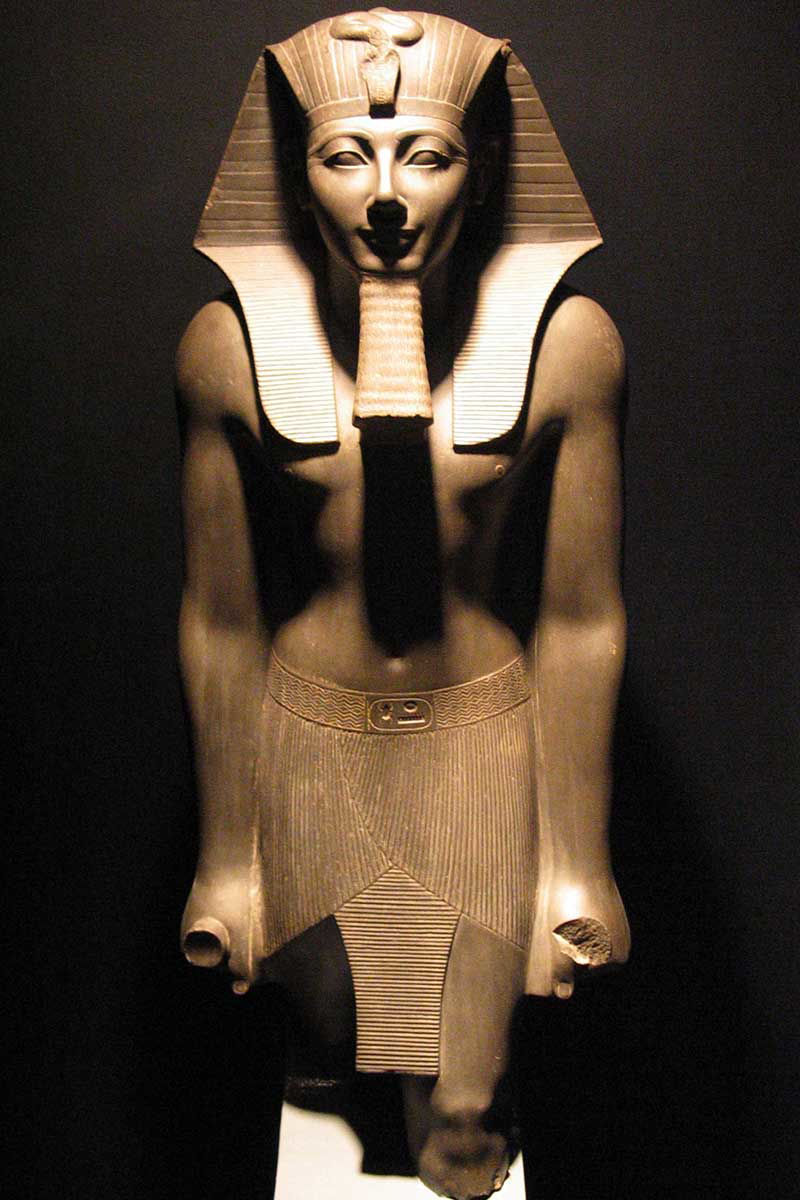
Hatshepsut sent Thutmose III on campaigns with capable military commanders, as well as diplomatic missions and expeditions, when he was old enough. His training and preparation also included formal education by military leaders, priests, scribes, and tutors. These tutors were all specialists in their fields of warfare, religion, and the known sciences of the time. It is, thus, no wonder that many scholars see Thutmose III as the most outstanding pharaoh of ancient Egypt, even above Ramesses the Great!
The Napoleon of Egypt
Thutmose III was a military genius. His most well-documented military victory was the Battle of Megiddo in 1457 BCE (incorrectly dated as 1479 BCE according to some sources), soon after he became the sole pharaoh of Egypt. His personal scribe, Tjaneni, at Thutmose’s orders, recorded the Battle of Megiddo in great detail. This record was later inscribed on the walls of the Temple of Amun Ra at Karnak, Luxor. 13 other battles are also recorded here, but none in the comprehensive detail of the Battle of Megiddo.
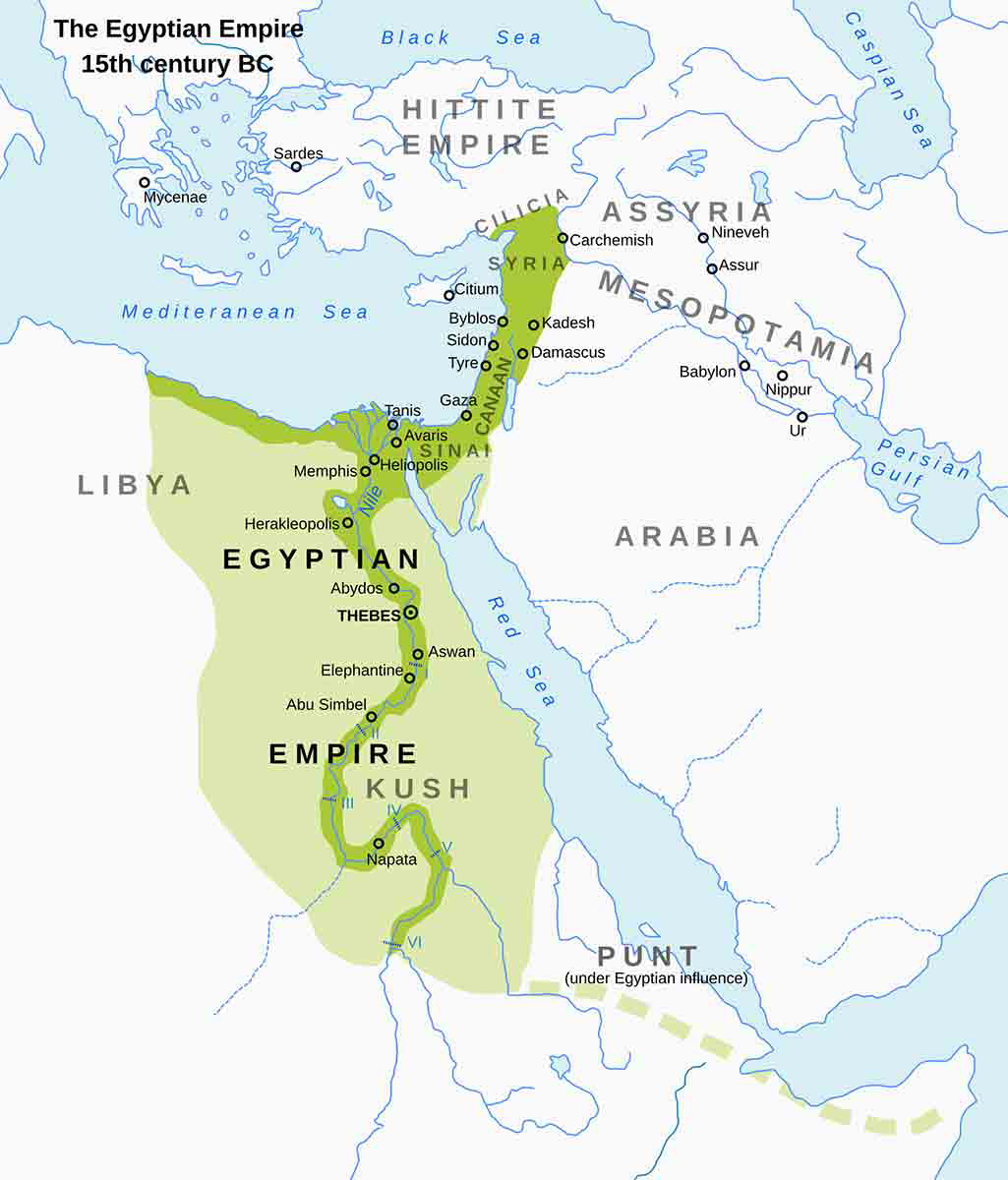
Tjaneni was responsible for recording all the battles of Thutmose III, who victoriously went to war 17 times and expanded Egypt’s territory to empire status. It earned him the modern title of “the Napoleon of Egypt,” but unlike Napoleon, he was never defeated. According to ancient Egyptian records, he was always at the front, leading his army into battle. He successfully put down revolts and expanded Egypt’s territory from the Mediterranean to the Euphrates River and from Anatolia to Nubia and the Sudan.
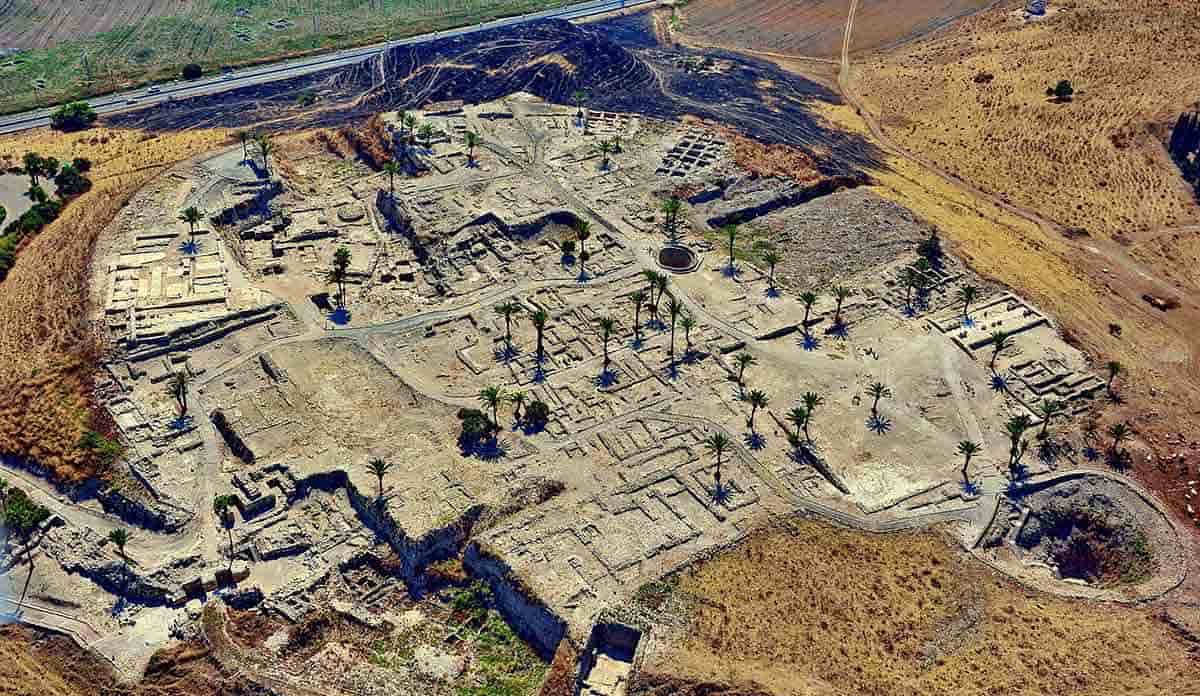
Vassal city-states to the north of Egypt saw their chance to revolt when the young pharaoh took over from the highly respected Hatshepsut. They formed a coalition under the King of Kadesh and prepared for battle outside Megiddo on the Horus Road (also known as the Via Maris, or Way of the Sea), Egypt’s main trade and battle route to Canaan, further north, and to Mesopotamia.
Thutmose III, against advice from his generals, decided to approach Megiddo via the most difficult and dangerous Aruna mountain pass instead of taking the safer highways. He totally surprised the enemy forces, who expected him via the safer routes. Although the Egyptians were outnumbered, they attacked with unwavering determination. Thutmose III had strategically divided his army into three columns, each with chariots, archers with composite bows, and infantry to attack the enemy from three sides simultaneously. Their enemies scattered and fled.
Many of the enemy, including the King of Kadesh, fled into the city of Megiddo, where they barricaded themselves behind the strong city walls. Thutmose and his troops besieged the city for months until it surrendered. Meanwhile, Thutmose’s forces subdued the other city-states of the coalition. He strategically allowed the conquered ruling princes to retain their positions, showing strength and mercy.
The King of Kadesh and royal children from the other rebellious cities were among the horde of prisoners taken back to Egypt. Thutmose III used this method of taking royal children back to Egypt (Pax Egyptica) to be raised as royal Egyptians. When they returned to their homelands, they were inevitably pro-Egyptian. The countries that were conquered by Egypt also did not rebel while their children were in Egyptian custody.
Administration, Internal and Foreign Affairs
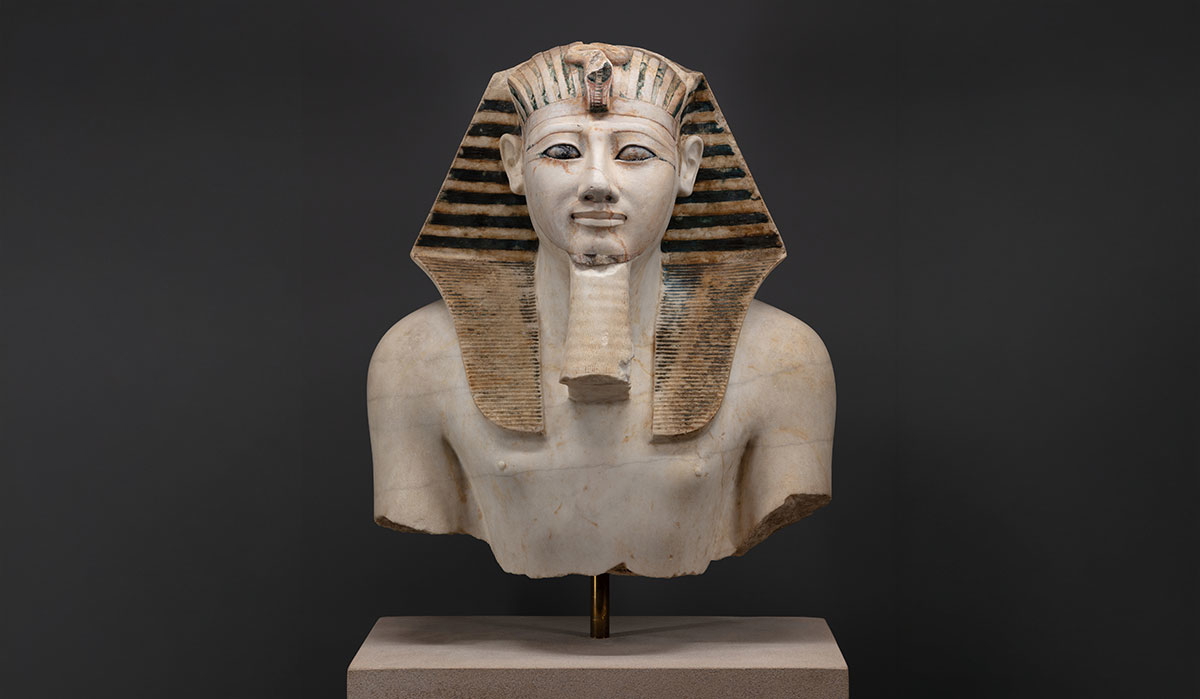
Thutmose III is best known for his military success. However, this pharaoh was also a diplomat, statesman, and able ruler on all fronts. He expanded the role of his vizier, Rekhmire. Egypt’s government was centralized, and the administration functioned professionally and effectively under capable leaders overseeing record keeping, taxation, resource management, and more. As Thutmose III’s empire expanded, the administration became more complex and needed adjustments. Under Thutmose III’s reign, bureaucracy was streamlined and managed ably and efficiently.
Conquered territories were kept in check as vassal states with rulers appointed by Thutmose III from their own local elite. At times, Thutmose III allowed the same rulers against whom he had fought to retain their thrones through generous peace agreements. Their loyalty was further ensured by hostages taken back to Egypt. In particular, his policy of taking royal children, especially the crown princes, of conquered nations back to Egypt ensured their home countries’ willing tributes and cooperation. These “hostages” enjoyed the same privileges and stellar education as Egypt’s own royal children. When they returned to their countries, they were full of admiration and loyalty towards Egypt.
Despite Thutmose III’s skill and fame as a master military strategist, he was also a skilled diplomat who avoided unnecessary conflict. Overall, the country was at peace for most of his reign. Revolts were swiftly put down by the armies or through skillful diplomatic negotiations.
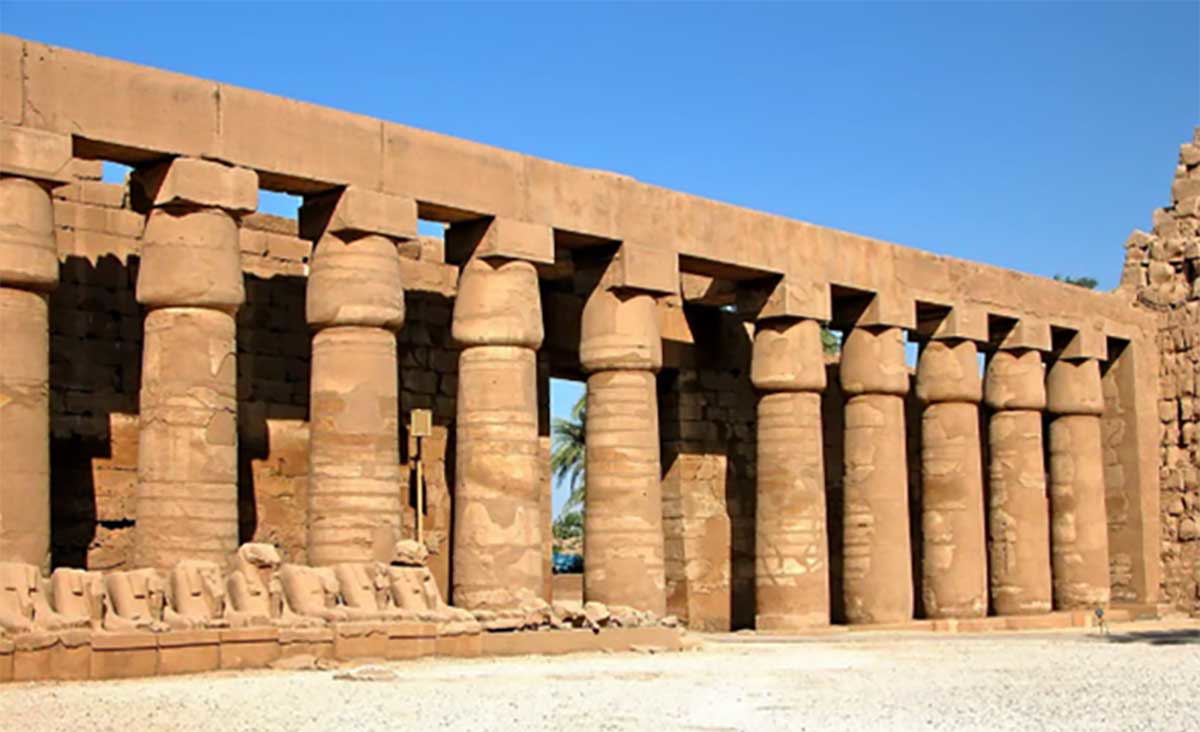
Under Thutmose III’s reign, the cult of Amun Ra was elevated to top status. Thutmose III earned the loyalty and support of the priests with his religious dedication and honoring of the Egyptian gods. The temples were endowed with large agricultural estates, enriching the priests and providing surplus food and employment for the Egyptians. Thutmose III also had a king’s list of his predecessors inscribed on the walls at Karnak.
Economically, Egypt thrived. Thutmose III’s conquests included strategic cities and rest stations on the main trade routes. Trade flourished across the empire and with foreign countries in Mesopotamia, Anatolia, and to the south. Egypt gained access to timber, incense, ivory, minerals, gemstones, and precious metals. Tribute from vassal states further kept the treasury filled.
Thutmose III also invested in improved agricultural methods. He introduced foreign crops brought from conquered countries and trading partners. His infrastructure projects included building irrigation canals, roads, and bridges. It contributed to stable food supplies across the empire. This also allowed excess production, which could be exported.
He was a patron of the arts, allowing artists to develop a more natural and flowing style. The distinct Thutmoside style of inscriptions and images can be seen on stelae, statues, temples, monuments, and buildings. It set the style for future artists and scribes of the dynasty. Thutmose III’s interest allowed art, architecture, and literature to flourish.
Buildings and Monuments
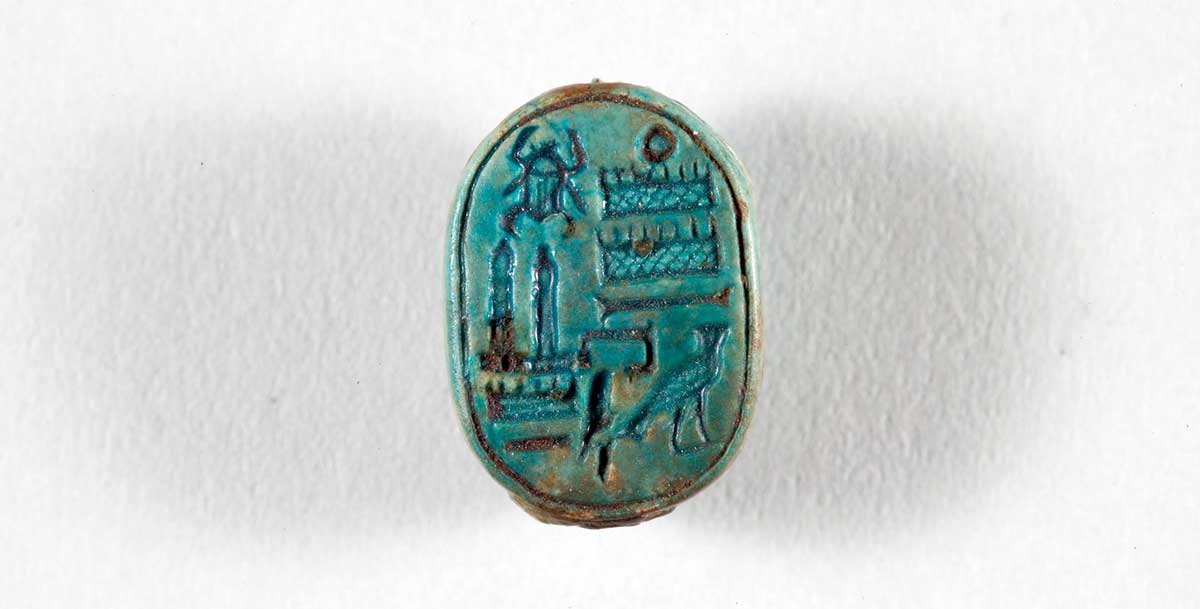
Numerous stelae and monuments were erected across Egypt to commemorate Thutmose’s military successes. Inscriptions always exalted, thanked, and attributed his successes to Egypt’s gods, especially Amun. Thutmose III built multiple temples, which included the Temple of Amun at Karnak, the Temple of Mut at Karnak, and the Temple of Montu at Armant. In addition, older temples were renovated, decorated, and enlarged.
He continued with some of Hatshepsut’s projects and followed her example by erecting several obelisks. Two of Thutmose III’s obelisks from Karnak are in the modern cities of New York and Istanbul today. The New York obelisk was erected in 1891 and is known as “Cleopatra’s Needle.” The Istanbul obelisk was erected by Roman emperor Theodosius I at the Hippodrome in Istanbul in 390 CE.
The latest archaeological discovery of Thutmose III is a Royal Rest House in Northern Sinai. It is on the Horus Road (Way of the Sea) at Tell Habwa (Tharu). Scholars speculate that it was purposely built as a royal resthouse for Thutmose III on his military expeditions. The structure is mudbrick and consists of two pillared halls with a number of rooms branching from it.
The entrance is of limestone and has two pillars (three pillars according to some accounts). Stratigraphic dating and pottery shards place it in Thutmose III’s time. It was identified by inscriptions of Thutmose III’s name on two cranes found at the site. The scarcity of domestic pottery shards indicates that it was used for short retreats or rests rather than for lengthy dwelling purposes.
The Conundrum of Thutmose III’s Reign
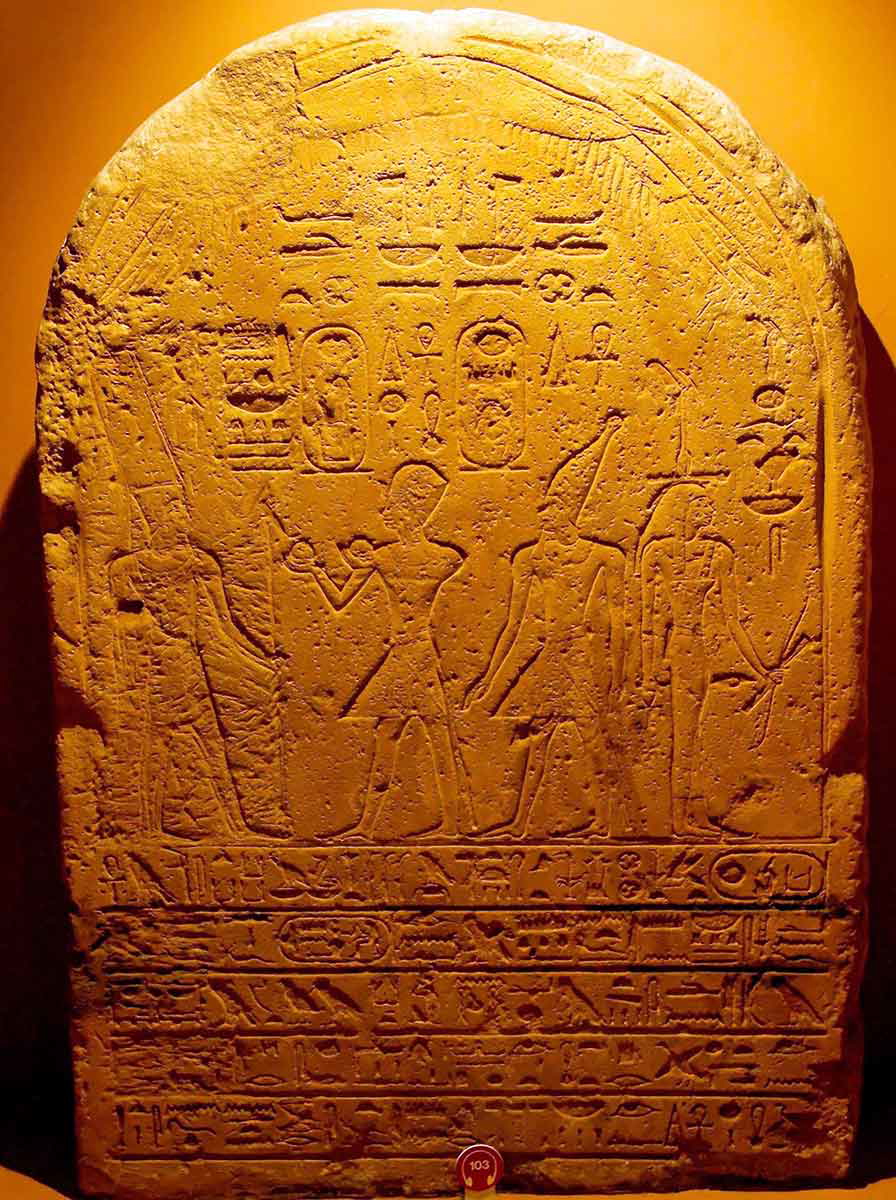
The conundrum of Thutmose III’s reign is actually two-fold in nature. Firstly, regarding the exact dating of the reign and its events, and secondly, untangling the complex web of power, actions, and legacy of each of the two rulers, Hatshepsut and Thutmose III. Consensus among scholars remains difficult to achieve, as numerous conclusions continue to rely on informed speculation and the reasoned extrapolation of diverse theoretical perspectives.
Thutmose III’s reign is often given as 1479 to 1425 BCE, using the time from his father’s death to his own demise, making his time on the throne 54 years. But he was a mere toddler of around two years old in 1479, and Hatshepsut was in control until 1458 BCE as regent, then full pharaoh, and then as co-ruler with equal status. Thutmose III, therefore, ruled on his own only from 1459 to 1425 BCE, of which the last two years were with his son and heir, Amenhotep II.
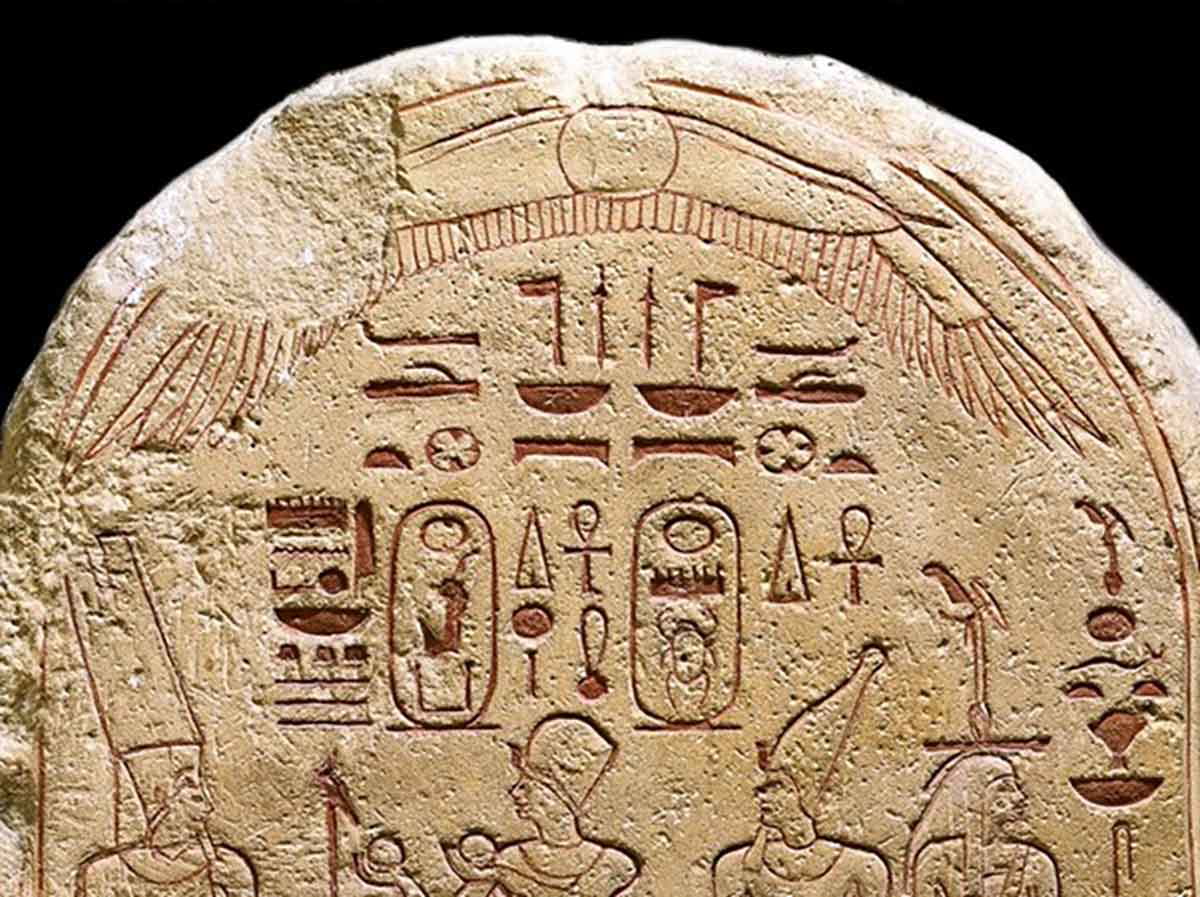
What was the relationship dynamic between Thutmose III and Hatshepsut? It is generally accepted that Egypt was peaceful, wealthy, and flourishing under their co-rule. This should indicate that there was harmony in the royal household. Why was Hatshepsut’s name and her monuments erased and desecrated towards the end of Thutmose III’s reign—but not completely? There are many equally convincing arguments for both harmony and antagonism, but opinions are now leaning more in support of a harmonious, undivided royal house.
Wives and Offspring
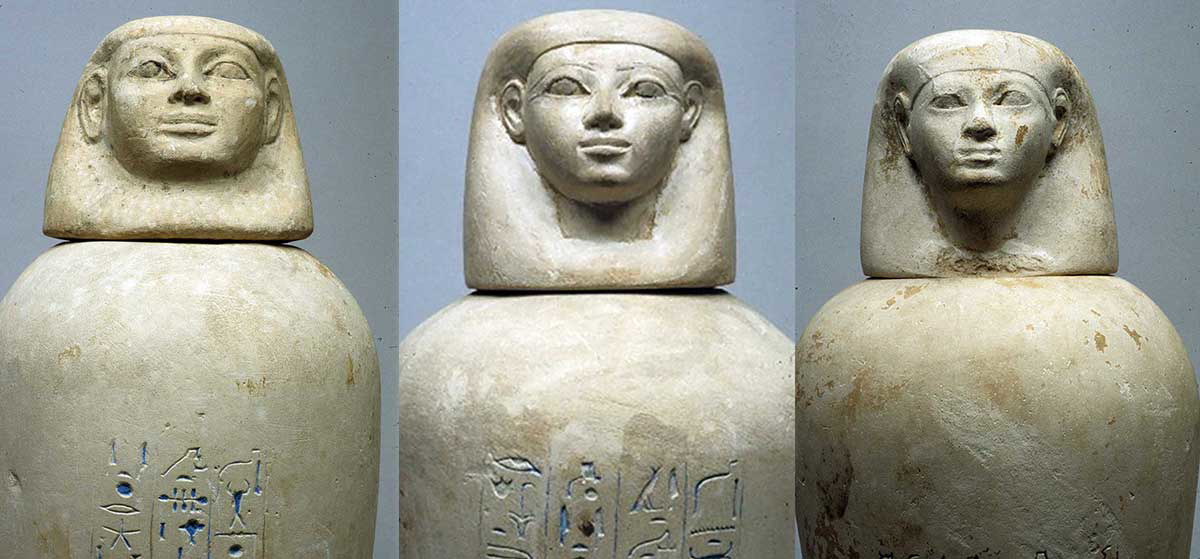
Thutmose III had an extensive royal household. Scholars speculate that we do not yet know the numbers and details of his wives, concubines, and children. We are sure of at least three foreign wives whom he may have married for diplomatic reasons. Nothing is known about them except their names, Menhet, Menwi, and Merti, and that they were all titled “king’s wife.” He also had a number of Egyptian wives, including the mother of his successor, Merytre-Hatshepsut.
Their coffins and mummies had been destroyed by water damage, but modern archaeologists recovered their inscribed canopic jars and pieces of exquisite gold foil jewelry. Their well-hidden, undecorated rock-cut tomb, close to that of other royal family burials, had possibly been looted between its discovery in 1916 and proper excavation during the 1980s. Curiously, the names of both Hatshepsut and Thutmose III were found on objects in the tomb. This may indicate that they died before Hatshepsut.
Other wives included:
- Satiah, great royal wife and mother of his firstborn son, Amenemhet, who died before his father.
- Merytre-Hatshepsut, great royal wife after the death of Satiah. She was the mother of Thutmose III’s successor, Amenhotep II, and several other children.
- Nebtu, a minor wife
- Nebsemi, a minor wife.
The Annals of Thutmose III
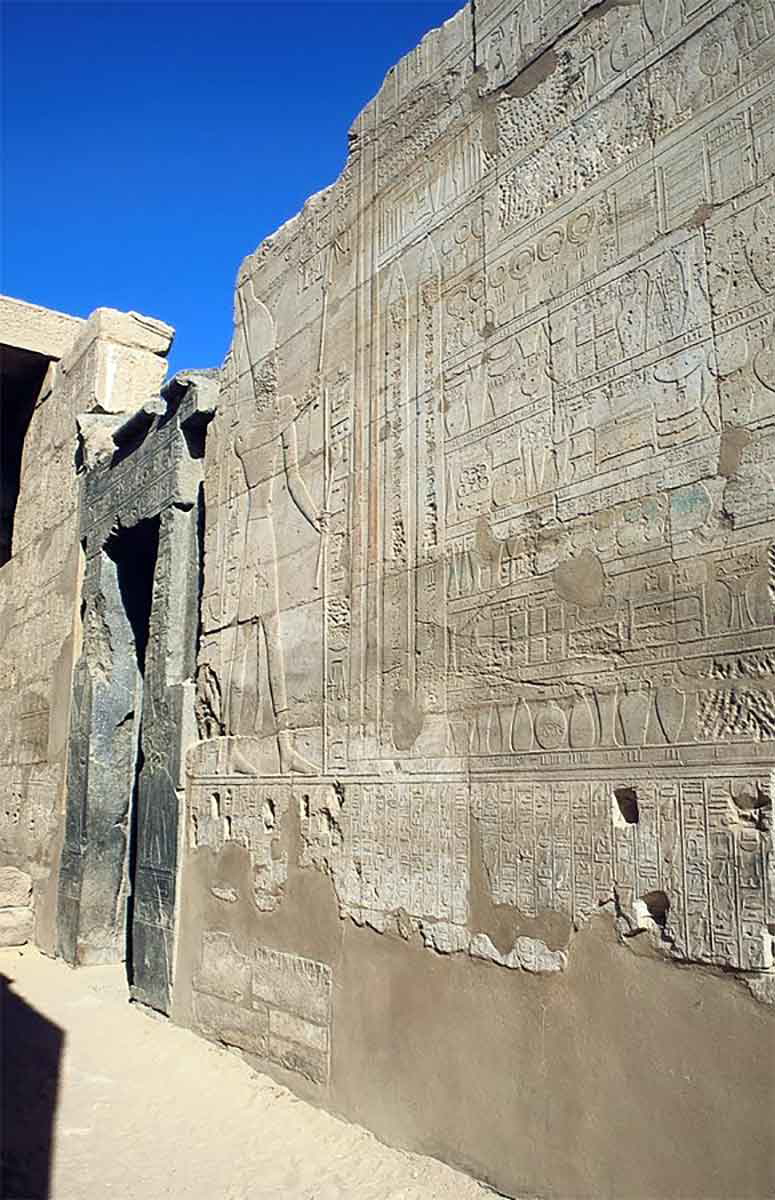
Thutmose III’s scribe kept detailed records of his military campaigns and the prisoners, loot, and gifts he brought back with him. In the 42nd year of his reign, he ordered all this to be transcribed onto the inside walls of the Temple of Amun and its antechambers at the temple complex at Karnak, Luxor. Fragmented pieces of a small section are now housed in the Louvre in Paris.
These hieroglyphic inscriptions provide scholars with valuable insight into Thutmose III, the New Kingdom, and the Middle East.
Botanical Garden
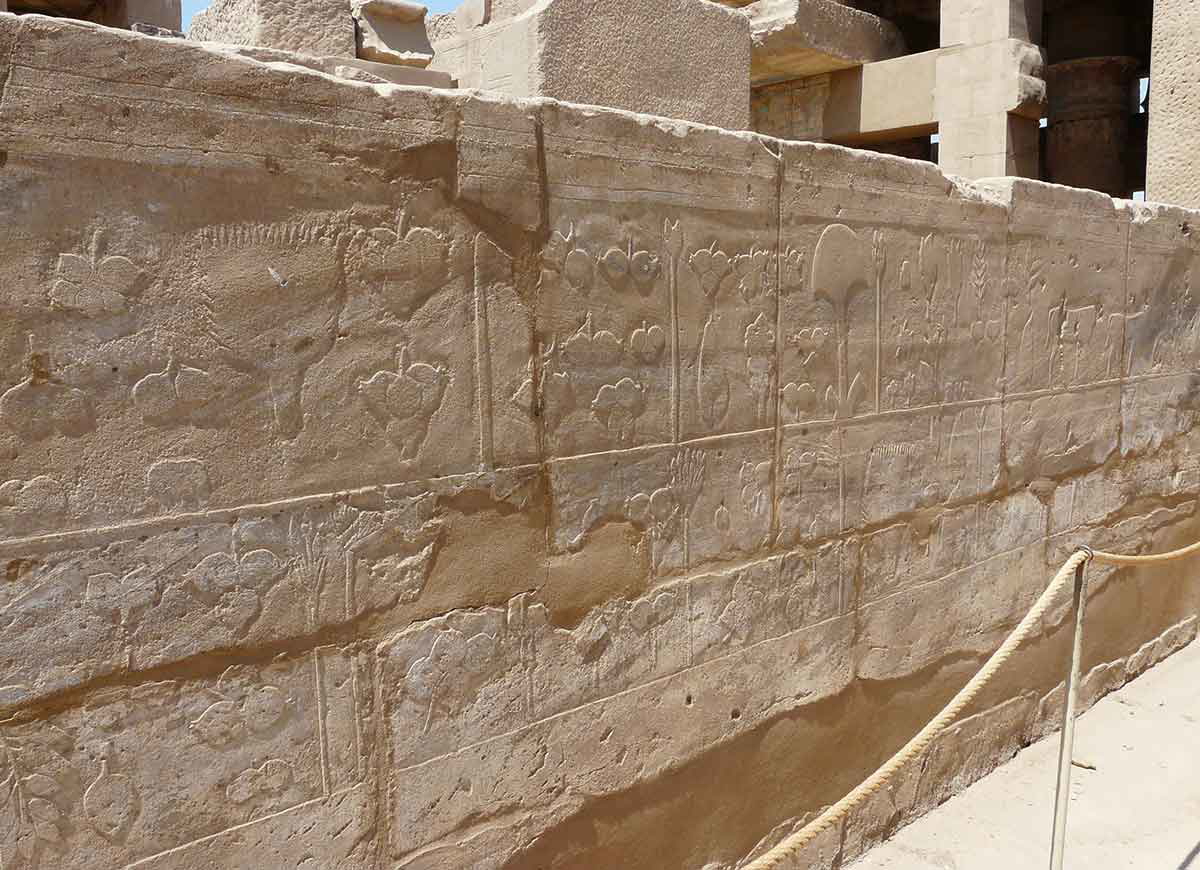
Thutmose III was indeed a talented and intelligent all-rounder with a curious mind—the proverbial “man for all seasons.” His contributions to his country included, inter alia, practical inventions and farming methods of foreign nations that could enhance Egypt’s agriculture. But his interests did not stop at practical things.
His curiosity extended to botany and zoology, which he encouraged Egyptians to study. He brought striking live exotic birds, plants, and animals home from foreign countries. Luckily, we can still admire many of these specimens beautifully carved into stone in the Botanical Garden section of the Festival Hall (Akh Menu) at the Temple of Amun-Re at Karnak. It is a UNESCO World Heritage site.