The Torlonia Collection: Masterpieces of Roman Sculpture arrives for its final North American stop at the Montreal Museum of Fine Arts. Open from March 14 to July 19, 2026, the exhibition offers visitors a rare opportunity to experience one of the world’s most celebrated collections of Roman sculpture before it returns to Italy.
Rare Roman Masterpieces on Display at the Montreal Museum of Fine Arts
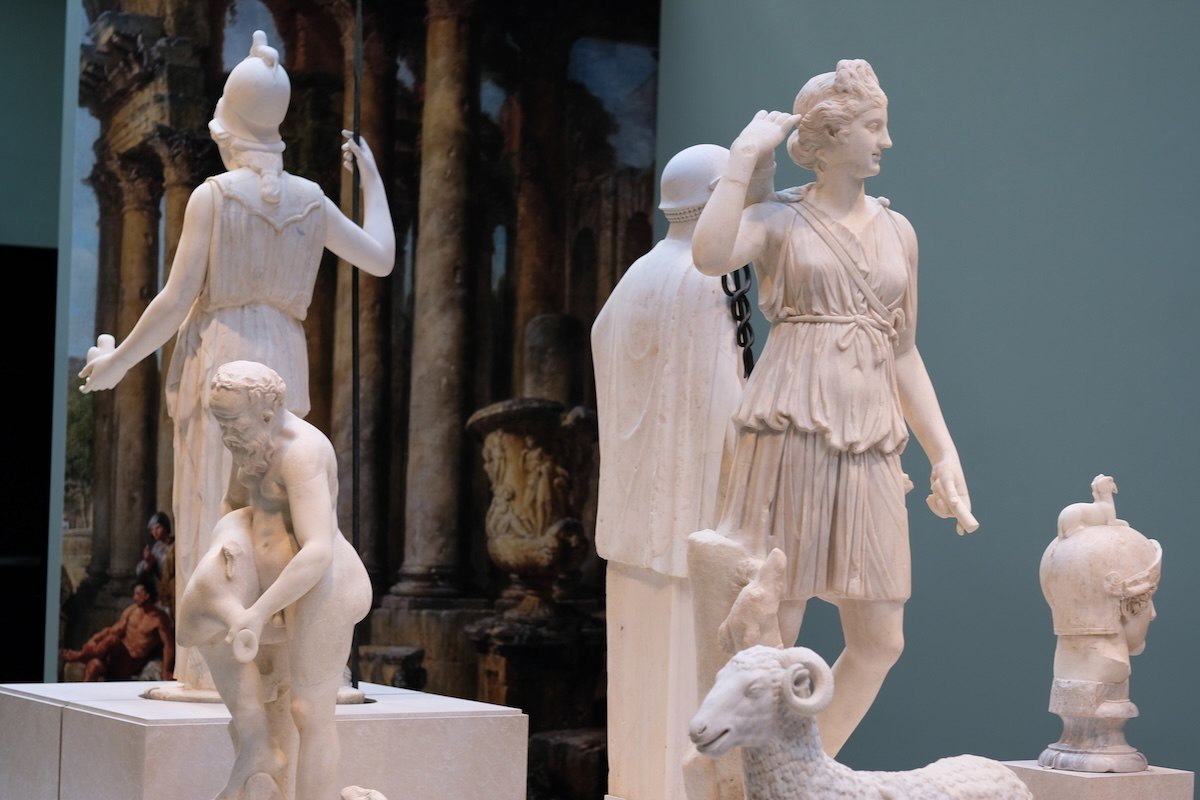
Presented for the first time in North America, the exhibition features 57 marble sculptures from the Torlonia Collection—including Roman statues, busts, and sarcophagi. They range from the 5th century BC through the early 4th century AD, with the majority from the Roman Imperial Period.
Visitors will encounter deities, heroes, mythological figures, portraits, and a selection of funerary monuments, from massive sarcophagi to smaller relief sculptures rarely seen outside of Italy. Montreal is the Torlonia Collection’s third and final stop on the continent, following showings at the Art Institute of Chicago and the Kimbell Art Museum in Fort Worth, Texas. For many pieces, this marks their first public display in more than 70 years.
Apollo, Maidens, and Myth: Exhibition Highlights
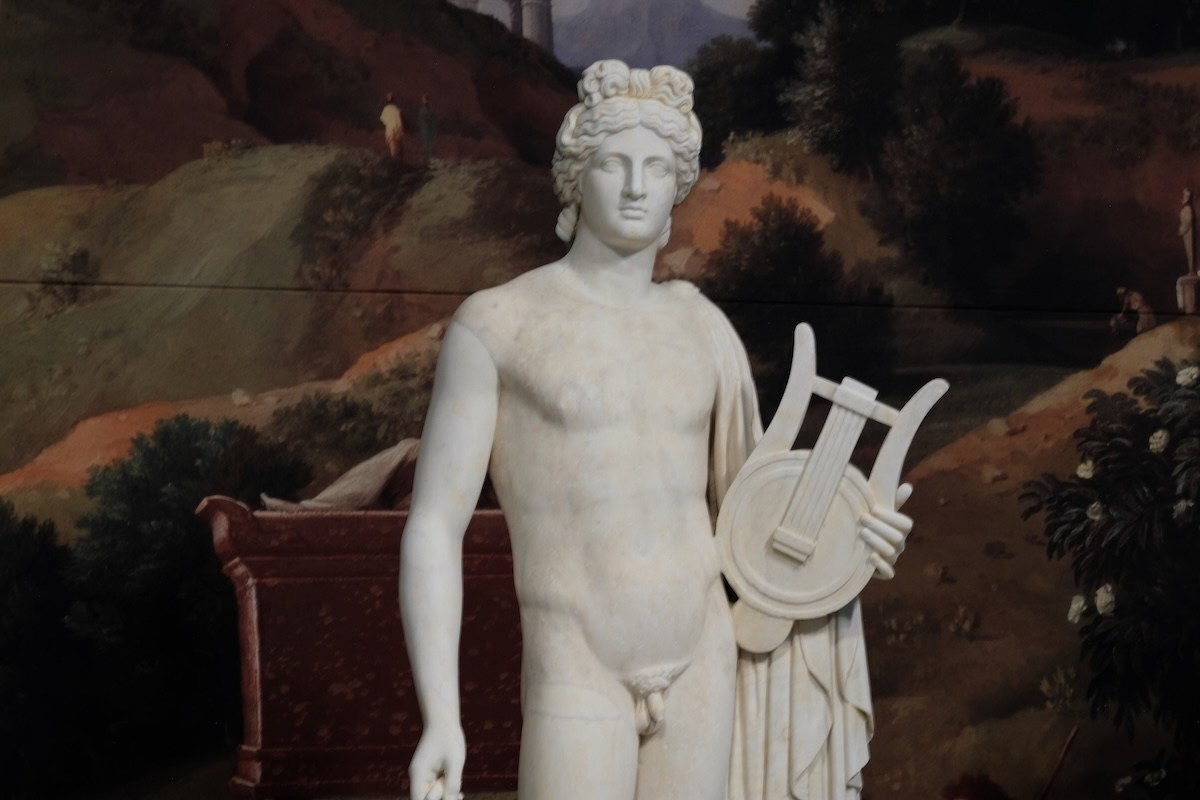
The Torlonia Collection: Masterpieces of Roman Sculpture features a fascinating array of Roman marble sculpture, from finely carved sarcophagi with dynamic mythological scenes to elegant portrait busts of dignitaries.
Among the exhibition’s highlights is the Statue of Apollo Citharoedus, which dates to between the late 1st century BC and the early 2nd century AD. The sculpture depicts the Greek god pausing mid-performance, lyre in hand and cloak draped gracefully over his shoulder. It is a late Hellenistic creation inspired by Severe Style models in earlier Greek sculpture.
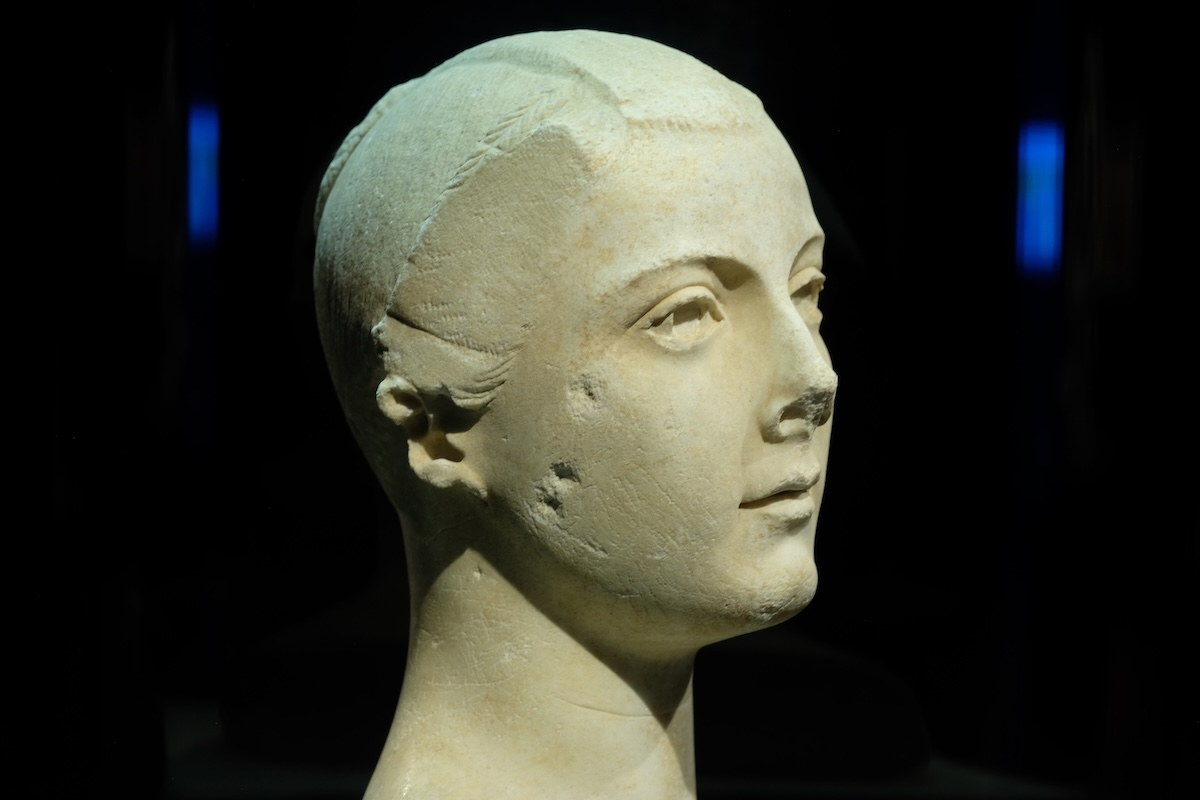
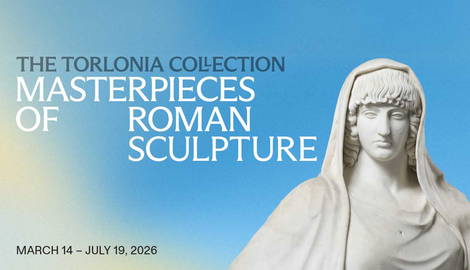
The Torlonia Maiden, also known as the Maiden of Vulci, captivates with delicate features and a hairstyle once adorned with gold and precious stones. The white marble portrait bust, whose provenance is uncertain, dates from the end of the Republic to the early Augustan principate.
Together with statues of deities, heroes, and other mythological figures, these works reveal the artistry, technical mastery, and cultural imagination of the Torlonia Collection. The exhibition also features a series of detailed diagrams that show which parts of each sculpture are original and which were added during restorations, offering a layered view of how these masterpieces have been preserved over centuries.
The Legacy of the Torlonia Collection
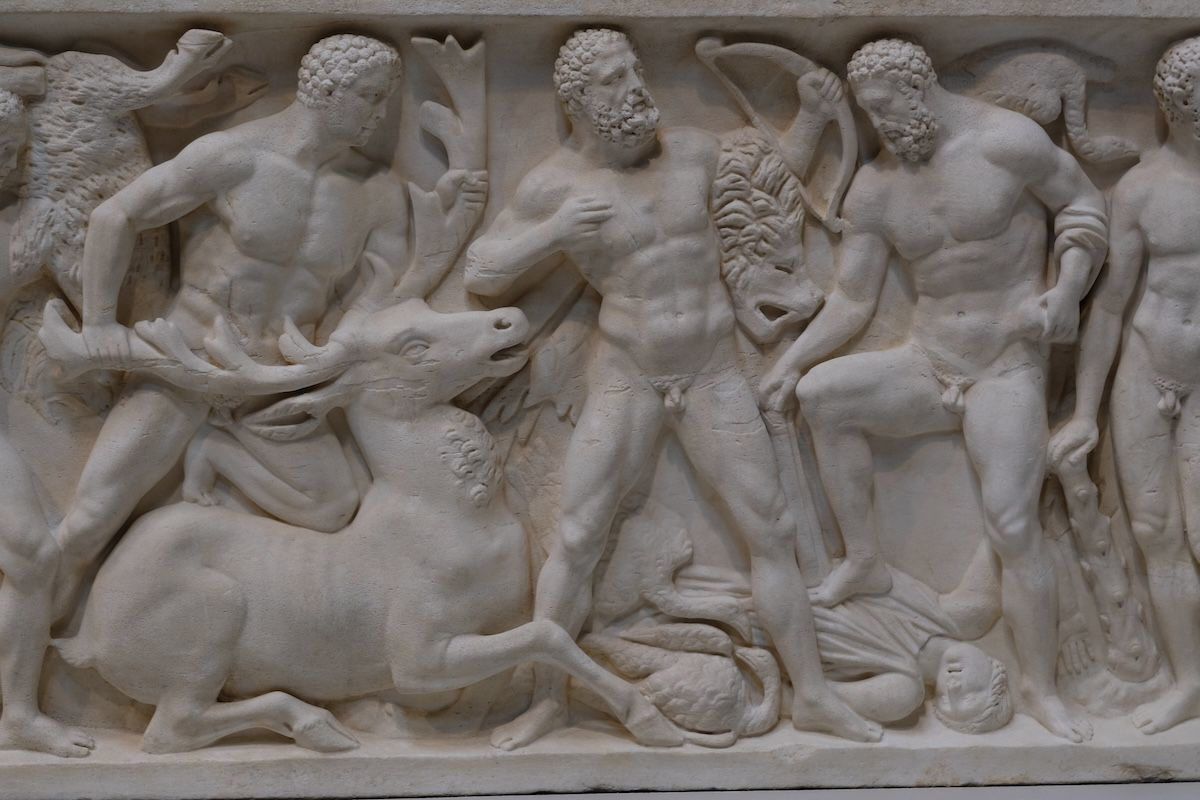
Assembled in the 19th century by Princes Giovanni and Alessandro Torlonia, the Torlonia Collection is the world’s most important private collection of Roman marble sculptures, rivaling major institutions such as the Capitoline and Vatican Museums.
Comprising more than 600 works, it spans a wide range of sculptural types and subjects, from monumental sarcophagi to intimate portrait busts. Much of the collection was acquired through the purchase of earlier sculpture groups and extensive archaeological excavations on the Torlonia estates.
In 1876, Alessandro Torlonia opened the Museo Torlonia in Rome, a pioneering private museum dedicated to classical antiquity. After World War II, the museum closed, and the works remained largely unseen for generations. Now, carefully restored, they are on display in Montreal until July 19, 2026, offering the public a rare opportunity to experience the collection in full before it returns to Italy.