Toulouse is nicknamed the Pink City because of the buildings in its historical center. With little usable stone in the region, the ancient Romans built using rose-colored bricks made from the local iron-rich soil. Everything about Toulouse is visually inviting—from the rosy glow of its terracotta bricks to the rich variety of its artistic expressions. Toulouse harbors a fascinating heritage. It is the home of artist Henri de Toulouse-Lautrec’s aristocratic ancestors and the town where writer and aviator Antoine de Saint-Exupéry once took to the skies.
1. The Basilica of Saint Sernin, Toulouse
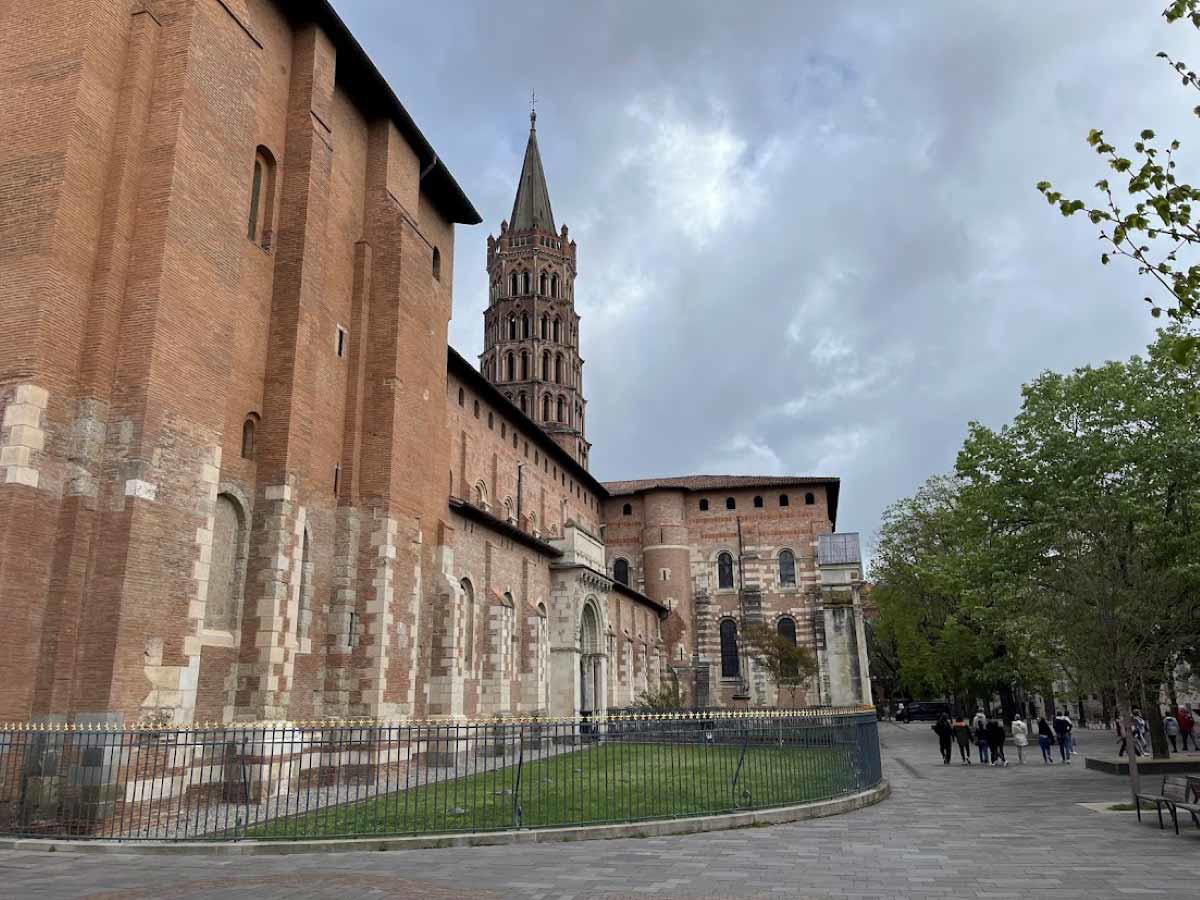
The great Romanesque Basilica of Saint Sernin—the largest in France—was begun in the 11th century and, besides its size, has been renowned ever since for its splendid reliquaries and high-quality Romanesque sculptures. When the world didn’t end in the year 1000 as expected, there was great jubilation throughout Christian Europe, prompting an increase in the number of monasteries and religious pilgrimages. Churches expanded to accommodate the flood of pious travelers, and church decoration became more elaborate to entice the public and tell the stories of the Bible to a mostly illiterate population.
In this spirit, monumental sculpture was reborn after hundreds of years of dormancy. Without previous sculptural examples for inspiration, Romanesque sculptors turned to manuscript illuminations. The artists translated the two-dimensional manuscript images into low-relief sculptures, paying similar attention to flat linear patterns. Some of the best of these works can be seen in the Basilica of Saint Sernin.
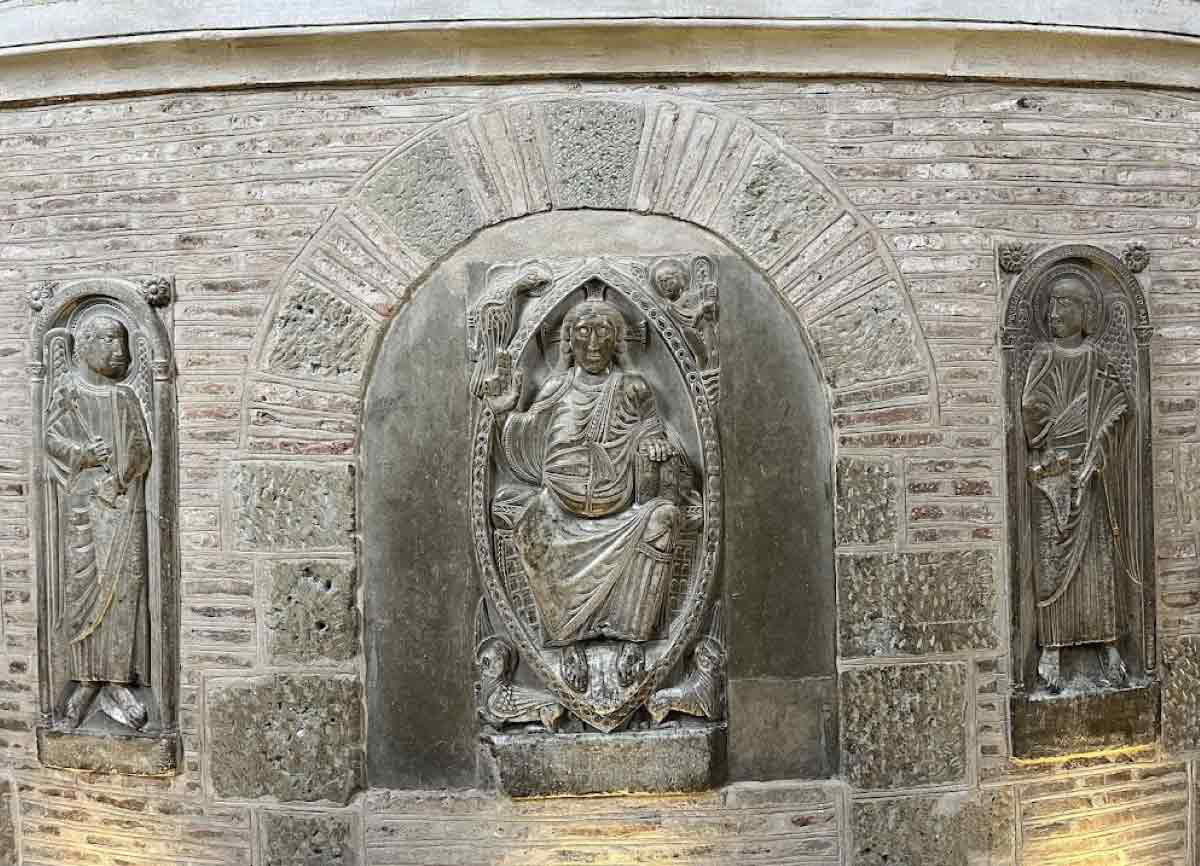
The Basilica of Saint Sernin was an important stop along the pilgrimage route to Santiago de Compostela (the church of Saint James in Spain). This was partially due to its impressive collection of reliquaries. The church houses the largest number of these sacred containers outside of Saint Peter’s Cathedral in Rome—many of which were gifts from Charlemagne in the 8th century.
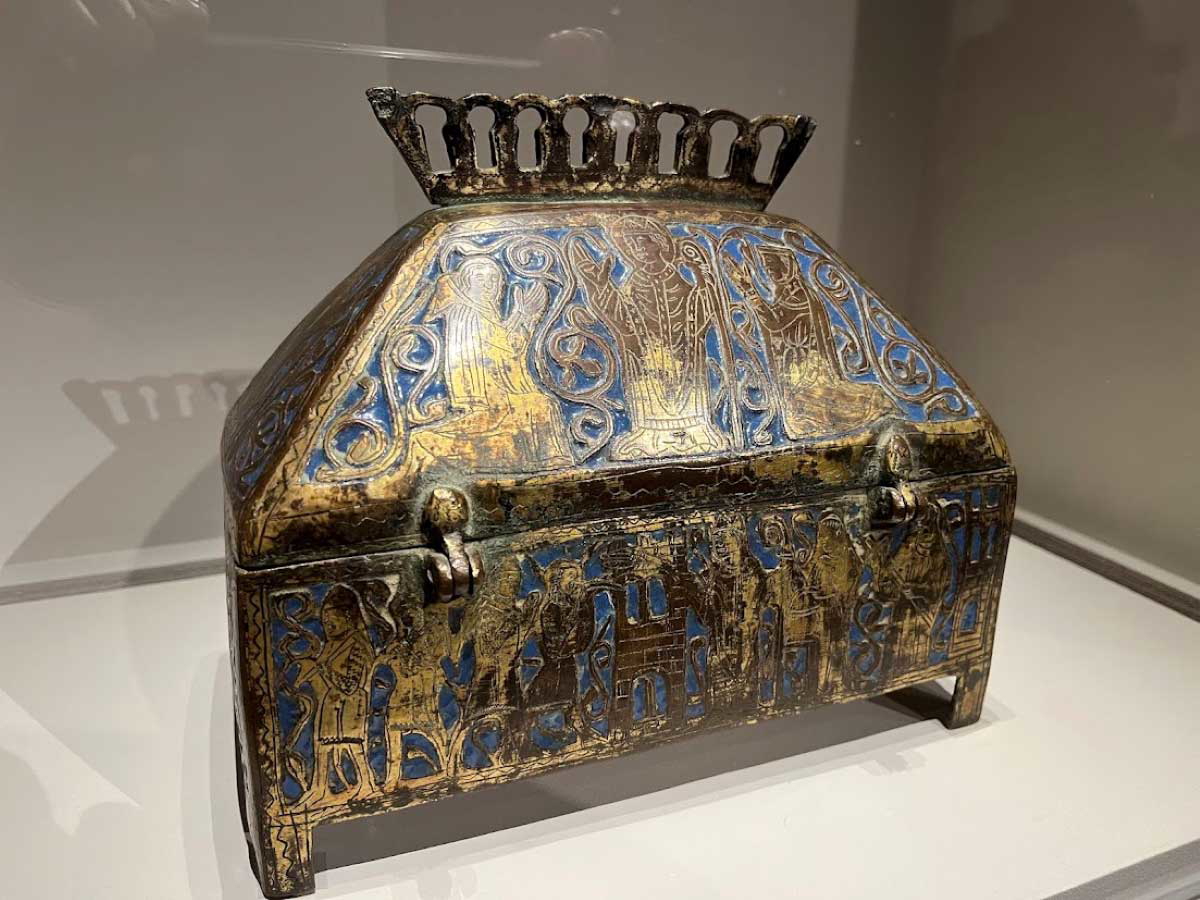
Reliquaries were made to house religious relics (like fragments from Christ’s cross, the crown of thorns, and the bones of saints). The artists entrusted to create these reliquaries took great pains to craft beautiful repositories from the finest materials for these precious remains. The reliquary above, made of enamel and gilded copper, holds the bones of the fifth-century bishop of Toulouse, Saint Exuperius, known for his charity. It’s interesting to note that Antoine de Saint-Exupéry’s centuries-old, aristocratic surname is a direct reference to Saint Exuperius.
2. Toulouse University
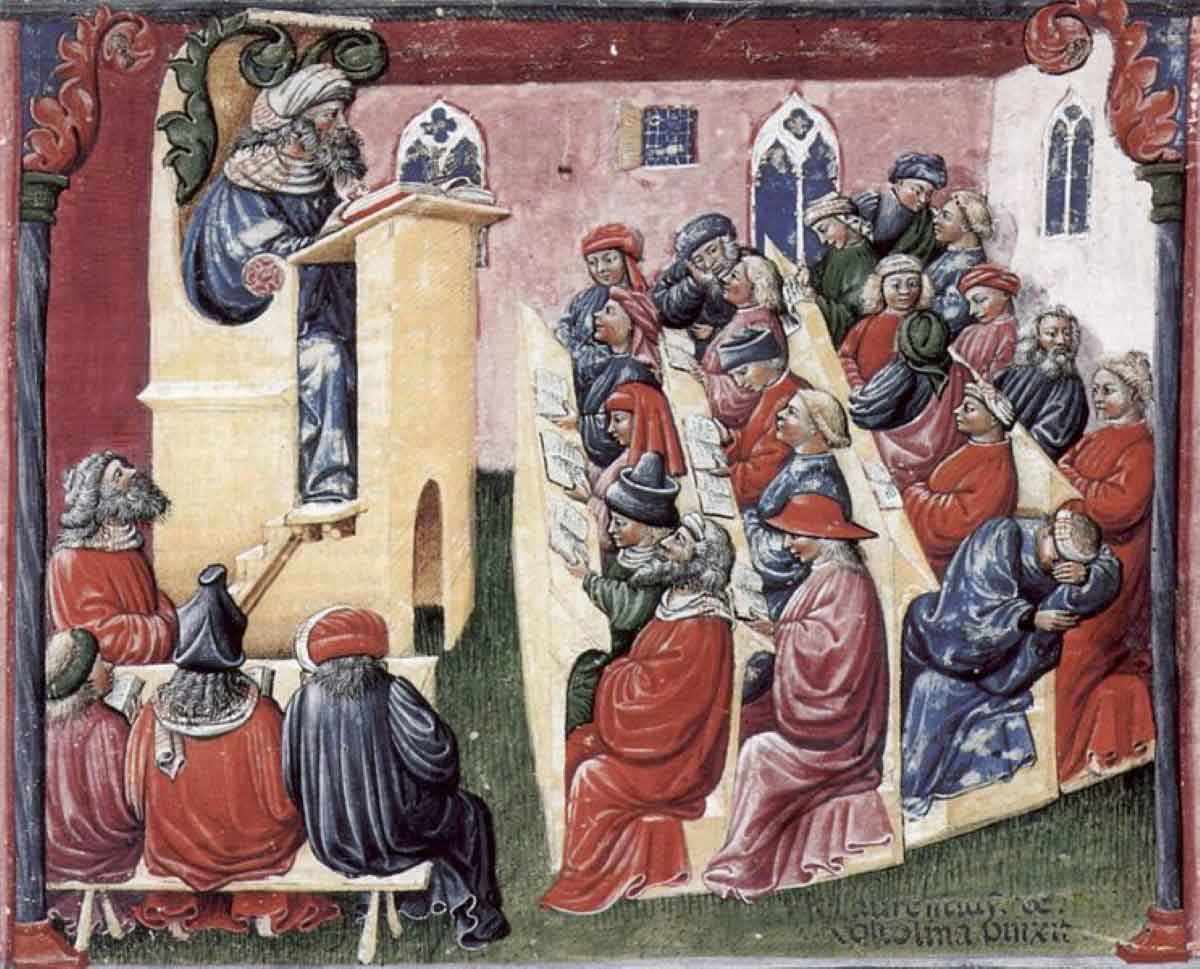
Besides building the largest Romanesque church in France, Toulouse also created the country’s second-oldest university. Toulouse University was founded in 1229, only twenty-nine years after the Sorbonne in Paris, but under rather unique circumstances. It was the first university to be mandated by a pope, and explicitly dedicated to combatting heresy. Here is how it happened.
In 1229, a peace treaty was signed to end the twenty-year Albigensian Crusade—a brutal campaign called by the pope to wipe out Catharism, a popular Christian sect in southern France that rejected Catholicism. One of the pope’s conditions for this treaty was that the Count of Toulouse (Raymond VII, a suspected heretic sympathizer) finance the teaching of theology. Thus, under duress and direct order from the pope, the University of Toulouse was born.
3. Couvent des Jacobins, Toulouse
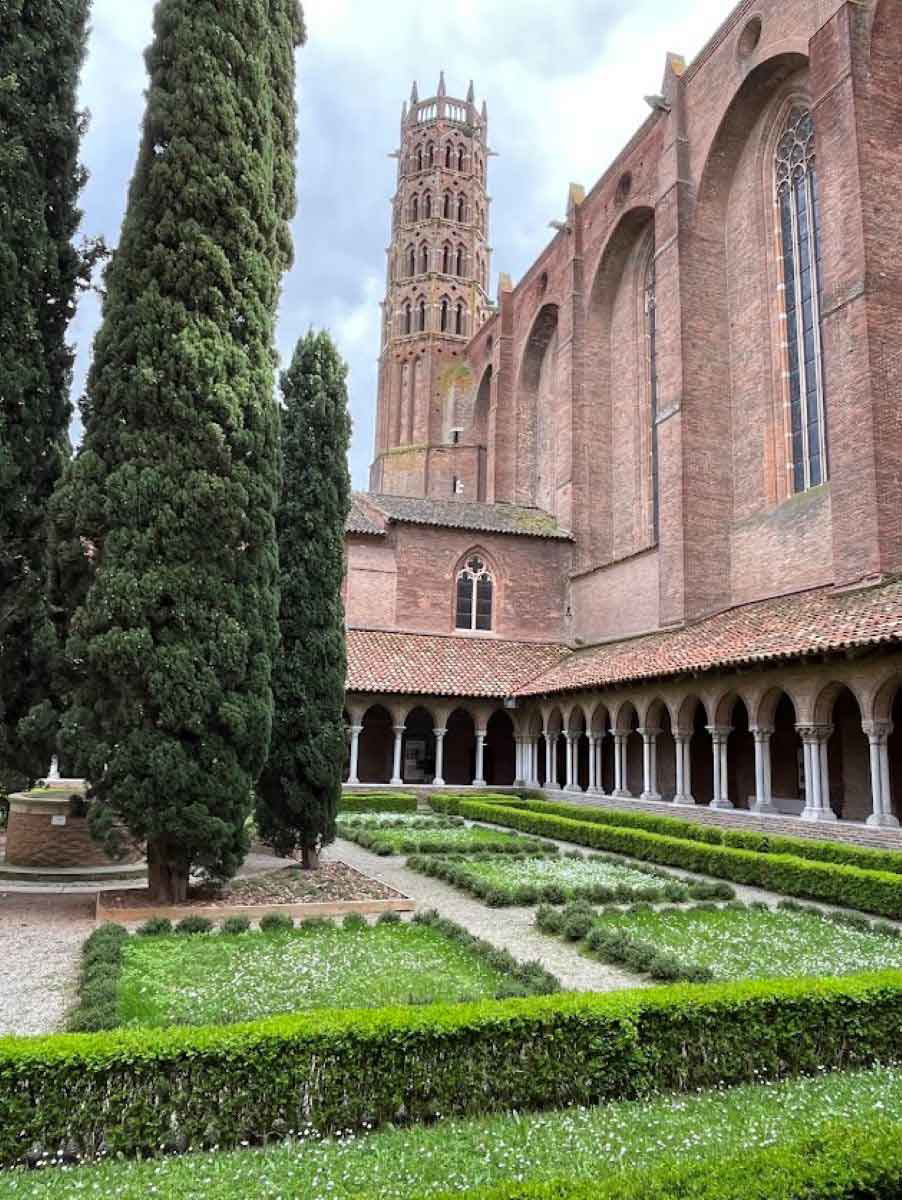
The pope’s battle against the Cathars not only gave Toulouse a university but also prompted the founding of the Dominican Order, for which the Couvent des Jacobins was built. The Dominican Order was established by a Spanish priest, Dominic, who met the heretical Cathars in Toulouse in the early 13th century. He tried to bring them back to the Catholic faith through dialogue (or preaching). To help him with his endeavors, the pope authorized the cleric to create a new religious order: the Order of Preachers, also called the Dominicans for their founder and nicknamed the Jacobins after the location of their first convent.
Although we usually associate convents with nuns, Dominican abbeys were historically called convents to distinguish this community of traveling and teaching friars from monks who followed a contemplative lifestyle, living in monasteries removed from the world.
4. The Church of the Couvent des Jacobins, Toulouse
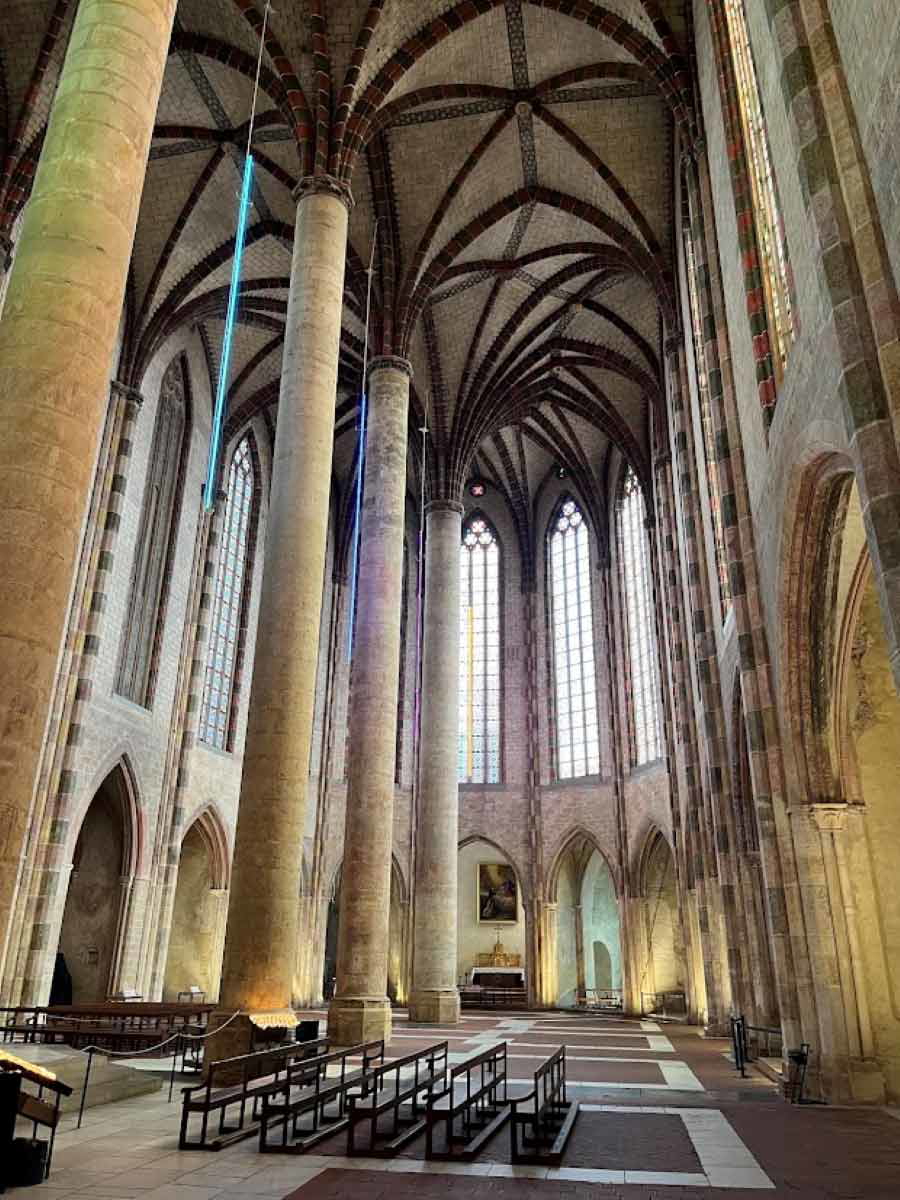
The 13th-century church of the Couvent des Jacobin is an architectural marvel. Its vast open space is divided down the center by columns soaring seventy-two feet high. These majestic pillars then sprout into a web of ribs (like palm fronds) that support the ceiling vaults ninety-two feet above the floor.
5. Musée des Augustins, Toulouse
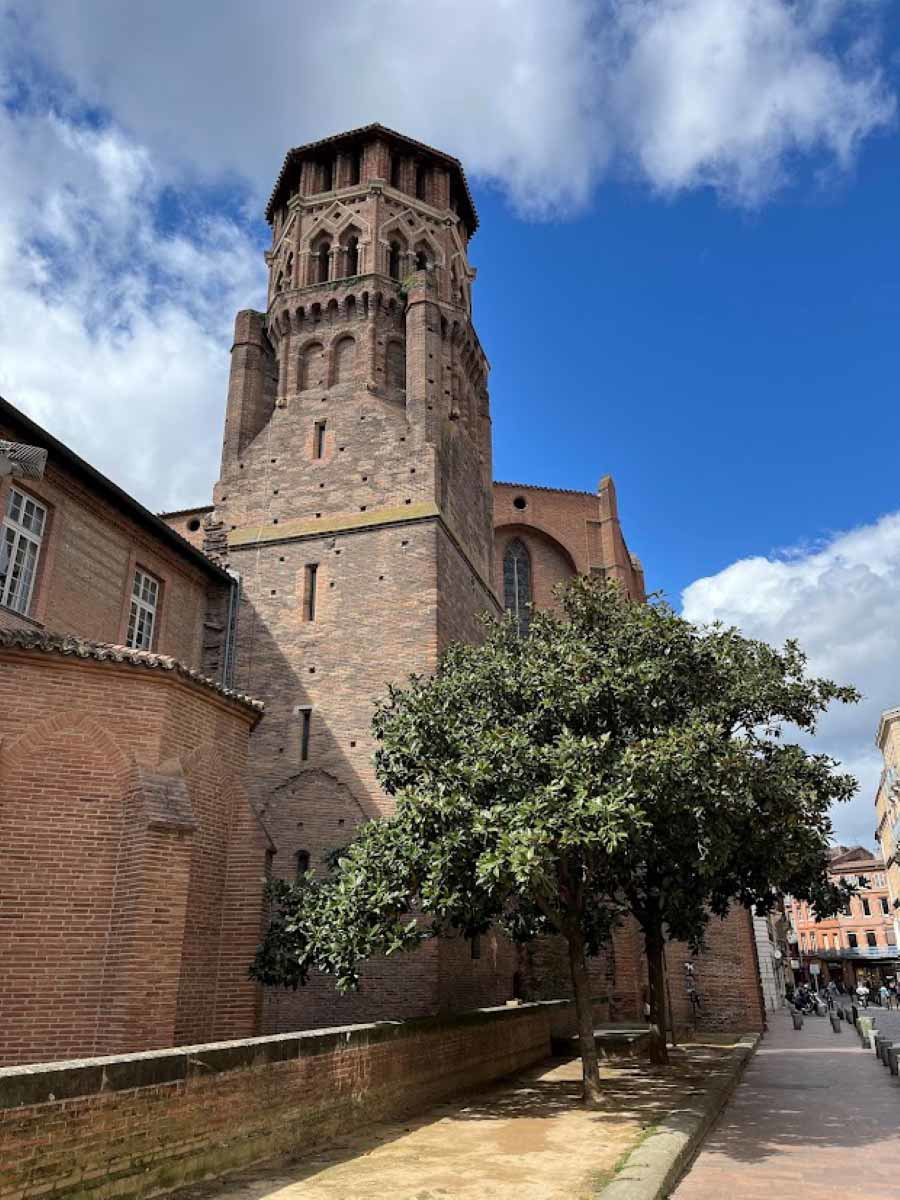
Adding to its list of earliest, biggest, and best, Toulouse is also home to one of the oldest museums in France—the Musée des Augustins. It opened in 1795, only two years after the Louvre. The Musée des Augustins, a former 14th-century monastery, hosts an art collection ranging from the Middle Ages to the early 20th century. It is primarily known for its five centuries of French school paintings, including works by Toulouse-Lautrec, Delacroix, and Manet.
6. Fondation Bemberg in the Hôtel d’Assézat, Toulouse
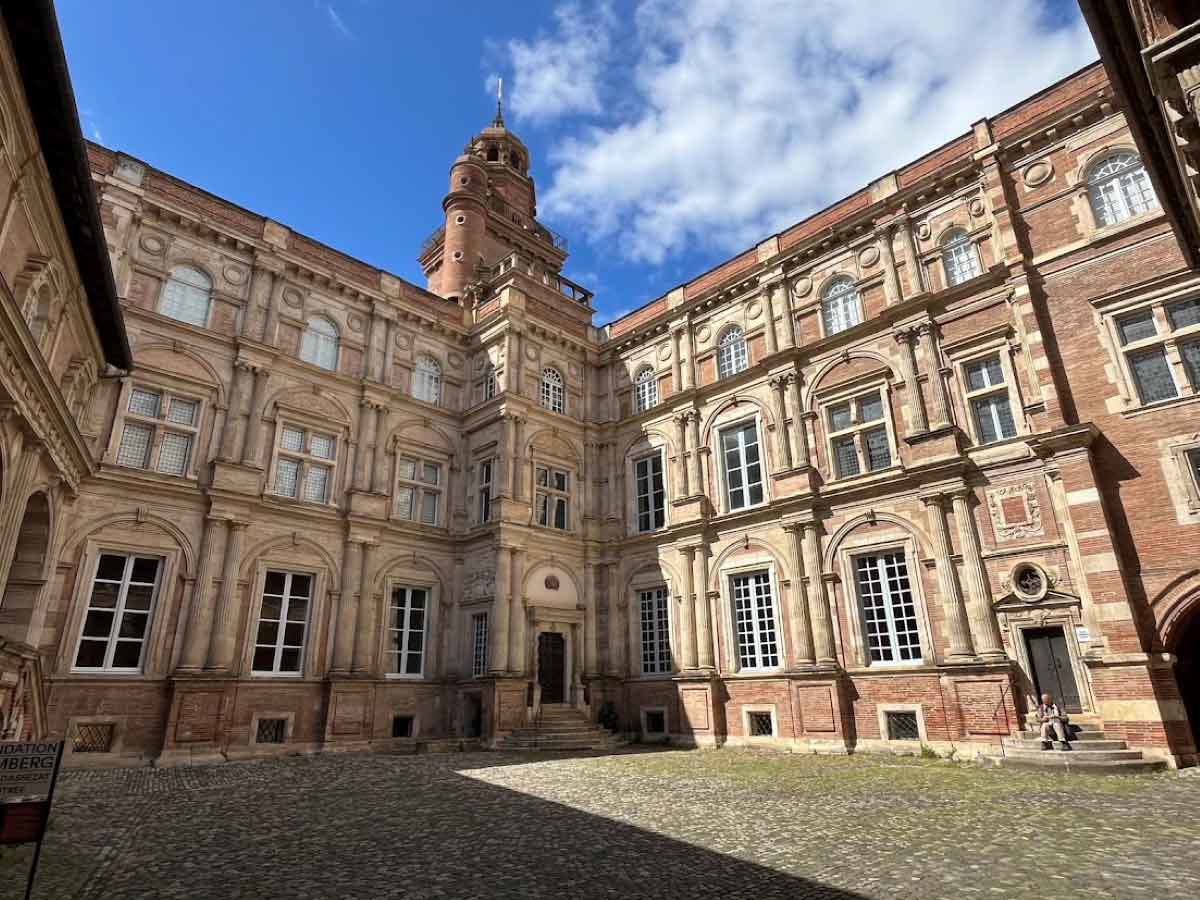
The palace was built in the 16th century by one of the city’s richest merchants of woad (a plant used to make blue dye). Hôtel d’Assézat is considered one of the most beautiful mansions in Toulouse. In 1995, it became home to the Fondation Bemberg, created by the Argentinian collector Georges Bemberg. The collection highlights 19th and early 20th-century French paintings and 16th to 18th-century Venetian paintings and drawings.
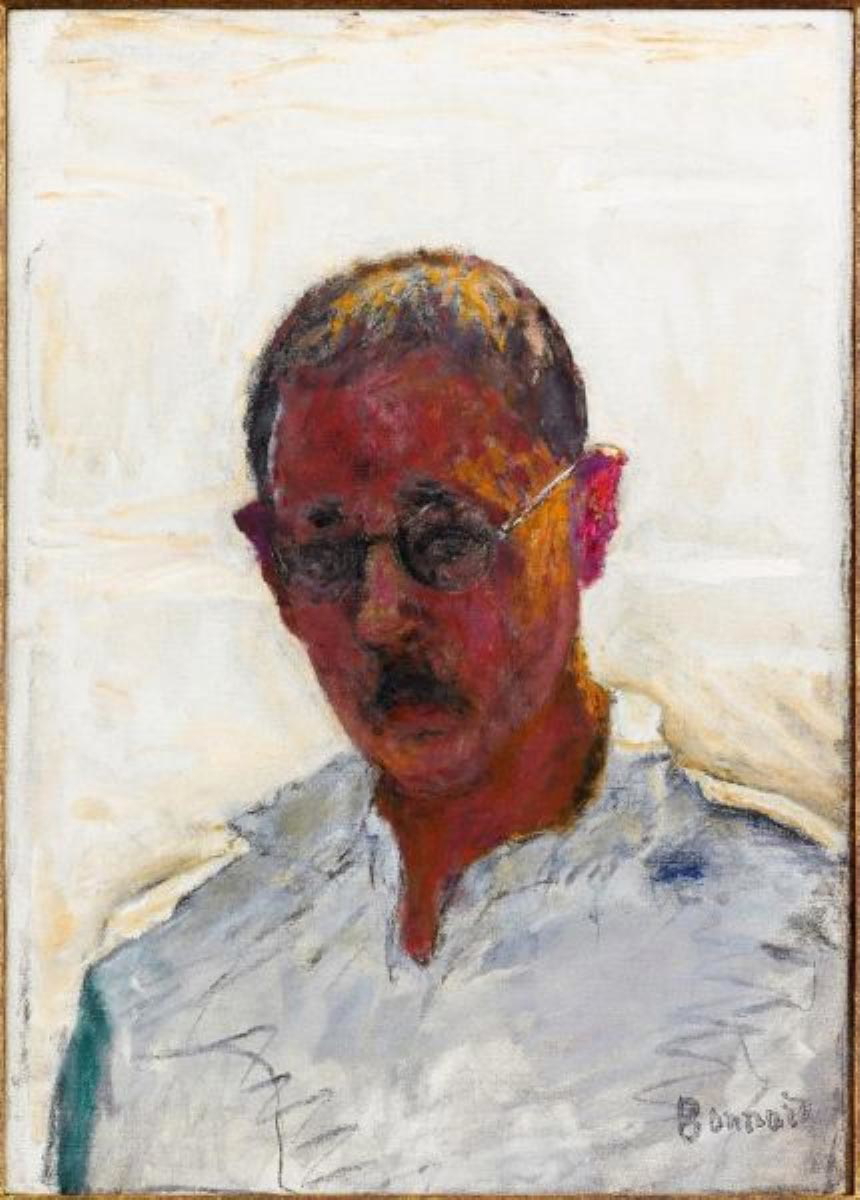
But its biggest enticement is its collection of Pierre Bonnard’s works—over thirty paintings by this 19th-century Post-Impressionist master. If you like Bonnard’s works, you’ll love this museum.
7. Toulouse’s Culinary Temptations
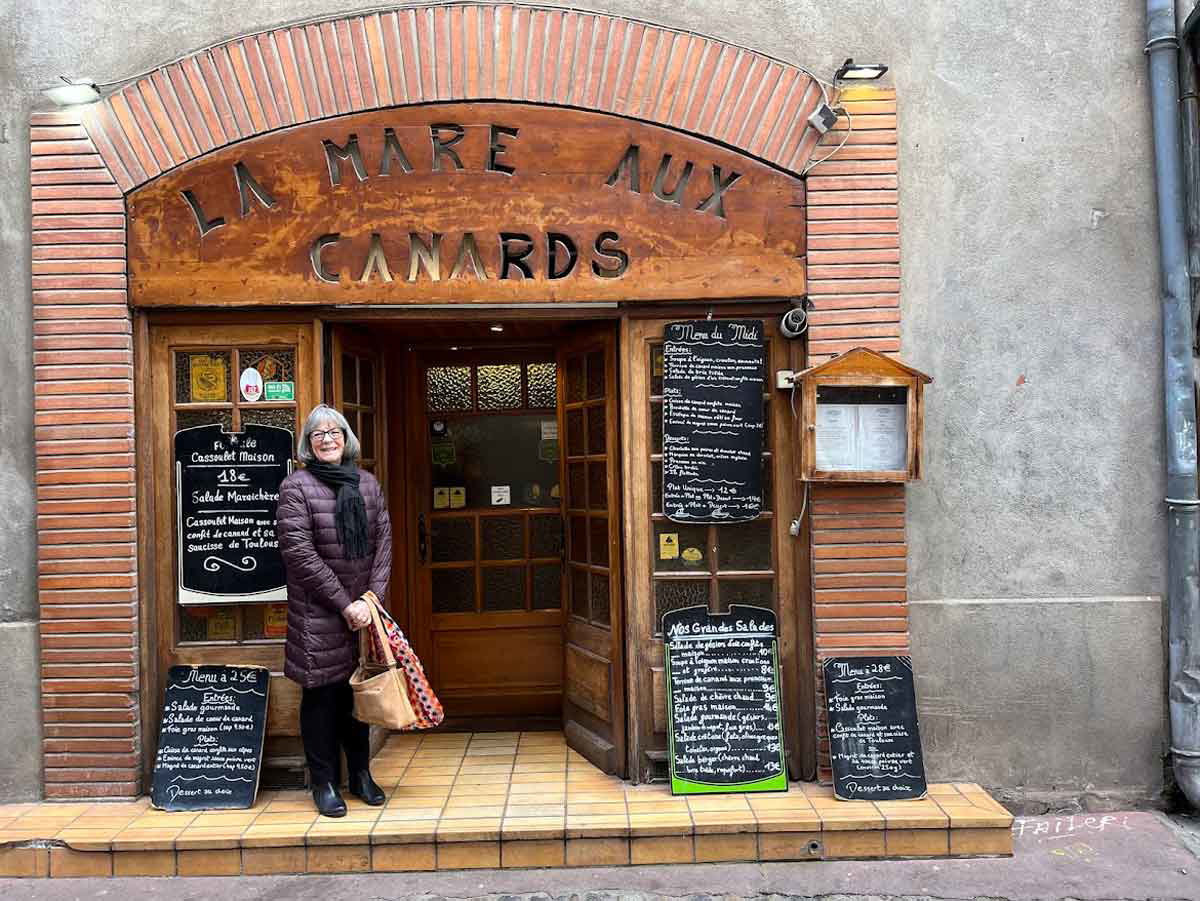
For an unforgettable dining experience in Toulouse, consider starting with lunch at La Mare aux Canards (The Duck Pond), a charming, rustic spot near the Couvent des Jacobins. True to its name, the restaurant specializes in duck, offering an exceptional duck à l’orange that’s worth trying. For dinner, Restaurant Emile in Place St. George is a must-visit. Located in the heart of the city, this Michelin-noted neighborhood restaurant is simple yet refined, and its legendary cassoulet is highly recommended.
8. Hotel de la Fage, Toulouse
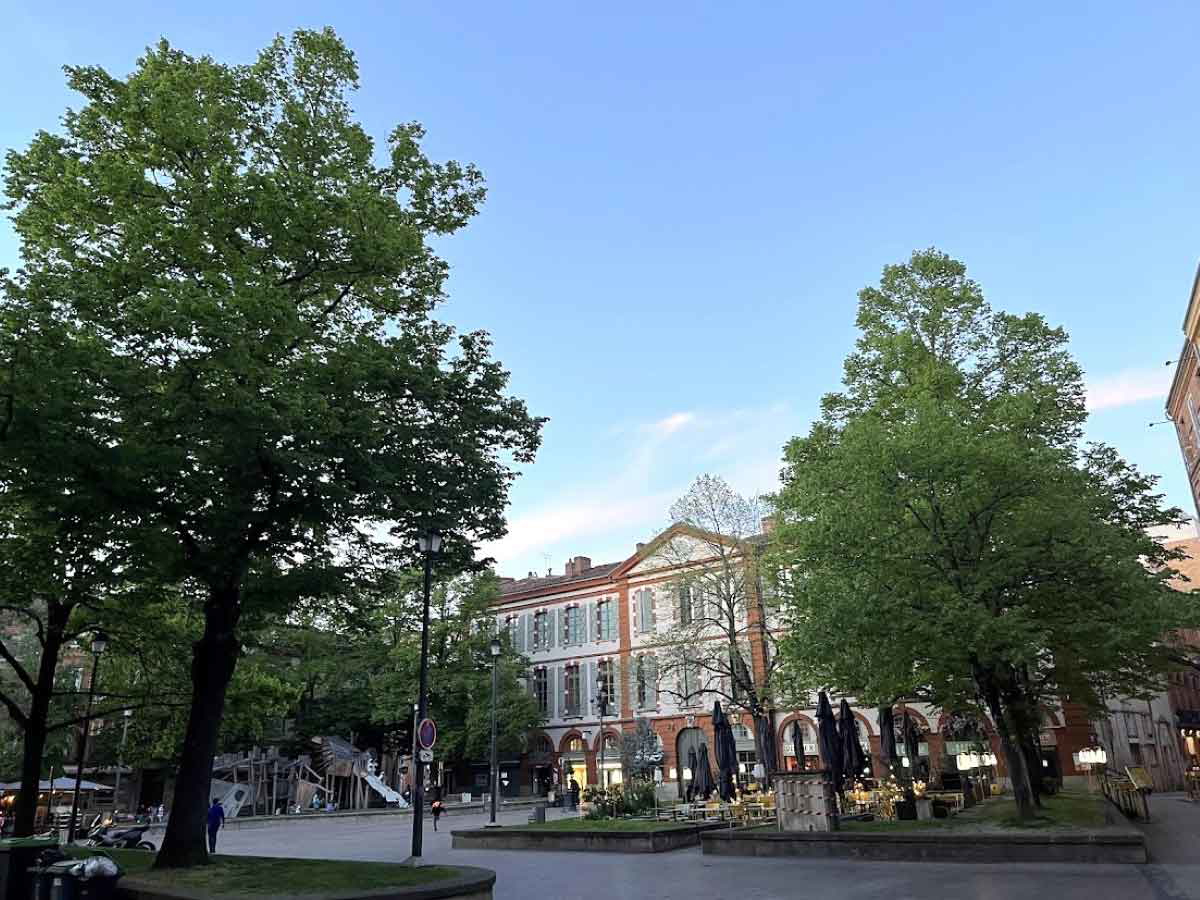
Across from the restaurant in the Place St. George is an excellent example of 18th-century architecture—the Hotel de la Fage. In 1745, Henri-Joseph Lafage, a man of noble descent, commissioned the elegant house to be built in the classic Louis XV style. The beautifully balanced façade of brick and stone includes a slightly projecting central pavilion, topped by a classical pediment with an oculus (or circular window), and a continuous arcade across the ground floor—a quintessential Louis XV building. Along with its rich historical legacy and fabulous gastronomic reputation, Toulouse also has a stimulating contemporary side.
9. Les Abattoirs, Toulouse
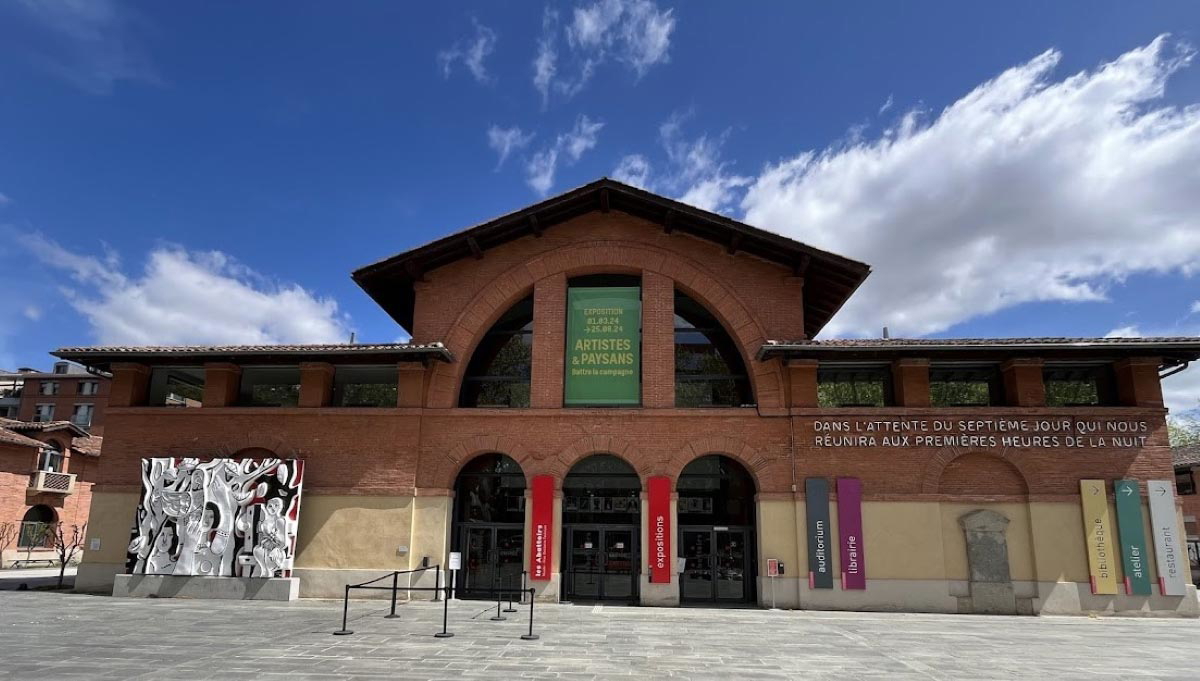
Les Abattoirs (slaughterhouses) is a large 19th-century complex on the left bank of the Garonne River, which flows through the heart of Toulouse. In 2000, the city of Toulouse transformed these former slaughterhouses into a center for modern and contemporary art. One of the best ways to get to Les Abattoirs is to cross the sixteenth-century Pont Neuf. Although its name means new bridge, it is actually the oldest one in Toulouse. The name acknowledges that its streamlined construction was a departure from the medieval past when bridges traditionally supported houses and stores.
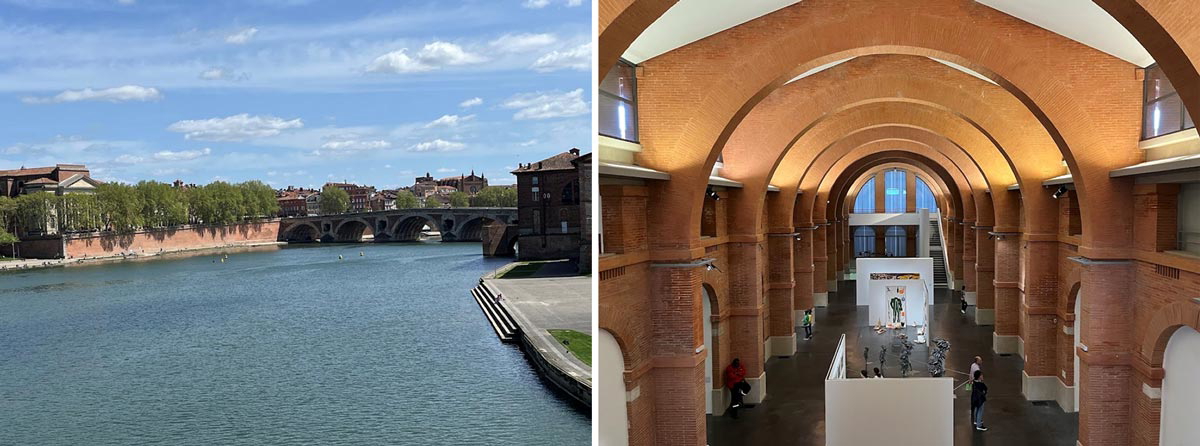
Les Abattoirs represents a unique merger of Toulouse’s Museum of Modern and Contemporary Art with the Occitanie Regional Contemporary Art Fund. The site brings together permanent art collections, a library, a public gallery, artist studios, an auditorium, a bookstore, and a restaurant. The welcoming restaurant, L’hemicycle, is in the complex courtyard and offers indoor and outdoor seating.
10. Hall de la Machine in Toulouse
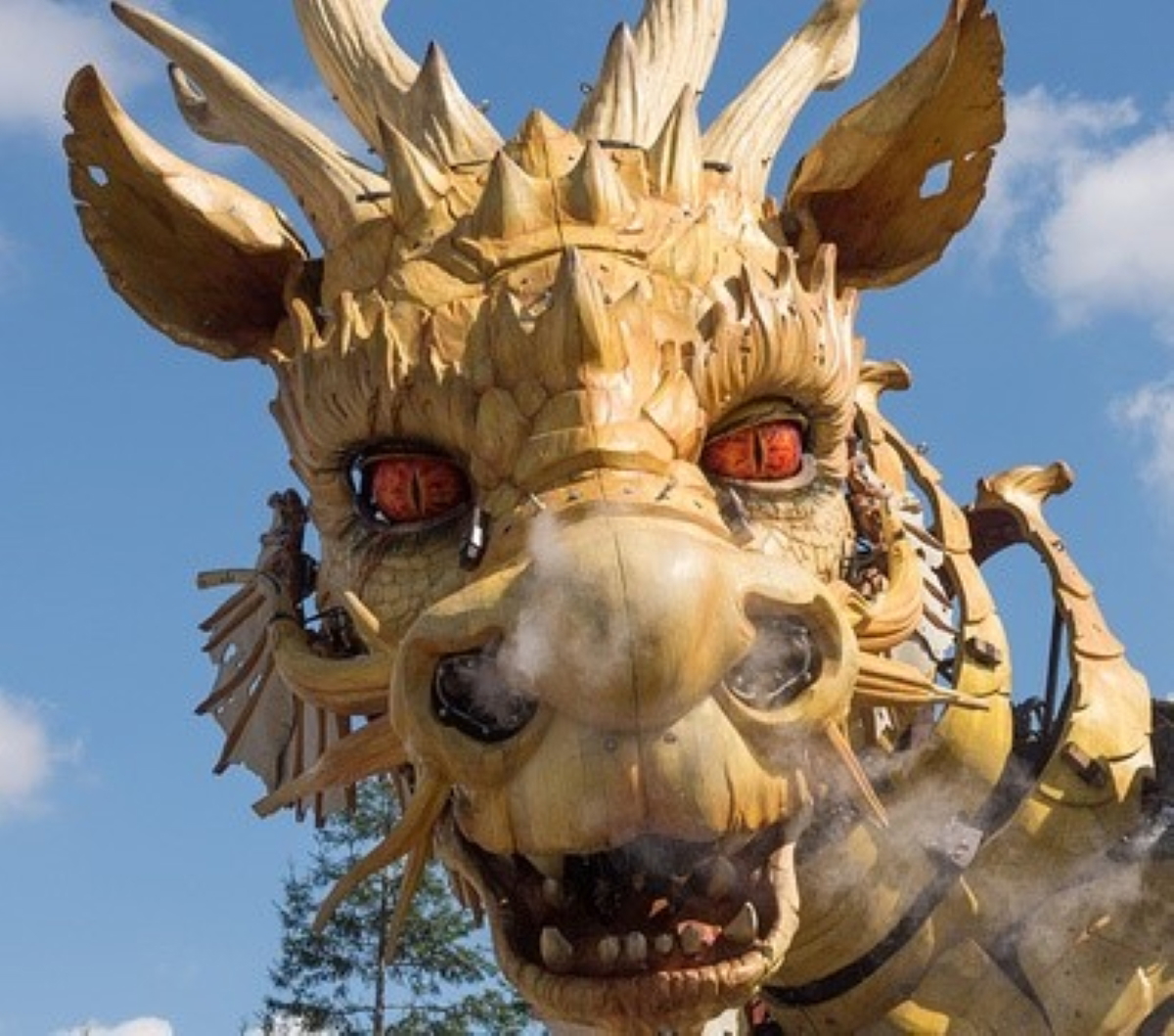
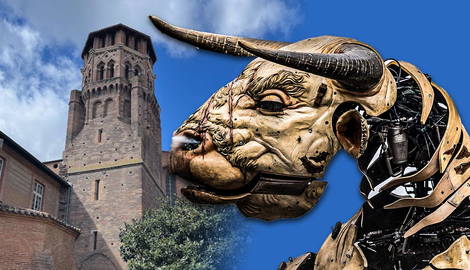
One attraction not to miss is the Hall de la Machine, known for its astonishing mechanical monsters. Some of these creations, crafted by the renowned Compagnie de la Machine, were previously showcased in Nantes, France, where they captivated audiences with their unique blend of imagination, engineering, and whimsical artistry. These mechanical marvels—including the impressive Minotaur—embody an enchanting fusion of creativity and playfulness. For anyone visiting Toulouse, this experience promises to be unforgettable.
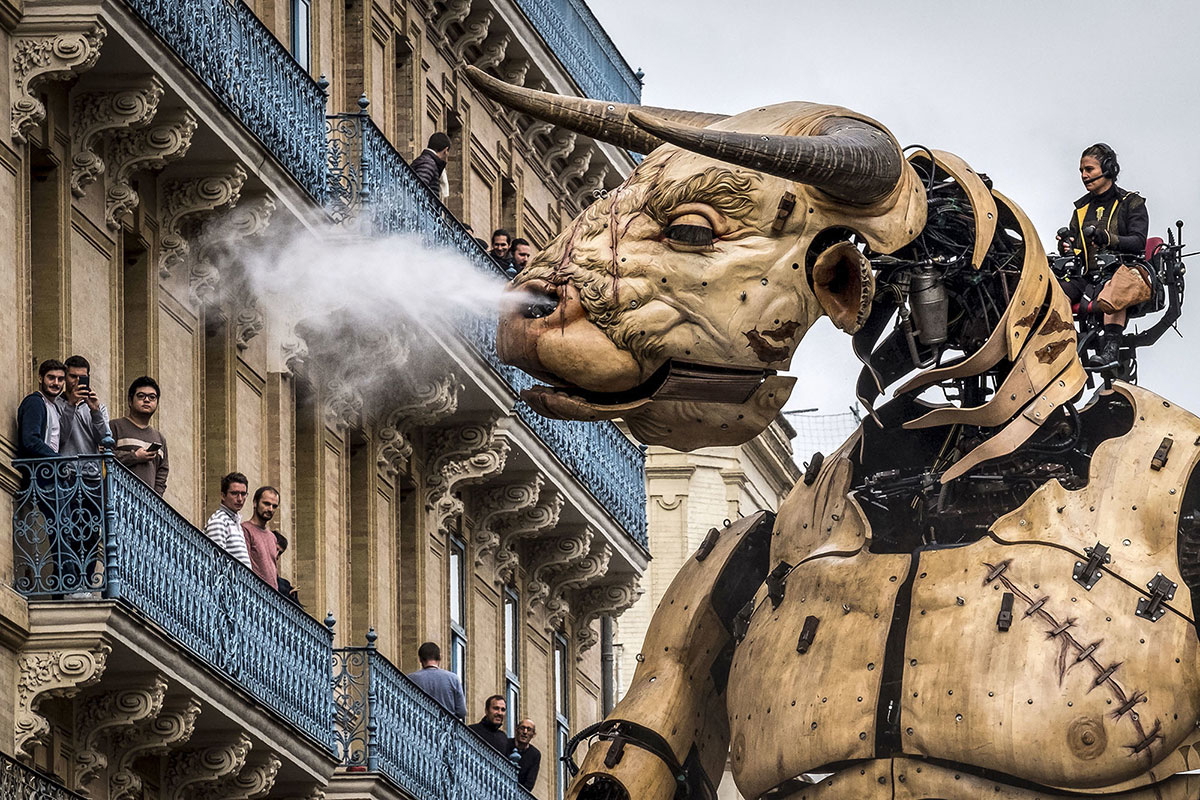
This spectacular beast inaugurated the venue’s opening in 2018 with a four-day performance through the city’s streets. Today, you can hitch a ride on the magnificent Minotaur at the Hall de la Machine and let your imagination run wild. By the way, the Hall de la Machine—this ultimate fantasyland—is fittingly located where Saint-Exupéry (a beloved visionary himself) took to the skies. “Let your dream devour your life,” Exupery said, “not your life devour your dream.”